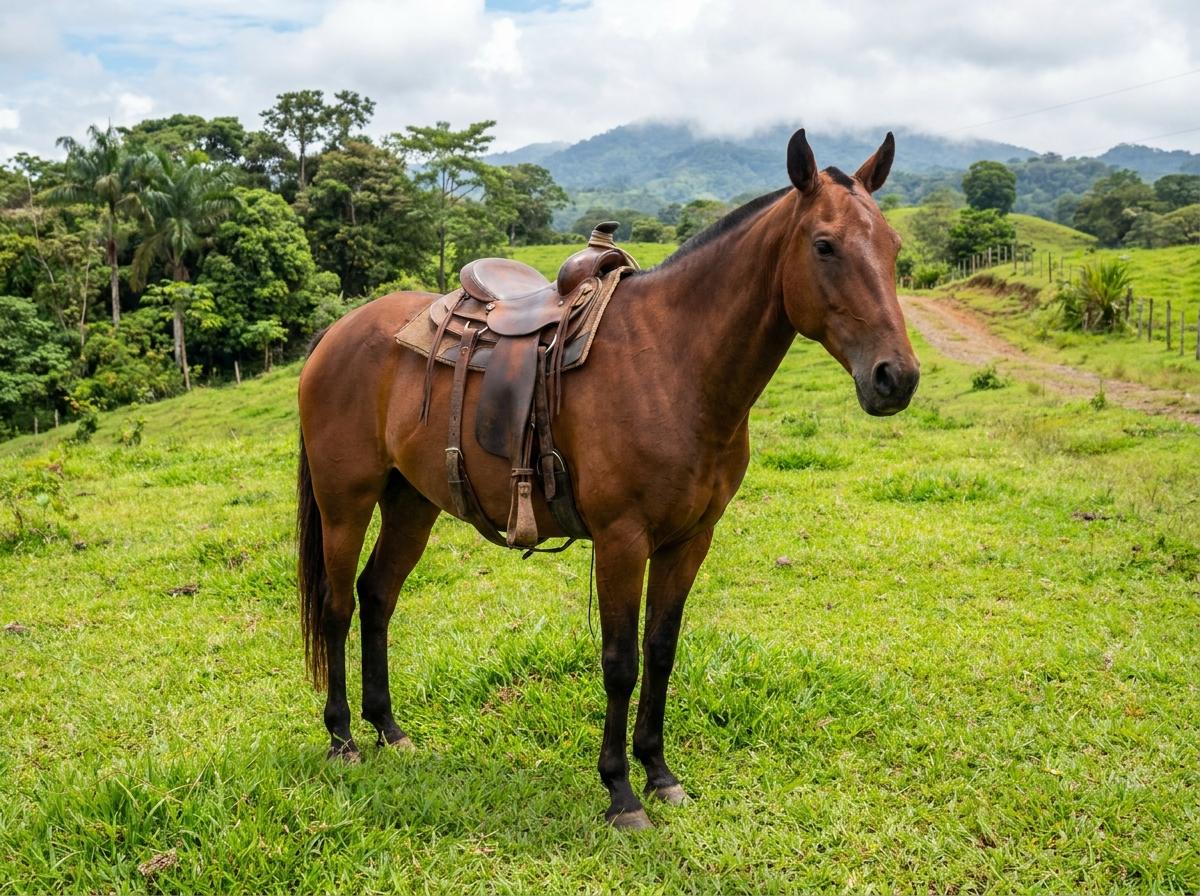
Costa Rican Saddle Horse
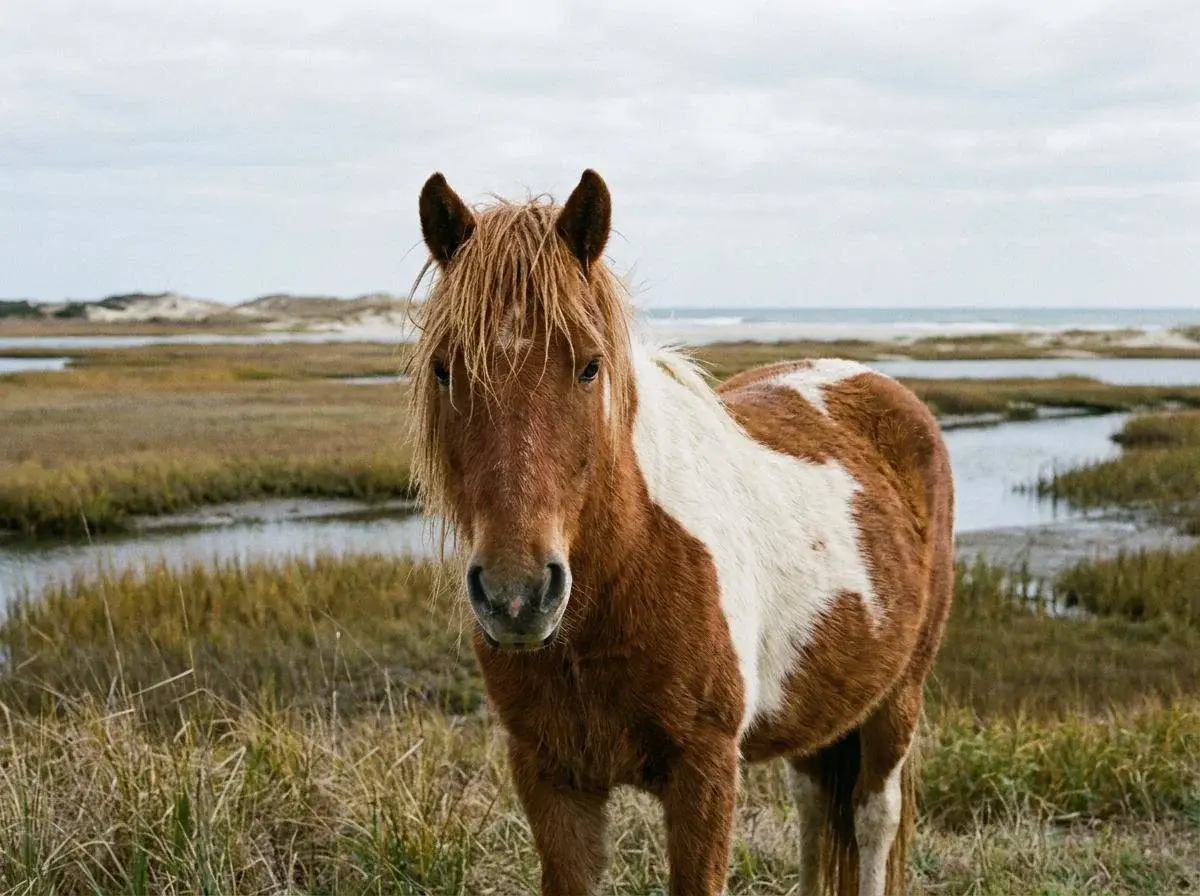
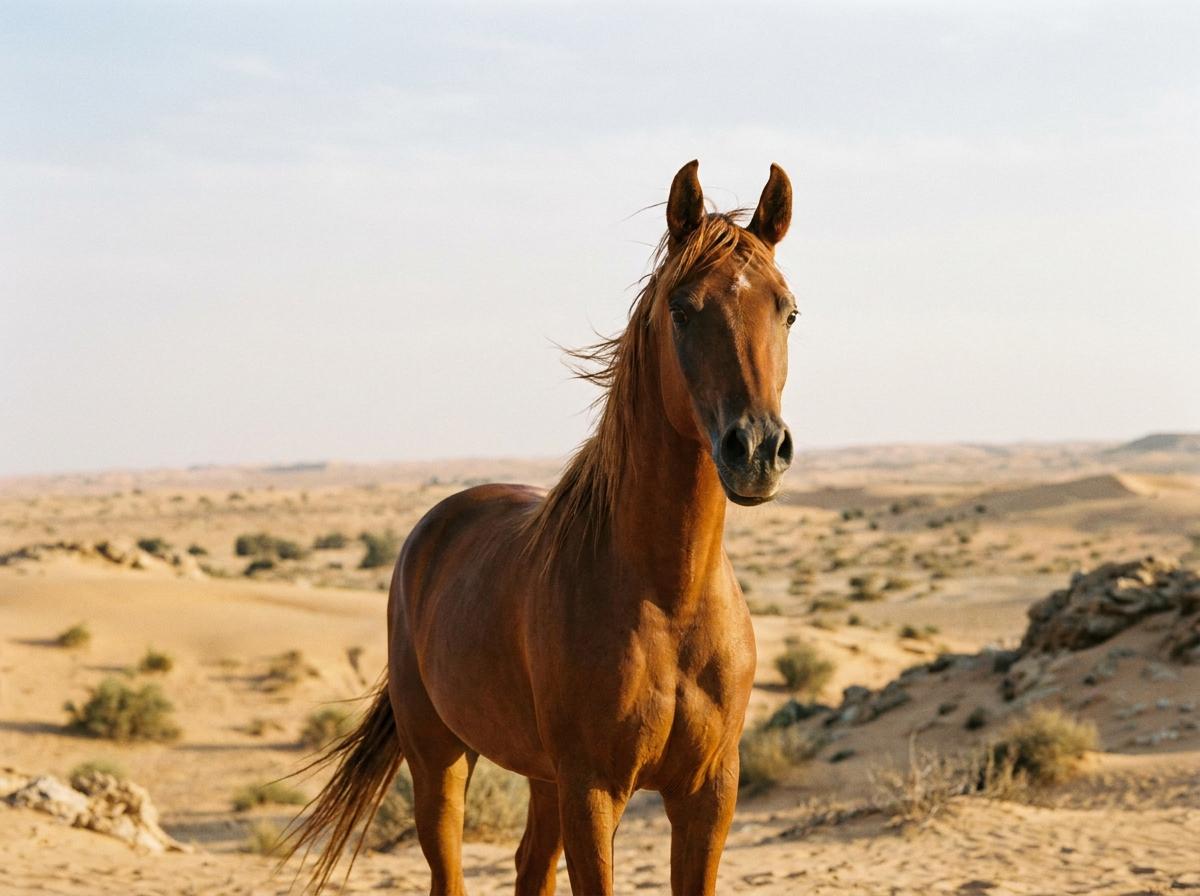
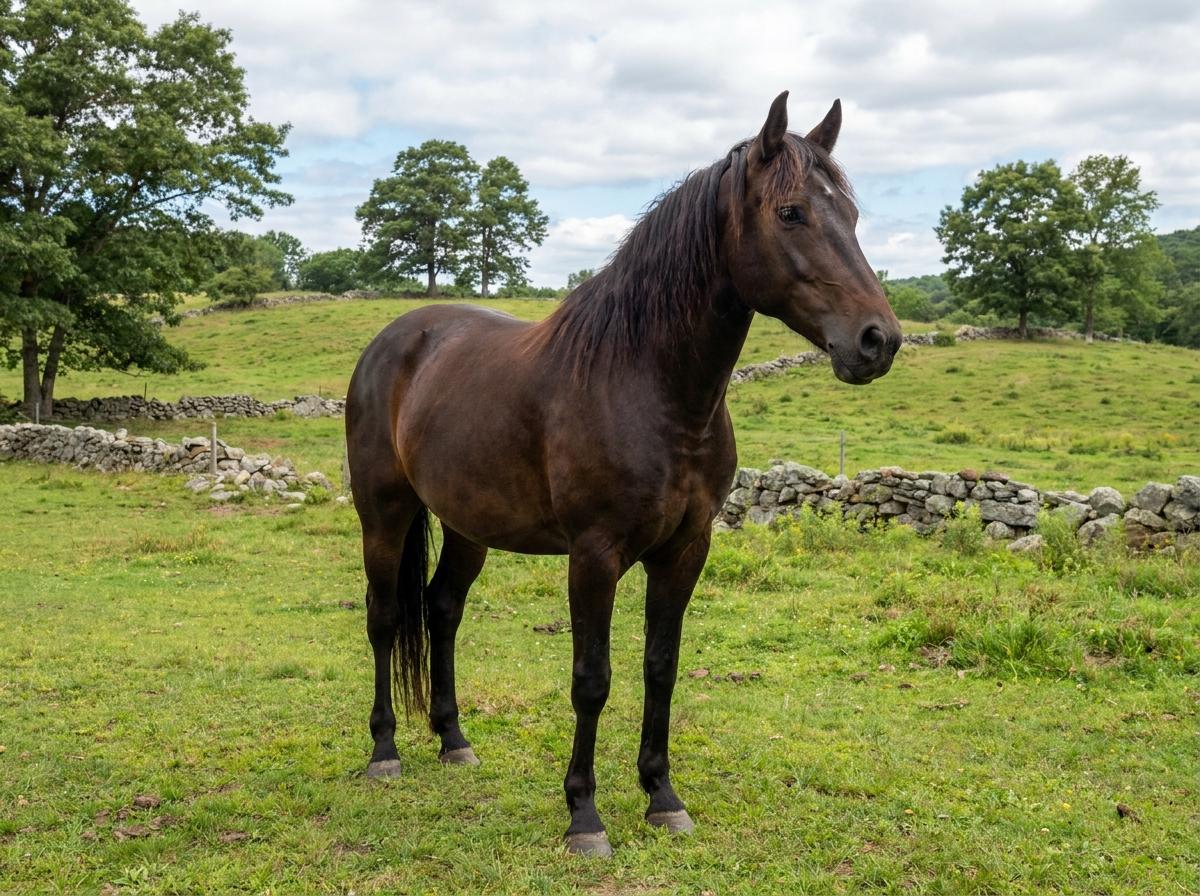
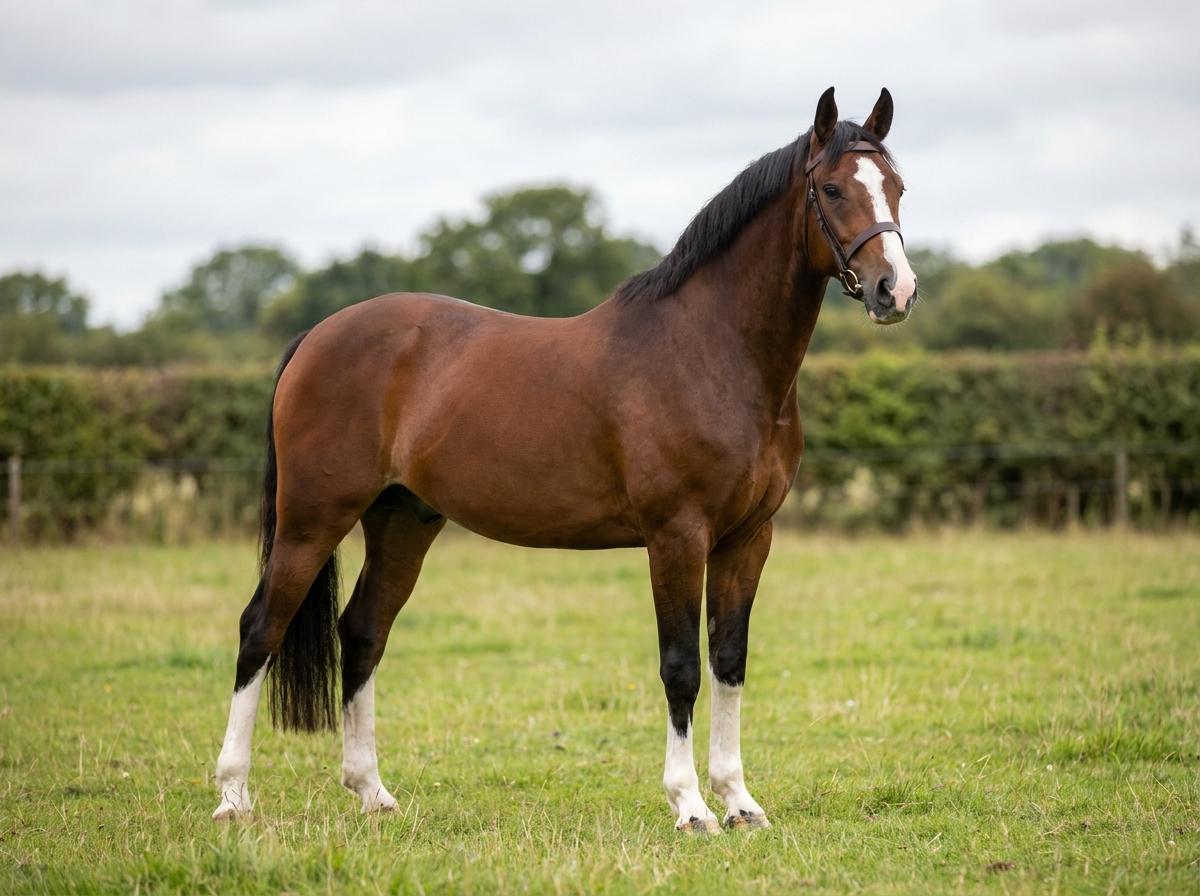
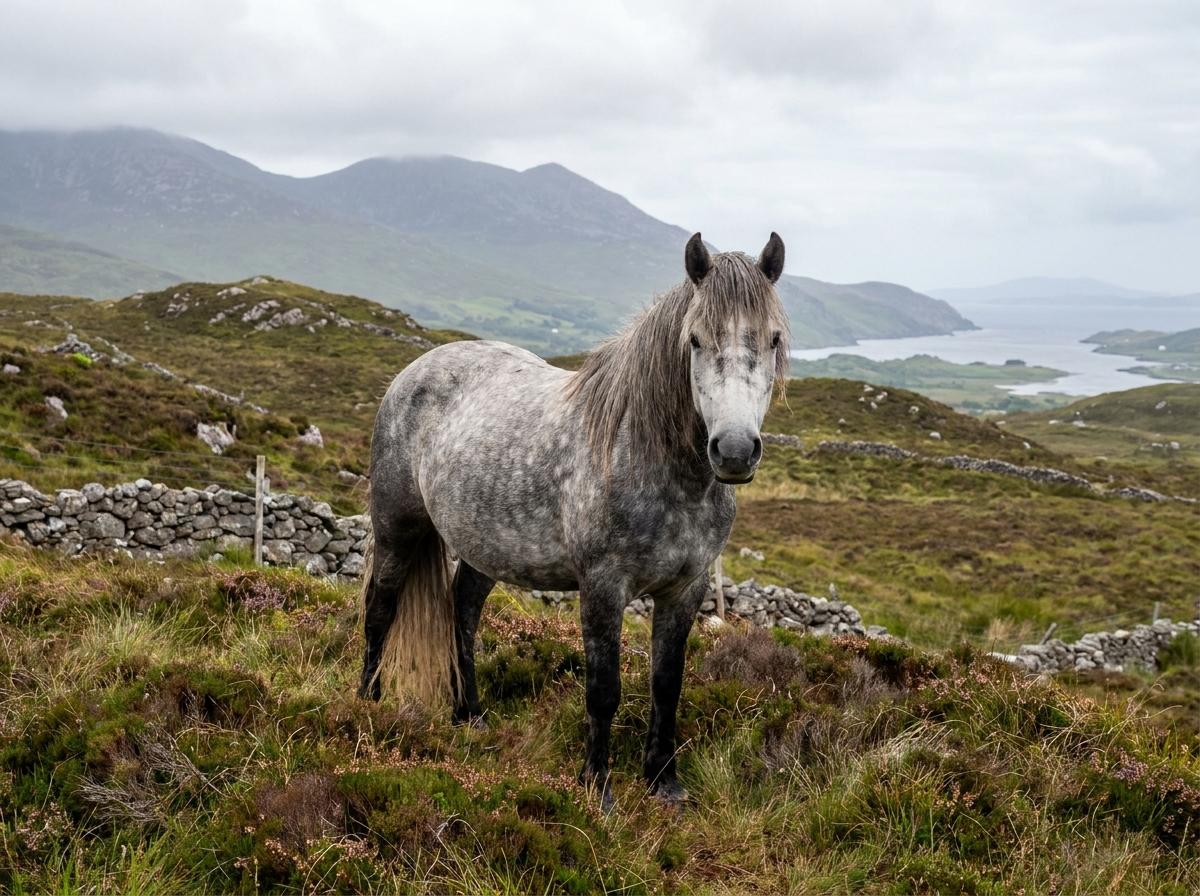
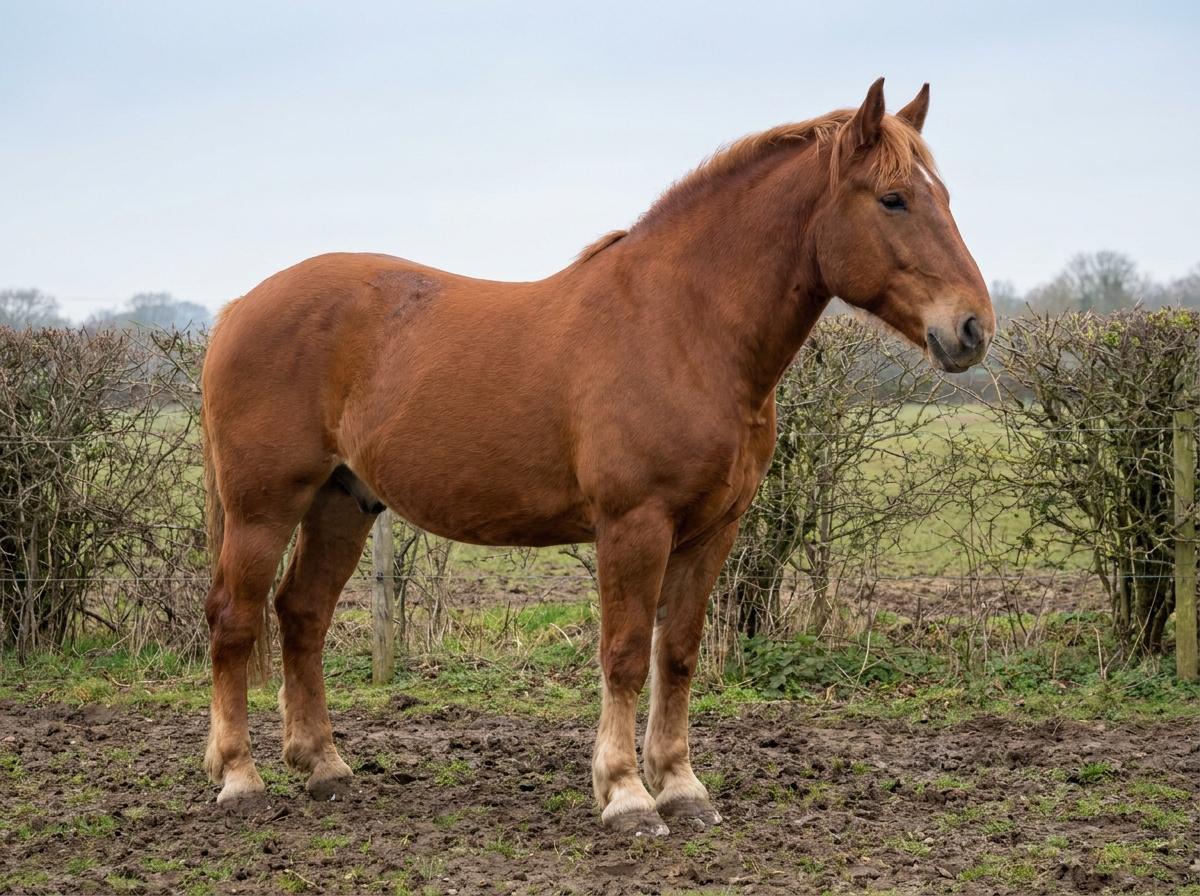
The Costa Rican Saddle Horse, often associated with the Caballo Costarricense de Paso, is a gaited riding horse developed in Costa Rica from Iberian and Latin American saddle-horse influences. It is associated with a lively, collected way of going and a smooth intermediate gait suited to parades, pleasure riding, and national show traditions. The breed is usually medium-sized, with an arched neck, active front end, strong hindquarters, and a responsive temperament. Bay, chestnut, black, gray, and other solid colors may occur, with selection centered on gait, presence, and rideability.
Keeping one well means understanding gaited-horse training rather than forcing the horse into ordinary trot-focused work. Balanced shoeing, correct saddle fit, and conditioning of the back and hindquarters help preserve comfort and rhythm. In Costa Rica, these horses may be seen in shows, festivals, trail riding, and breeding farms that emphasize natural gait and manners under saddle. Prospective buyers should watch the horse move in hand and under rider, because gait quality, not just pedigree or animation, determines whether it will be enjoyable and sustainable.
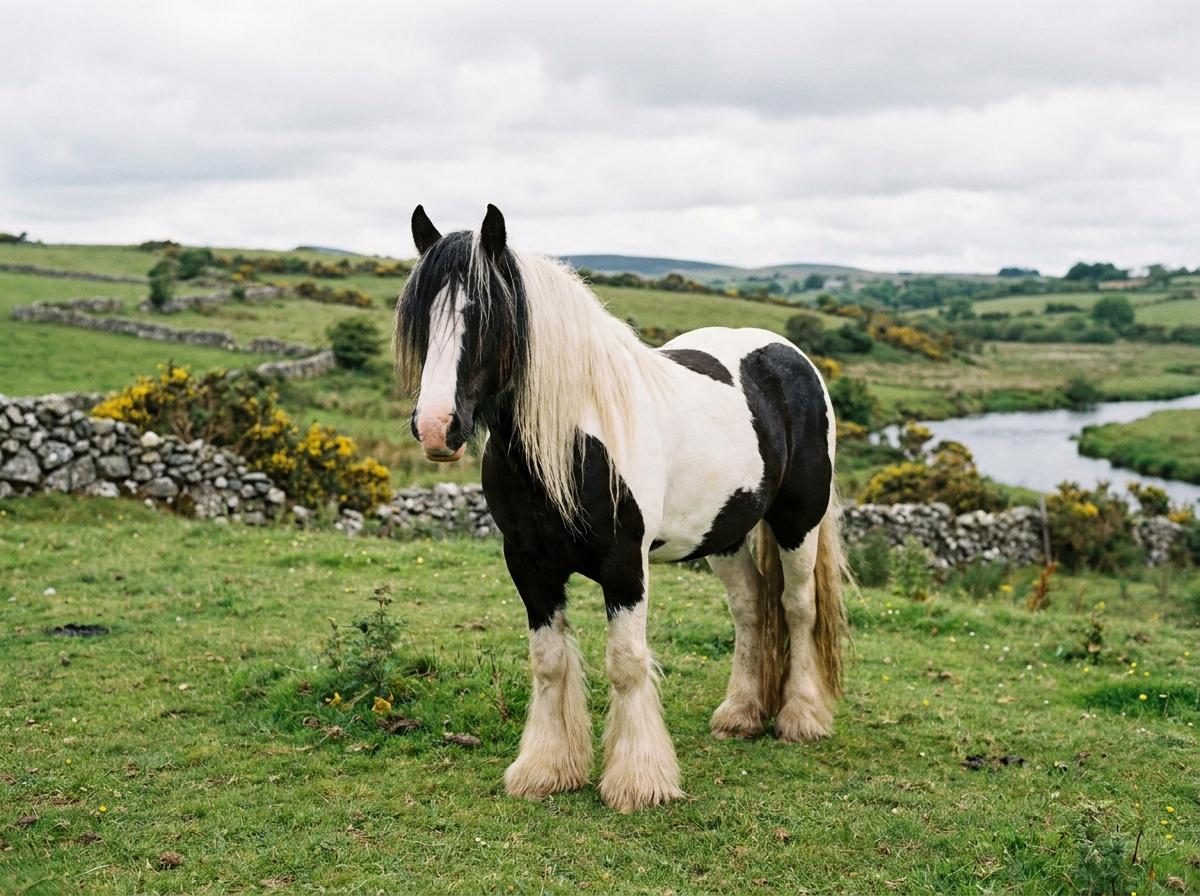
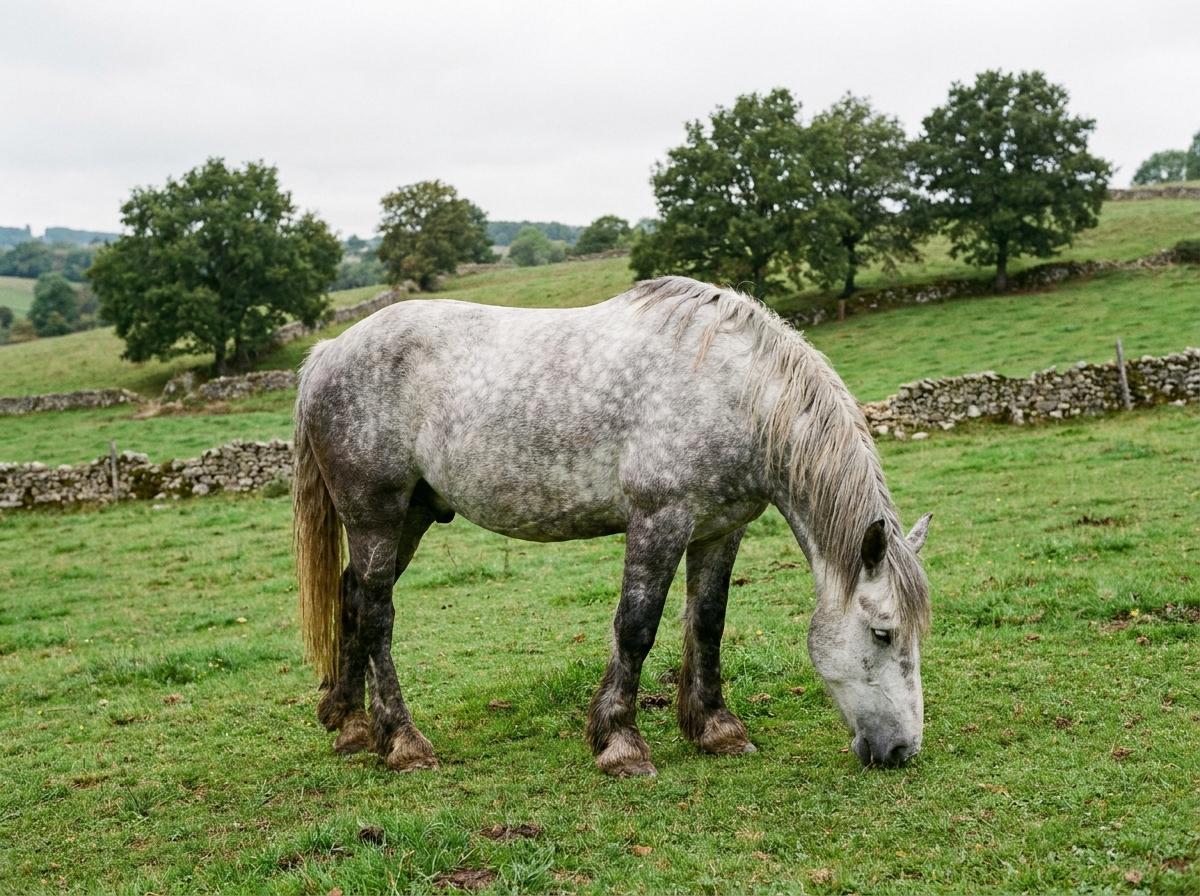
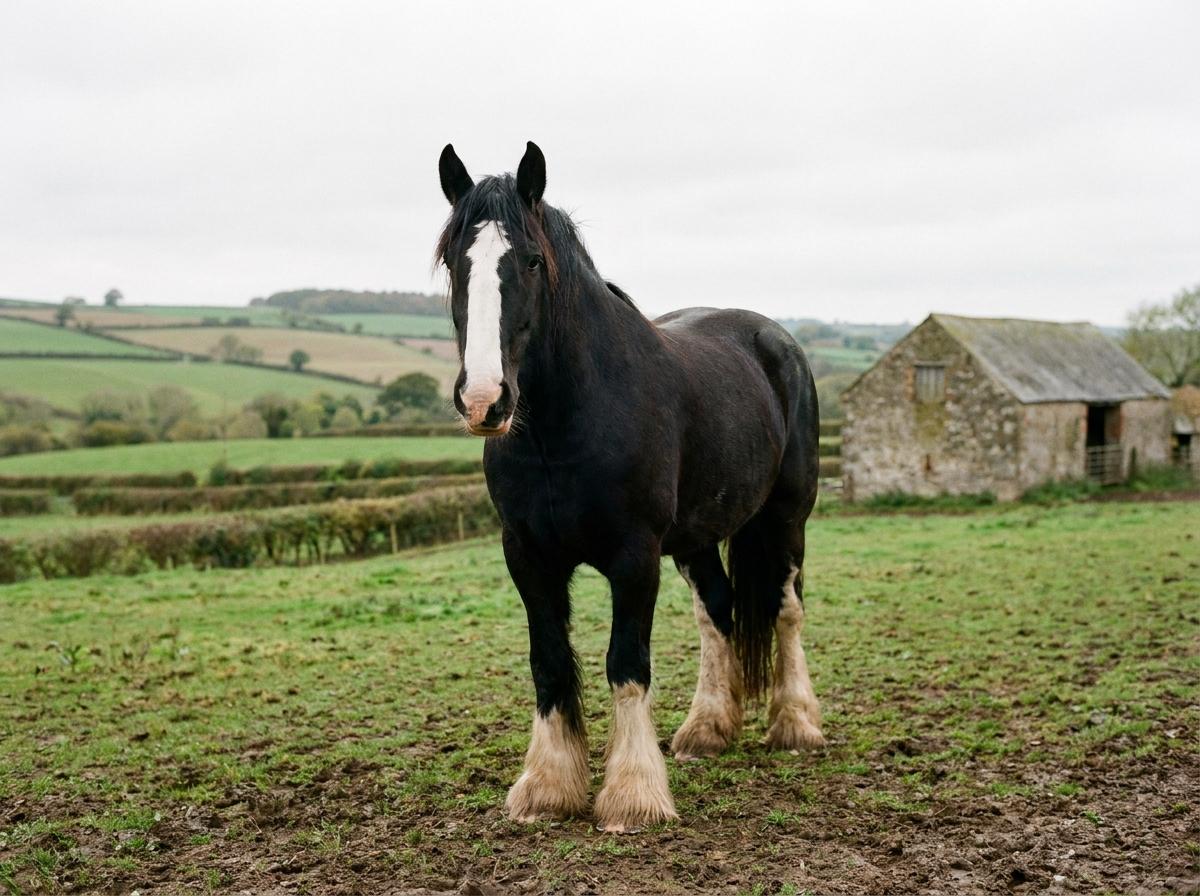
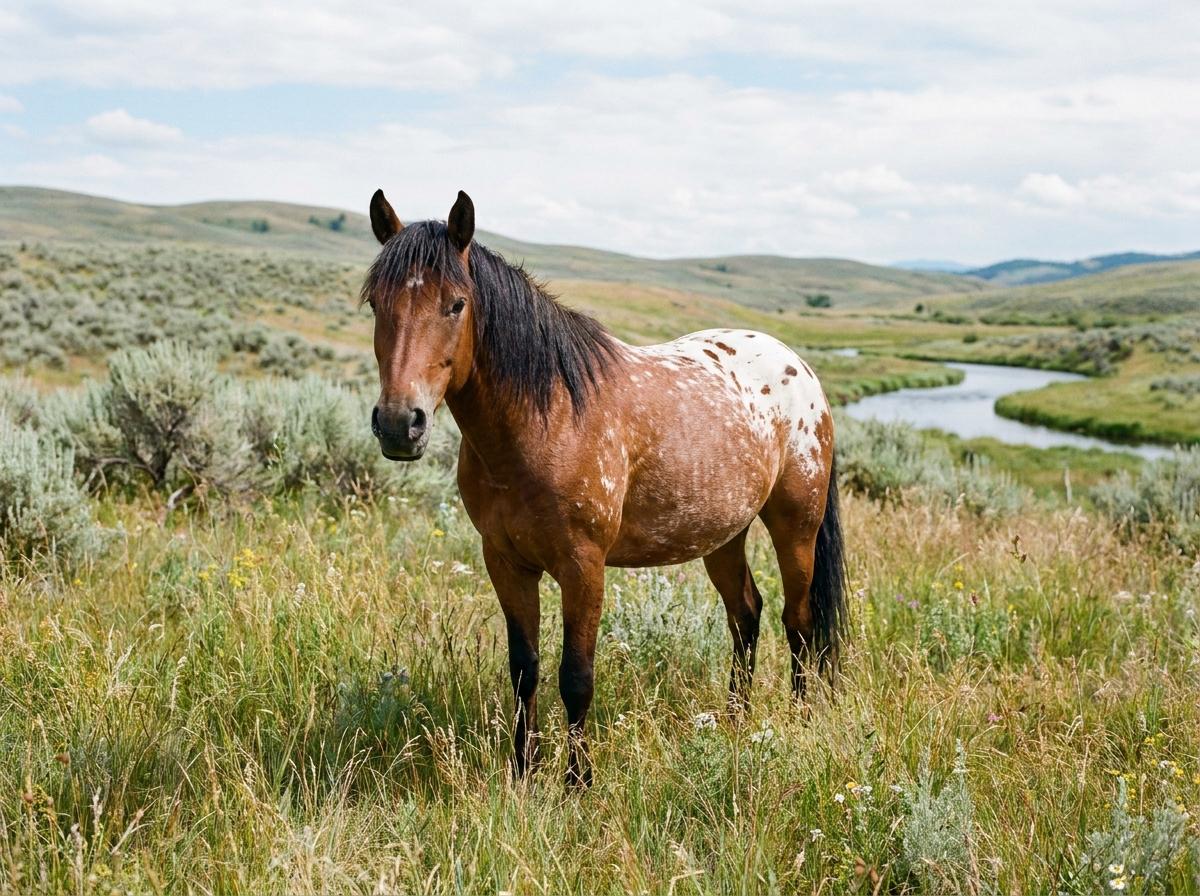
Colors: Amber Champagne, Bay, Bay Dun, Bay Roan, Black, Blanket Appaloosa, Blue Roan, Brown, Buckskin, Champagne, Chestnut, Classic Champagne, Cremello, Dun, Dun Roan, Fewspot Appaloosa, Flaxen Chestnut, Frame Overo, Gold Champagne, Gray, Grey, Grullo, Leopard Appaloosa, Liver Chestnut, Overo, Palomino, Perlino, Piebald, Pinto, Rabicano, Red Dun, Red Roan, Roan, Sabino, Seal Bay, Silver Dapple, Skewbald, Smoky Black, Smoky Cream, Snowcap Appaloosa, Sorrel, Splash White, Tobiano, Tovero, Varnish Roan, White