

Courser
A courser was a horse described in medieval sources for swift, spirited mounted use. It was not one modern breed with a closed stud book, fixed measurements or a single appearance. The word changed across languages, places, centuries and kinds of record, so a careful answer starts with the document rather than a reconstructed breed profile.
If a historical label led you here while researching a living horse, create a profile for the horse you actually have, then preserve its verified breed, parentage, measurements and records without selecting courser as though it were a current registry identity.

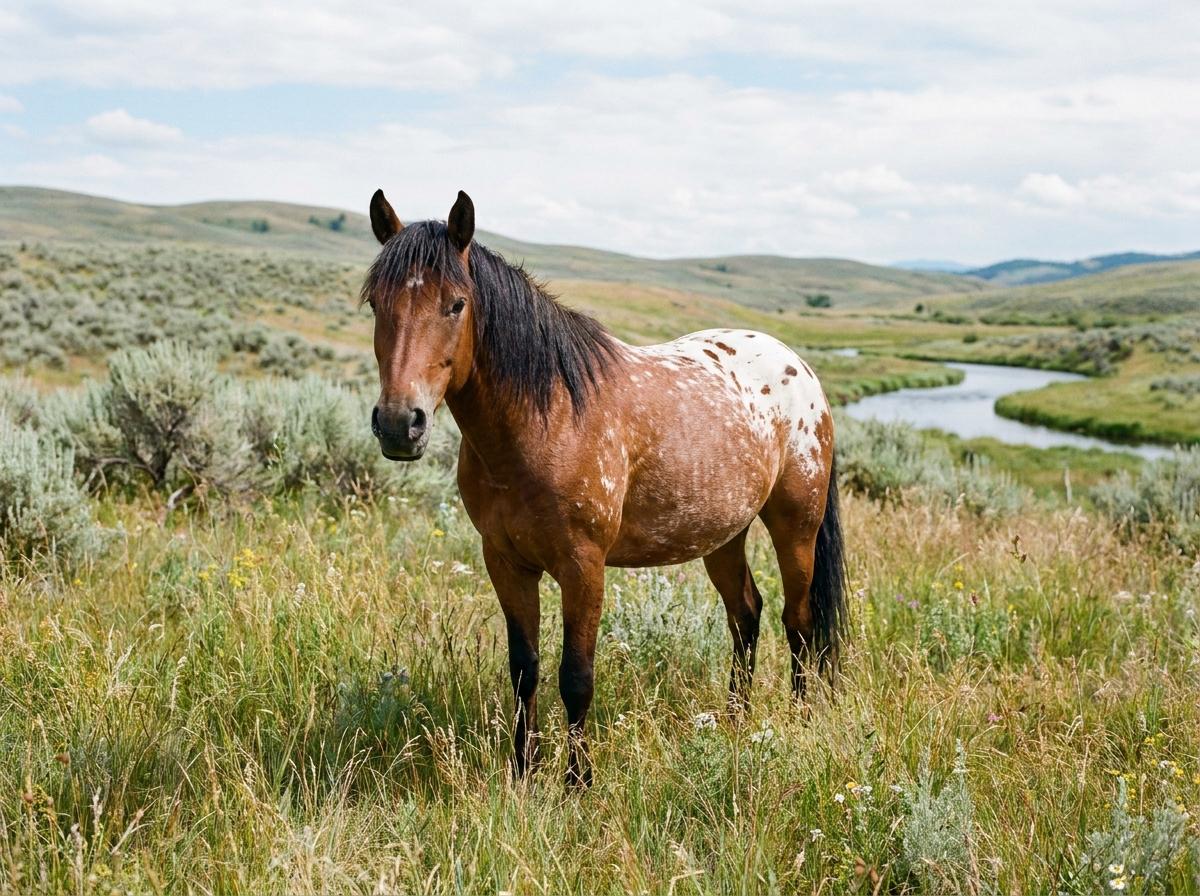
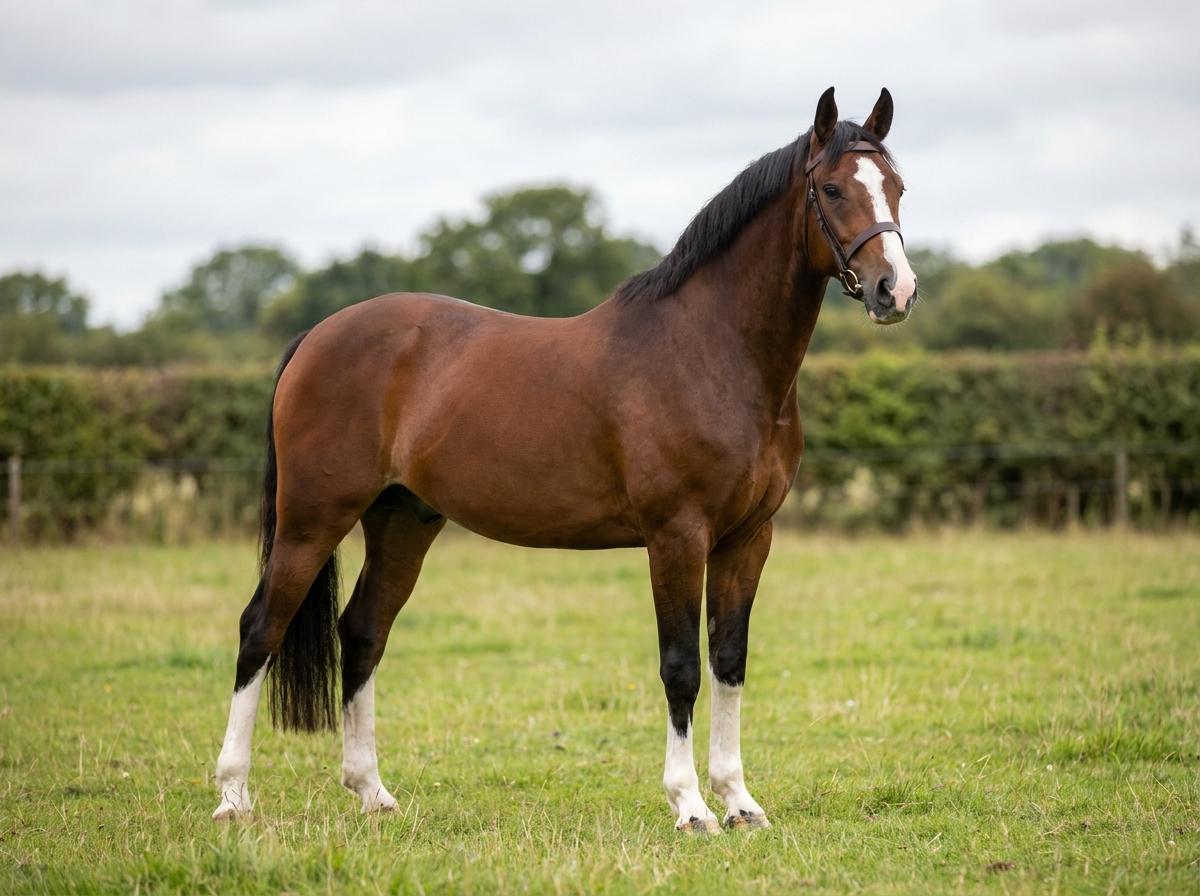
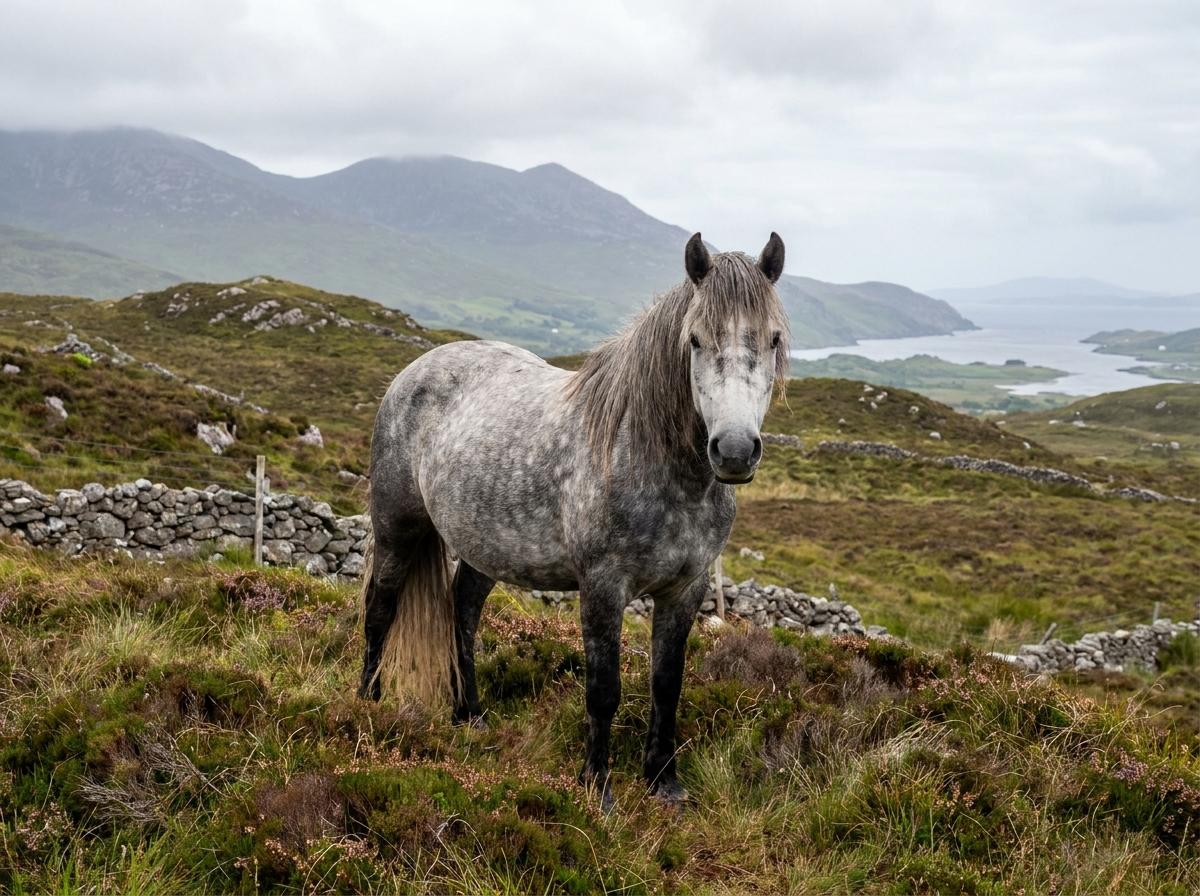
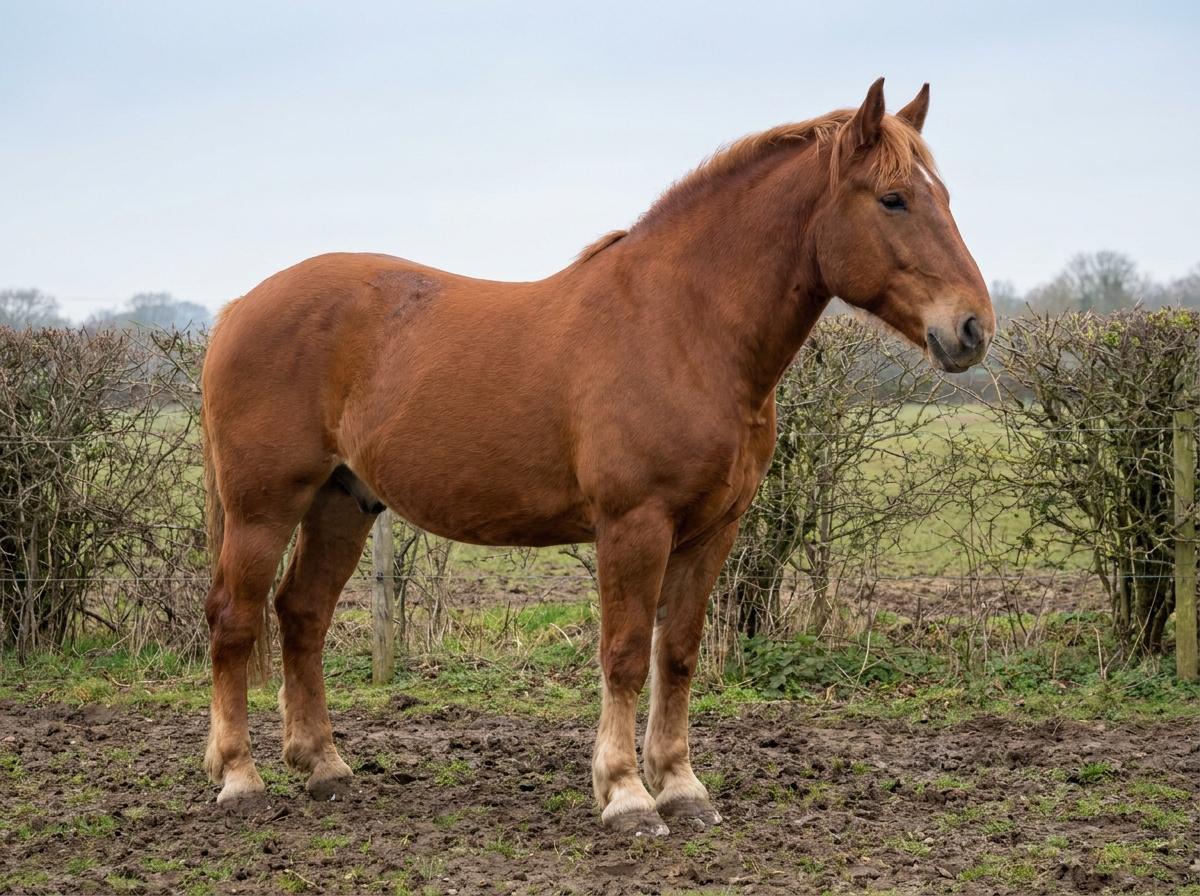
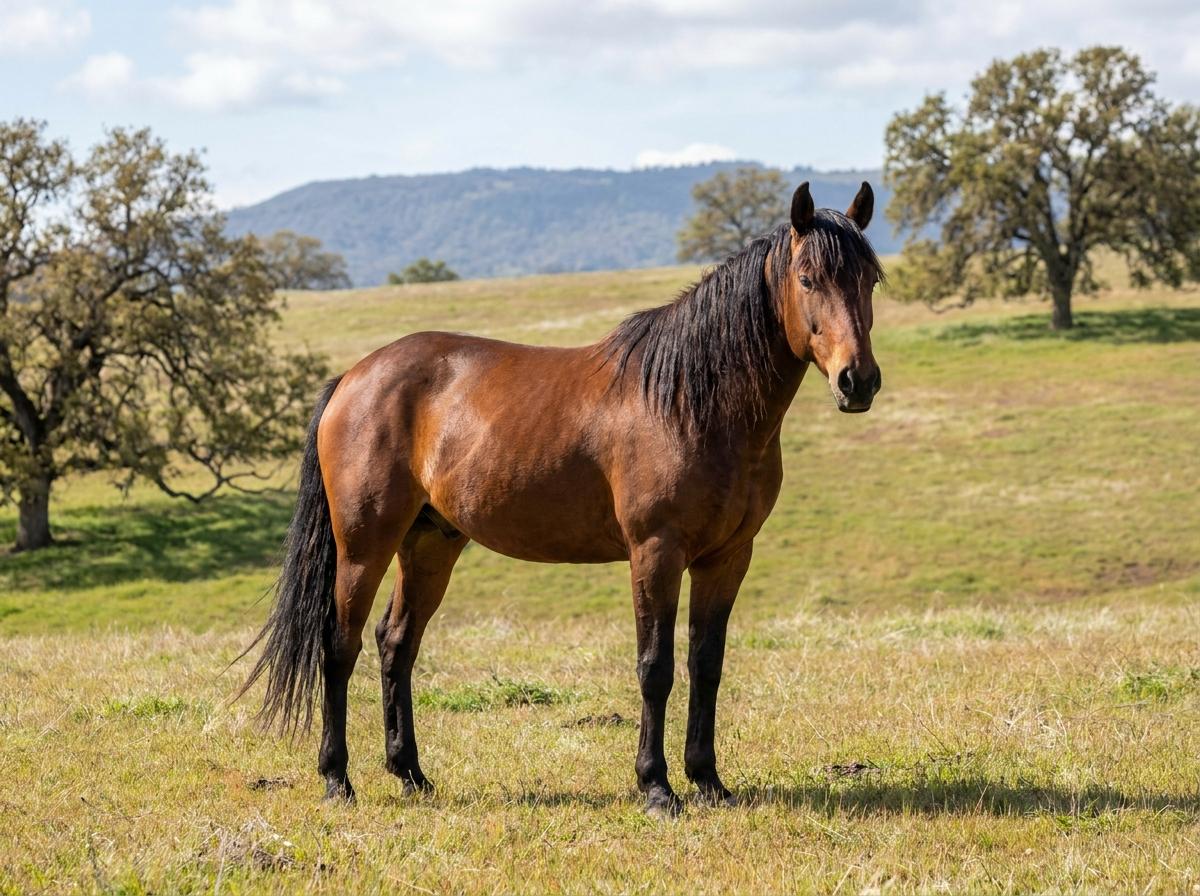
AI-generated reconstruction, not a photograph. The scene illustrates one plausible use of a swift riding horse and does not define a courser breed.
Browse listings, public profiles, breeders, or add your animal.
What did courser mean?
The University of Michigan Middle English Dictionary entry for courser records many spellings and more than one sense. Its main definition describes a swift, spirited horse used as a mount in warfare, tournaments or parade. Its quotation record places variants of the word in English texts across the later Middle Ages.
The same entry also records narrower or looser senses, including a stallion, an ambler and an ordinary horse. That range matters. A single modern gloss cannot replace the grammar, date and subject of the source in front of you.
In one account, the term may distinguish an elite mount from another horse in a procession. In a literary scene, it can signal energy, rank or martial readiness. Elsewhere it may be closer to a general horse word. The label tells us how a writer classified or presented an animal. It does not automatically reveal its ancestry.
Why a courser is not a modern breed
Modern breed identity usually depends on a named population, published rules, a registry, parentage requirements and a process for recording animals. No continuous courser registry connects medieval animals to a living closed population.
A scholarly chapter on mounts as social identifiers explains how medieval horse terms helped an audience understand a mount’s quality, function and the rider’s place in a story. The distinctions were meaningful, but they were not identical to today’s globally administered breed standards.
Treating courser as a breed produces false precision. There is no defensible universal courser height, weight, coat color, head profile, gait, lifespan or temperament. Nor can a present-day breed be declared the courser’s direct replacement solely because its individuals can be quick or athletic.

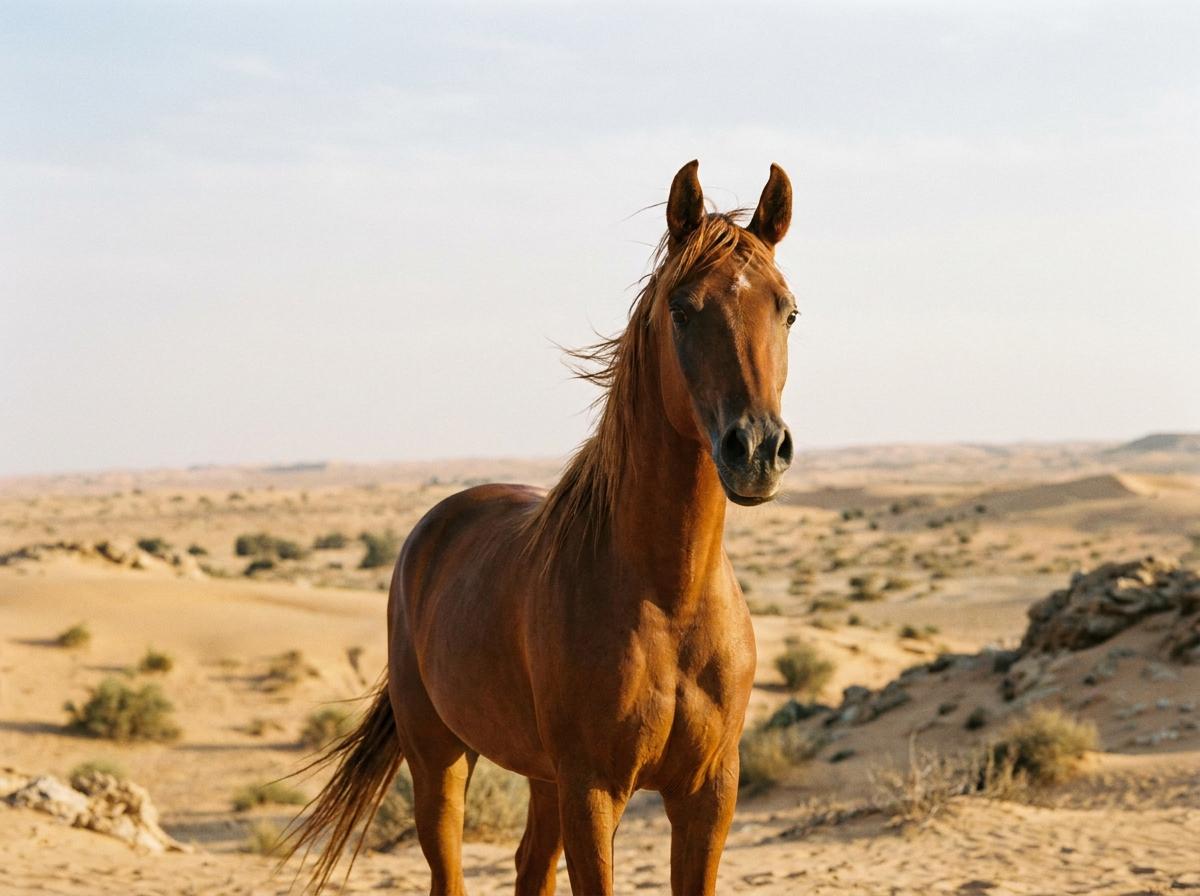
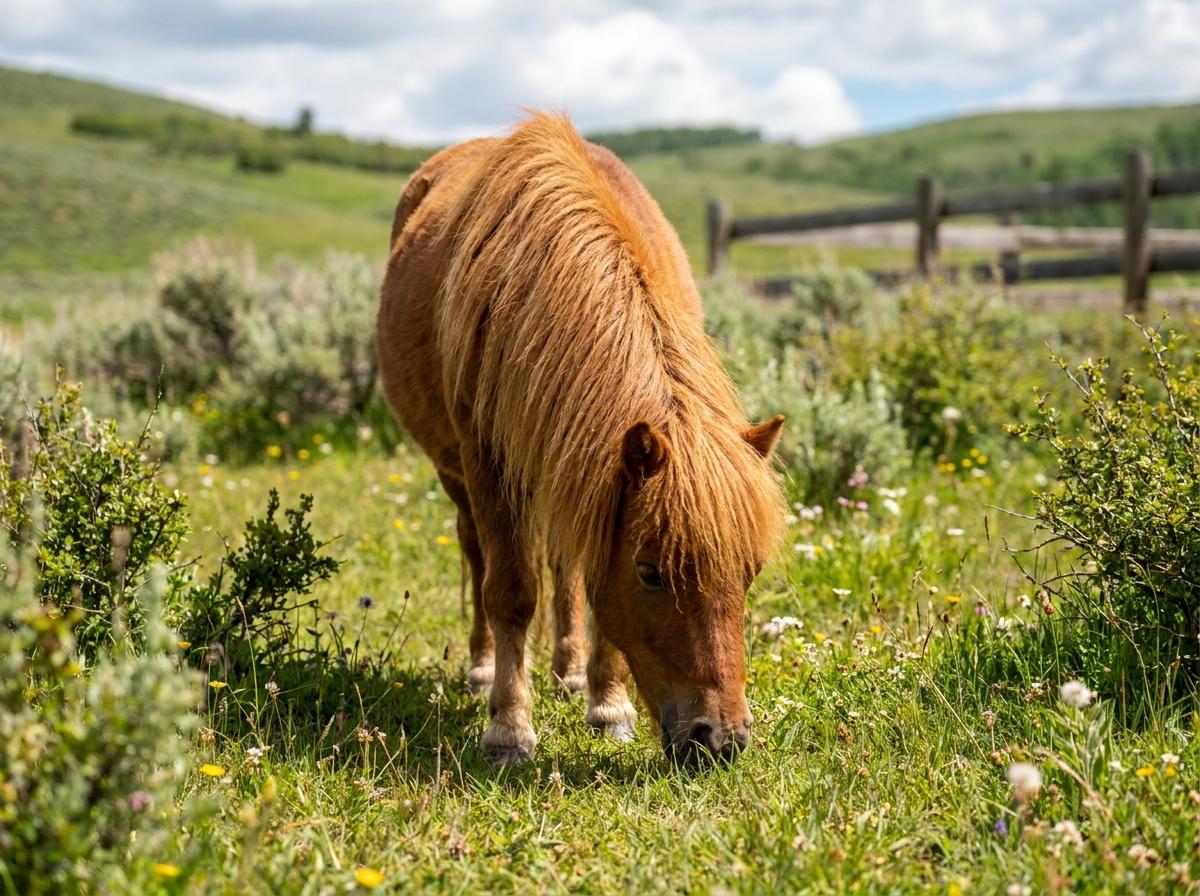
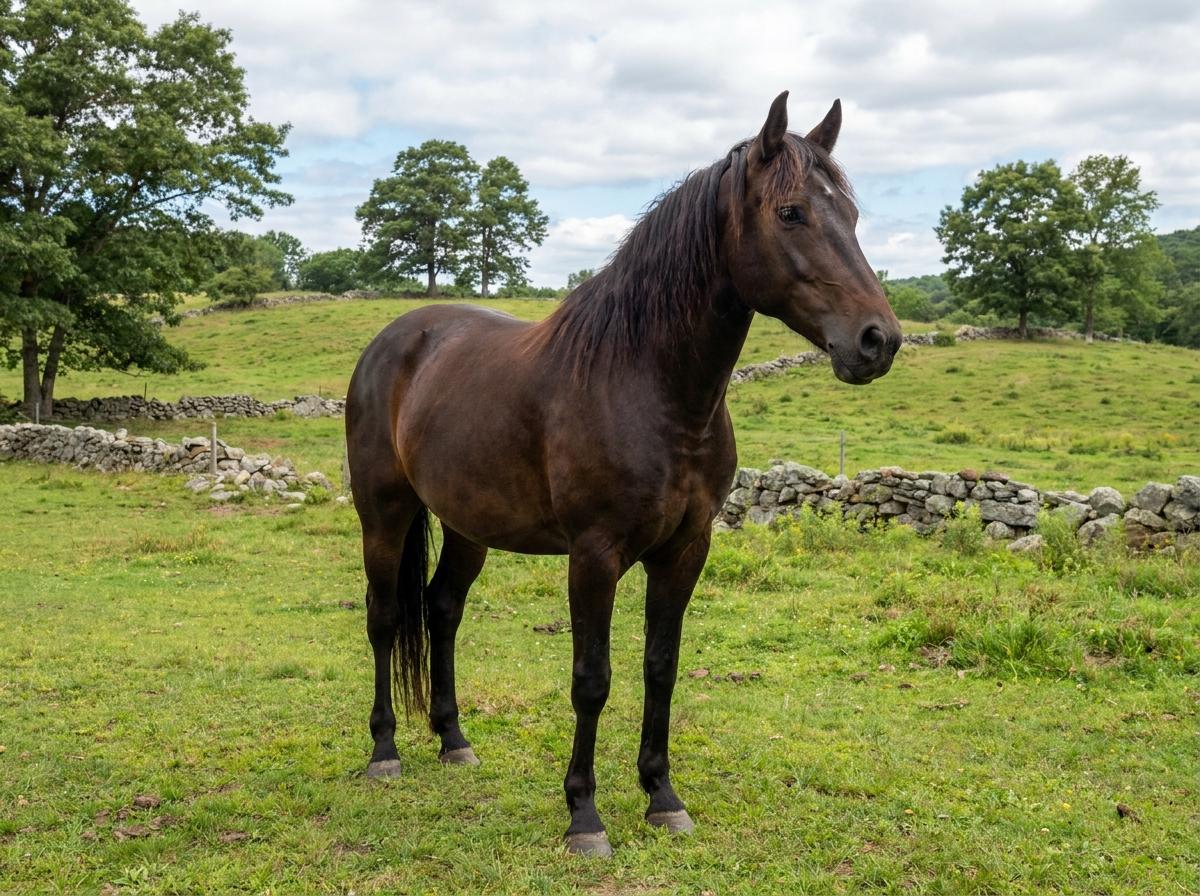
AI-generated reconstruction, not a photograph. The subtle variation represents functional selection, not three fixed medieval breeds.
Courser, destrier, palfrey and rouncey
These familiar labels can be useful when kept provisional.
- Courser: commonly associated with a swift, spirited, high-quality mount, including martial use.
- Destrier: often a prestigious horse associated with combat or tournament display.
- Palfrey: commonly a valued riding horse, often discussed in relation to comfortable travel or an ambling gait.
- Rouncey or rouncy: often a more general riding or service horse.
The borders were not a universal four-box classification system. A word could carry different force in an account, romance, inventory or translation. Price, sex, origin, owner and task may be more informative than the label alone.
Avoid attaching a modern breed to each term. A draft-like fantasy horse is not automatically a destrier. A modern racehorse is not automatically a courser. Similarity in one desired quality does not prove historical continuity.
What might a courser have looked like?
The honest answer is that coursers would not all have looked alike. Selection for speed, responsiveness, carrying ability and status could shape the horses chosen for a role, but local breeding stock and intended use also varied.
The peer-reviewed zooarchaeological study In search of the great horse analyzed horse remains from England spanning AD 300 to 1650. It found changing size and limb proportions through time, but also warned that size or robusticity alone cannot identify a warhorse confidently. A bone cannot be matched to the word courser unless its archaeological and documentary context earns that link.
That evidence rules out two tempting shortcuts. First, no universal hands-high figure should be published as the courser standard. Second, modern giant draft-horse imagery should not be projected across medieval mounted life. Archaeology describes populations and trends; a textual label describes how a particular source understood a horse.
Coat colors appear in medieval records, but no one color defines courser. Sex also needs document-level care. Some elite horse records emphasize stallions, while the dictionary preserves broader senses. Never turn a pattern in one corpus into a rule for every century and region.
How to read a courser reference
Build a small evidence card before making a claim:
- Record the exact spelling and full sentence.
- Identify the manuscript, edition, account or object catalog.
- Note the original language and whether you are reading a translation.
- Date the source and the surviving copy separately when possible.
- Record place, owner, rider, sex, color, price, equipment and stated task.
- Compare the word with other horse terms in the same document.
- Separate what the text says from what an editor or modern website infers.

AI-generated reconstruction, not a photograph. The blank-looking record stands for contextual evidence, not a surviving courser certificate.
Photographs of manuscript pages, stable accounts and museum objects should keep their catalog numbers and source information. Add a note when a translation normalizes several original terms into horse, charger or courser. That makes later correction possible.
Can you buy or register a courser today?
Not as a verified purebred continuation of the medieval category. A seller may use courser descriptively, historically or in a fantasy context, but the word does not supply a modern pedigree.
Evaluate a living horse under its real identity. Ask for the issuing registry, registered name, microchip, parentage, veterinary record and ownership history. Assess soundness, training and suitability with qualified professionals. Do not infer athletic ability, courage or health from a medieval label.
The broader horse hub is the right starting point for current animals. Related evidence-first guides include the Norfolk Trotter, Marwari, Murgese and Kurdish horse. Each should be judged by its own documented population and registry history, not used as a visual stand-in for the courser.
Frequently asked questions
Was a courser a warhorse?
Often, but not exclusively in every text. The dictionary’s main sense includes warfare, tournament and parade, while its other senses show that context controls the answer.
Was a courser smaller than a destrier?
Some historical interpretations contrast a faster or lighter courser with a more prestigious combat mount, but there is no universal measurement dividing the two terms across medieval Europe.
What breed was the courser?
Courser was not one modern breed. A horse described that way could come from different regional stocks and periods.
Do coursers still exist?
Horses selected for speed and responsive riding still exist. A continuous registered courser breed with verified descent from the medieval category does not.
Was a courser a stallion?
The Middle English Dictionary records stallion as one sense, but also broader senses. Check the animal and source rather than assuming sex from the label.
Can art show the exact courser type?
Art can document equipment, ideals and visual conventions. It should be compared with texts and archaeology, not treated as a conformation photograph.
Do this next on Creatures
Use the historical term to improve a record, not to manufacture a modern breed identity.
Add the living horse, not the label. Start a horse profile, no account needed to begin, and select only a verified modern breed. Follow adding an animal to Creatures.
Preserve source evidence. Open the record sheet as a visitor; a free account is required to save. See adding a record and health and medical records.
Watch the current horse market. Set a free horse listing alert, no account needed to start. Learn about saving searches and the watchlist.
Compare living horses honestly. Browse the horse marketplace. A seller’s use of courser is descriptive, not a registered pedigree.
Represent a research group or stable. Start a horse organization profile, no account needed to begin. Read creating an organization and adding your team.
Find horse people. Search the Creatures breeder directory, then verify any modern registry or historical claim at its source.