Criollo
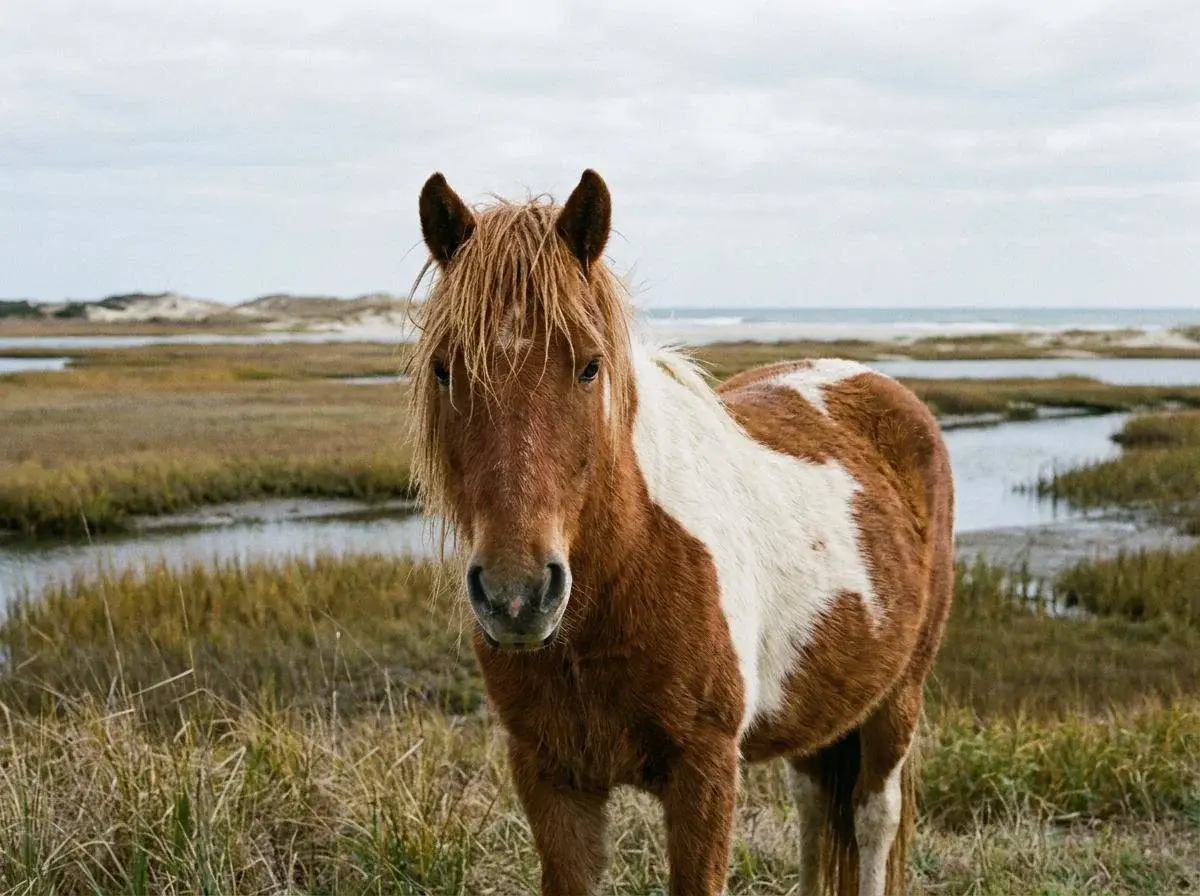
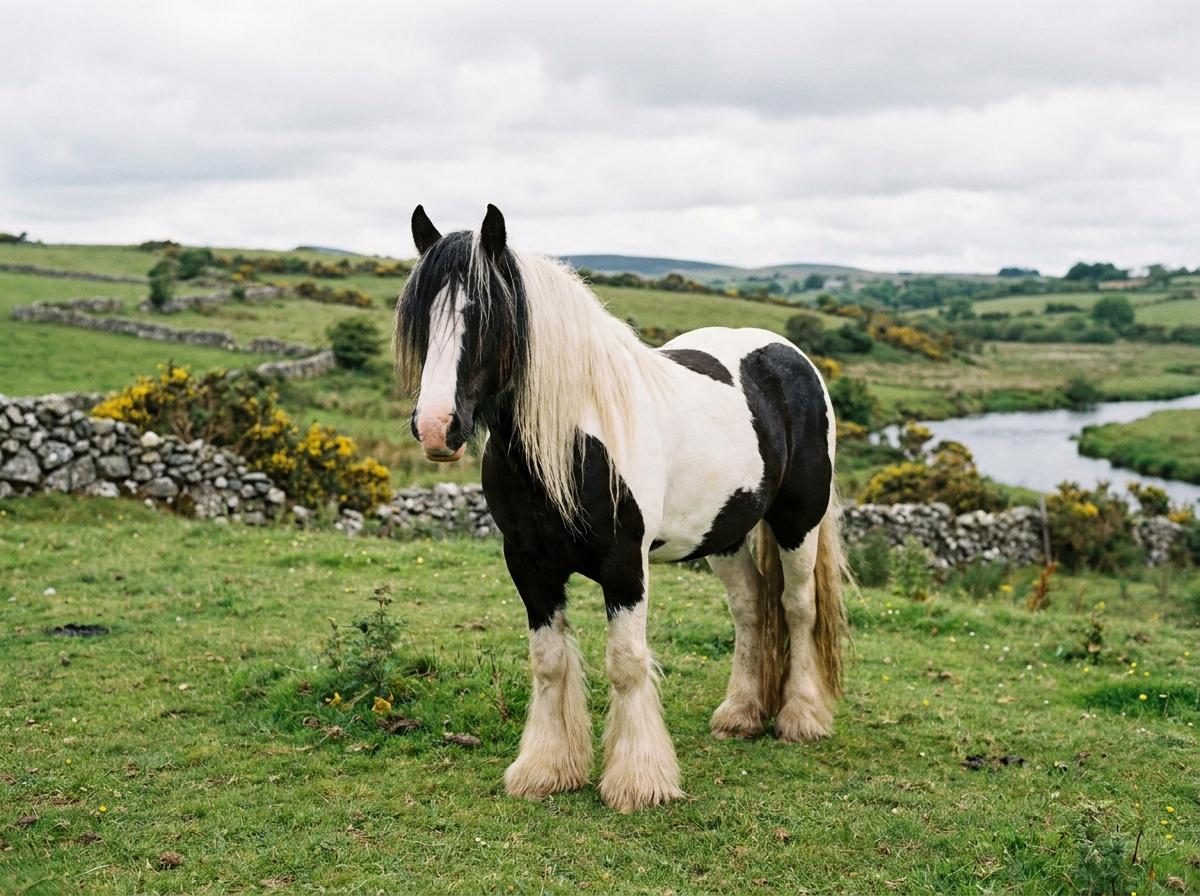
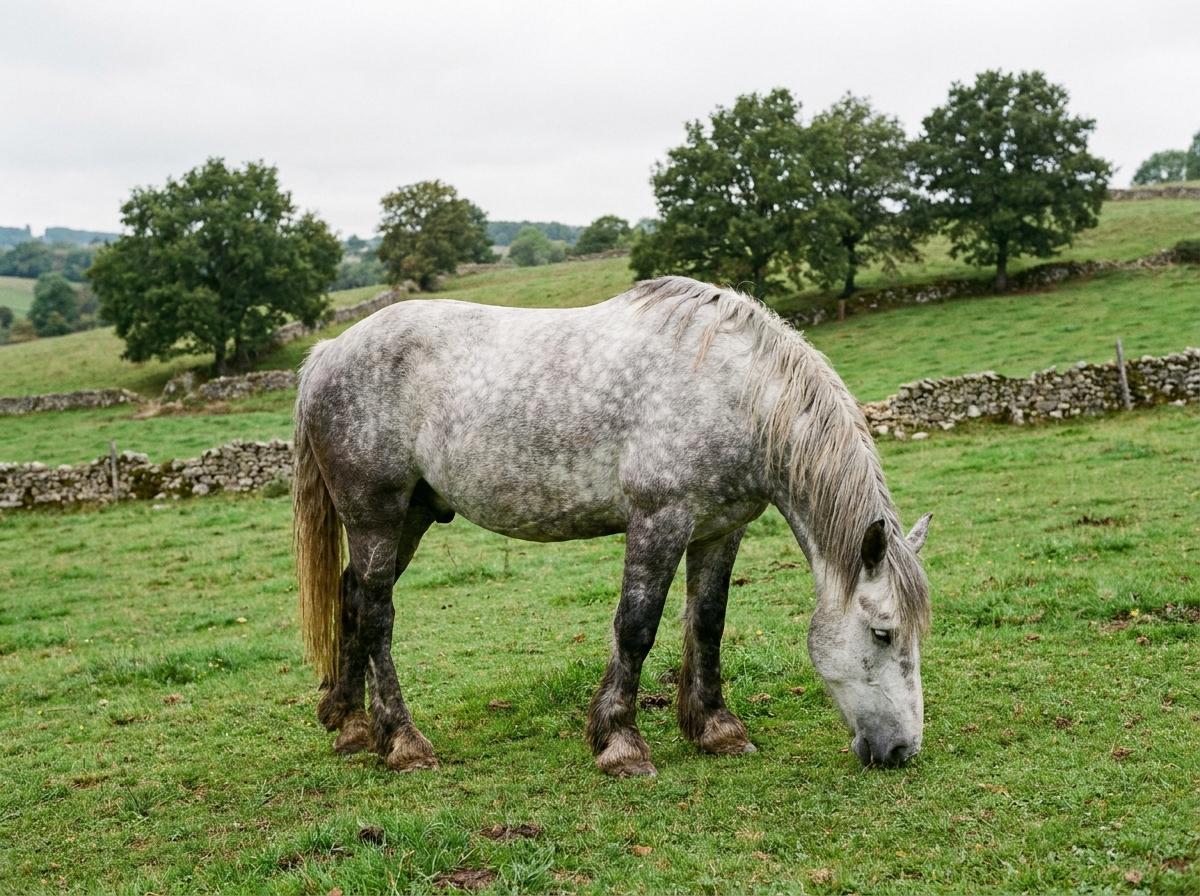
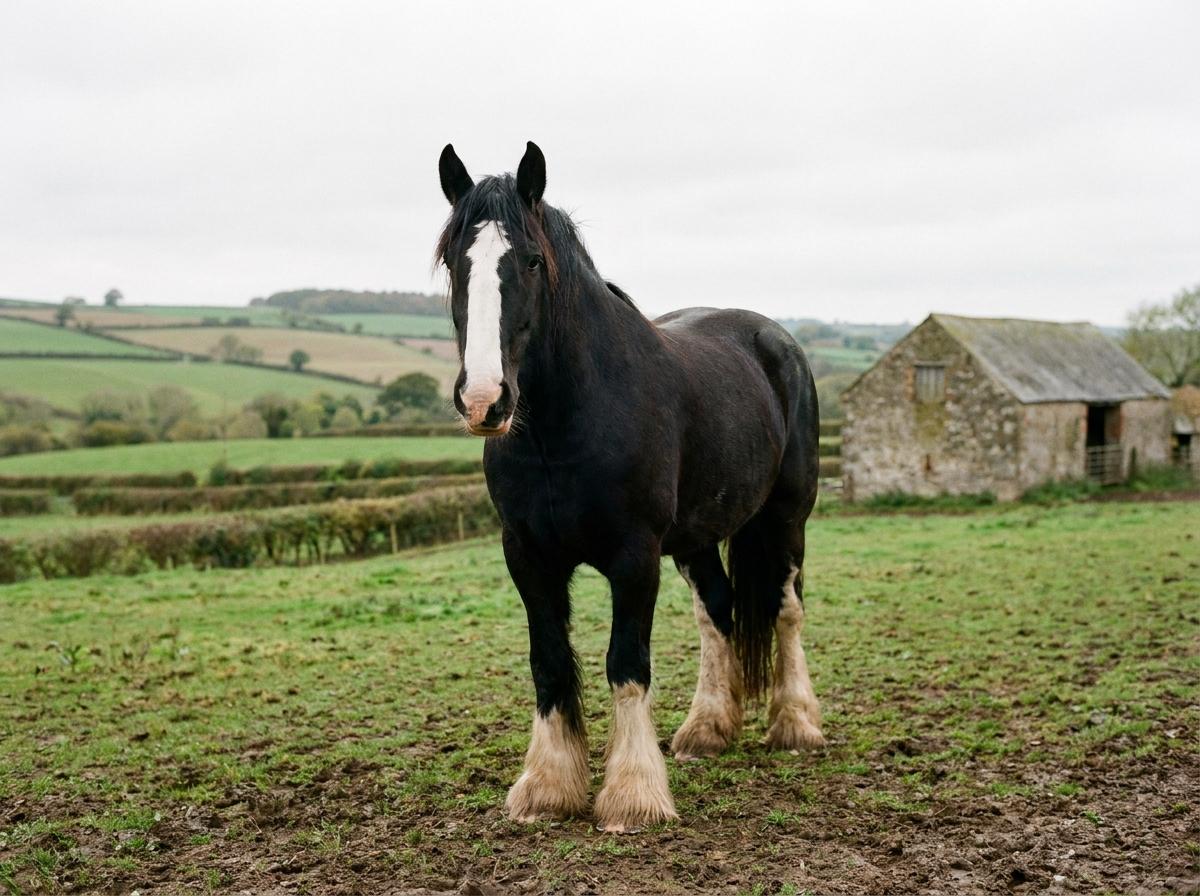
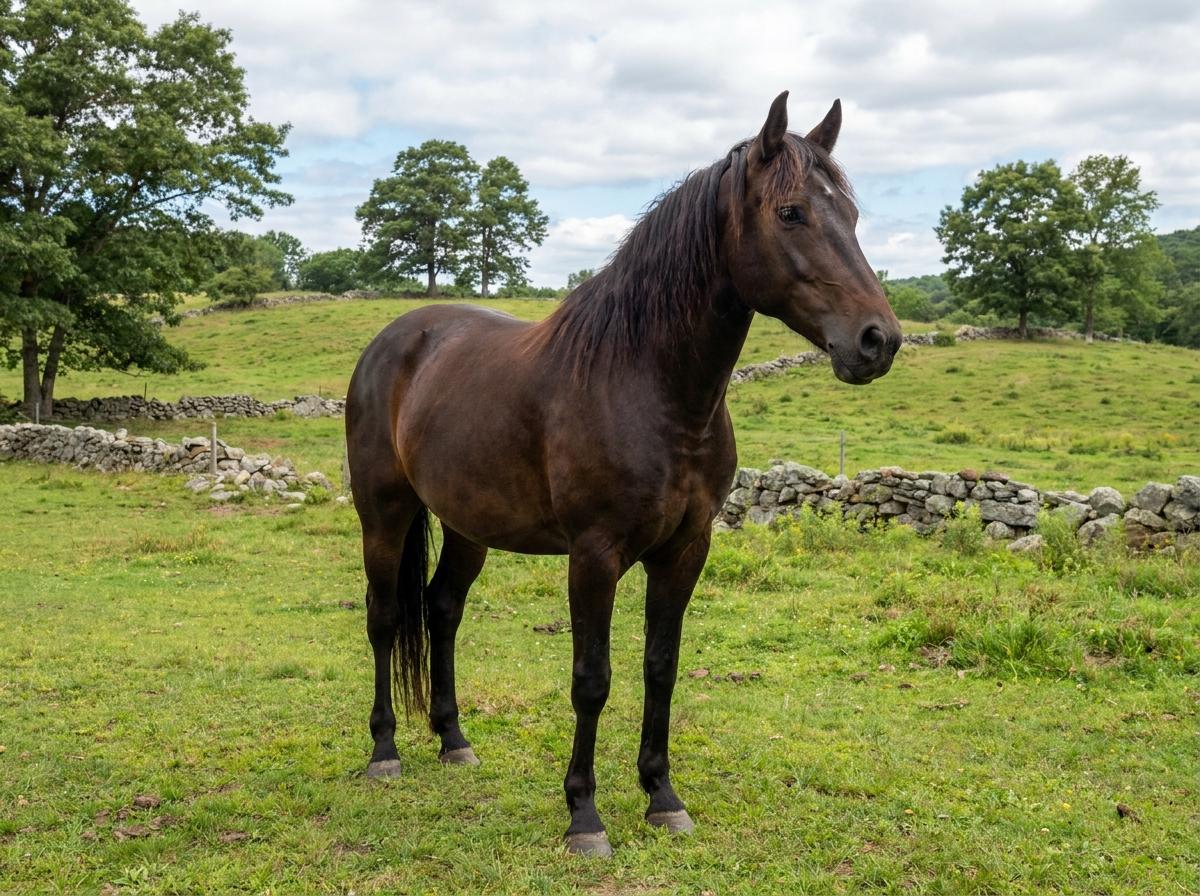
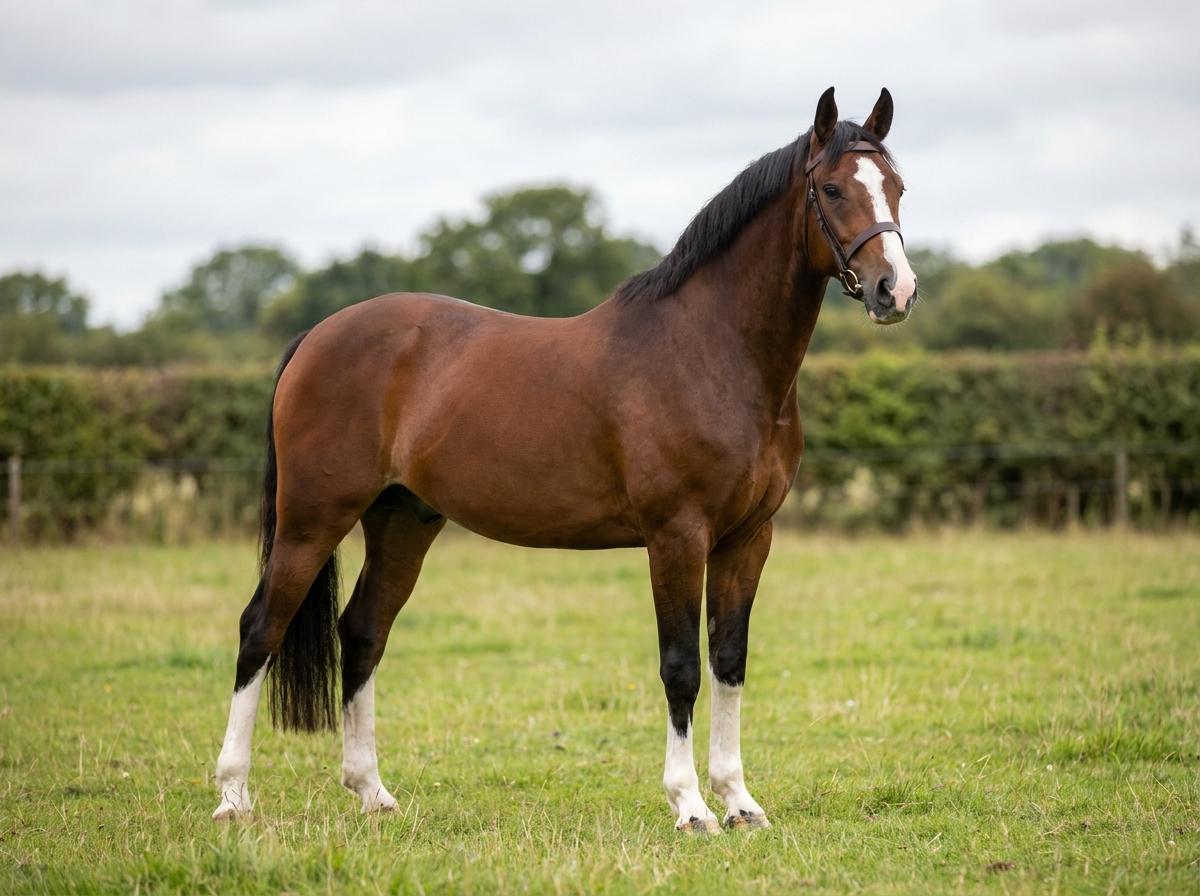
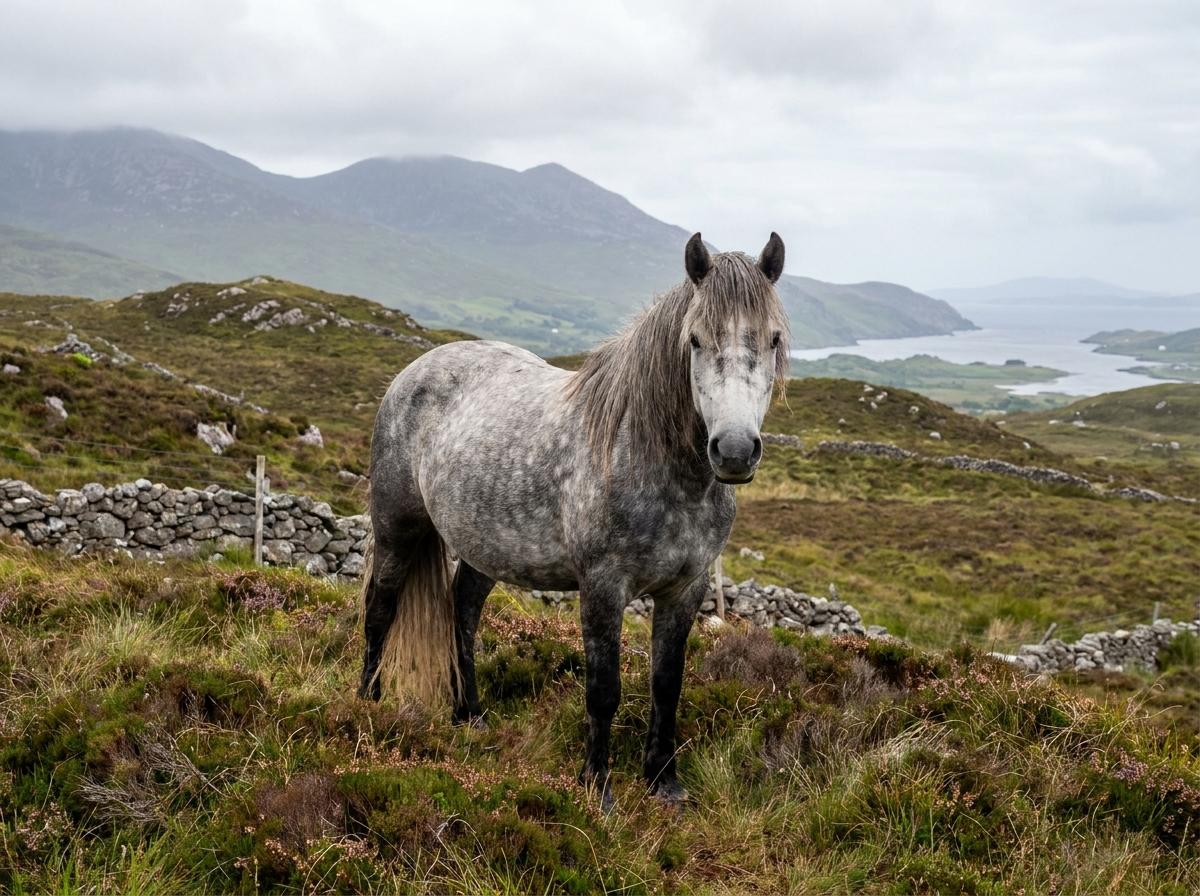
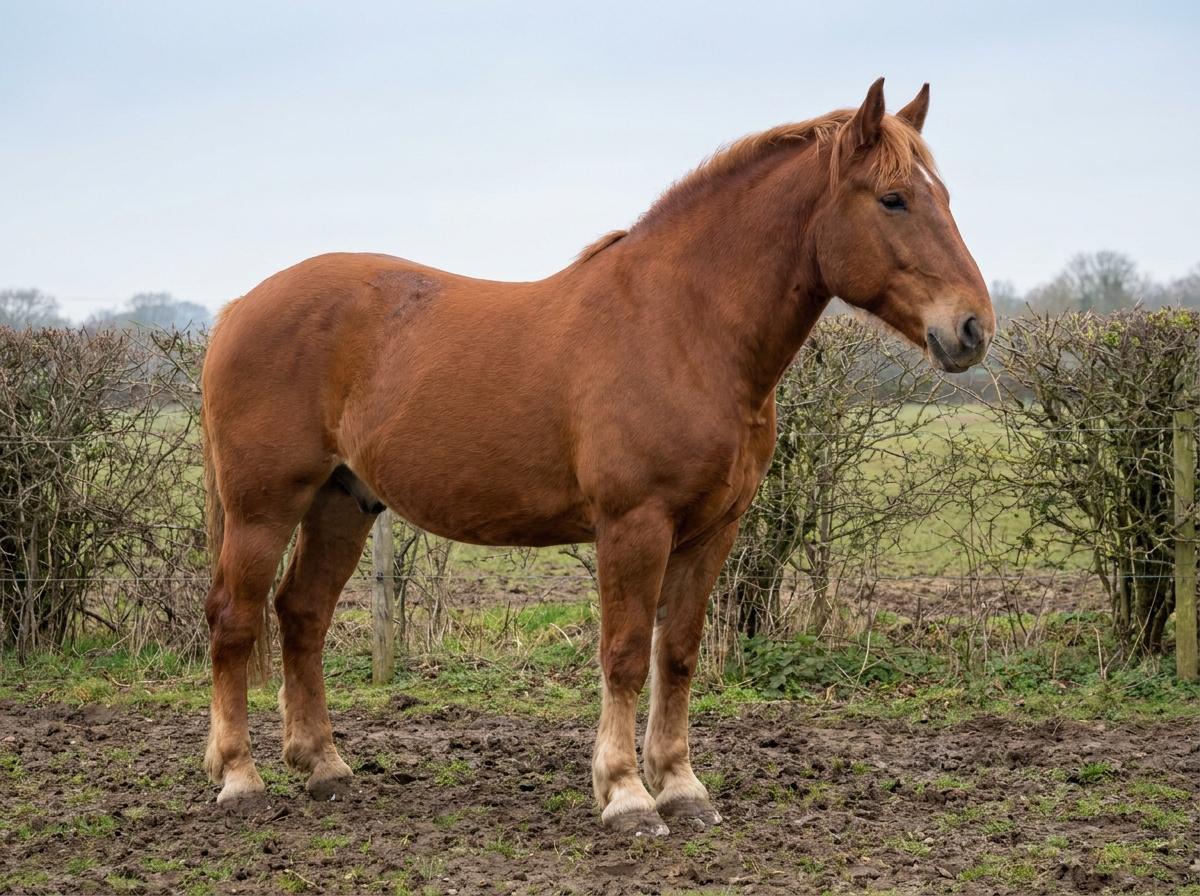
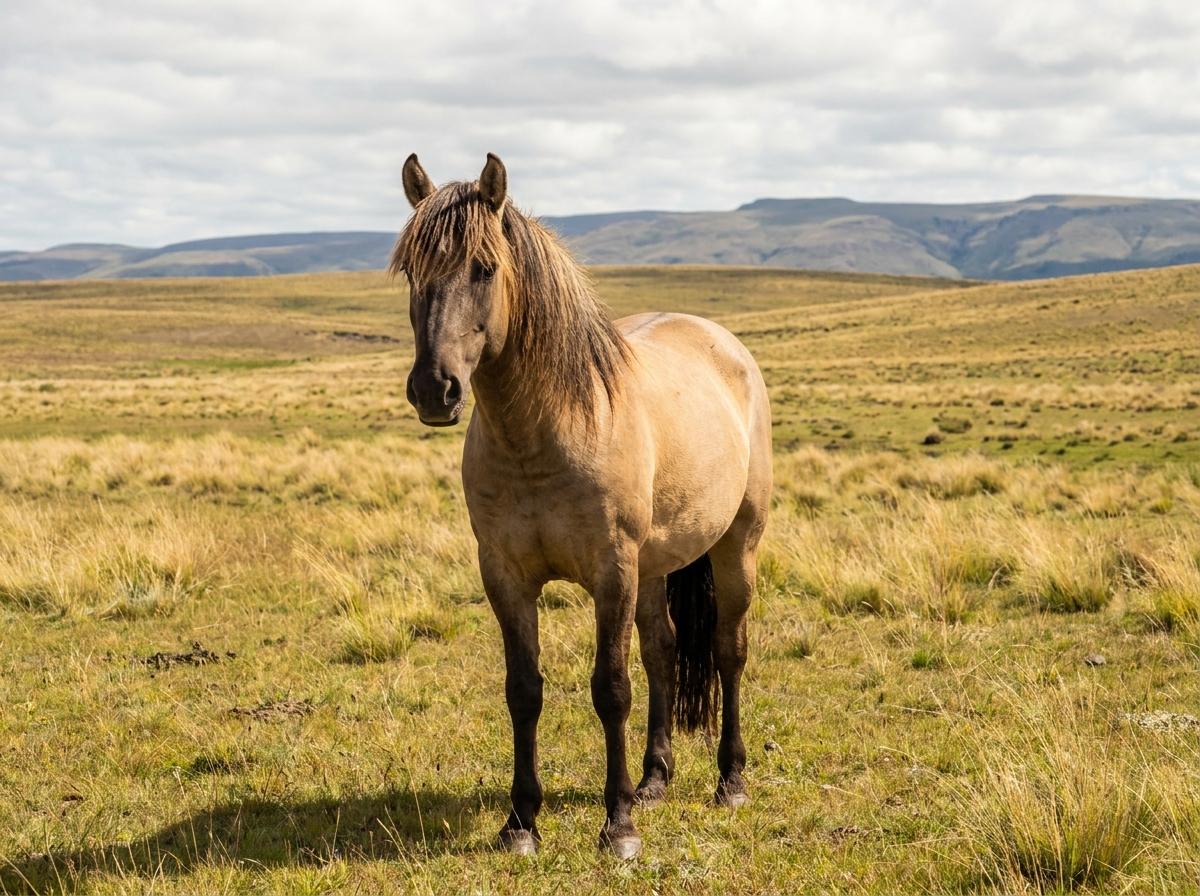
The Criollo is a hardy South American horse descended mainly from Iberian horses brought to the Americas by Spanish and Portuguese colonists. Shaped by centuries of ranch work and, in many regions, semi-feral survival, it is especially associated with Argentina, Uruguay, Brazil, Paraguay, and neighboring countries. National strains and registries vary, but Criollos are usually compact, deep-bodied, strong-footed horses with a short back, sensible temperament, and deep stamina. They are closely tied to gauchos and cattle country, where sure-footedness and thrift mattered more than show-ring size.
Criollos are kept for ranch work, long-distance trail riding, endurance, working equitation, and traditional South American competitions. Their easy-keeping nature is useful on rough forage, but it can also mean weight gain on rich pasture, so body condition needs attention. Good hoof care, saddle fit, and gradual conditioning are still important; toughness does not replace fitness. Breeders commonly select for sound legs, calm handling, and the practical using type rather than extreme height or refinement.
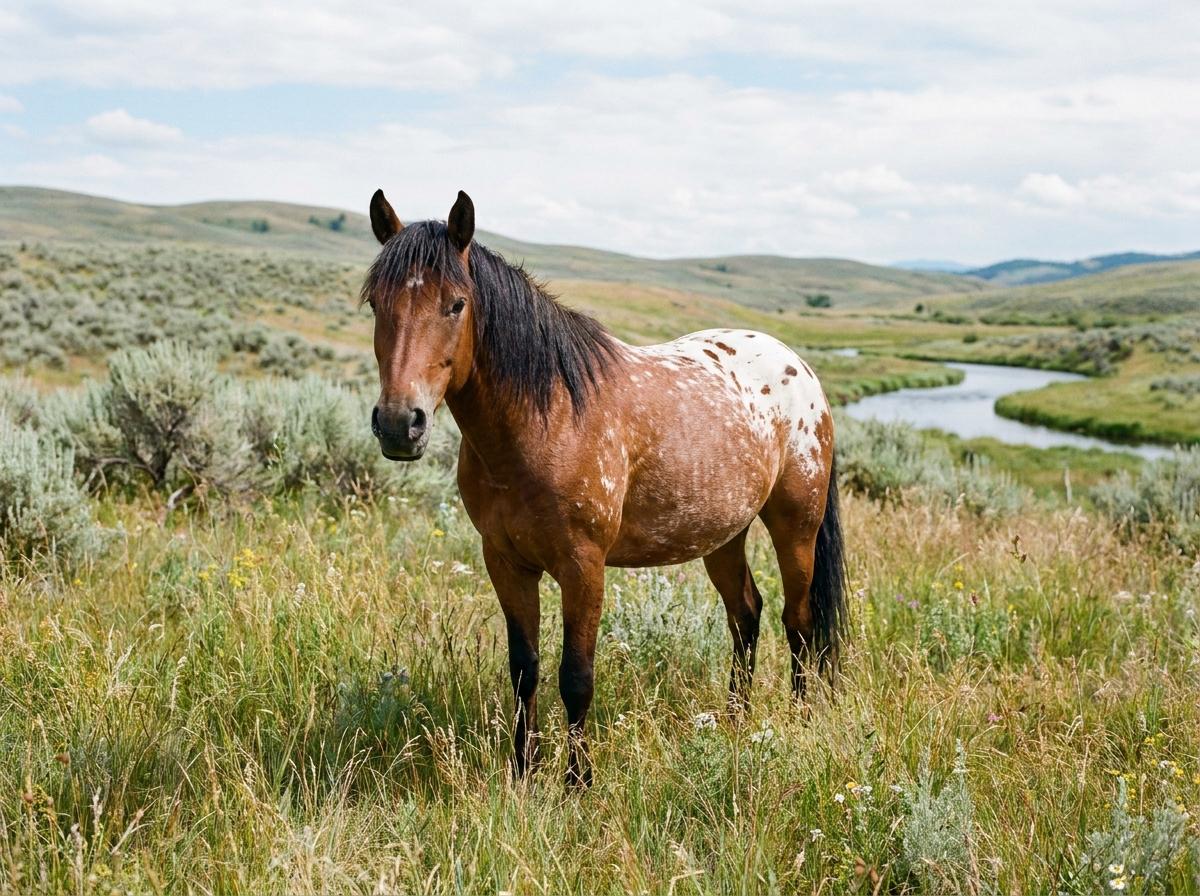
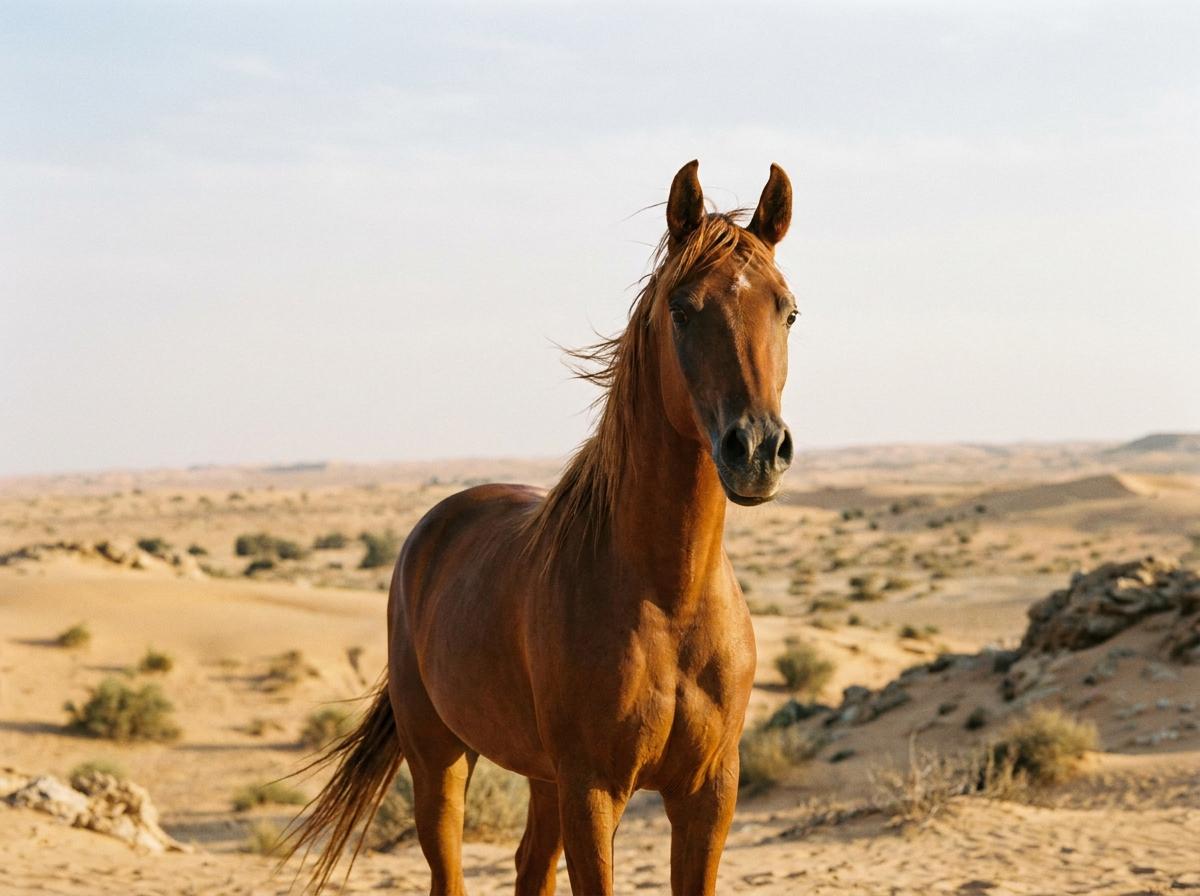
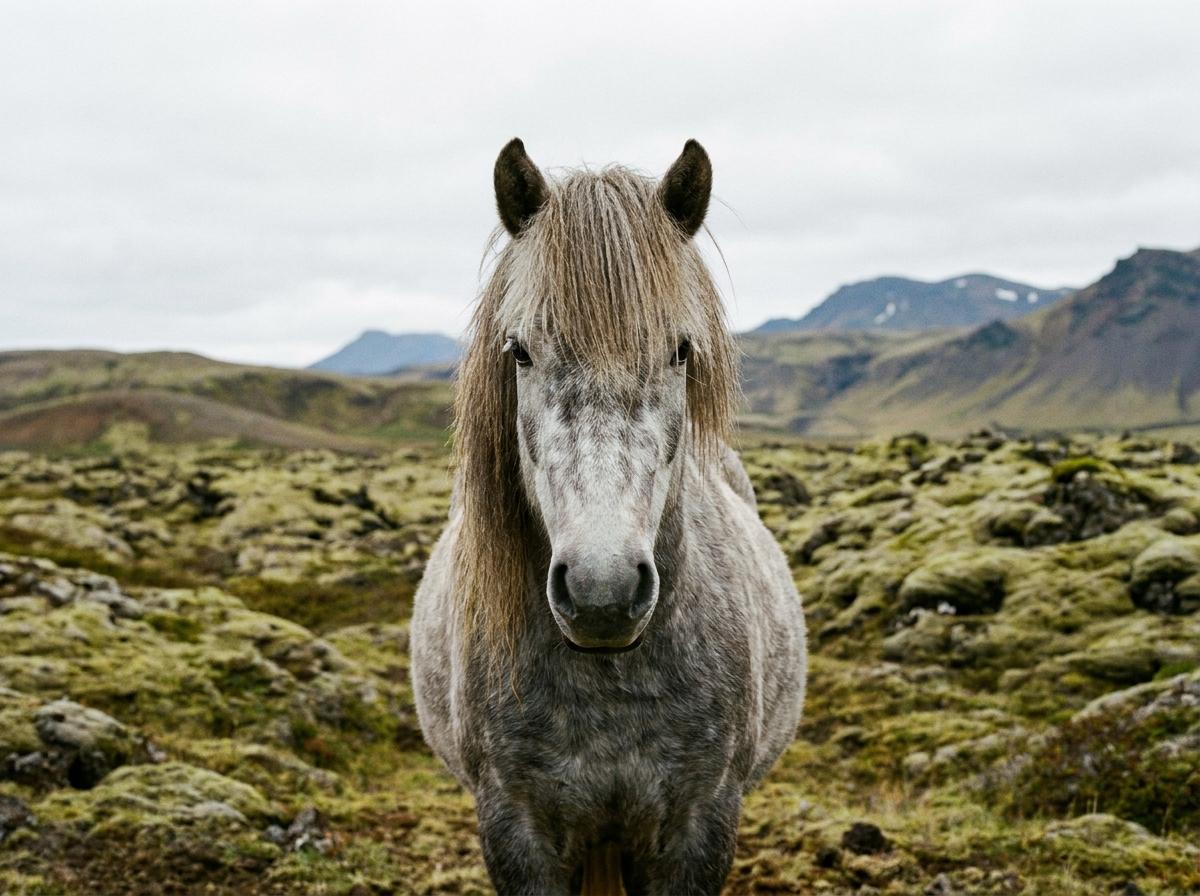
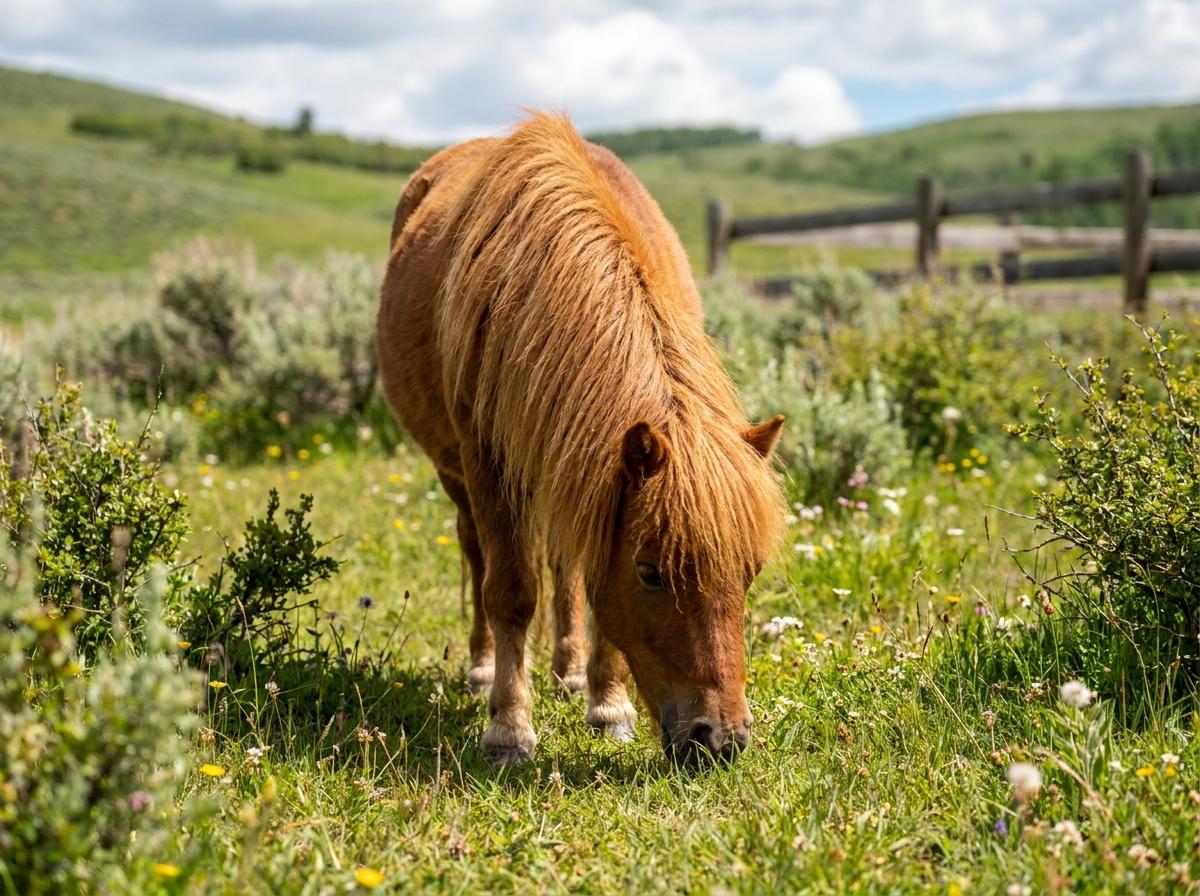
Colors: Amber Champagne, Bay, Bay Dun, Bay Roan, Black, Blanket Appaloosa, Blue Roan, Brown, Buckskin, Champagne, Chestnut, Classic Champagne, Cremello, Dun, Dun Roan, Fewspot Appaloosa, Flaxen Chestnut, Frame Overo, Gold Champagne, Gray, Grullo, Leopard Appaloosa, Liver Chestnut, Overo, Palomino, Perlino, Piebald, Pinto, Rabicano, Red Dun, Red Roan, Roan, Sabino, Seal Bay, Silver Dapple, Skewbald, Smoky Black, Smoky Cream, Snowcap Appaloosa, Sorrel, Splash White, Tobiano, Tovero, Varnish Roan, White