

Cumberland Island Horse
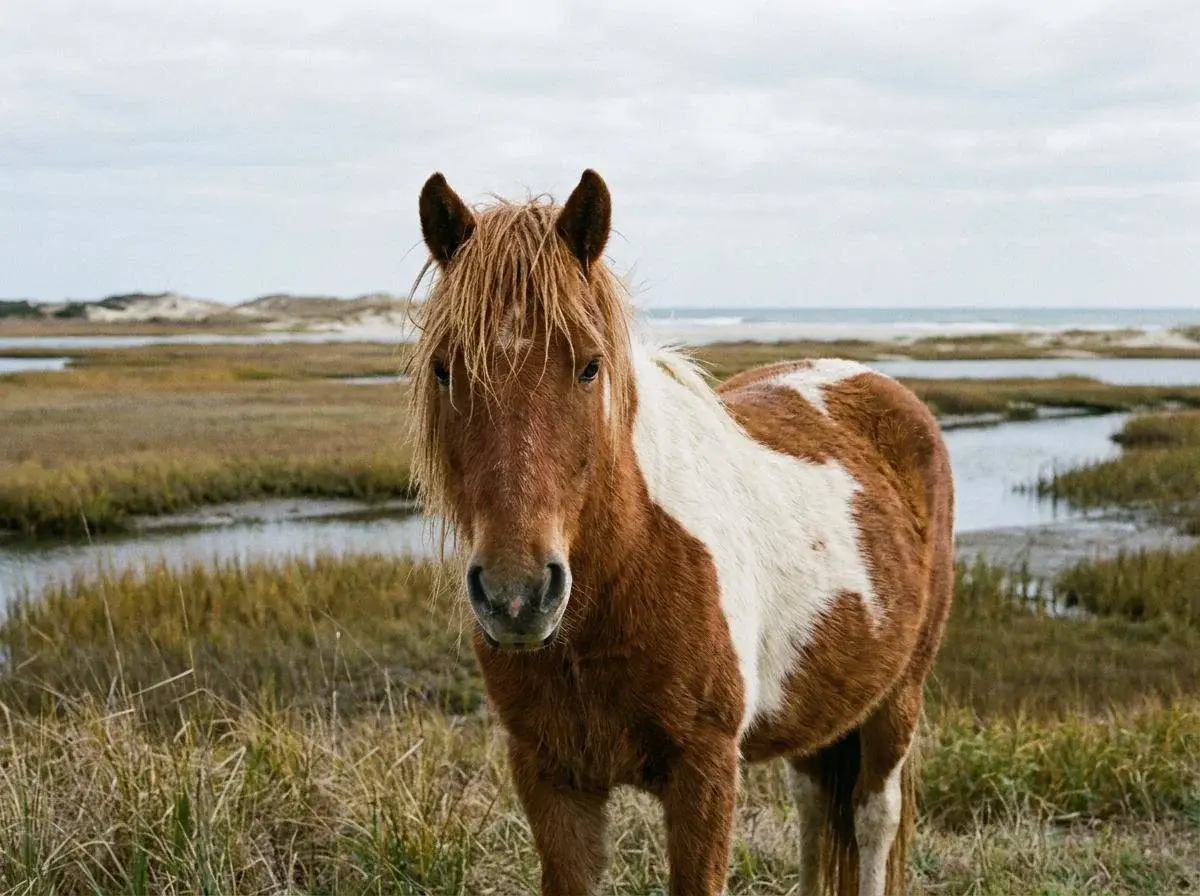
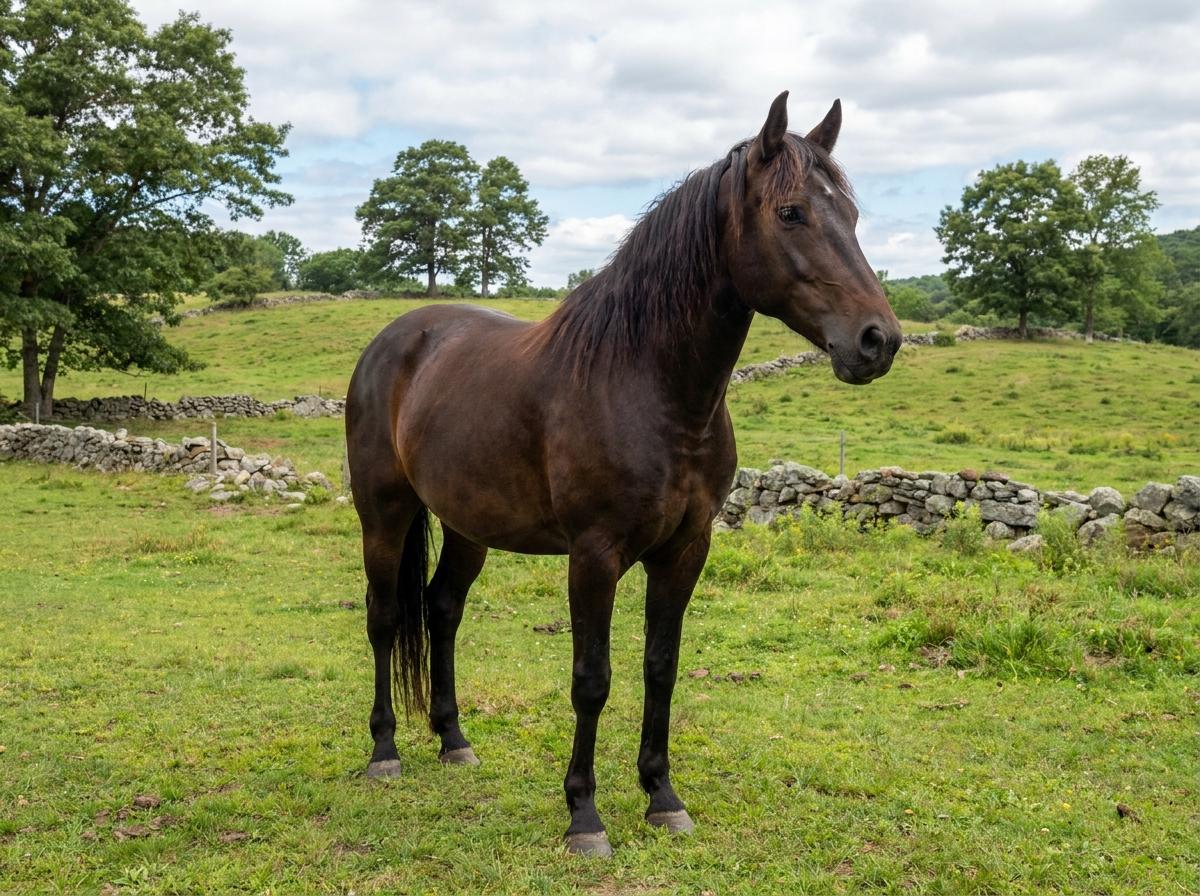
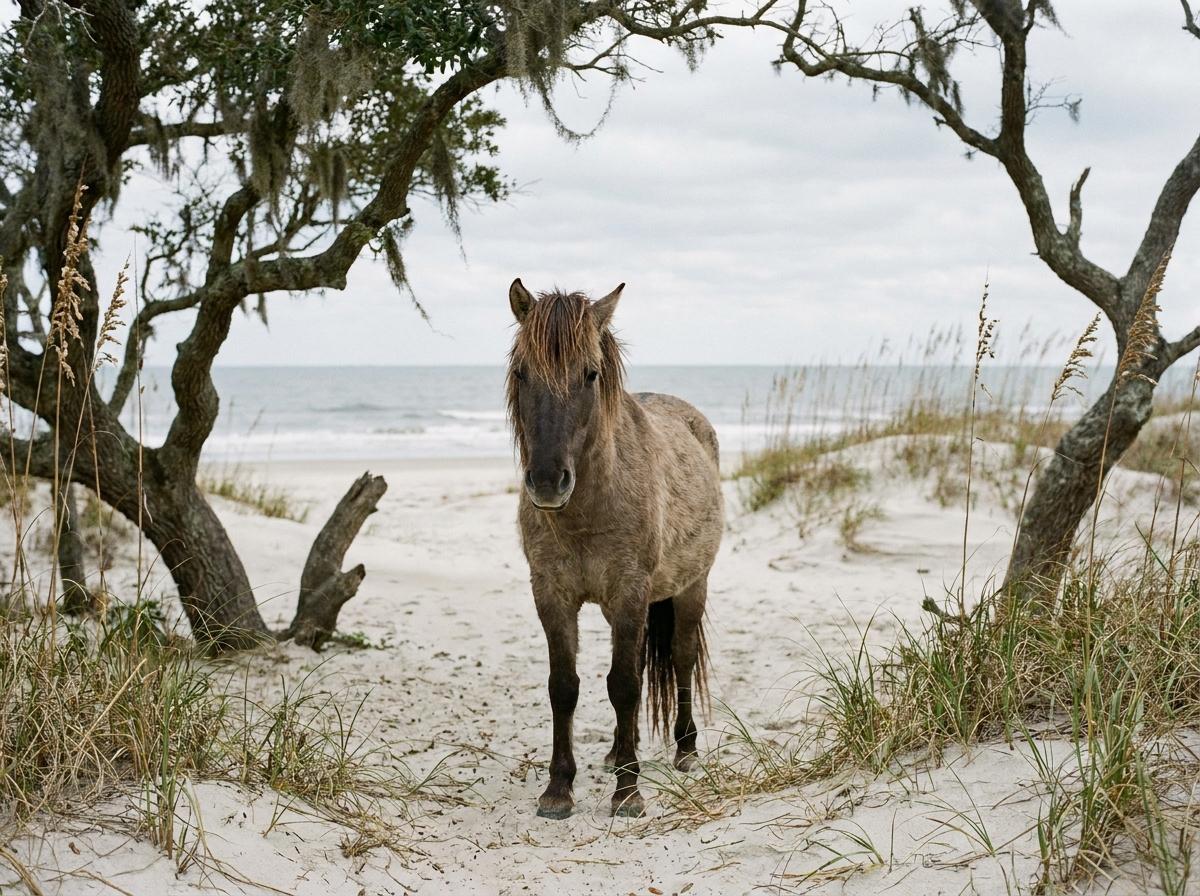
The Cumberland Island horse is a free-roaming feral horse population on Cumberland Island, a barrier island off the coast of Georgia in the United States. These horses are domestic horses by species, but they are not a standardized riding breed. Their ancestry is mixed and often linked to colonial, plantation, and later domestic horses brought to the island over several centuries. Living among dunes, maritime forest, beach, and salt marsh has produced a variable population of mostly practical, medium-sized horses shaped more by environment than by selective breeding.
They are managed as part of a national seashore landscape rather than as privately owned livestock. Visitors should not feed, touch, chase, or approach them, both for safety and to prevent dependence on people. Park staff and researchers may monitor numbers, reproduction, health, and ecological effects, since feral horses can damage marsh vegetation and compete with native wildlife. There is no routine domestic care such as farriery or supplemental feeding, so welfare discussions often center on humane monitoring, public distance, and habitat stewardship.
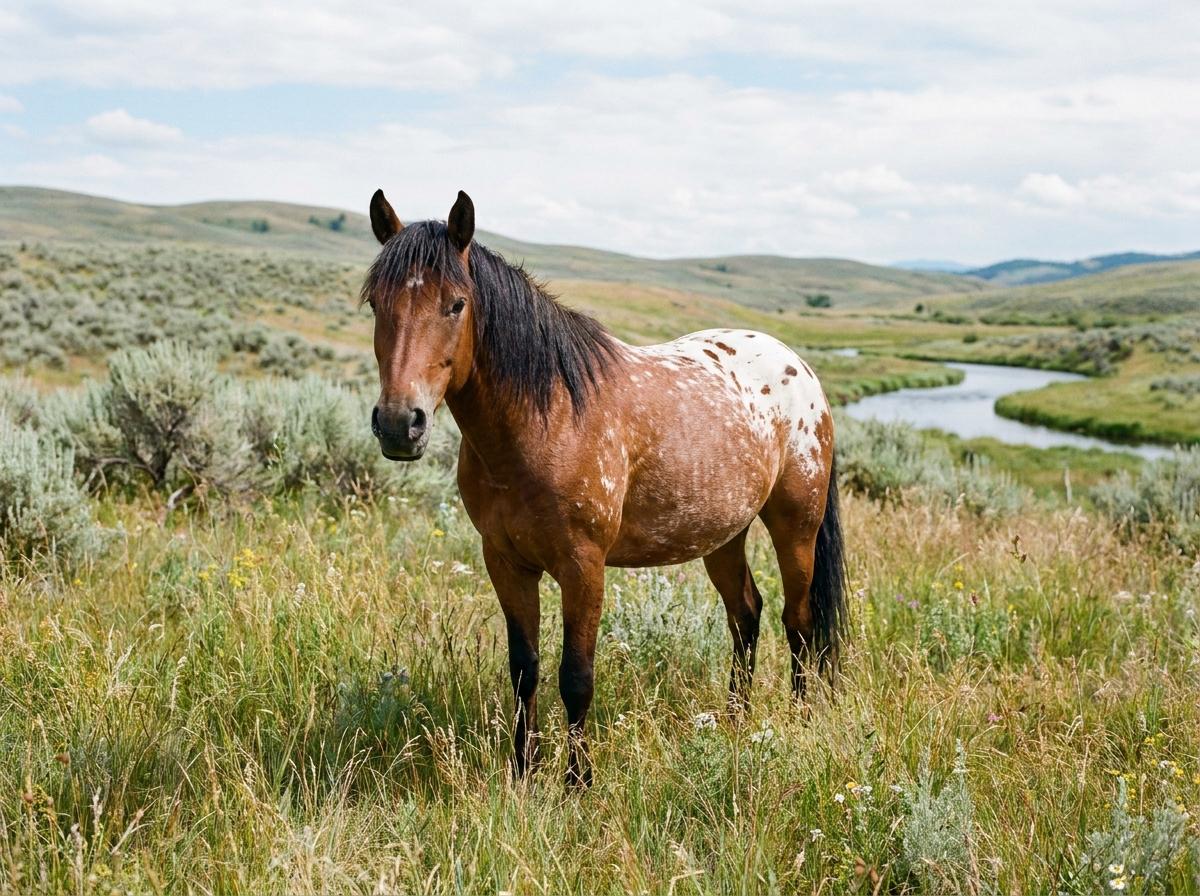
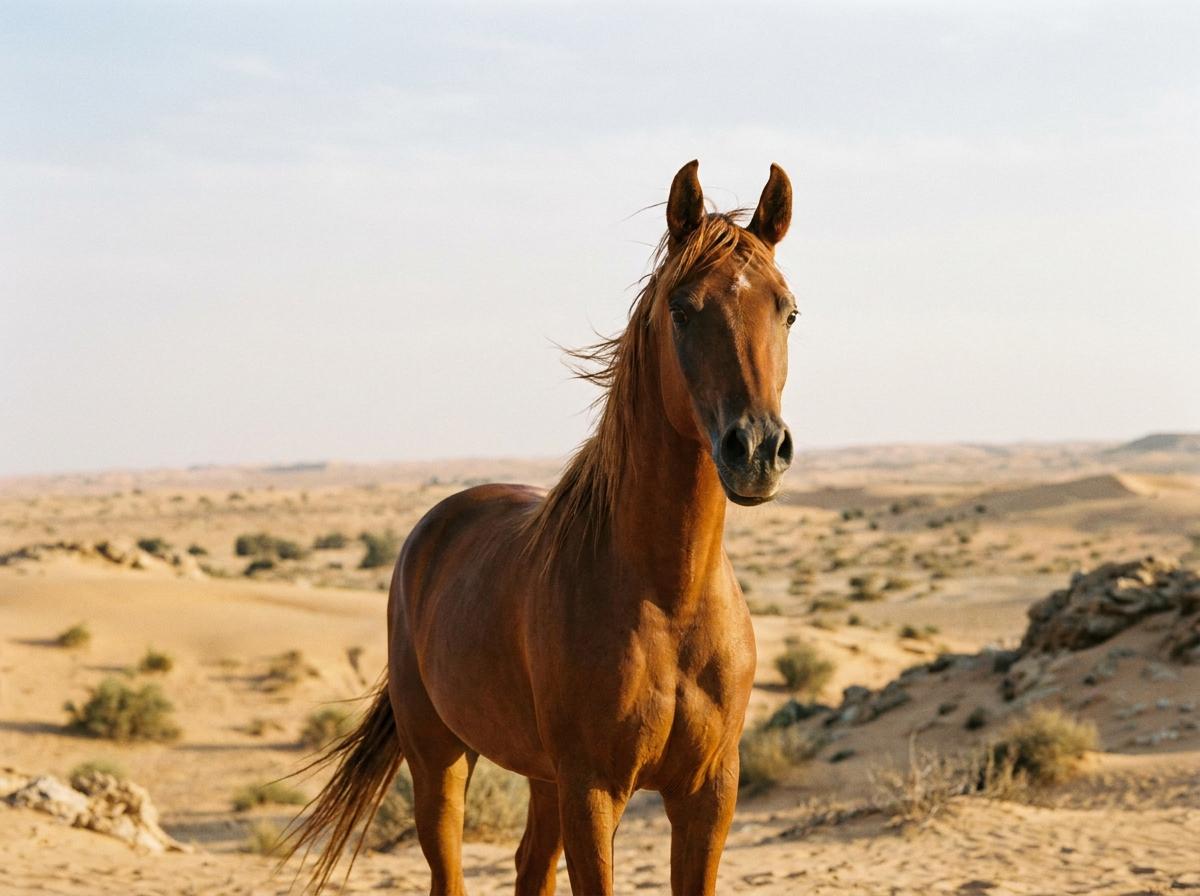
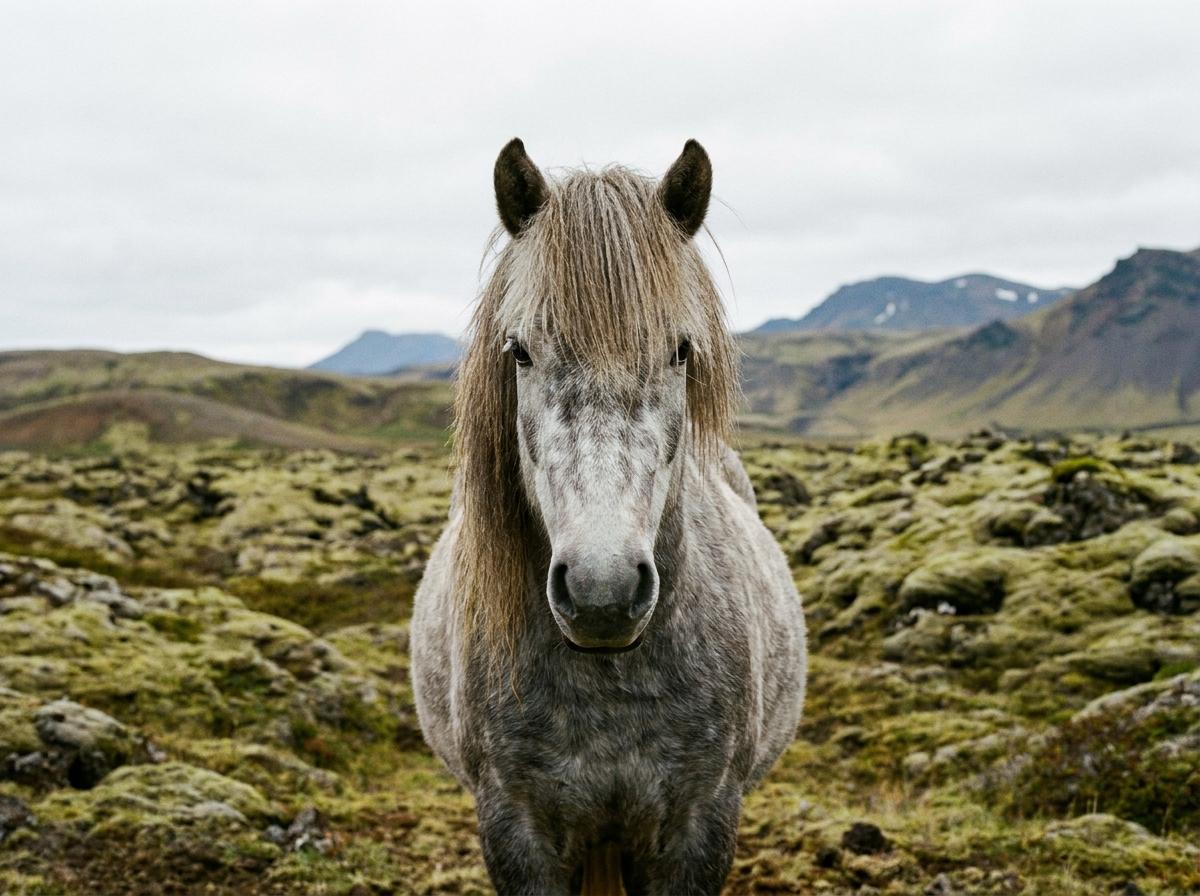
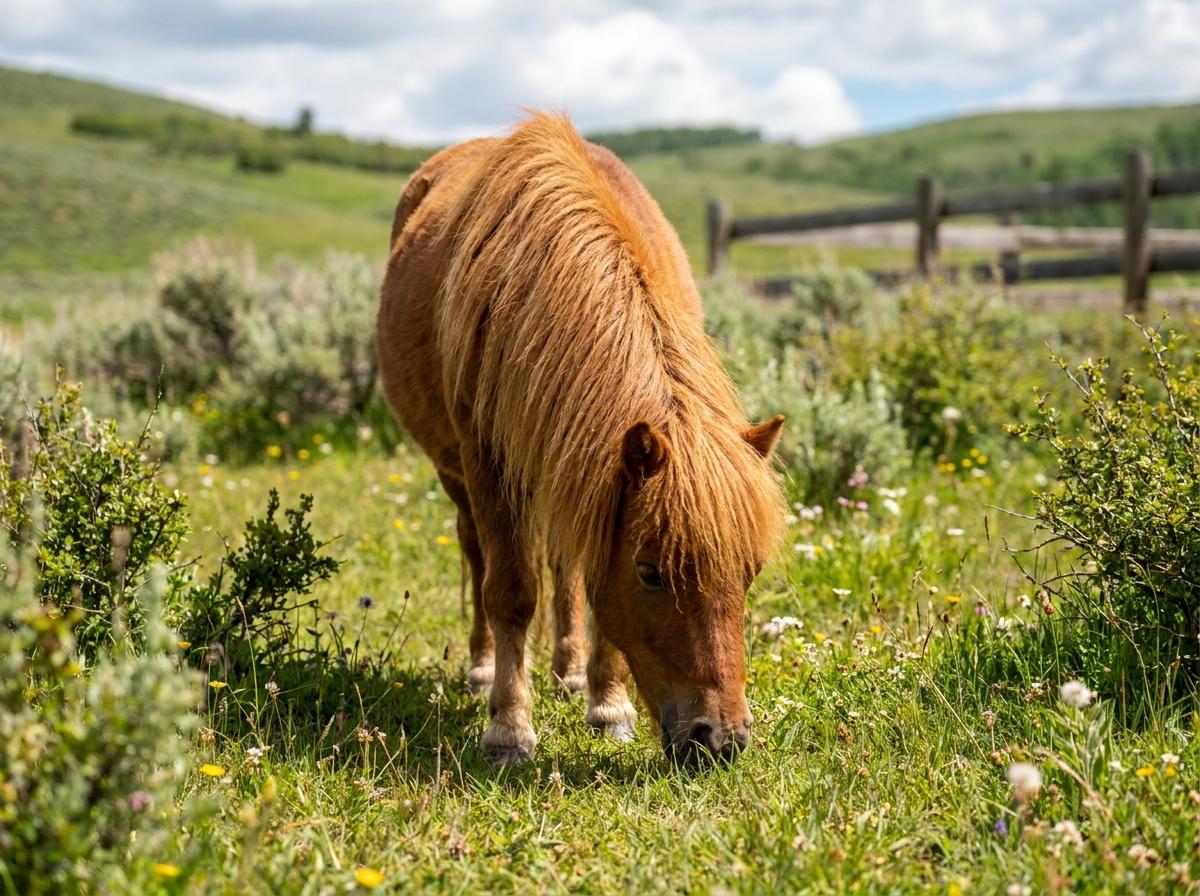
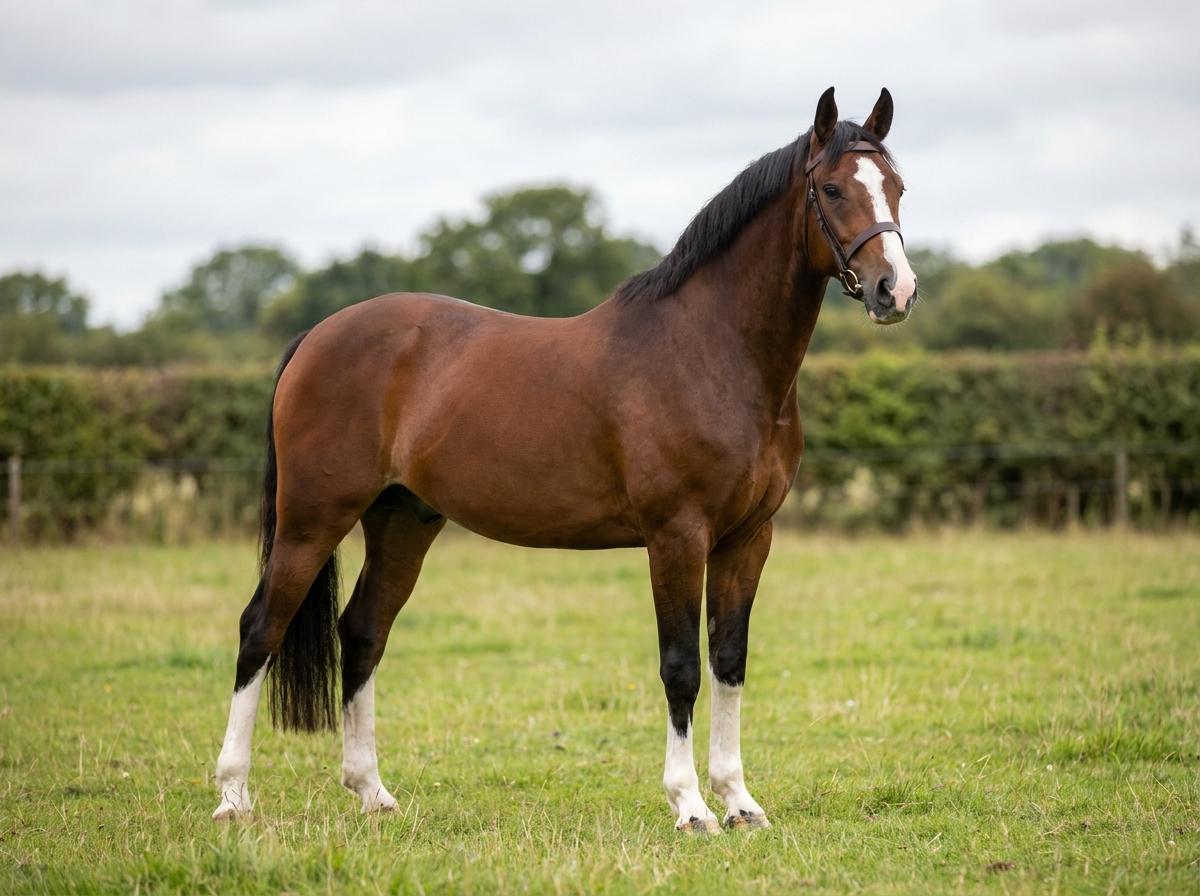
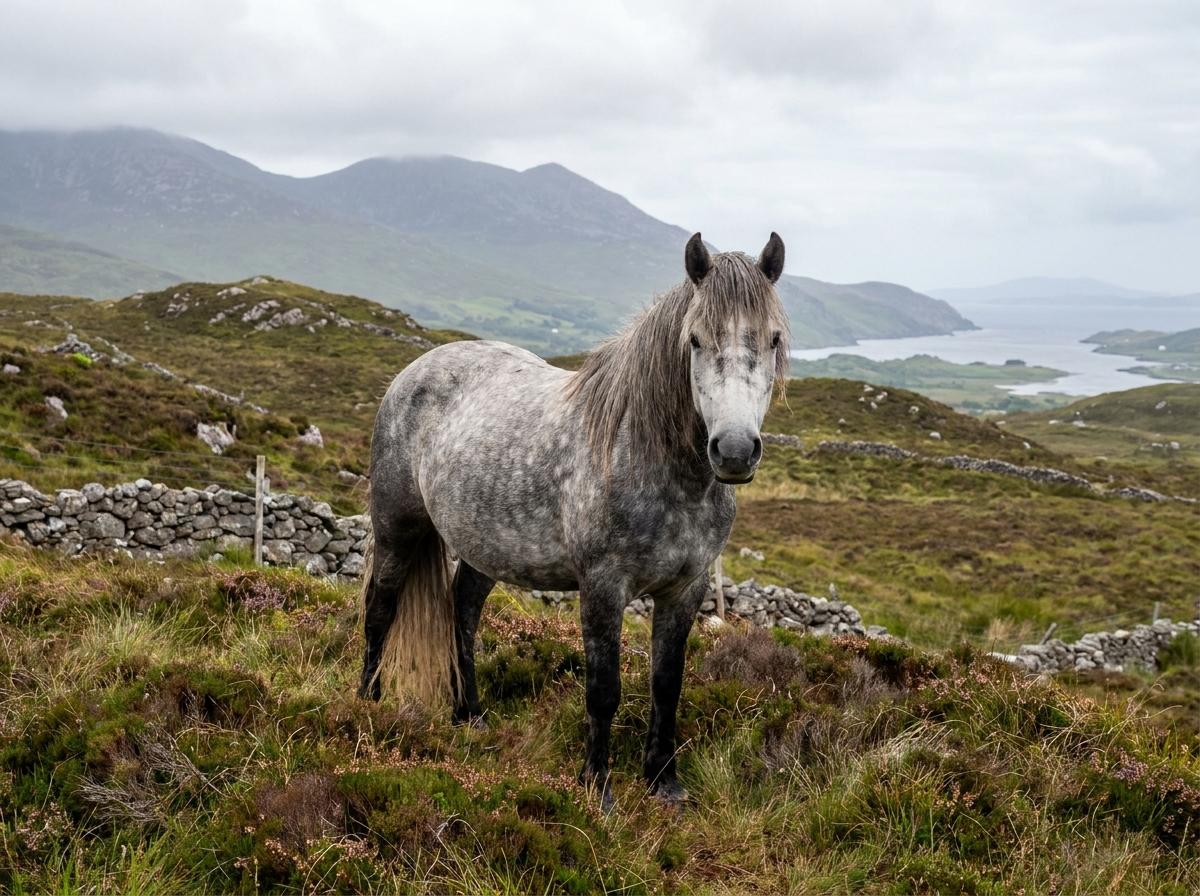
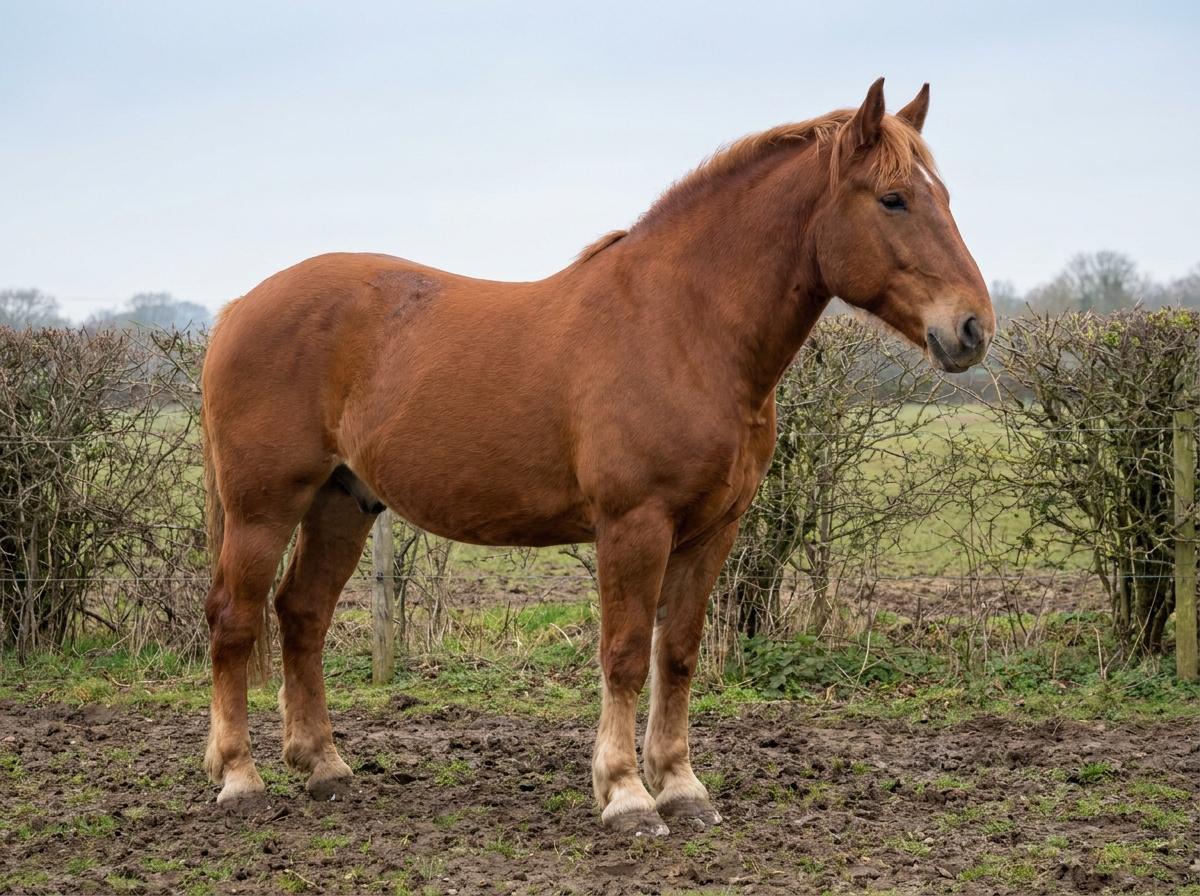
Colors: Amber Champagne, Bay, Bay Dun, Bay Roan, Black, Blanket Appaloosa, Blue Roan, Brown, Buckskin, Champagne, Chestnut, Classic Champagne, Cremello, Dun, Dun Roan, Fewspot Appaloosa, Flaxen Chestnut, Frame Overo, Gold Champagne, Gray, Grey, Grullo, Leopard Appaloosa, Liver Chestnut, Overo, Palomino, Perlino, Piebald, Pinto, Rabicano, Red Dun, Red Roan, Roan, Sabino, Seal Bay, Silver Dapple, Skewbald, Smoky Black, Smoky Cream, Snowcap Appaloosa, Sorrel, Splash White, Tobiano, Tovero, Varnish Roan, White