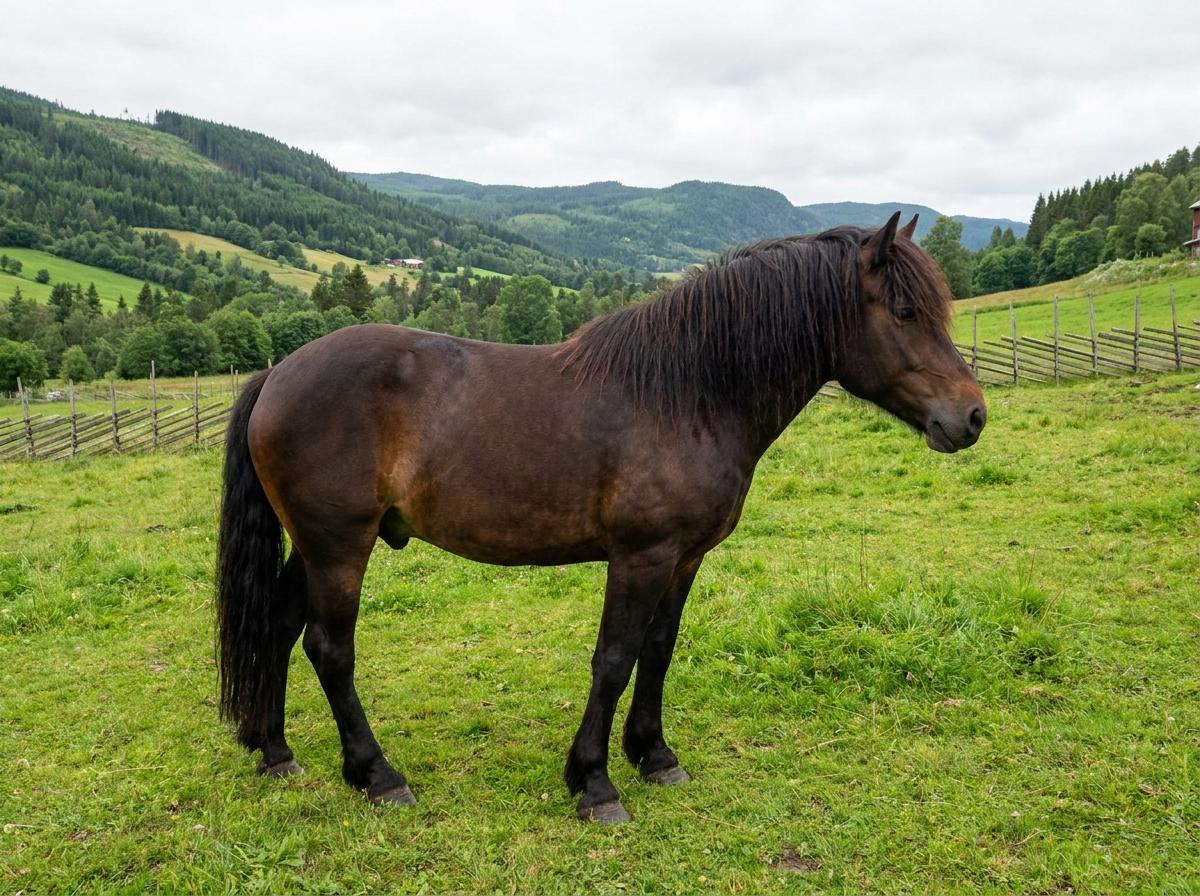
Dole Gudbrandsdal
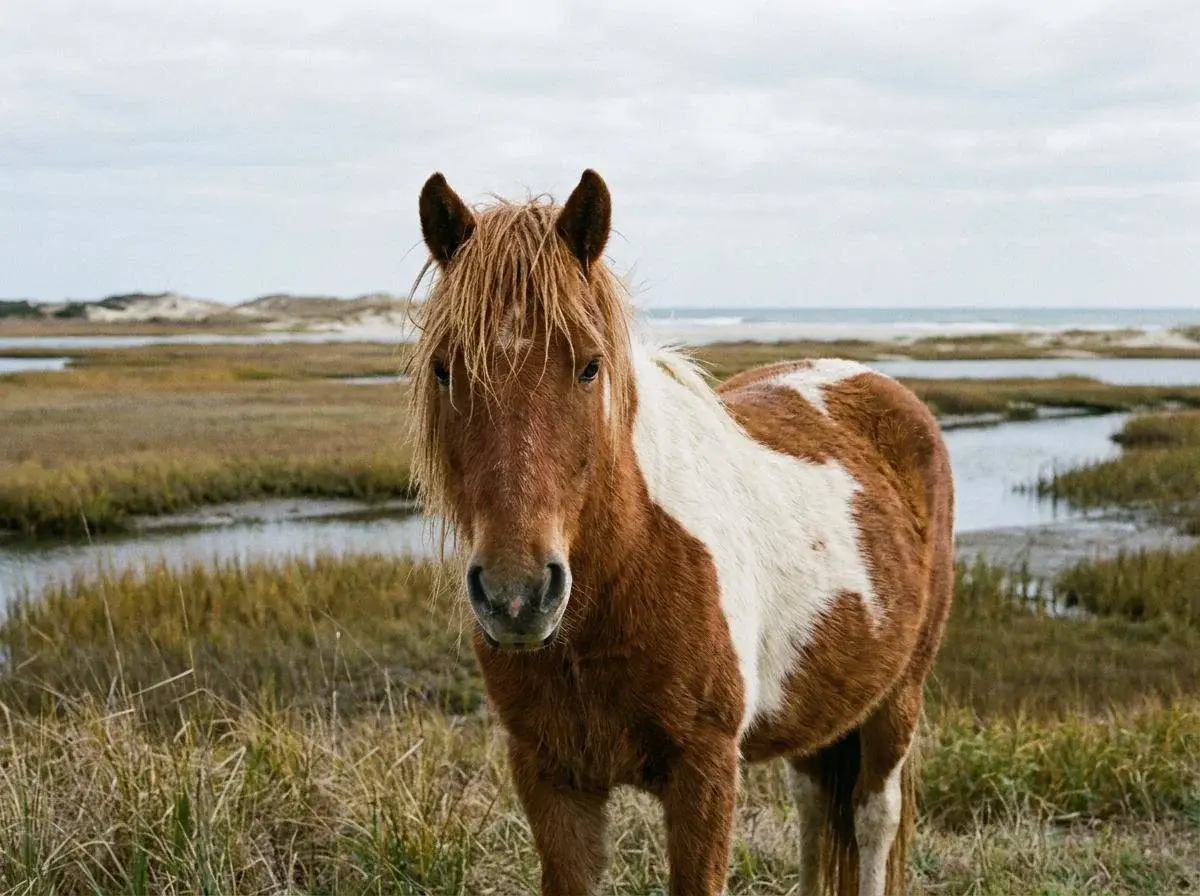
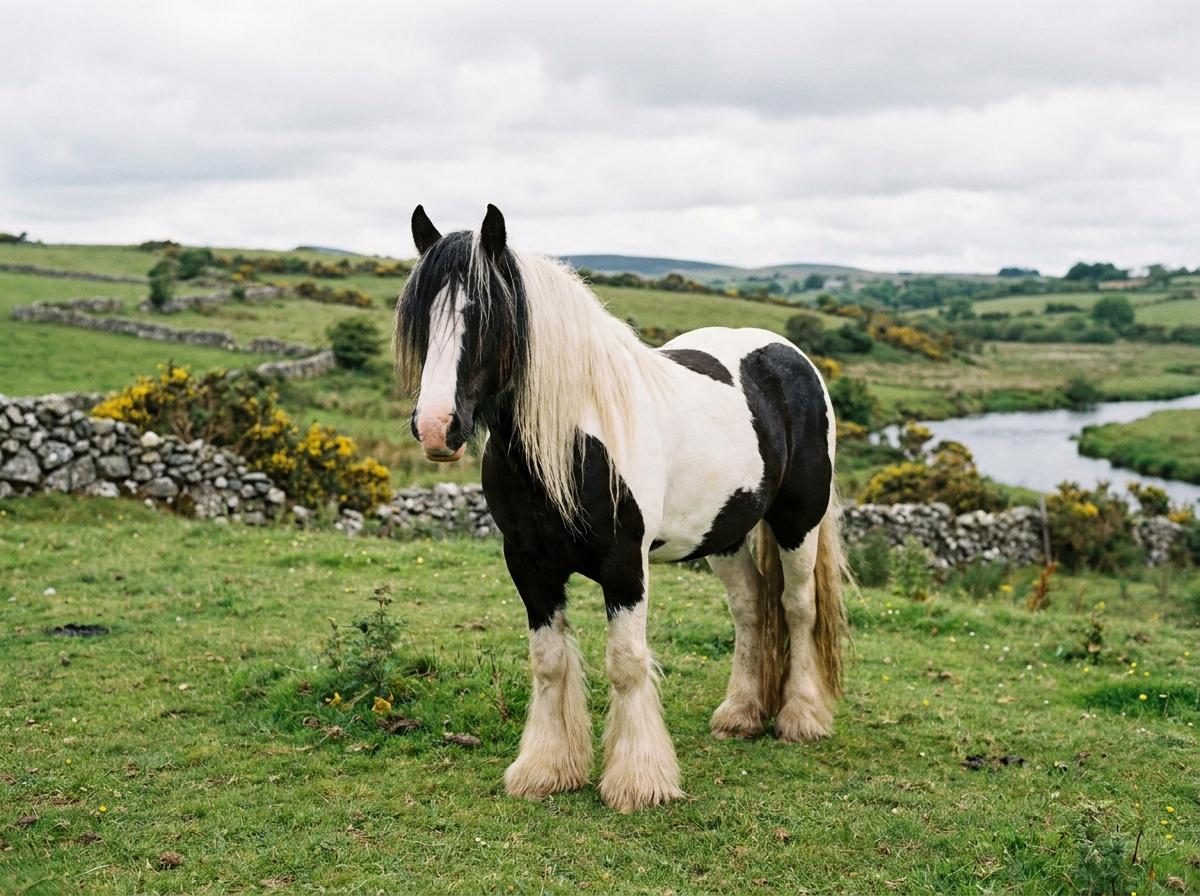
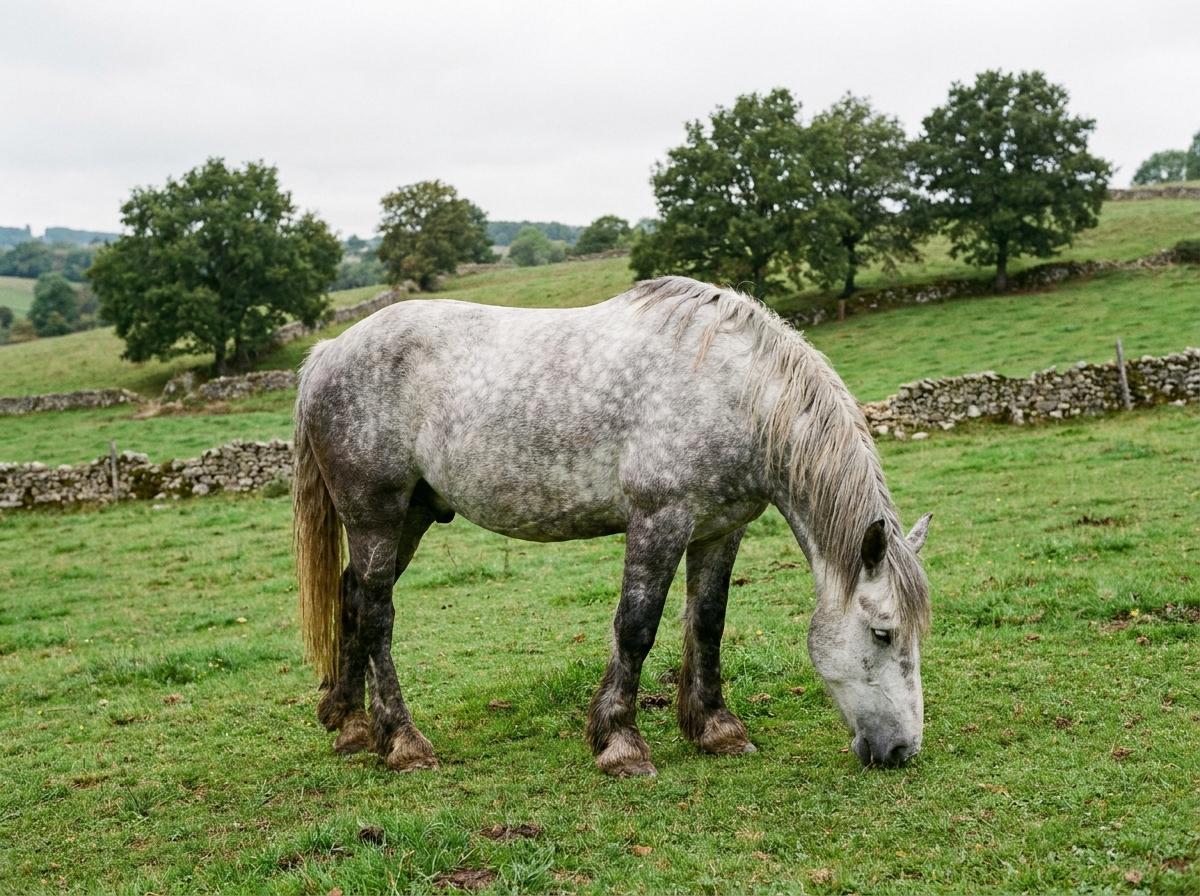
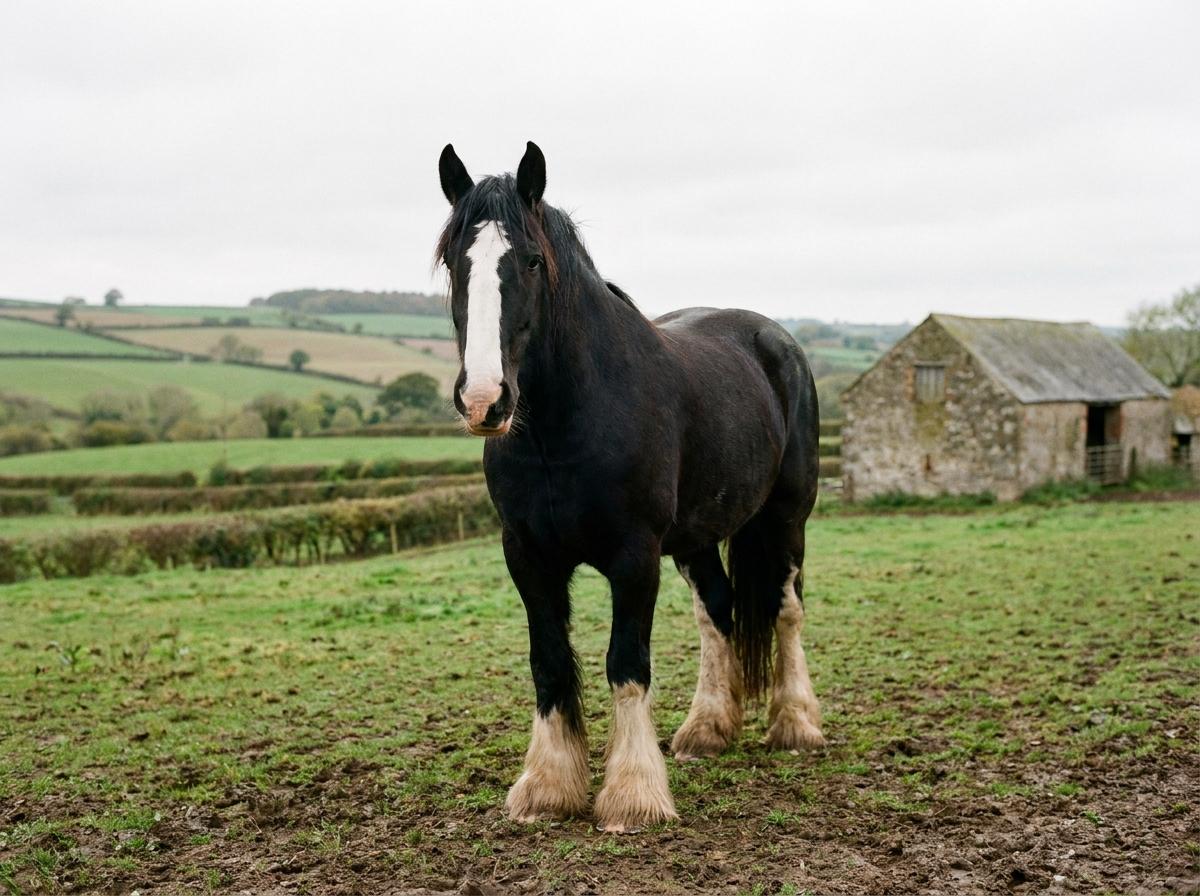
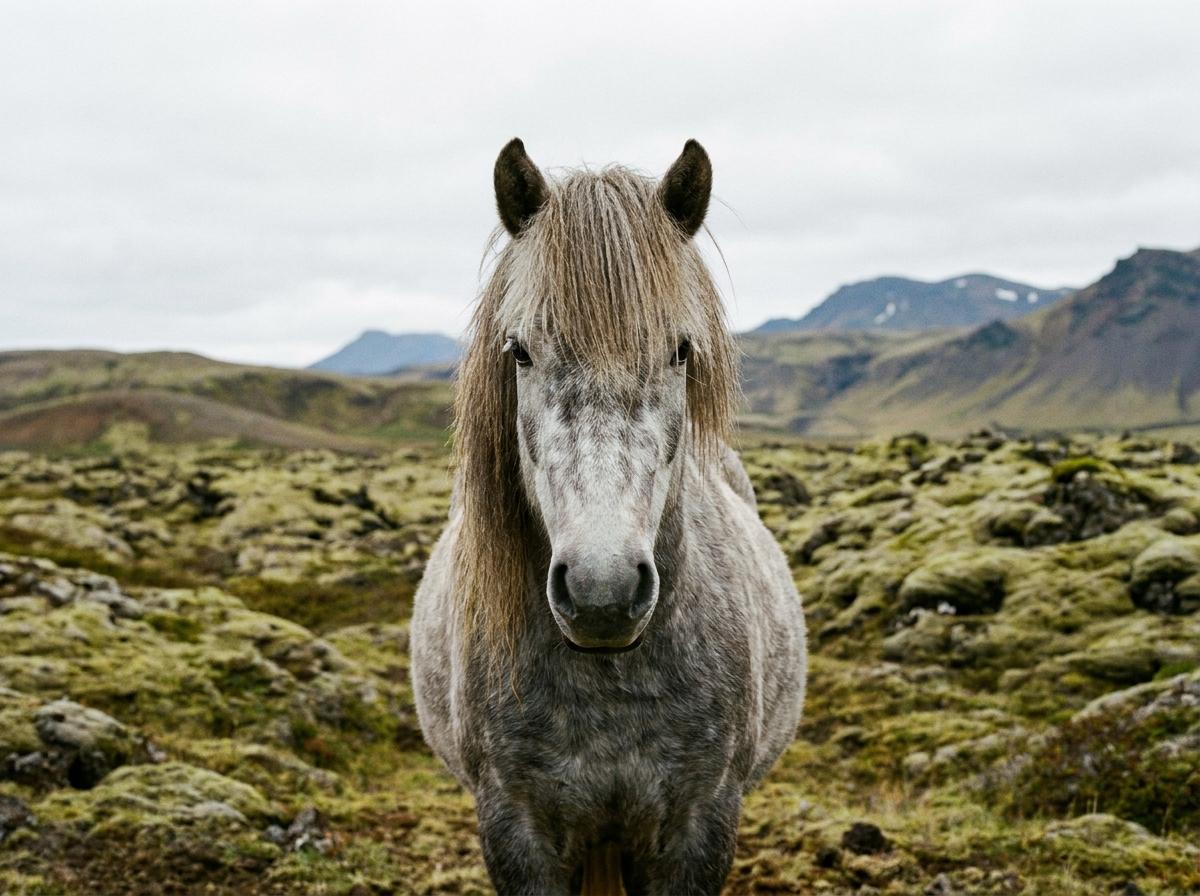
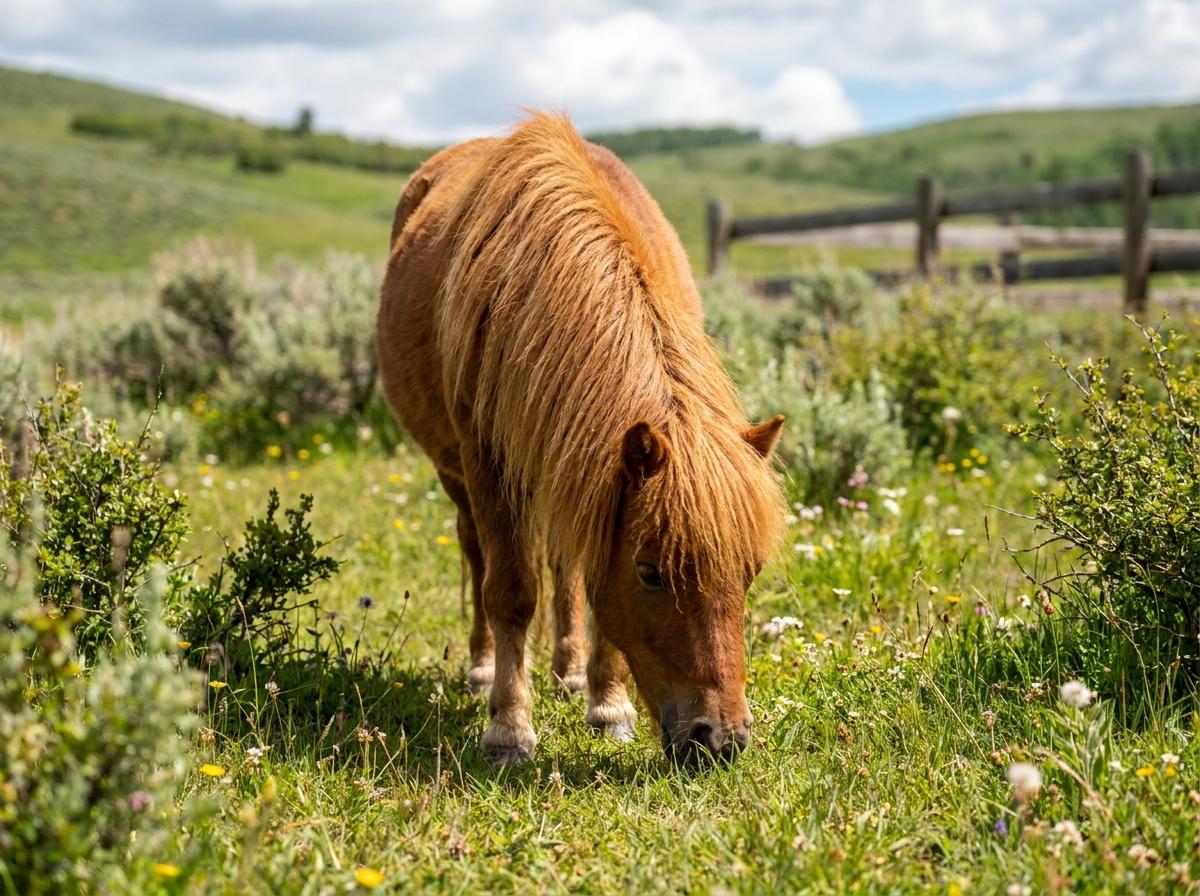
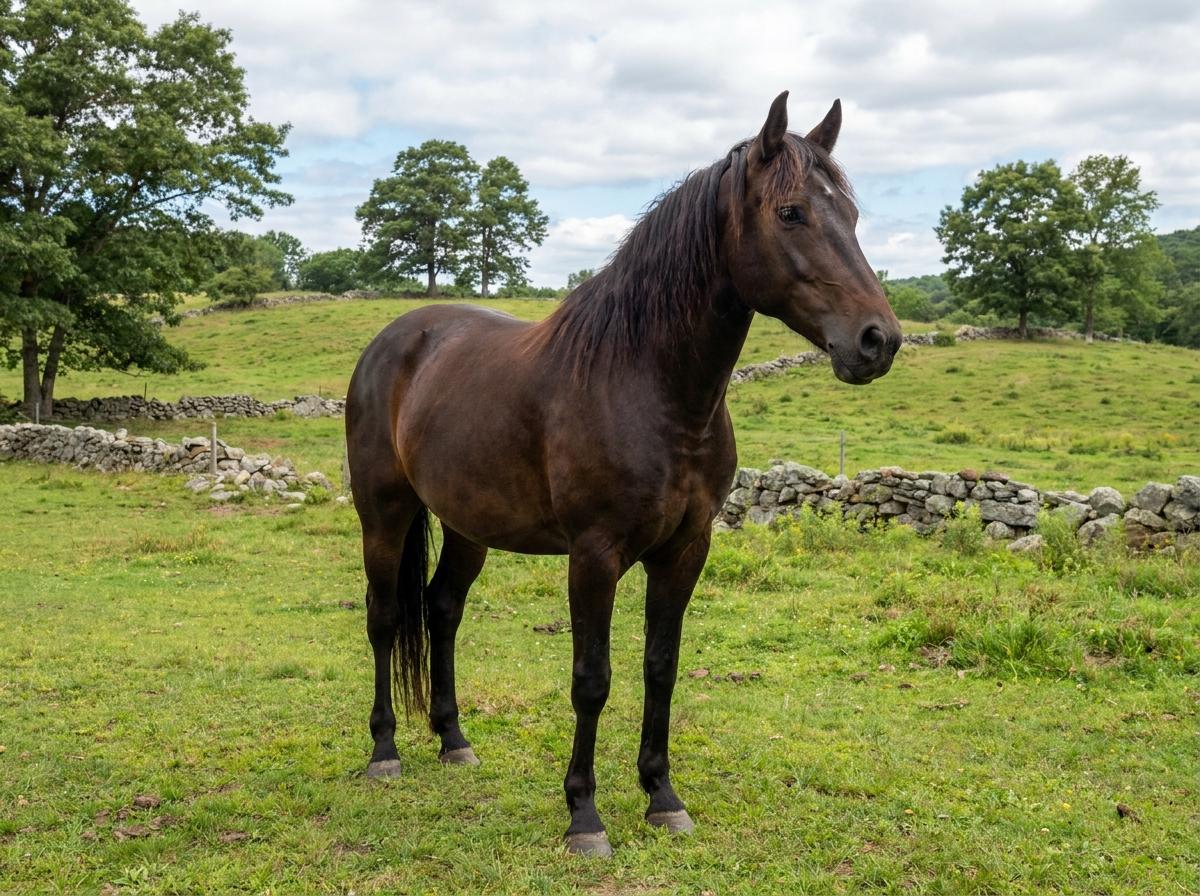
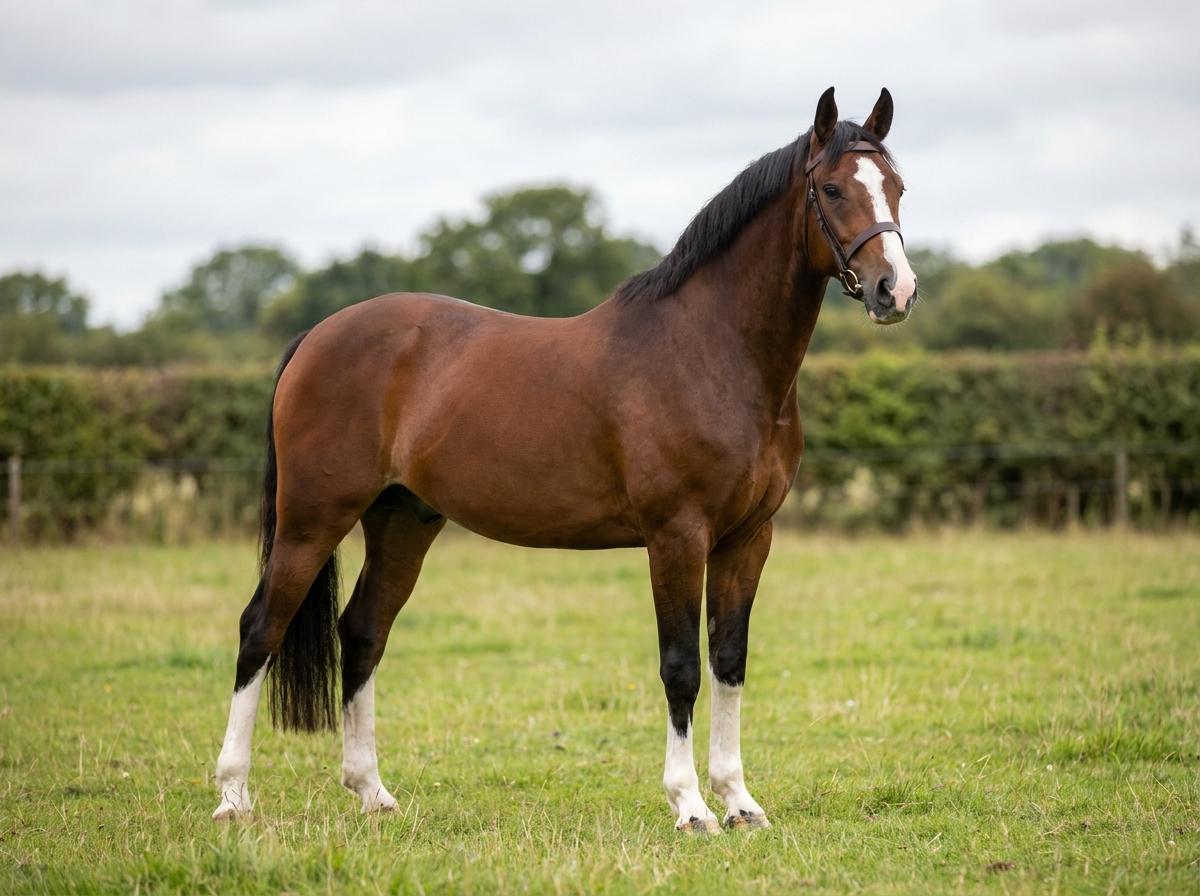
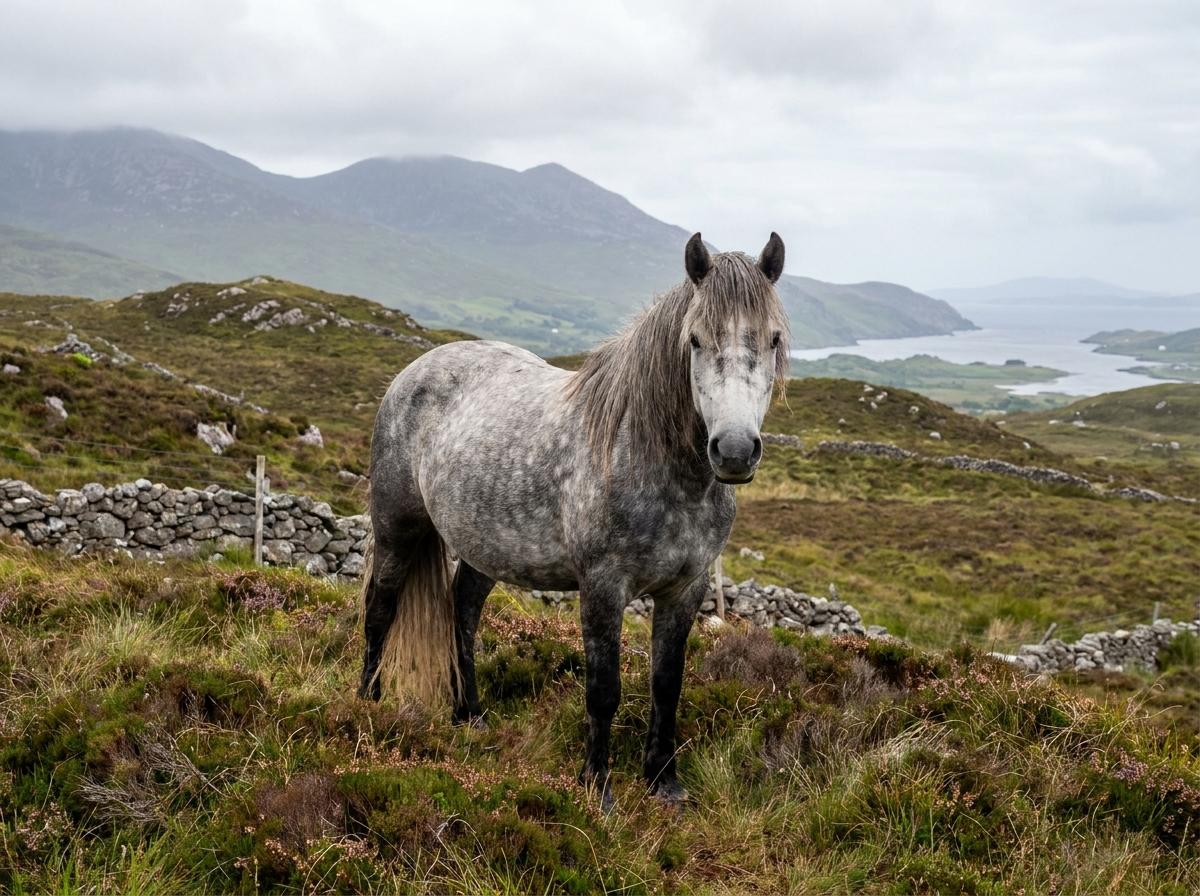
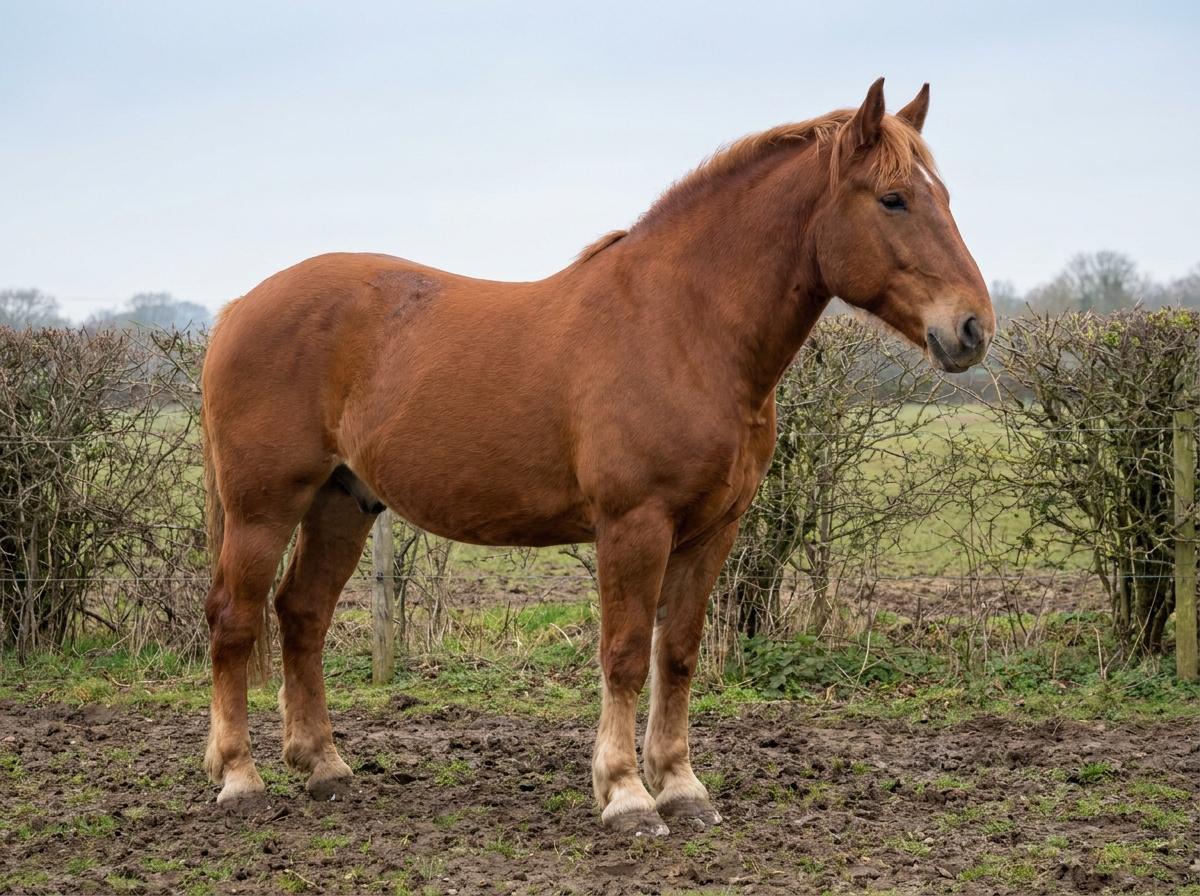
The Dole Gudbrandsdal, often called the Gudbrandsdal horse or traditional Døle horse, is the heavier working strain associated with Norway's Gudbrandsdalen. It grew from local mountain farm horses selected for pulling power, calm behavior and durability in a landscape of narrow valleys, snow and forest roads. Compared with lighter riding breeds, it has a low, muscular build, deep body, strong feet and a steady walk suited to sledges, wagons, timber and mixed farm work.
Modern Dole Gudbrandsdal horses are most often seen in heritage farming, forestry, pleasure driving, breed shows and small conservation breeding programs. They can be economical to feed for their size when given good roughage, but weight management and regular movement remain important. Farrier care should account for heavy work on roads, ice or stony tracks, and a well-fitted collar is essential for harness use. People researching the name should note that it overlaps with Døle terminology, while some related Norwegian coldblood horses have been bred more for trotting speed than draft work.
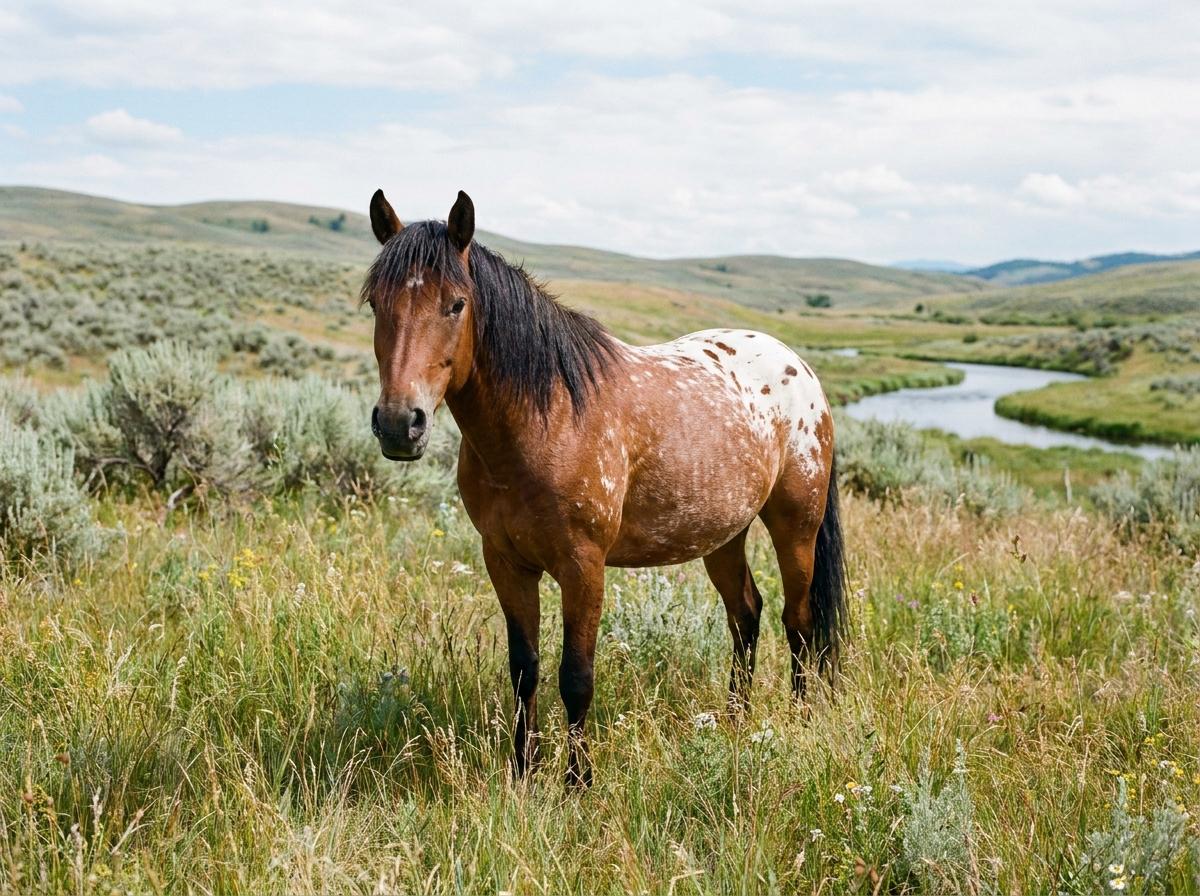
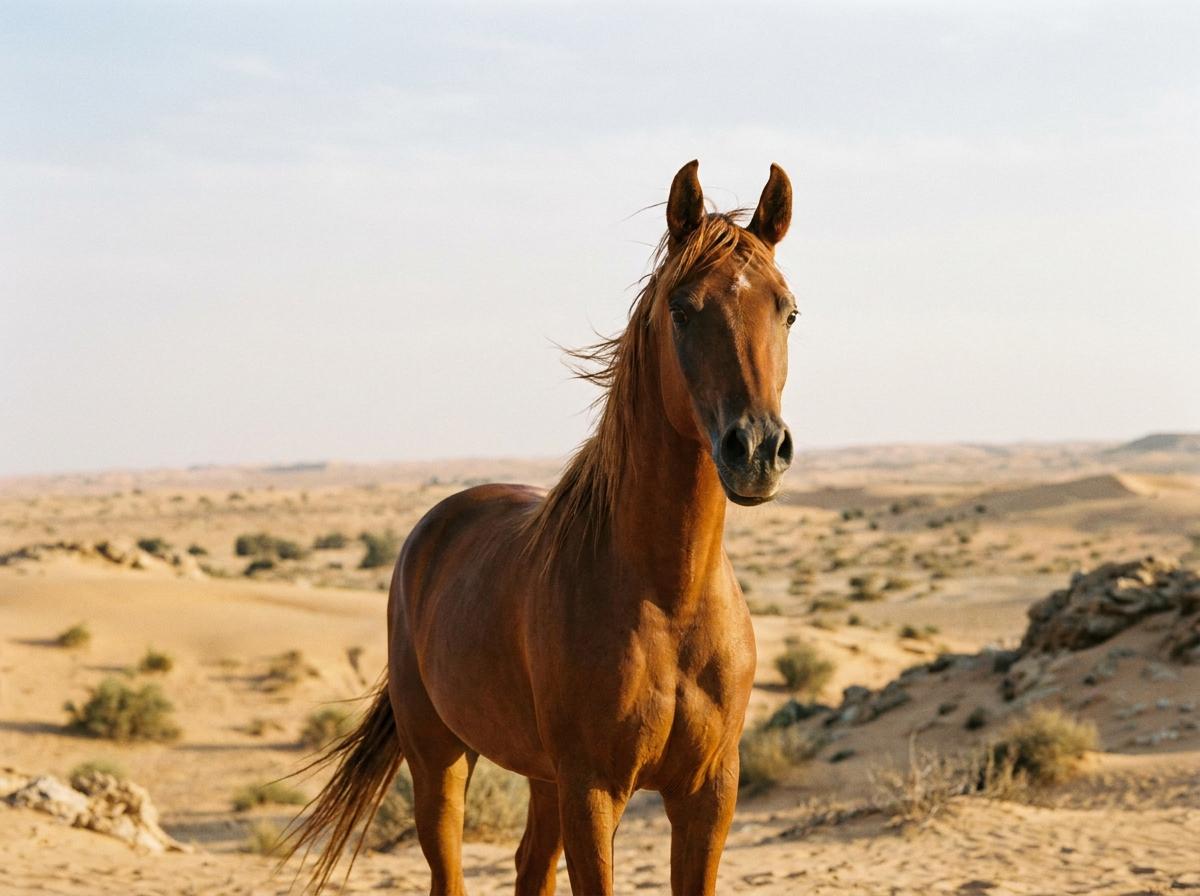
Colors: Amber Champagne, Bay, Bay Dun, Bay Roan, Black, Blanket Appaloosa, Blue Roan, Brown, Buckskin, Champagne, Chestnut, Classic Champagne, Cremello, Dun, Dun Roan, Fewspot Appaloosa, Flaxen Chestnut, Frame Overo, Gold Champagne, Gray, Grullo, Leopard Appaloosa, Liver Chestnut, Overo, Palomino, Perlino, Piebald, Pinto, Rabicano, Red Dun, Red Roan, Roan, Sabino, Seal Bay, Silver Dapple, Skewbald, Smoky Black, Smoky Cream, Snowcap Appaloosa, Sorrel, Splash White, Tobiano, Tovero, Varnish Roan, White