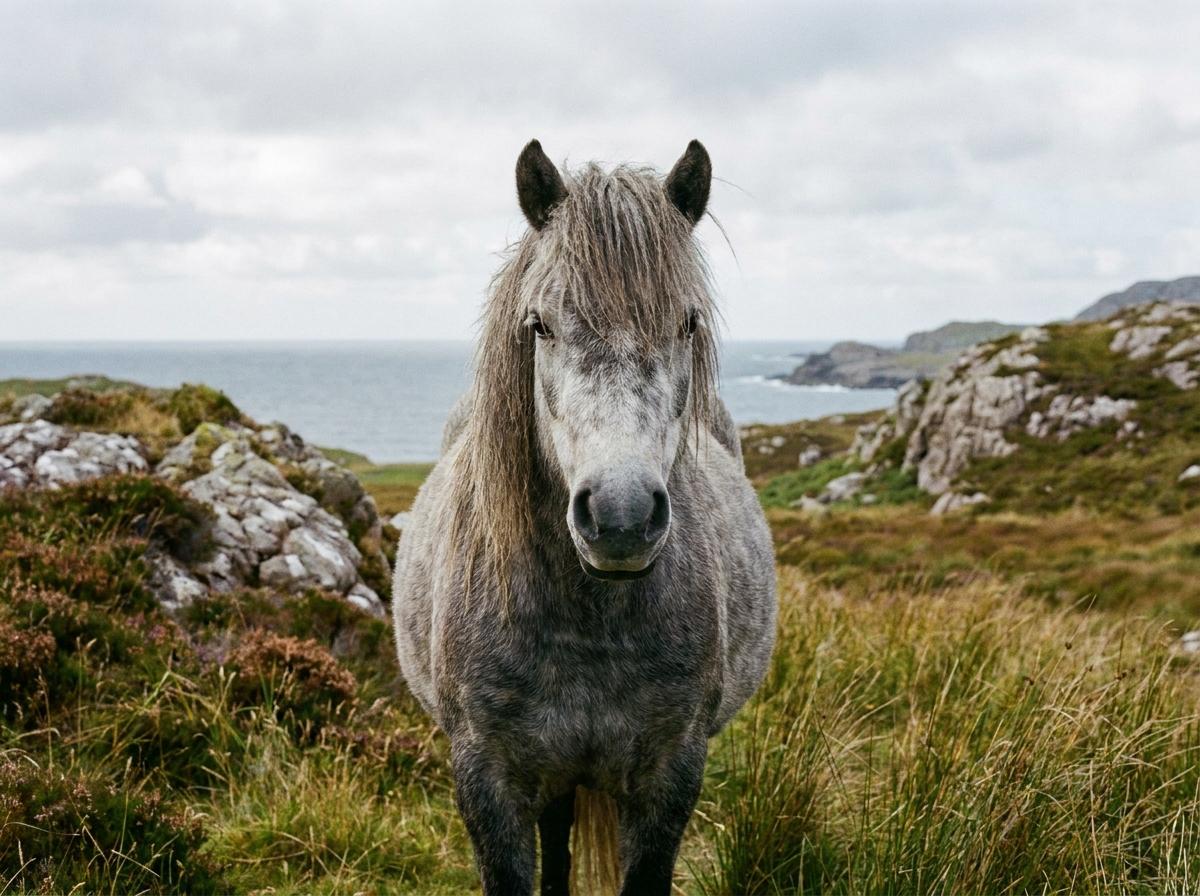
Eriskay Pony
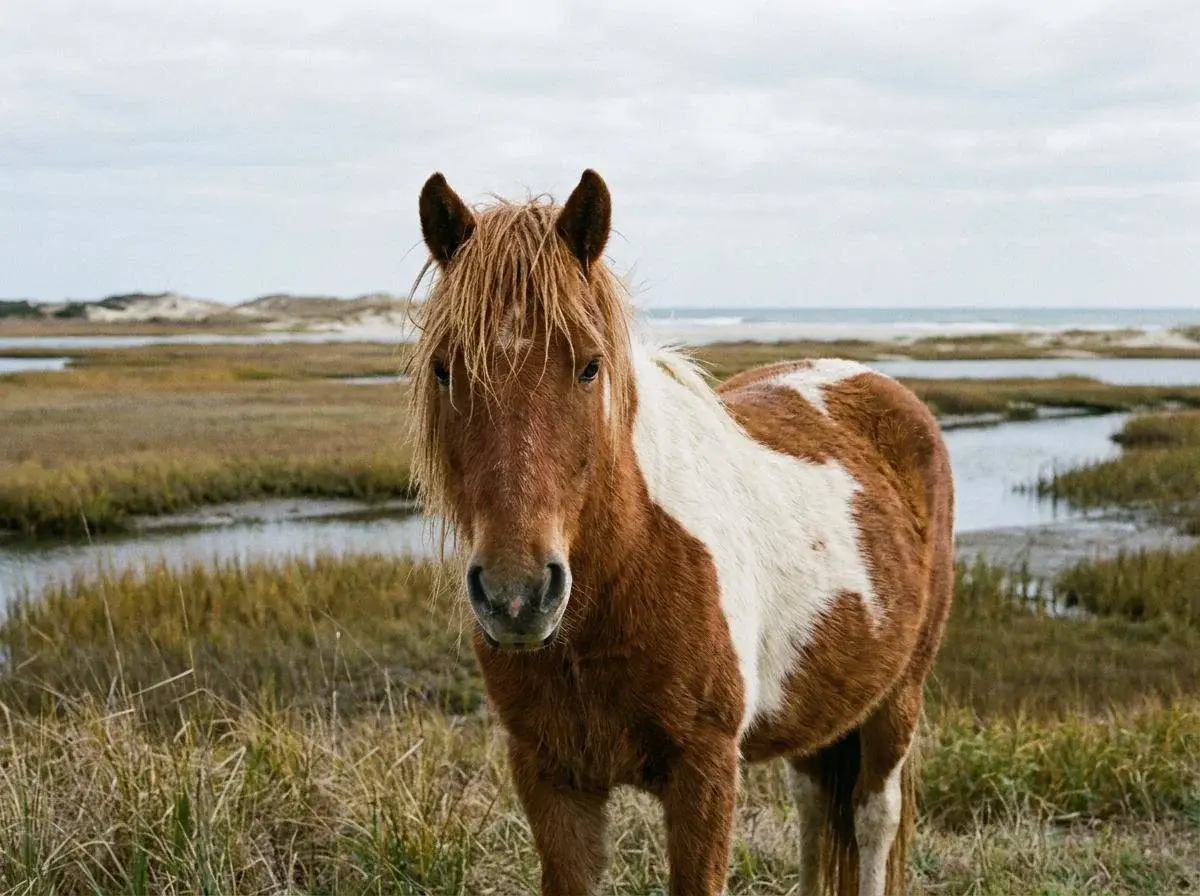
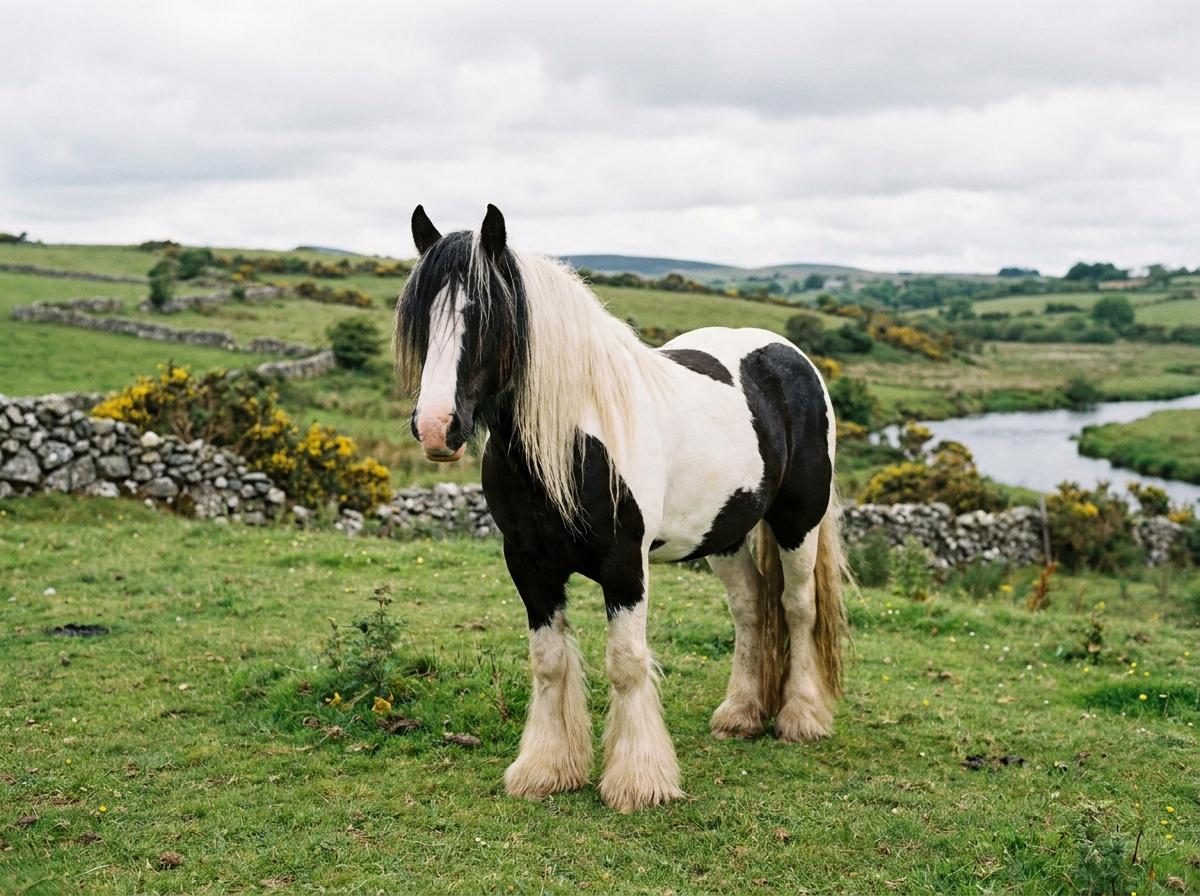
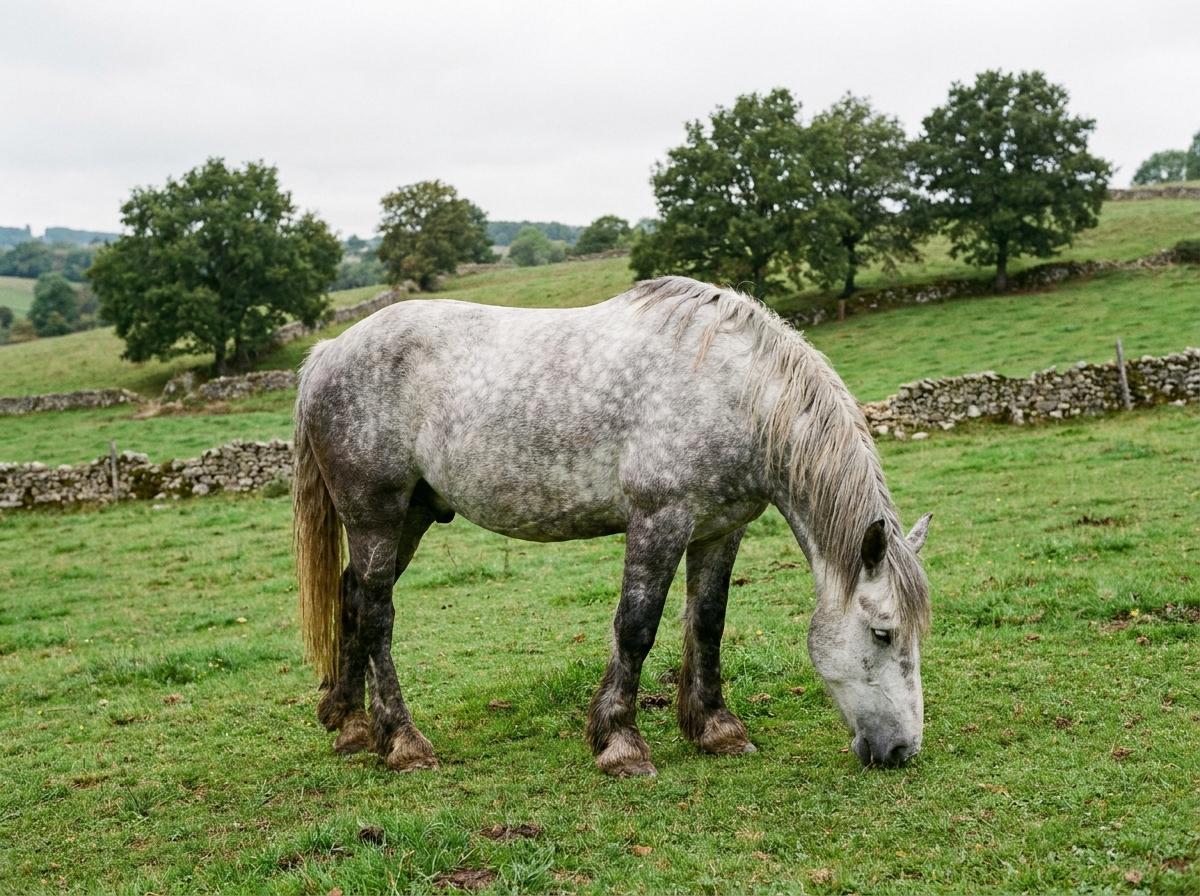
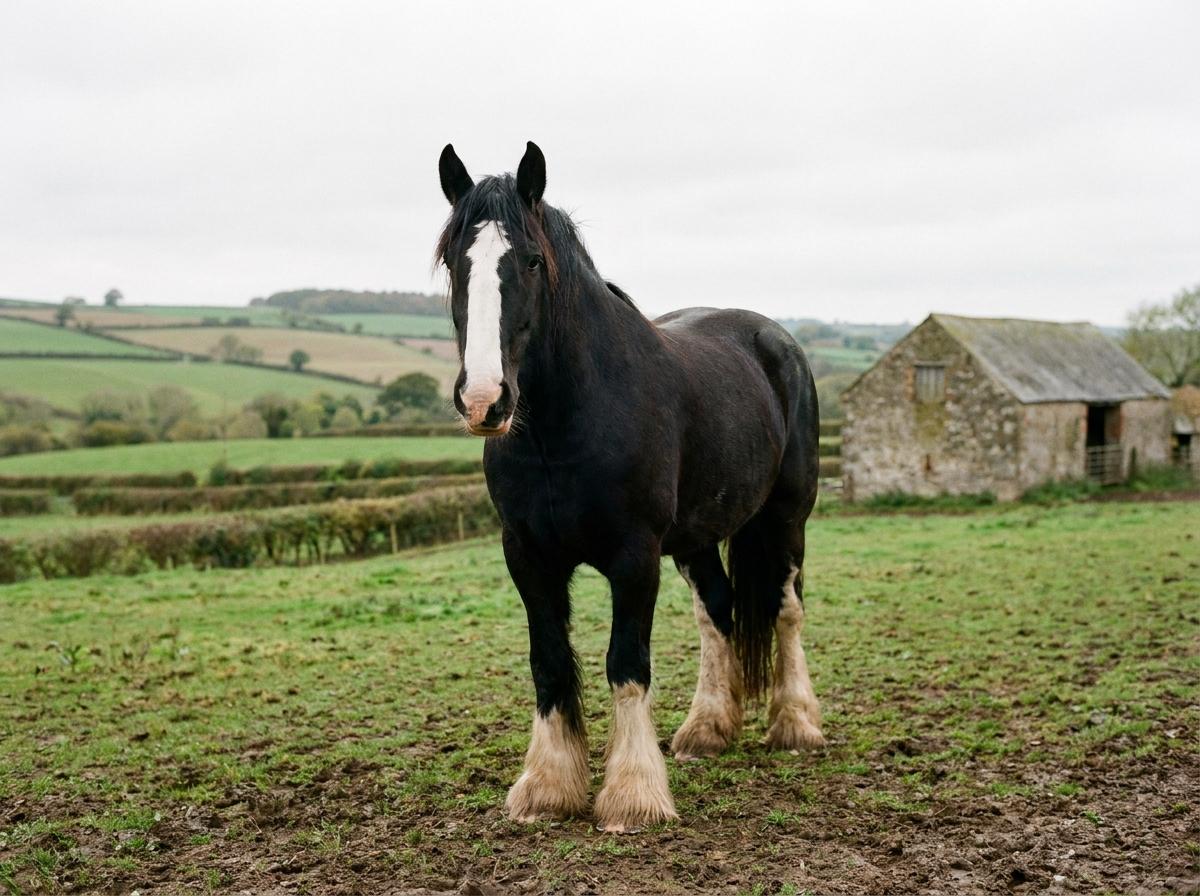
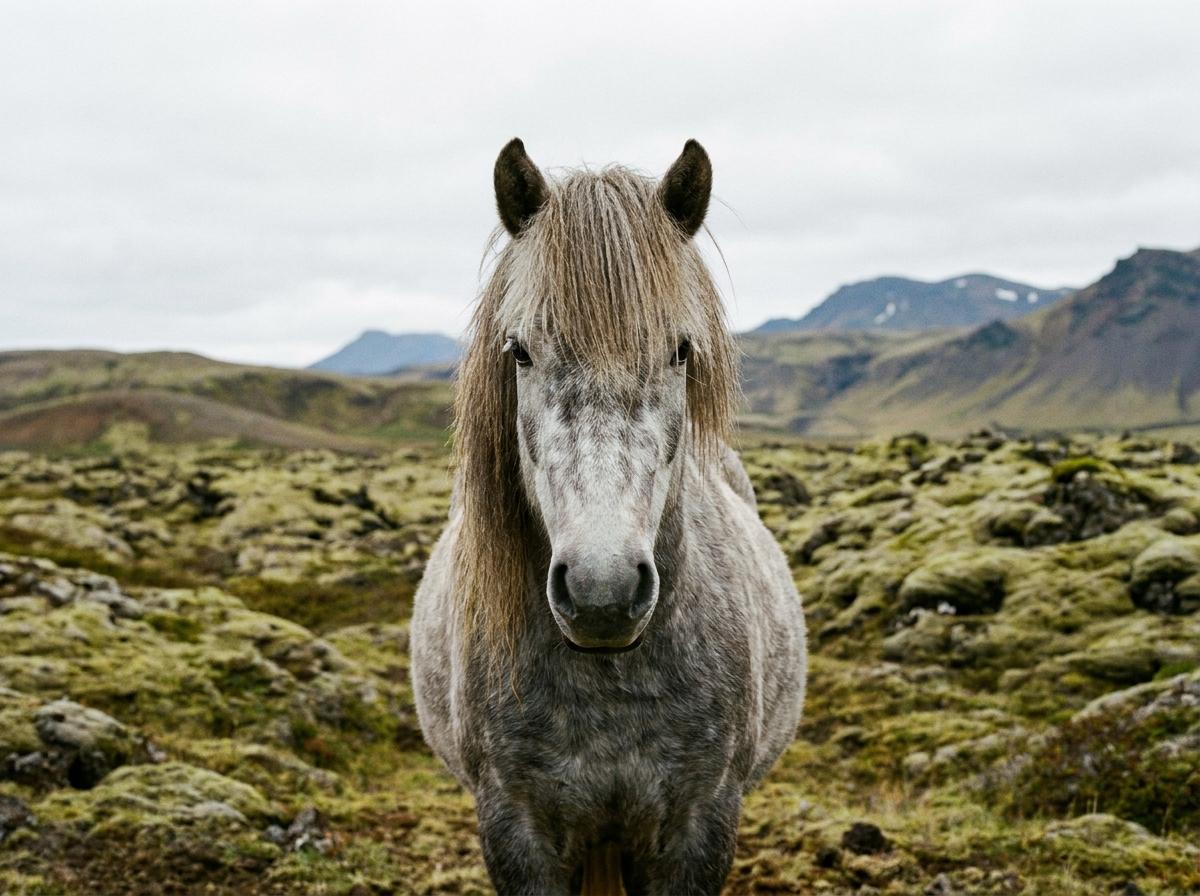
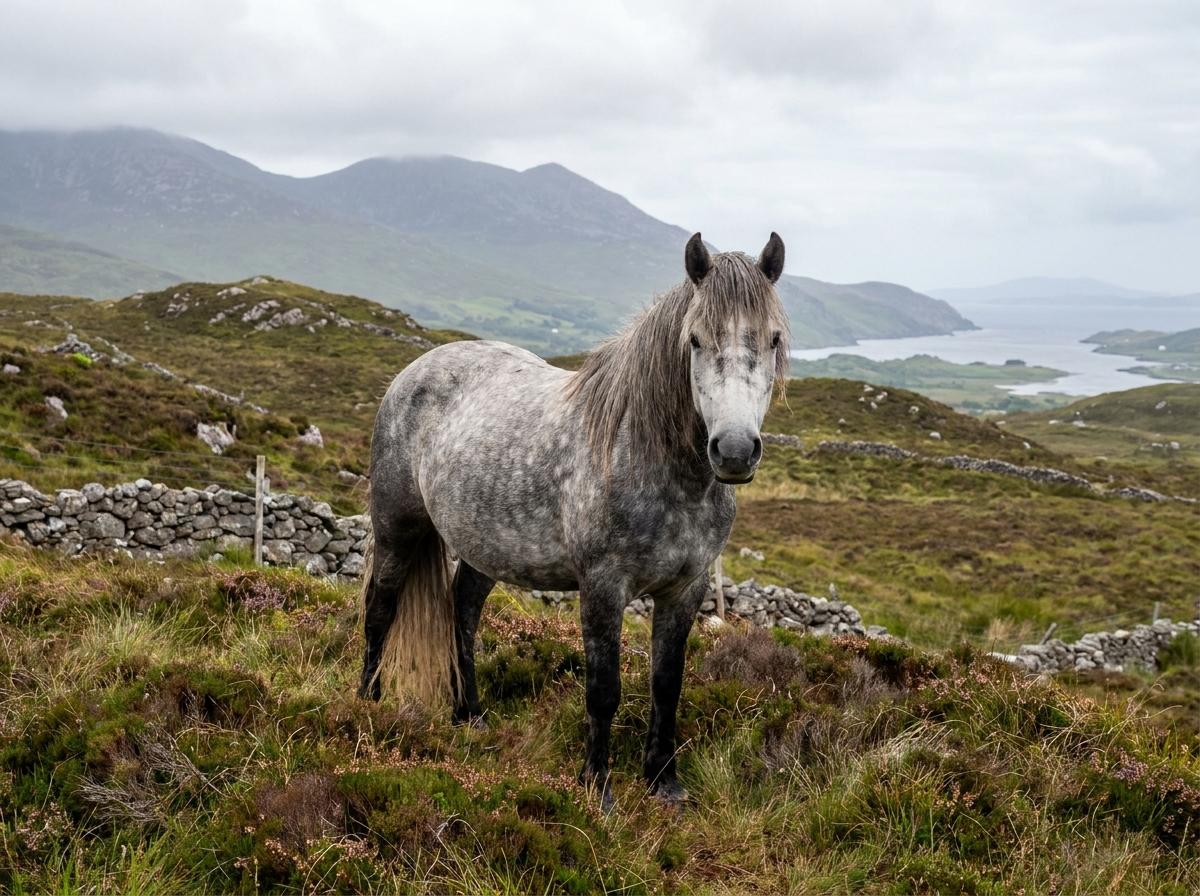
The Eriskay pony is one of Scotland's rarest native ponies and the surviving representative of the old Western Isles ponies of the Outer Hebrides. It developed on islands such as Eriskay, South Uist, Barra, and nearby crofting communities, where small horses had to live on rough grazing and help with peat, seaweed, carrying, and cart work. Most Eriskays are grey, often born black or bay before whitening, and they usually stand around 12 to 13.2 hands. A thick winter coat, hard feet, compact body, and steady, people-oriented temperament are valued more than size.
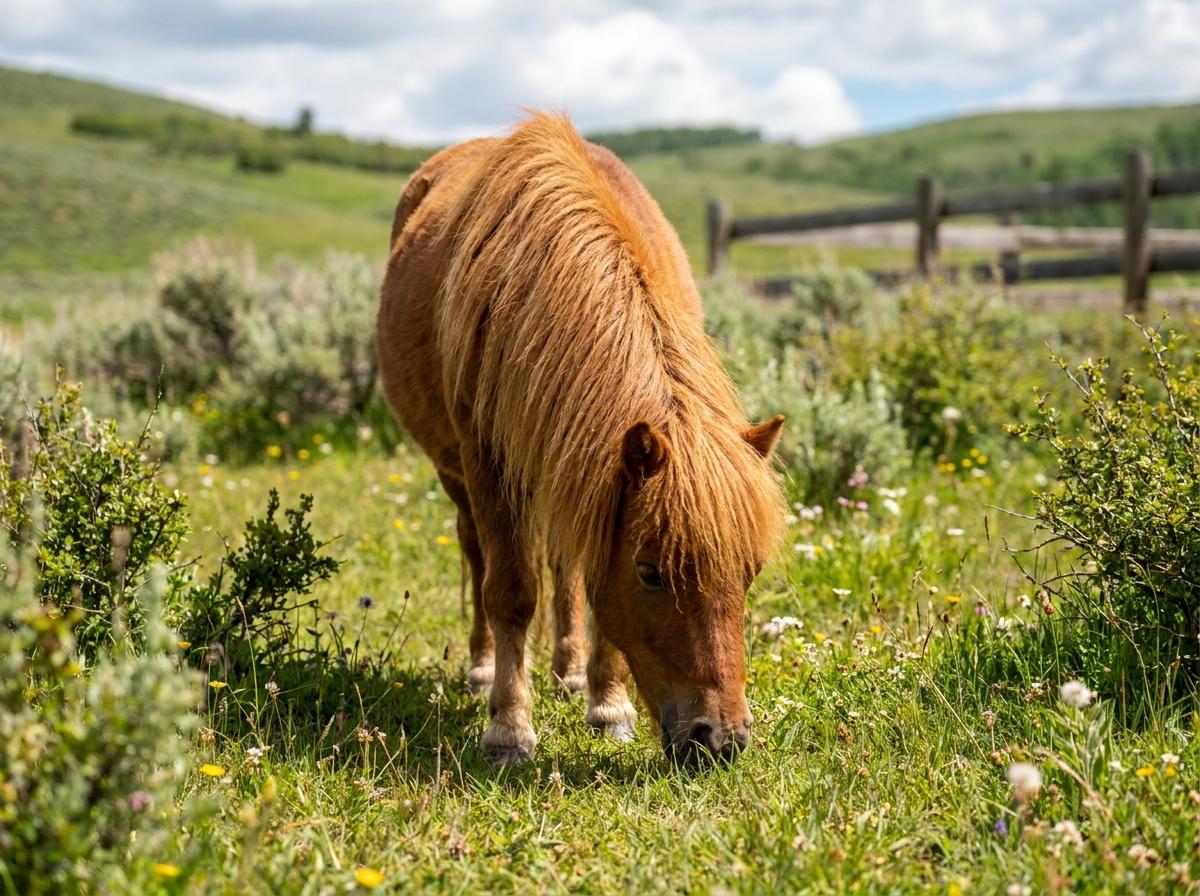
Modern Eriskay management is closely tied to rare-breed conservation. Registered breeding aims to keep the pony recognizably Hebridean while avoiding inbreeding in a limited population, so stallion choice and accurate parentage matter. They are economical keepers and do well with turnout, but rich pasture can cause excess weight and laminitis, especially in easy-working family ponies. Their sensible nature makes them useful for children, driving, pony club jobs, and conservation grazing, though young ponies still need the same patient handling and foot, dental, and vaccine care as any horse.
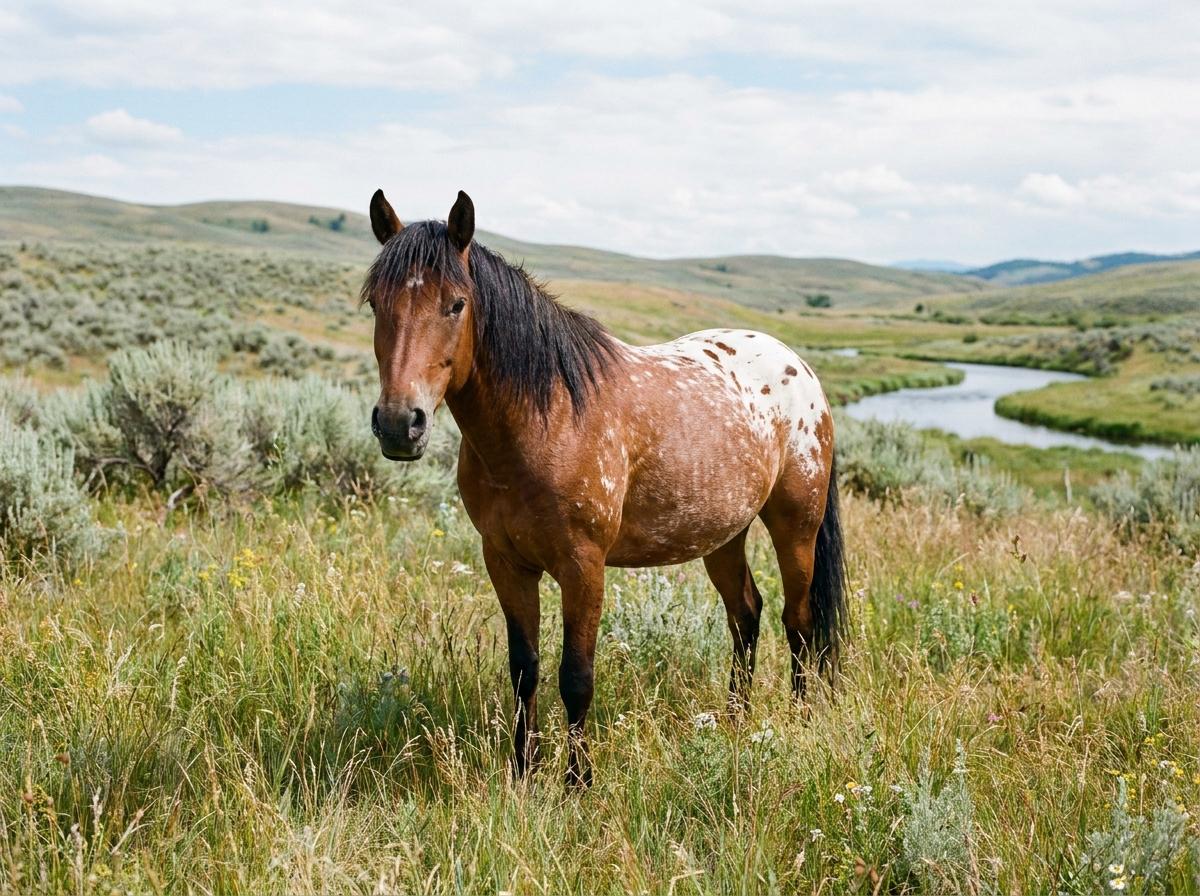
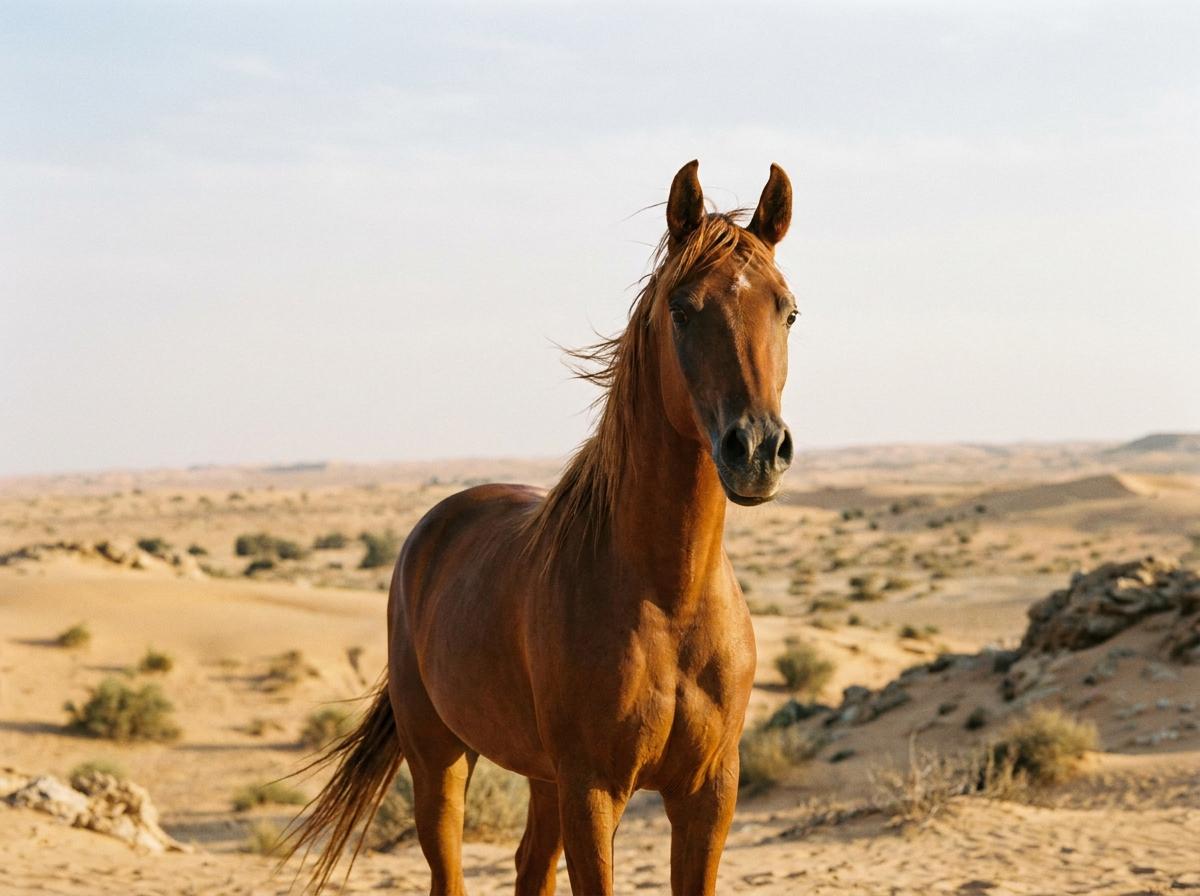
Colors: Amber Champagne, Bay, Bay Dun, Bay Roan, Black, Blanket Appaloosa, Blue Roan, Brown, Buckskin, Champagne, Chestnut, Classic Champagne, Cremello, Dun, Dun Roan, Fewspot Appaloosa, Flaxen Chestnut, Frame Overo, Gold Champagne, Gray, Grey, Grullo, Leopard Appaloosa, Liver Chestnut, Overo, Palomino, Perlino, Piebald, Pinto, Rabicano, Red Dun, Red Roan, Roan, Sabino, Seal Bay, Silver Dapple, Skewbald, Smoky Black, Smoky Cream, Snowcap Appaloosa, Sorrel, Splash White, Tobiano, Tovero, Varnish Roan, White