

Estonian Draft
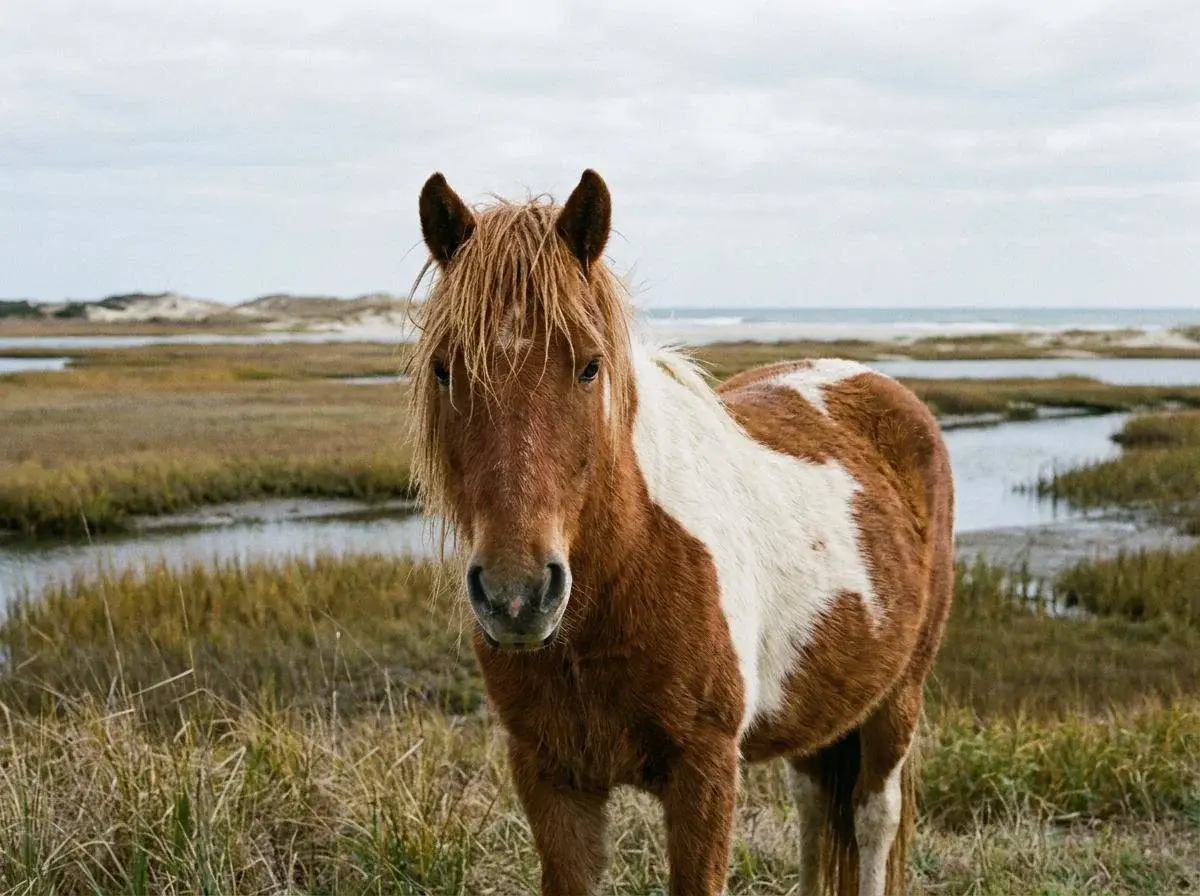
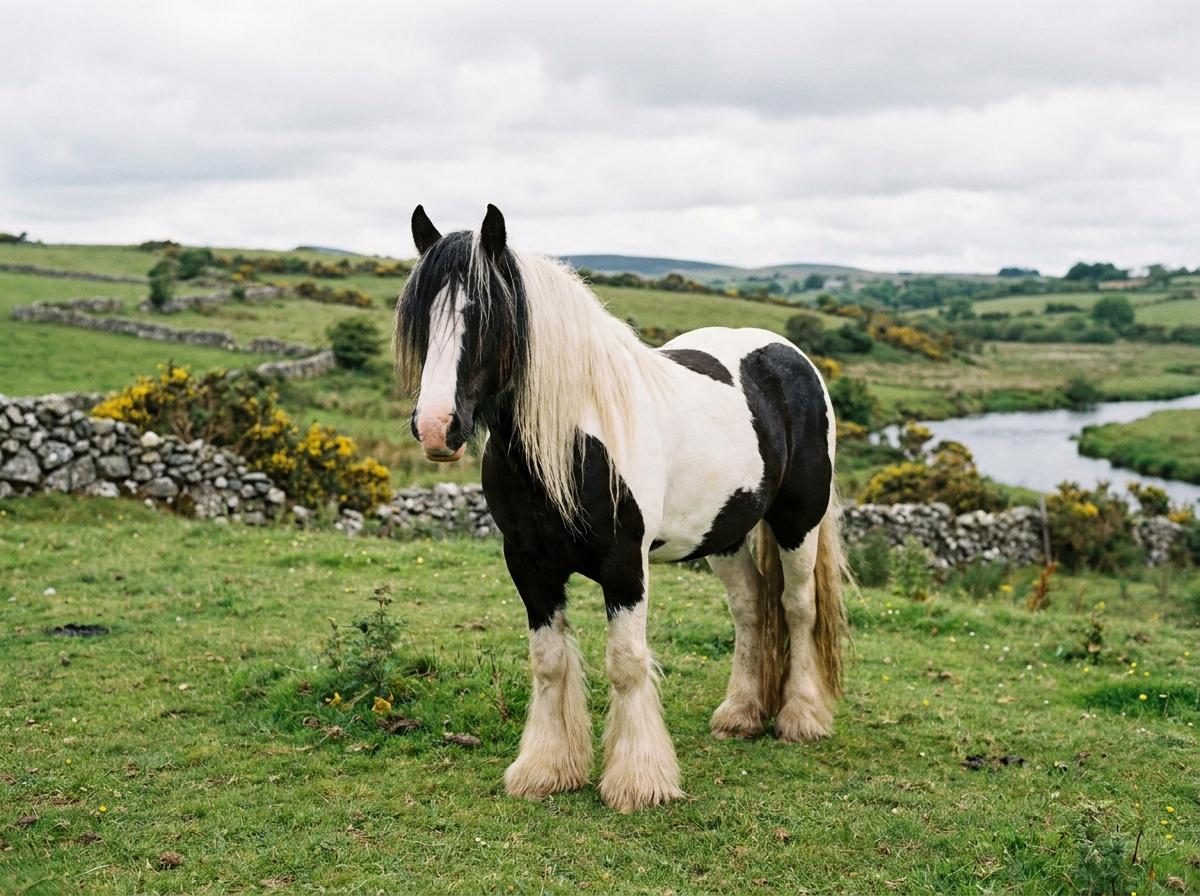
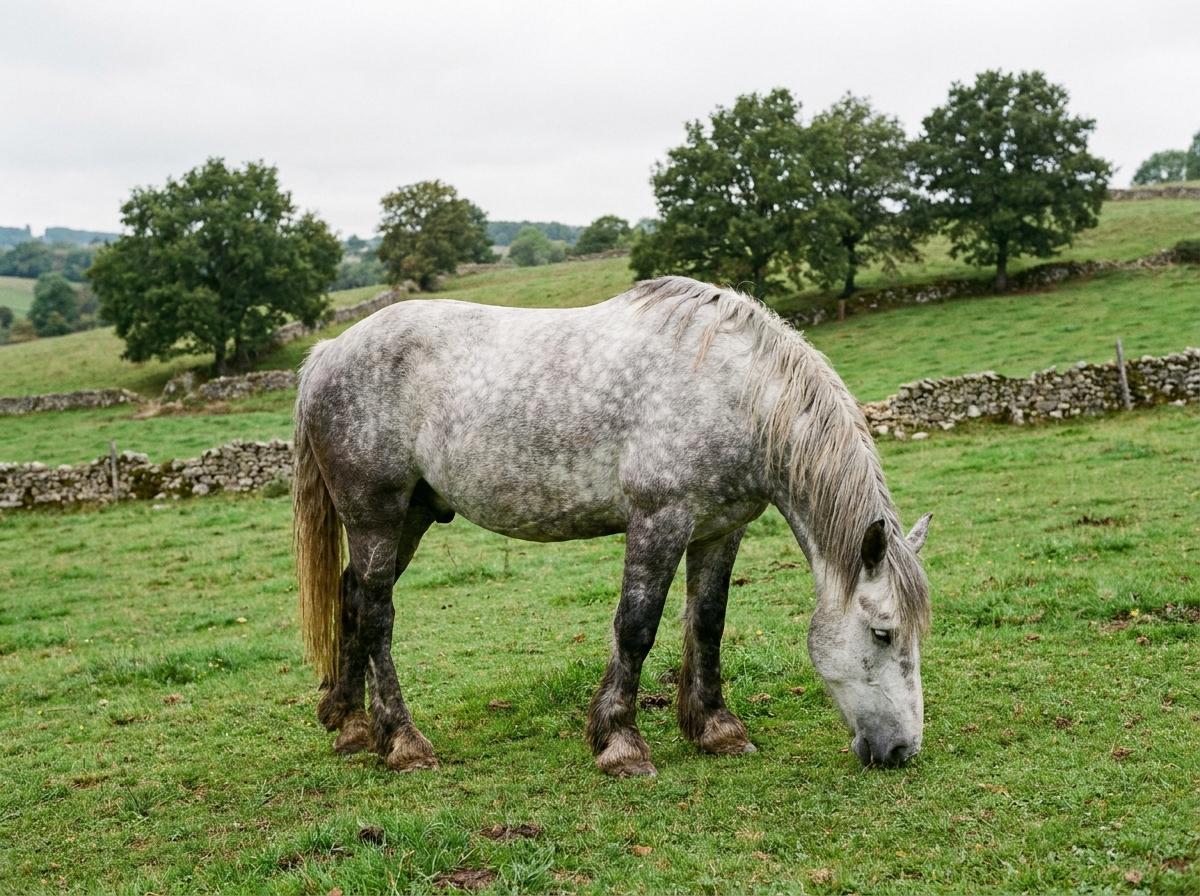
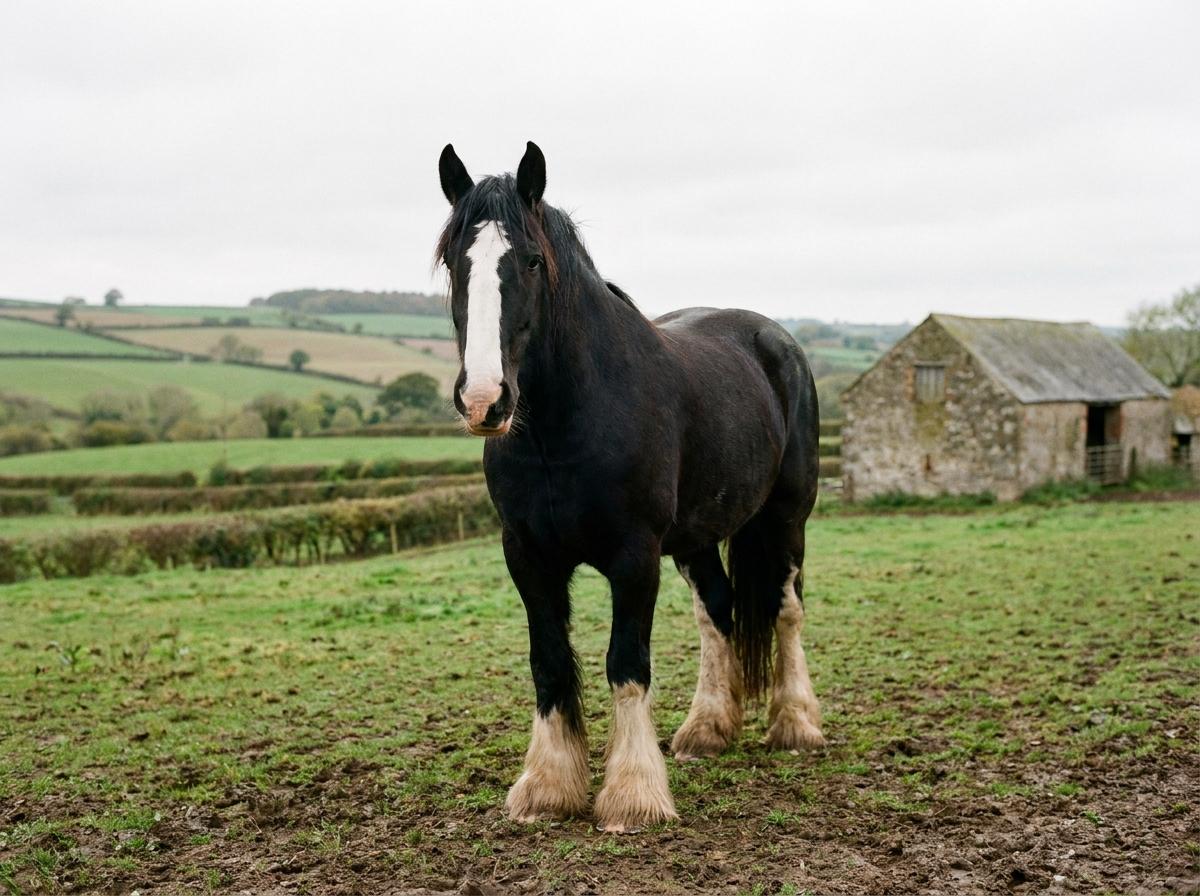
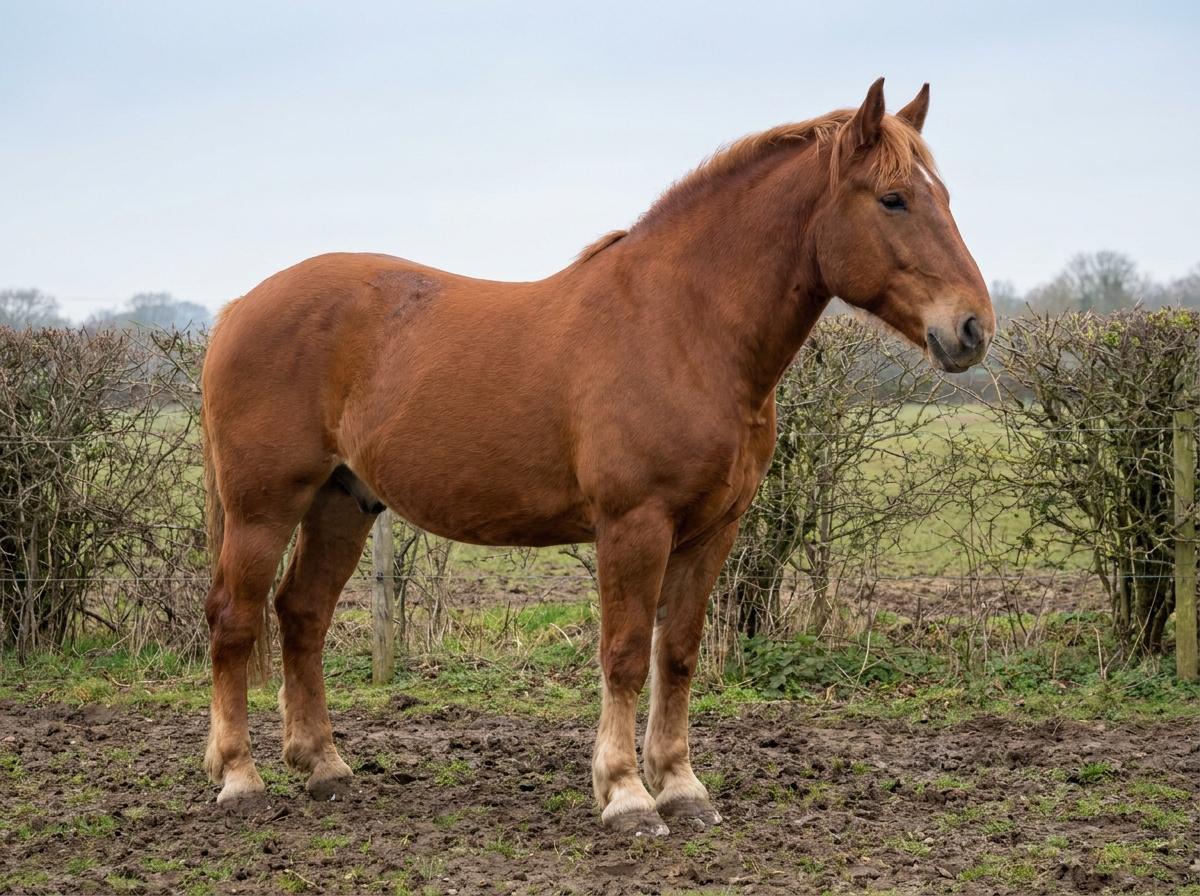
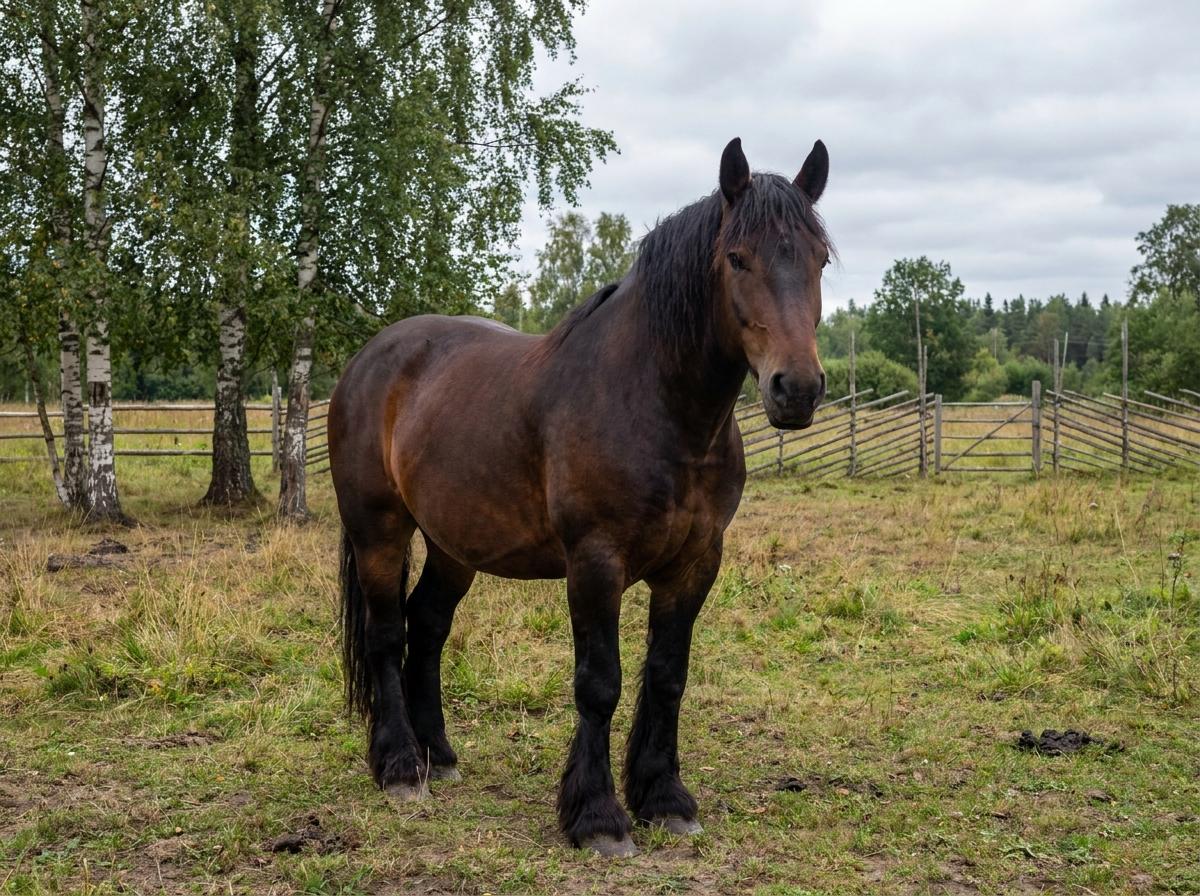
The Estonian draft, also called the Estonian Heavy Draft or Eesti raskeveohobune, is a cold-blooded horse breed developed in Estonia for farm, haulage, and forestry work. It was created from local Estonian mares crossed mainly with Ardennes and Swedish Ardennes-type stallions, then selected for a strong, tractable working horse suited to a northern climate. The breed is broad, deep-bodied, and muscular without the extreme size of some western European heavy horses. Chestnut, bay and roan are common, and many individuals have a kind expression, short cannons, and a powerful shoulder for pulling.
Mechanization reduced the need for heavy horses, so the Estonian draft is now maintained by breeders who value both its work ability and its place in Baltic agricultural history. These horses suit small farms, logging at low impact, driving, and ceremonial uses, but they require facilities built for draft weight: wide gateways, sturdy floors, large harness, and careful hoof care. Diet should support muscle and work without letting easy keepers become obese. For conservation breeding, sound legs, fertility, calm handling, and verified ancestry are especially important because numbers are limited compared with common international draft breeds.
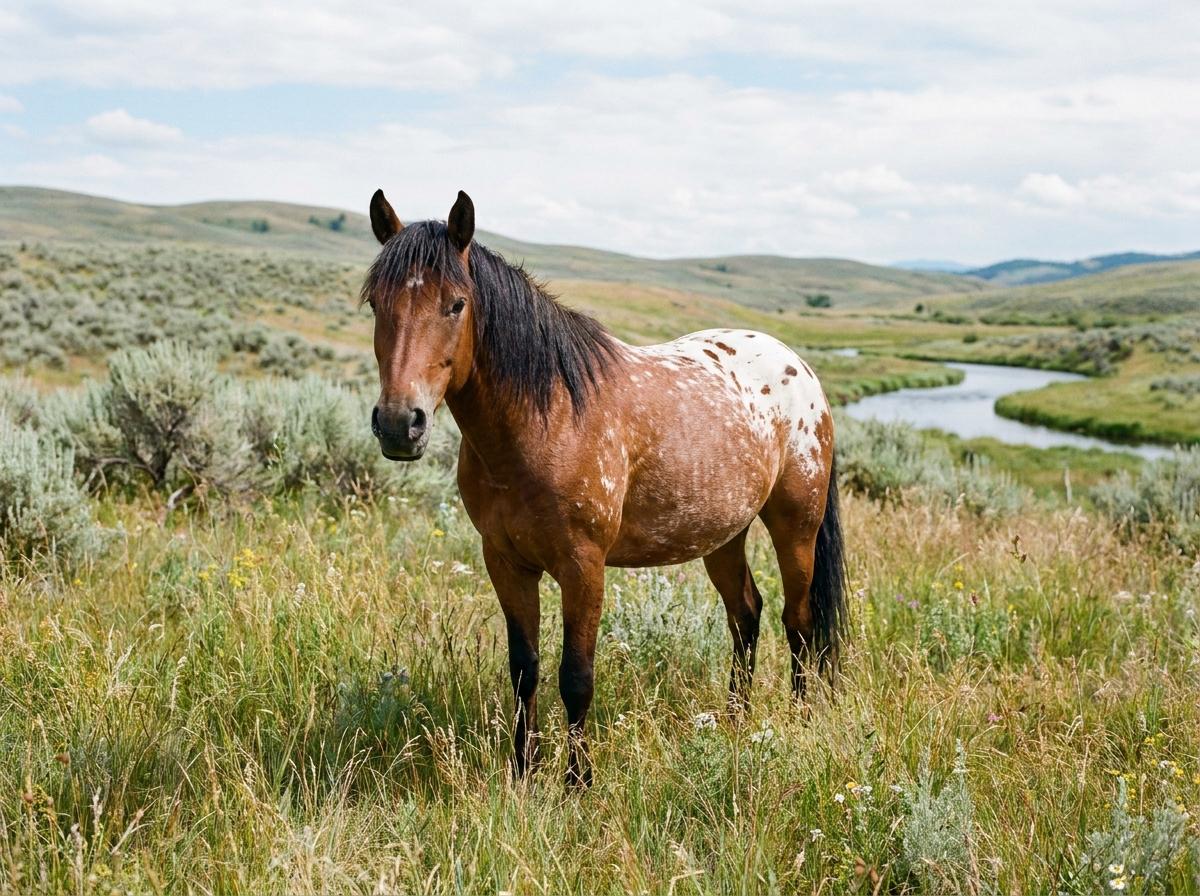
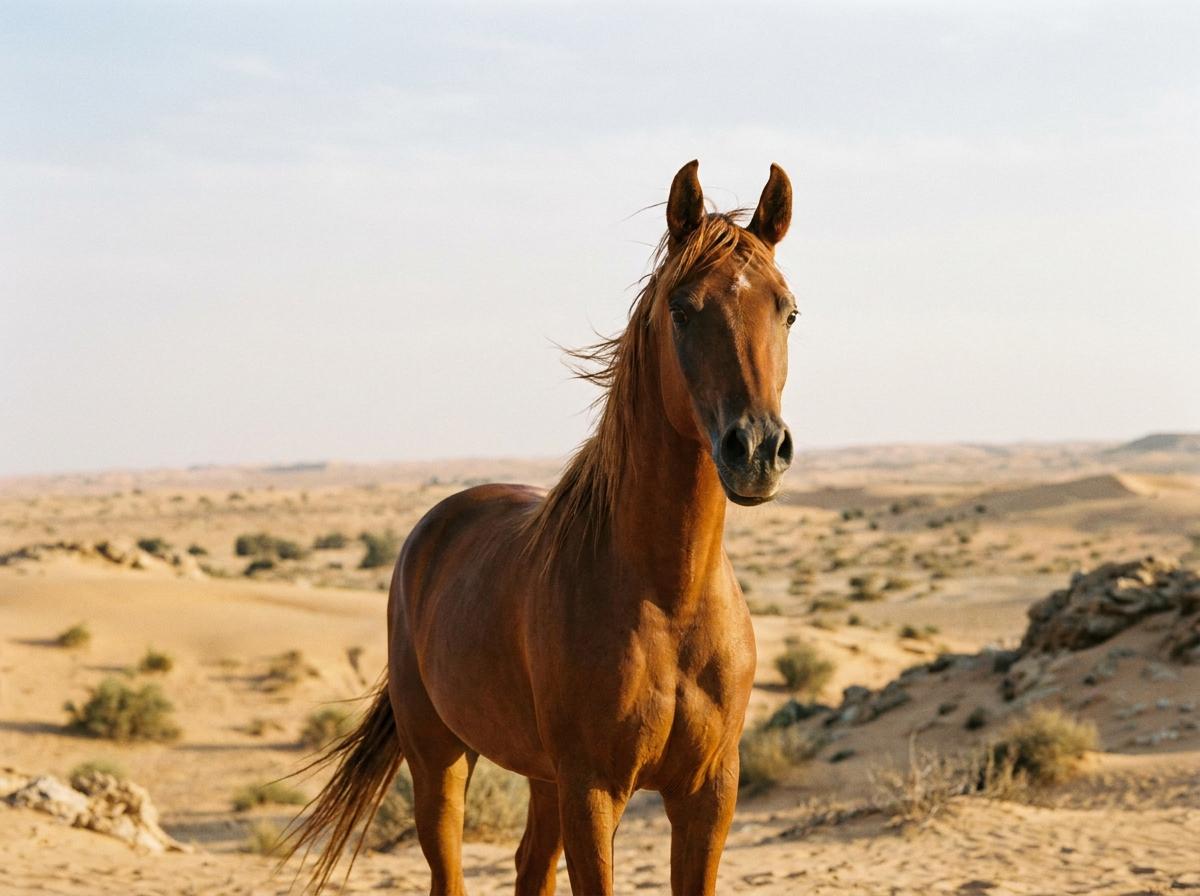
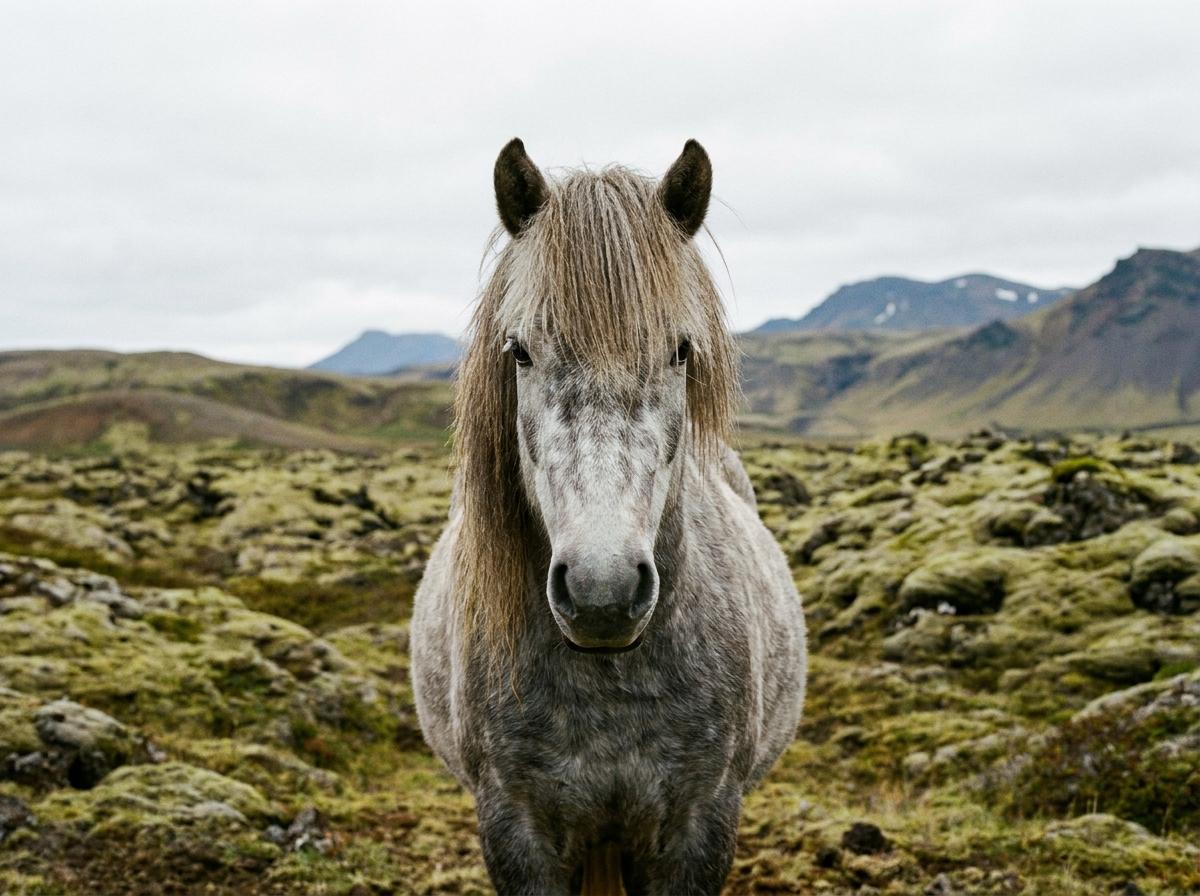
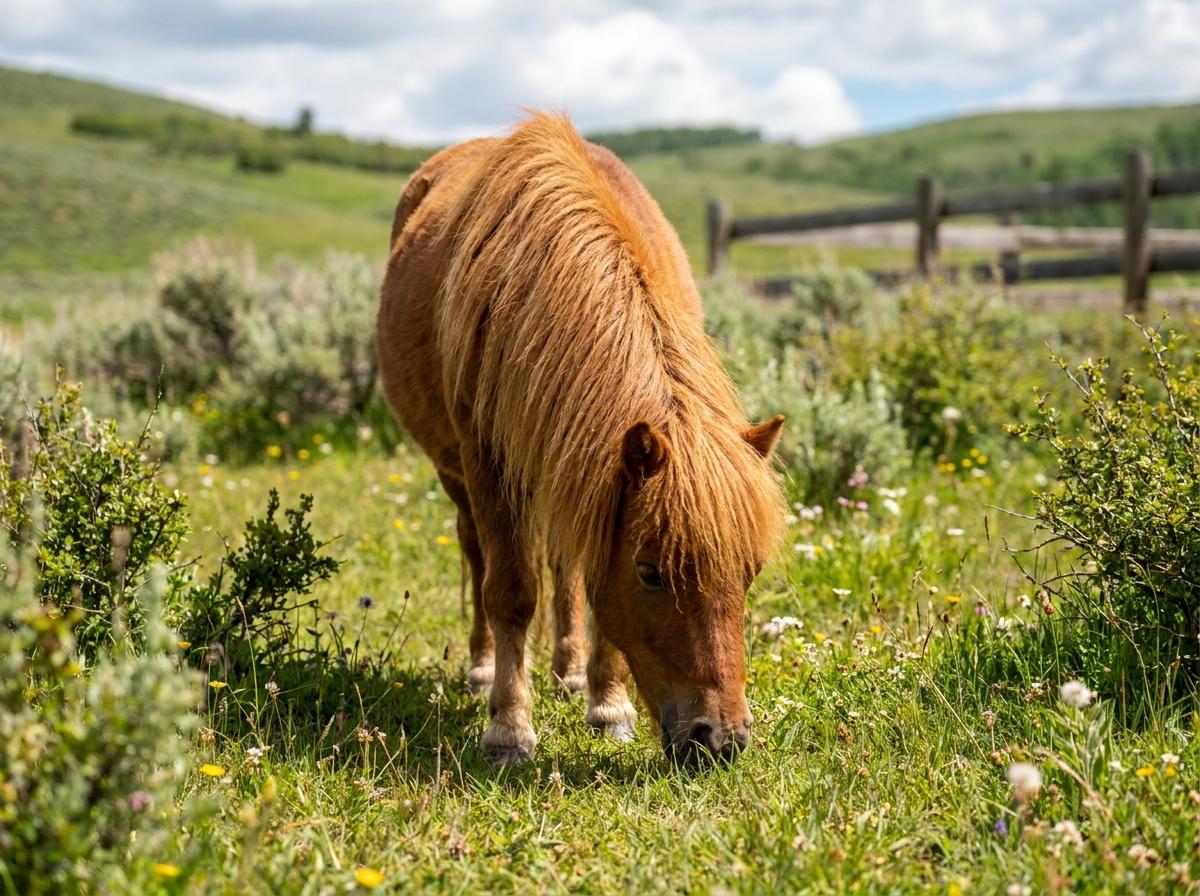
Colors: Amber Champagne, Bay, Bay Dun, Bay Roan, Black, Blanket Appaloosa, Blue Roan, Brown, Buckskin, Champagne, Chestnut, Classic Champagne, Cremello, Dun, Dun Roan, Fewspot Appaloosa, Flaxen Chestnut, Frame Overo, Gold Champagne, Gray, Grullo, Leopard Appaloosa, Liver Chestnut, Overo, Palomino, Perlino, Piebald, Pinto, Rabicano, Red Dun, Red Roan, Roan, Sabino, Seal Bay, Silver Dapple, Skewbald, Smoky Black, Smoky Cream, Snowcap Appaloosa, Sorrel, Splash White, Tobiano, Tovero, Varnish Roan, White