


Estonian Native
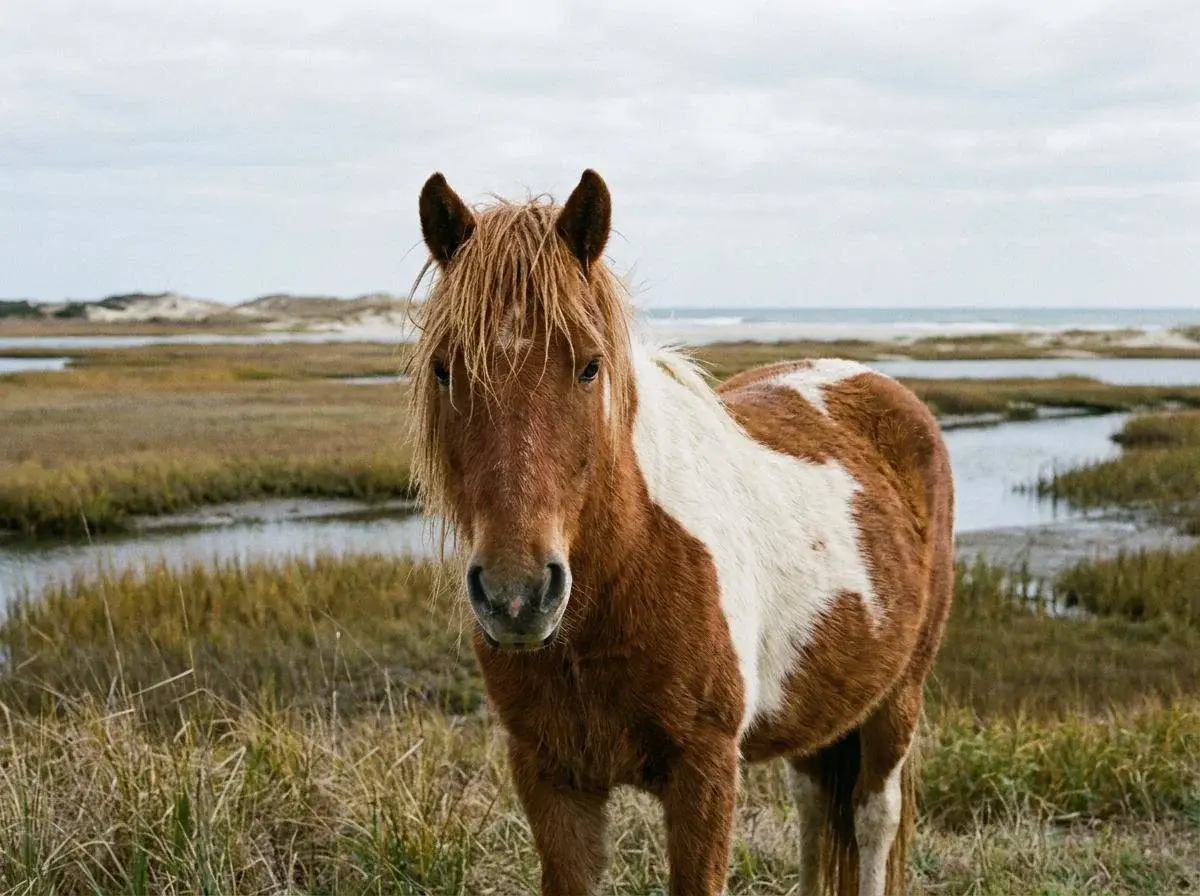
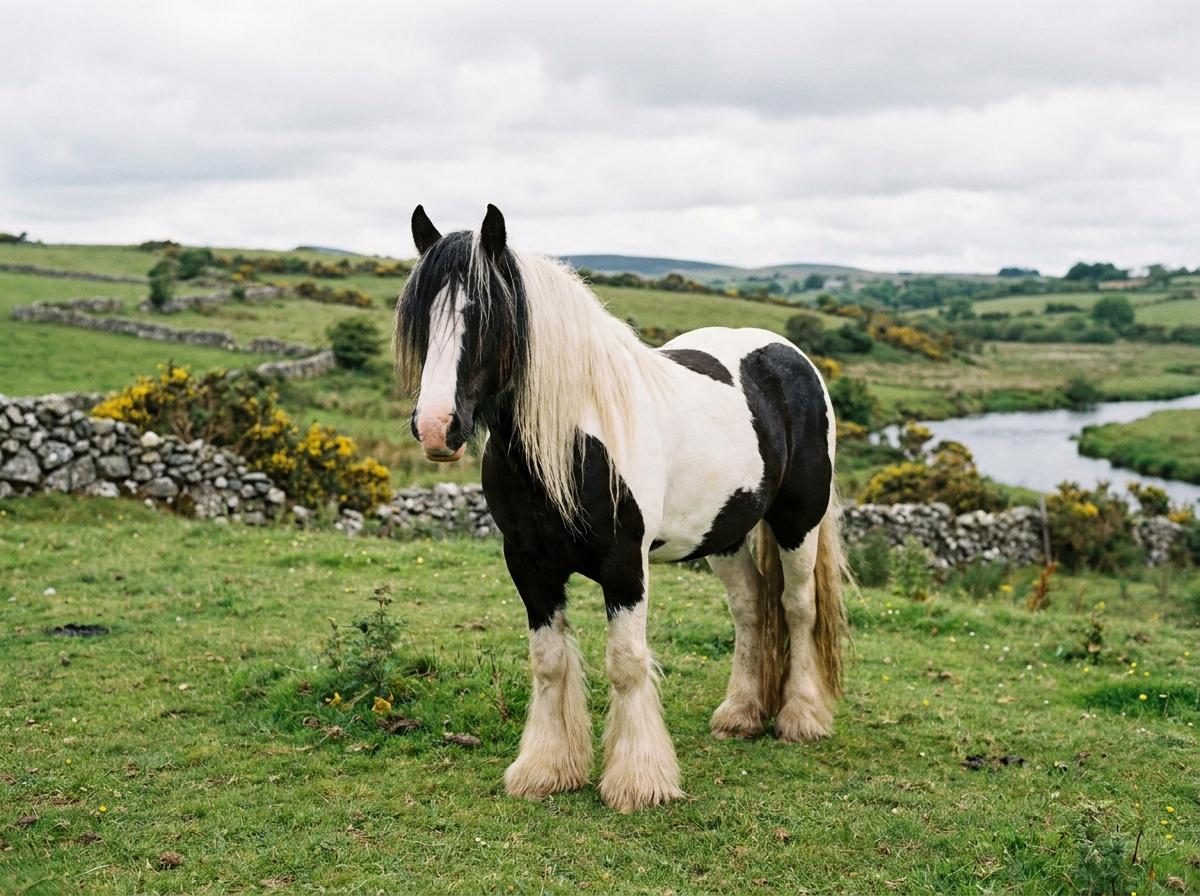
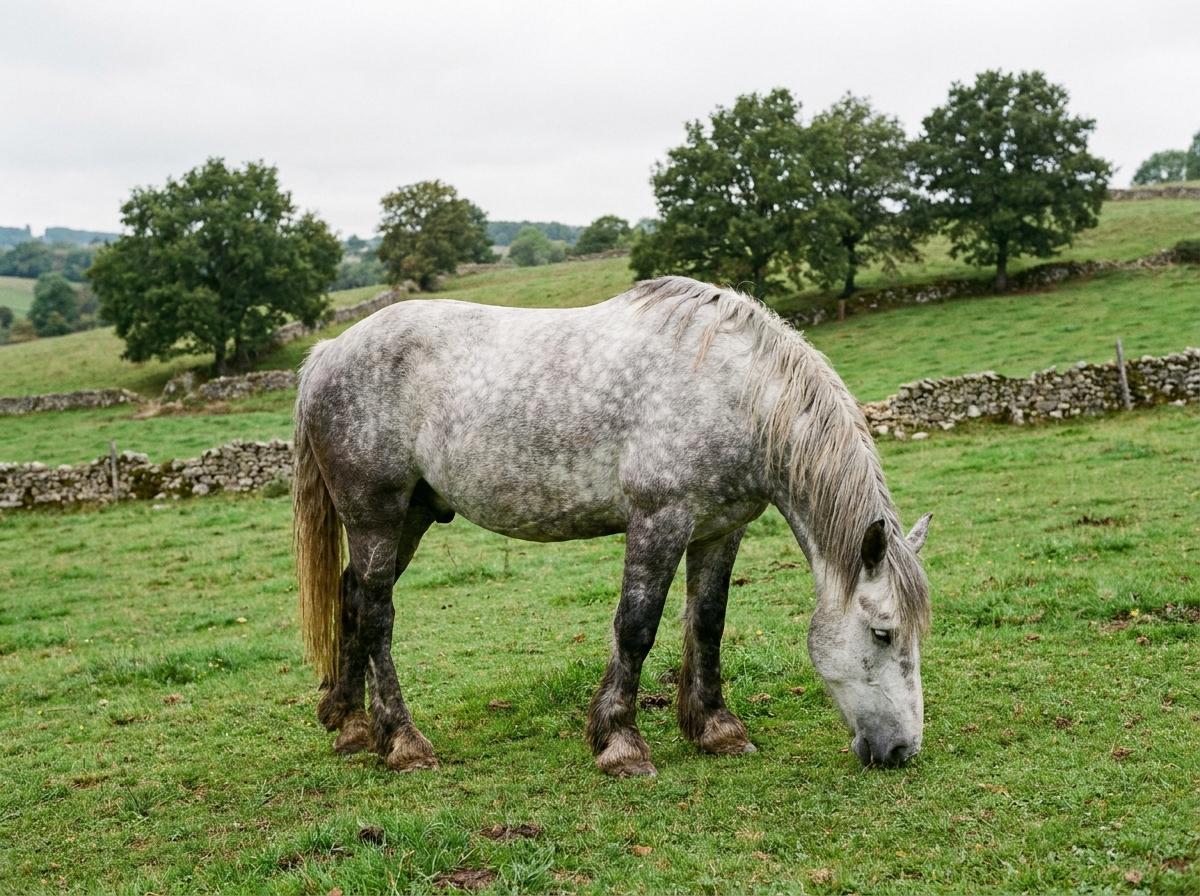
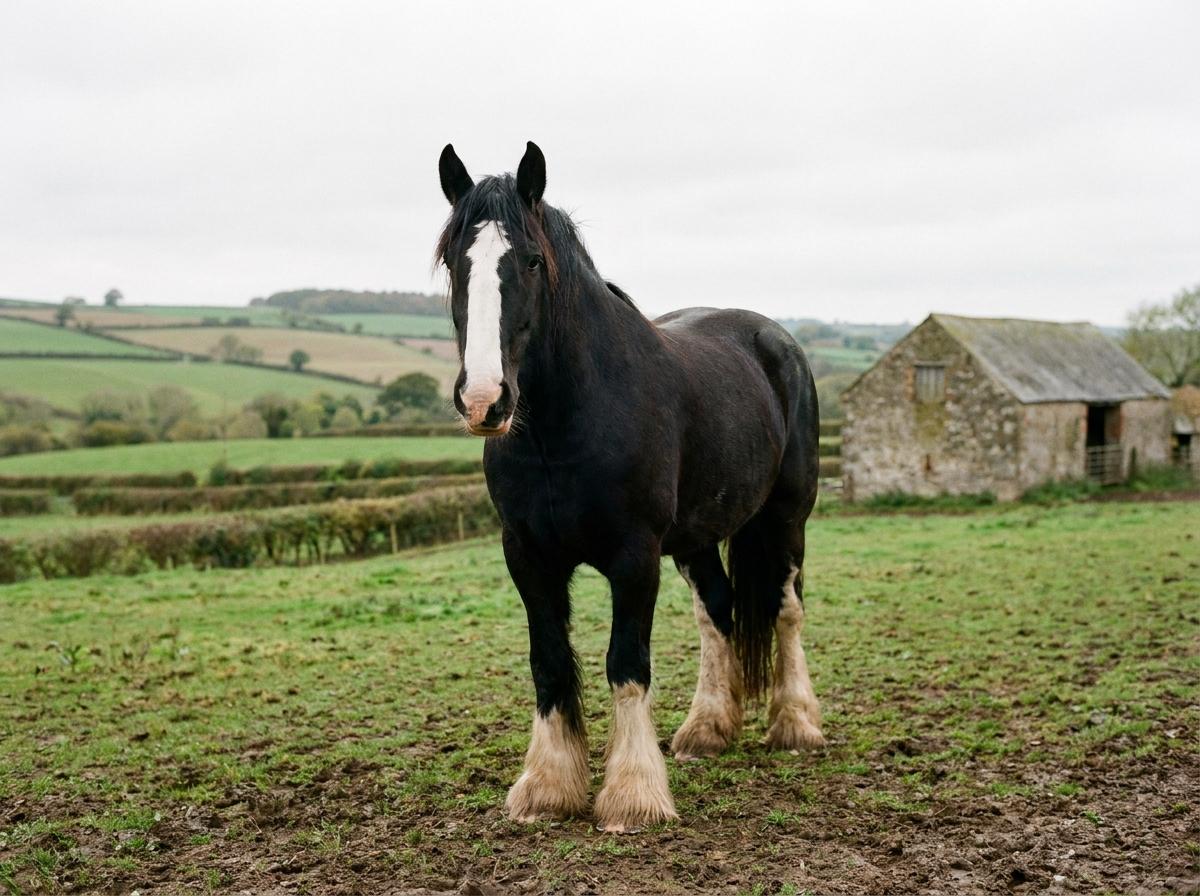
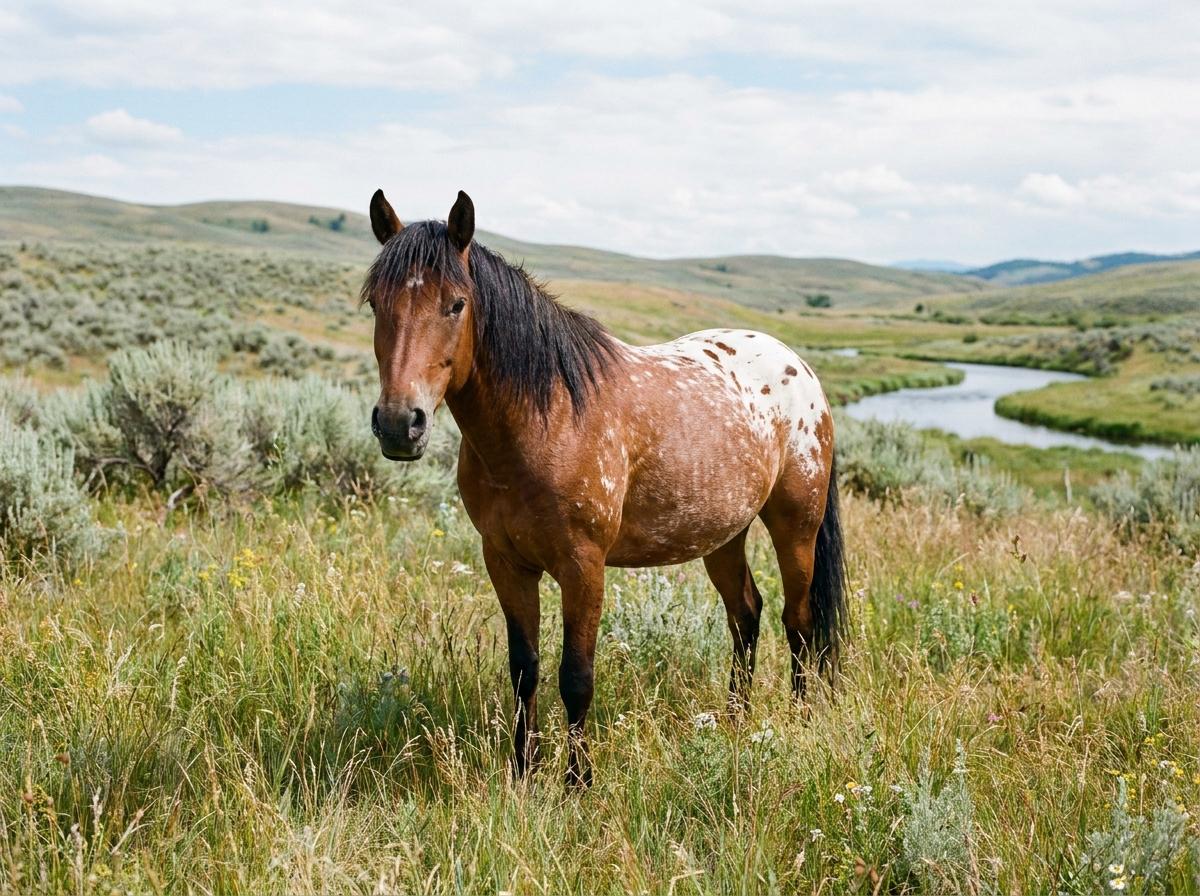
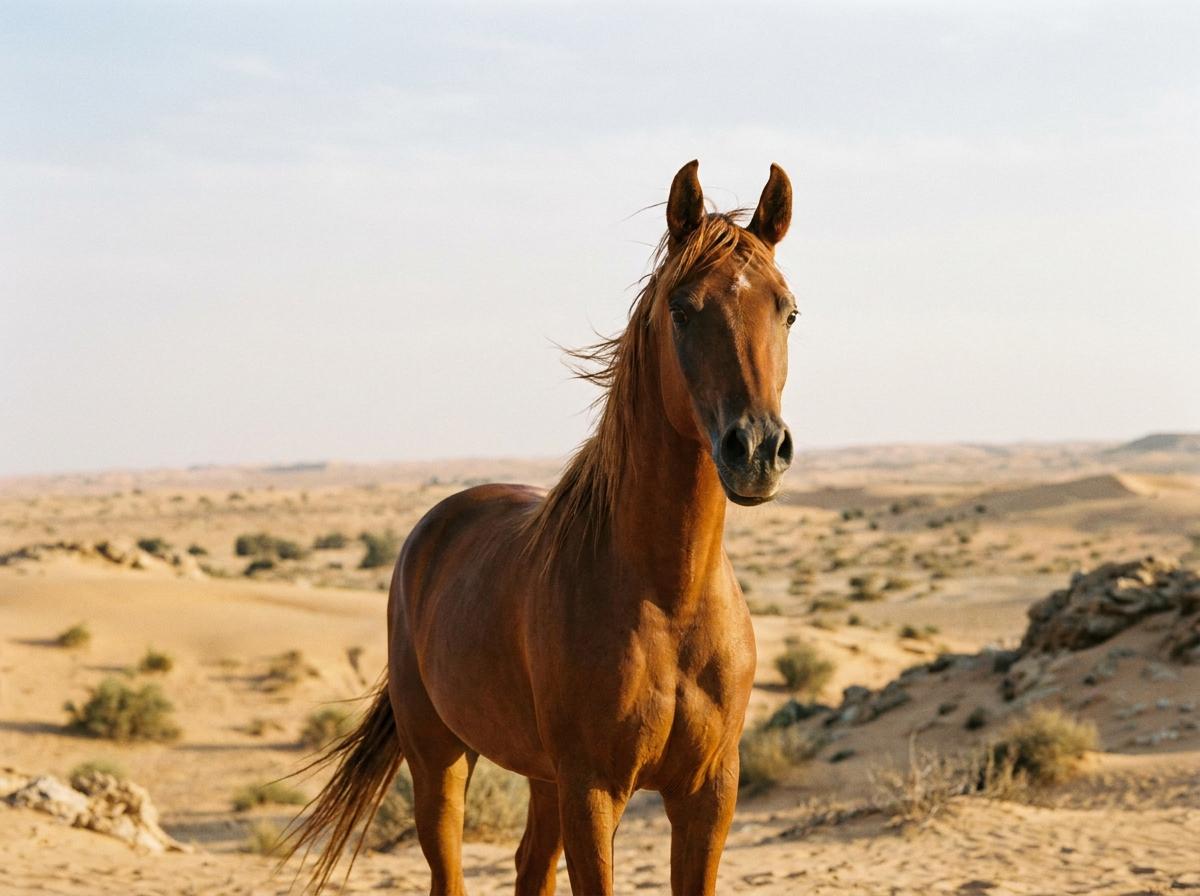
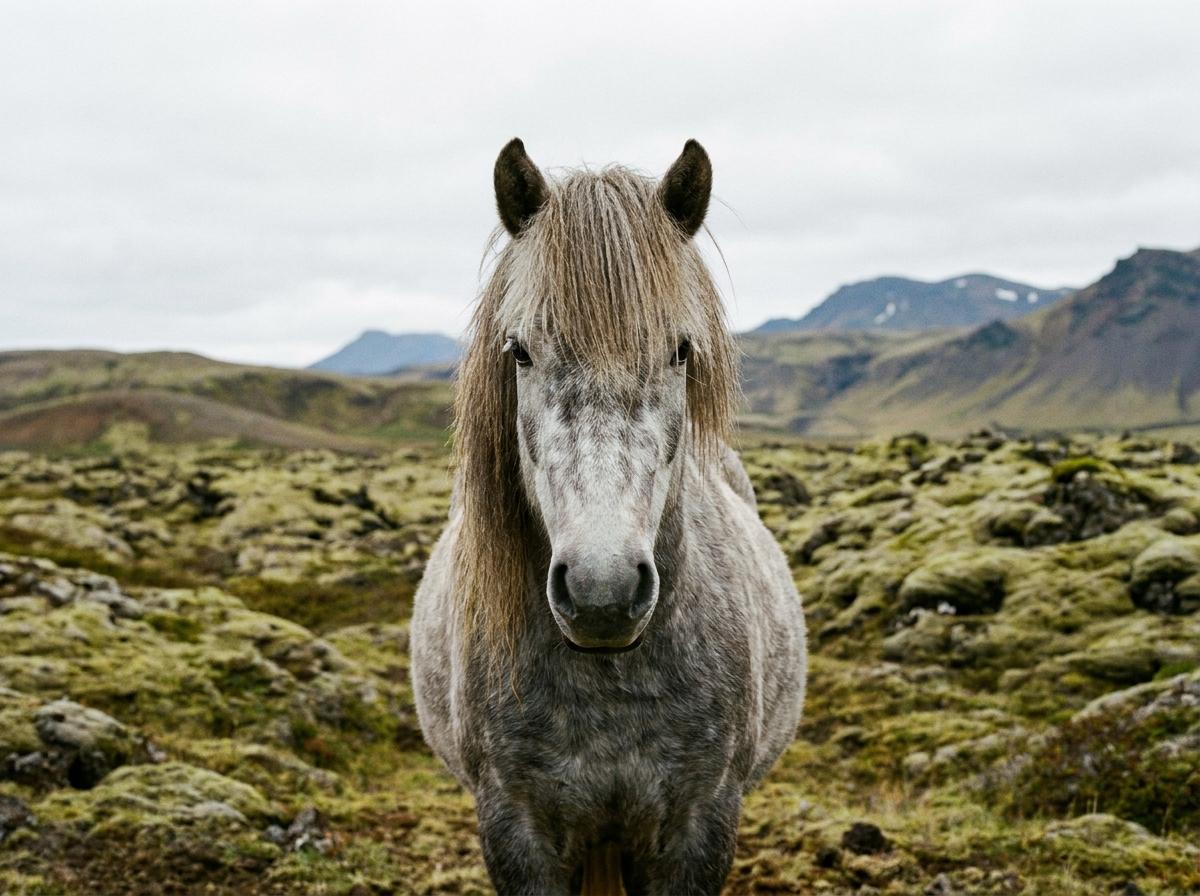
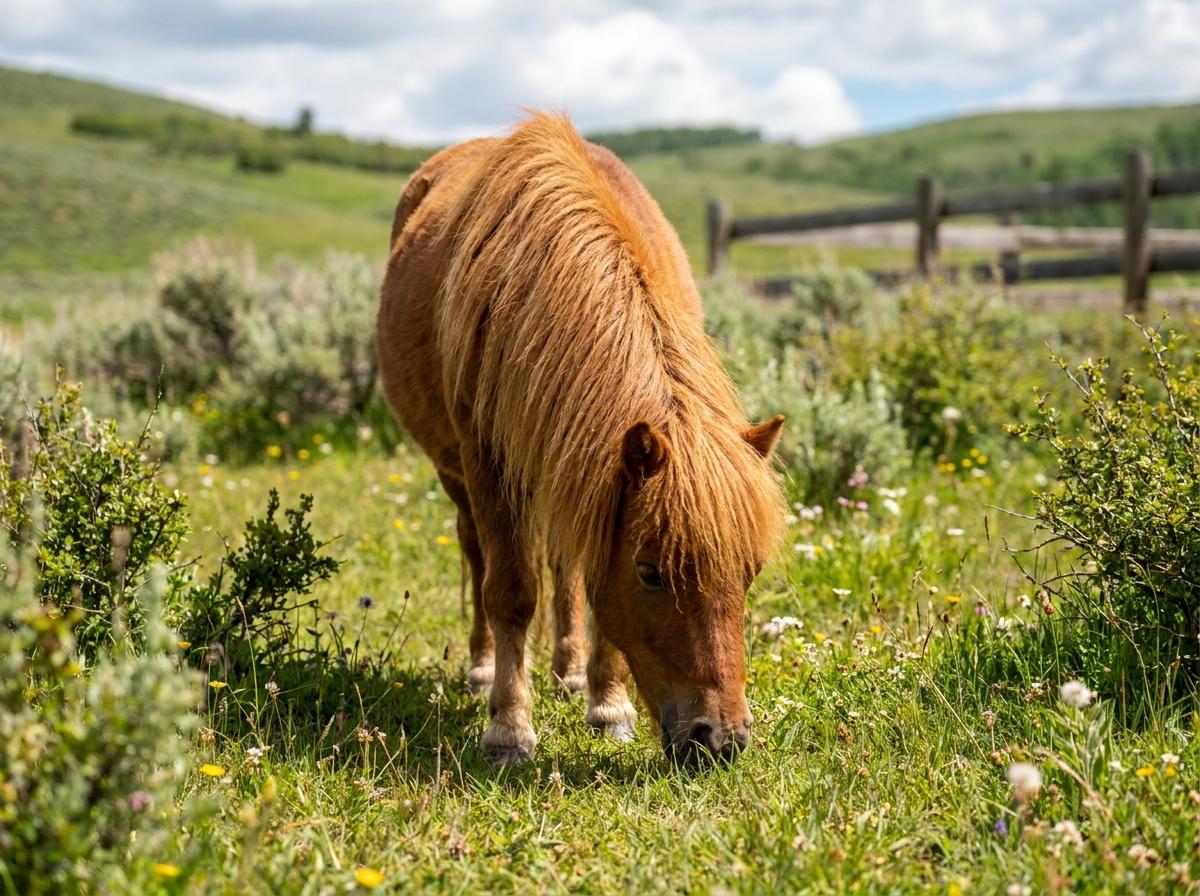
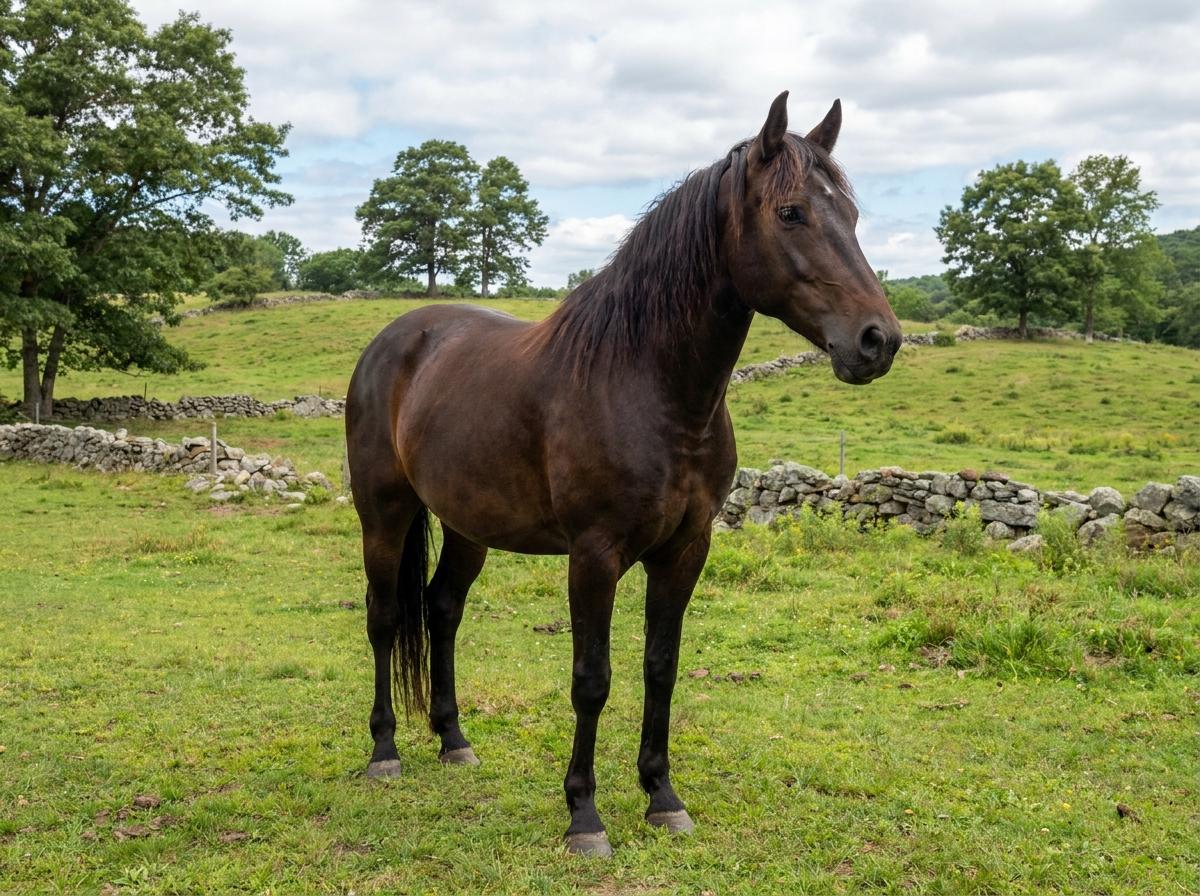
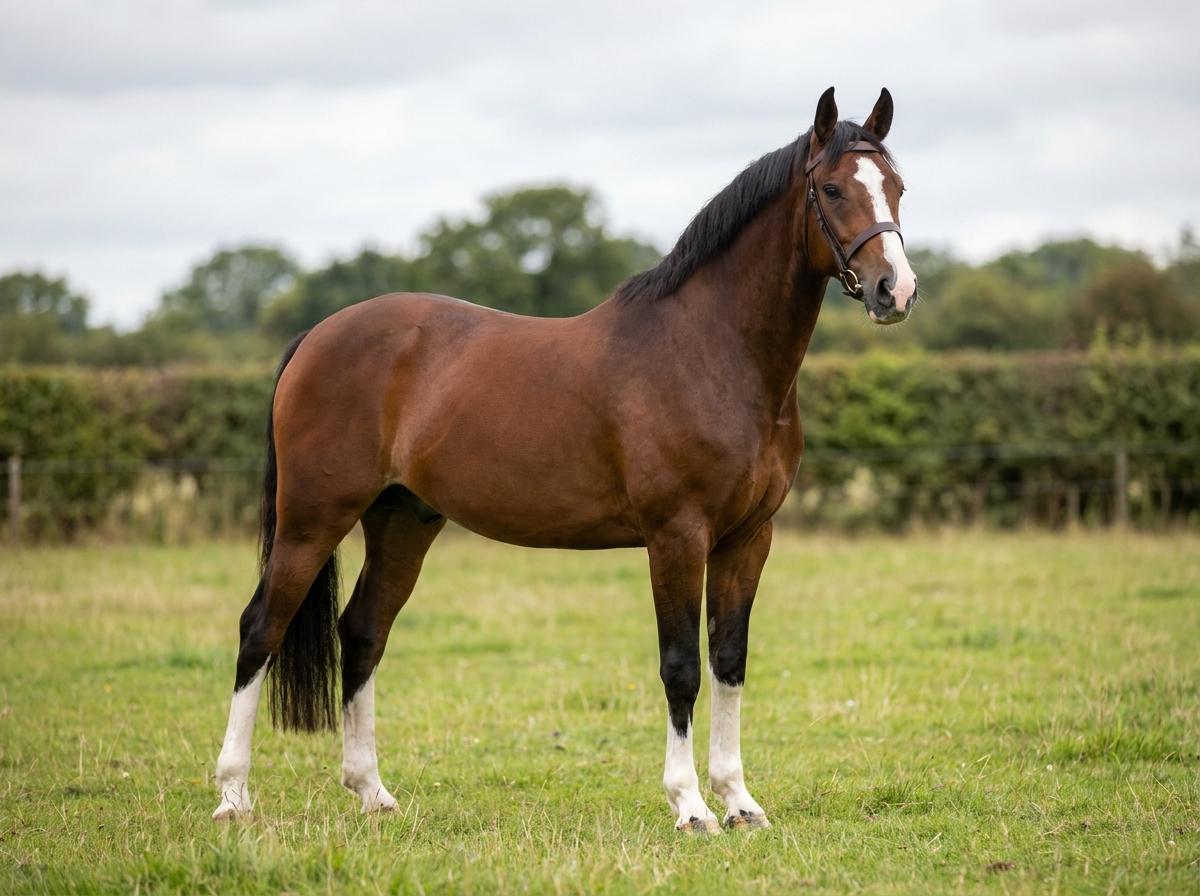
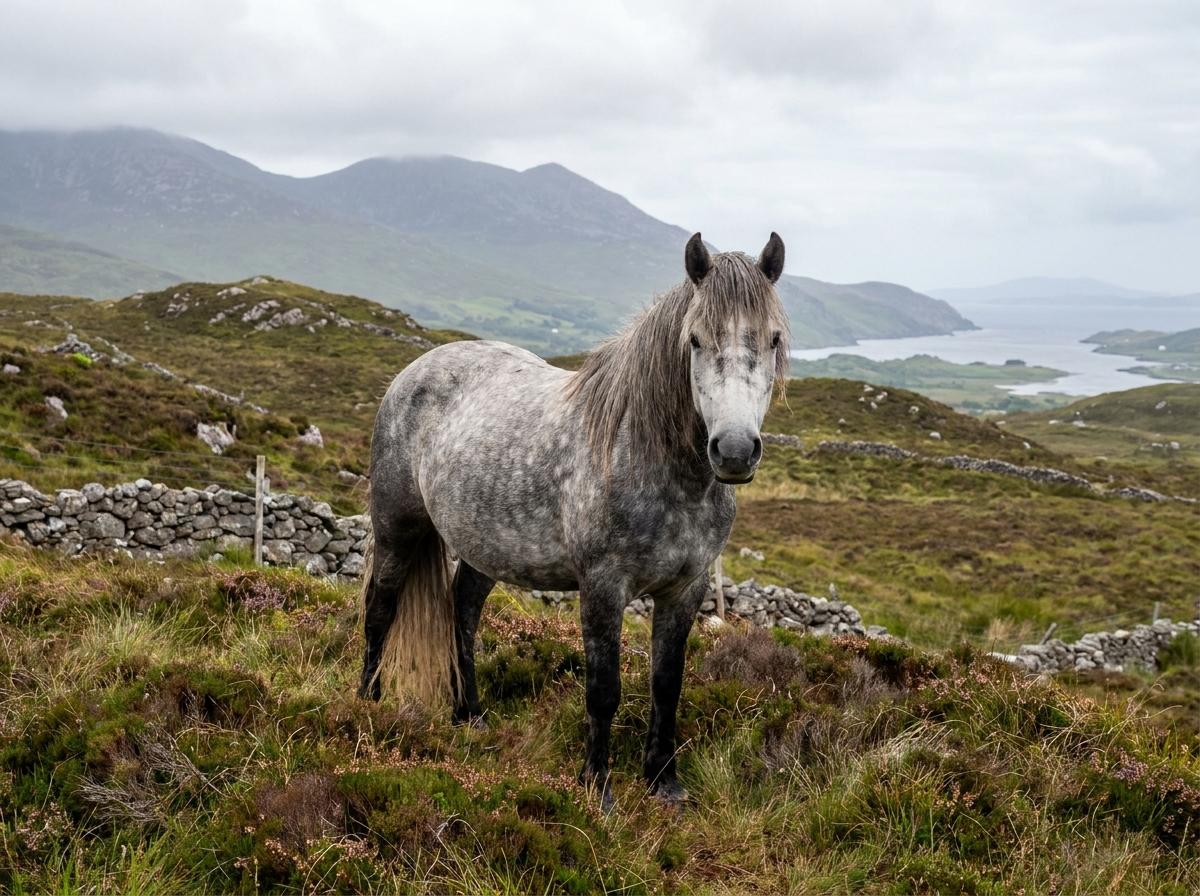
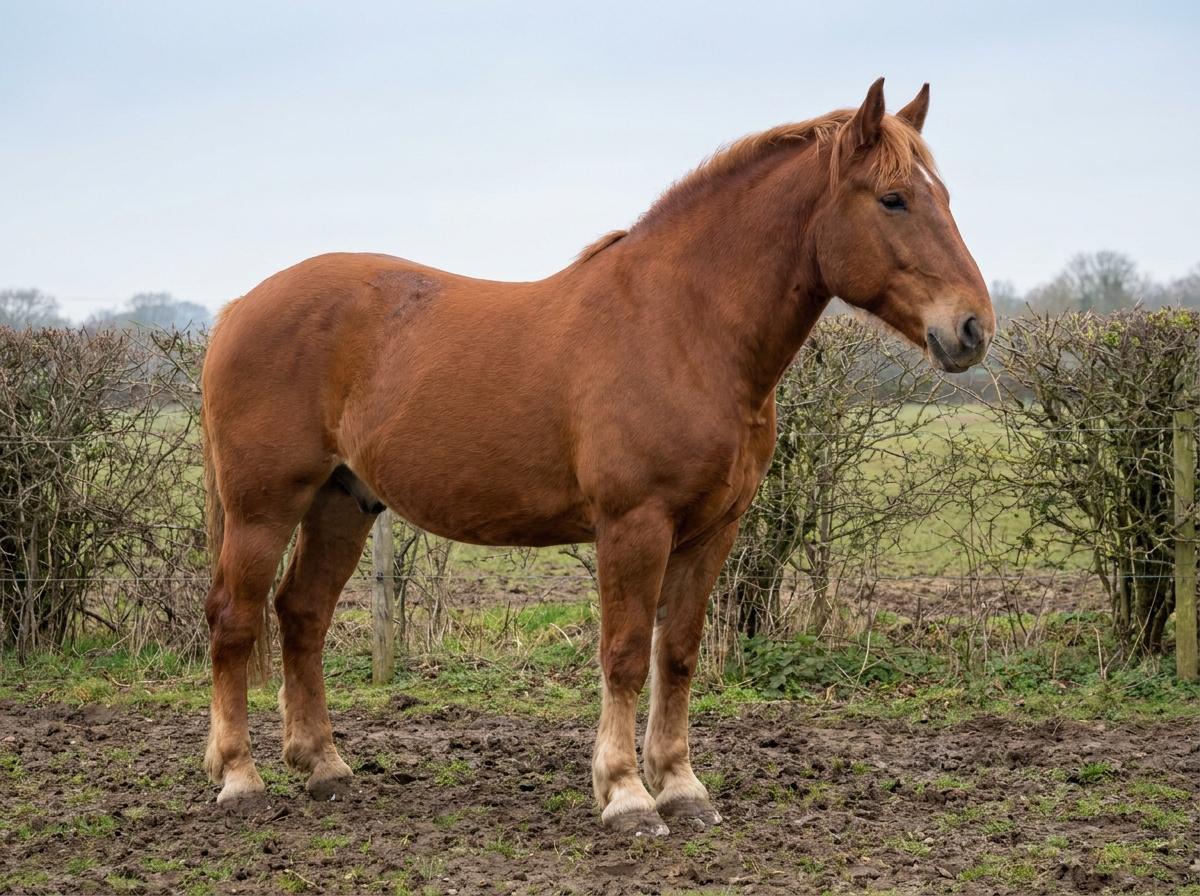
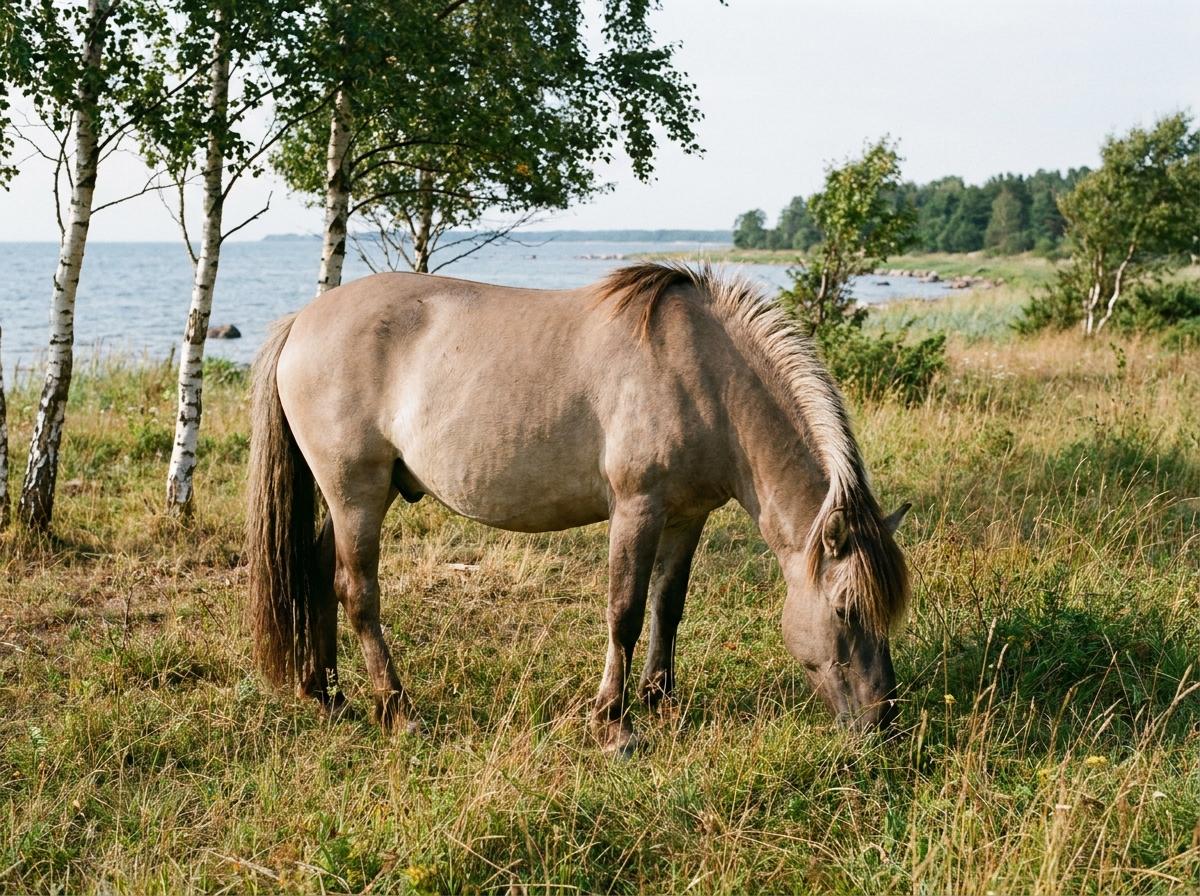
The Estonian native horse, often called the Estonian horse or Eesti hobune, is the small indigenous horse of Estonia and one of the old northern forest-type horse populations around the Baltic Sea. It should not be confused with the heavier Estonian draft or the Tori horse. Centuries of island and coastal farm life produced a compact, strong animal with hard feet, good fertility, and notable pulling power for its size. Many stand in the pony-height range, with bay, chestnut, black, grey, dun and other solid colors seen in the breed. The head is often plain, but the body is deep and practical.
Today the Estonian native is used for riding, driving, children's sport, tourism, and small-farm work, while also being managed as a national genetic resource. It thrives on turnout and moderate forage, yet rich grass can put weight on quickly, so grazing and exercise need attention. The breed's steady temperament makes it approachable, but it is still an active working horse that benefits from regular handling and varied work. Breeding programs in Estonia emphasize maintaining type and diversity, particularly from island populations such as Saaremaa and Hiiumaa, where many traditional lines survived.
Colors: Amber Champagne, Bay, Bay Dun, Bay Roan, Black, Blanket Appaloosa, Blue Roan, Brown, Buckskin, Champagne, Chestnut, Classic Champagne, Cremello, Dun, Dun Roan, Fewspot Appaloosa, Flaxen Chestnut, Frame Overo, Gold Champagne, Gray, Grey, Grullo, Leopard Appaloosa, Liver Chestnut, Overo, Palomino, Perlino, Piebald, Pinto, Rabicano, Red Dun, Red Roan, Roan, Sabino, Seal Bay, Silver Dapple, Skewbald, Smoky Black, Smoky Cream, Snowcap Appaloosa, Sorrel, Splash White, Tobiano, Tovero, Varnish Roan, White