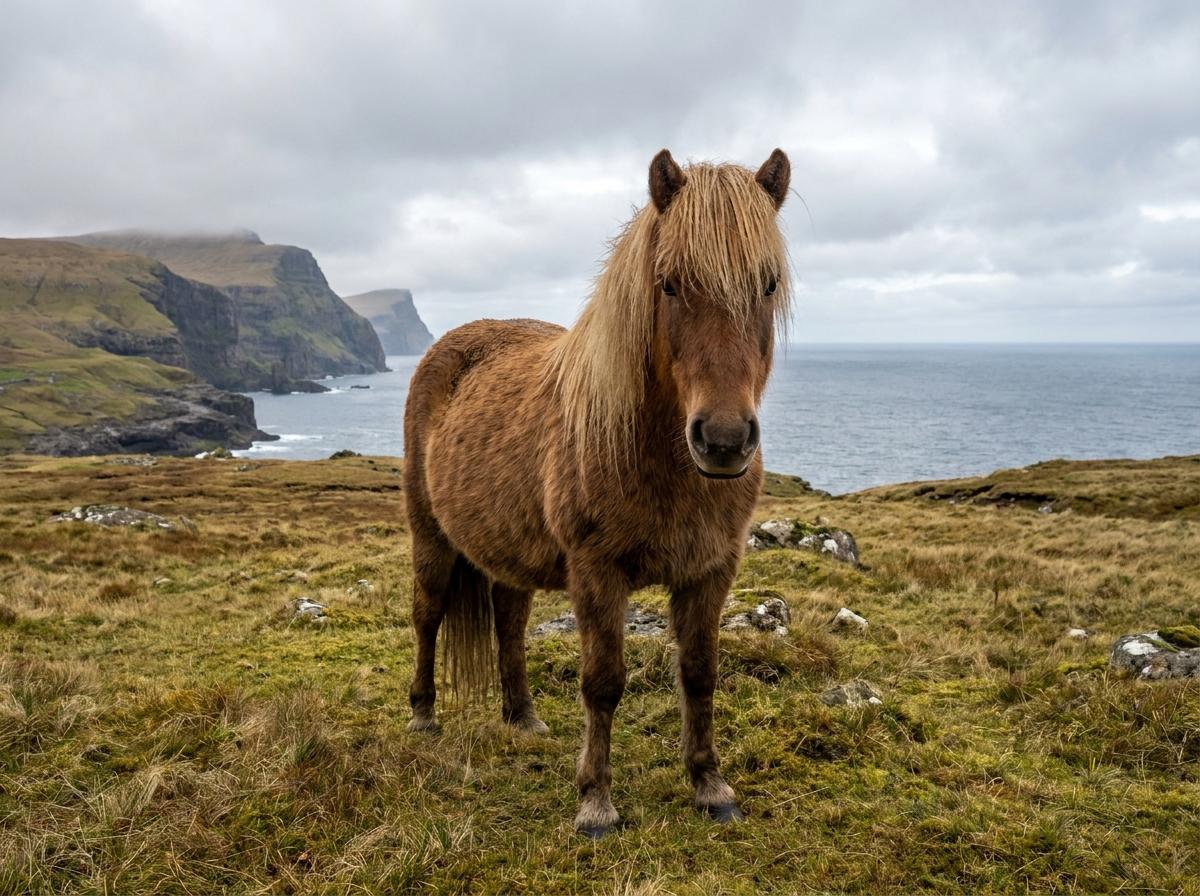
Faroe Pony
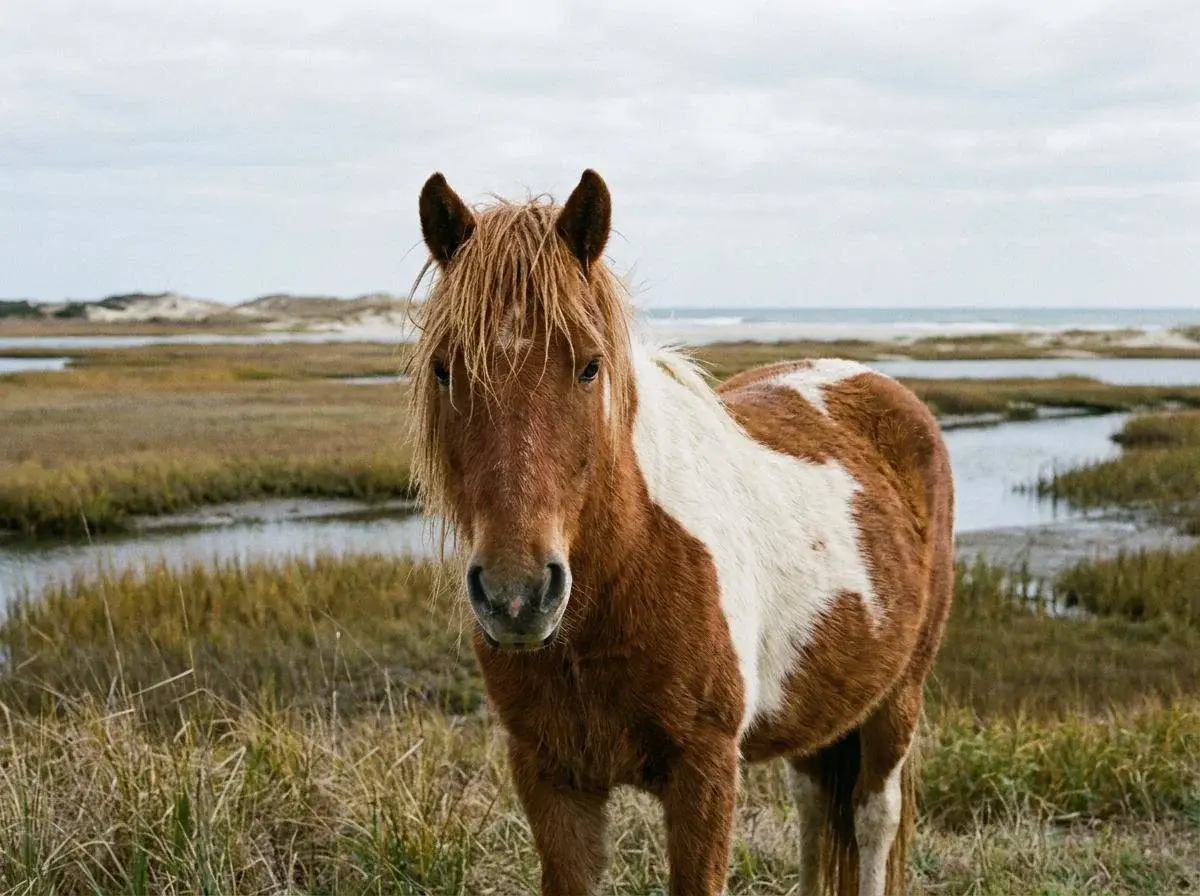
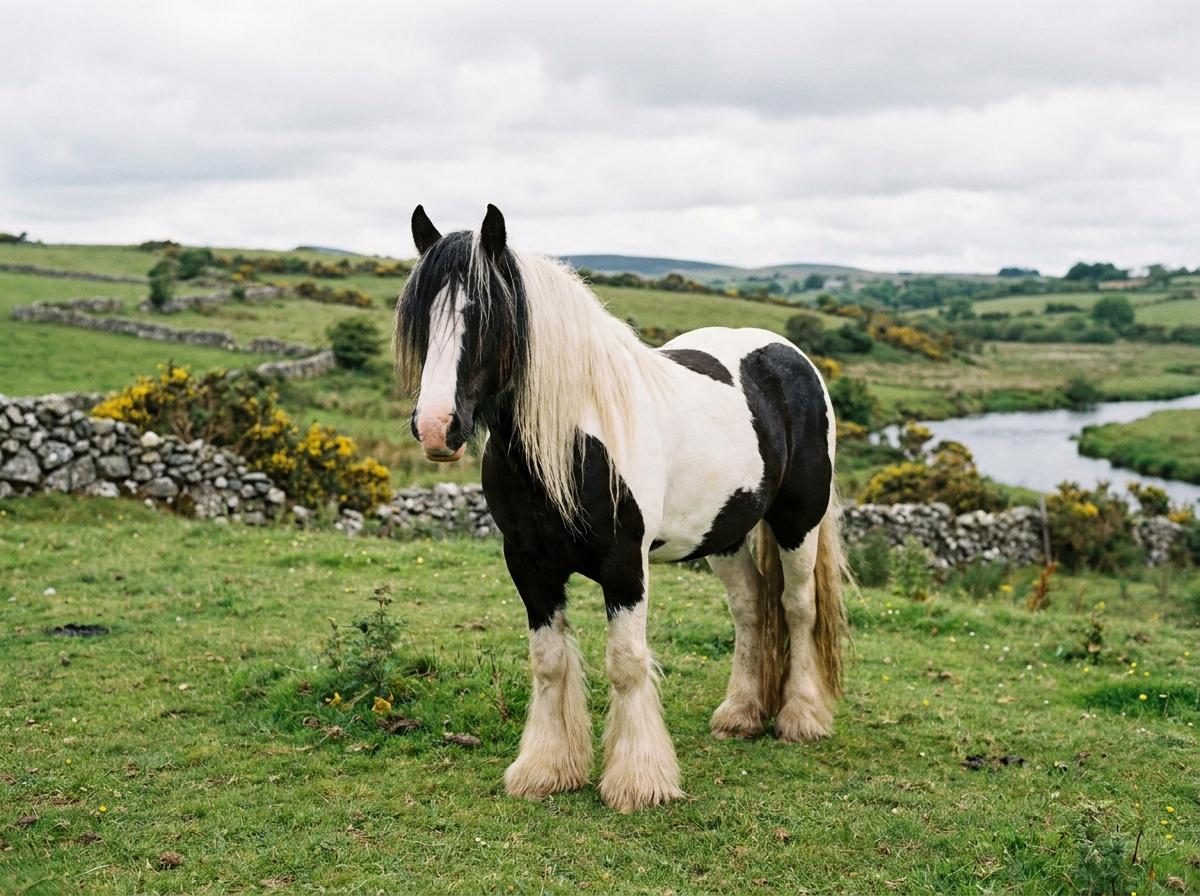
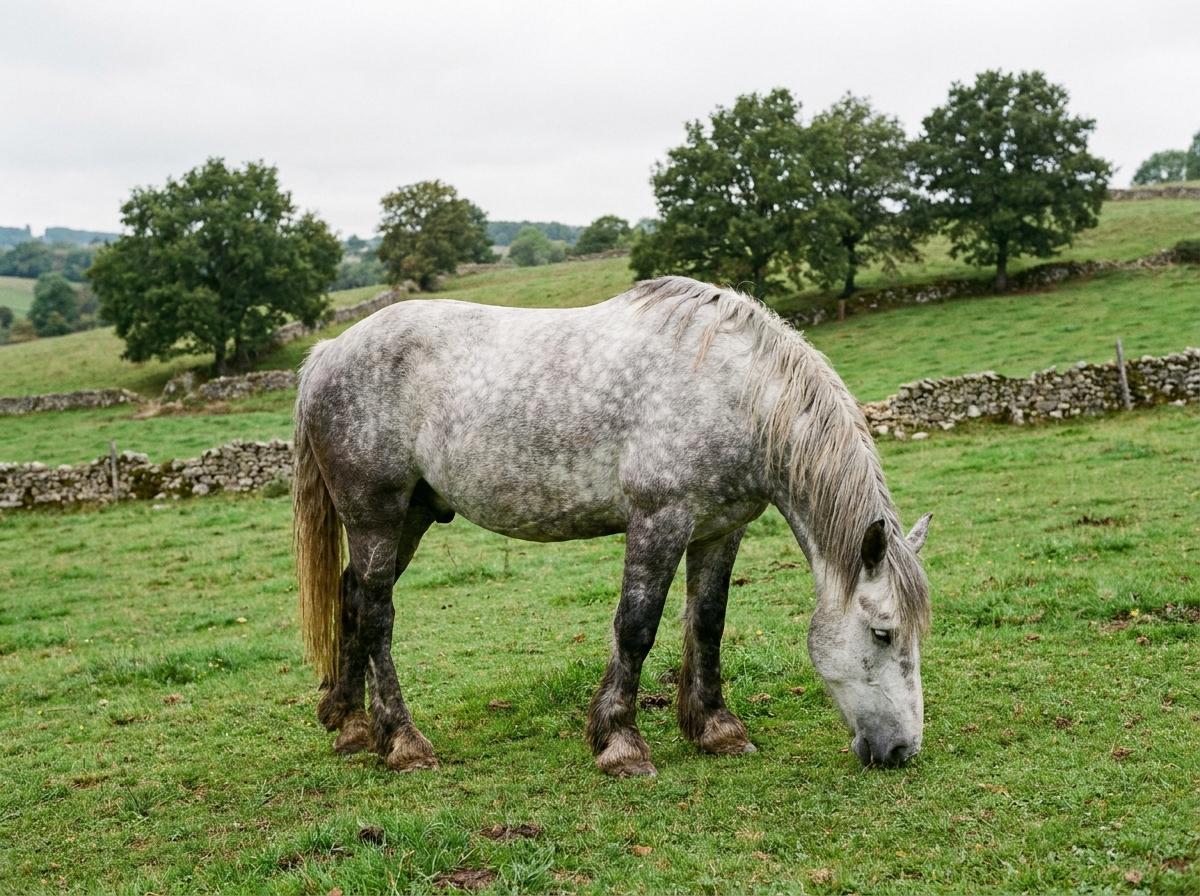
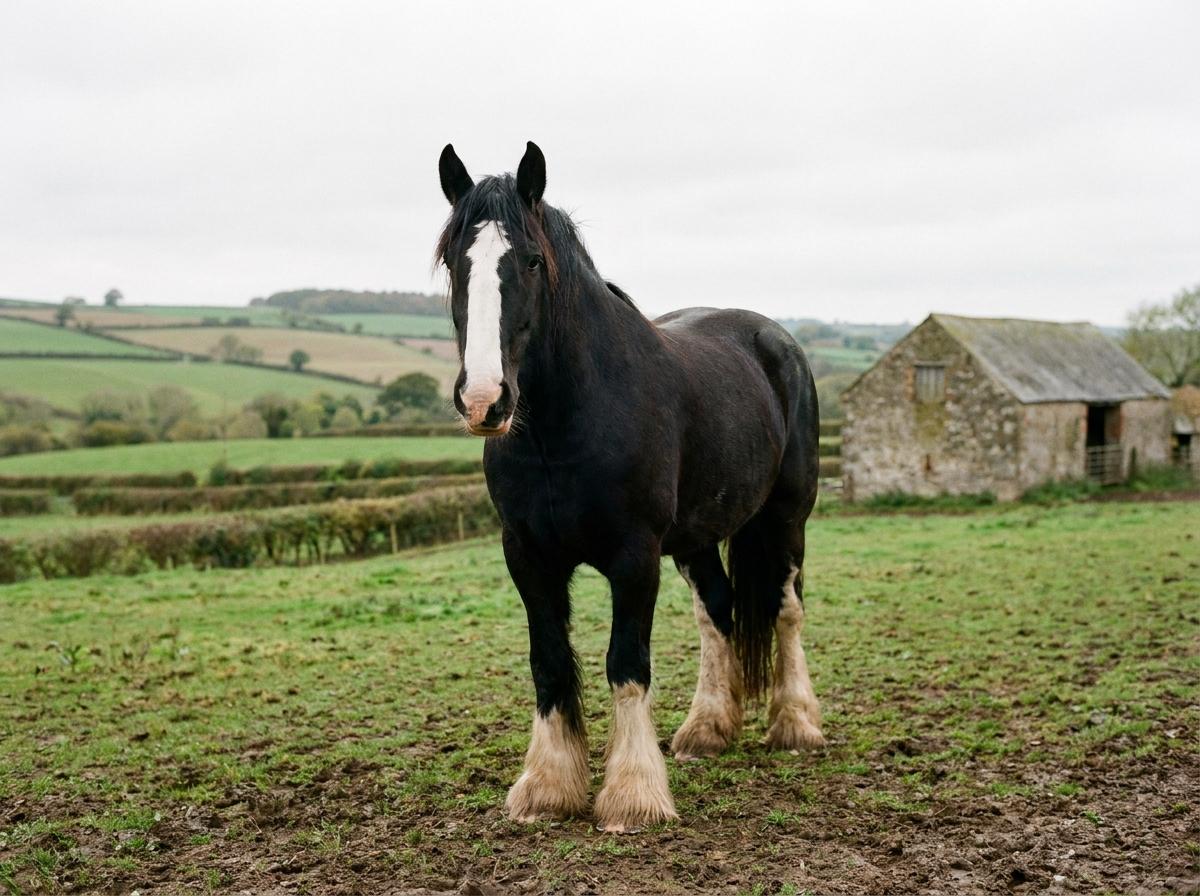
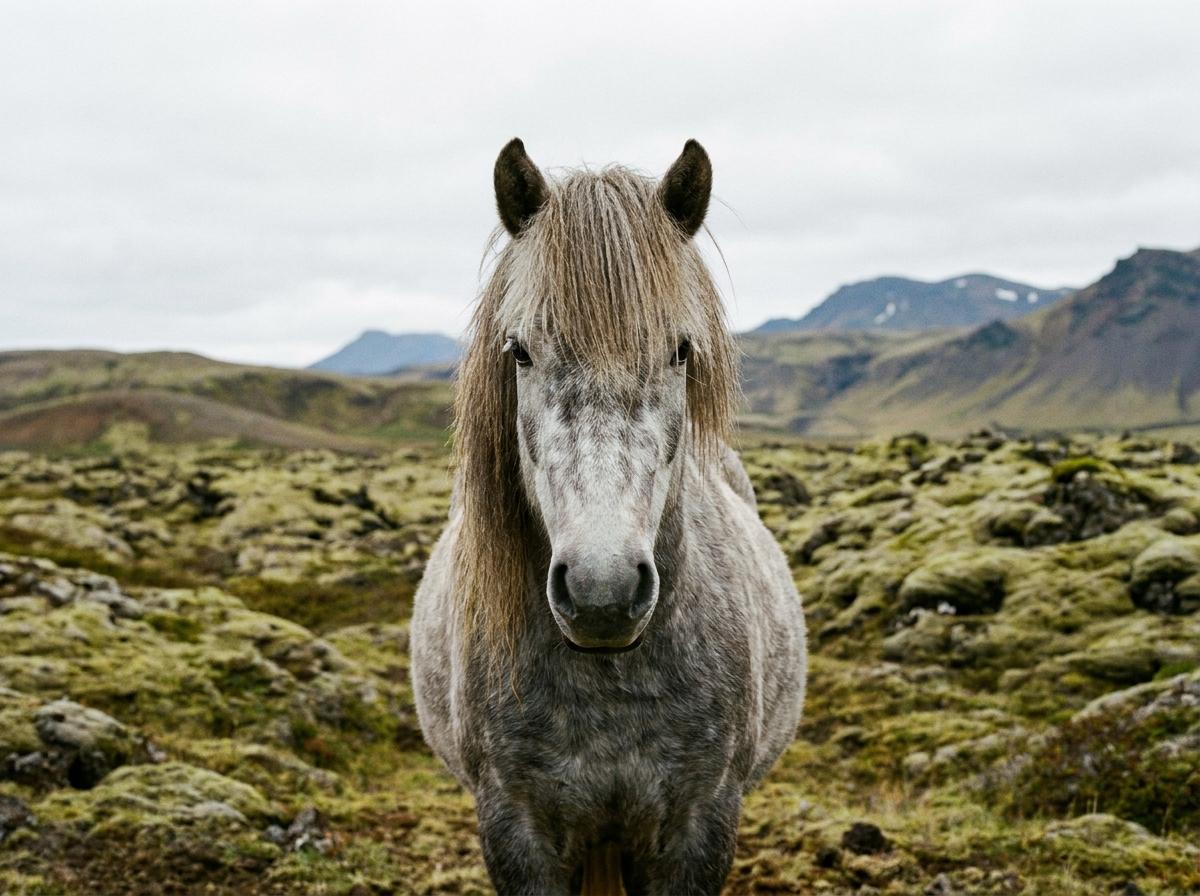
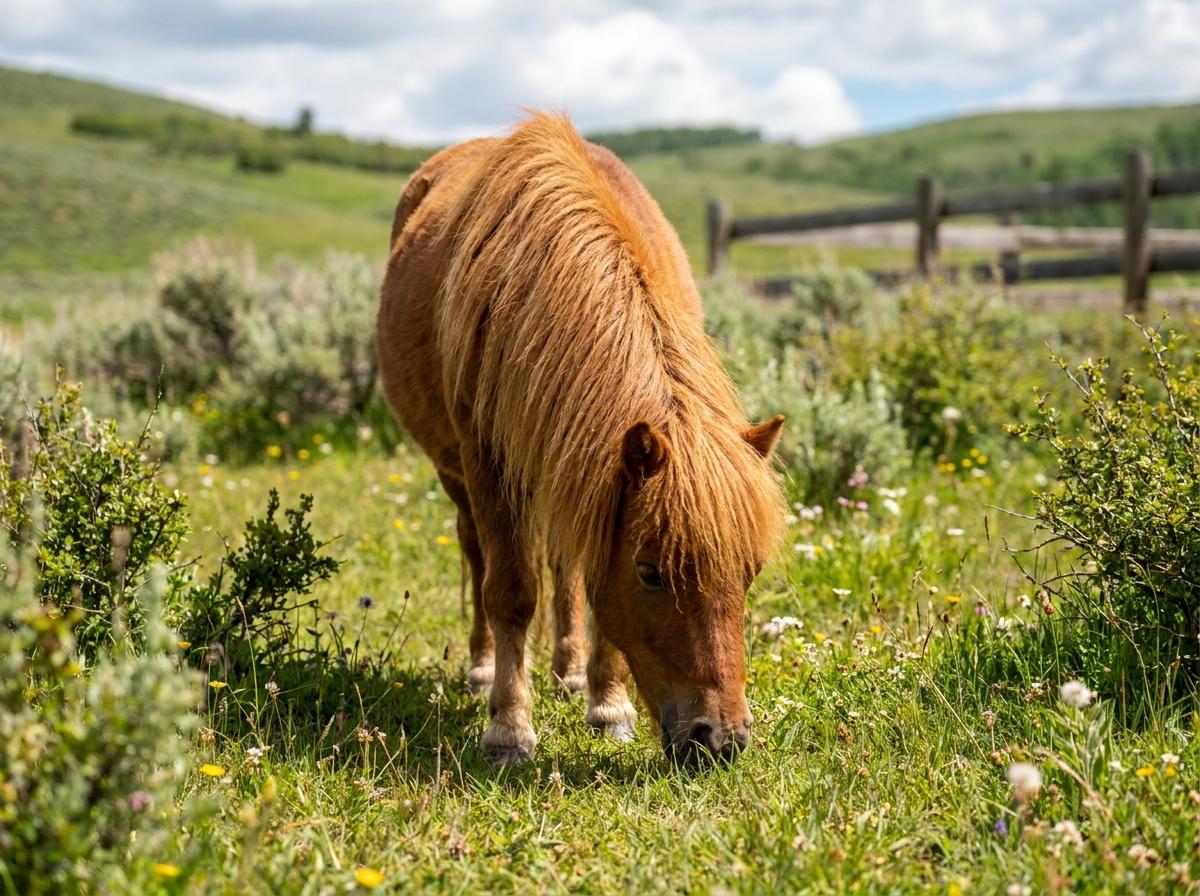
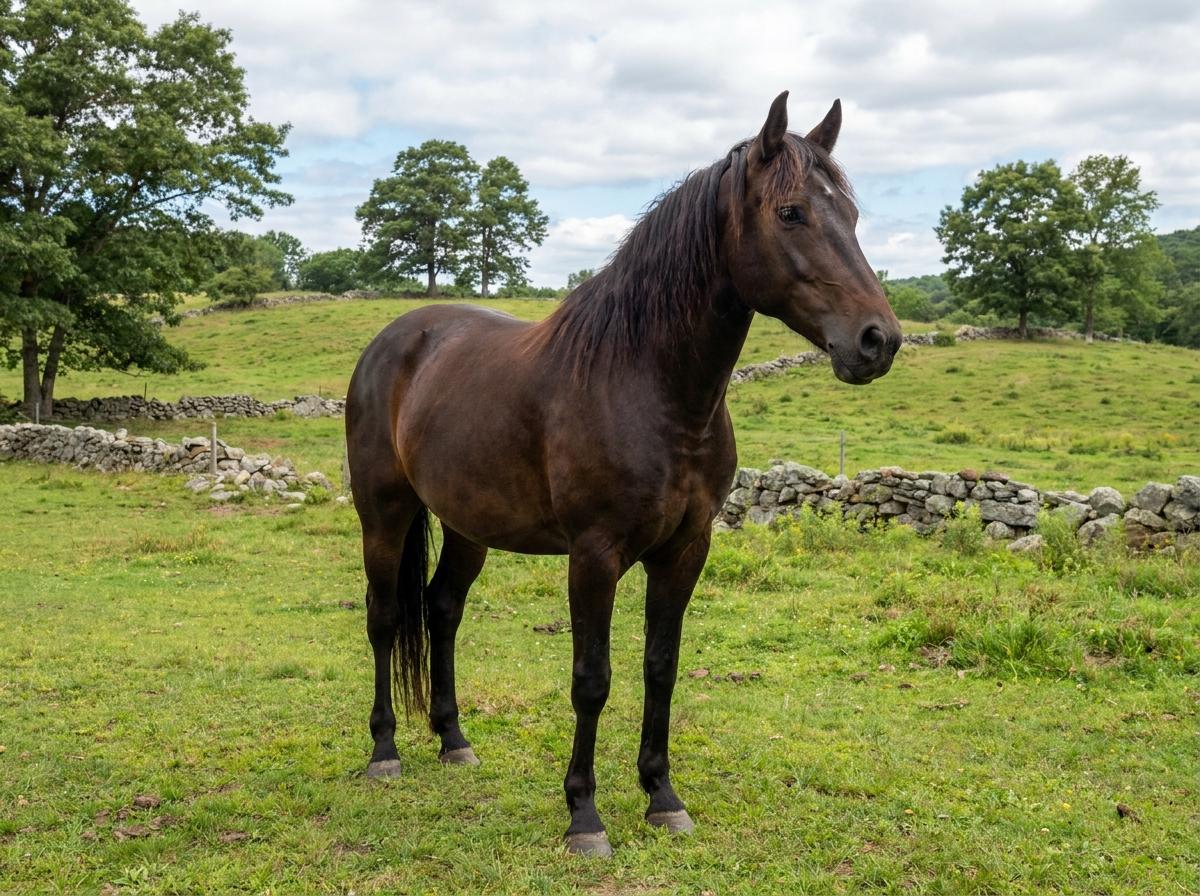
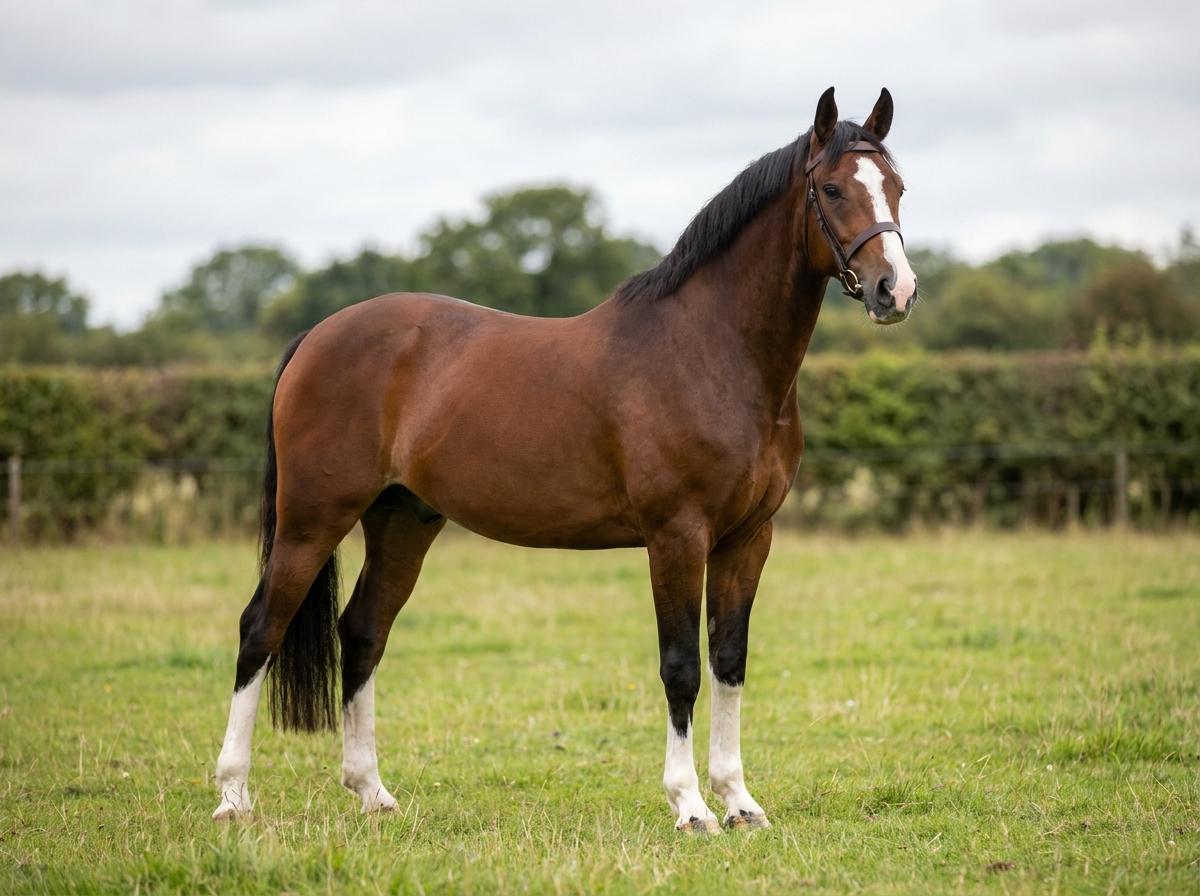
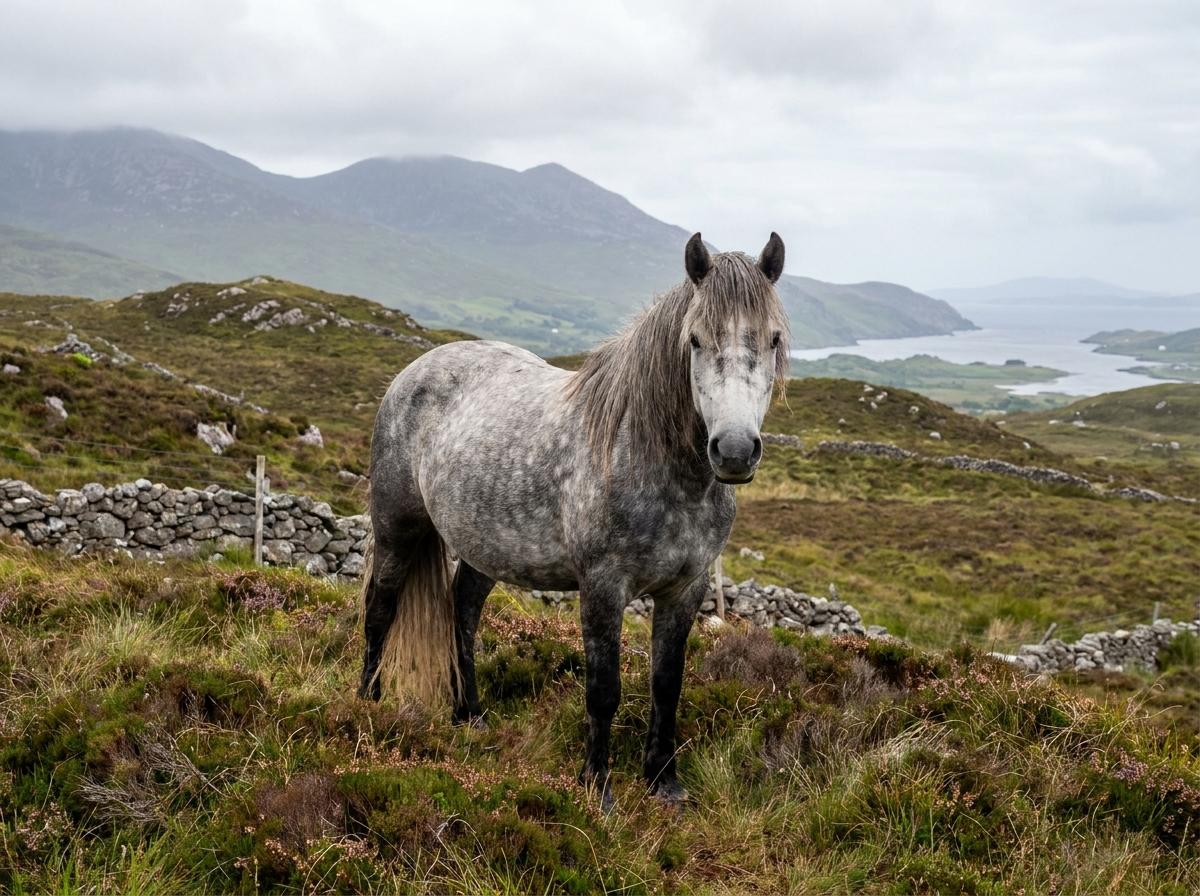
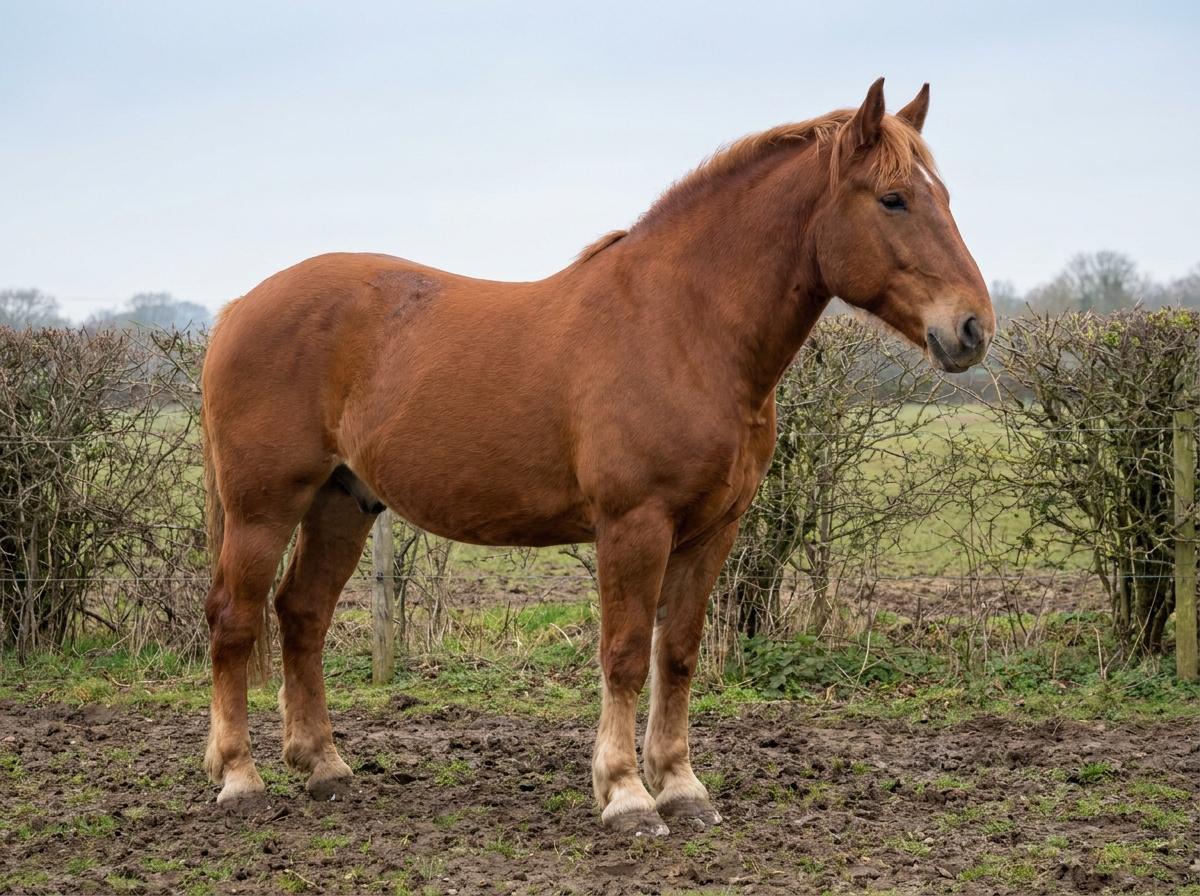
The Faroe pony, also called the Faroese horse, is the small native horse of the Faroe Islands in the North Atlantic. It belongs to the northern island pony tradition but is a separate local population, shaped by steep ground, wet weather, sparse grazing, and long isolation. Historically these ponies carried peat, hauled loads, helped on small farms, and served as everyday riding and pack animals. They are usually compact, sure-footed, thick-coated, and around 11 to 12 hands, with chestnut, bay, black and other solid colors seen. By the late twentieth century the population had fallen to only a handful of breeding animals.
Because the Faroe pony is so rare, keeping one is closely connected to preservation. Breeding choices are usually coordinated through local conservation groups or herd records to avoid losing lines and to keep the animals recognizably Faroese rather than absorbed into Icelandic or Shetland-type stock. They are hardy on rough forage, but small ponies can become overweight on rich pasture and still need regular foot, dental, and parasite care. Early handling is useful, especially for ponies raised in open groups, and buyers outside the islands should expect limited availability and careful scrutiny of breeding plans.
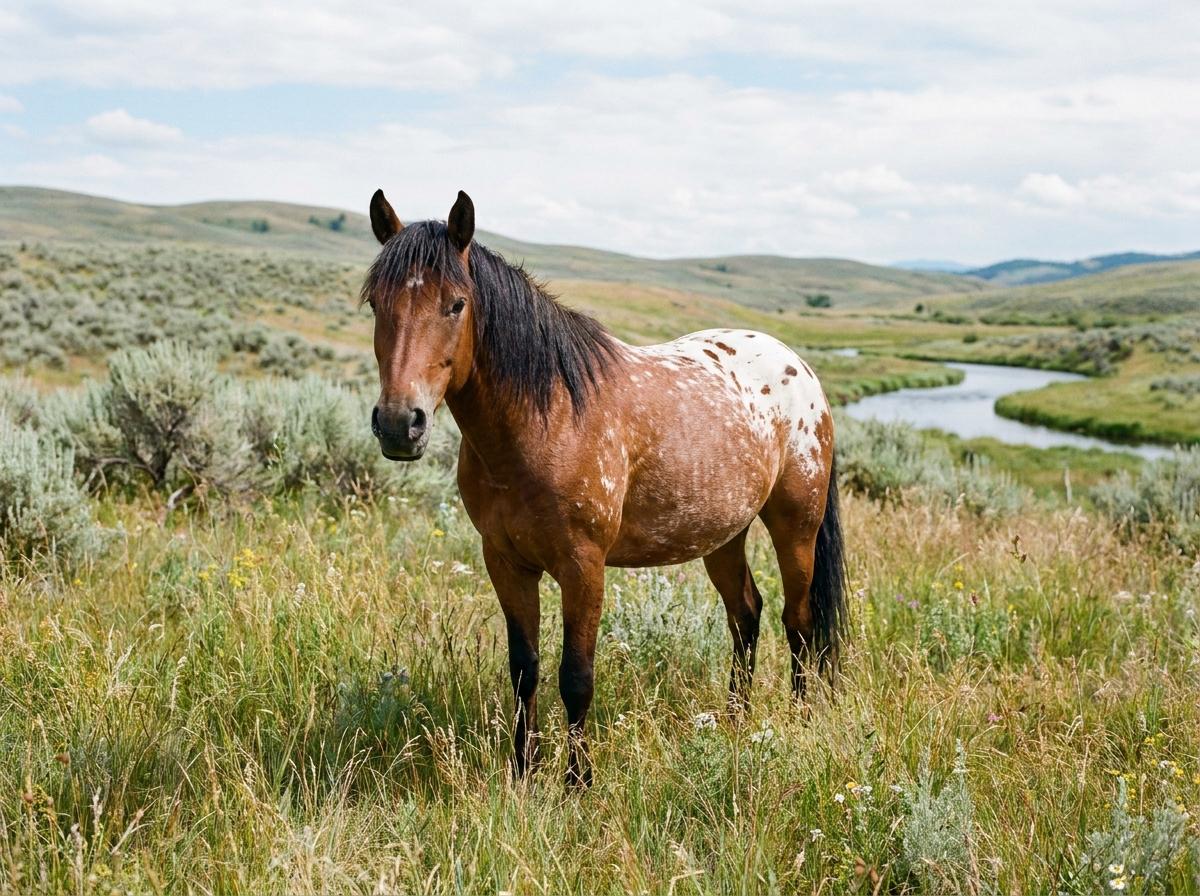
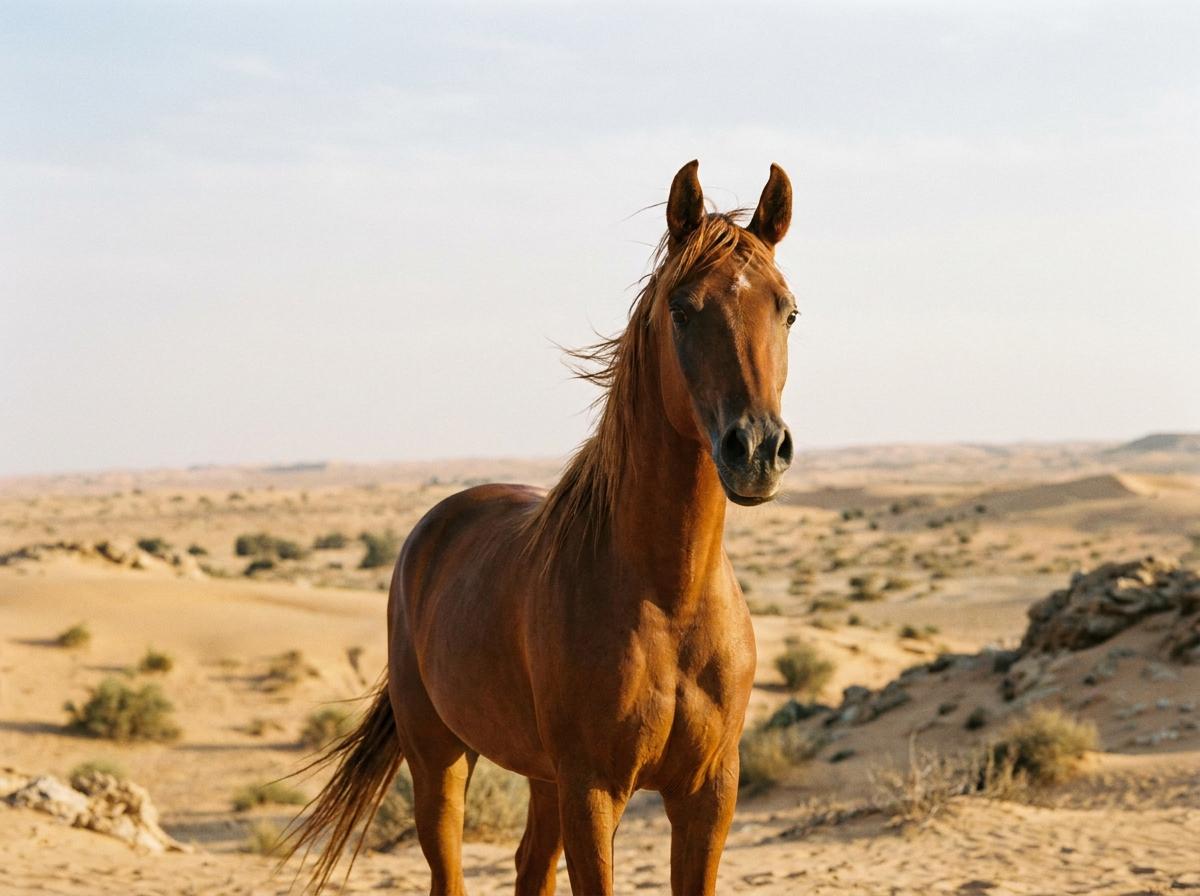
Colors: Amber Champagne, Bay, Bay Dun, Bay Roan, Black, Blanket Appaloosa, Blue Roan, Brown, Buckskin, Champagne, Chestnut, Classic Champagne, Cremello, Dun, Dun Roan, Fewspot Appaloosa, Flaxen Chestnut, Frame Overo, Gold Champagne, Gray, Grey, Grullo, Leopard Appaloosa, Liver Chestnut, Overo, Palomino, Perlino, Piebald, Pinto, Rabicano, Red Dun, Red Roan, Roan, Sabino, Seal Bay, Silver Dapple, Skewbald, Smoky Black, Smoky Cream, Snowcap Appaloosa, Sorrel, Splash White, Tobiano, Tovero, Varnish Roan, White