

Feral Horse
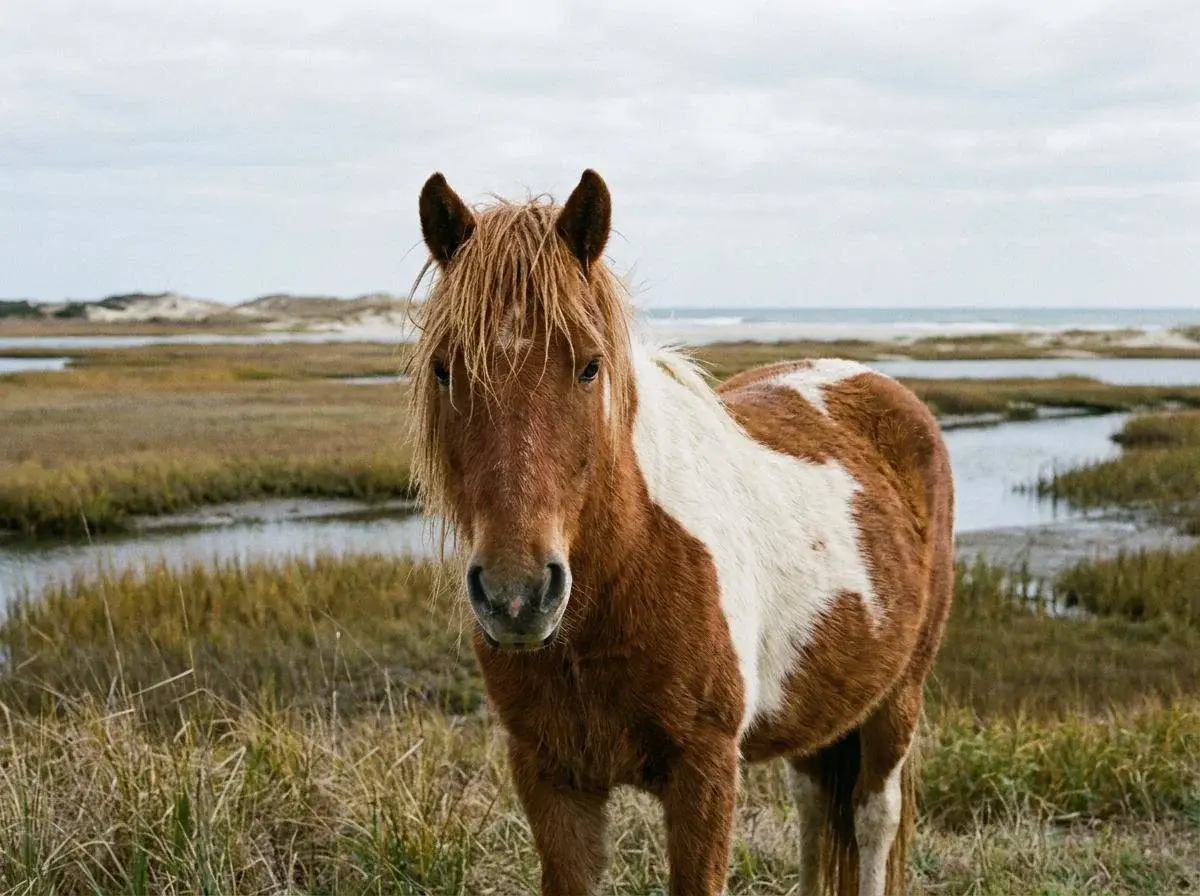
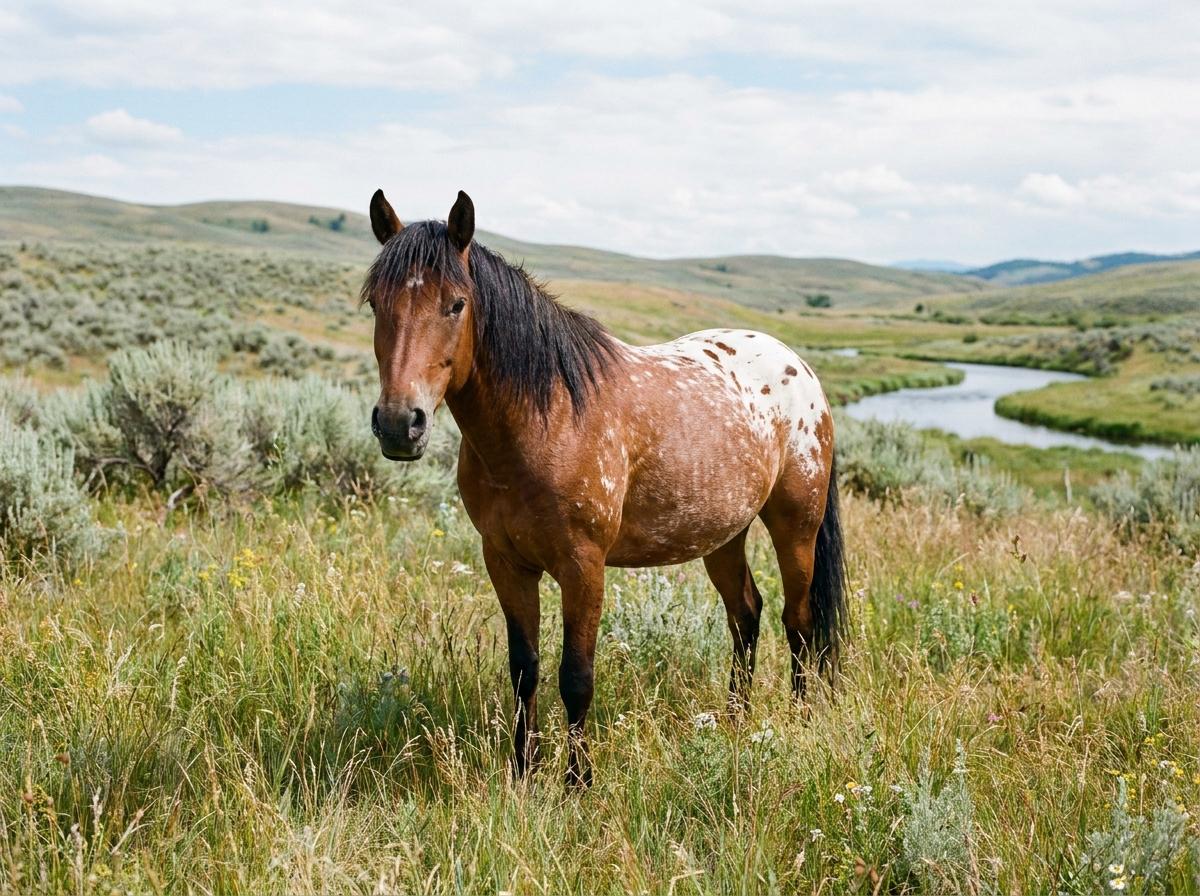
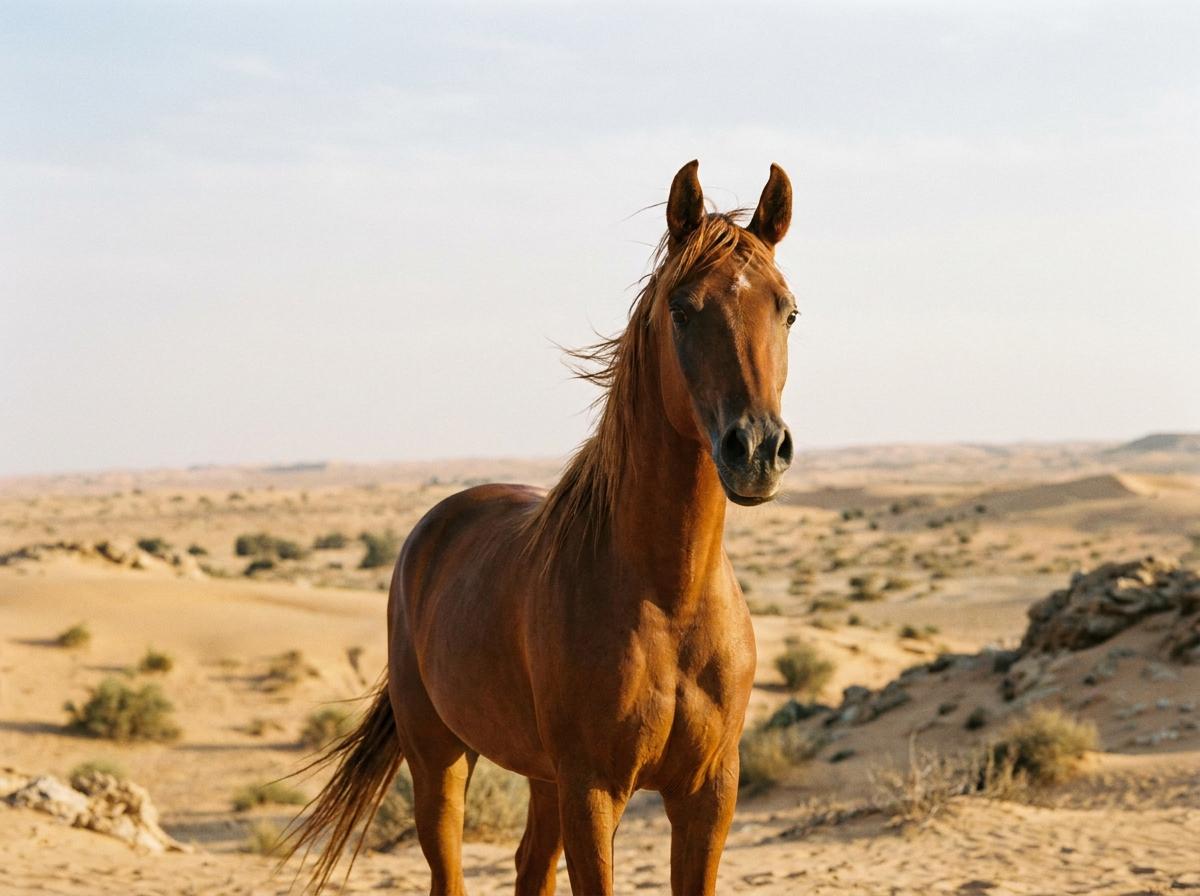
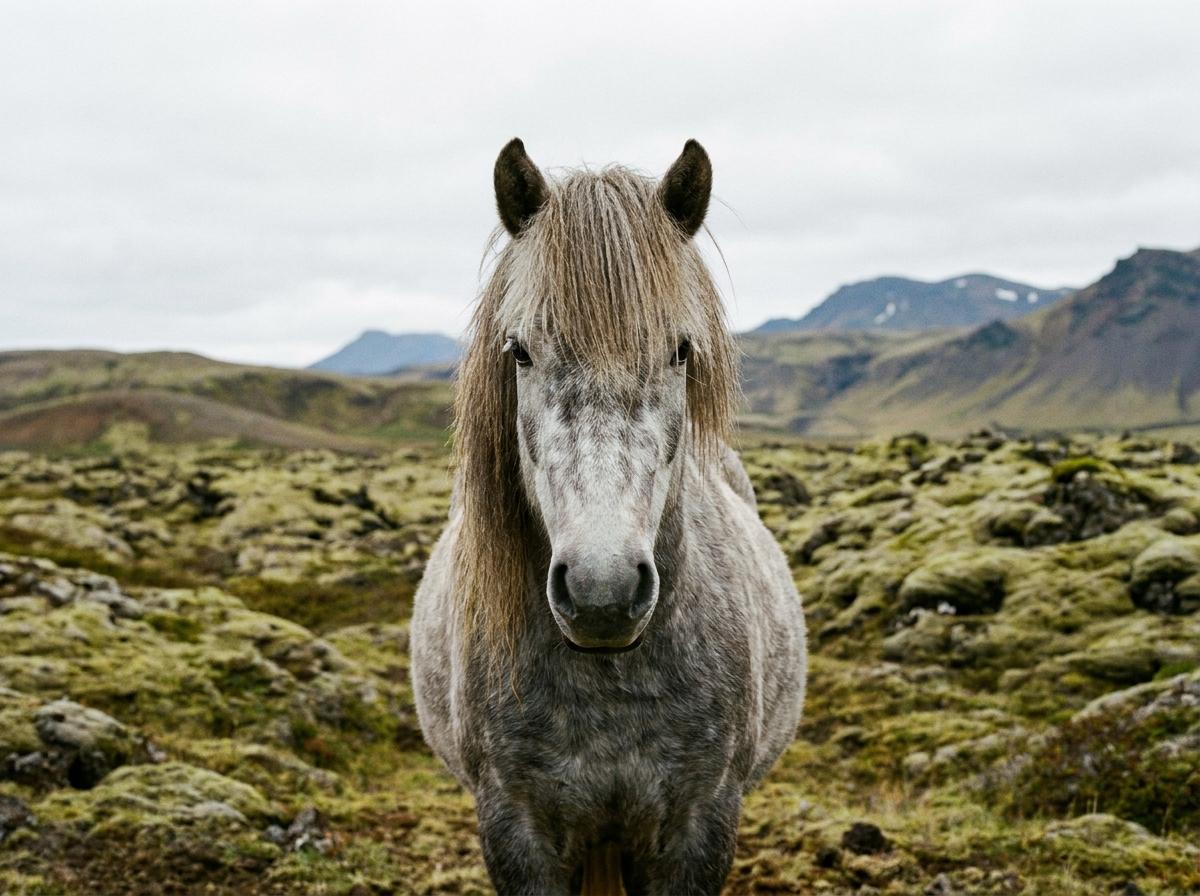
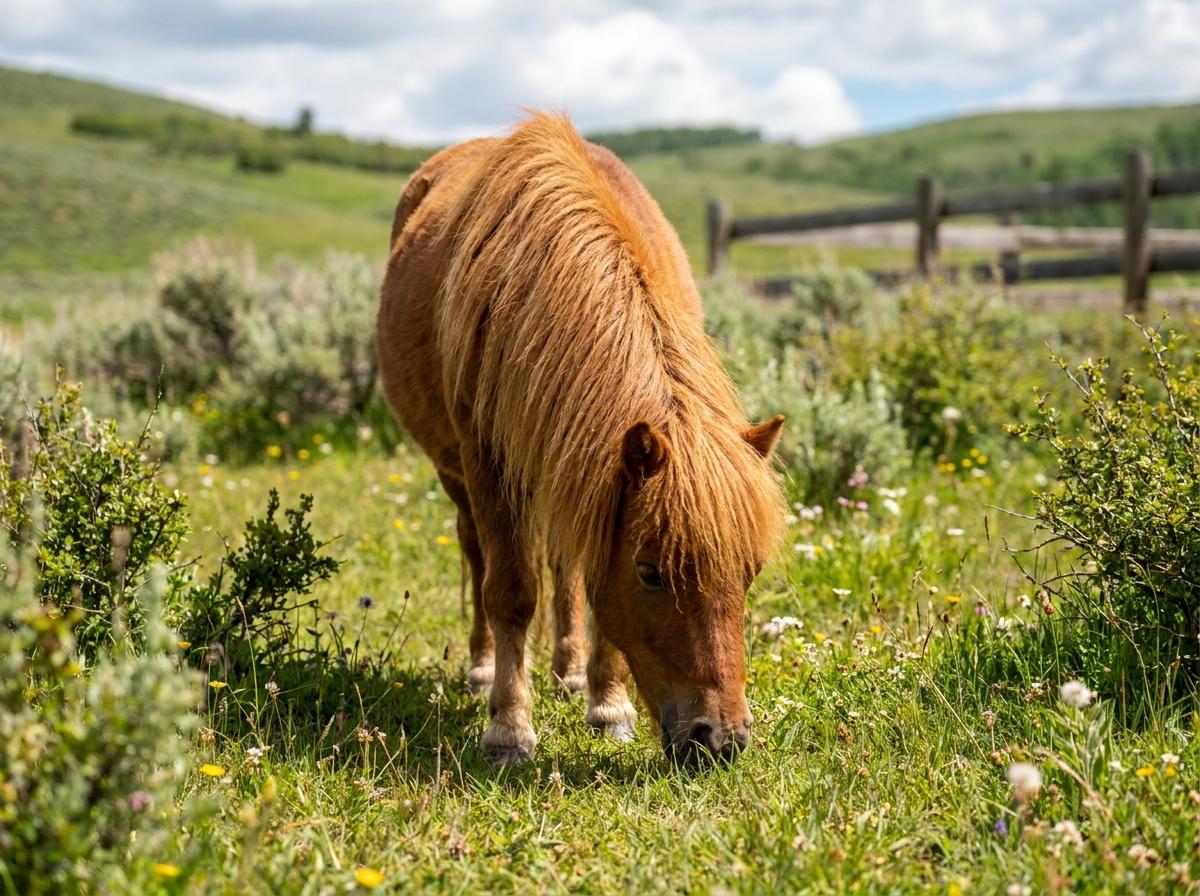
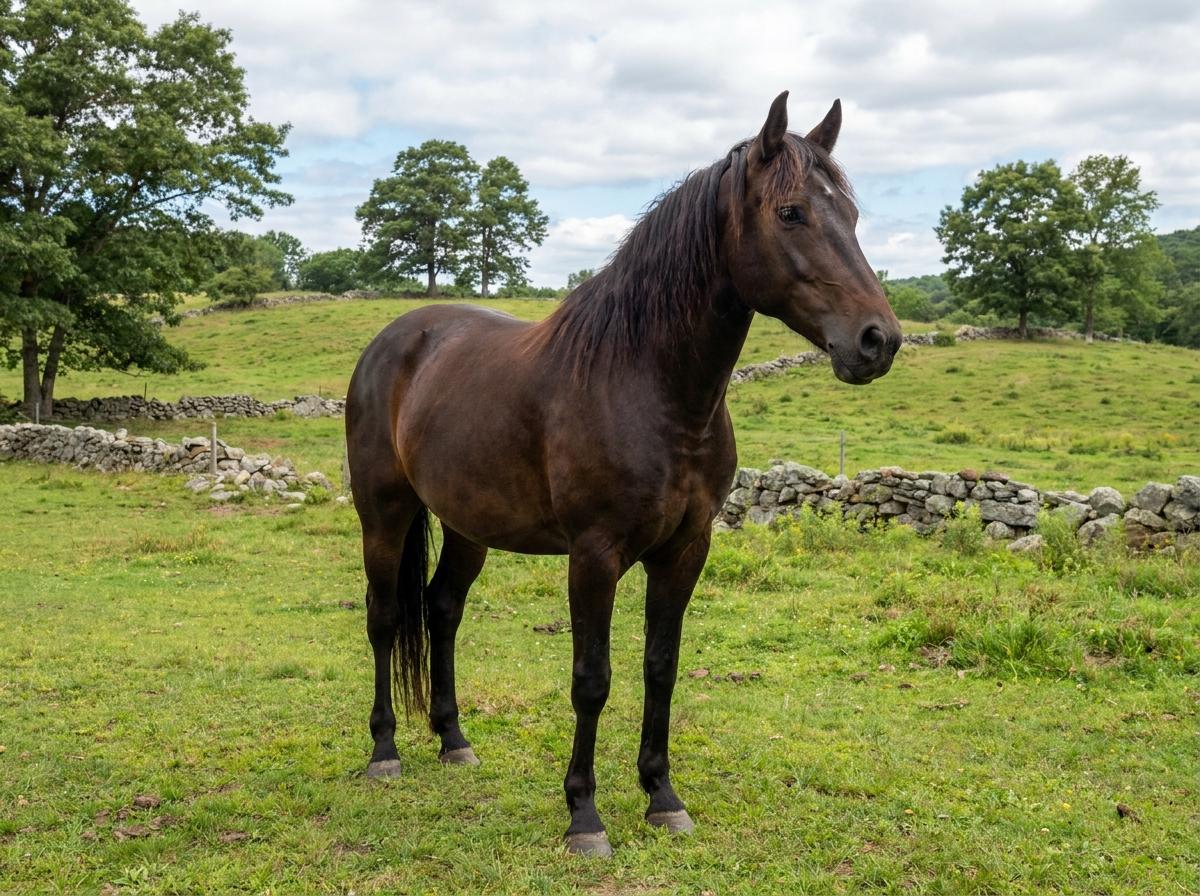
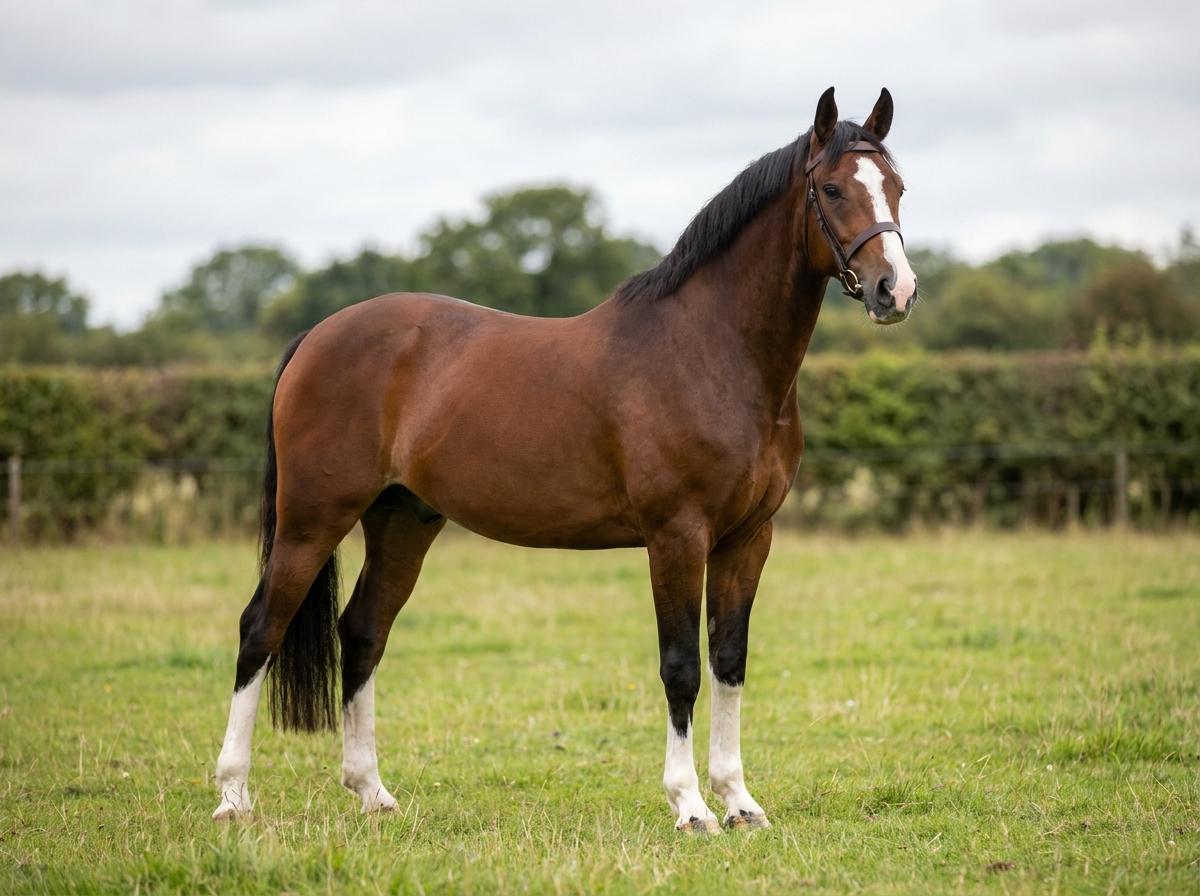
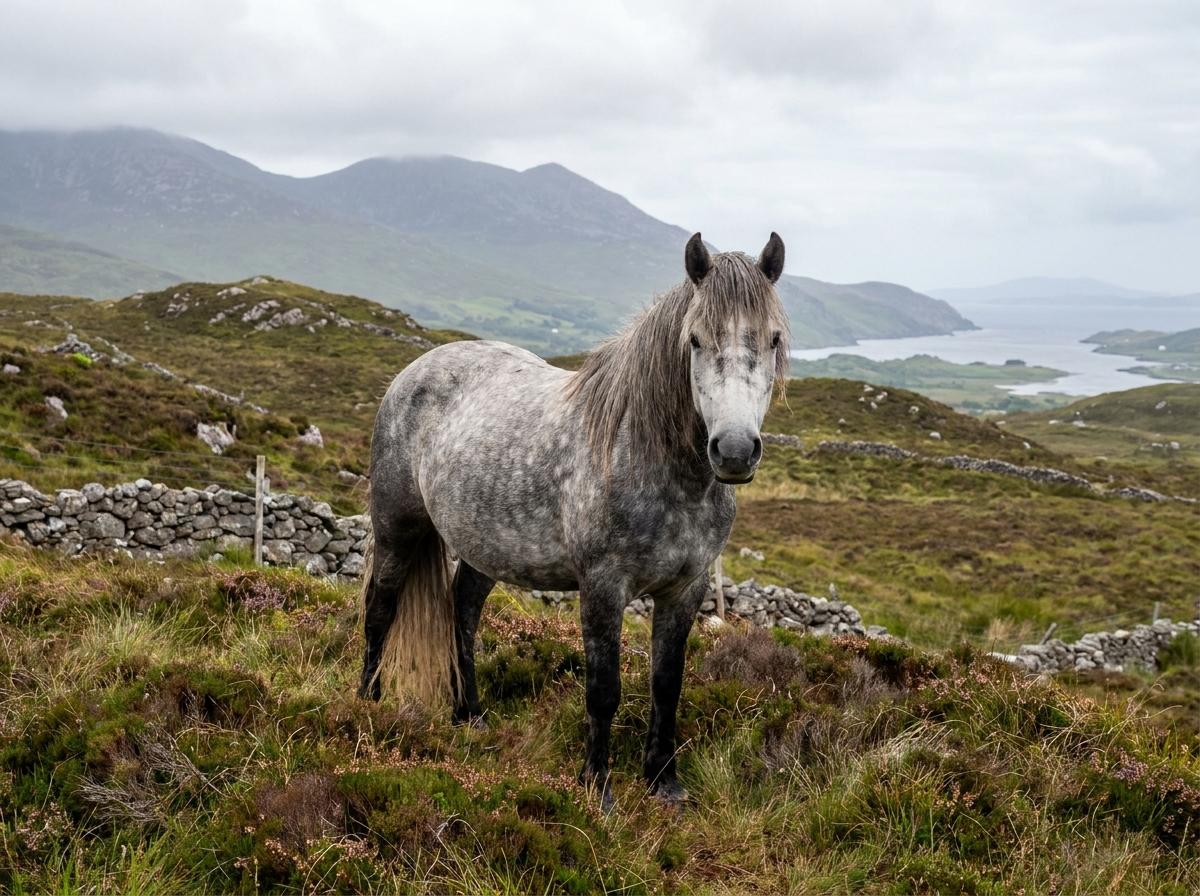
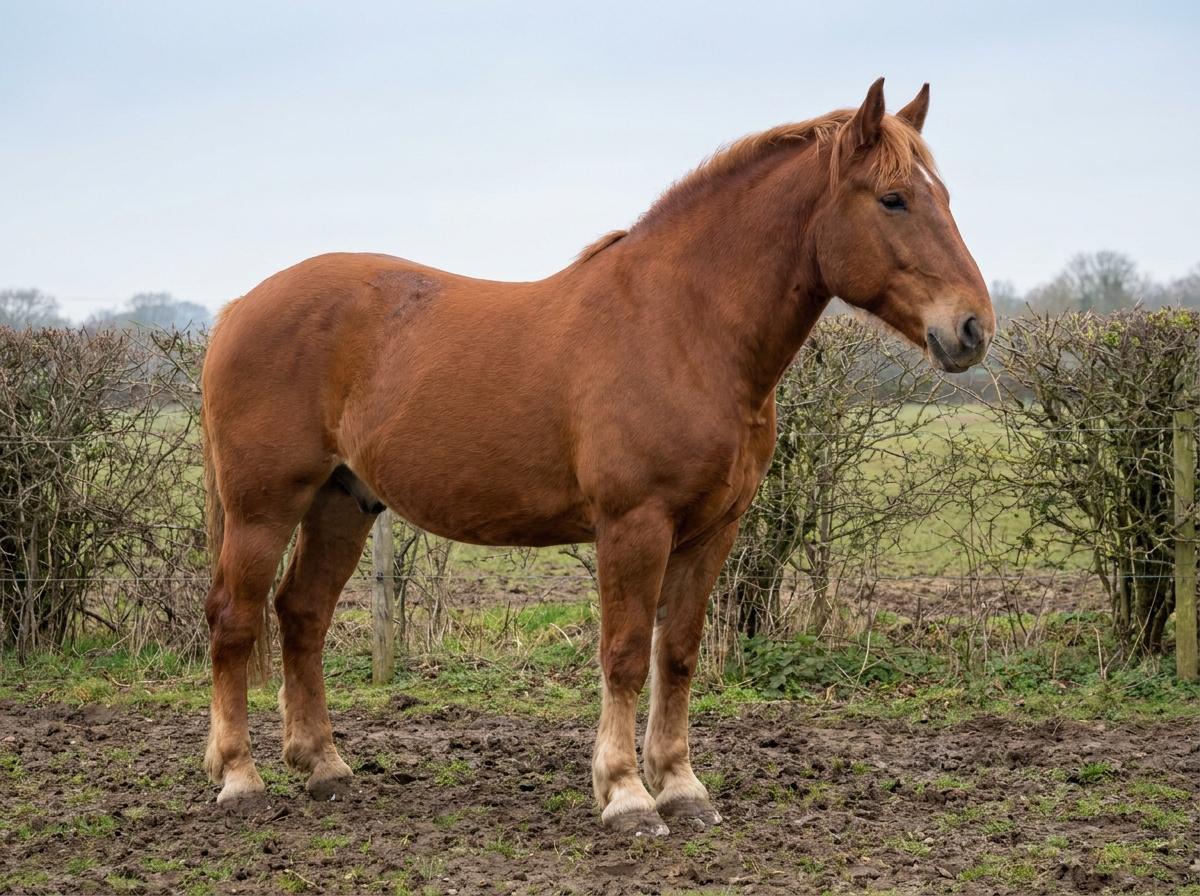
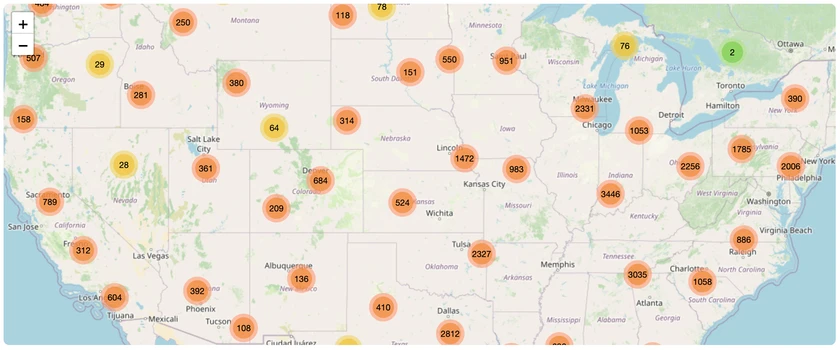
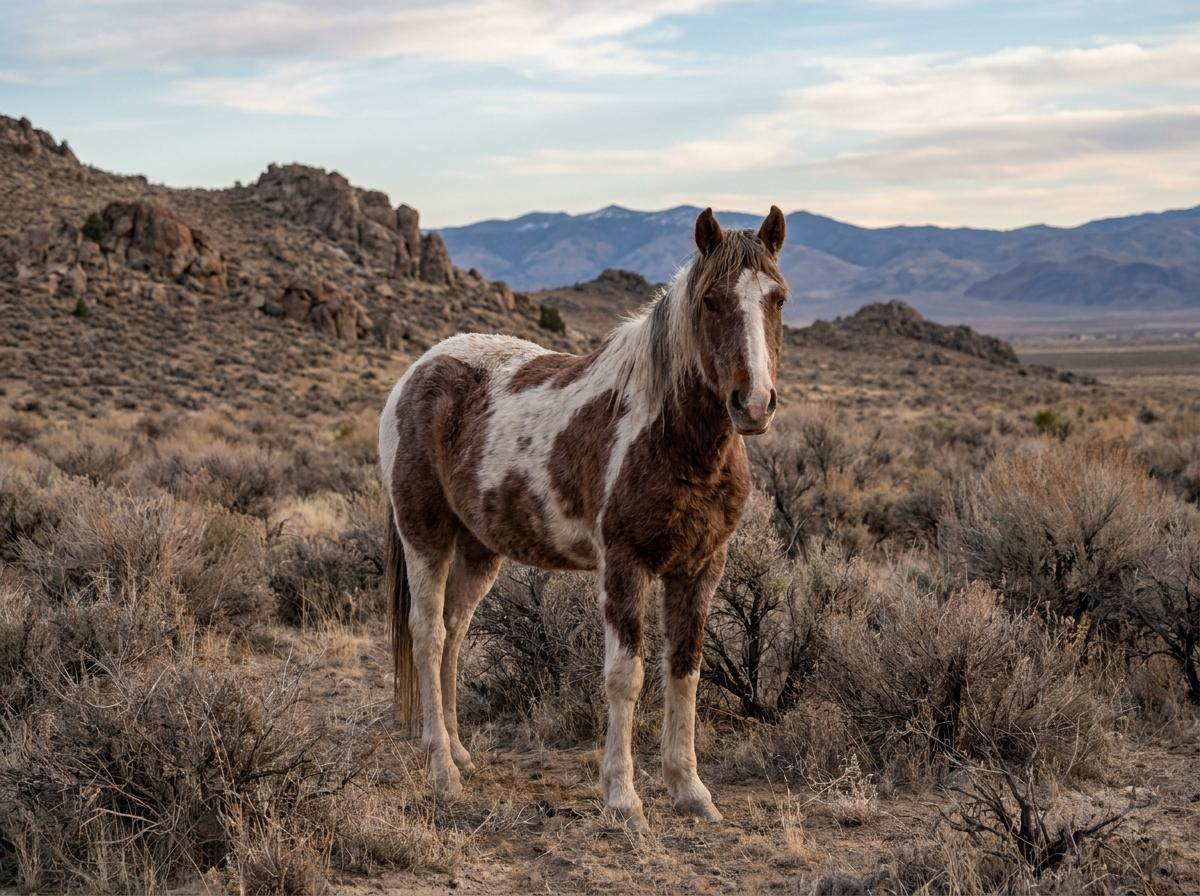
A feral horse is a domestic horse living in a free-roaming population rather than a separate wild species. Mustangs in North America, brumbies in Australia, and island or range horses in other regions are examples, but each population has its own history, ancestry, and management rules. Feral horses may look rugged because natural selection and harsh range conditions remove fragile animals, yet they remain Equus caballus and can usually be gentled, trained, and managed as domestic horses.
Human responsibility around feral horses is complicated. Land managers, conservation teams, Indigenous communities, ranchers, adopters, and welfare groups may all have legitimate concerns about habitat, water, population growth, disease control, and humane handling. Adopted feral horses need secure facilities, patient training, hoof and dental care, and time to learn ordinary domestic routines. Describing a horse as feral should clarify its management background, not imply that it is untouchable, primitive, or automatically healthier than a well-bred domestic horse.
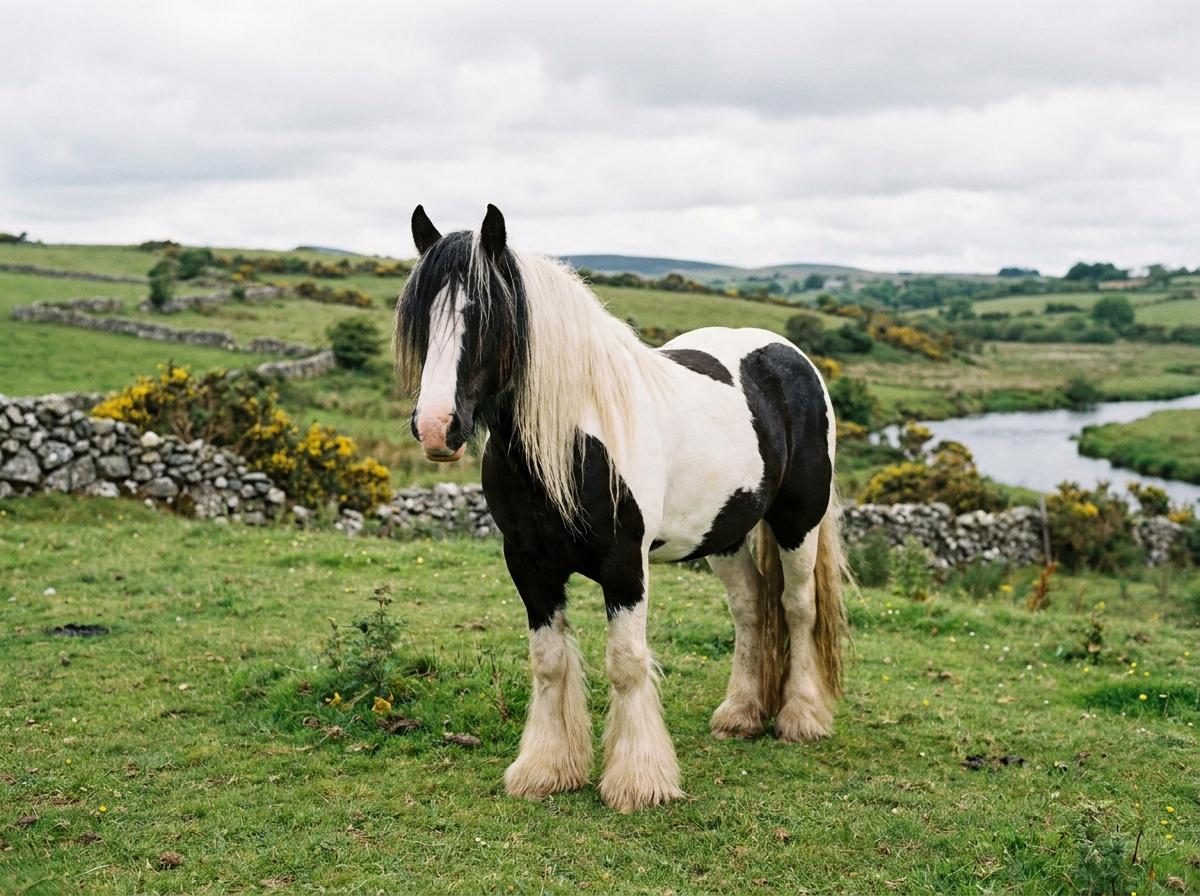
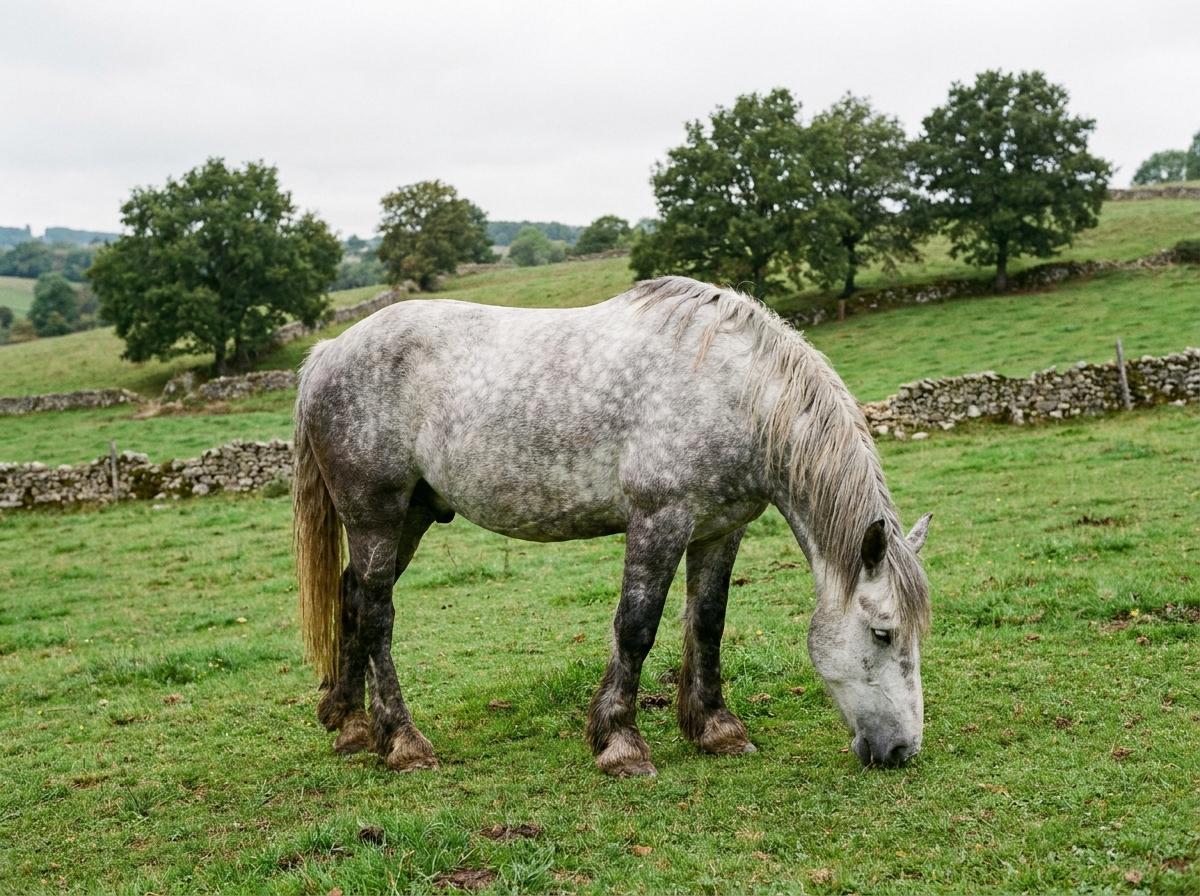
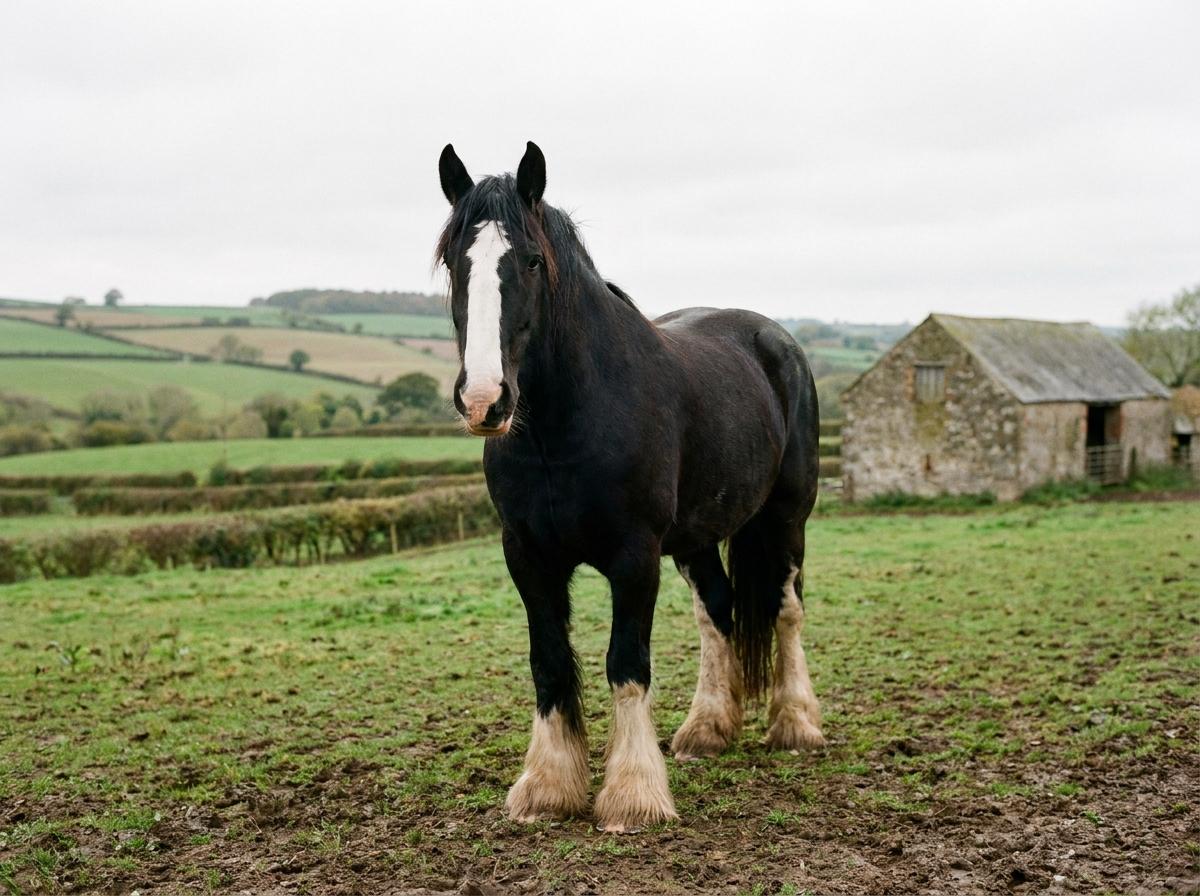
Colors: Amber Champagne, Bay, Bay Dun, Bay Roan, Black, Blanket Appaloosa, Blue Roan, Brown, Buckskin, Champagne, Chestnut, Classic Champagne, Cremello, Dun, Dun Roan, Fewspot Appaloosa, Flaxen Chestnut, Frame Overo, Gold Champagne, Gray, Grey, Grullo, Leopard Appaloosa, Liver Chestnut, Overo, Palomino, Perlino, Piebald, Pinto, Rabicano, Red Dun, Red Roan, Roan, Sabino, Seal Bay, Silver Dapple, Skewbald, Smoky Black, Smoky Cream, Snowcap Appaloosa, Sorrel, Splash White, Tobiano, Tovero, Varnish Roan, White