

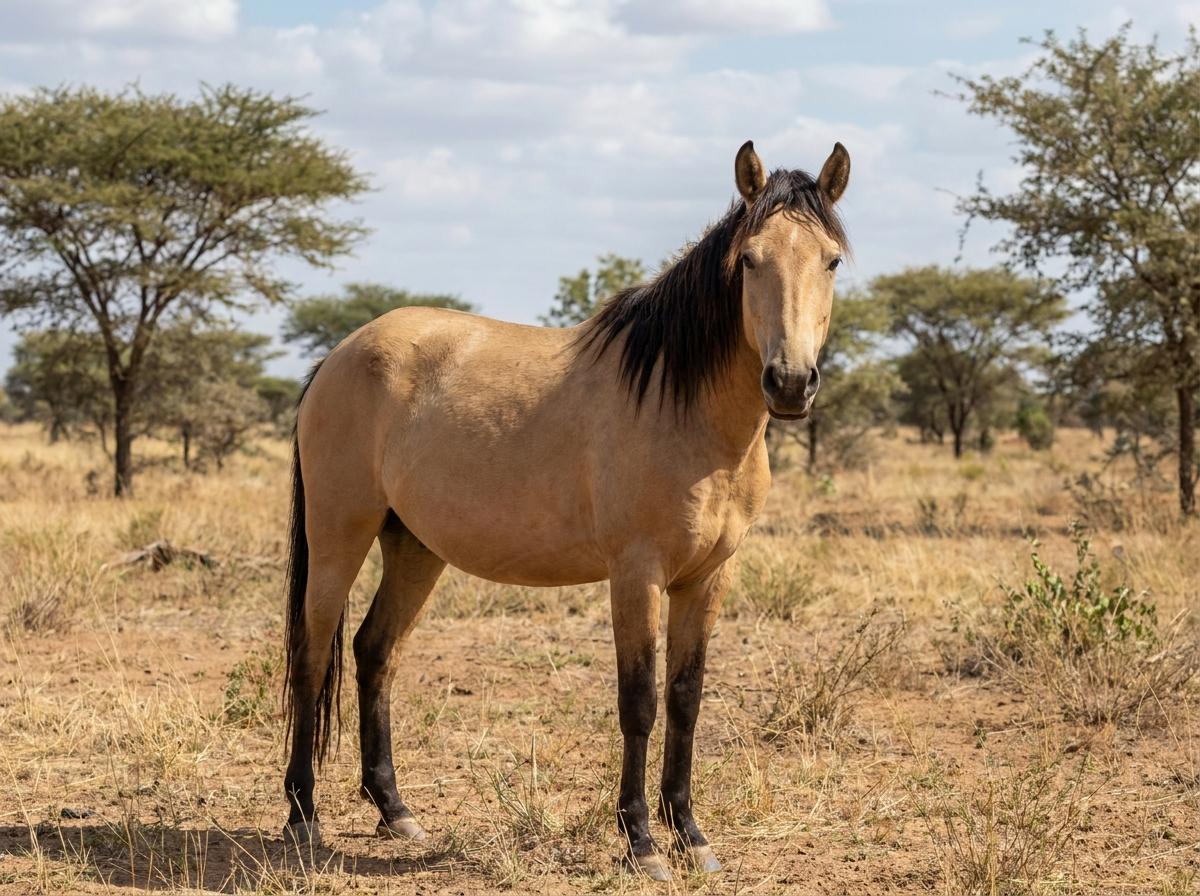
Foutanké
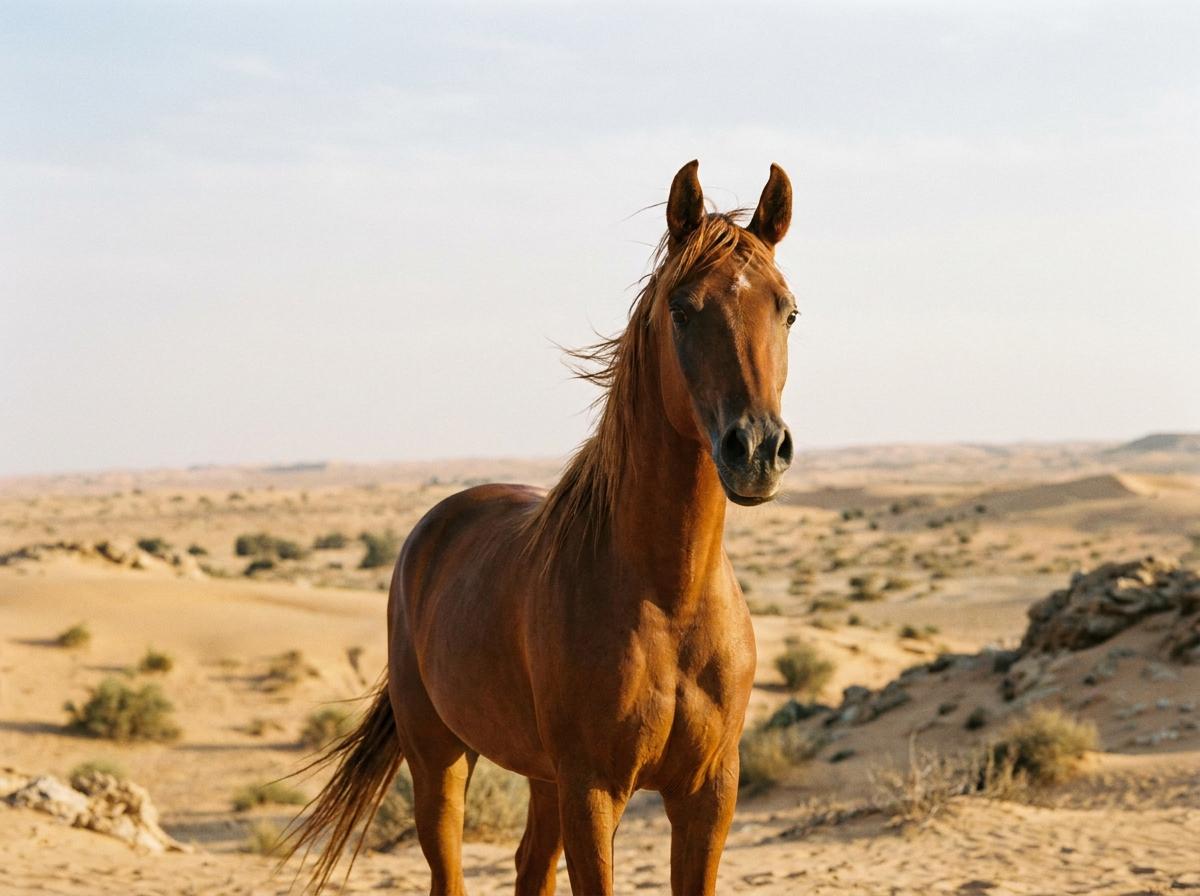
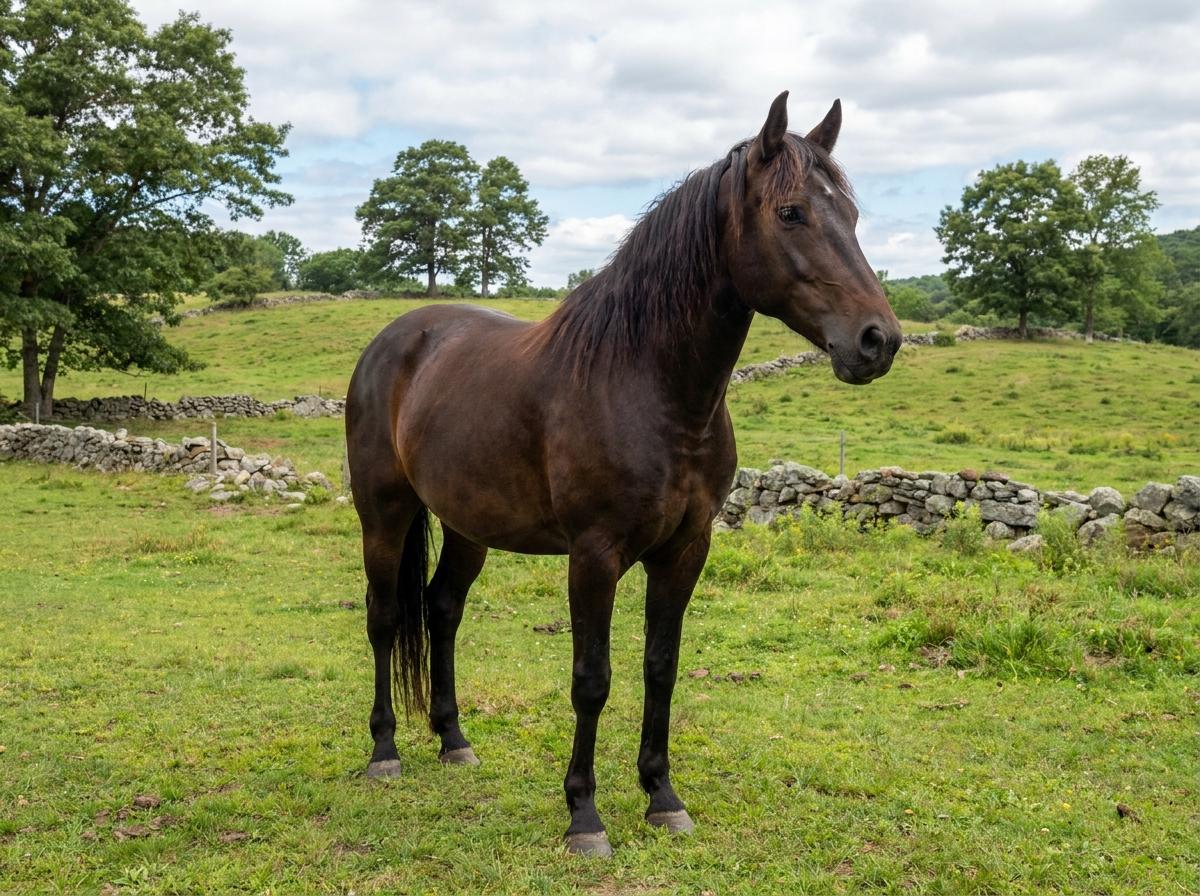
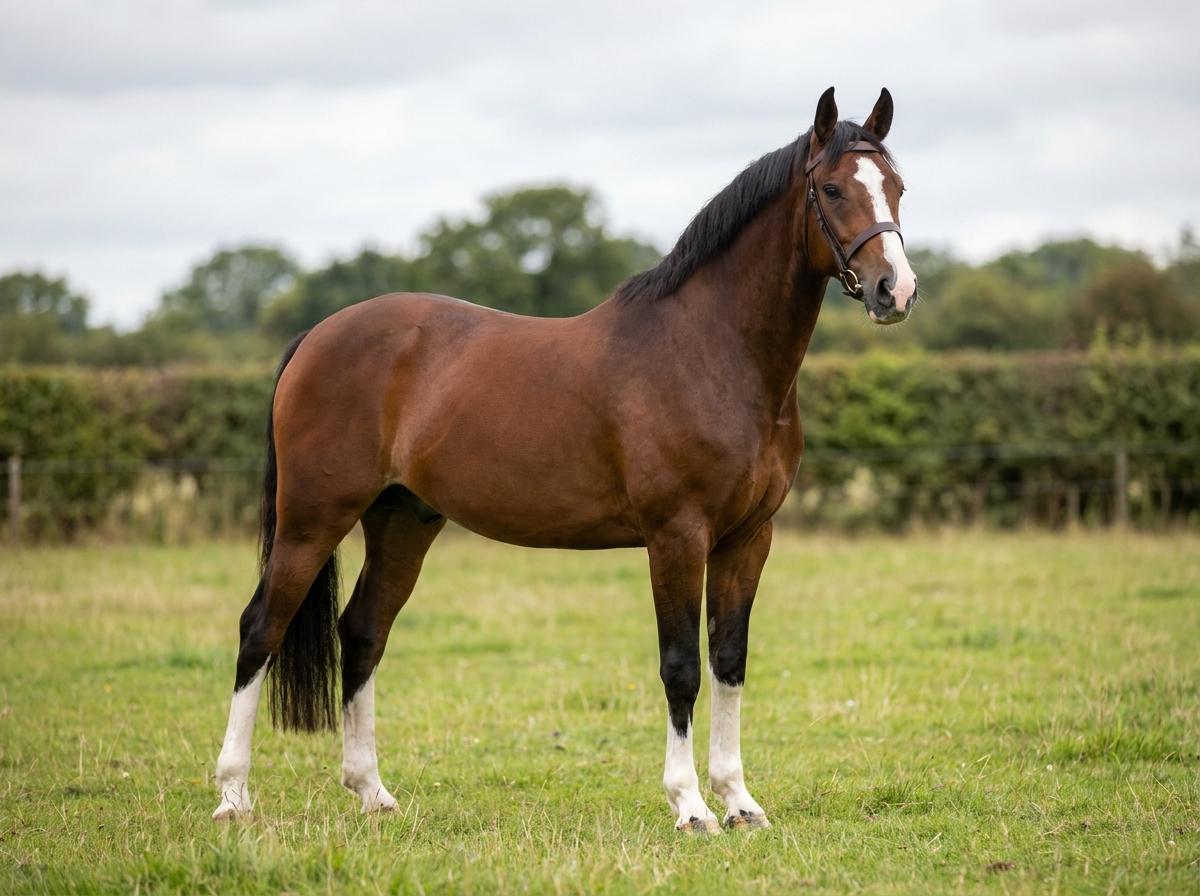
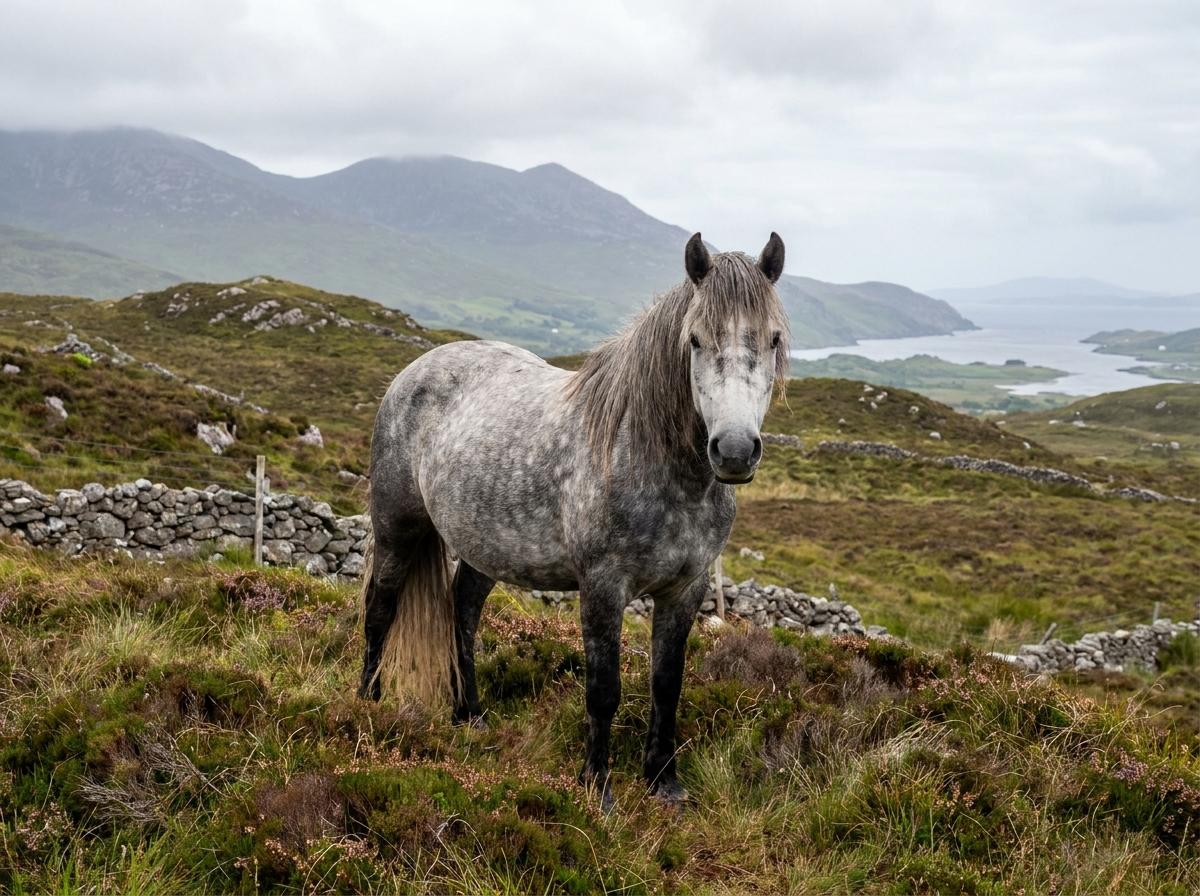
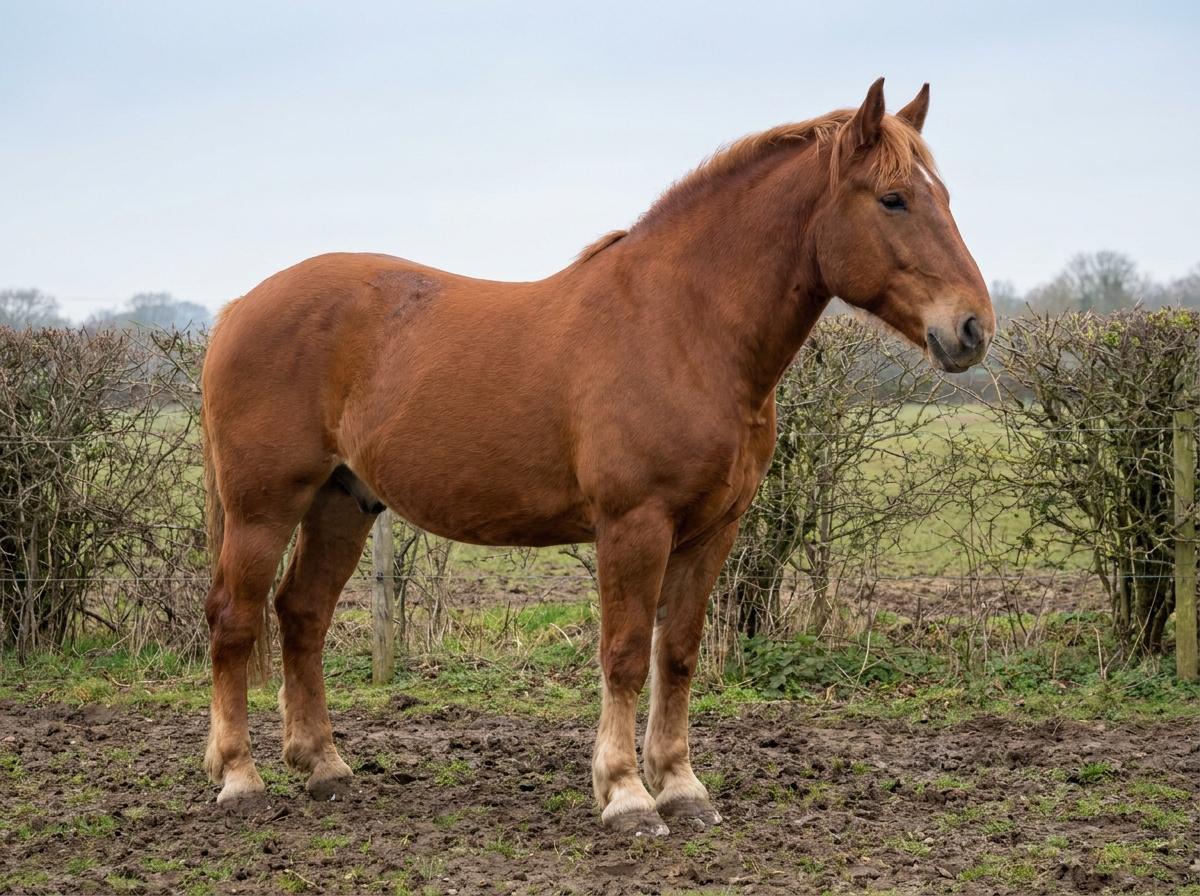
The Foutanké is a Senegalese horse type often described as the result of crossing Fleuve horses with the smaller M'Bayar or related local mares. It belongs to the practical horse culture of Senegal and neighboring West African regions, where animals have been used for riding, transport, ceremony, and local status as well as day-to-day work. The type is generally light, useful, and adapted to hot conditions rather than built like a European draft or sport horse.
Care for a Foutanké should reflect both climate and workload. Heat, water access, parasite control, and forage quality can matter more than elaborate stabling, especially in rural settings. Because the name may describe a regional crossbred type rather than a tightly closed breed, records should include source area, family information, and known parentage when possible. Breeders who value the Foutanké should select for sound feet, useful temperament, and local suitability instead of chasing imported size.
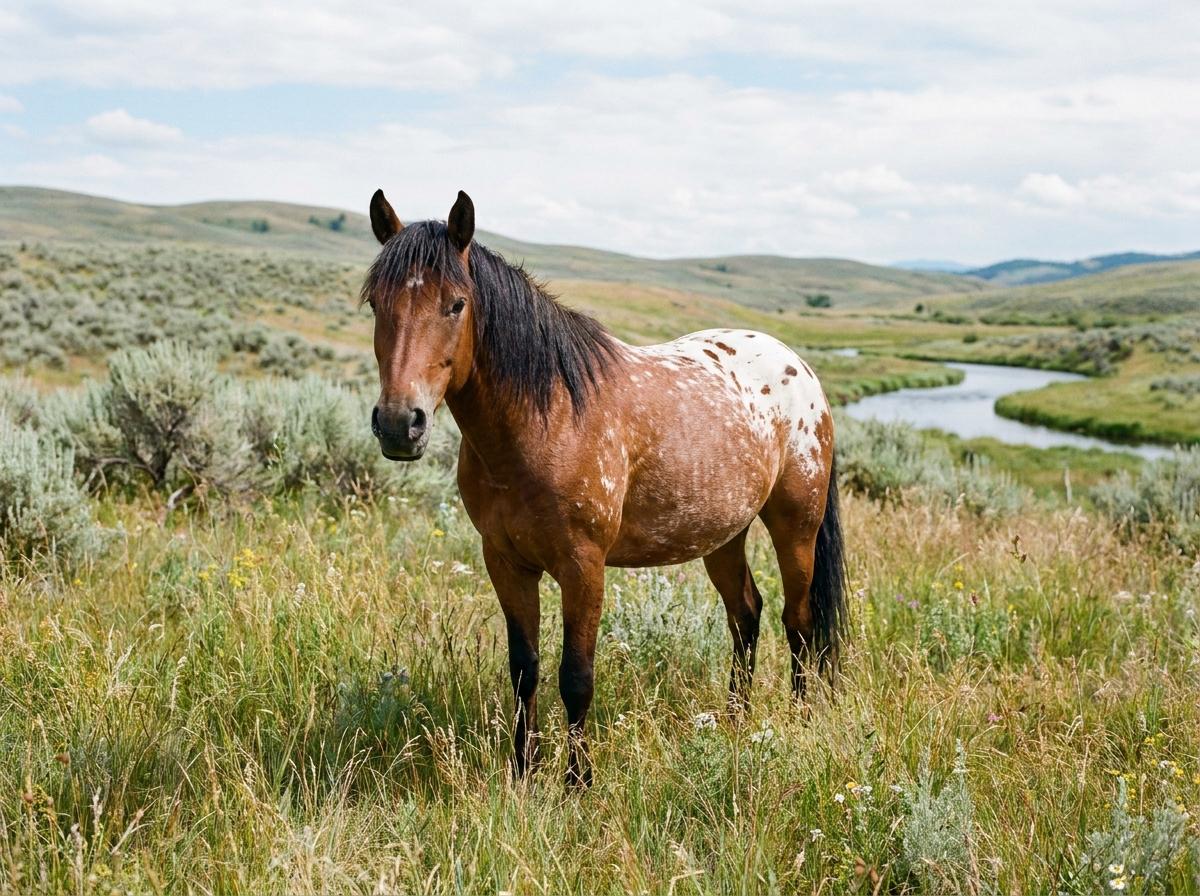
Colors: Amber Champagne, Bay, Bay Dun, Bay Roan, Black, Blanket Appaloosa, Blue Roan, Brown, Buckskin, Champagne, Chestnut, Classic Champagne, Cremello, Dun, Dun Roan, Fewspot Appaloosa, Flaxen Chestnut, Frame Overo, Gold Champagne, Gray, Grey, Grullo, Leopard Appaloosa, Liver Chestnut, Overo, Palomino, Perlino, Piebald, Pinto, Rabicano, Red Dun, Red Roan, Roan, Sabino, Seal Bay, Silver Dapple, Skewbald, Smoky Black, Smoky Cream, Snowcap Appaloosa, Sorrel, Splash White, Tobiano, Tovero, Varnish Roan, White