

Gaited Horse
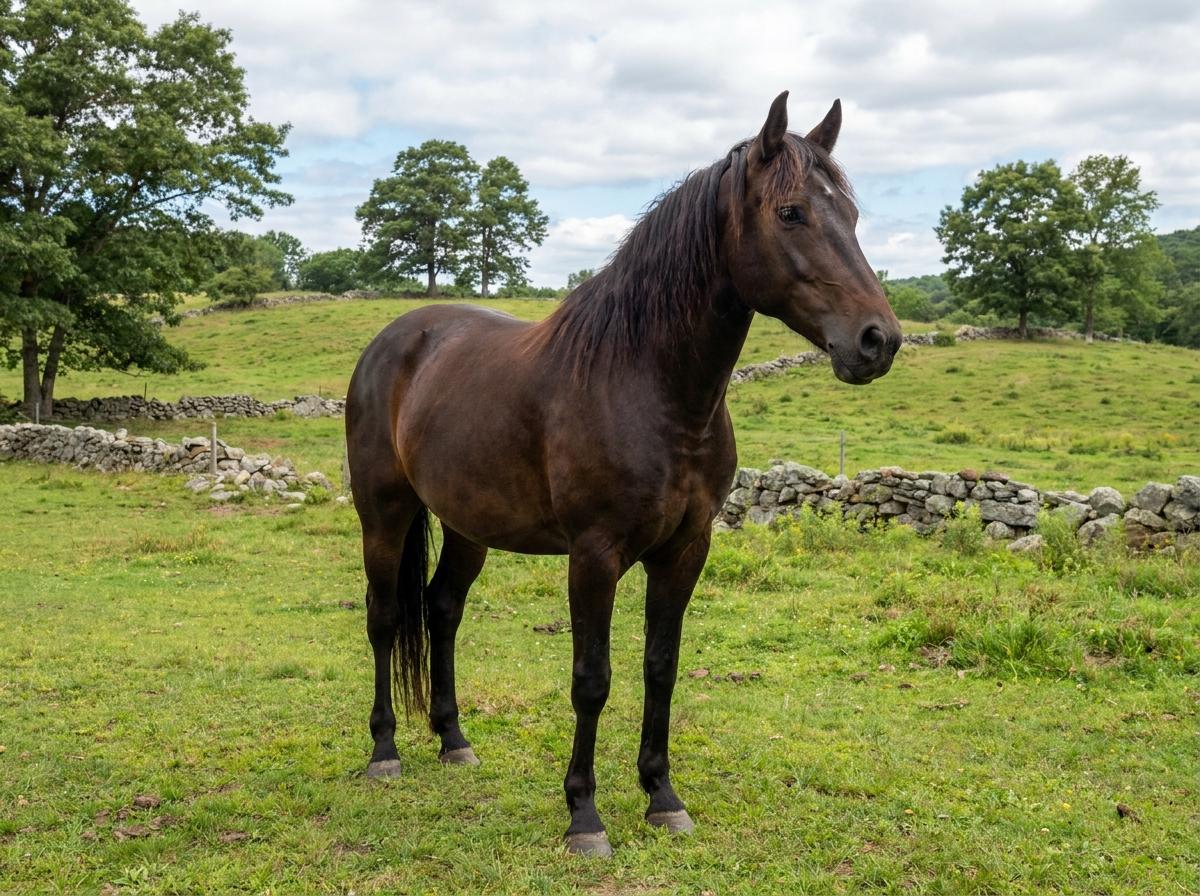
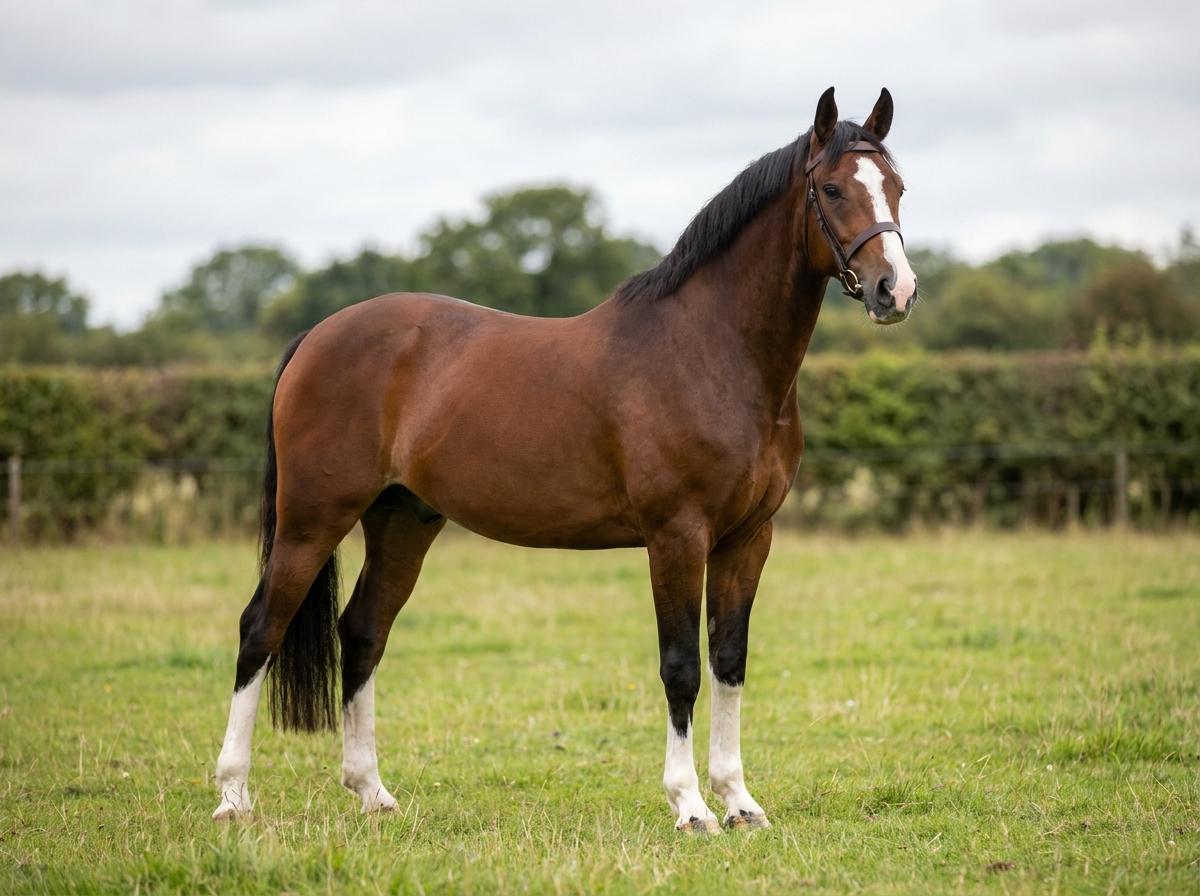
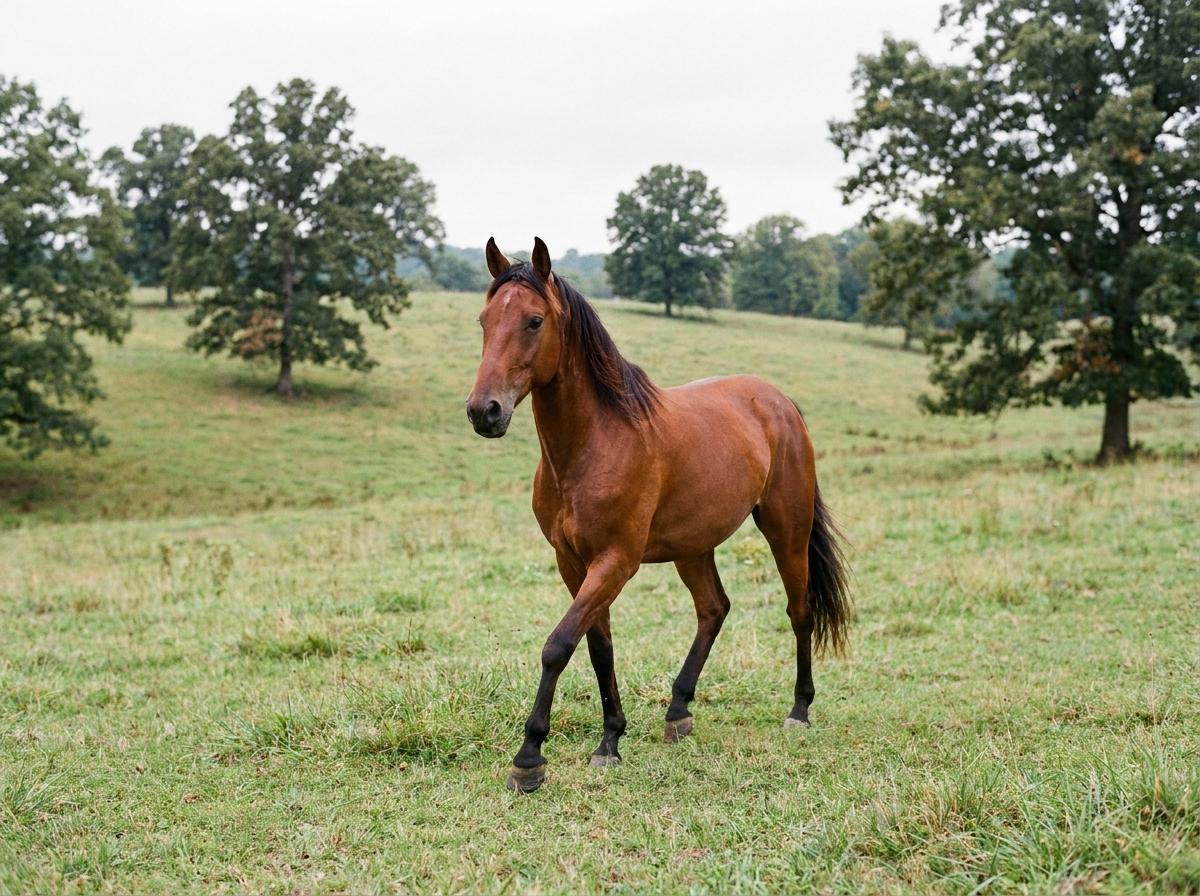
A gaited horse is any horse that naturally or through selective breeding performs smooth intermediate gaits in addition to the walk, canter, and gallop. Instead of a two-beat trot, many offer a four-beat amble such as a running walk, rack, fox trot, paso gait, or tölt. The label covers many breeds, including Tennessee Walking Horses, Missouri Fox Trotters, Paso Finos, Peruvian Horses, Rocky Mountain Horses, and Icelandic horses. Some gaited ability is linked to inherited movement patterns, but training and shoeing strongly affect how the gait feels.
For riders, the appeal is comfort over distance and sure rhythm on trail, ranch, or show grounds. Evaluation should focus on a clean, even footfall, willingness, sound back and limbs, and a gait the rider can maintain without force. Ethical management is especially important in show communities where exaggerated action has sometimes been produced by painful methods; a good gait does not require abuse. Farriery should support balance rather than mask lameness, and tack fit matters because many gaited horses have active shoulders and a different way of using the back.
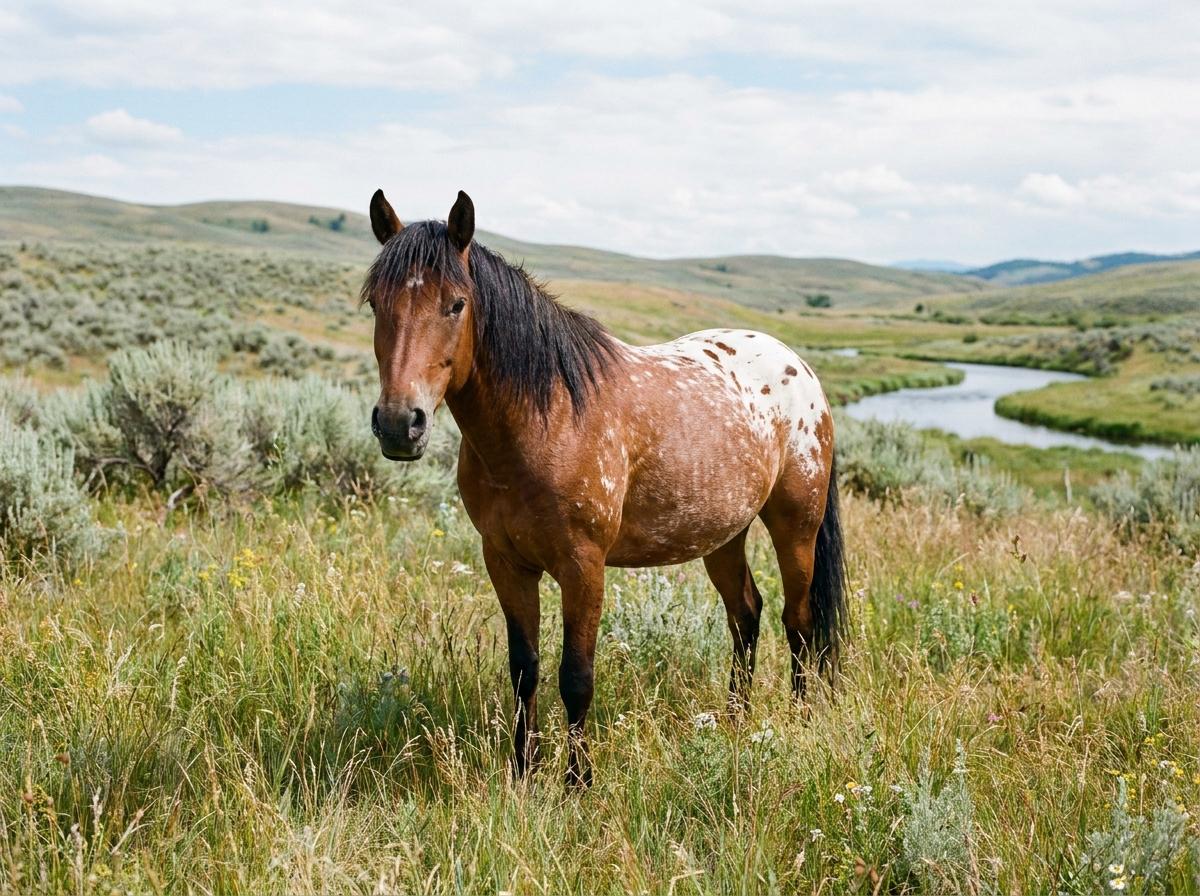
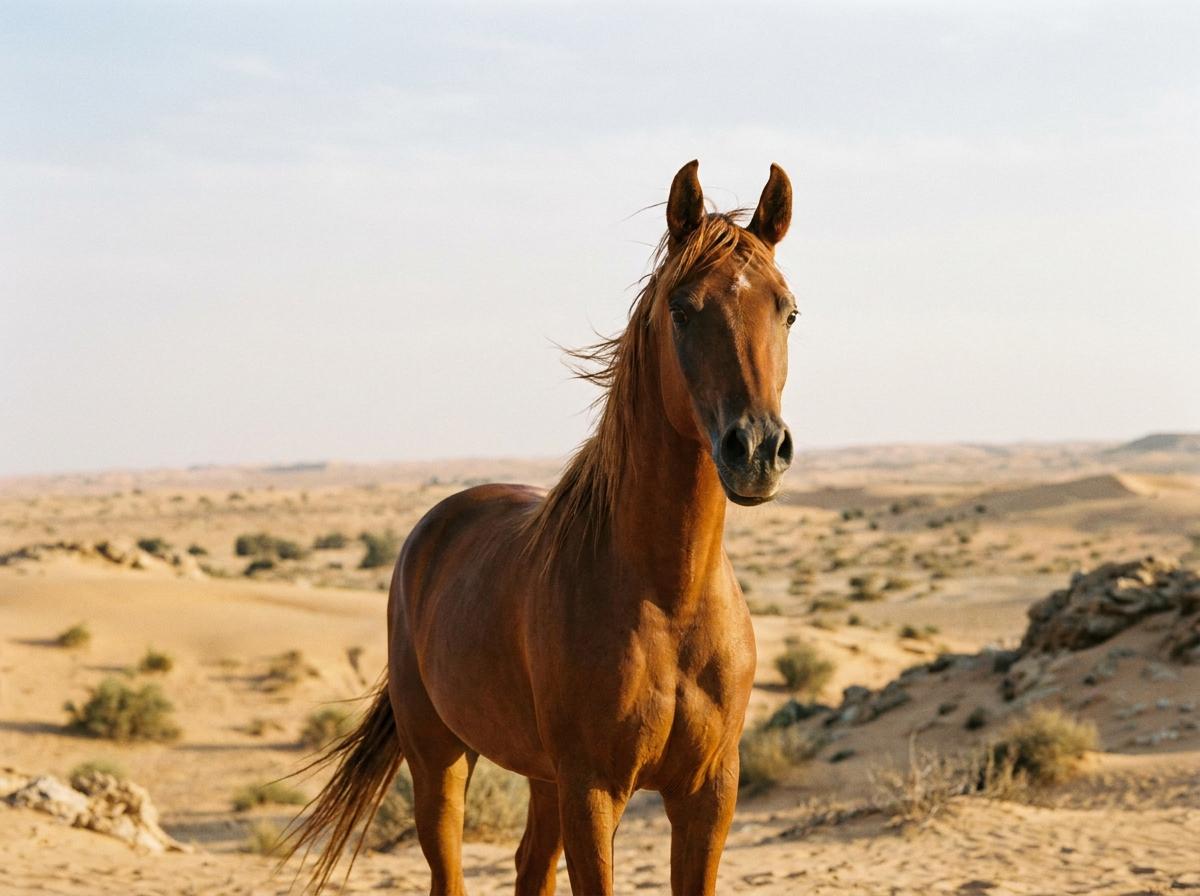
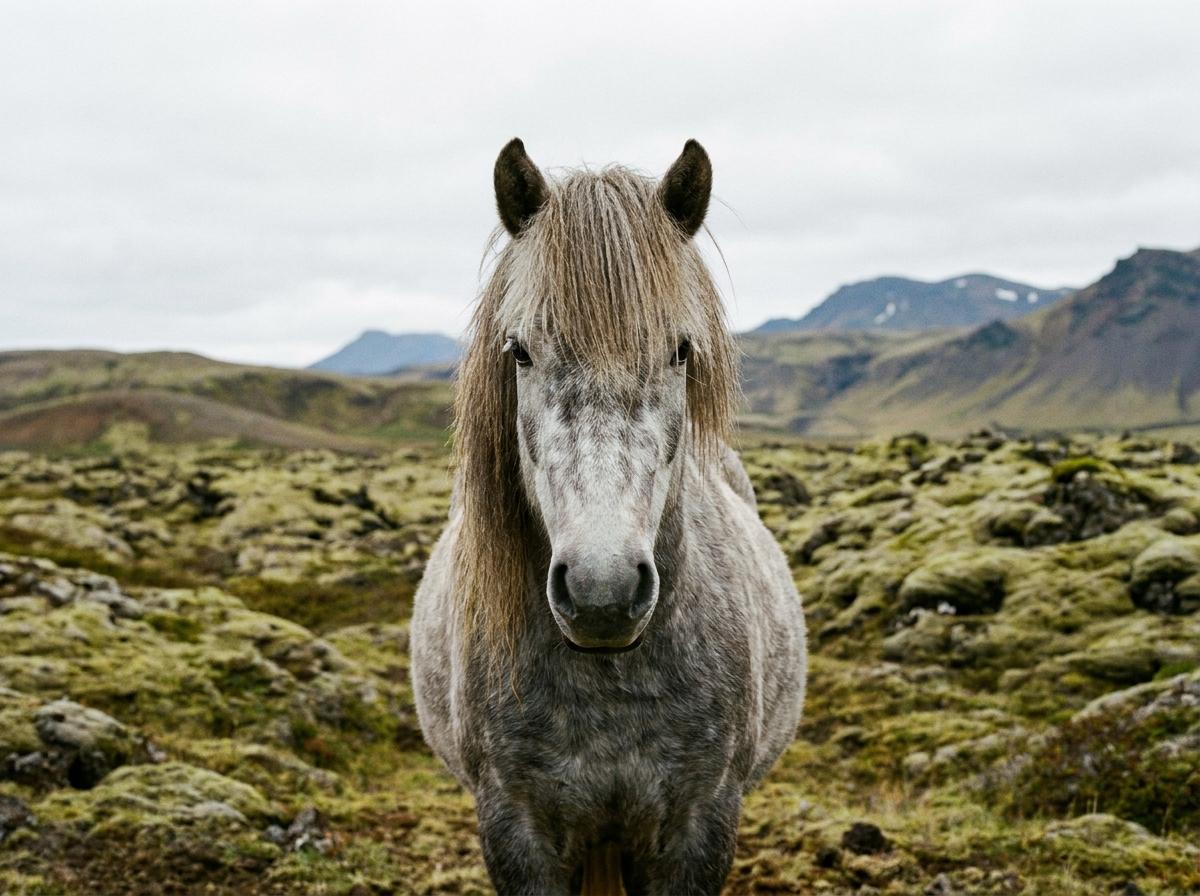
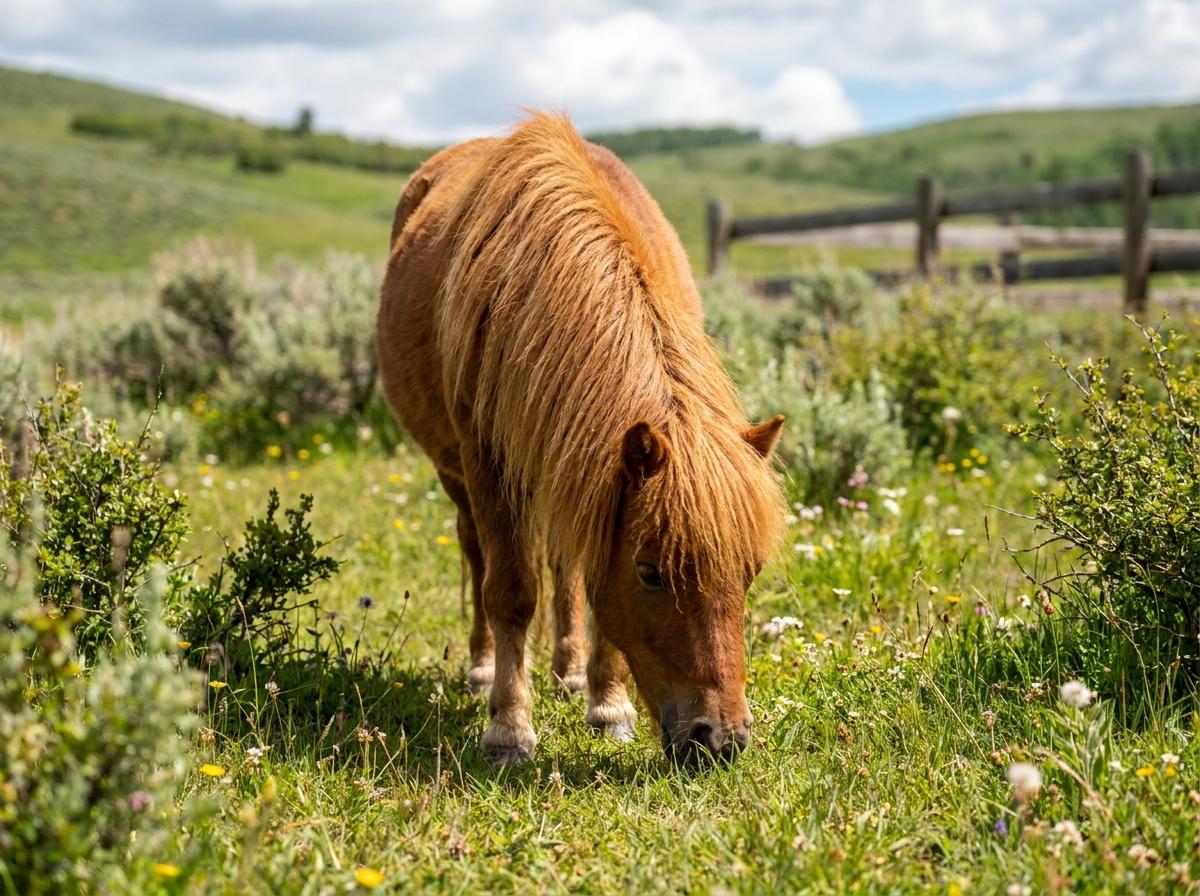
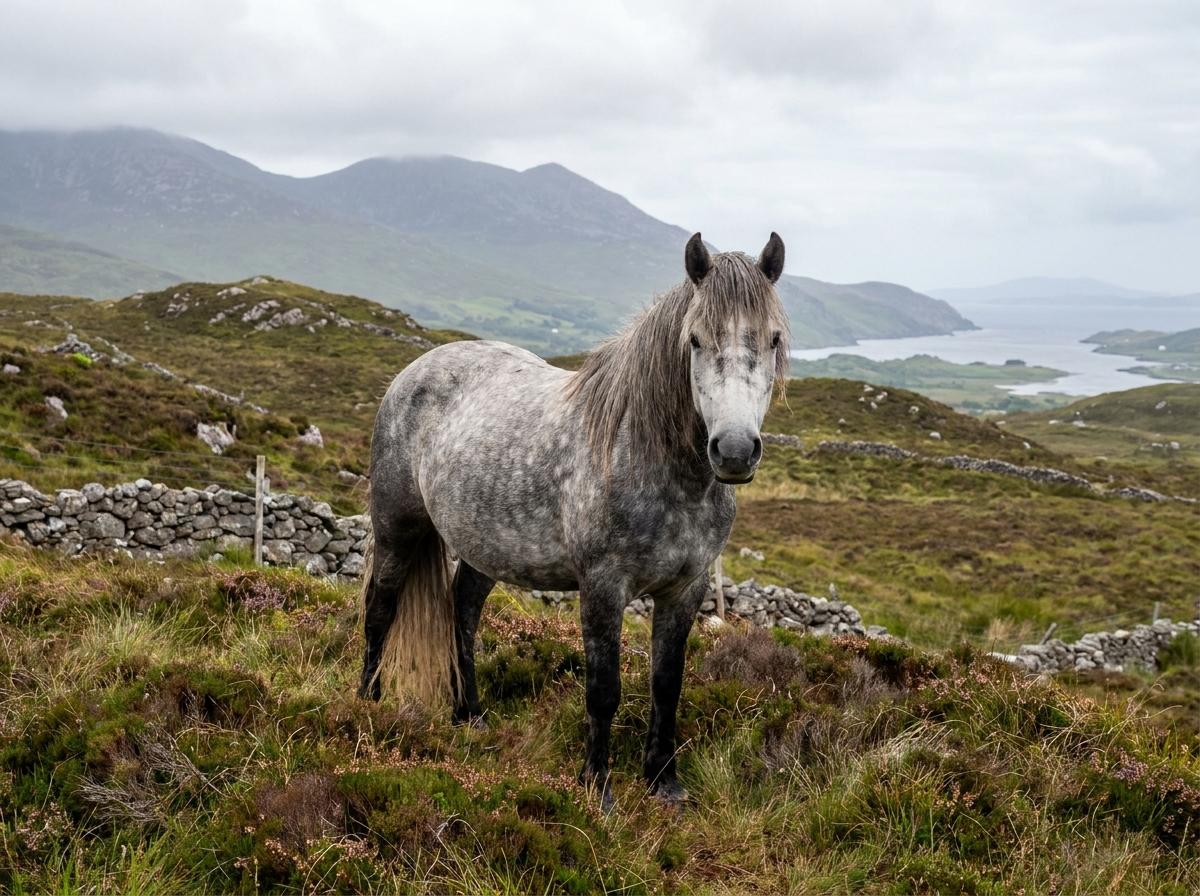
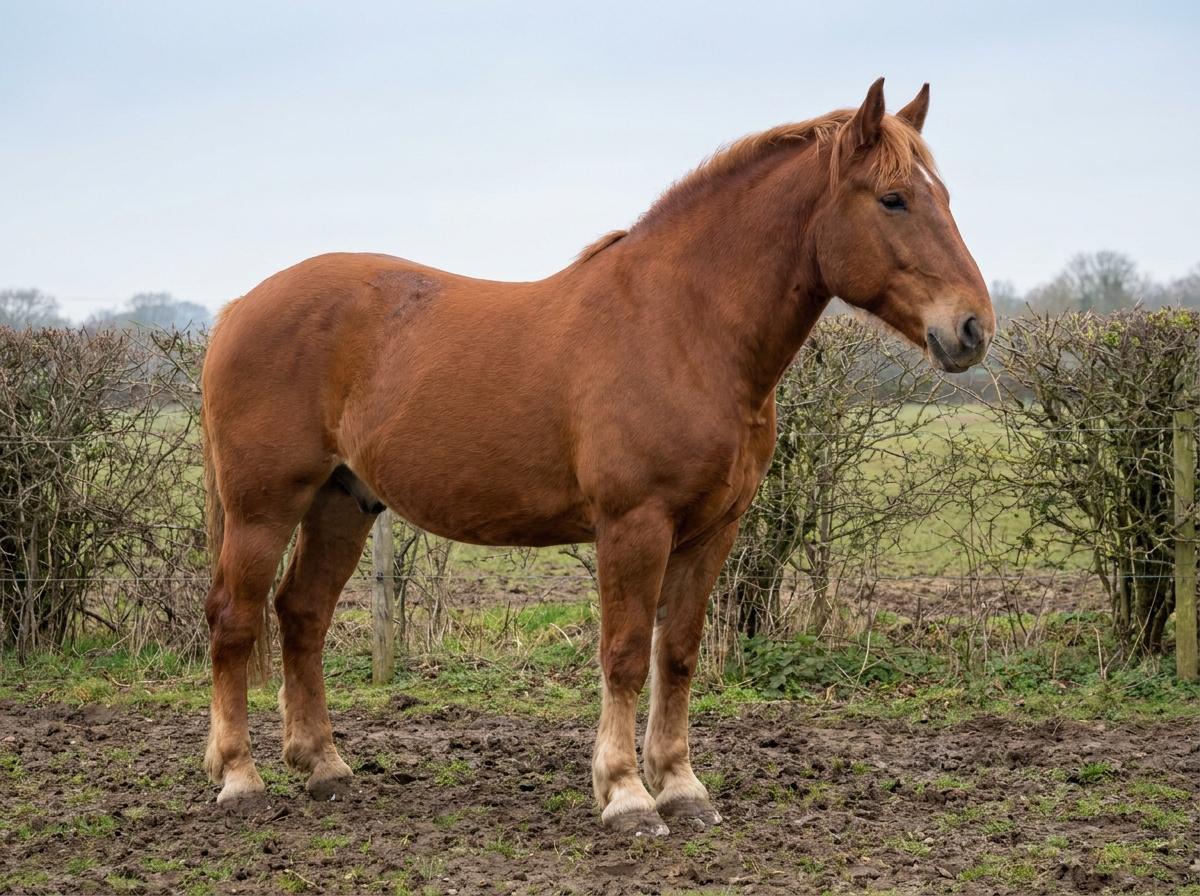
Colors: Amber Champagne, Bay, Bay Dun, Bay Roan, Black, Blanket Appaloosa, Blue Roan, Brown, Buckskin, Champagne, Chestnut, Classic Champagne, Cremello, Dun, Dun Roan, Fewspot Appaloosa, Flaxen Chestnut, Frame Overo, Gold Champagne, Gray, Grey, Grullo, Leopard Appaloosa, Liver Chestnut, Overo, Palomino, Perlino, Piebald, Pinto, Rabicano, Red Dun, Red Roan, Roan, Sabino, Seal Bay, Silver Dapple, Skewbald, Smoky Black, Smoky Cream, Snowcap Appaloosa, Sorrel, Splash White, Tobiano, Tovero, Varnish Roan, White