


Gypsy Horse
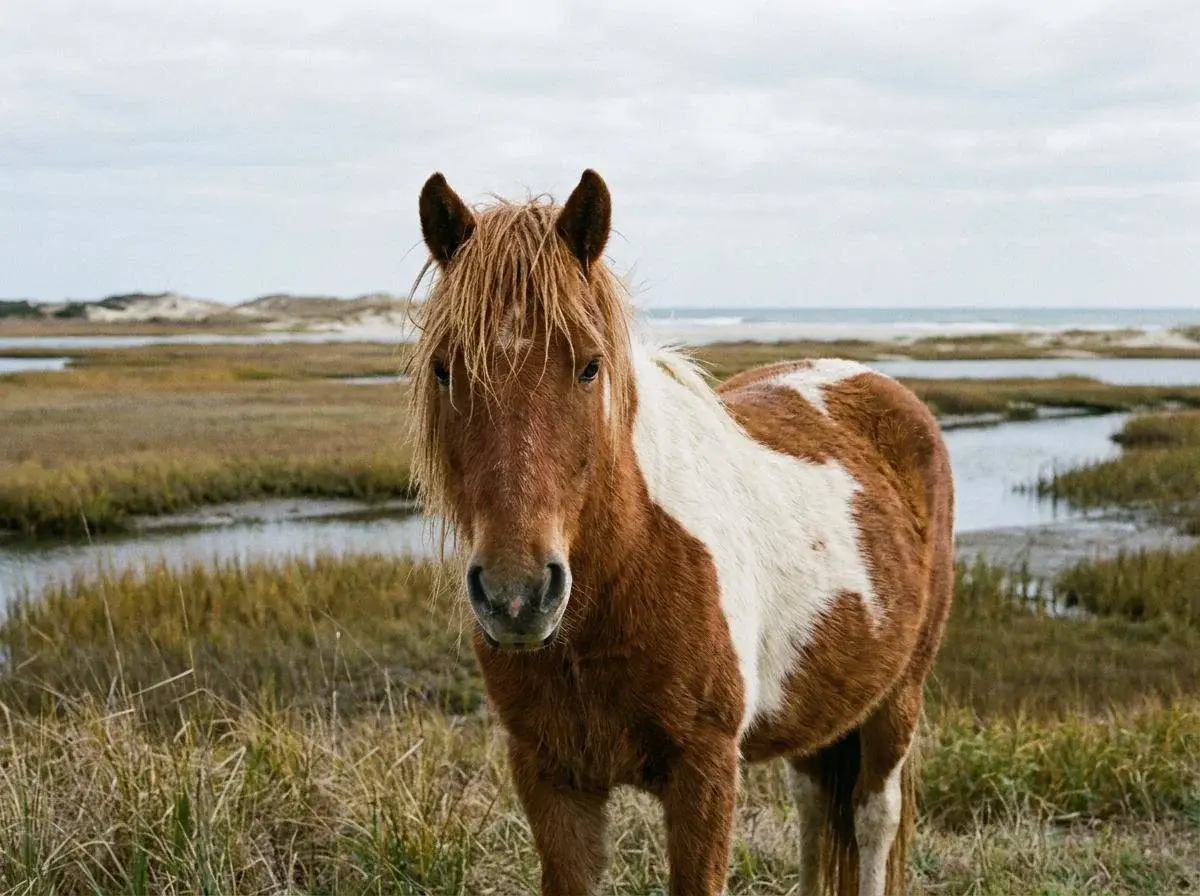
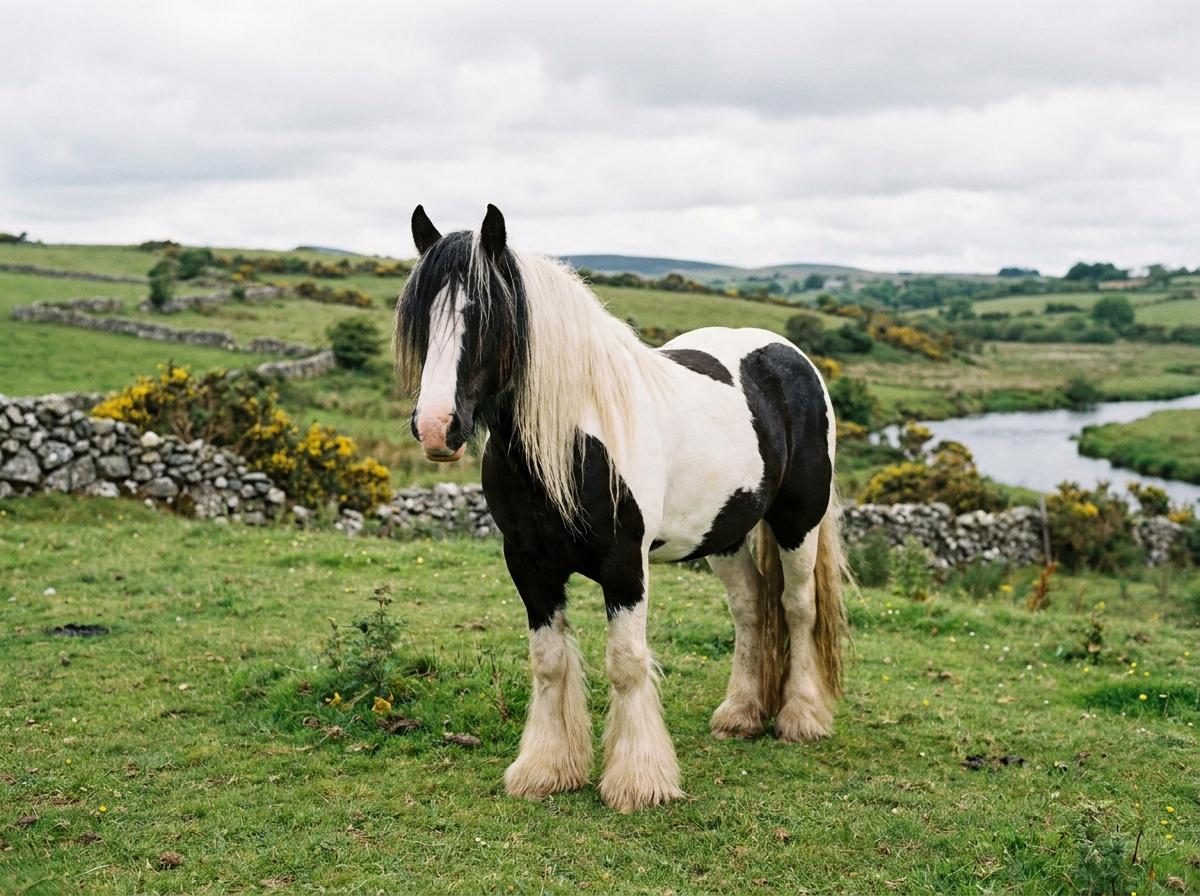
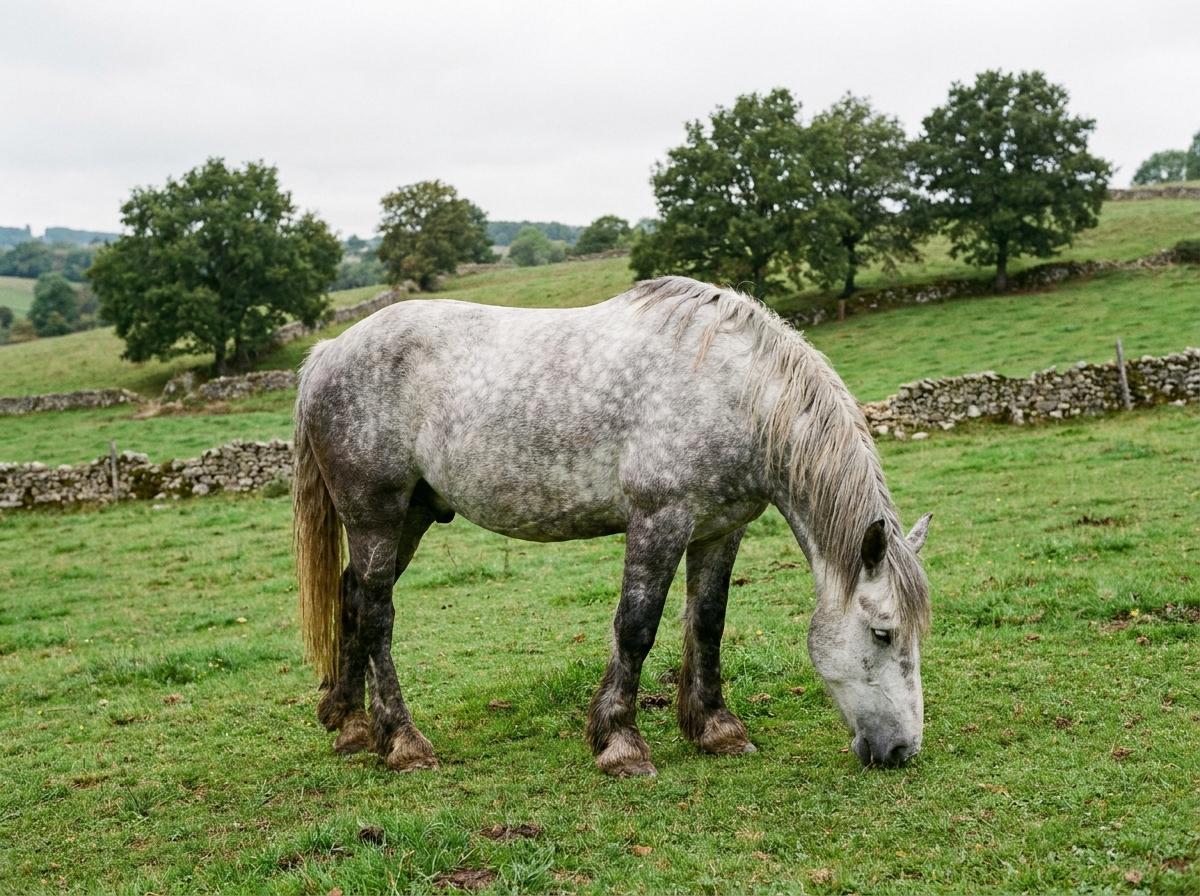
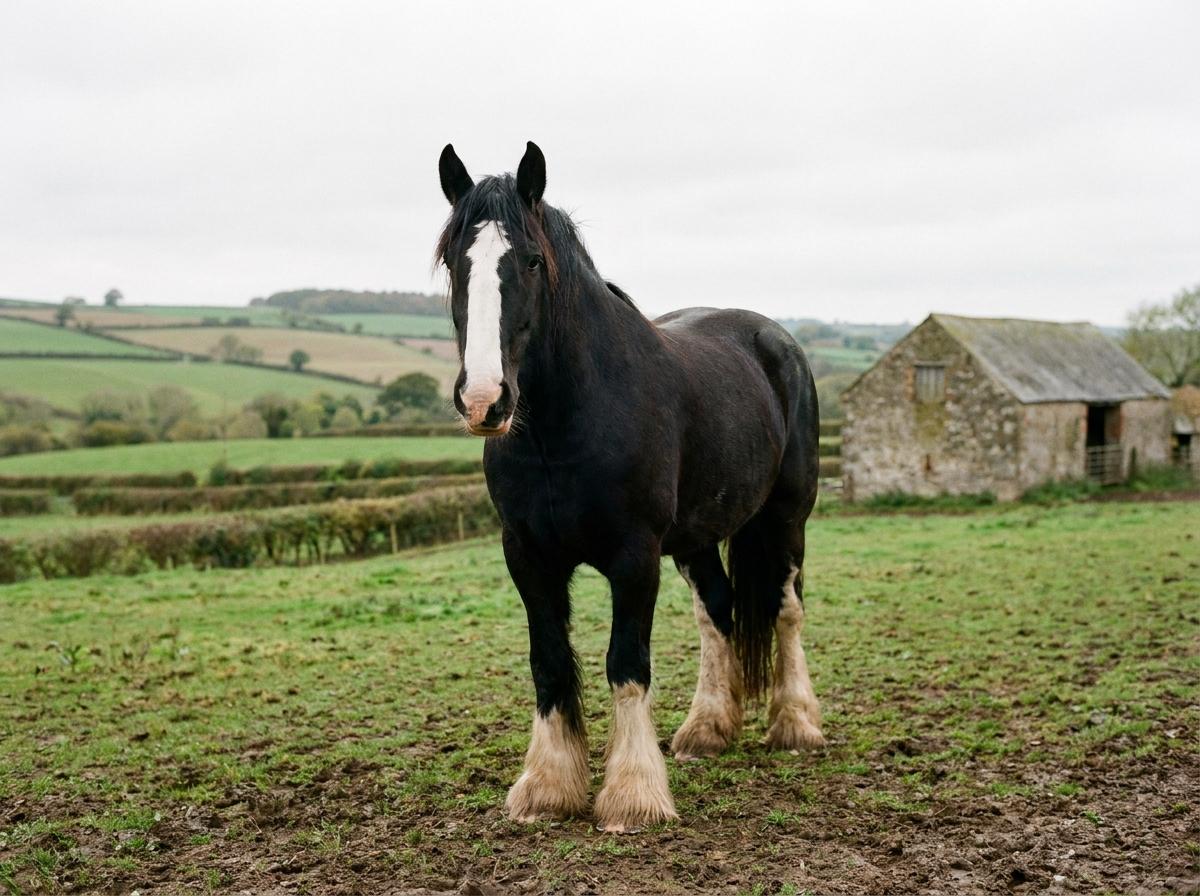
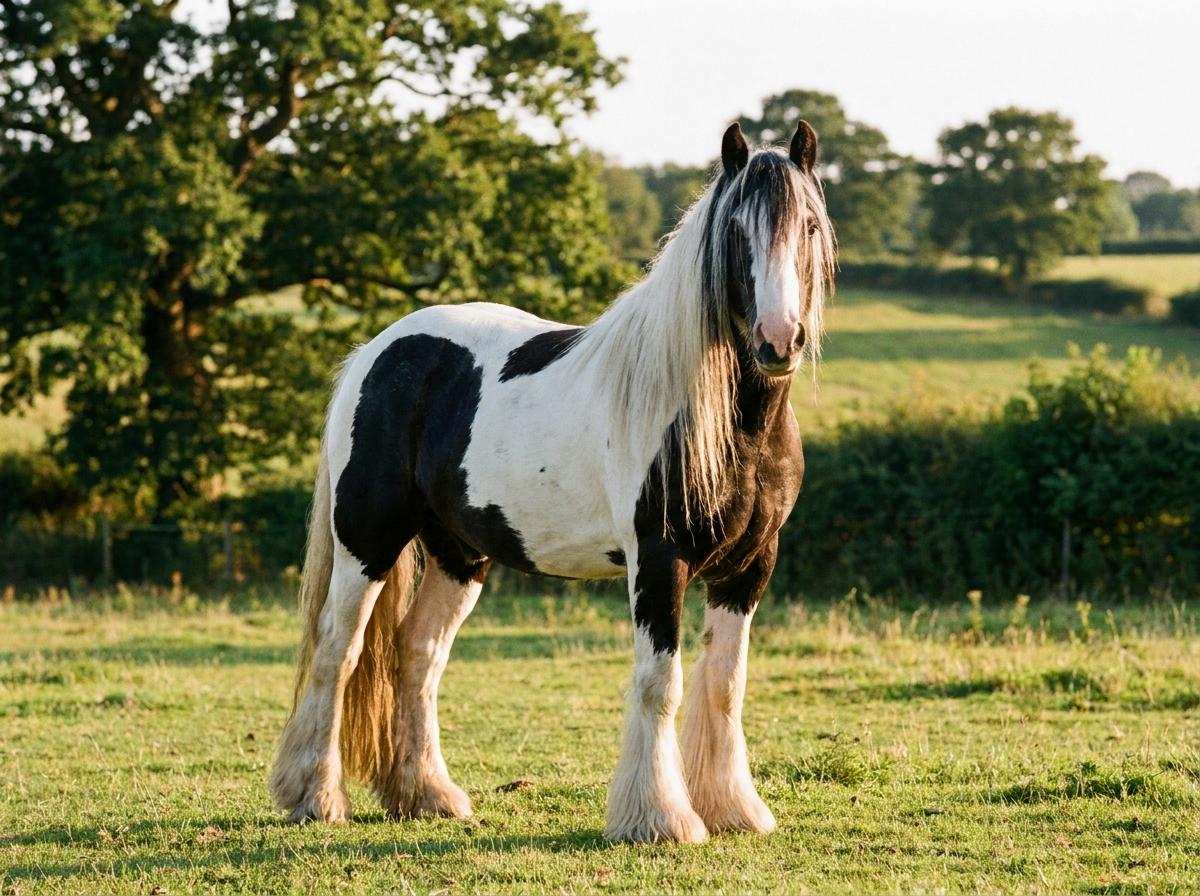
The Gypsy horse is the cob-type horse developed by Romani and Traveller communities in Britain and Ireland to pull living wagons and family carts. It is also known as the Gypsy Cob, Traditional Cob, or Irish Cob, with naming and height rules varying by registry and country. Typical horses are compact, broad, and short-coupled, with a strong neck, substantial bone, abundant mane and tail, and feather on the lower legs. Piebald and skewbald coats are common and widely recognized, although solid-colored animals occur in traditional lines.
Modern Gypsy horses are kept for driving, recreational riding, showing, therapy programs, and small-farm use. Their calm reputation should not replace basic evaluation, since training and handling history make a large difference in any cob. Feathered legs need routine checking for mud, mites, and skin irritation, and many individuals gain weight easily on rich pasture. Buyers should compare registry standards, mature height, and type before purchasing, as some lines are heavier and more draft-influenced while others are lighter riding cobs.
Colors: Amber Champagne, Bay, Bay Dun, Bay Roan, Black, Blanket Appaloosa, Blue Roan, Brown, Buckskin, Champagne, Chestnut, Classic Champagne, Cremello, Dun, Dun Roan, Fewspot Appaloosa, Flaxen Chestnut, Frame Overo, Gold Champagne, Gray, Grey, Grullo, Leopard Appaloosa, Liver Chestnut, Overo, Palomino, Perlino, Piebald, Pinto, Rabicano, Red Dun, Red Roan, Roan, Sabino, Seal Bay, Silver Dapple, Skewbald, Smoky Black, Smoky Cream, Snowcap Appaloosa, Sorrel, Splash White, Tobiano, Tovero, Varnish Roan, White