



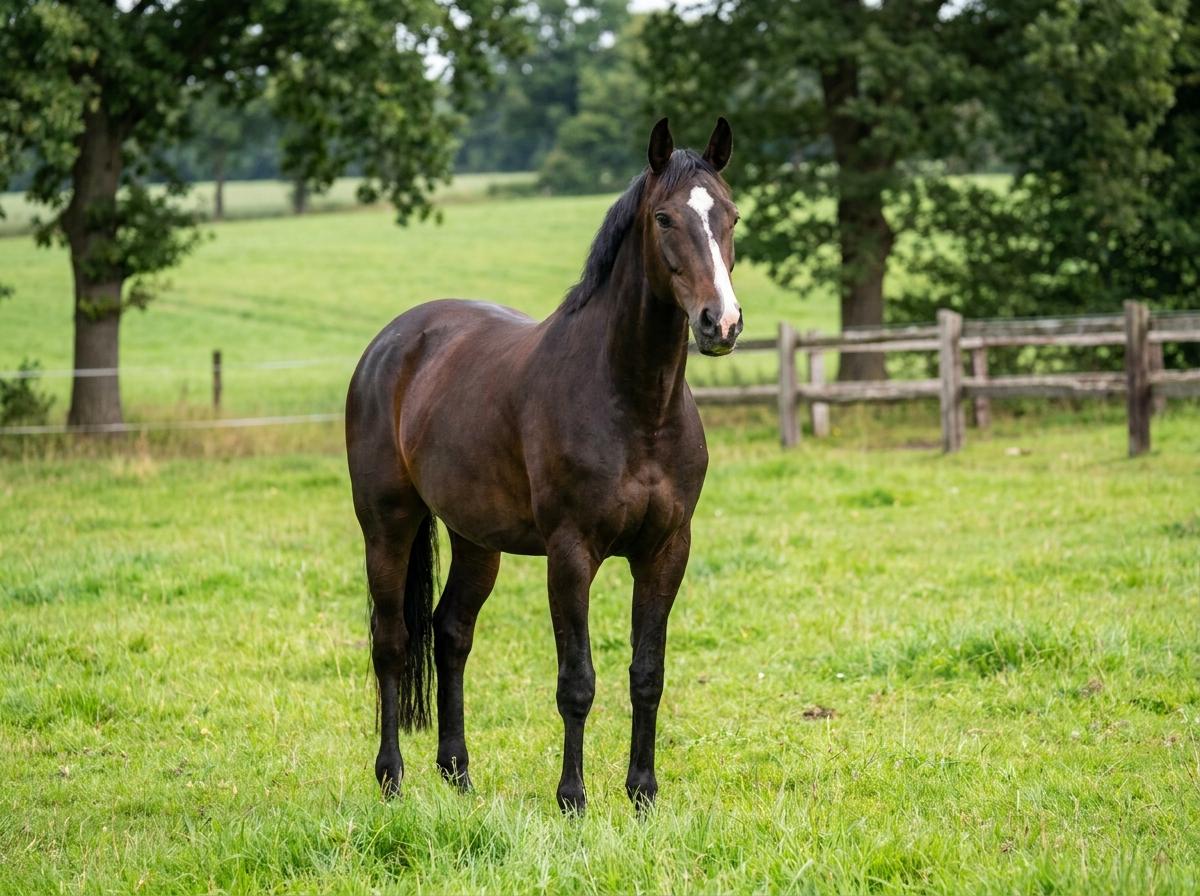
Hanoverian
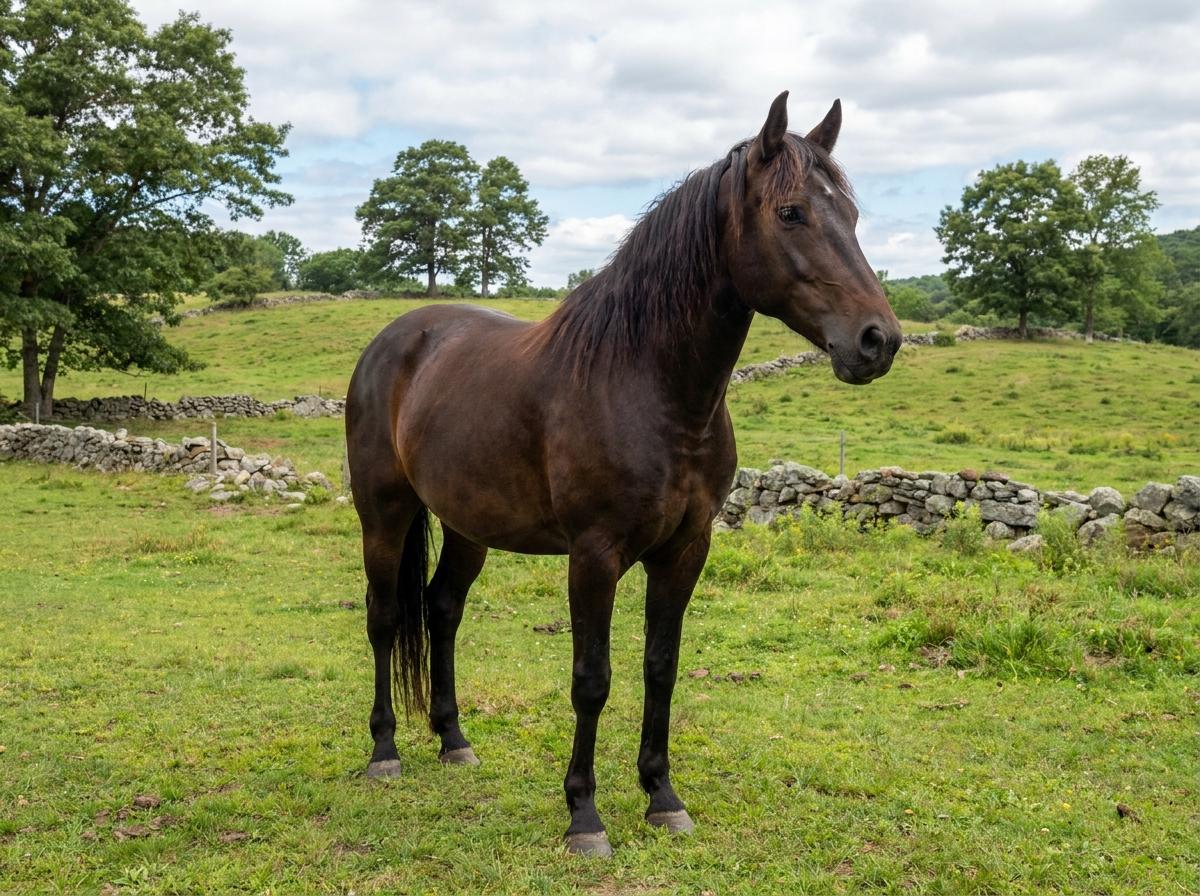
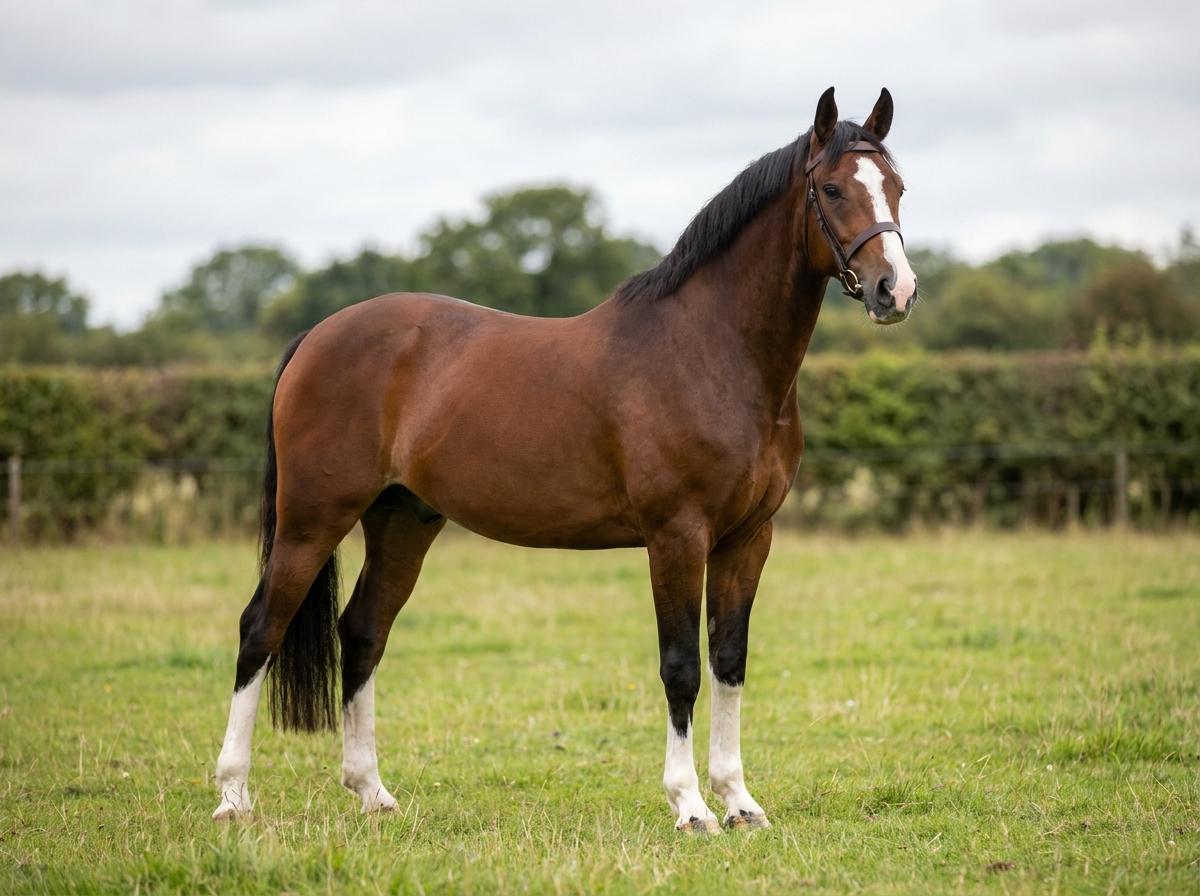
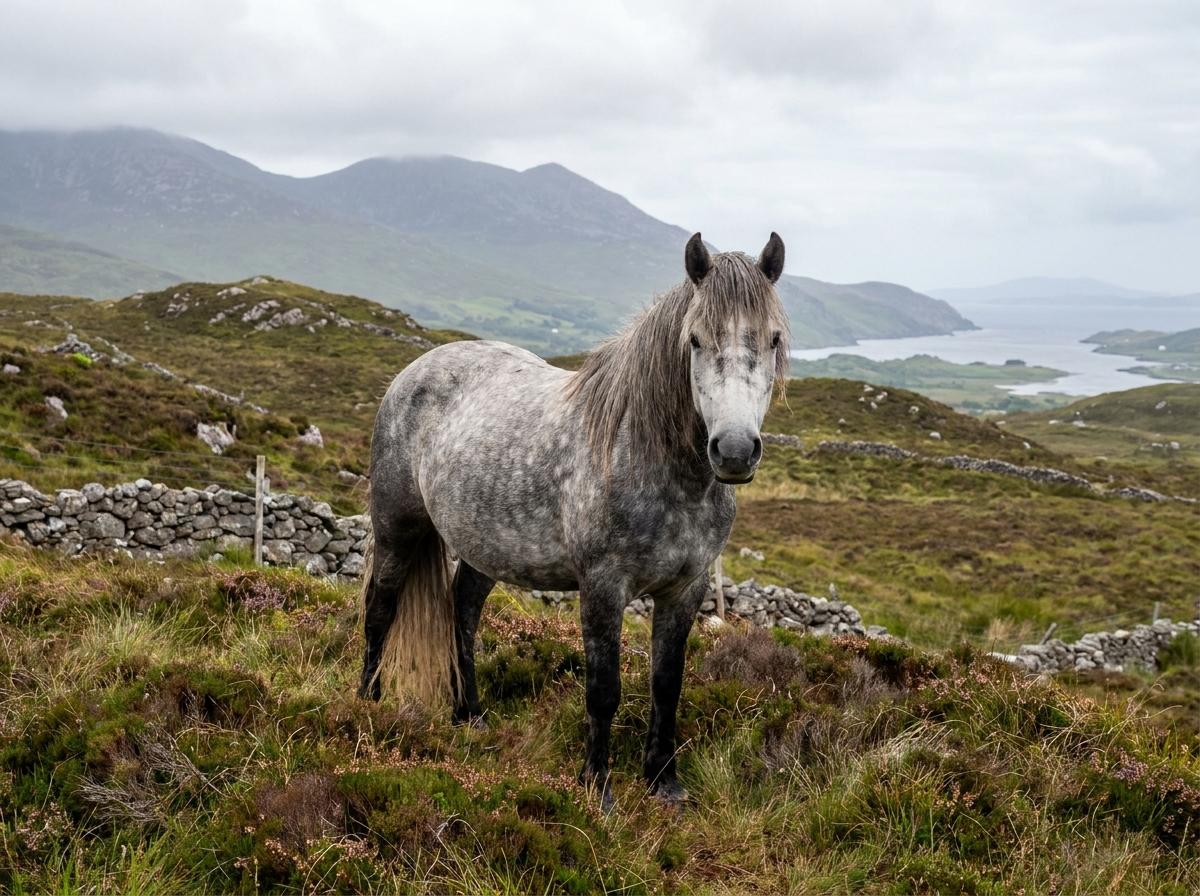
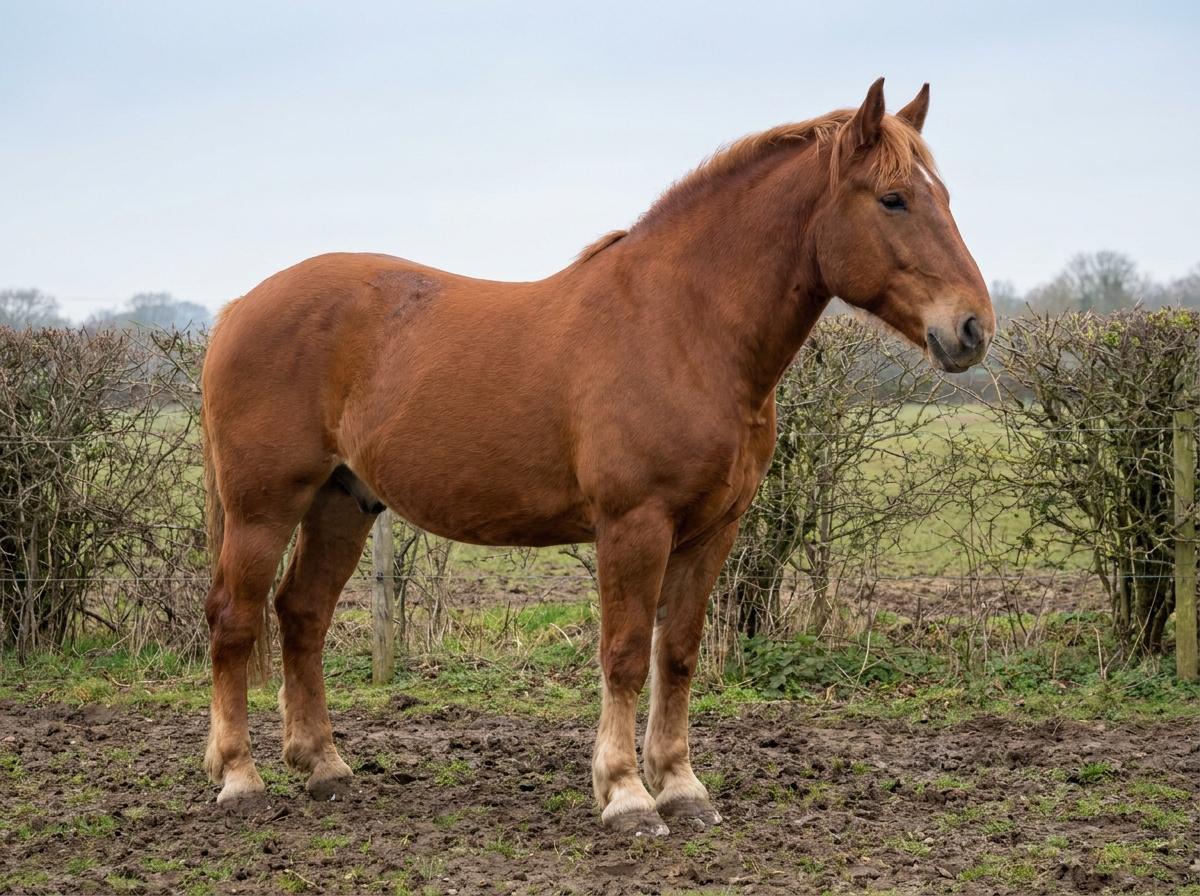
The Hanoverian is a German warmblood from Lower Saxony, rooted in the state breeding system around Celle and the old coach, cavalry, and farm horses of the Hanover region. After agriculture became less important, breeders refined the population with Thoroughbred, Trakehner, and other sport-horse influence while retaining substance and rideability. Modern Hanoverians are large athletic horses, often bay, chestnut, black, or gray, with strong hindquarters, expressive gaits, and a reputation in dressage, show jumping, and eventing.
A Hanoverian is usually managed as a performance horse rather than a low-maintenance pasture ornament. Young horses need time to grow, develop strength, and learn balance before hard work begins. Saddle fit, hoof care, conditioning, and attention to joints and backs are part of responsible ownership. The Hanoverian system uses inspections and performance information to guide breeding, so buyers often look beyond a famous pedigree and ask whether the individual horse's temperament, movement, and veterinary exam suit the intended rider or discipline.
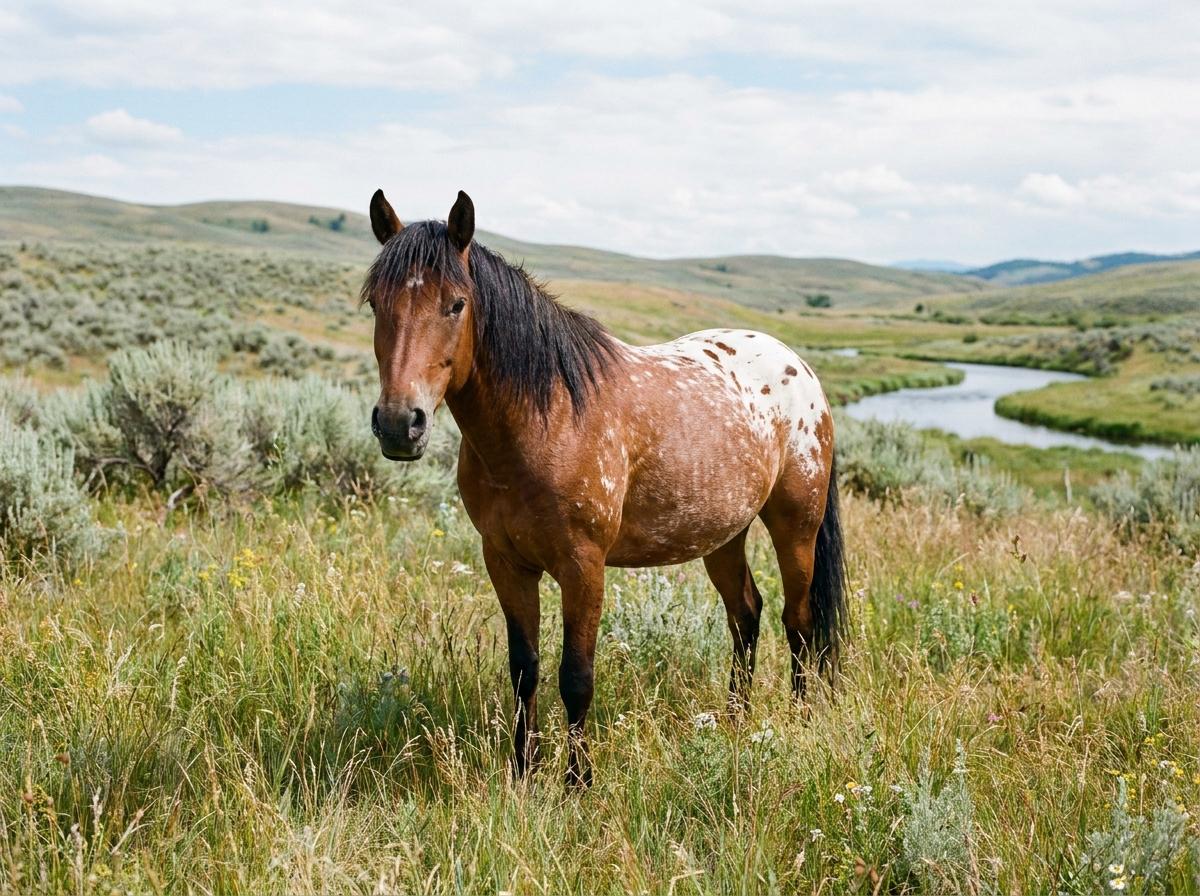
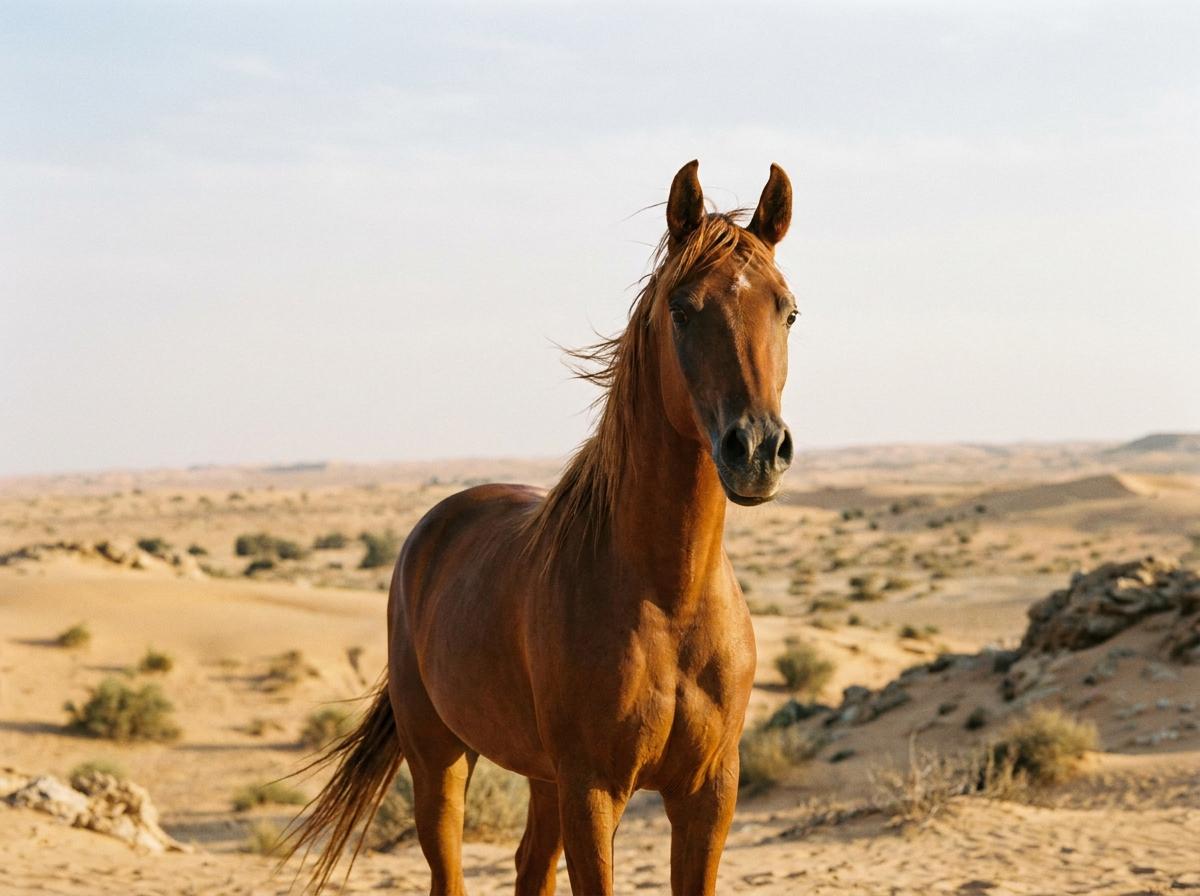
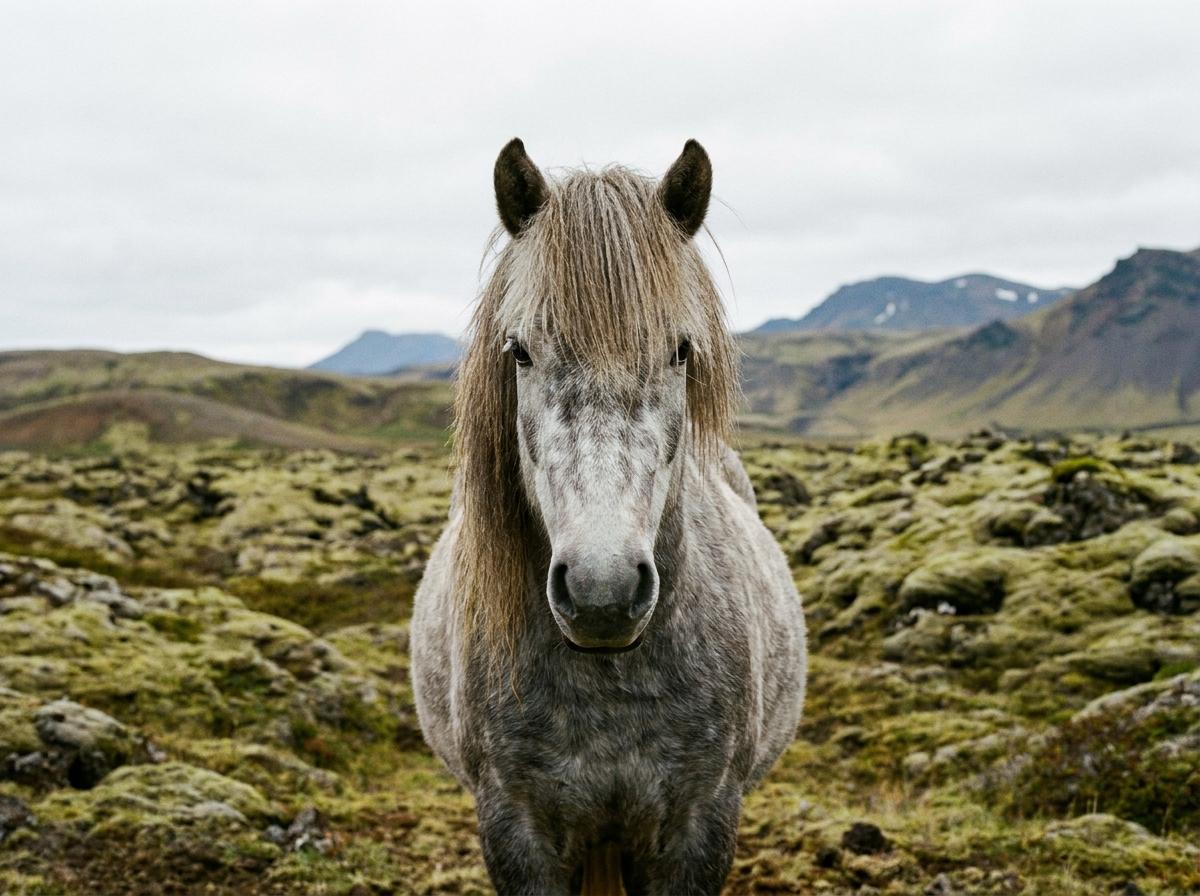
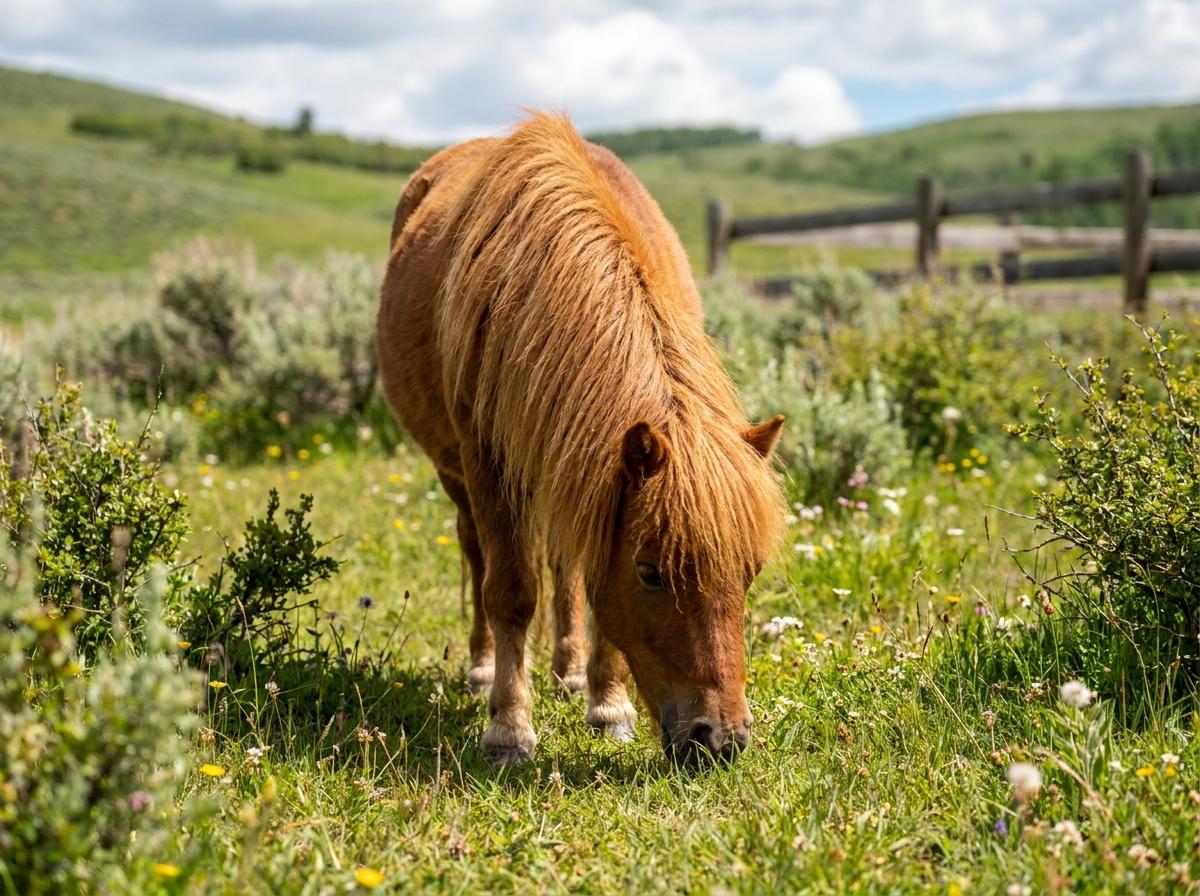
Colors: Amber Champagne, Bay, Bay Dun, Bay Roan, Black, Blanket Appaloosa, Blue Roan, Brown, Buckskin, Champagne, Chestnut, Classic Champagne, Cremello, Dun, Dun Roan, Fewspot Appaloosa, Flaxen Chestnut, Frame Overo, Gold Champagne, Gray, Grullo, Leopard Appaloosa, Liver Chestnut, Overo, Palomino, Perlino, Piebald, Pinto, Rabicano, Red Dun, Red Roan, Roan, Sabino, Seal Bay, Silver Dapple, Skewbald, Smoky Black, Smoky Cream, Snowcap Appaloosa, Sorrel, Splash White, Tobiano, Tovero, Varnish Roan, White