

Hequ Horse
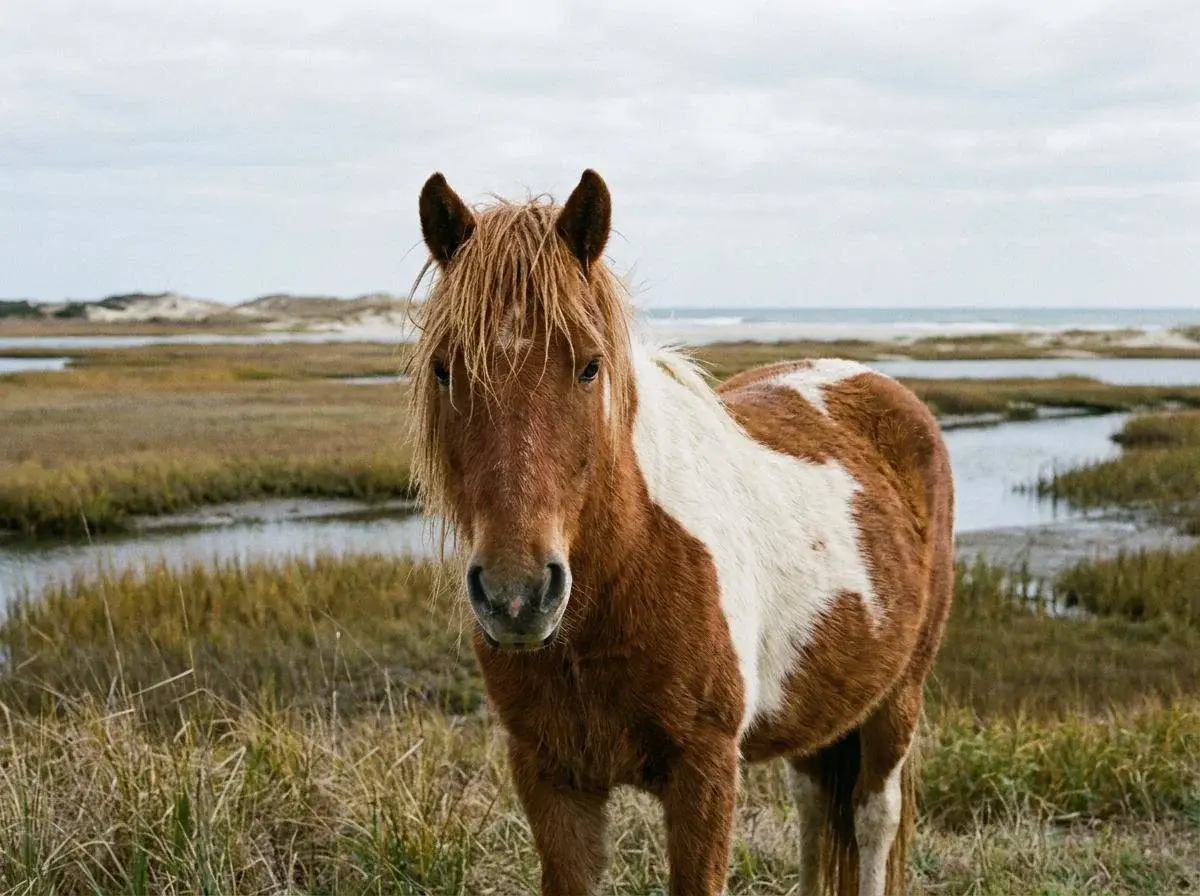
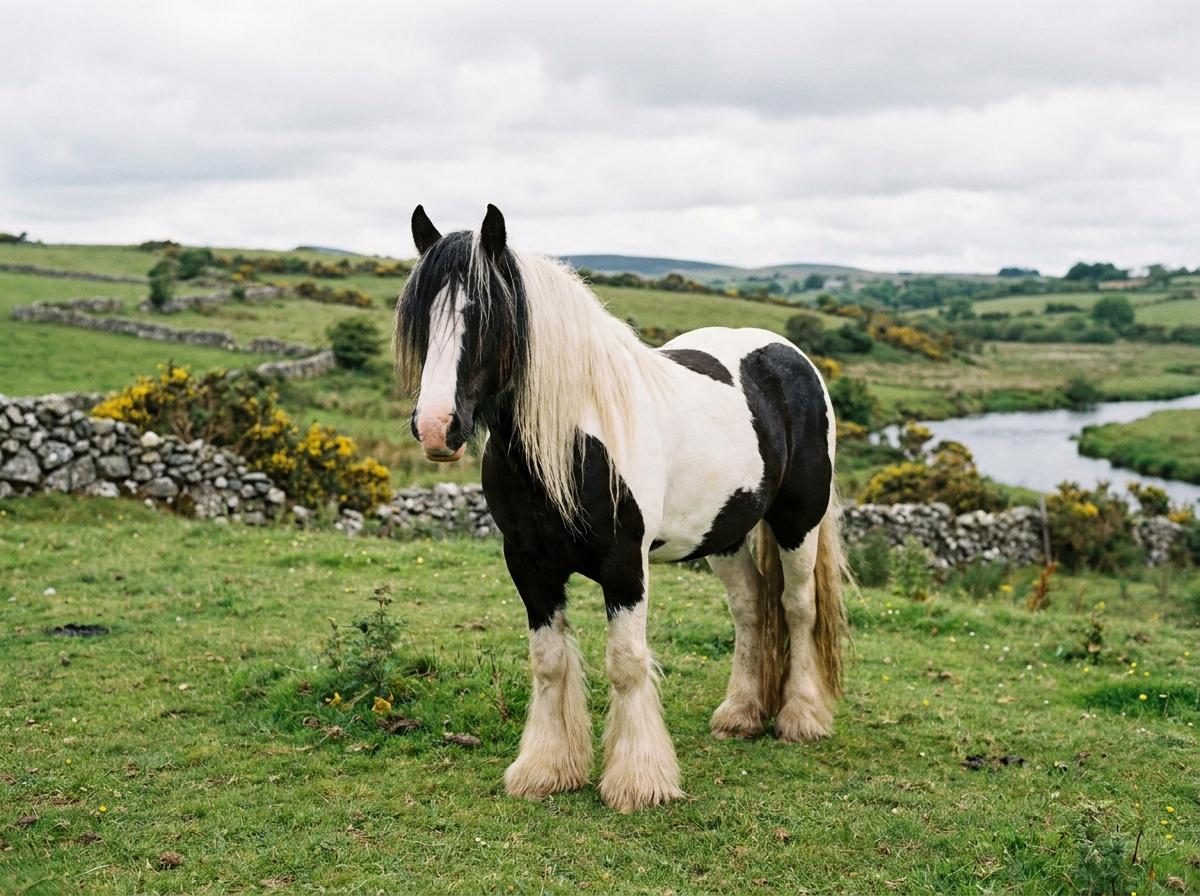
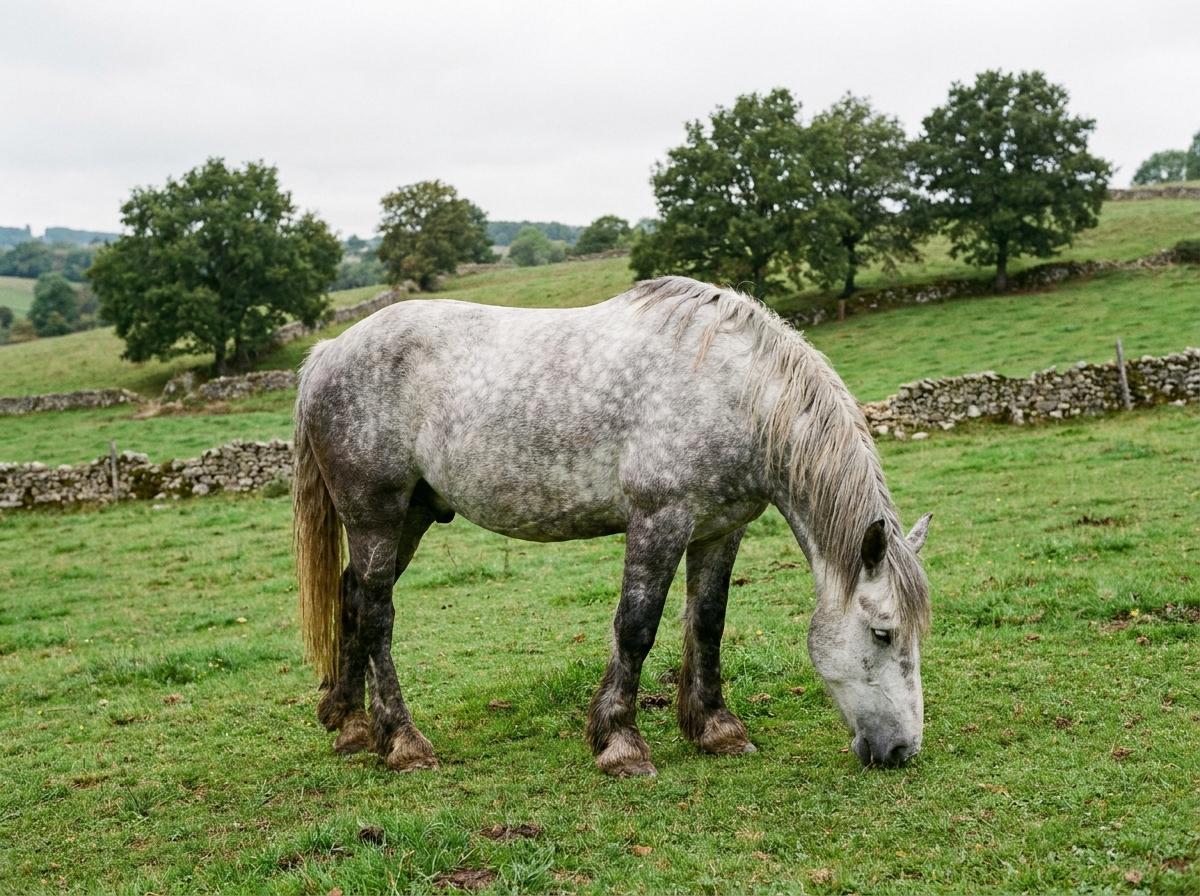
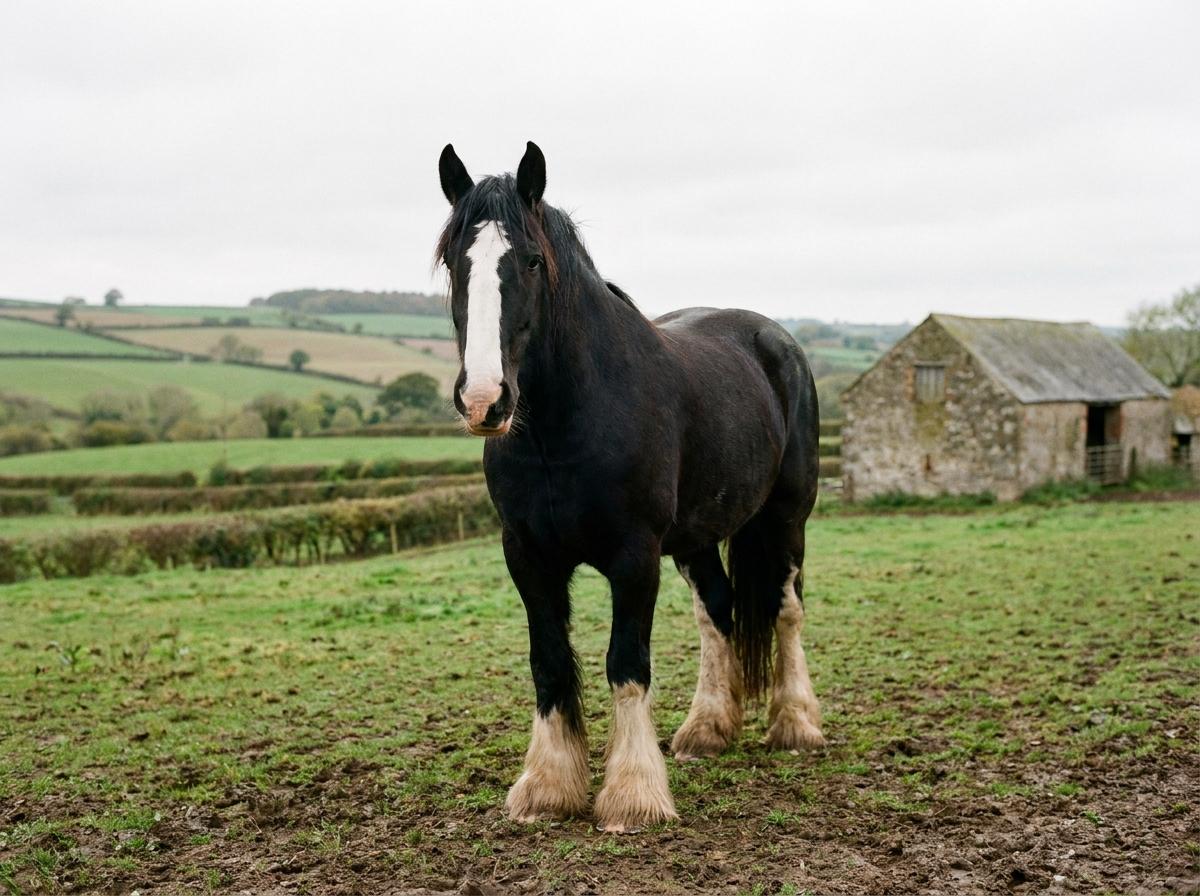
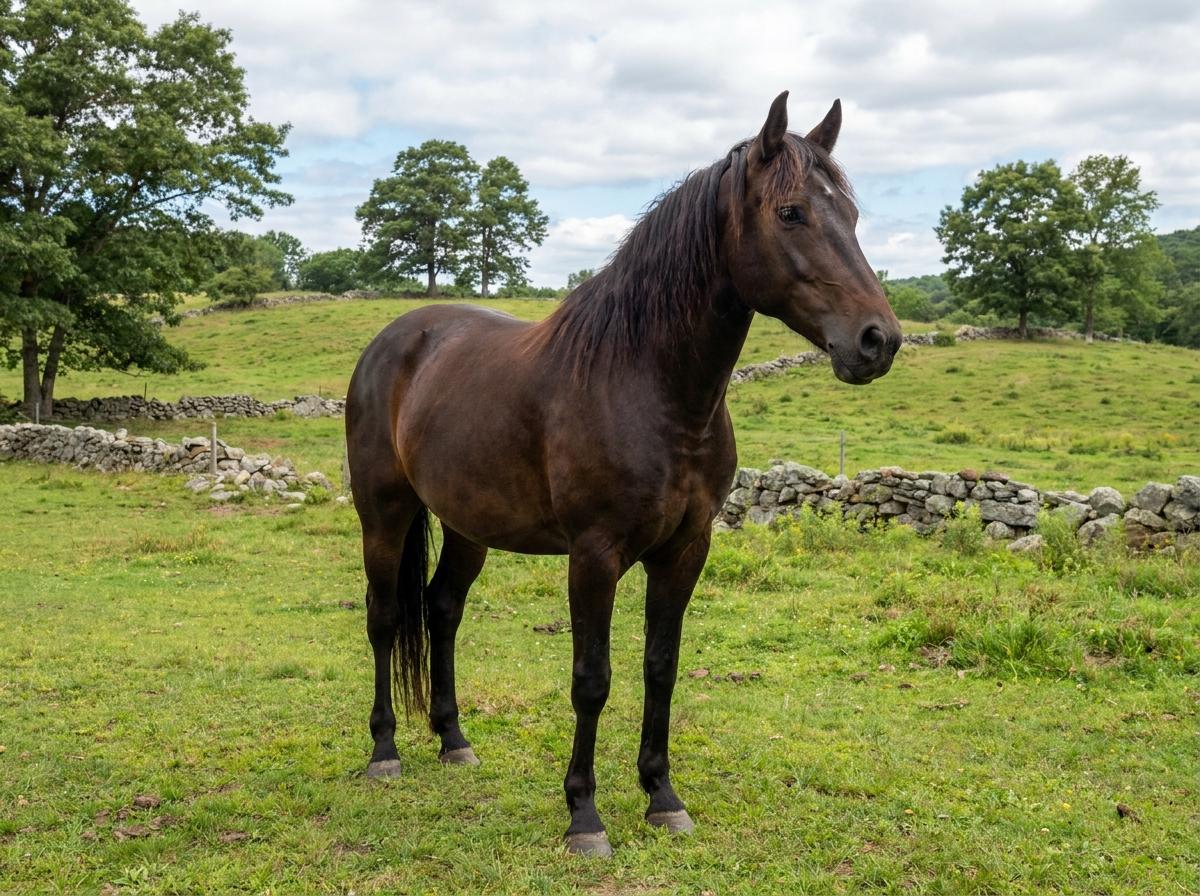
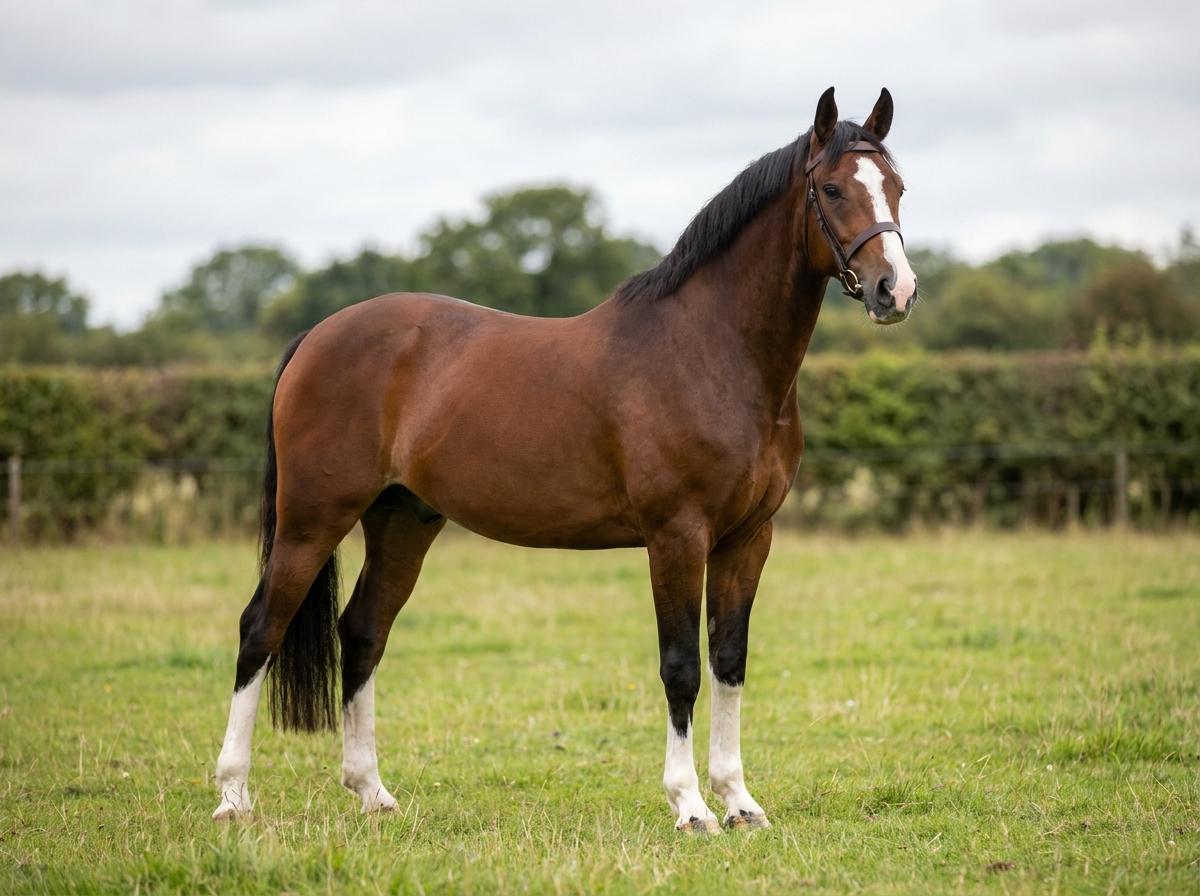
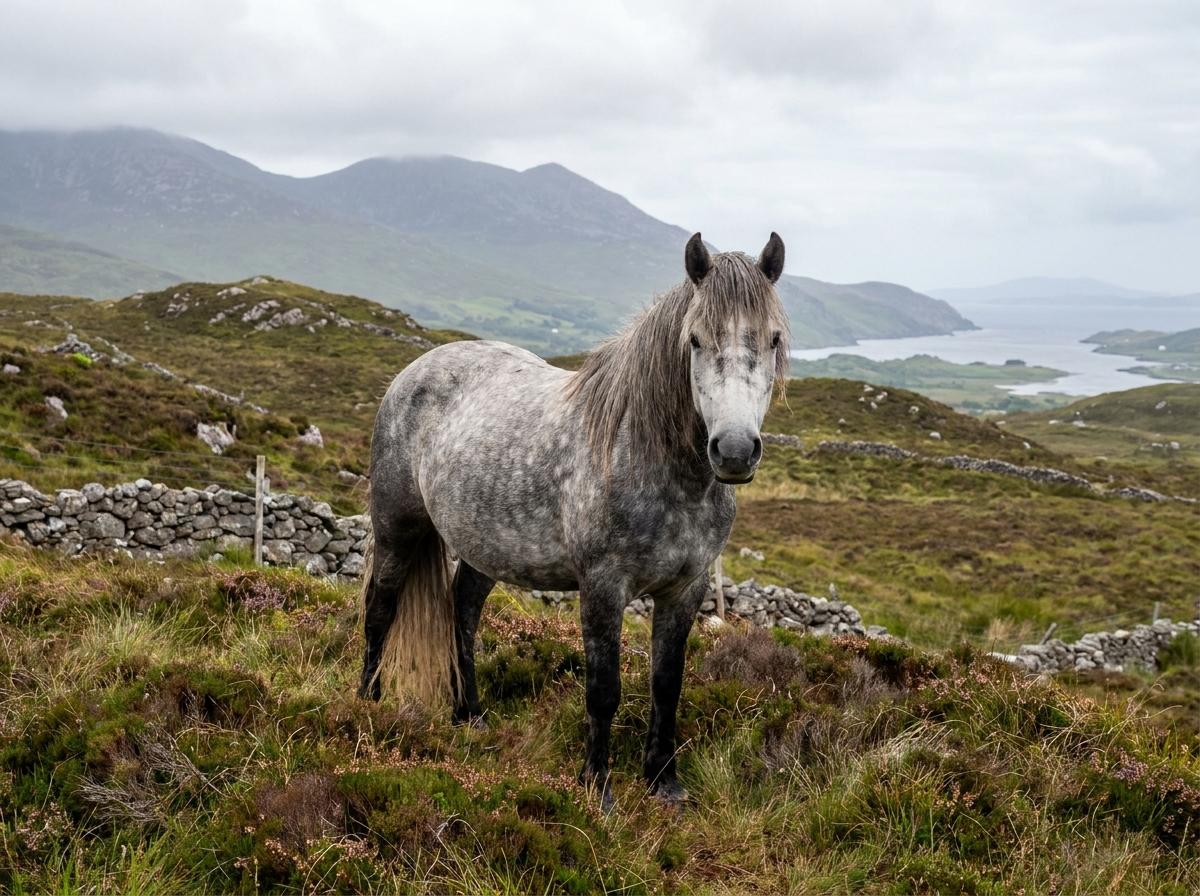
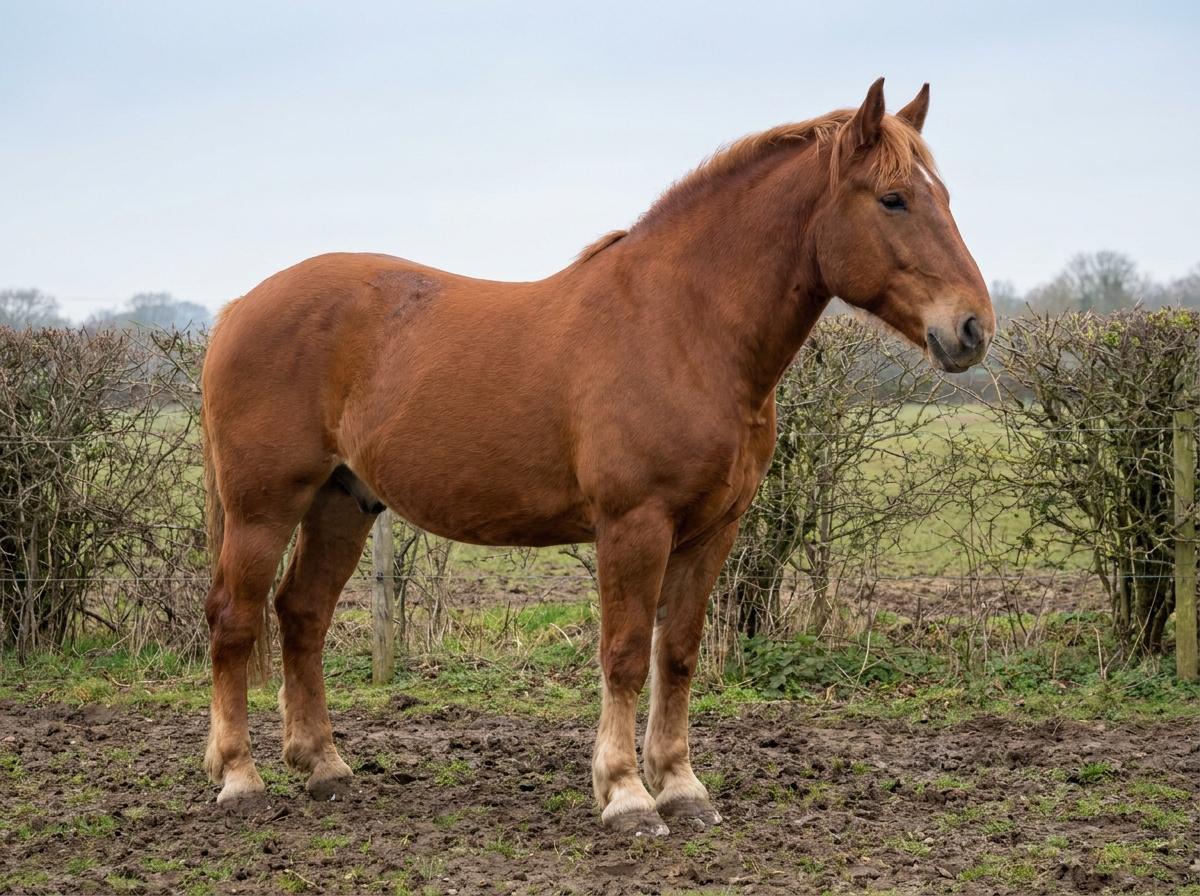
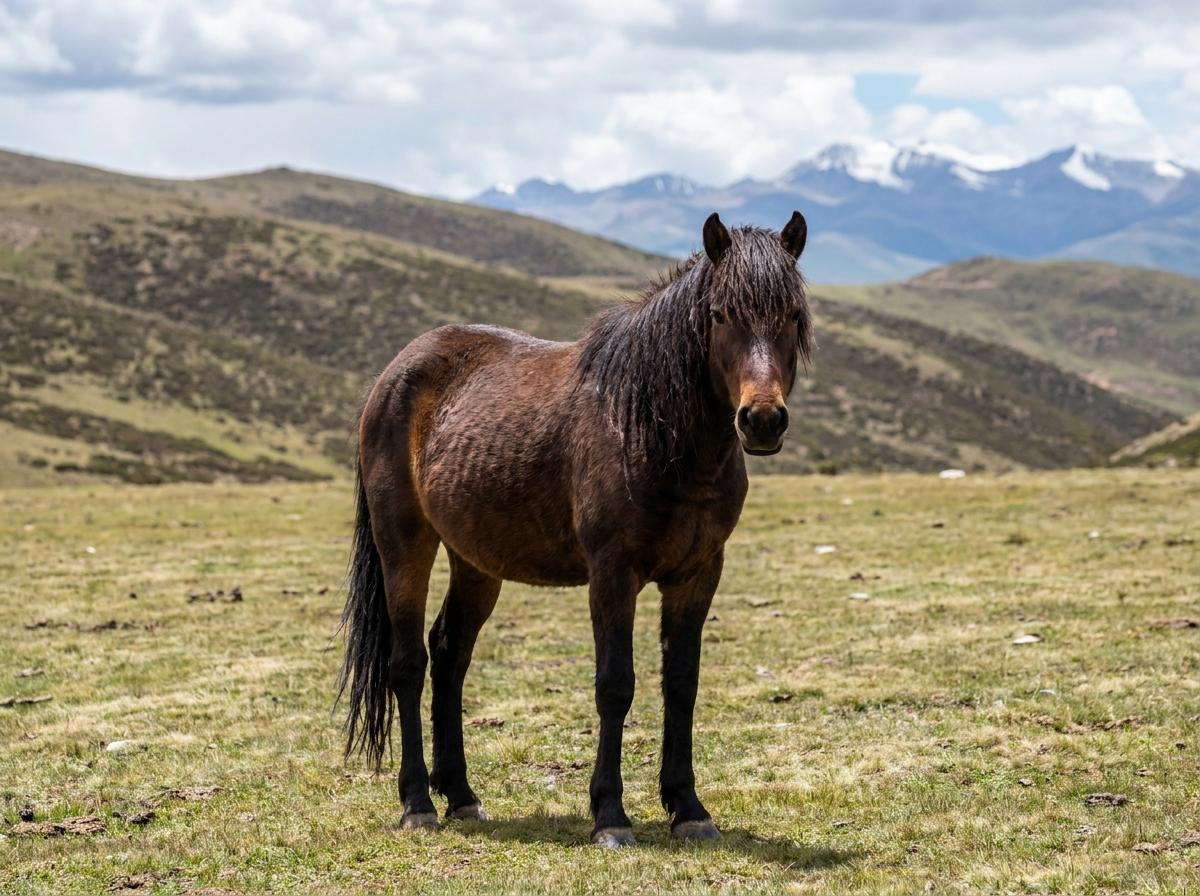
The Hequ horse is an indigenous Chinese horse from the upper Yellow River region, where Gansu, Qinghai, and Sichuan meet on the northeastern Tibetan Plateau. Its name is associated with the great bend of the Huang He, or Yellow River. Hequ horses are among the larger and stronger plateau horse types, with a sturdy body, hard feet, dense coat, and the endurance needed for high-altitude pastoral life. They have long served local Tibetan and neighboring communities for riding, packing, herding, and light draft work.
Traditional Hequ management is based on open grassland, seasonal forage, and horses that can cope with cold, wind, and thin air. When kept in lower-altitude farms or riding programs, they may need a gradual change in feed and workload rather than a sudden move onto rich pasture and heavy grain. Handling can reflect range upbringing, so quiet, consistent training is more useful than assuming the horse is already domestically mannered. Conservation and breeding work in China is important because mechanization and changing pastoral economies can reduce demand for these regional working horses.
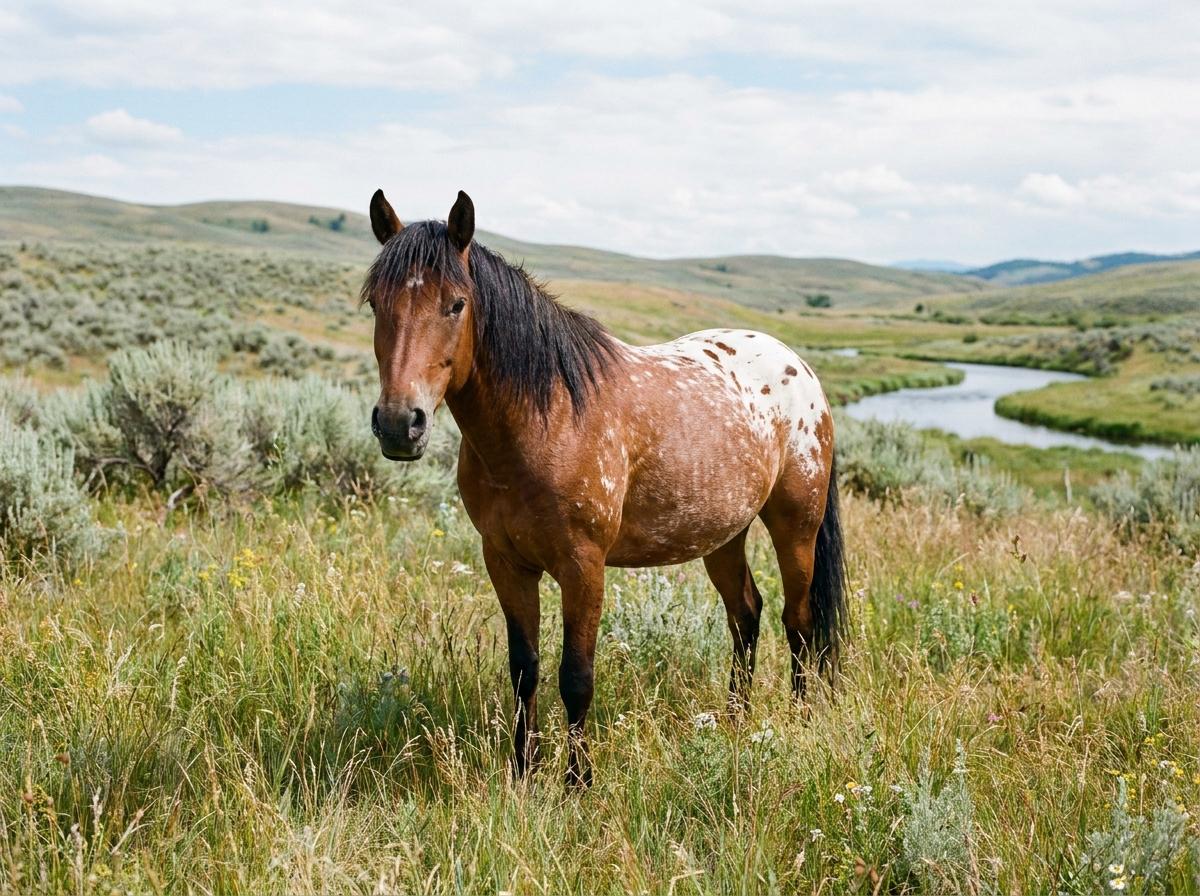
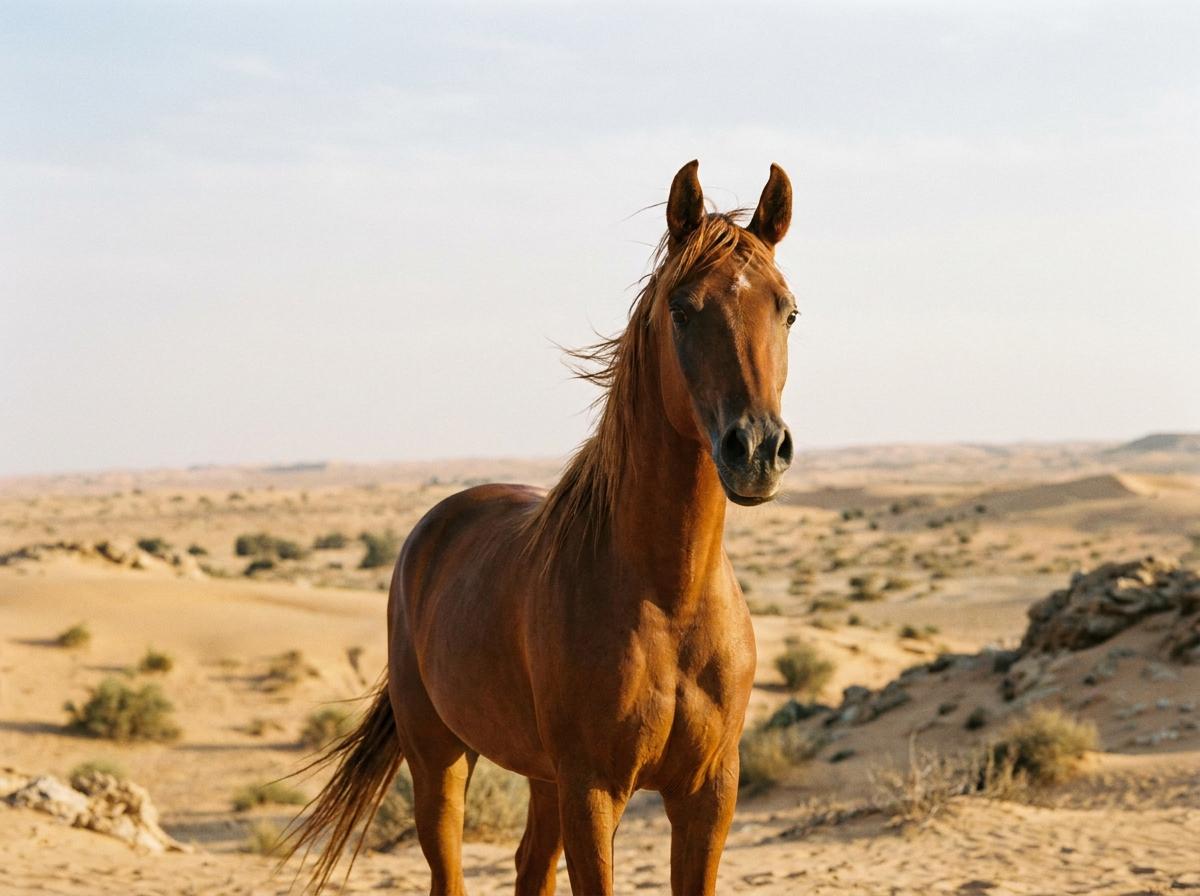
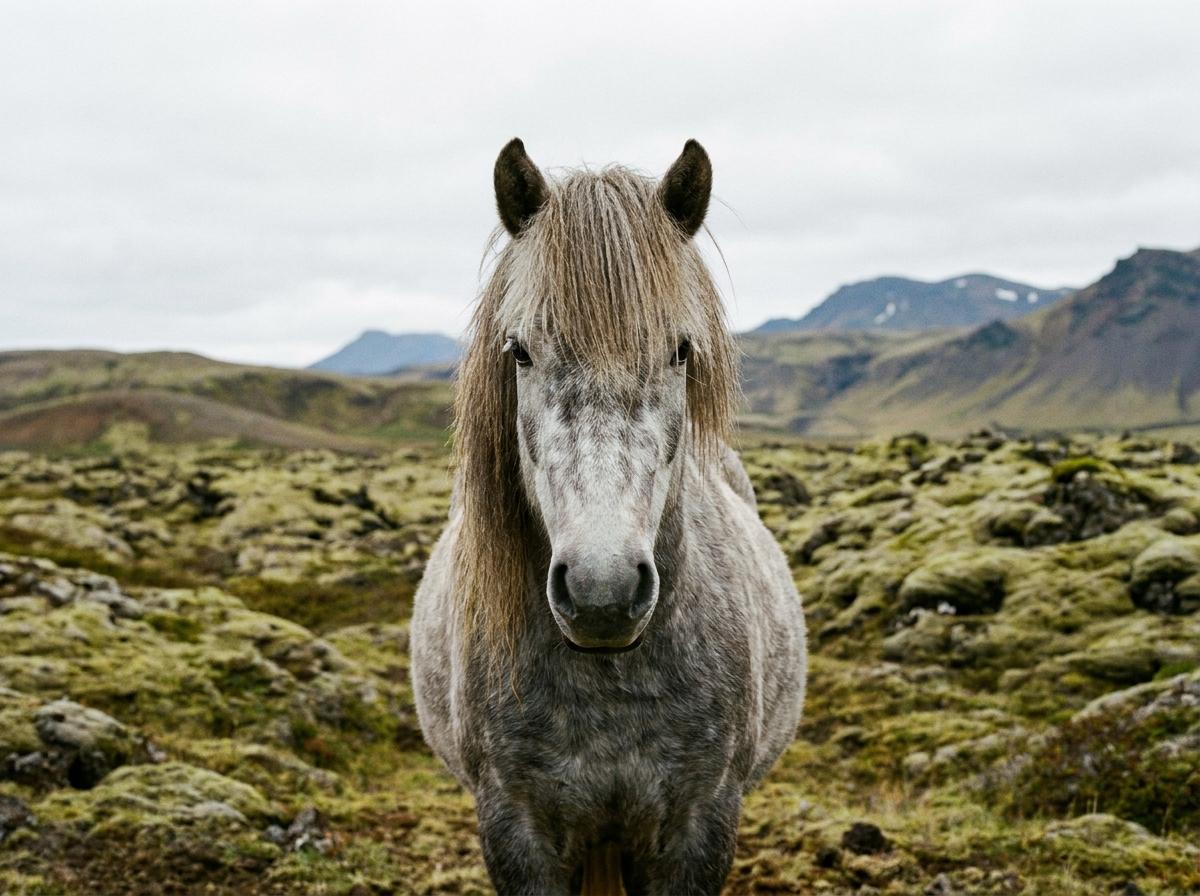
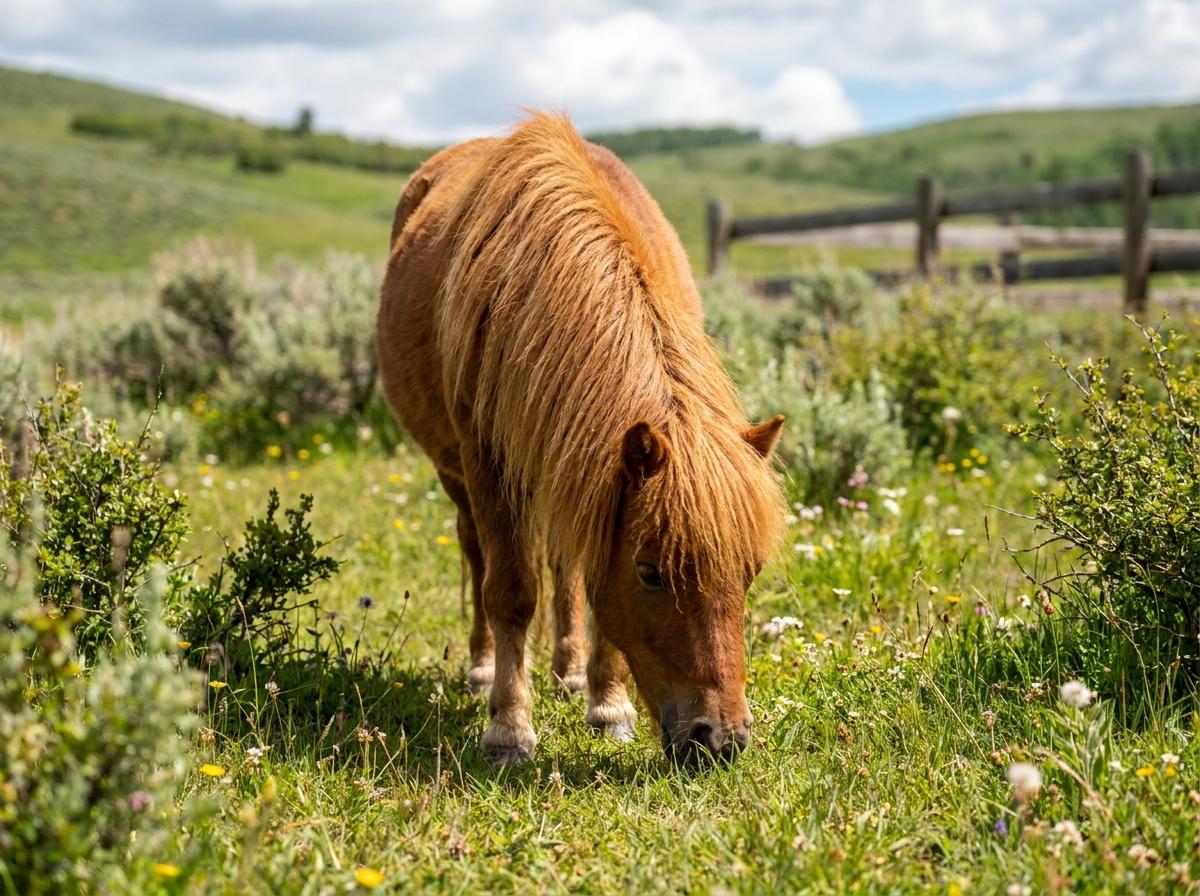
Colors: Amber Champagne, Bay, Bay Dun, Bay Roan, Black, Blanket Appaloosa, Blue Roan, Brown, Buckskin, Champagne, Chestnut, Classic Champagne, Cremello, Dun, Dun Roan, Fewspot Appaloosa, Flaxen Chestnut, Frame Overo, Gold Champagne, Gray, Grey, Grullo, Leopard Appaloosa, Liver Chestnut, Overo, Palomino, Perlino, Piebald, Pinto, Rabicano, Red Dun, Red Roan, Roan, Sabino, Seal Bay, Silver Dapple, Skewbald, Smoky Black, Smoky Cream, Snowcap Appaloosa, Sorrel, Splash White, Tobiano, Tovero, Varnish Roan, White