

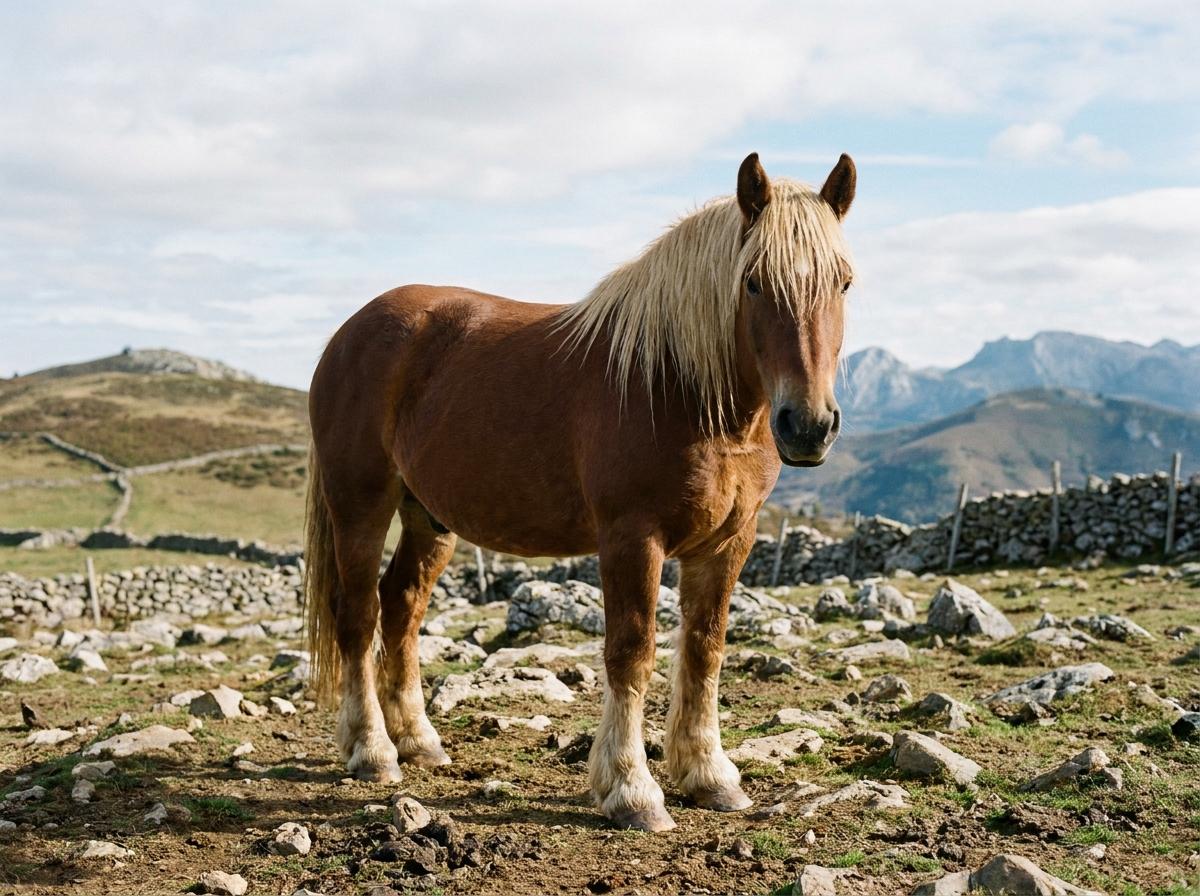
Hispano-Bretón
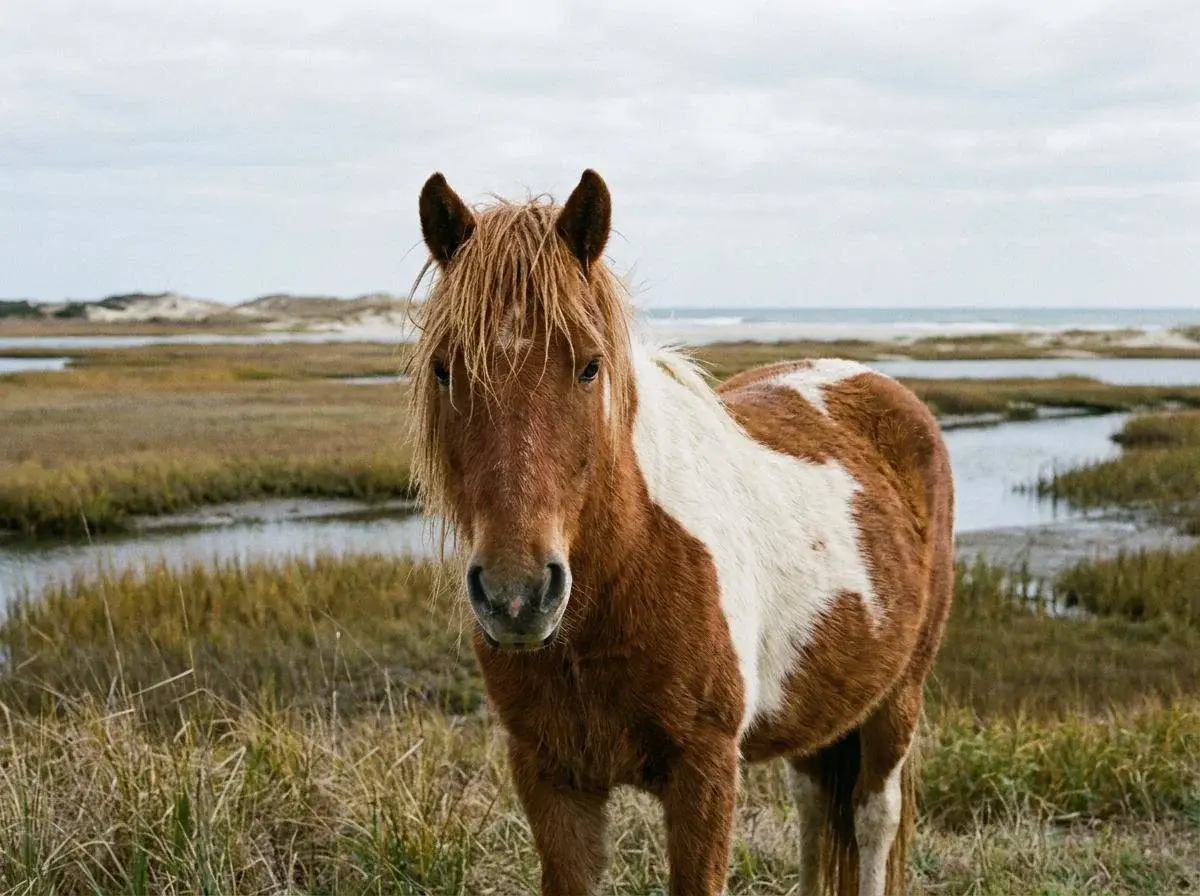
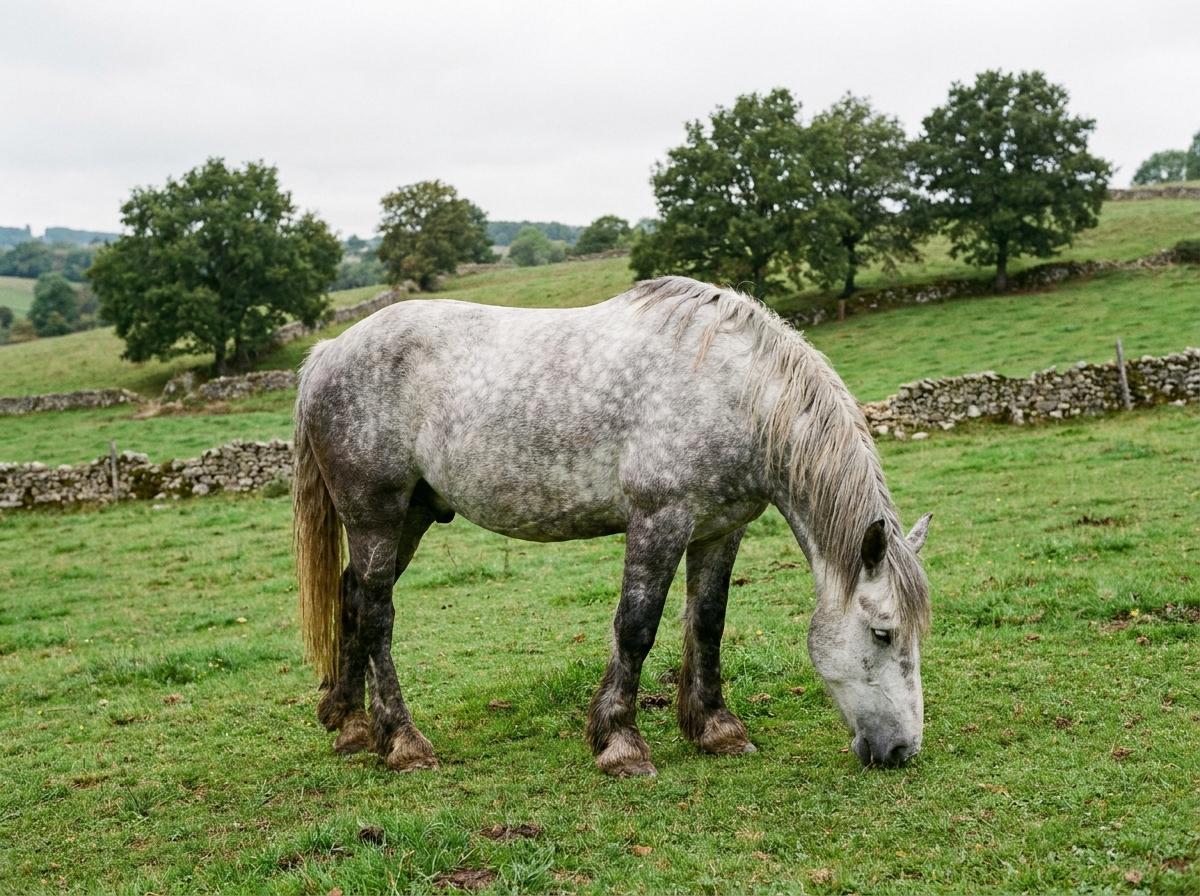
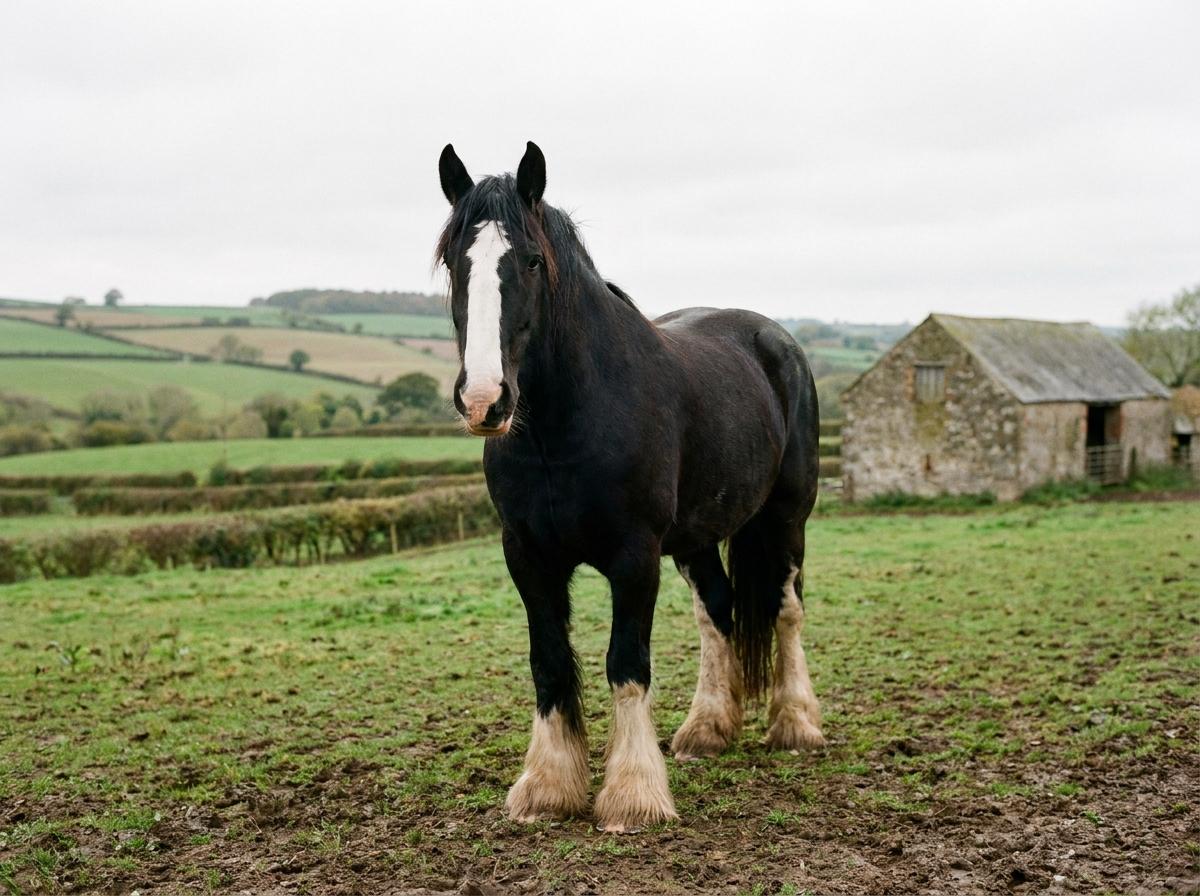
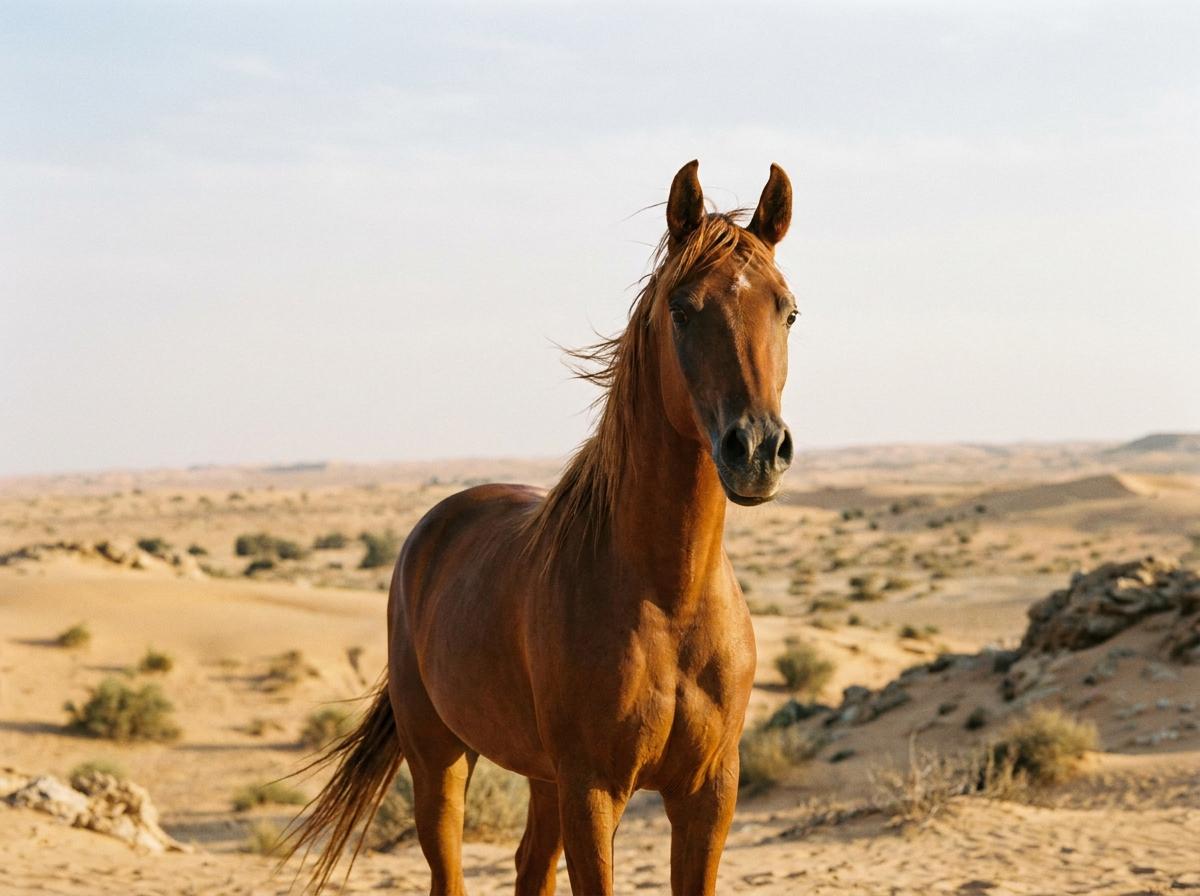
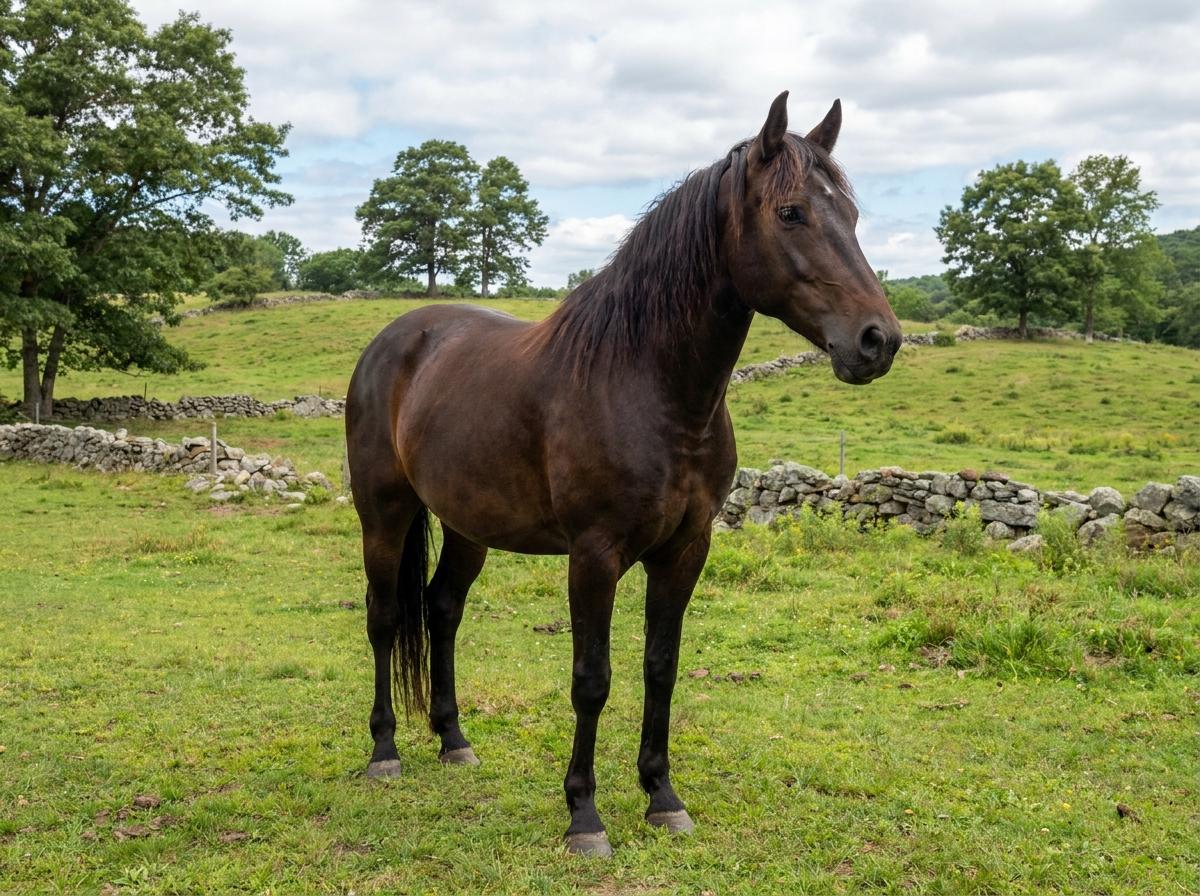
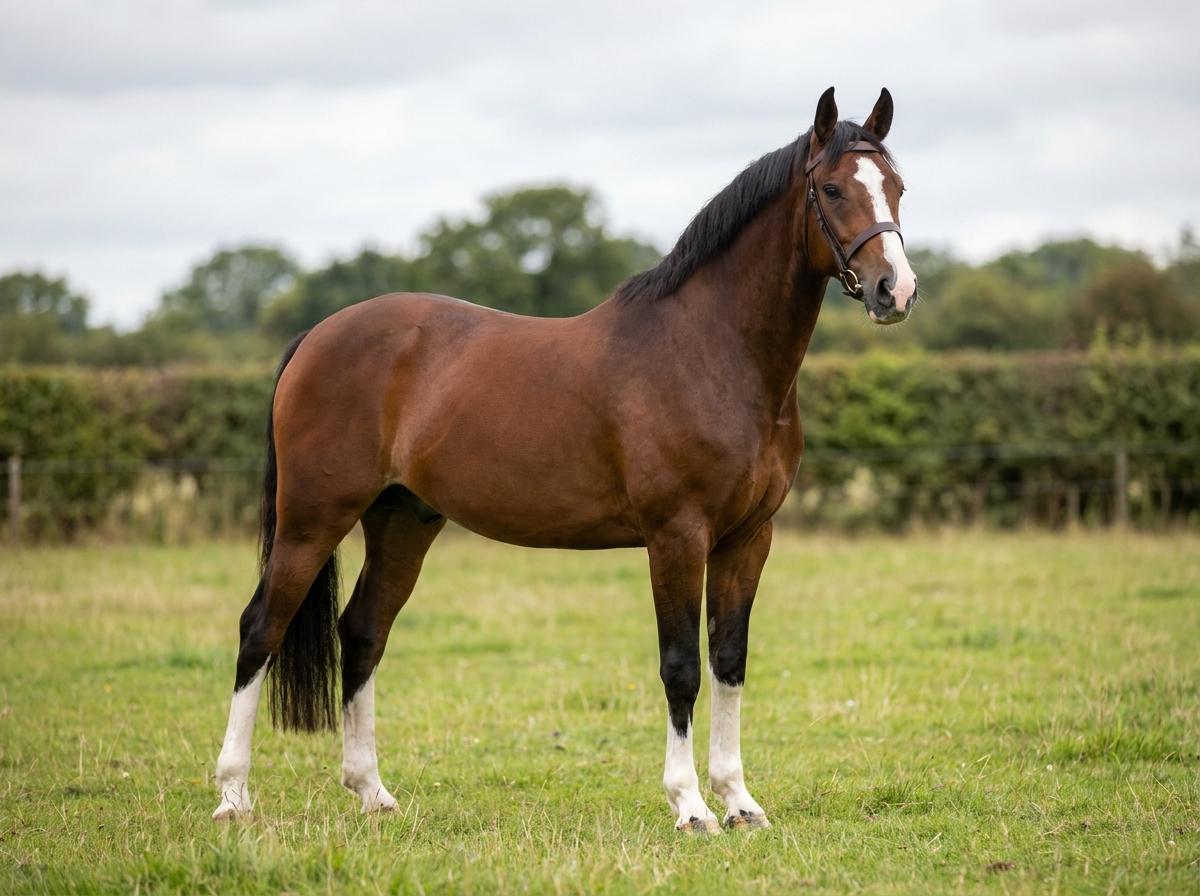
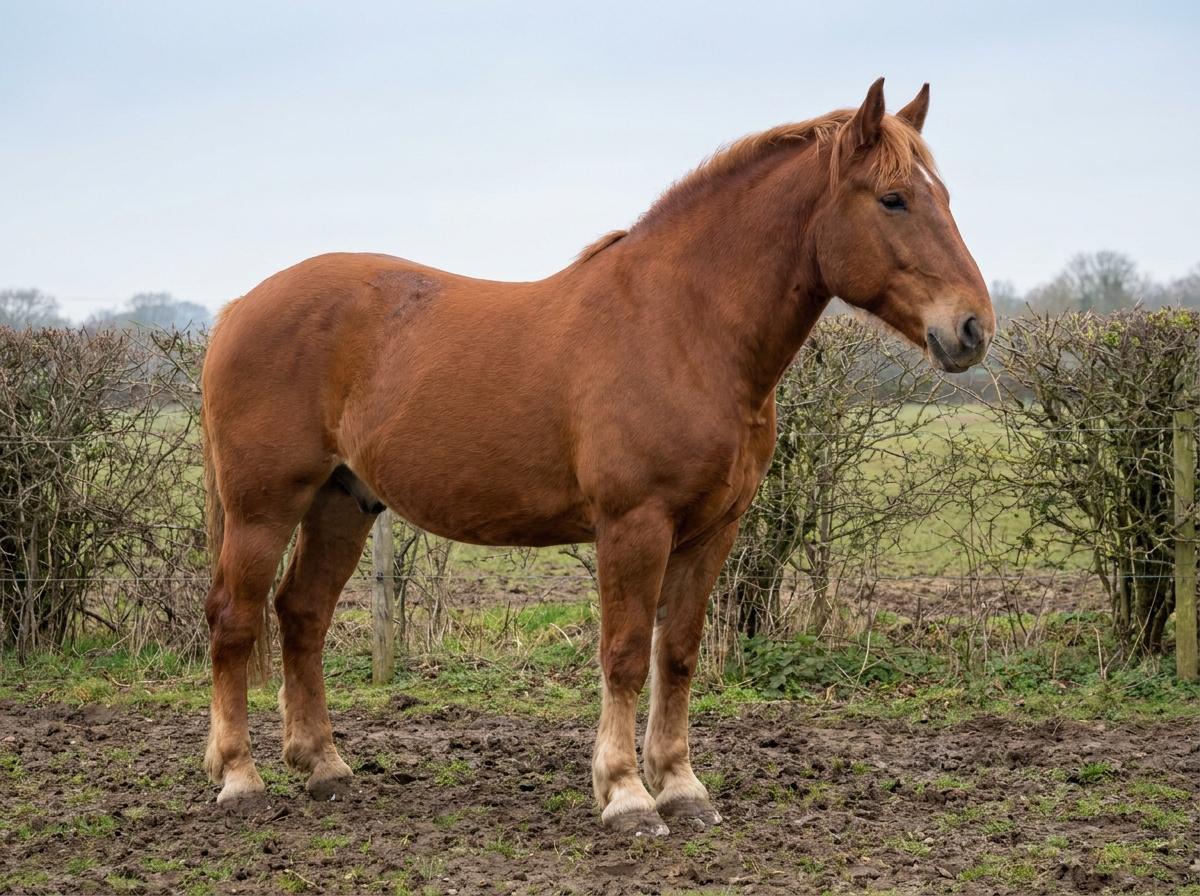
The Hispano-Bretón is a Spanish heavy horse developed mainly in northern mountain regions by crossing local mares with Breton draft influence. It is a broad, muscular horse with the substance expected of a small to medium draft animal, yet it was shaped for rugged uplands rather than flat lowland farm fields alone. The breed is often associated with meat production, agricultural work, and rural heritage, with chestnut and bay among the familiar colors in many populations.
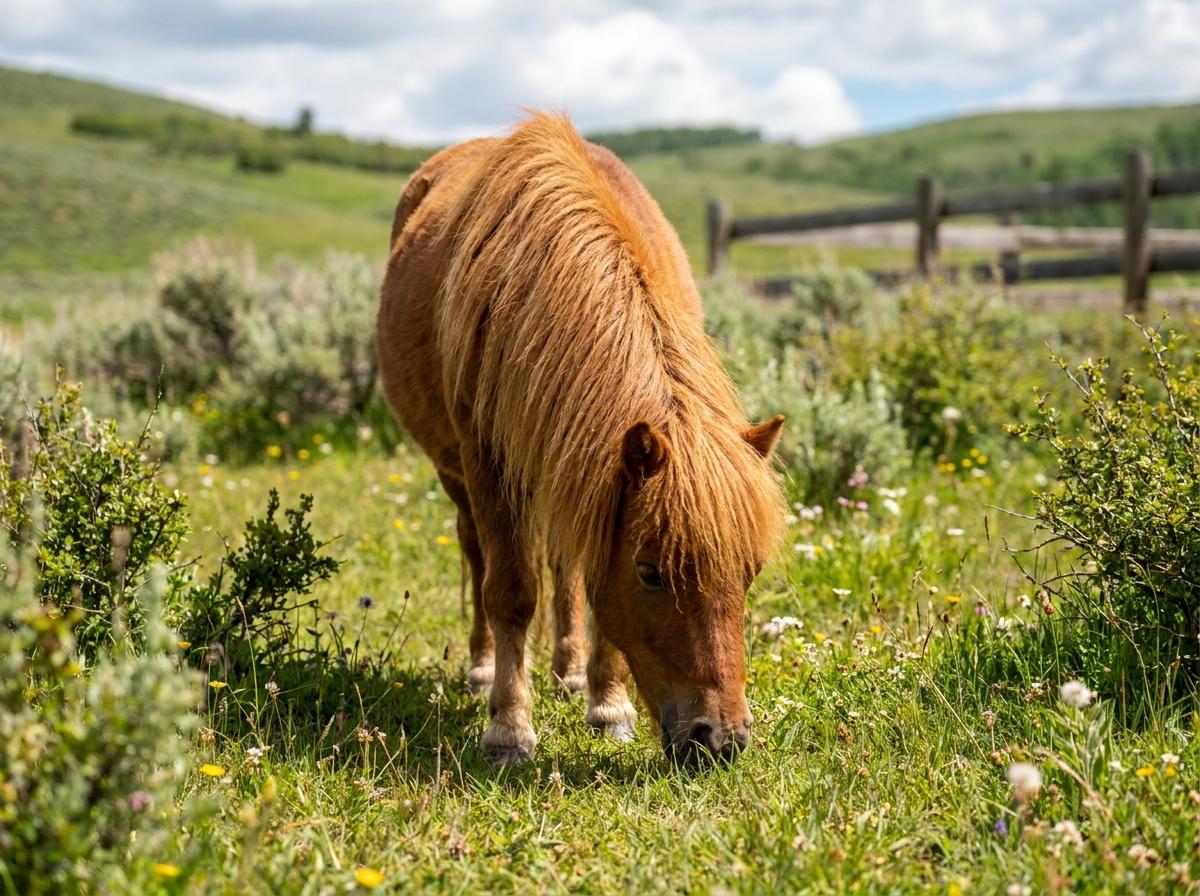
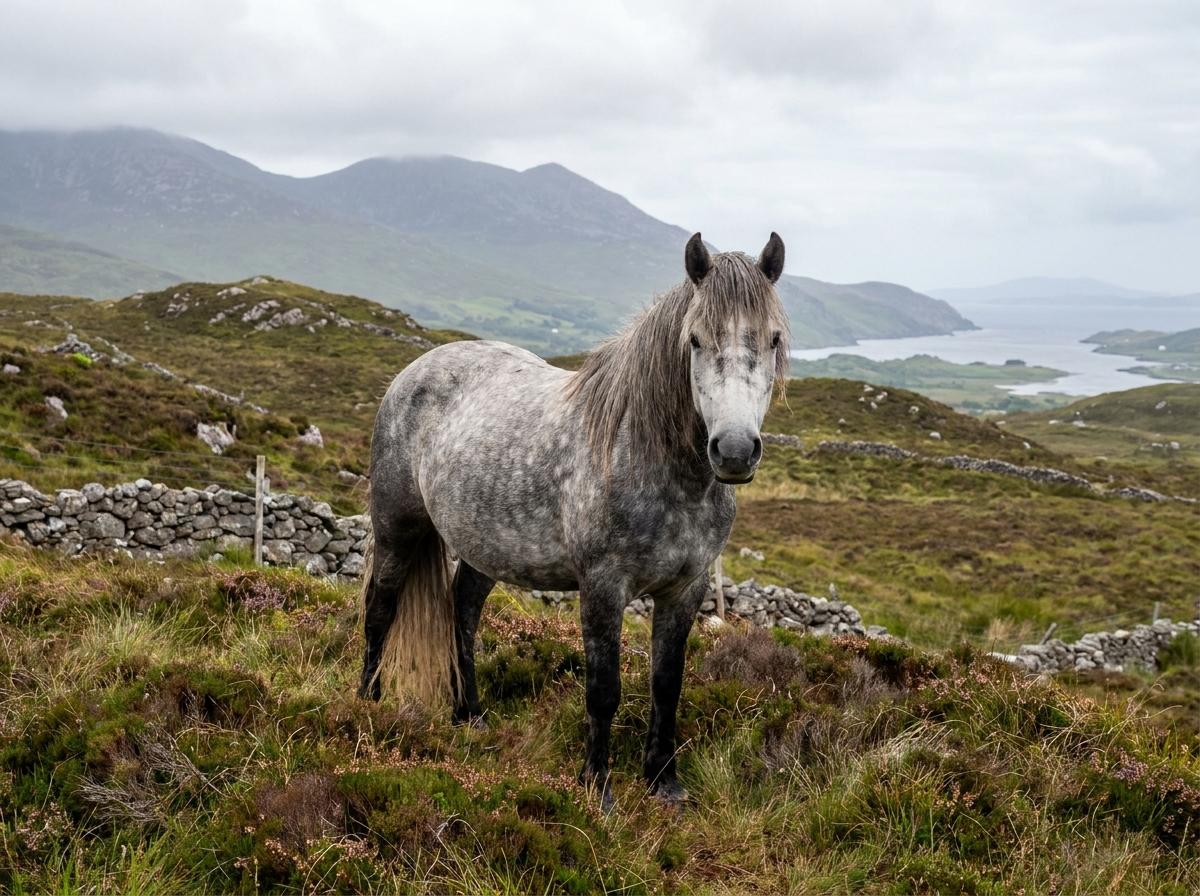
Management of the Hispano-Bretón is usually practical and extensive, with horses kept on pasture, hill ground, or small farms where strong bodies and calm handling matter. Breeders pay attention to fertility, growth, frame, leg quality, and the ability to thrive outside in seasonal weather. As machinery changed rural work, the breed also became a conservation and regional identity project. Owners should manage weight, feet, and young-stock development carefully, because draft-type horses can look sturdy long before their joints and muscling are ready for heavy work.
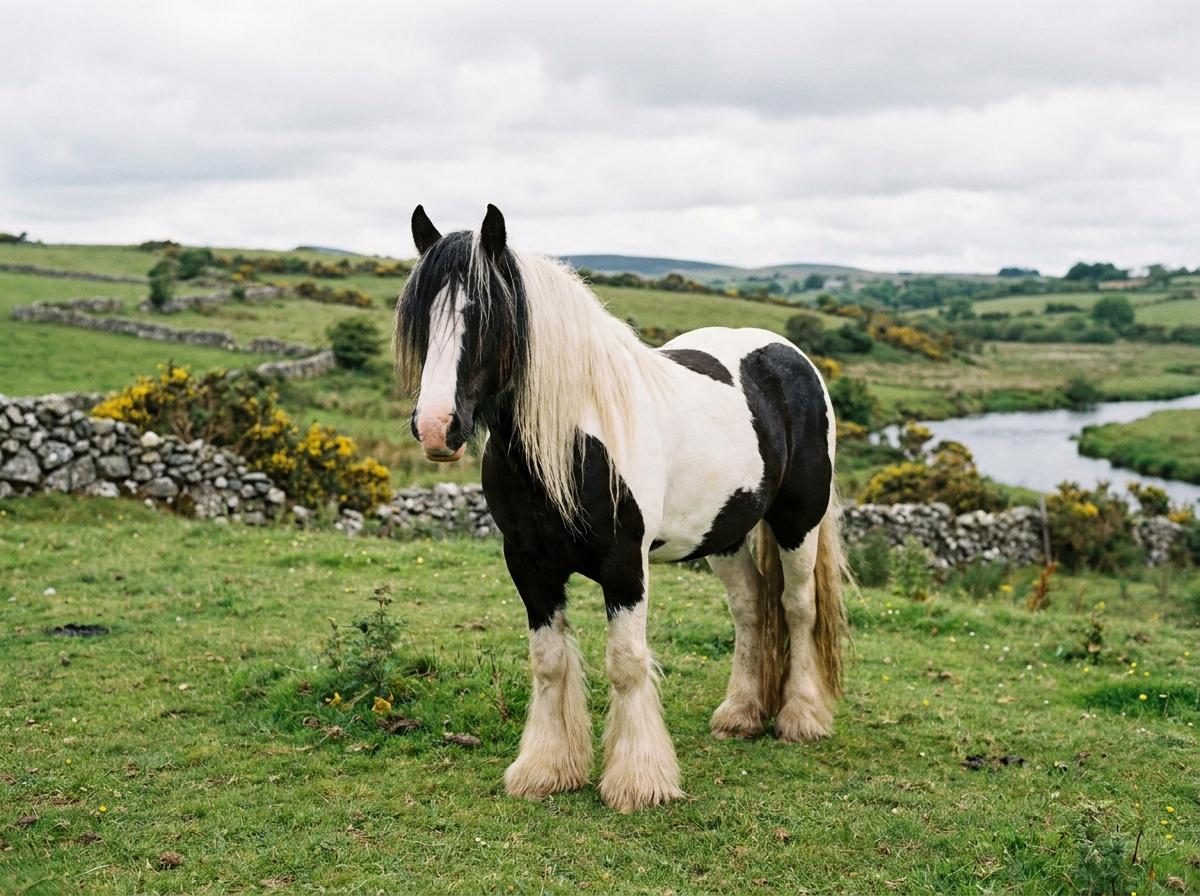
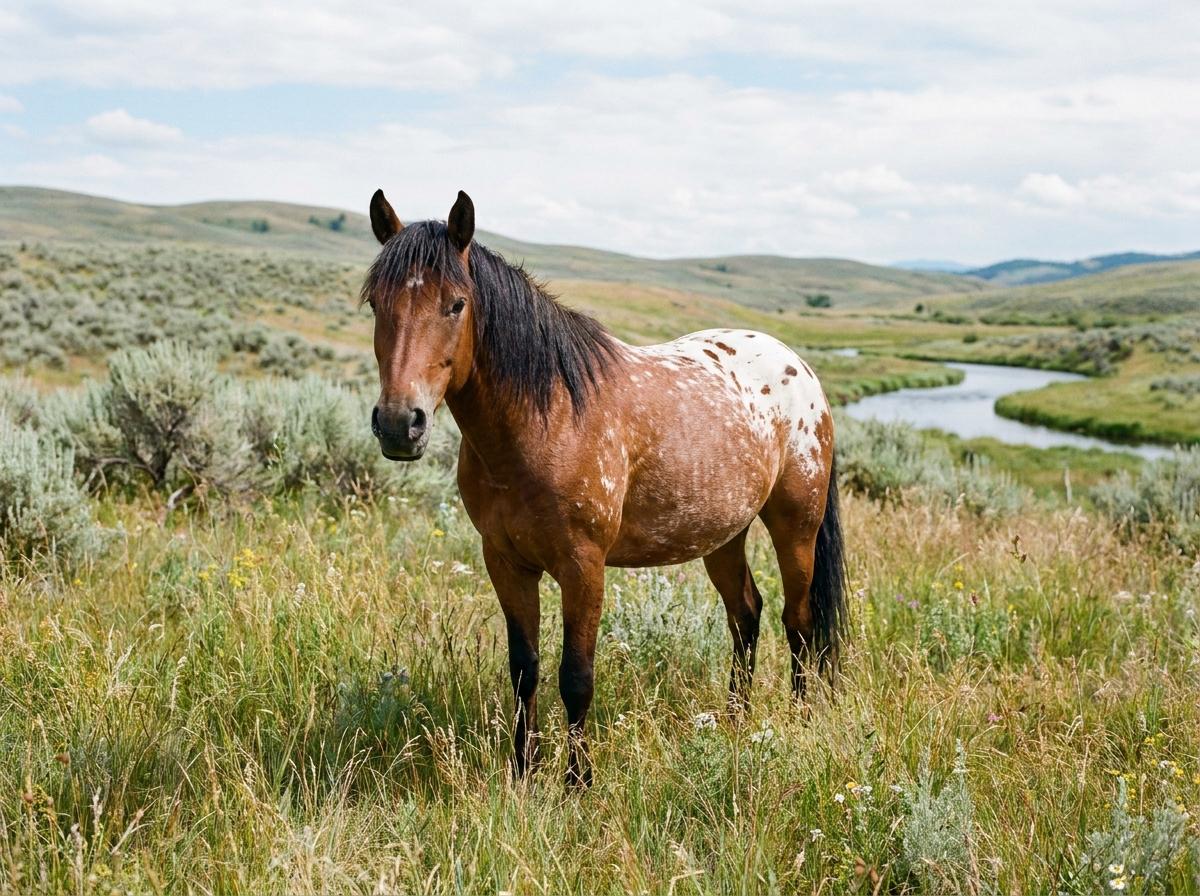
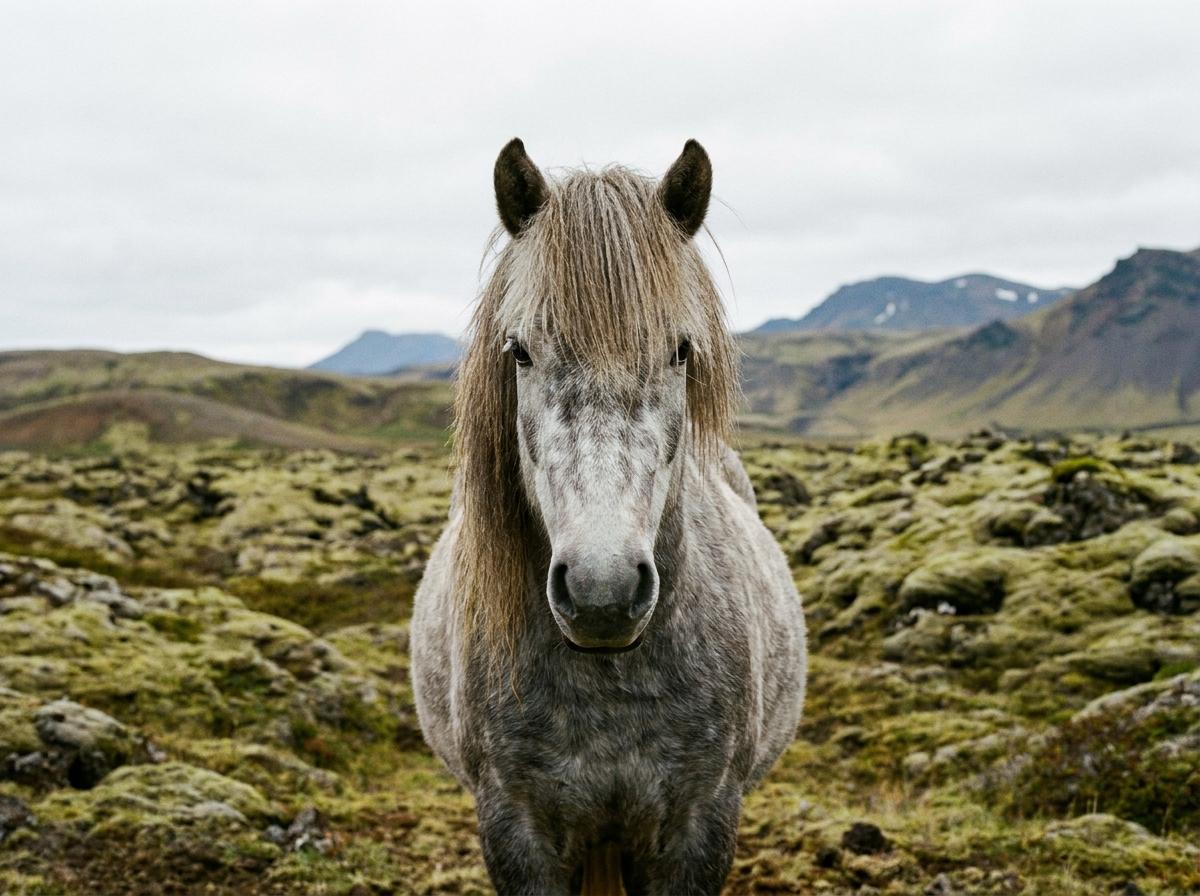
Colors: Amber Champagne, Bay, Bay Dun, Bay Roan, Black, Blanket Appaloosa, Blue Roan, Brown, Buckskin, Champagne, Chestnut, Classic Champagne, Cremello, Dun, Dun Roan, Fewspot Appaloosa, Flaxen Chestnut, Frame Overo, Gold Champagne, Gray, Grey, Grullo, Leopard Appaloosa, Liver Chestnut, Overo, Palomino, Perlino, Piebald, Pinto, Rabicano, Red Dun, Red Roan, Roan, Sabino, Seal Bay, Silver Dapple, Skewbald, Smoky Black, Smoky Cream, Snowcap Appaloosa, Sorrel, Splash White, Tobiano, Tovero, Varnish Roan, White