


Hucul Pony
The Hucul pony, also written Hutsul and often called the Carpathian pony, is one of Europe’s oldest and hardiest mountain pony breeds, native to the Carpathian range that runs through Ukraine, Poland, Slovakia, and Romania. It is a small, stocky, sure-footed horse built for steep forested country: a short strong-legged body, a dense mane and forelock, and a calm, willing temperament that has made it a favorite for trekking, driving, and therapy work. The breed carries clear primitive markings, bay, black, chestnut, and dun coats, and in dun animals a dark dorsal stripe and faint leg barring, that reflect an ancient link to the wild Tarpan. It is also a recognized conservation breed, nursed back from near collapse after the Second World War and managed today through international studbooks. This page covers what the Hucul is, where it comes from, how it looks, what it is used for, its conservation story, what one costs, and what to check before you buy.

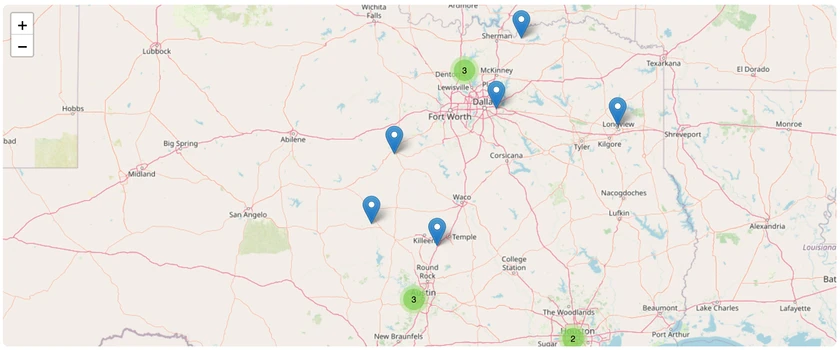
Browse listings, public profiles, breeders, or add your animal.
What is a Hucul pony?
The Hucul is a small mountain pony breed indigenous to the Carpathian arc, the mountain chain that curves through southwestern Ukraine, southern Poland, Slovakia, and northern Romania. It takes its name from the Hutsul people, a highland community of the Eastern Carpathians, and the breed has been shaped over centuries by exactly the country those people live in: steep, forested, stony, and cold in winter. The result is not a refined riding horse but a compact, powerful, remarkably tough working pony.
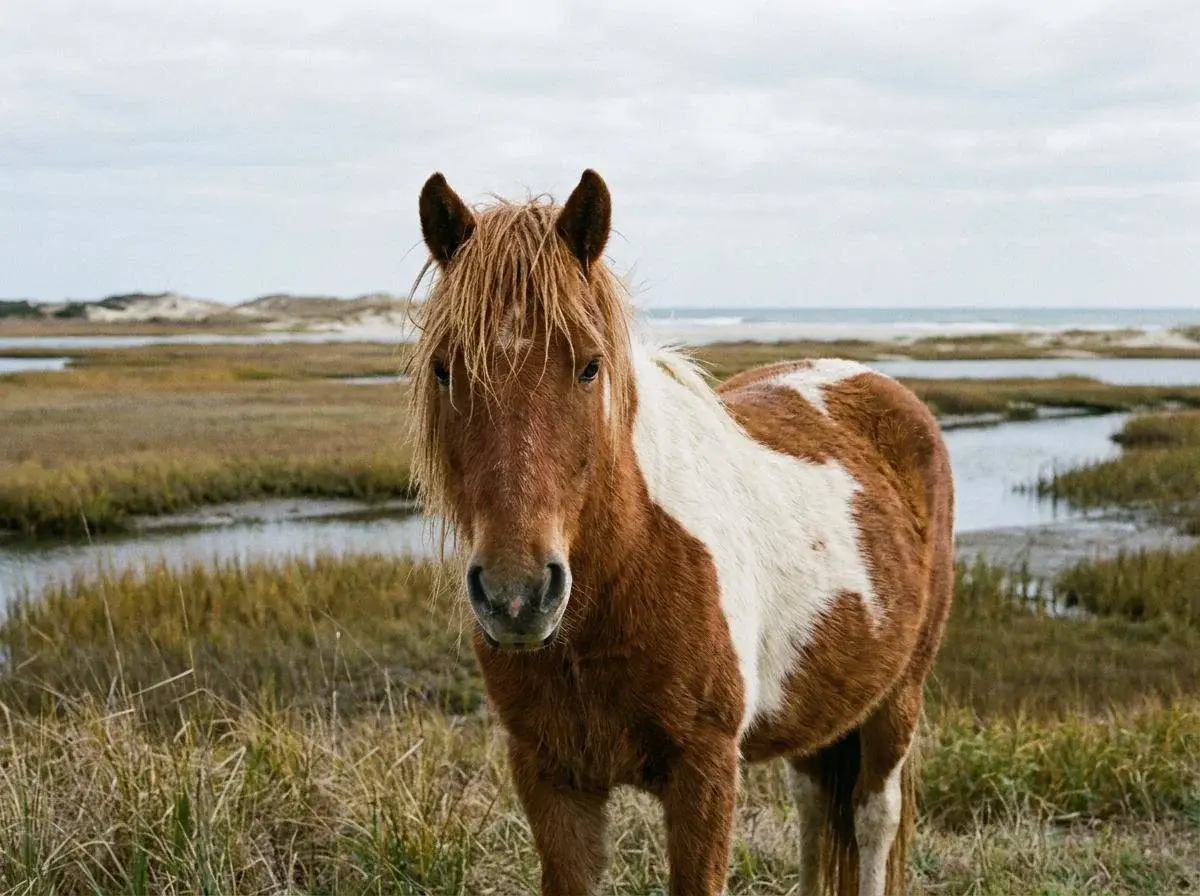
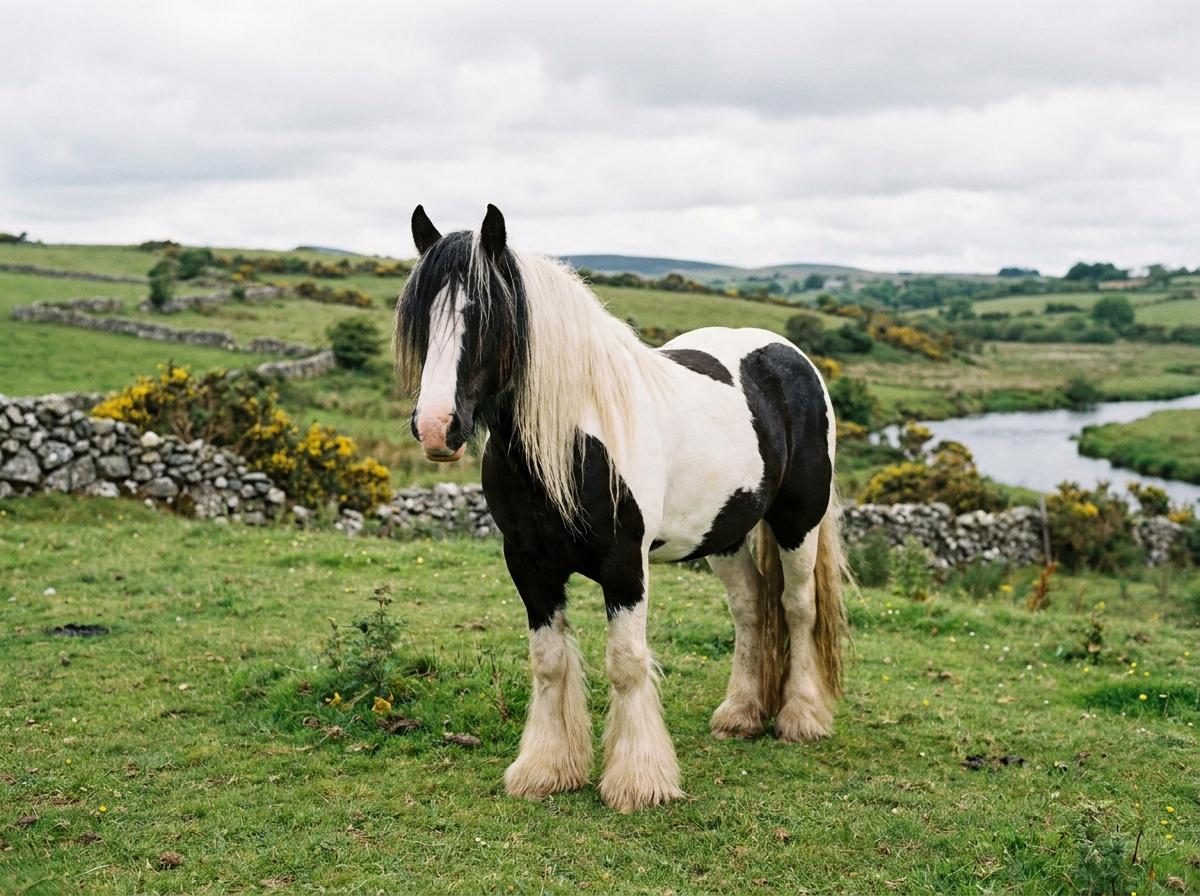
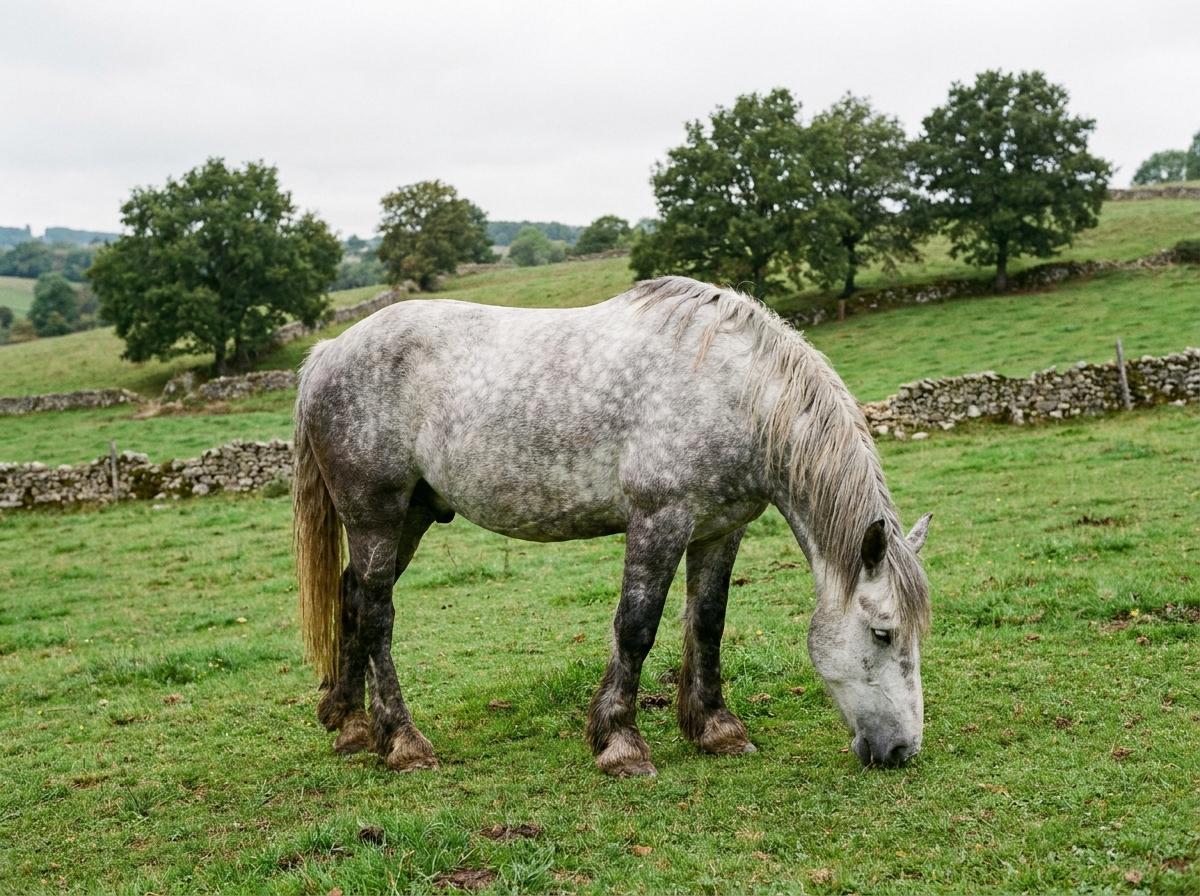
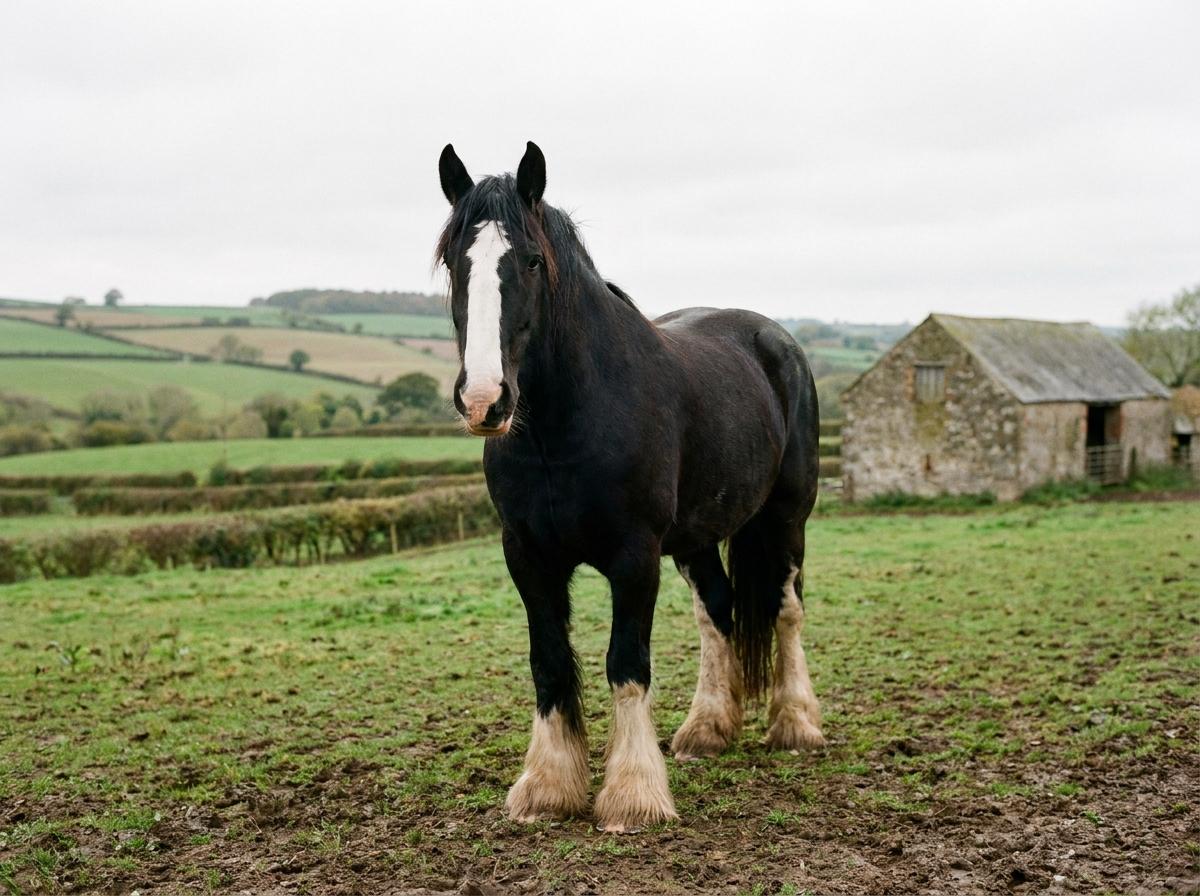
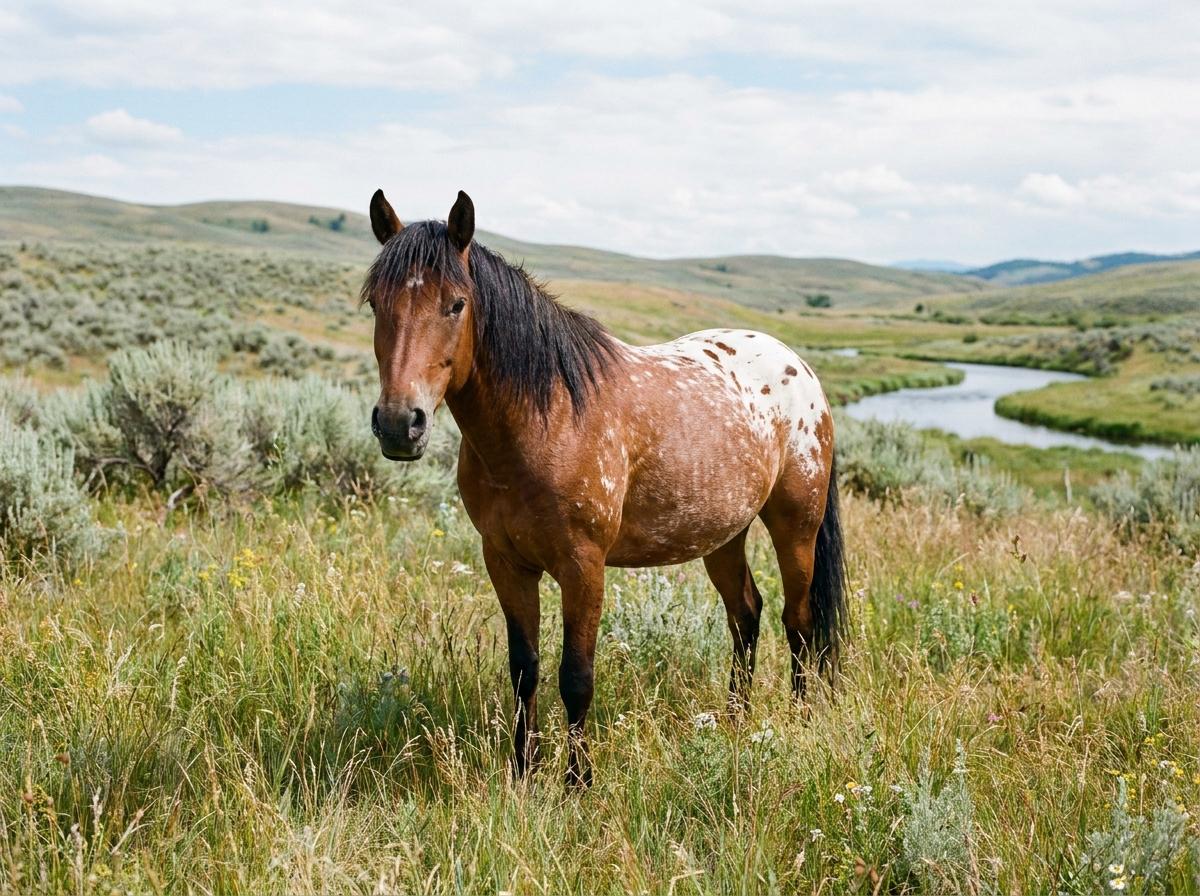
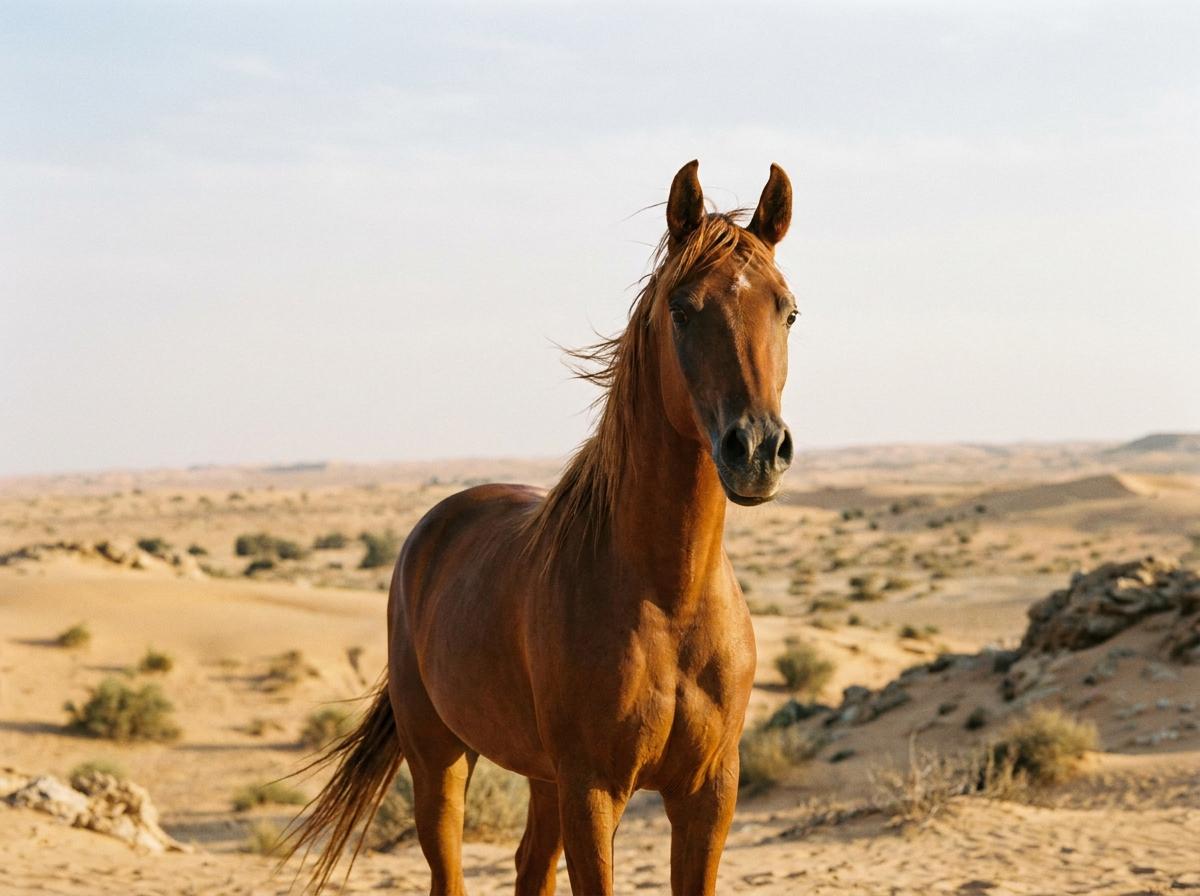
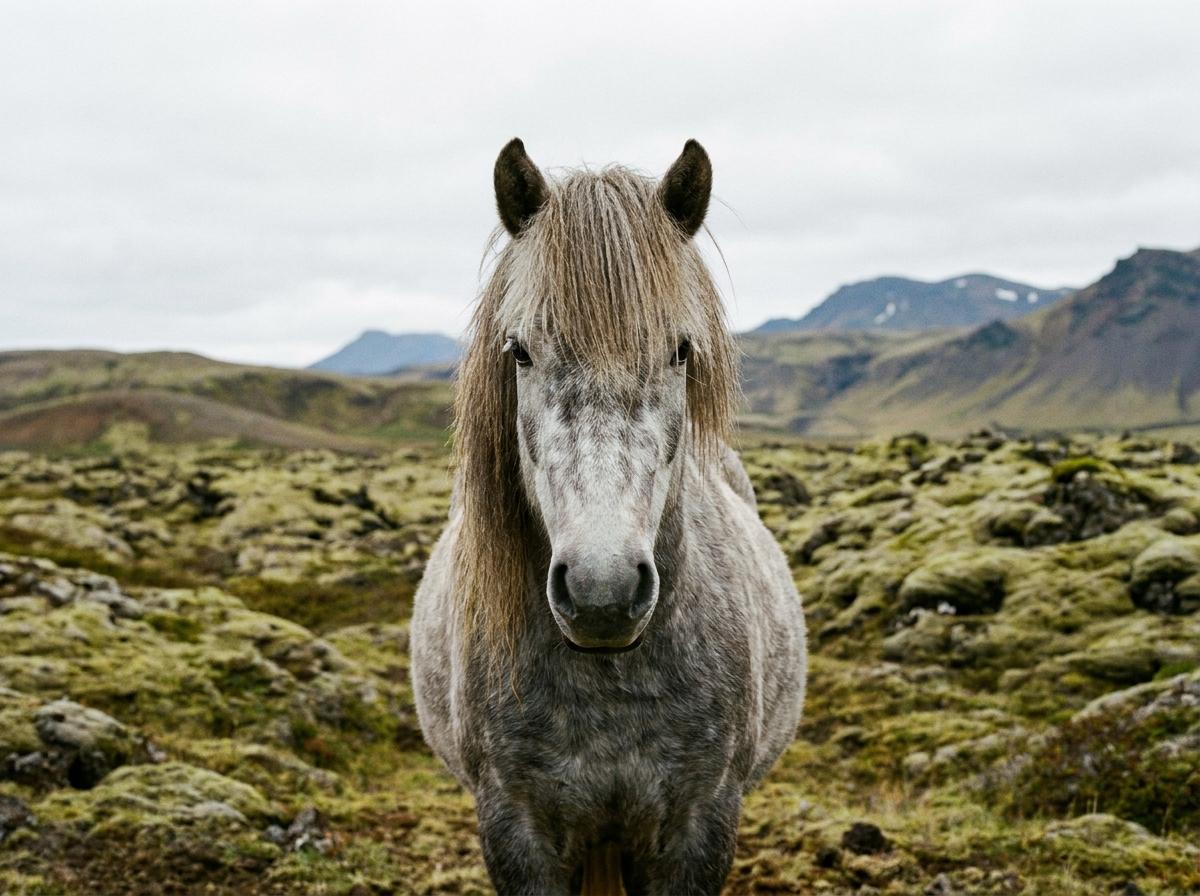
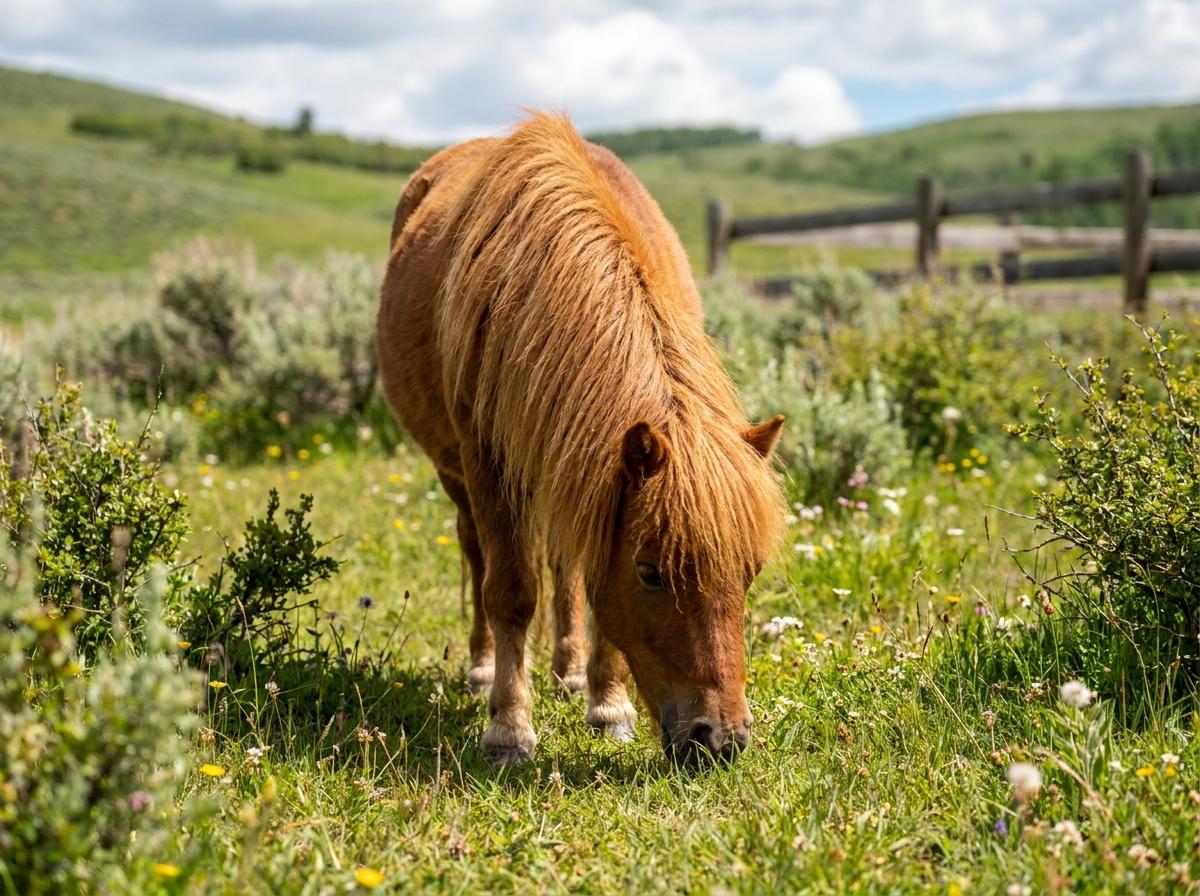
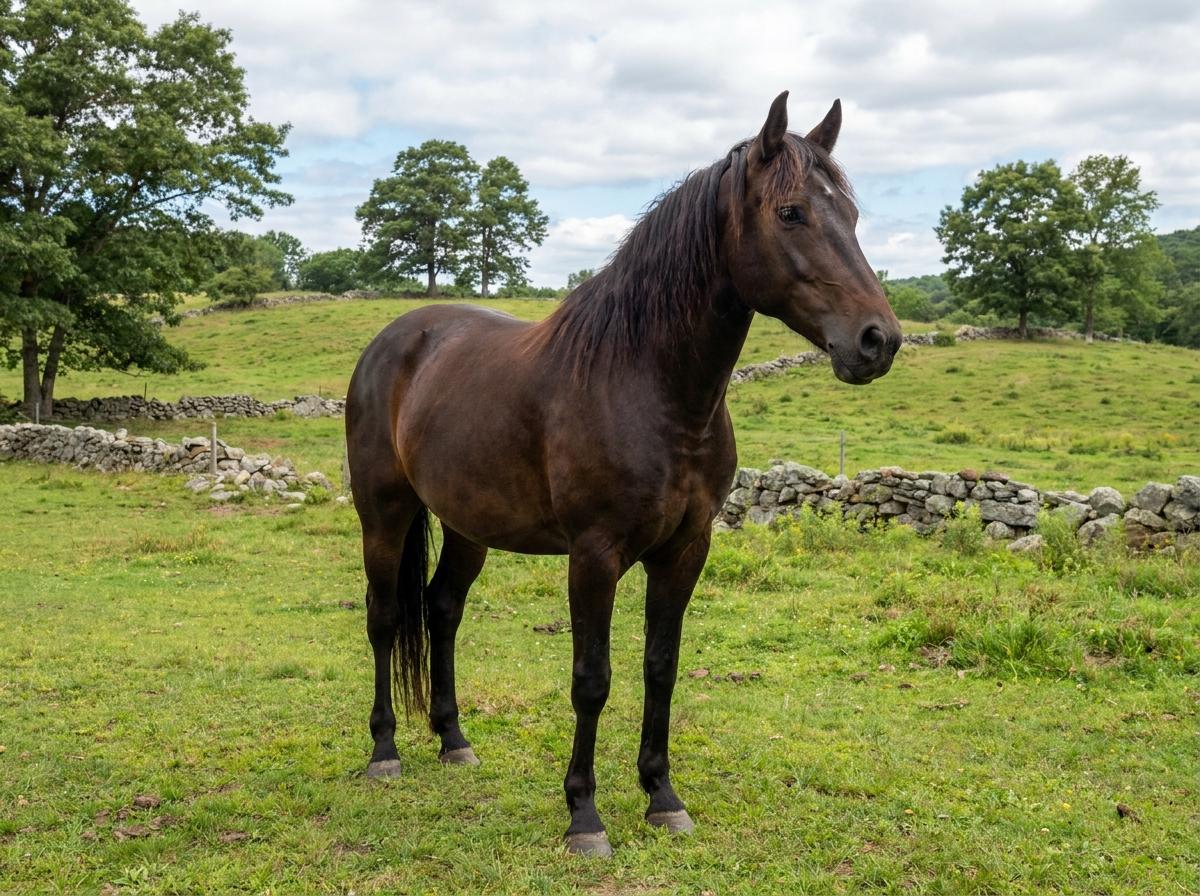
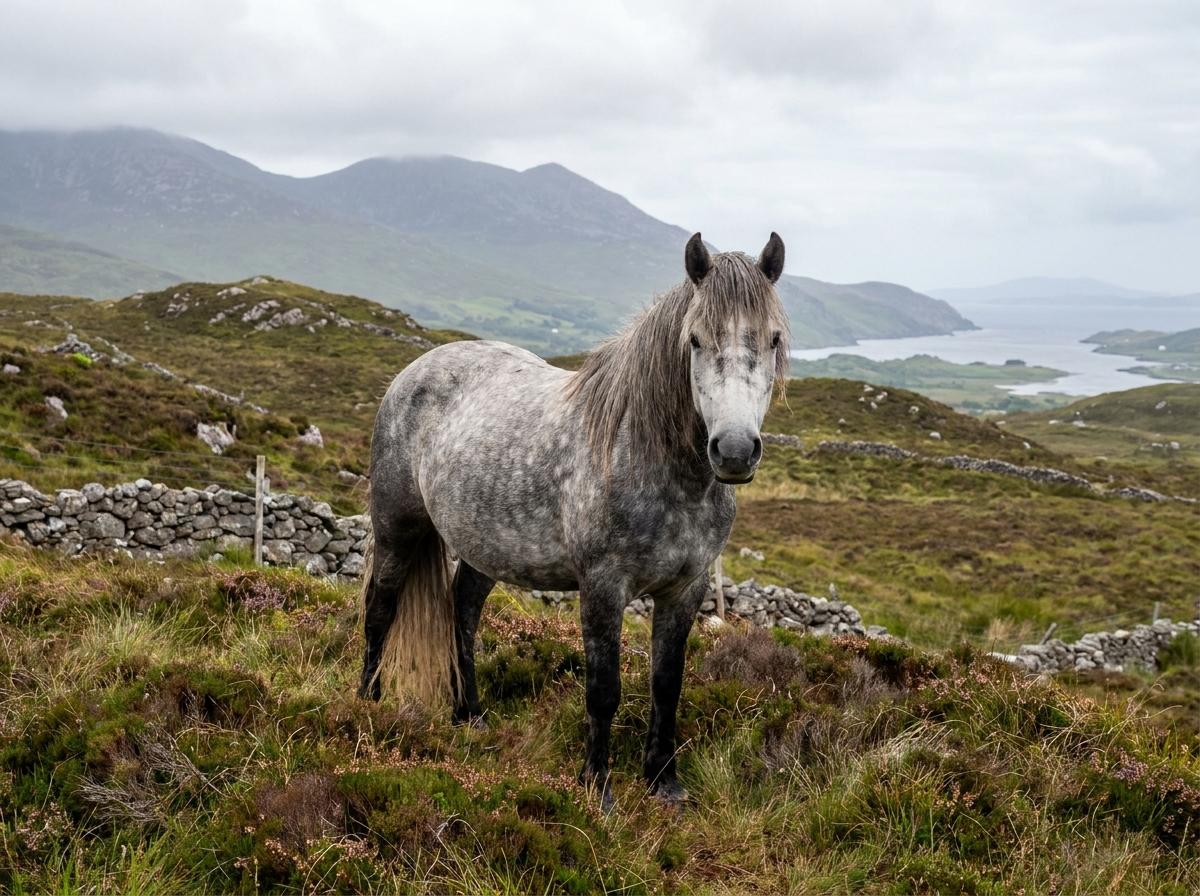
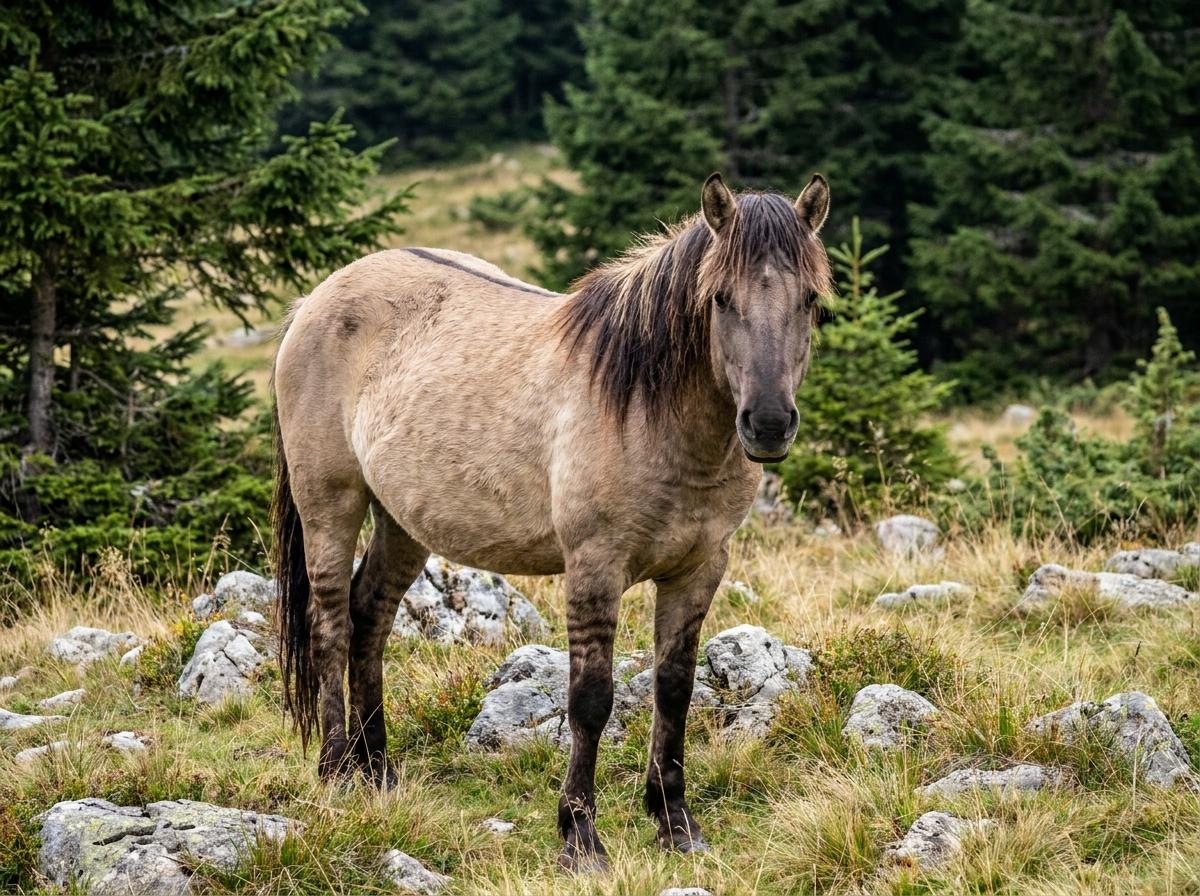
Practitioners and breed registries describe the Hucul in consistent terms: a short head on a relatively short neck, a deep compact body, short strong legs, hard sound feet, and a thick mane and tail. Recognized colors are bay, black, chestnut, dun, and skewbald (a patched coat long present in the breed; grey and isabella were removed from the studbook), and the dun animals in particular carry the primitive markings the breed is known for, a dark dorsal stripe down the spine and sometimes faint dark barring on the legs. Those markings, along with the overall stocky, heavy-boned shape, are part of why the Hucul is so often linked to the wild Tarpan, the extinct European wild horse. Older written records from the region even refer to a “Mountain Tarpan” type with the traits of a feral horse.
If you are earlier in your search and still weighing pony and small-horse options, the broader Creatures horse species page is the place to compare a hardy native mountain pony like the Hucul against other breeds and types.
Origin and history
The Hucul is genuinely old. It developed as a landrace in the Carpathian highlands, where mountain communities depended on a pony that could carry loads, pull timber, and travel narrow forest tracks in country that wheeled vehicles could not reach. For generations it was simply the working horse of the mountains, selected by the demands of the terrain rather than by any formal breeding program.
Organized breeding began in the nineteenth century. In 1856 the first Hucul stud farm was established at Radauti (Radautz) in what is now Romania, then part of the Austro-Hungarian crownland of Bukovina, and this is generally cited as the start of systematic Hucul breeding. Over the following decades the studbook was built around a small set of foundation stallions whose names still define the breed’s male lines today. The Polish Horse Breeders Association, which keeps the modern Stud-Book of Origin, records seven recognized sire lines: Goral and Hroby (both foaled in 1898 and used widely across the Austro-Hungarian monarchy in the early twentieth century), Gurgul (1924, Slovakia), Polan (1929, Poland), and the Romanian lines Ousor, Pietrosu, and Prislop (all 1933). Ousor and Pietrosu are recorded as side strains of the Goral line.
The breed also spread by deliberate export. In 1922 a group of horses from the Romanian breeding herd was sent to the National Stud at Topolcianky in what was then Czechoslovakia, giving Czech and Slovak breeders a foundation herd of their own and establishing the Gurgul line there. State studs at Lucina in Romania, Topolcianky in Slovakia, and Gladyszow in Poland became the anchors that carried the breed through the turbulent twentieth century.
What a Hucul pony looks like
The Hucul is unmistakably a primitive mountain pony rather than a scaled-down riding horse, and its build tells you what it was made to do.
- Size. Most Huculs stand roughly 132 to 148 cm at the withers, about 13 to 14.2 hands, with an average measured height near 140 cm and a typical weight in the region of 380 to 450 kg. That is small and low to the ground, which suits steep, uneven footing.
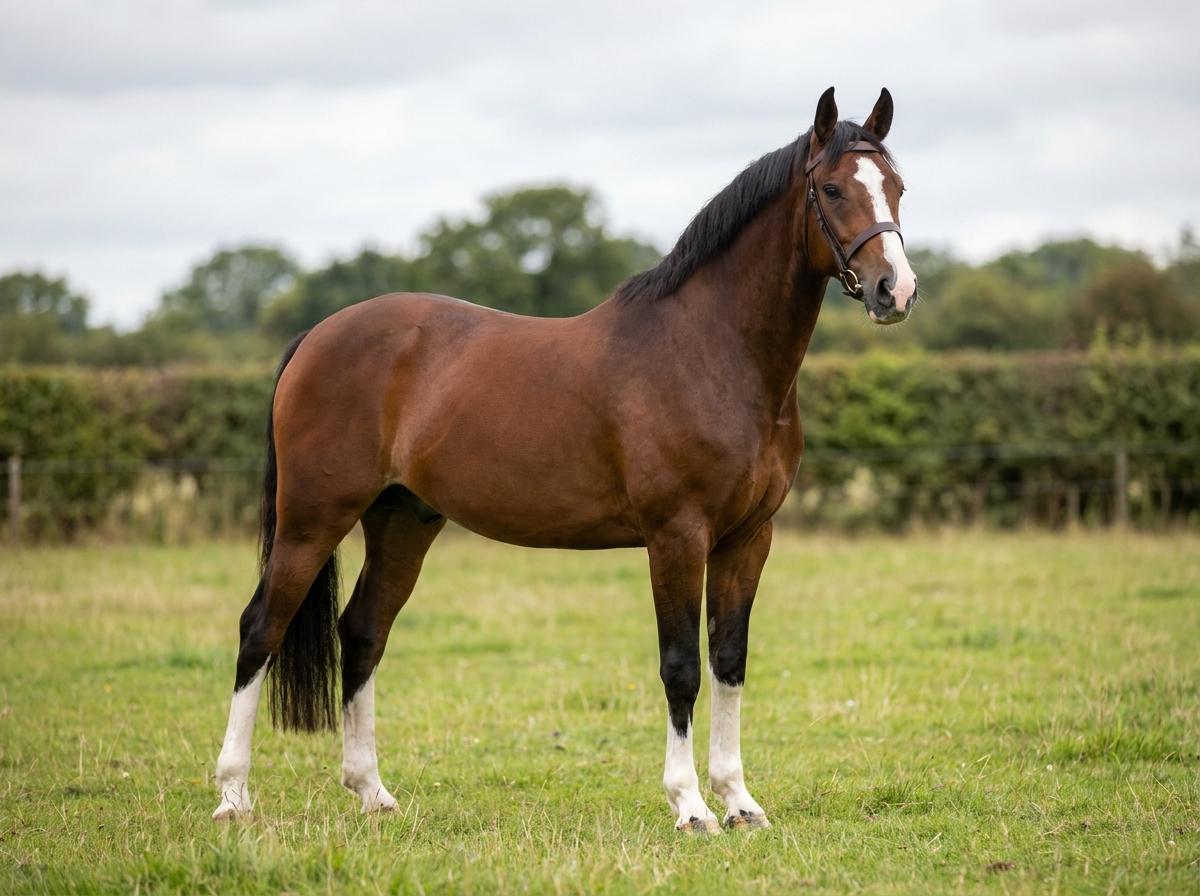
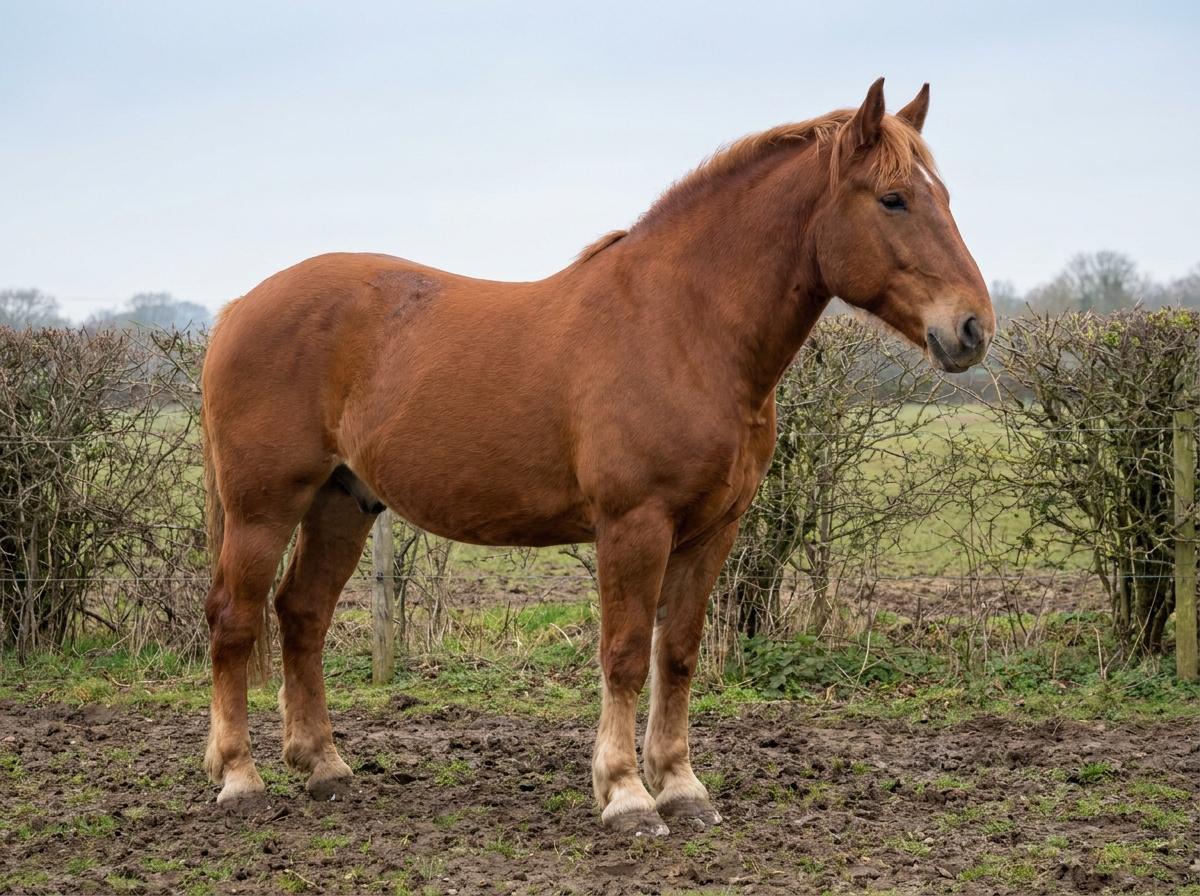
- Build. The body is compact and deep through the barrel, set on short, strong, well-jointed legs with hard feet. Breed measurements emphasize substantial bone and strong tendons that let the pony carry heavy loads. This is a heavy-for-its-height, working-type pony.
- Head and neck. The head is short and often fairly broad, carried on a short, thick neck. The overall impression is sturdy and functional rather than elegant.
- Coat and color. Recognized colors are bay, black, chestnut, dun, and skewbald. The dun animals, ranging from mouse-grey (grullo) to yellow dun shades, most often show the breed’s signature primitive markings.
- Primitive markings. A dark dorsal stripe (an eel stripe running the length of the back) is characteristic, and some animals show faint dark barring on the lower legs. Combined with the dense mane and forelock, these are the traits that tie the Hucul visually to the ancestral Tarpan.

The Tarpan link, kept honest
The Hucul is frequently described as one of the closest living relatives of the Tarpan, the wild horse of the European steppe and forest that went extinct in the wild in the nineteenth century. It is worth being precise about what that means. The Hucul does share primitive traits with the Tarpan, the dun coloring, the dorsal stripe, the leg barring, and the stocky hardy build, and it developed in the same broad region, which is why the historical “Mountain Tarpan” label attached to it. Treat that as a strong, long-standing association based on shared primitive characteristics and regional history rather than as a claim that the Hucul is a direct, unchanged descendant of a single wild population. Either way, the practical point holds: this is an ancient, primitive pony type that has kept its old-world hardiness.
What Hucul ponies are used for
The Hucul’s whole reason for existing is useful work in hard country, and that is still where it shines.
Historically the breed was a pack and draft pony, hauling timber and goods through forest that other transport could not reach, and that heritage is not just history: Huculs have continued to serve as packhorses, and the breed’s endurance and footing on rough ground remain its calling cards. Today the same qualities have found new outlets. Huculs are widely used for trekking and trail riding, for driving (both work and sport), and as steady mounts in riding schools and for young or beginner riders, precisely because they are small, sensible, and hard to rattle.
The breed’s calm disposition has also made it a natural choice for therapeutic riding and hippotherapy, rehabilitation work that uses the horse’s movement to improve a rider’s balance, strength, and coordination and benefits from a pony that stays quiet and predictable. Across all of these roles the common thread is temperament plus toughness: a Hucul will keep working, on modest feed, over ground that would tire a larger horse.

Temperament
Keepers, riding schools, and breed organizations consistently describe the Hucul as calm, steady, willing, and good-natured, with low reactivity to noise and rough handling. That reputation is the practical foundation for its use with children, novices, and therapy riders, and it fits a breed shaped by centuries of close work alongside mountain families. As with any horse, treat this as a well-founded generalization about the breed rather than a guarantee about a specific animal: individual temperament still varies with breeding, handling, and training, and even a sensible pony is a large animal that deserves competent, consistent handling. What you can reasonably expect from good Hucul stock is a level-headed, hard-working disposition rather than a hot one.
Conservation and the studbook today
The Hucul’s modern story is as much about survival as about breeding, and it is one of the reasons the breed matters.
The Second World War was nearly the end of it. In Czechoslovakia the population fell to around 300 horses by the end of the war, and the breed was at real risk of disappearing. Recovery came through deliberate conservation. In 1972 a group of Czechoslovak breeders, worried the Hucul would go extinct, founded a Hucul club to promote and protect the breed, an effort that both rebuilt local numbers and encouraged breeders in other countries to import and breed Huculs. State studs in Romania, Slovakia, and Poland anchored the effort, and the breed is now managed as a shared cross-border genetic resource across Poland, Slovakia, Romania, Ukraine, and beyond.
The Hucul has been recognized by the Food and Agriculture Organization (FAO) as an endangered, primitive genetic resource, and conservation-minded, closed-population breeding is central to how it is managed. The Stud-Book of Origin is kept by the Polish Horse Breeders Association, working under the umbrella of the Hucul International Federation (HIF), the central body formed to give the breed a single set of breeding goals and methods across its whole range; the Polish association was recognized by the European Union as keeper of the Stud-Book of Origin in 2004. Purebred status and the seven recognized sire lines are guarded carefully to avoid diluting the breed’s Carpathian character. Population figures are usually described in the low thousands of purebred animals across Europe, with a scholarly study of the Hungarian population putting the international breeding herd on the order of a few thousand broodmares, so the Hucul is recovered enough to have a future but still small enough that every breeding animal counts.

What does a Hucul pony cost?
There is no single published market price for a Hucul, and anyone quoting a precise figure should be treated with caution. The honest picture is a range driven by country, age, training, registration, and bloodline.
A few things shape the price in practice. Because the Hucul is a conservation breed managed through official studbooks, papers matter: a registered, purebred pony from a recognized sire line, with a passport and studbook entry, is a different proposition from an unregistered pony of Hucul type, and it will usually cost more. Age and training move the number too, as they do for any horse: a weanling or unbroken youngster typically trades below a quiet, well-schooled adult that is genuinely ready to trek, drive, or work in a therapy program. Location matters as well, since most Huculs are bred in Central and Eastern Europe, and buying one outside that region adds transport, paperwork, and import cost on top of the purchase price.
Rather than invent a number, the useful framing is this: expect to pay a real premium for a registered, trained, purebred Hucul over a young or unregistered one, and expect availability and price to depend heavily on where you are relative to the breed’s Carpathian heartland. As with any horse, the purchase price is only the beginning. Board, farrier work, routine veterinary care, and feed add up over the years and quickly outweigh the sticker price, so budget for the ongoing cost of keeping the pony, not just buying it.
Buying a Hucul: what to check
Because the Hucul is a conservation breed with a guarded studbook, verifying substance matters as much here as with any purpose-bred animal.
- Confirm registration and the sire line. For a true Hucul, ask for the passport, the Stud-Book of Origin entry, and the pony’s recognized sire line. “Hucul type” in an advertisement is not the same as a registered purebred, and if pedigree matters to you, the papers are where you confirm it.
- Match the pony to the job. A quiet, well-schooled adult suited to trekking, driving, or therapy is a very different purchase from a green youngster. Be honest about your own experience and buy the training and temperament you actually need.
- See it move on real ground. The Hucul’s whole value is sure-footedness and a level head. Watch the pony walk and work on uneven footing, and if you can, handle it around the kind of noise and terrain it will meet in your use.
- Insist on a pre-purchase veterinary exam. For any horse, an independent pre-purchase exam appropriate to the pony’s age and intended work is standard practice. Defer soundness judgments to your veterinarian, not the seller.
- Ask for records. Breeding, health, hoof-care, and vaccination history tell you how a pony has been managed. On the selling side, keeping those records current is exactly what earns a buyer’s trust.
You can browse current Hucul pony listings on the Creatures marketplace and look for breeders and studs in the Creatures directory. Because purebred Huculs are concentrated in a few countries and bred in modest numbers, a saved search alert (below) is often the most practical way to catch the right pony when one appears.
Is a Hucul pony right for you?
If you want a small, genuinely hardy pony for trail riding, driving, light forestry or pack work, a first pony for a young rider, or a steady partner for therapy work, the Hucul belongs on your shortlist. Its combination of a calm temperament, sure feet, easy keeping, and real strength for its size is exactly what generations of Carpathian families relied on. Buyers whose plans center on tall sport-horse disciplines such as high-level show jumping or dressage should look elsewhere, since the Hucul is not built for that job; if that is your goal, a purpose-bred sport horse like the Zangersheide is a better fit. For a very different kind of historical working horse, the Norfolk Trotter is another interesting historical breed to compare, and the same practical, low-drama temperament that draws people to the Hucul also draws them to working American Spotted donkeys.
Day to day, a Hucul needs what any pony needs, with the twist that it is an easy keeper prone to gaining weight on rich pasture. That means forage-based feeding matched to its modest requirements and workload, careful management of lush grass, regular farrier care, routine dental and veterinary maintenance, adequate turnout, and enough consistent work to keep a clever pony content. None of that is exotic, but the Hucul’s very hardiness means the most common mistake is overfeeding, so err toward a lean, well-exercised pony. For any medical decision, always defer to a veterinarian who can examine the animal.
Frequently asked questions
Is a Hucul a pony or a horse?
By height it sits at the small end, roughly 132 to 148 cm (about 13 to 14.2 hands), which is pony range, and it is universally called the Hucul pony or Carpathian pony. It is heavily built and strong for its size, so it works more like a small, powerful horse than a light riding pony.
Where does the Hucul come from?
The Carpathian Mountains, specifically the highland region of the Hutsul people, spanning parts of modern Ukraine, Poland, Slovakia, and Romania. The first organized stud was founded in 1856 at Radauti in what is now Romania.
Is the Hucul really descended from the Tarpan?
It is closely associated with the extinct Tarpan and shares primitive traits with it, the dun coloring, dorsal stripe, leg barring, and stocky hardy build, and old records call the type a “Mountain Tarpan.” Treat that as a strong, long-standing link based on shared characteristics and regional history rather than proof of unbroken direct descent.
What are Hucul ponies used for?
Trekking and trail riding, driving, pack and light forestry work, youth and riding-school mounts, and therapeutic riding and hippotherapy. The common thread is a calm temperament plus real toughness on difficult ground.
Are Hucul ponies good for beginners?
Their calm, steady disposition makes them a popular choice for children, novices, and therapy programs. As always, temperament varies by individual, so match a specific pony’s training and character to the rider rather than assuming the breed label guarantees it.
Why is the Hucul considered endangered?
Its population collapsed around the Second World War, falling to roughly 300 horses in Czechoslovakia, and although dedicated conservation breeding since the 1970s has rebuilt it, the total remains modest. The FAO recognizes it as an endangered genetic resource, and it is managed through protected, purebred studbooks across several countries.
Do this next on Creatures
Whether you are researching the breed, hunting for a genuine registered pony, or already keeping Huculs, Creatures is the records, marketplace, and directory layer to do it all in one place.
Find a pony. Browse Hucul ponies on the marketplace and search trusted breeders and studs in the Creatures directory. New to the marketplace? See saving searches and using your watchlist.
Get alerted. Purebred Huculs are bred in modest numbers and mostly in a few countries, so set a free Hucul pony listing alert and we will tell you the moment one is posted. No account needed to start.
Add your pony. Already have a Hucul in the barn? Create a free animal profile in a few minutes, no account needed to start. The walkthrough is in adding an animal to Creatures, and you can see how the profile is organized in your animal’s profile page.
Track health and care. Add health, farrier, and training records on Creatures. The record sheet opens for any visitor to look around, and you will need a free account to save what you enter. See adding a record and health and medical records for the full how-to.
List your stud or barn. Breed or preserve Hucul ponies? Create a free breeder or stud profile, then get listed in the breeder directory so buyers searching for this rare breed can reach you. If you run the operation with a team, read creating an organization and adding your team.
Sell with confidence. Planning to sell a pony? Learn how seller payout works before you list.
If you breed or preserve Hucul ponies, you can also list your stud or conservation program in the Creatures directory so buyers searching for this hard-to-find breed can find you.