




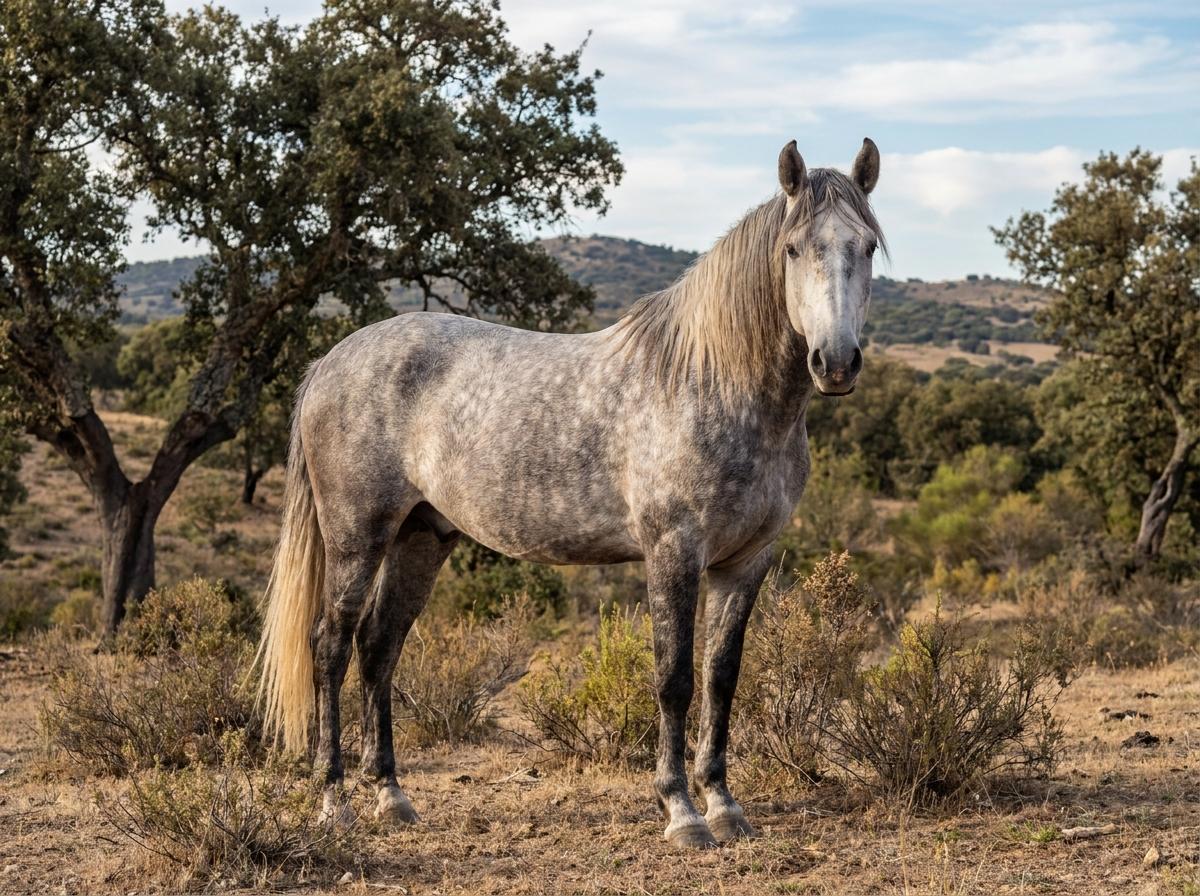
Iberian Horse
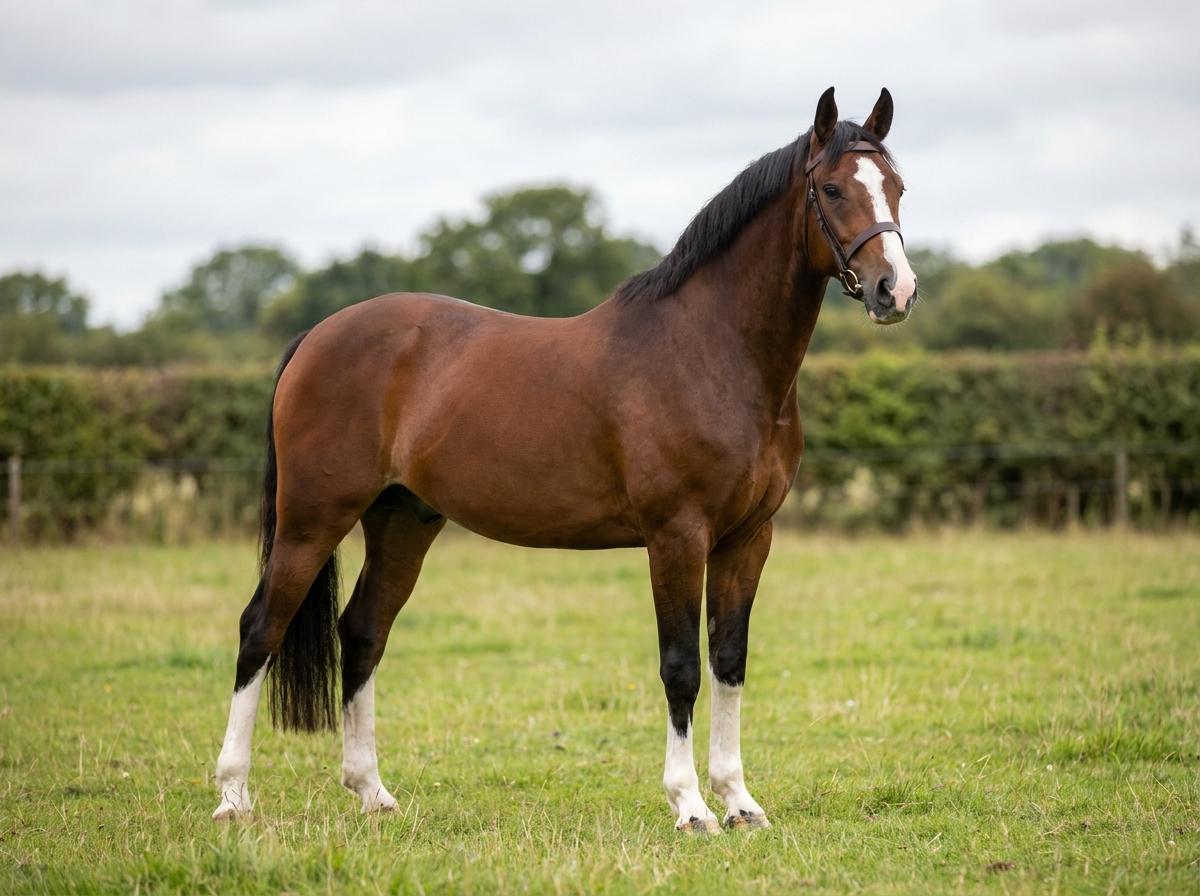
The Iberian horse is a broad term for horses from the Iberian Peninsula, especially Spanish and Portuguese saddle types such as the Andalusian or Pura Raza Española and the Lusitano. These horses are often associated with rounded outlines, expressive movement, strong hindquarters, and an aptitude for collection. The category can also include historical and regional types, so it should be read as a family of related traditions rather than one single breed with one registry standard.
Human use of Iberian horses spans classical dressage, working equitation, ranch and cattle work, driving, exhibitions, and pleasure riding. Buyers should distinguish between a registered breed, a crossbred Iberian-type horse, and a horse marketed only by appearance. Training quality matters greatly, because the same sensitivity that makes many Iberian horses responsive can become tension in inexperienced hands. Breeders and owners often pay close attention to temperament, neck and back strength, hoof balance, and whether the horse's movement suits the intended discipline.
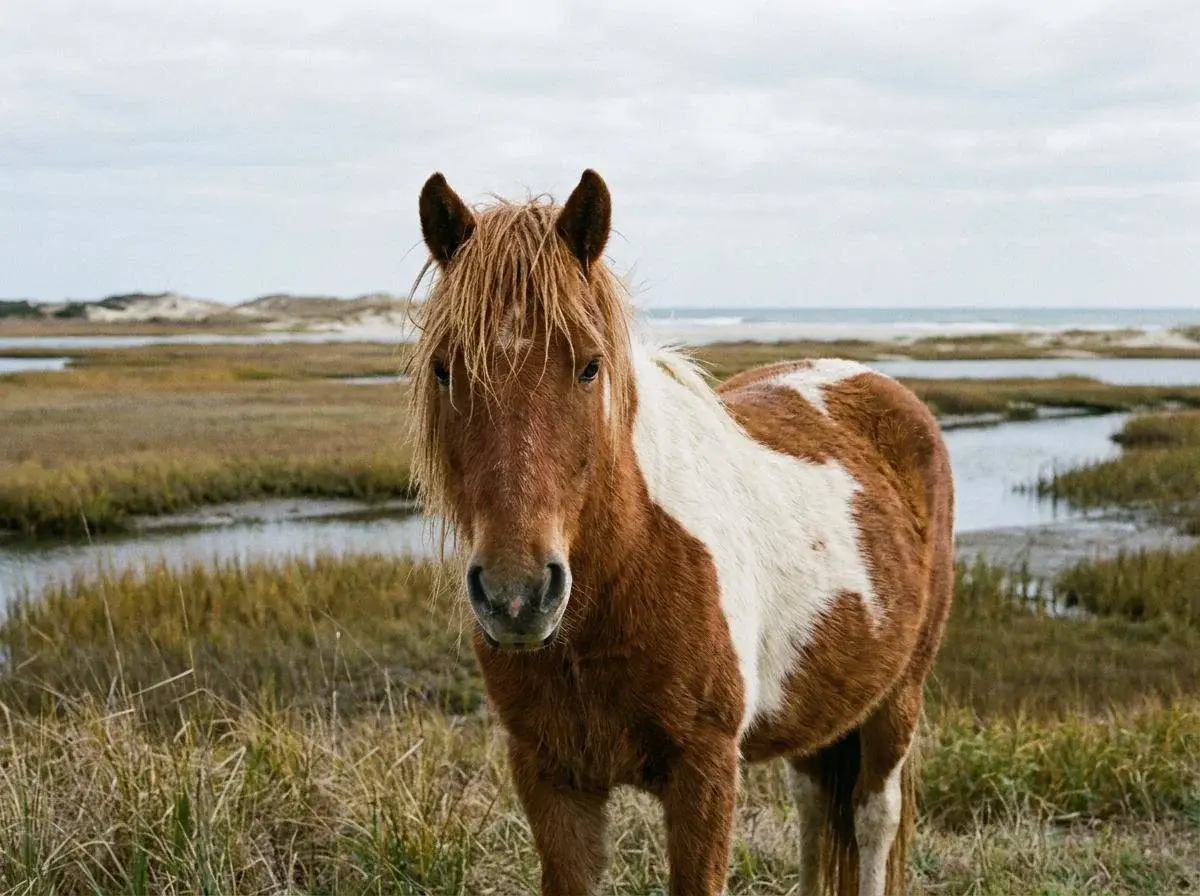
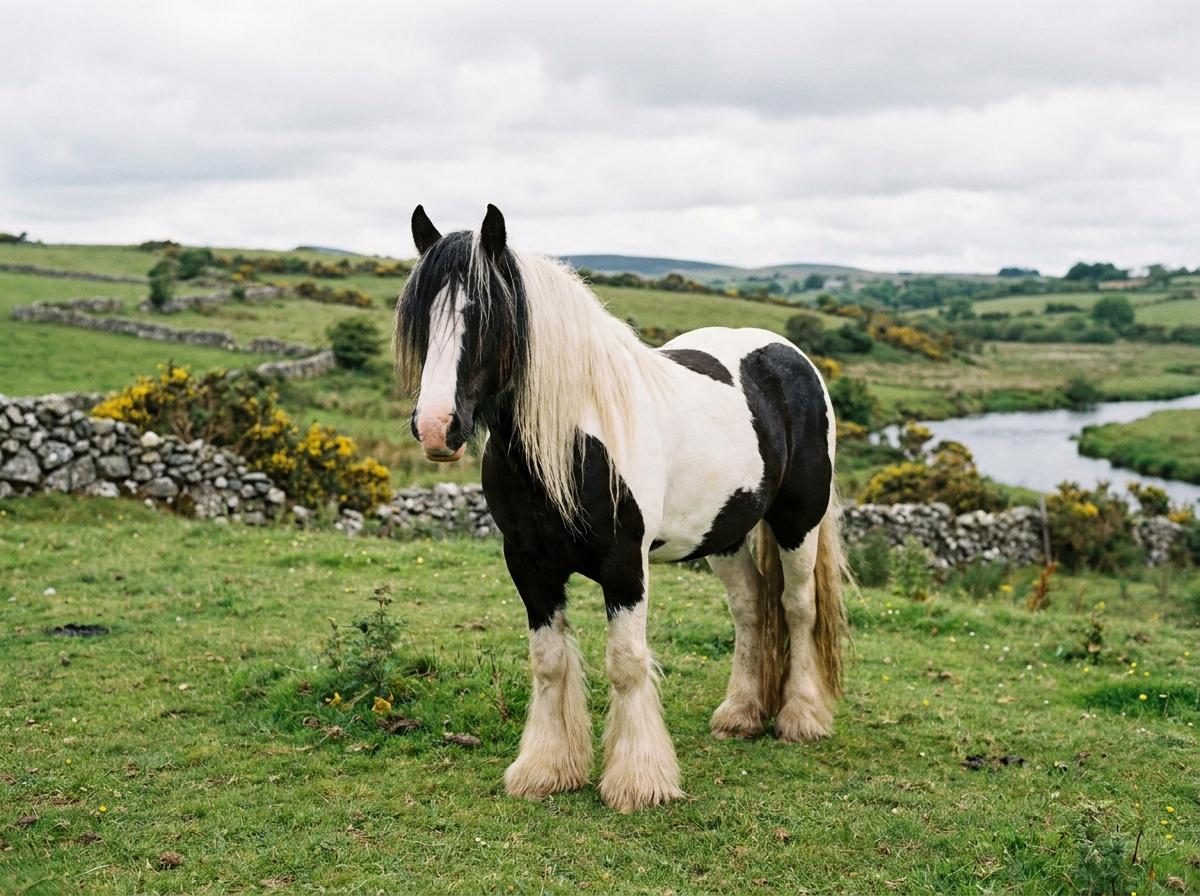
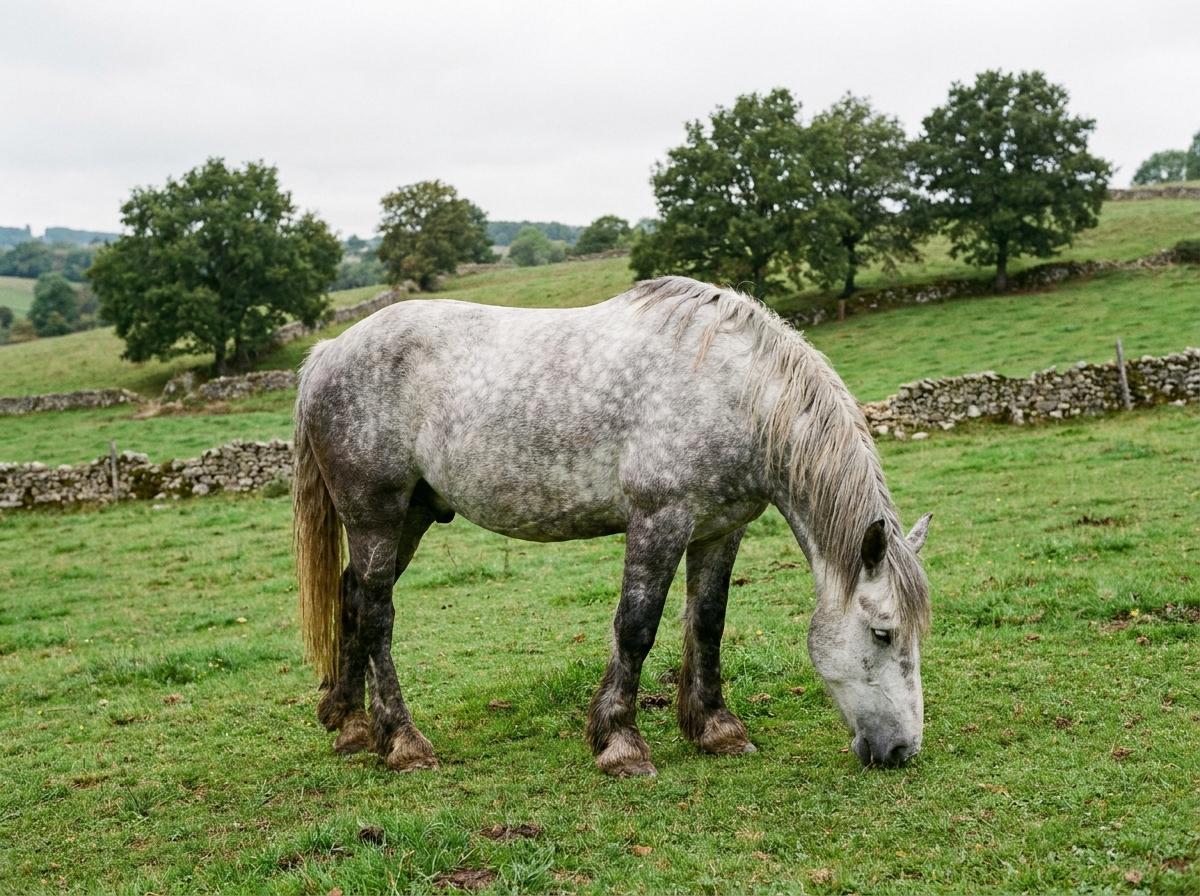
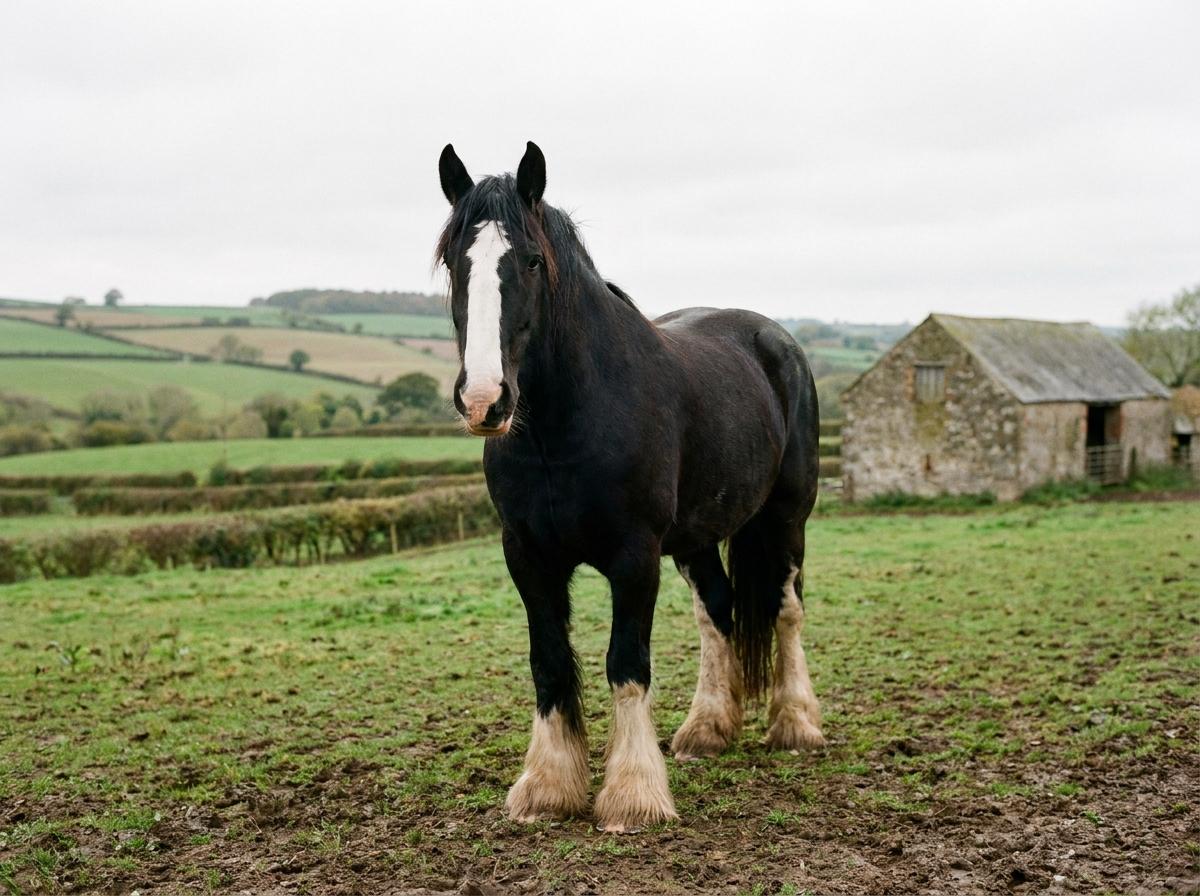
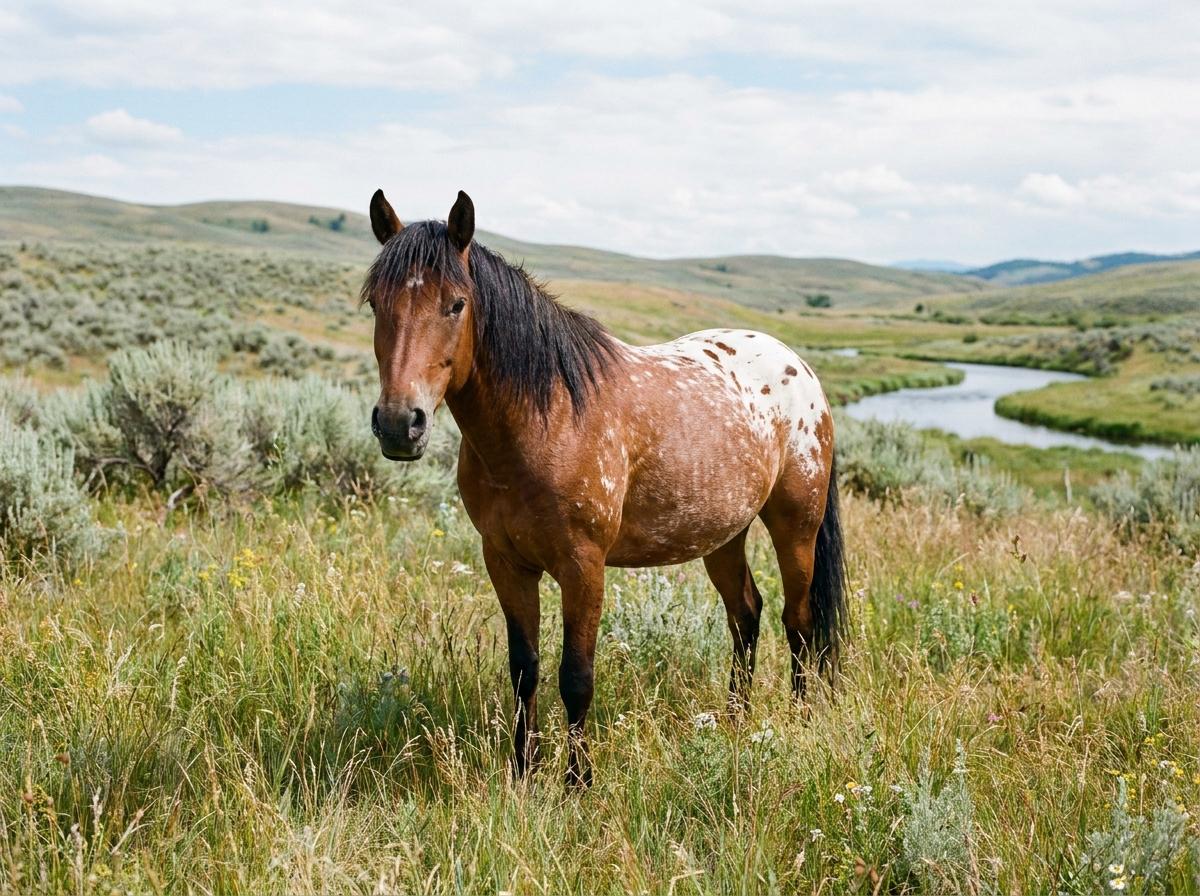
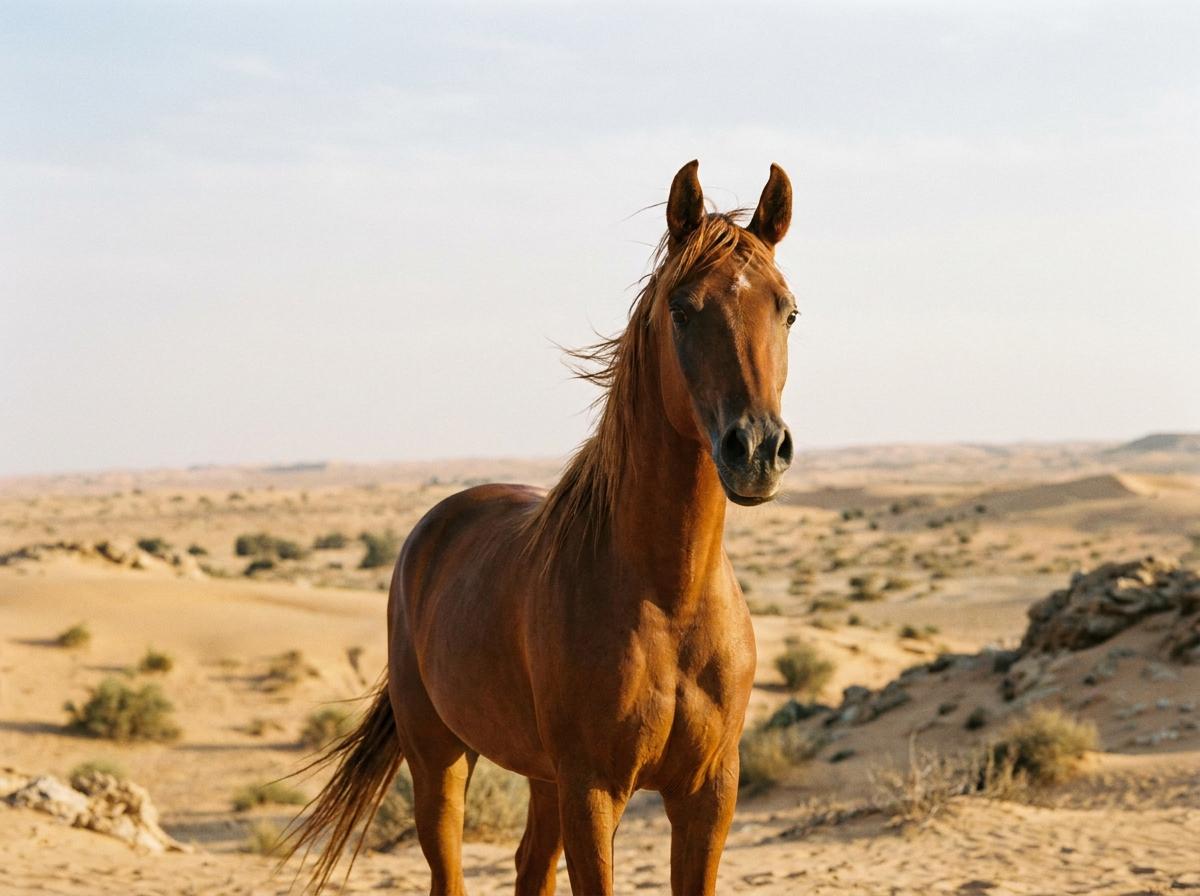
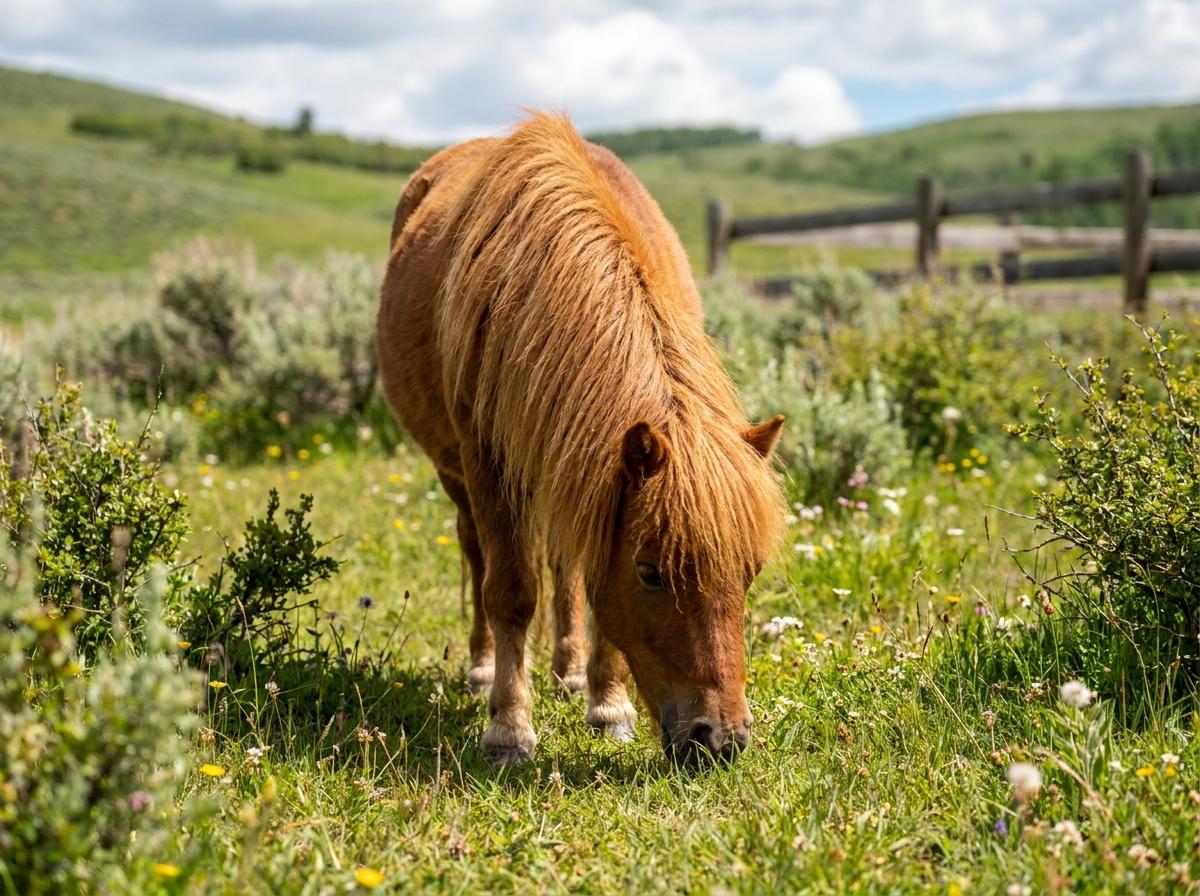
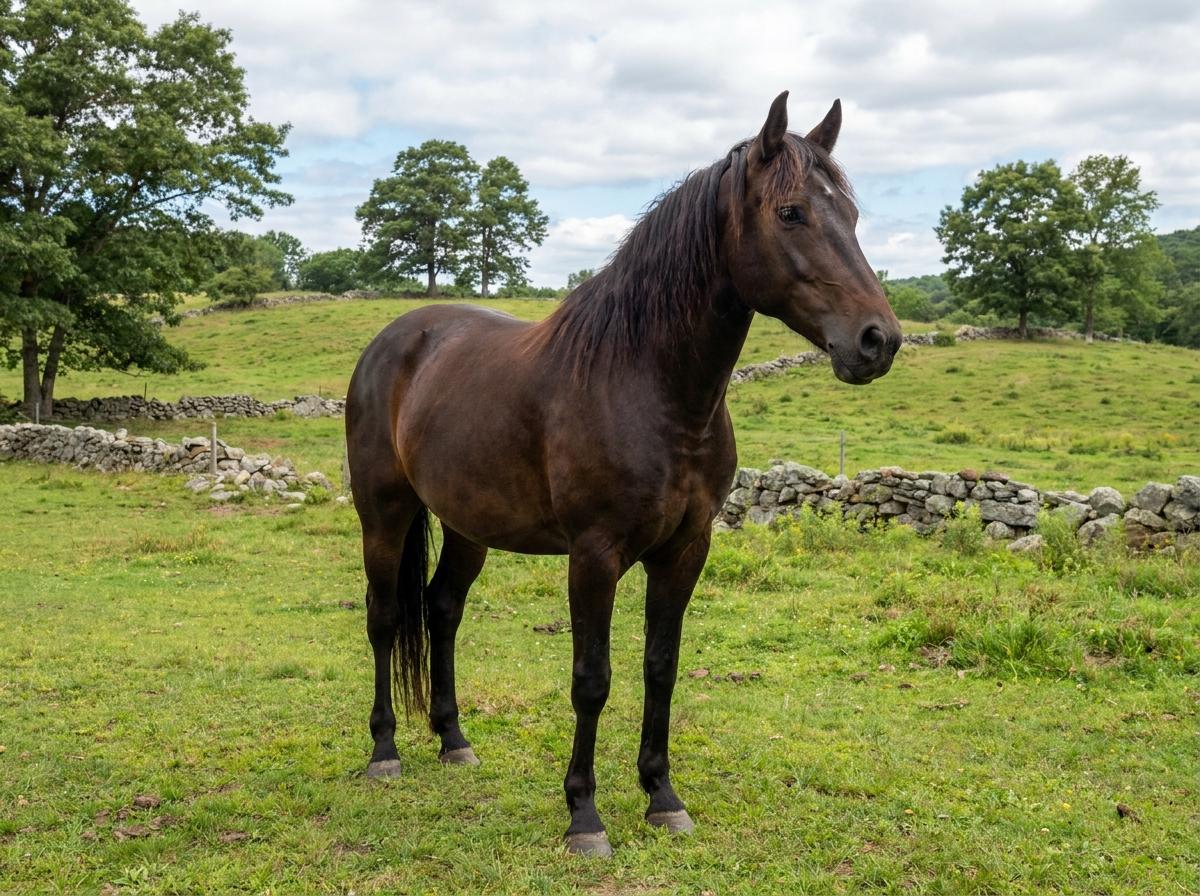
Colors: Amber Champagne, Bay, Bay Dun, Bay Roan, Black, Blanket Appaloosa, Blue Roan, Brown, Buckskin, Champagne, Chestnut, Classic Champagne, Cremello, Dun, Dun Roan, Fewspot Appaloosa, Flaxen Chestnut, Frame Overo, Gold Champagne, Gray, Grey, Grullo, Leopard Appaloosa, Liver Chestnut, Overo, Palomino, Perlino, Piebald, Pinto, Rabicano, Red Dun, Red Roan, Roan, Sabino, Seal Bay, Silver Dapple, Skewbald, Smoky Black, Smoky Cream, Snowcap Appaloosa, Sorrel, Splash White, Tobiano, Tovero, Varnish Roan, White