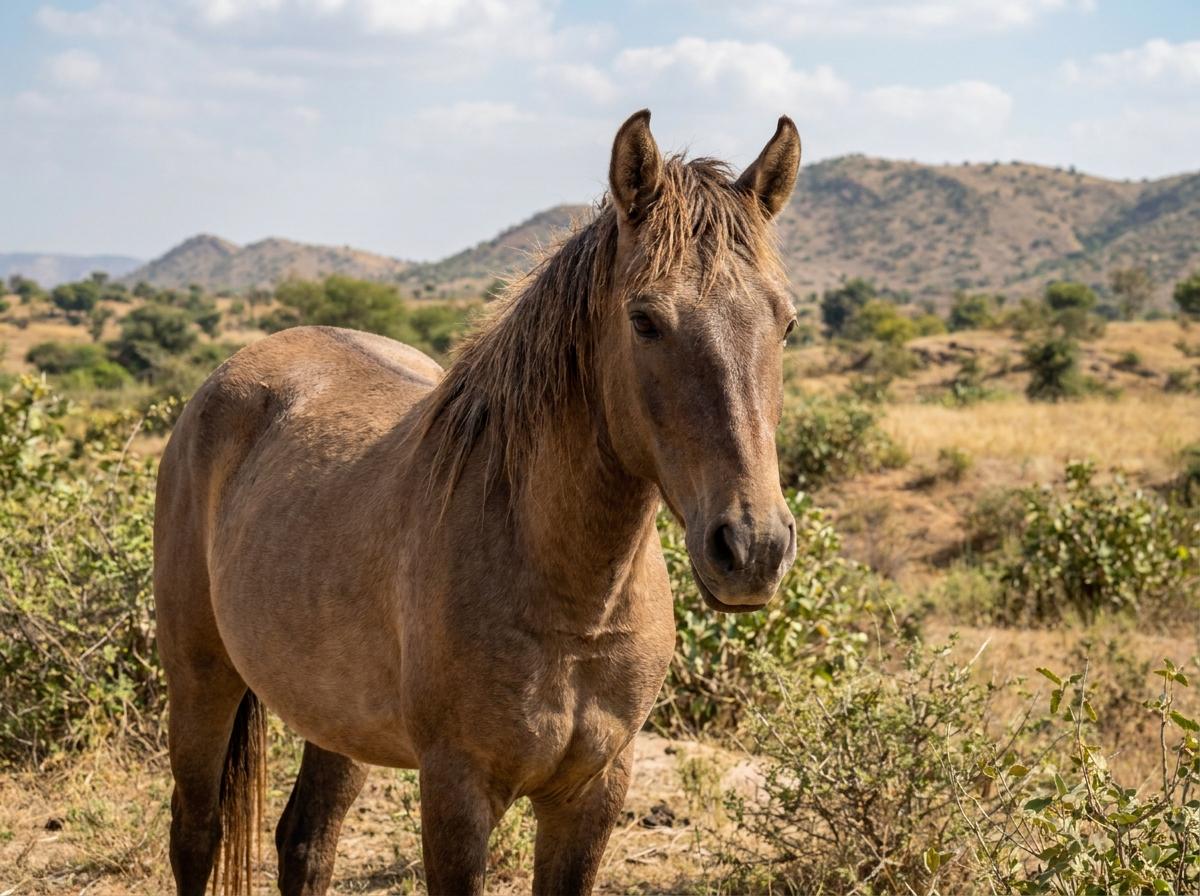
Indian Country-Bred
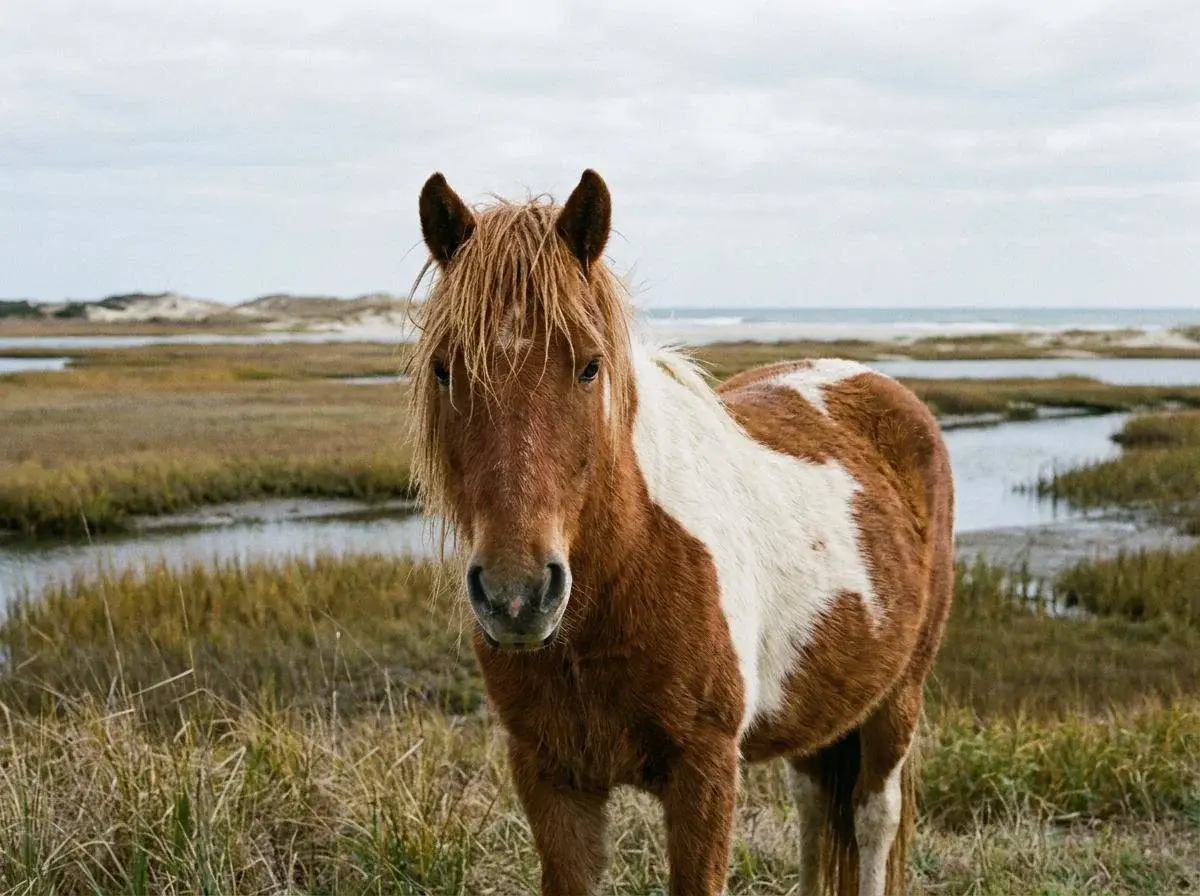
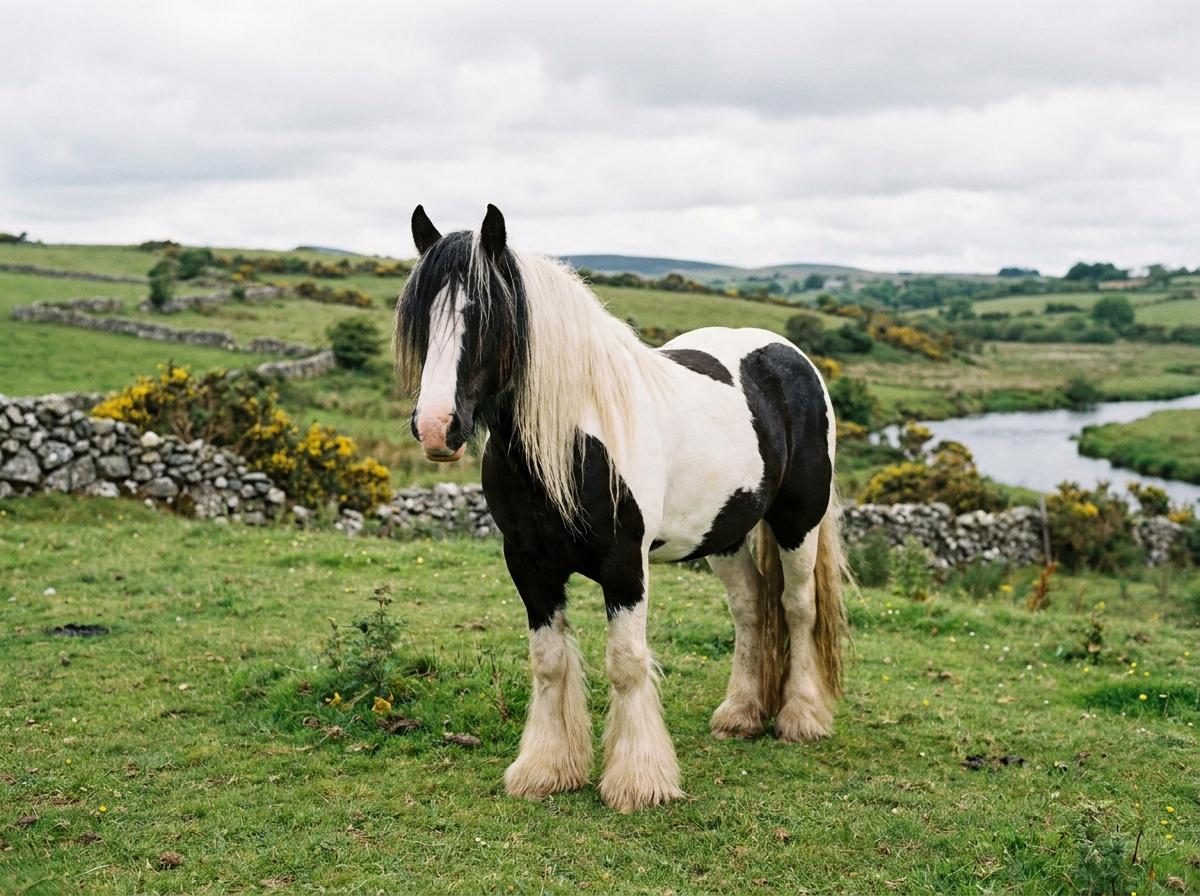
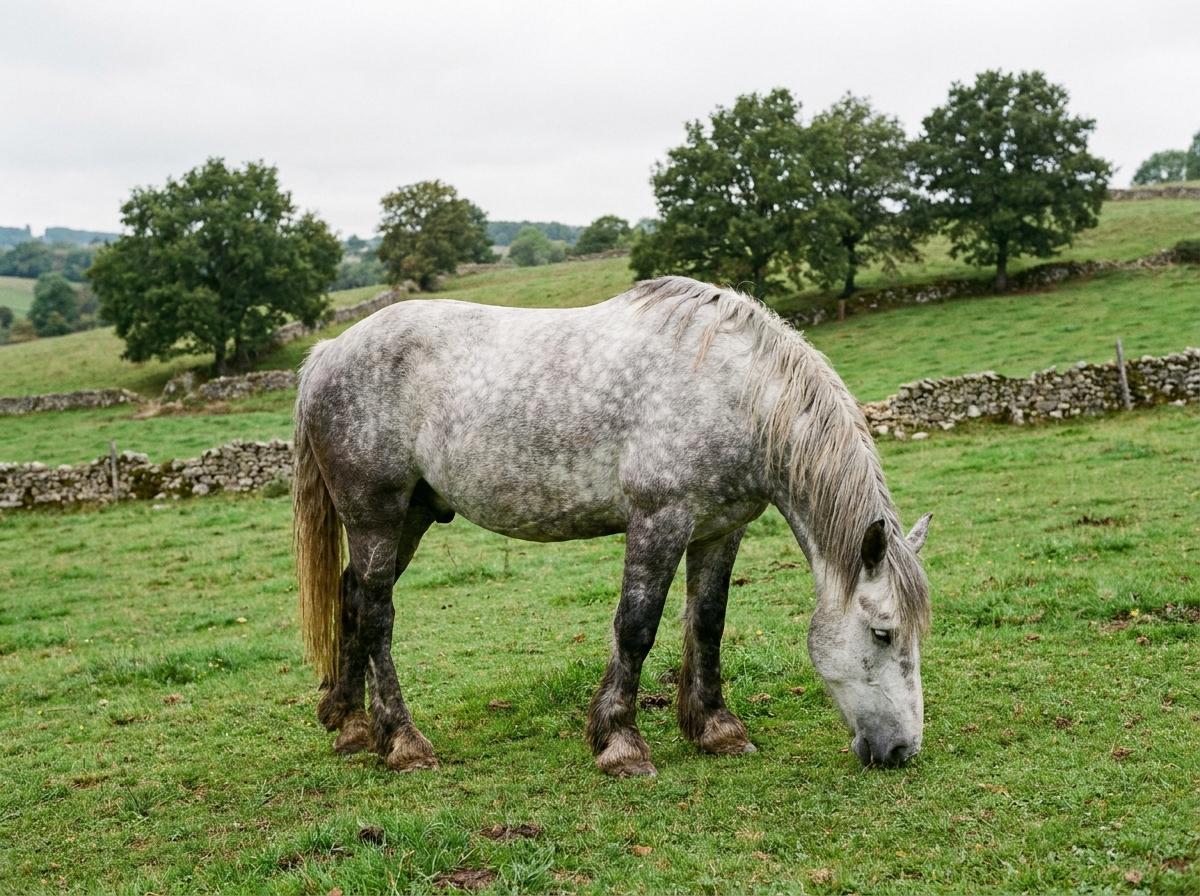
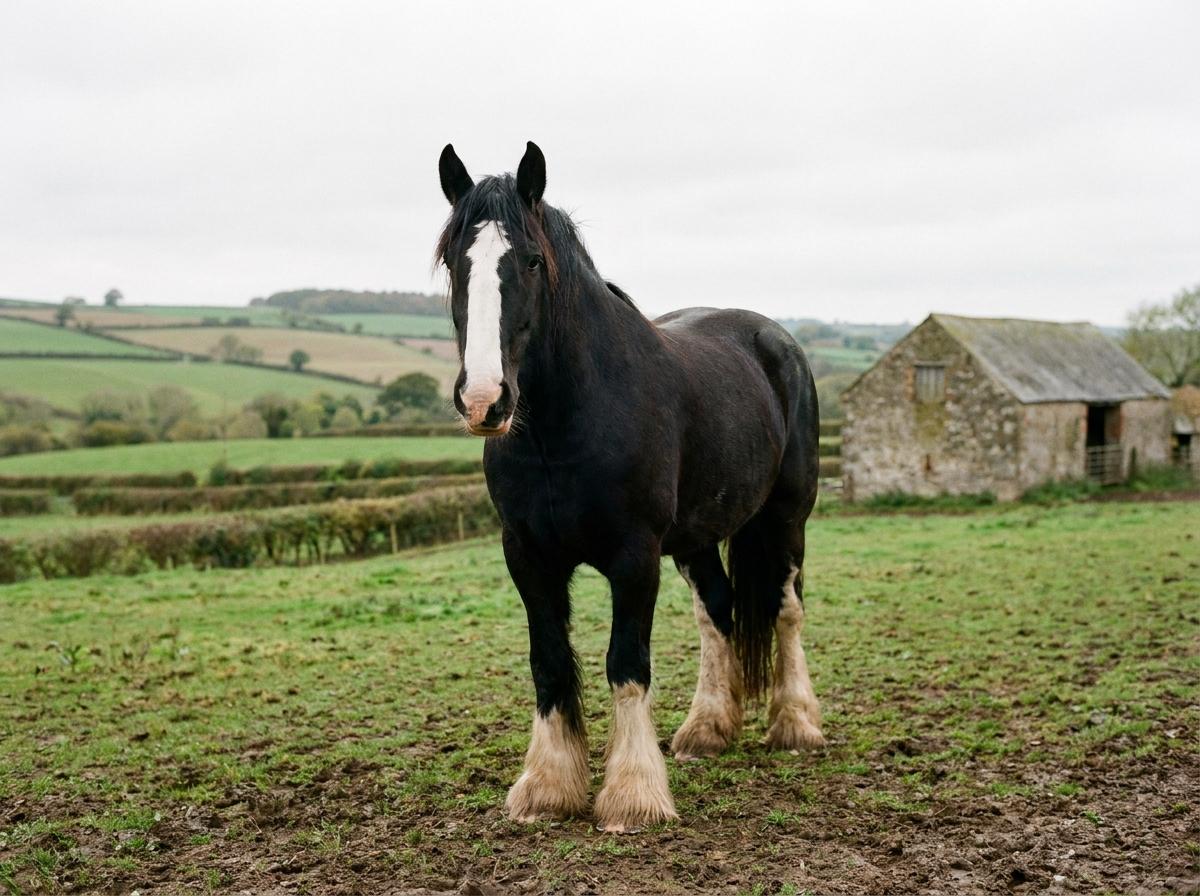
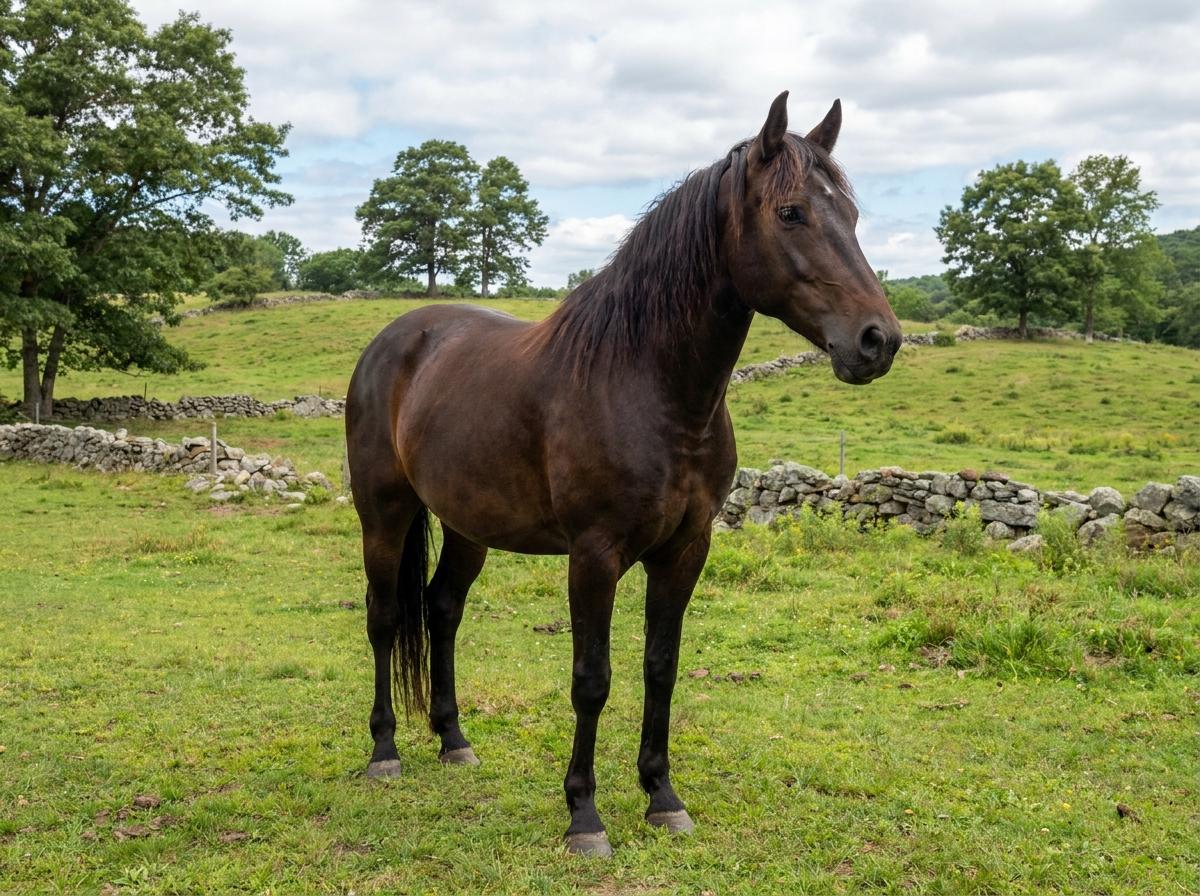
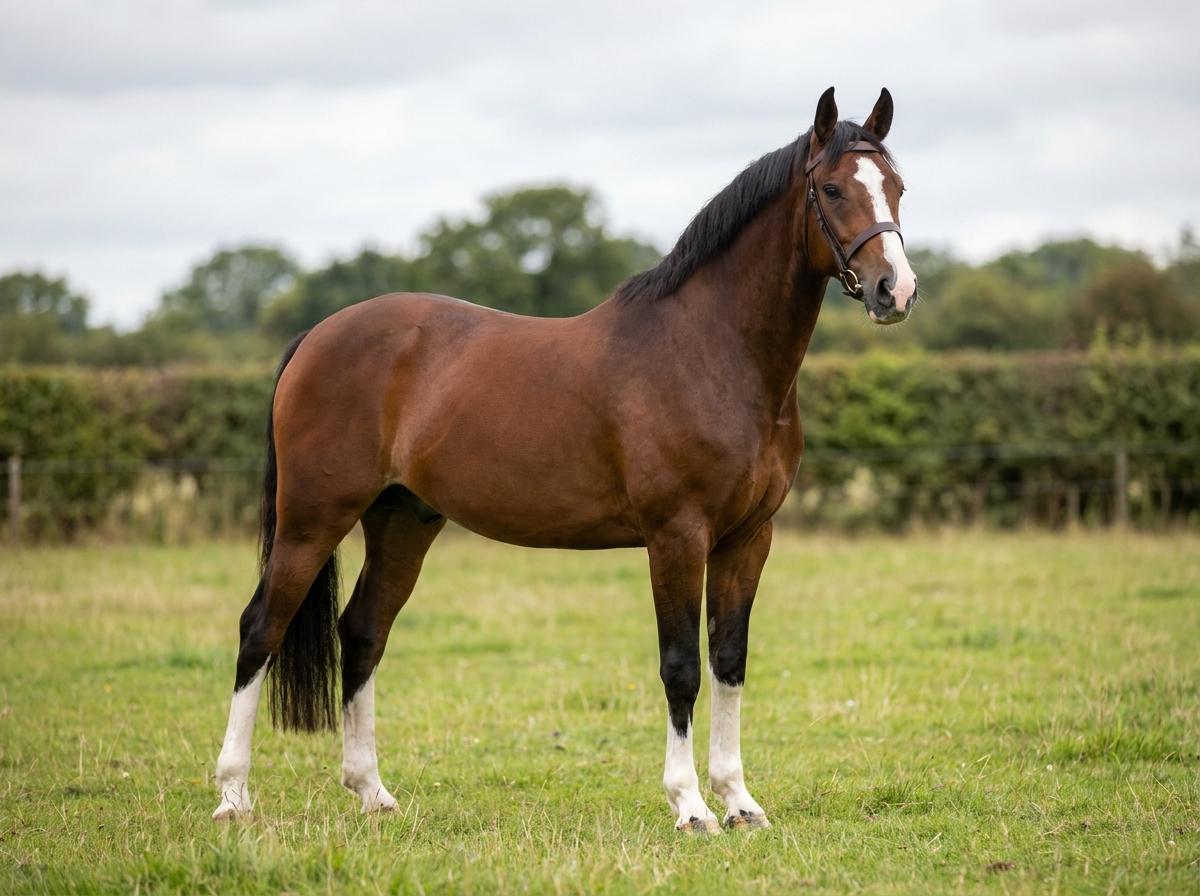
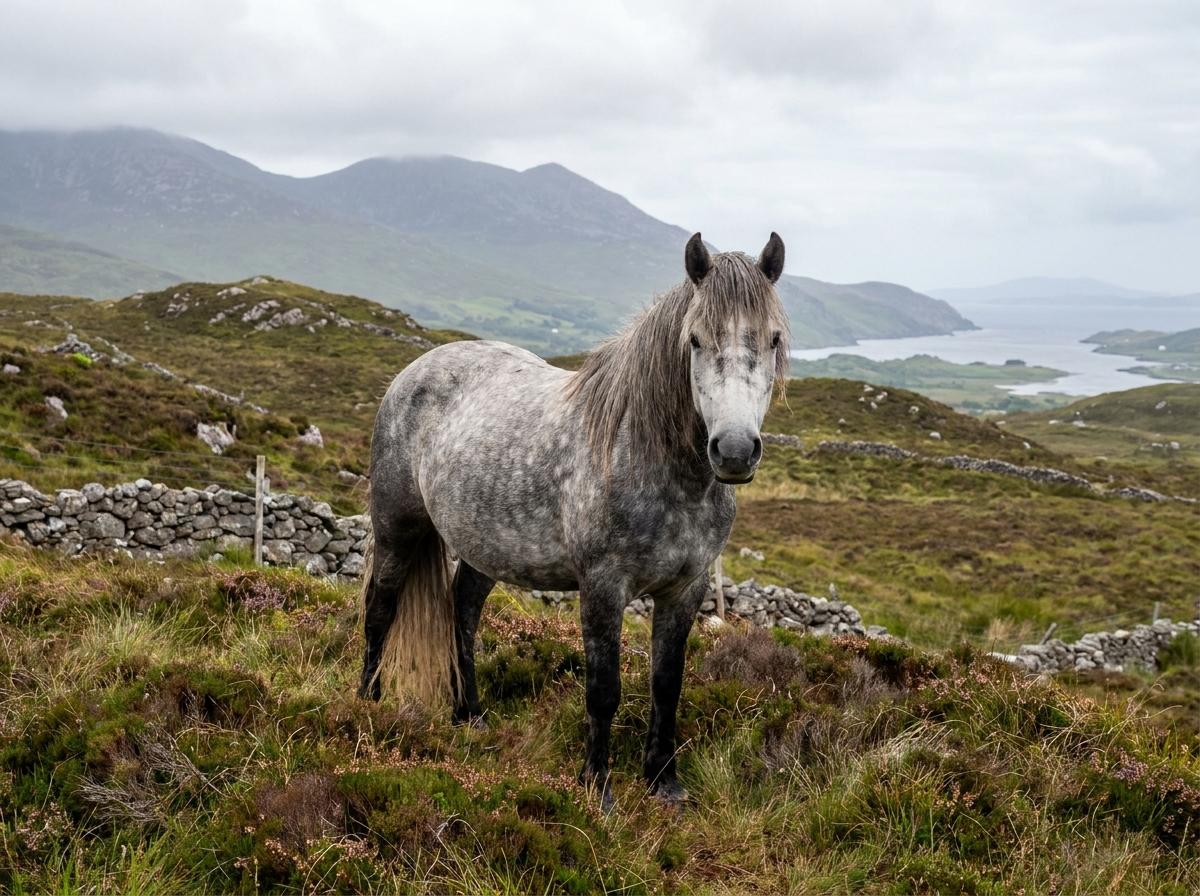
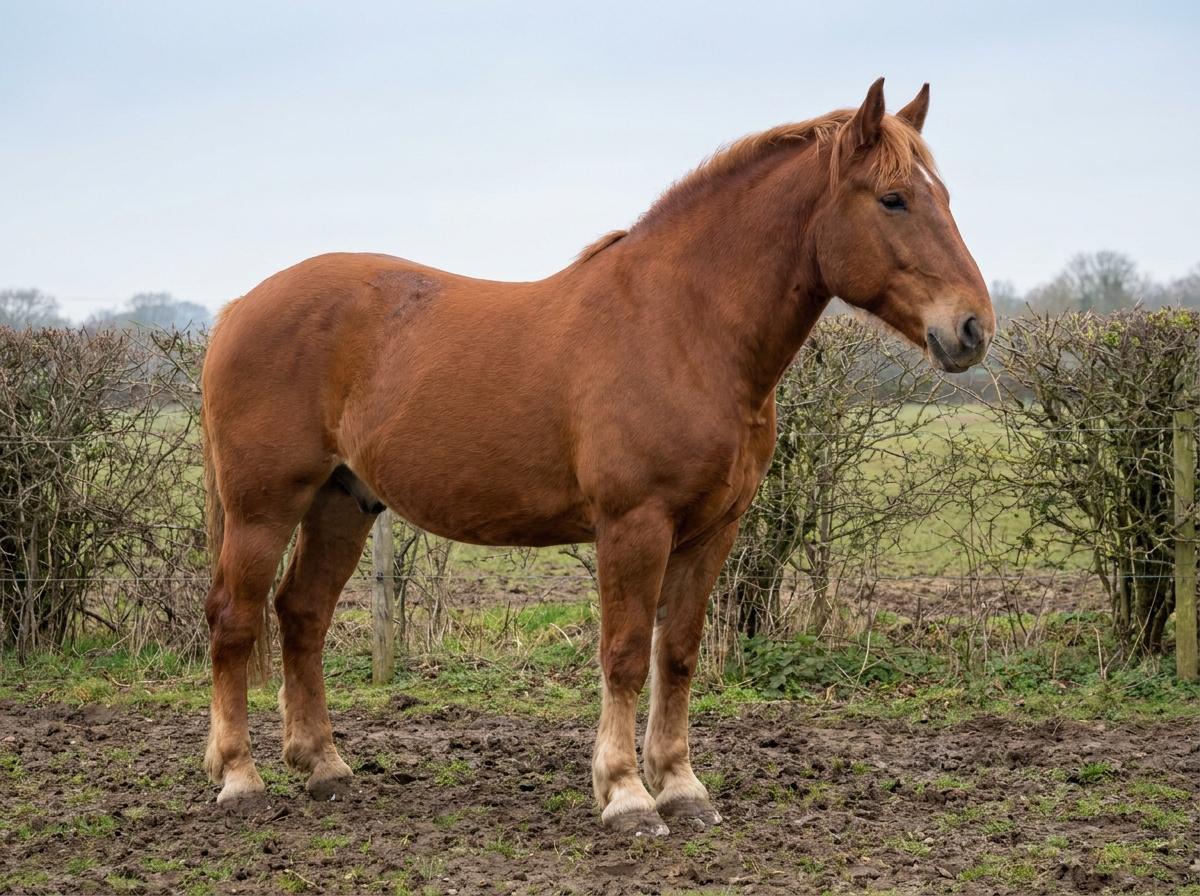
The Indian country-bred is a practical term for local Indian horse stock that does not fit neatly into one of the better-known named breeds such as Marwari or Kathiawari. It may include mixed regional ancestry, village-bred horses, and animals selected more for usefulness than for a closed studbook. Country-bred horses are often small to medium, hardy, and adapted to local climates, with enough stamina for riding, cart work, ceremonies, and everyday transport.
Because the label covers a wide range, owners should judge an Indian country-bred horse by the individual animal's health, training, conformation, and suitability. Heat tolerance, hoof quality, parasite management, water access, and humane workload are practical concerns in many settings. For breeders and researchers, the category can be useful when documenting local horse populations, but it should not erase distinct regional breeds or exaggerate purity. Clear records, photographs, and owner histories help separate a useful local type from a vague sales description.
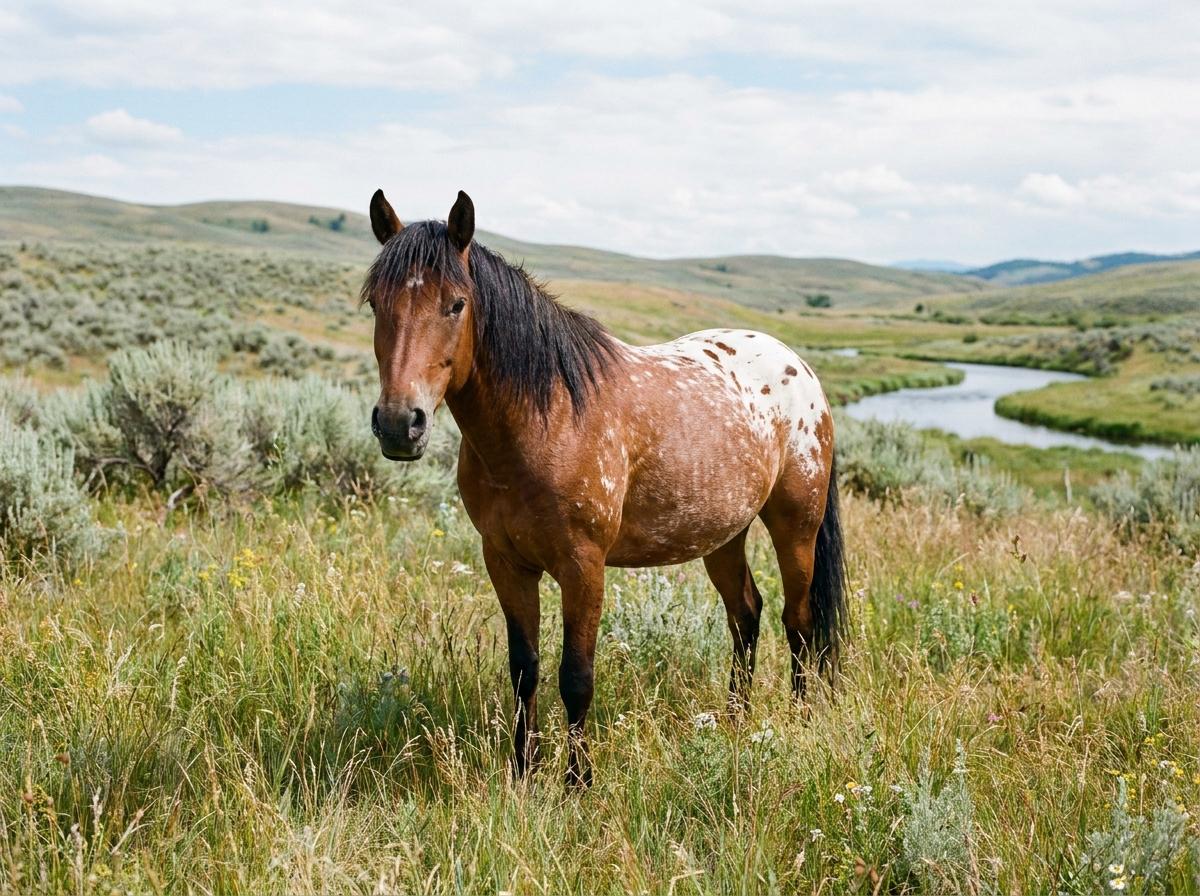
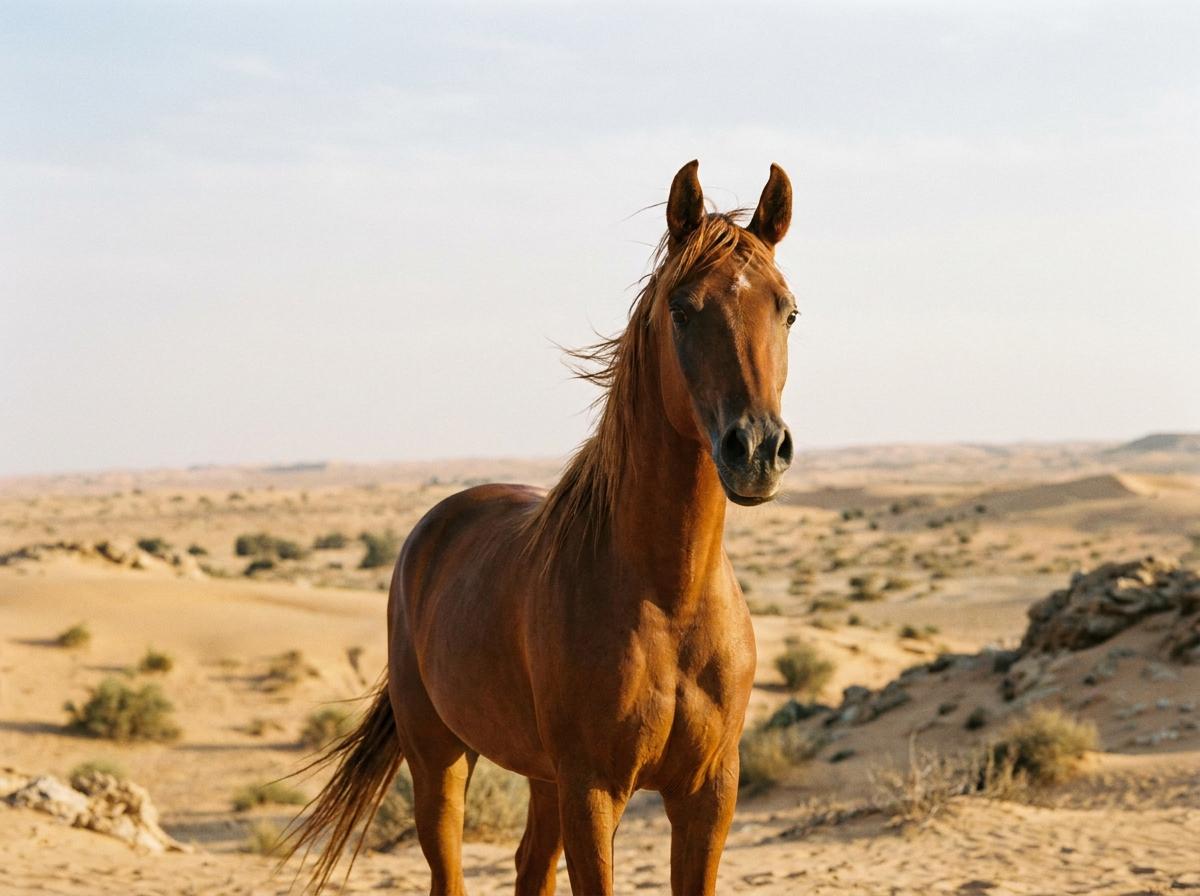
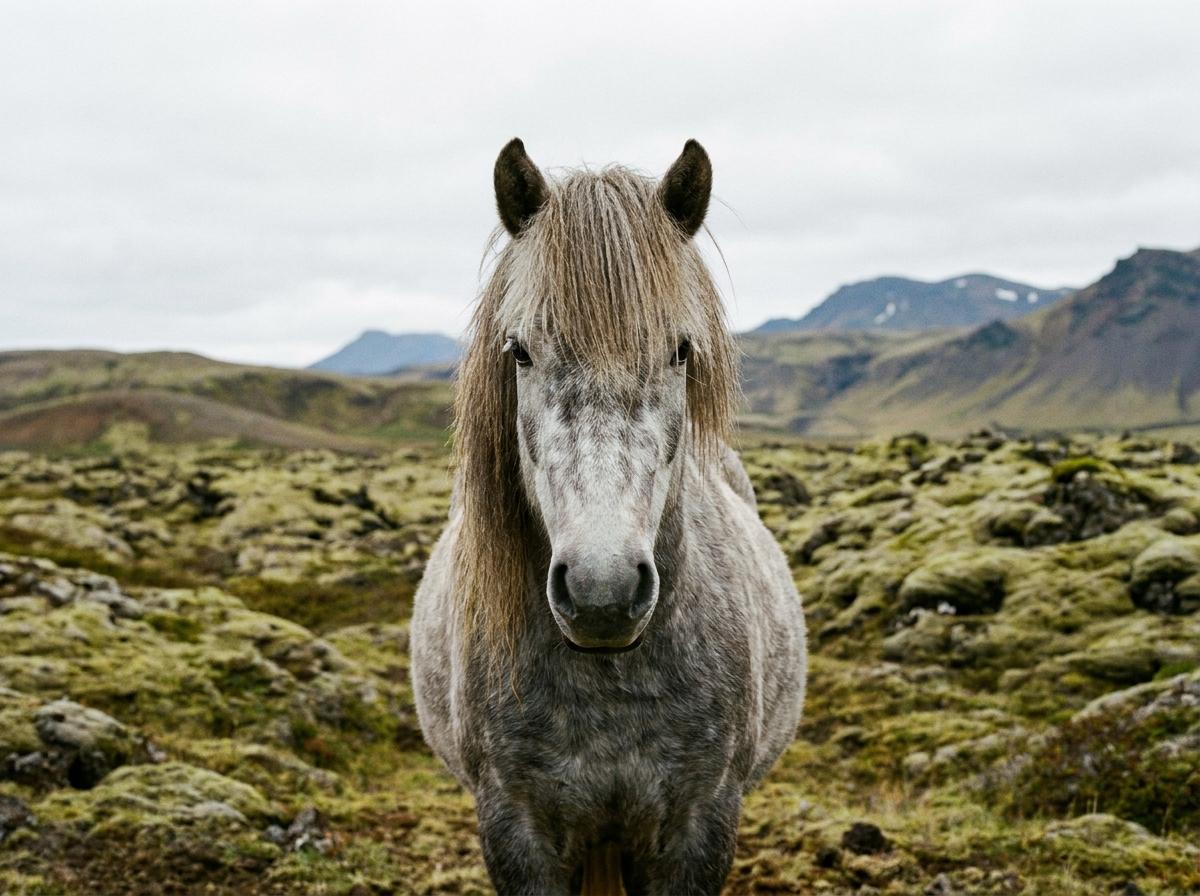
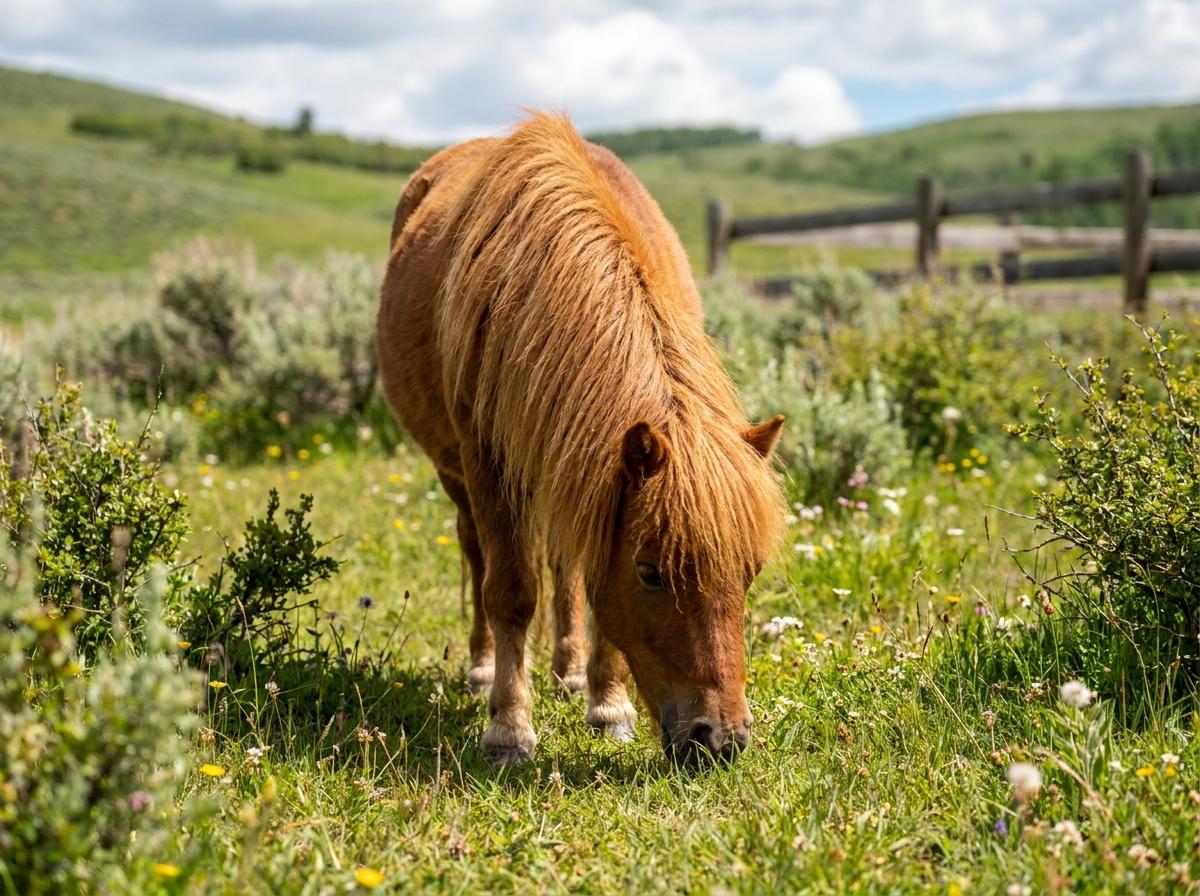
Colors: Amber Champagne, Bay, Bay Dun, Bay Roan, Black, Blanket Appaloosa, Blue Roan, Brown, Buckskin, Champagne, Chestnut, Classic Champagne, Cremello, Dun, Dun Roan, Fewspot Appaloosa, Flaxen Chestnut, Frame Overo, Gold Champagne, Gray, Grey, Grullo, Leopard Appaloosa, Liver Chestnut, Overo, Palomino, Perlino, Piebald, Pinto, Rabicano, Red Dun, Red Roan, Roan, Sabino, Seal Bay, Silver Dapple, Skewbald, Smoky Black, Smoky Cream, Snowcap Appaloosa, Sorrel, Splash White, Tobiano, Tovero, Varnish Roan, White