

Indian Half-Bred
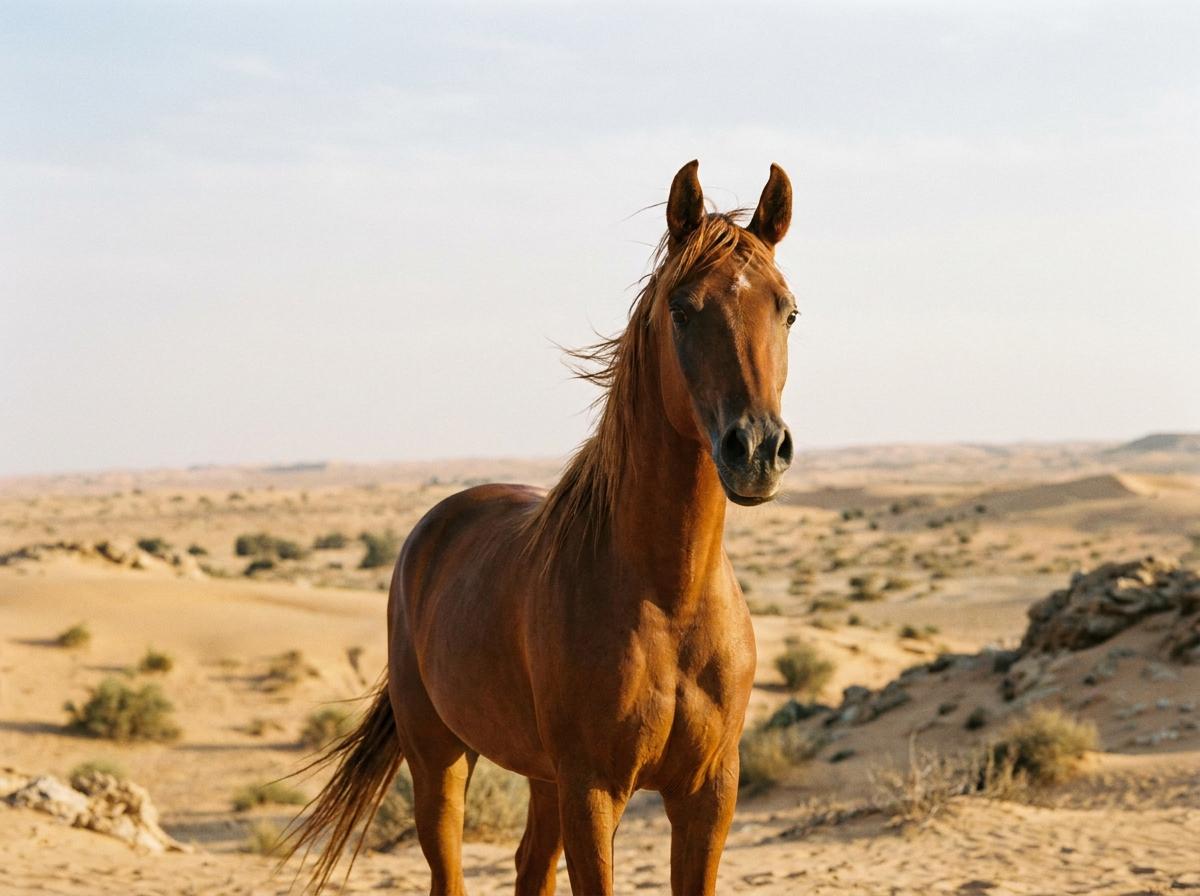
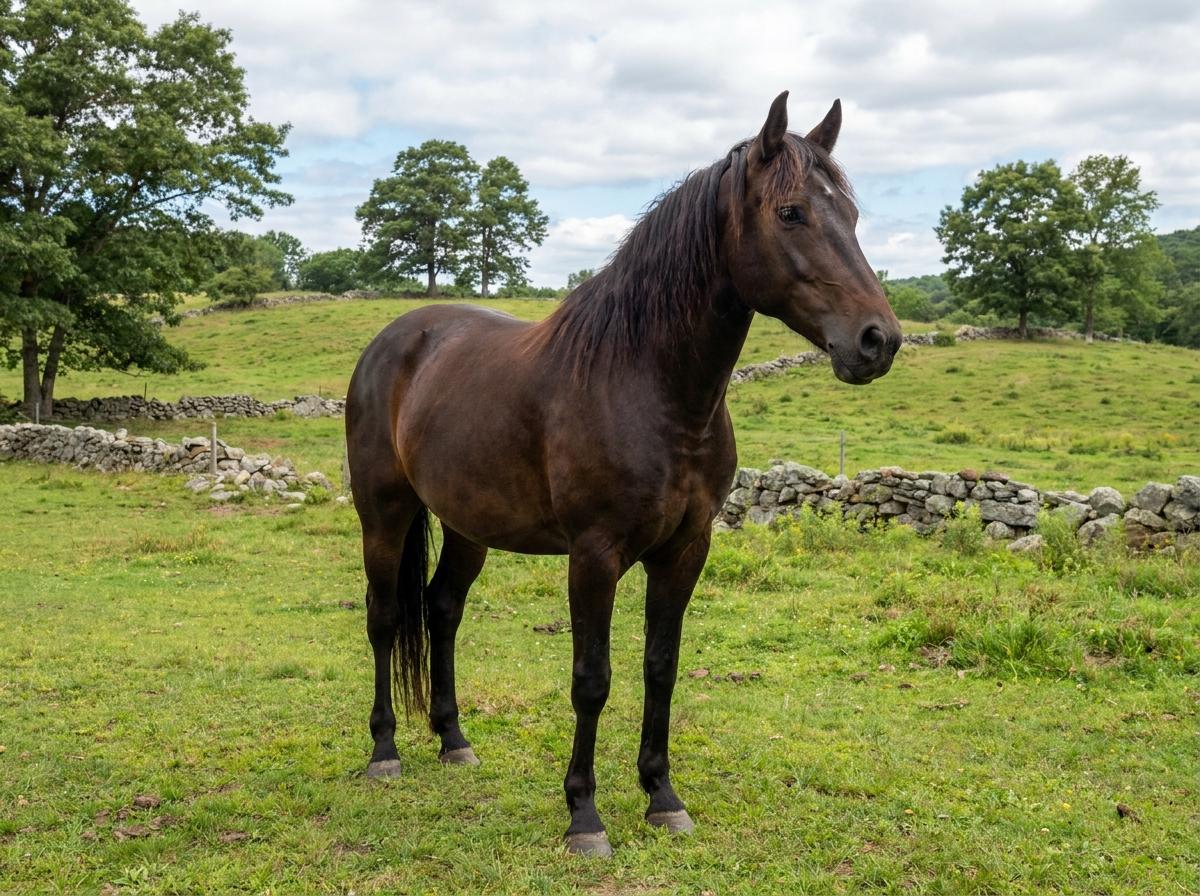
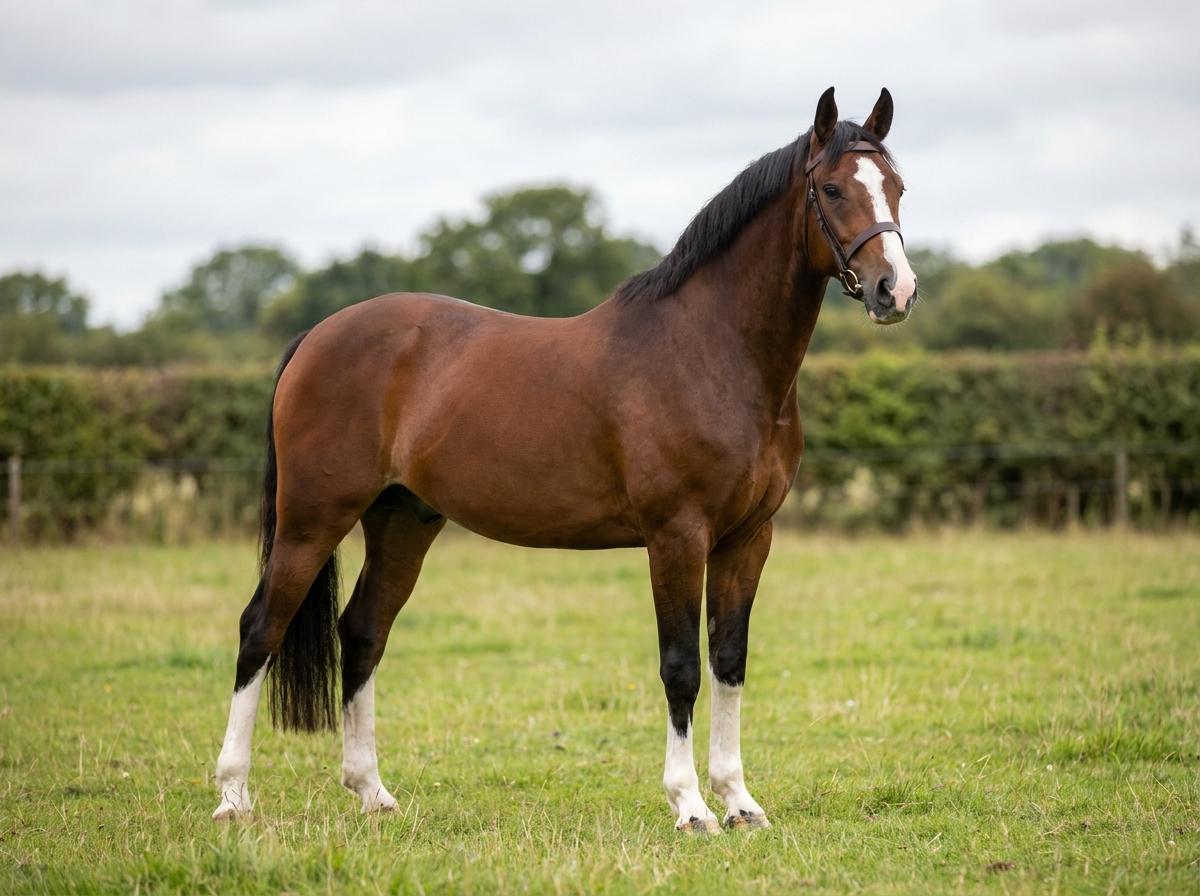
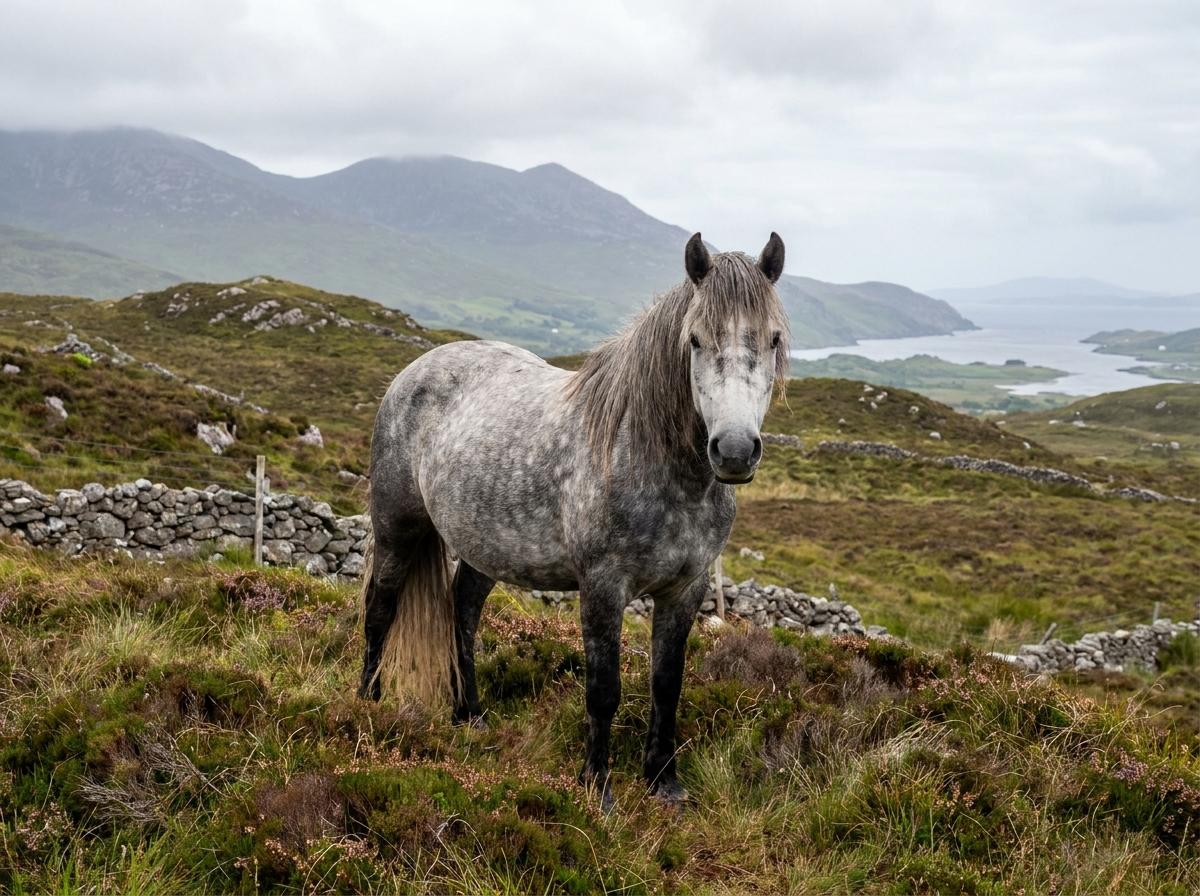
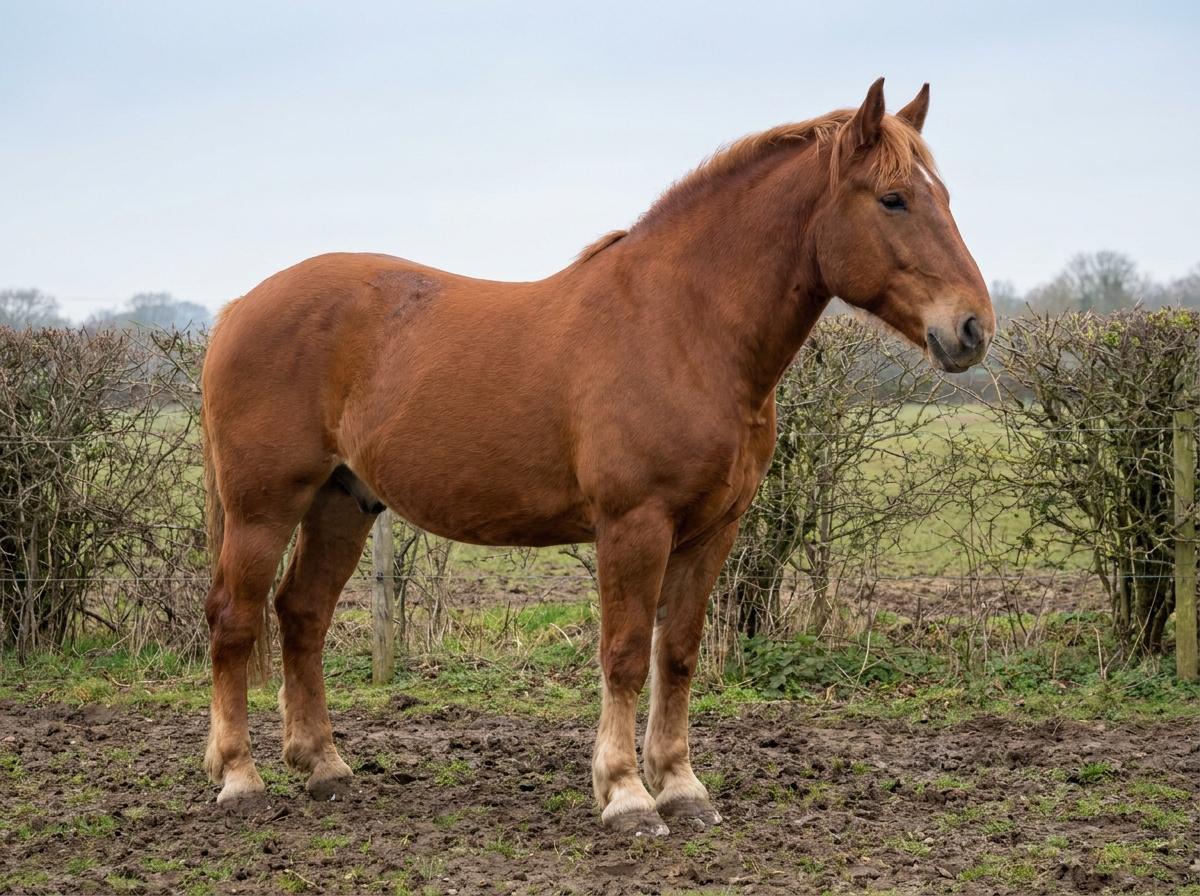
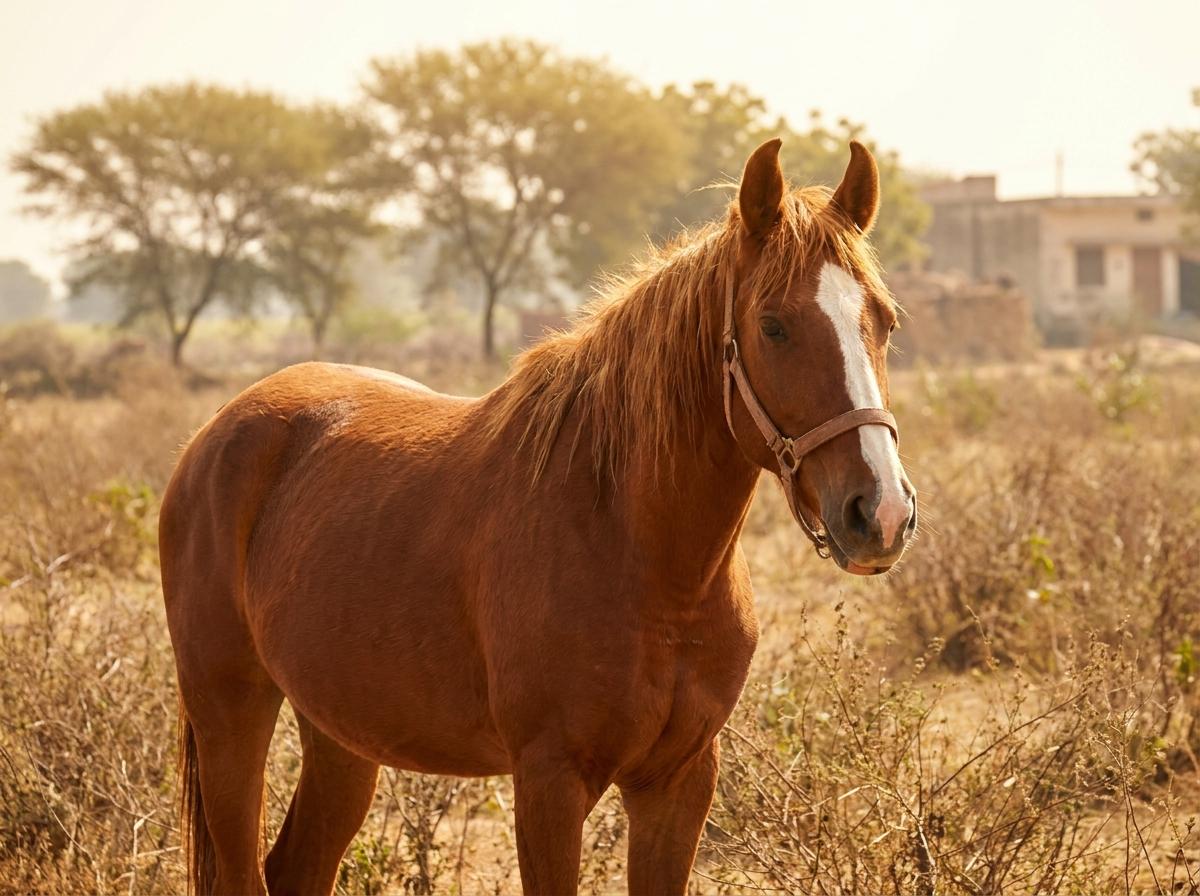
The Indian half-bred is a riding-horse type produced in India by crossing local mares with imported or selected stallions, often Thoroughbred, Arabian, or other performance blood depending on the period and program. The result was not one uniform breed but a practical horse for cavalry, police, polo, sport, and general saddle use. A good Indian half-bred may show more height and speed than many local country-bred horses while retaining some adaptation to Indian conditions.
Management depends heavily on the individual cross. Horses with more Thoroughbred influence may need careful feeding, shoeing, conditioning, and veterinary attention, while locally adapted lines may be more economical to keep. Buyers should ask about parentage, training, age, and soundness rather than assuming the label predicts temperament or ability. Breeding programs that use half-bred stock need clear goals, because crossing for size alone can lose the toughness, feet, and heat tolerance that made regional horses valuable.
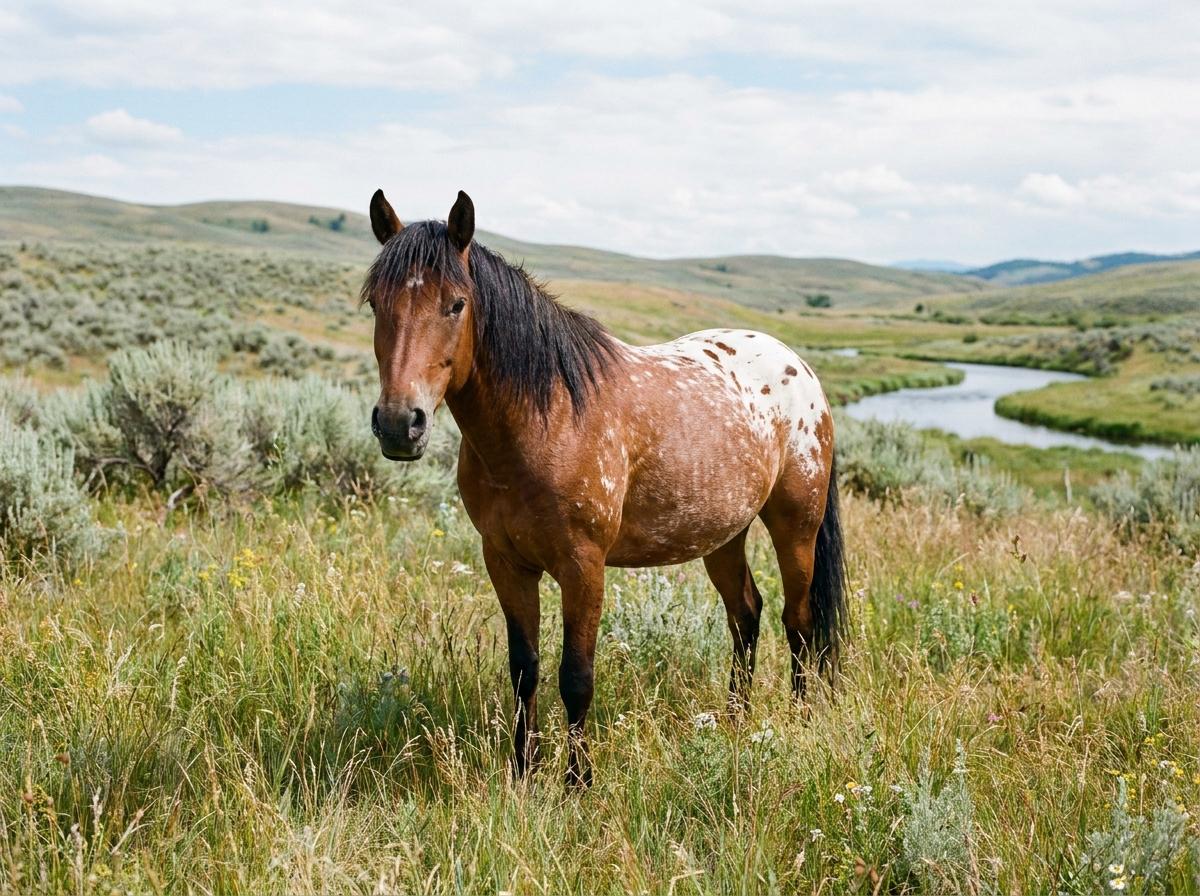
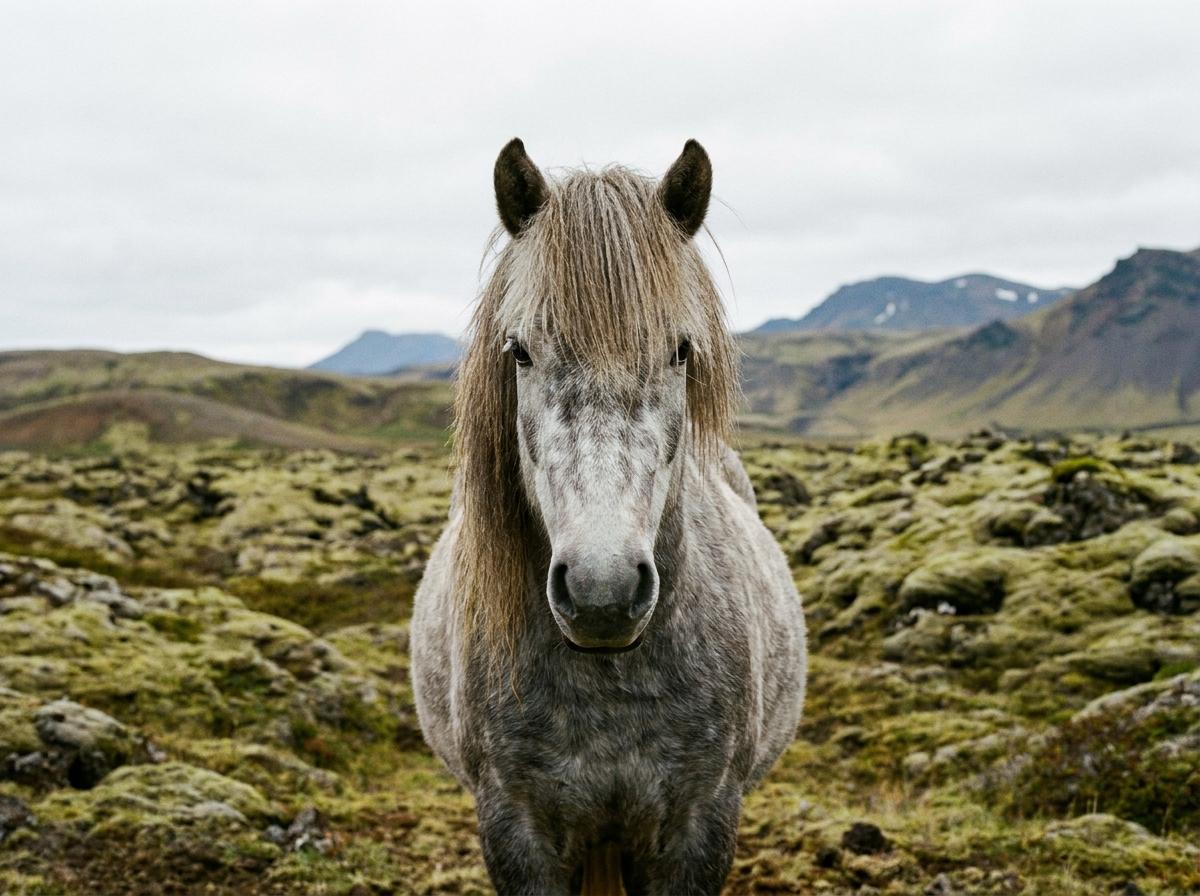
Colors: Amber Champagne, Bay, Bay Dun, Bay Roan, Black, Blanket Appaloosa, Blue Roan, Brown, Buckskin, Champagne, Chestnut, Classic Champagne, Cremello, Dun, Dun Roan, Fewspot Appaloosa, Flaxen Chestnut, Frame Overo, Gold Champagne, Gray, Grey, Grullo, Leopard Appaloosa, Liver Chestnut, Overo, Palomino, Perlino, Piebald, Pinto, Rabicano, Red Dun, Red Roan, Roan, Sabino, Seal Bay, Silver Dapple, Skewbald, Smoky Black, Smoky Cream, Snowcap Appaloosa, Sorrel, Splash White, Tobiano, Tovero, Varnish Roan, White