


Jeju Horse
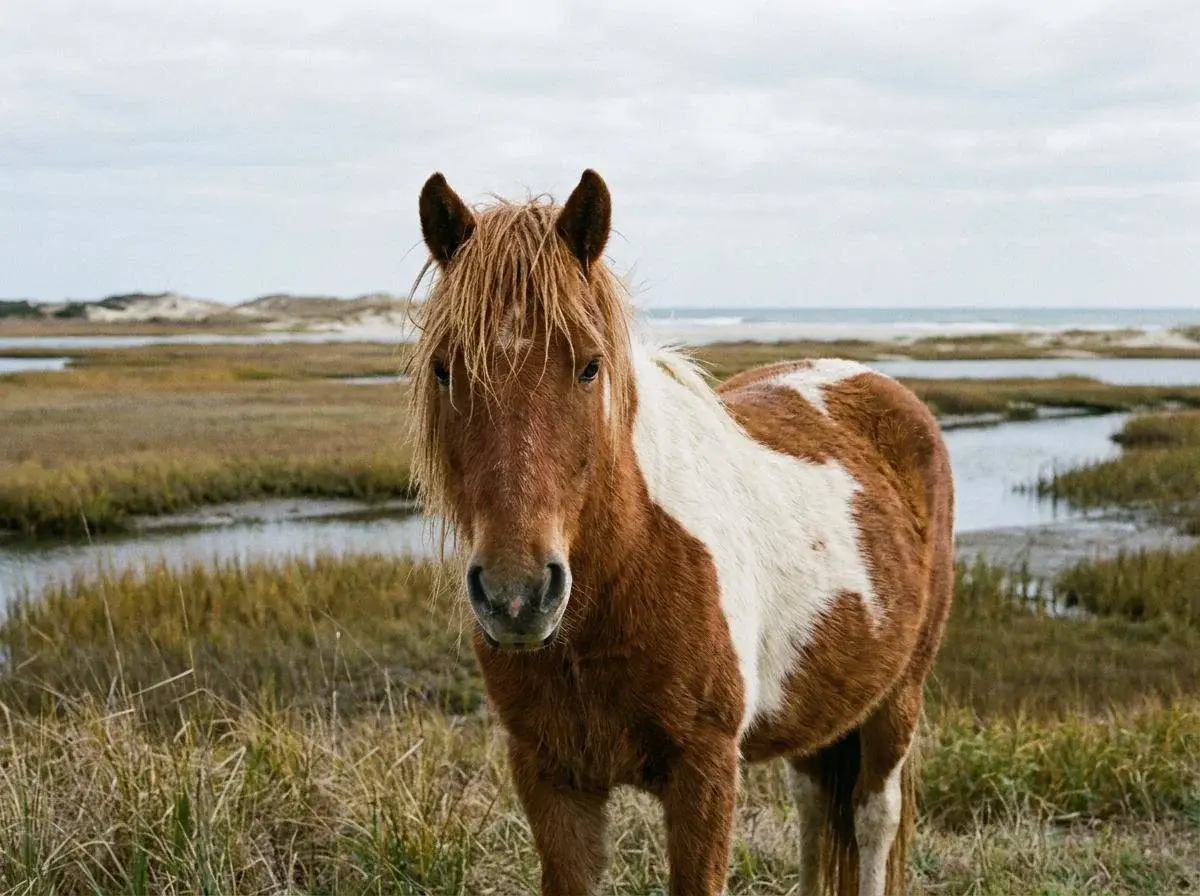
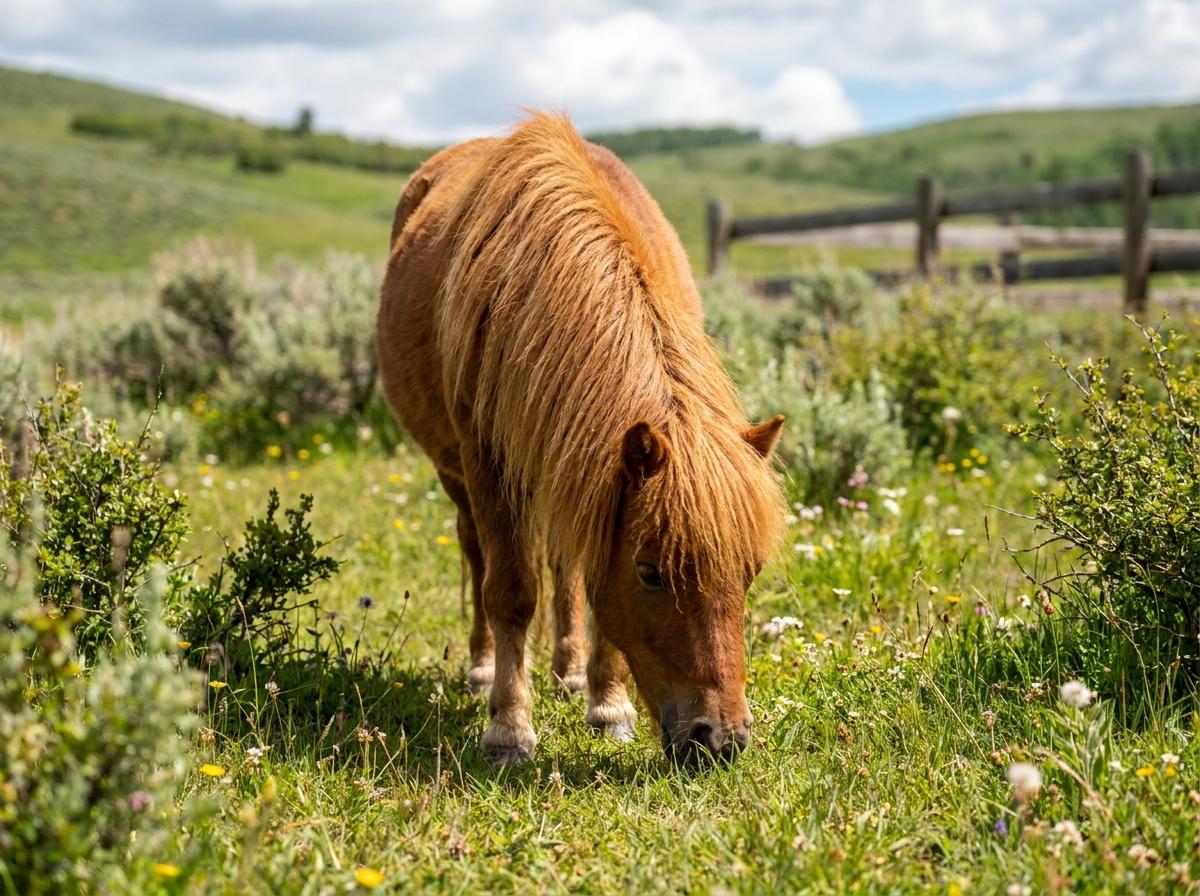
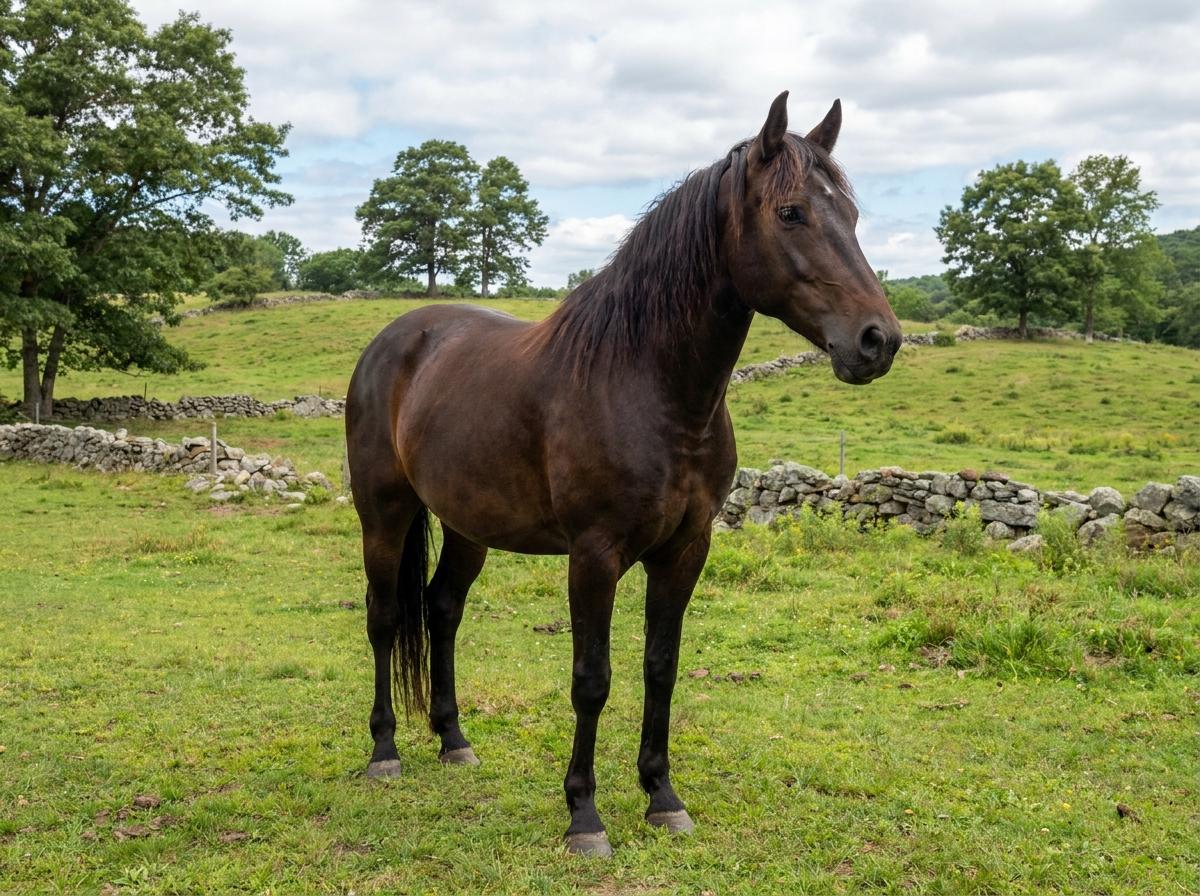
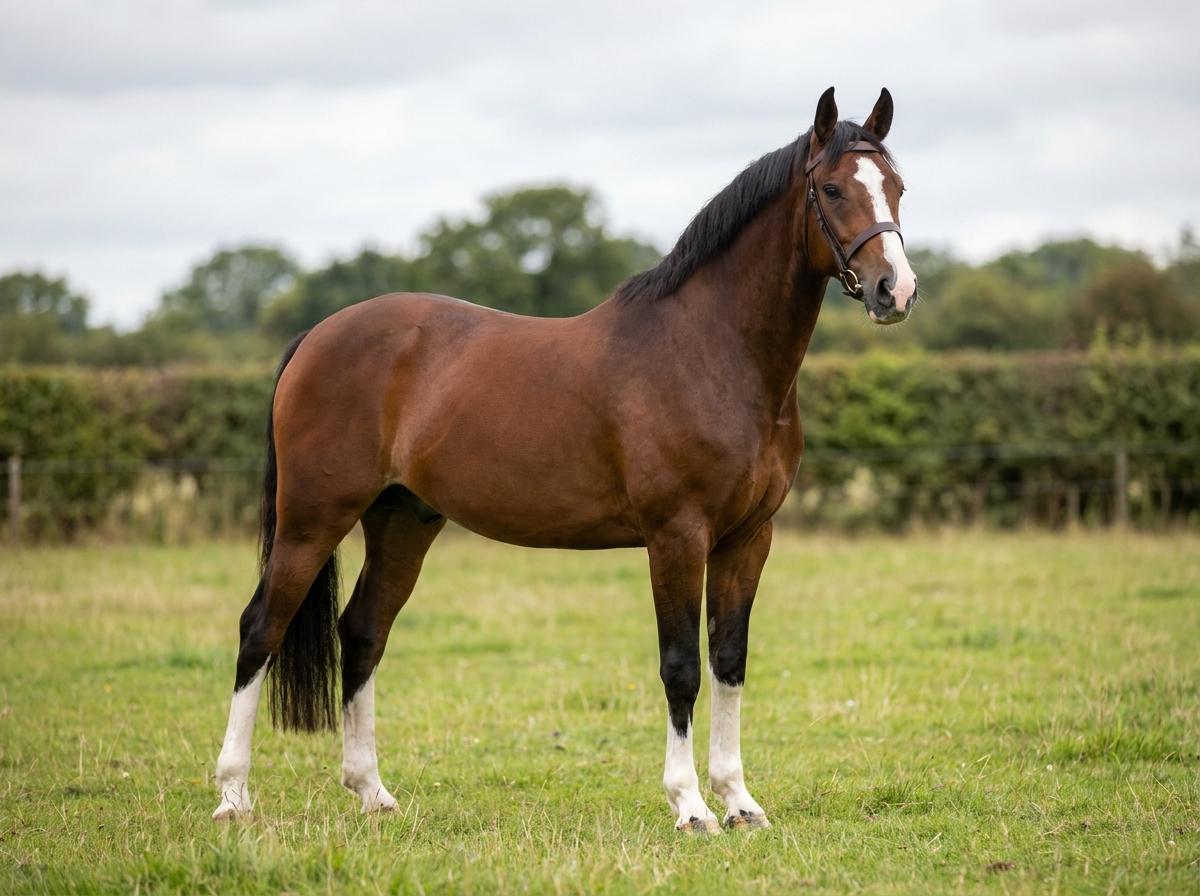
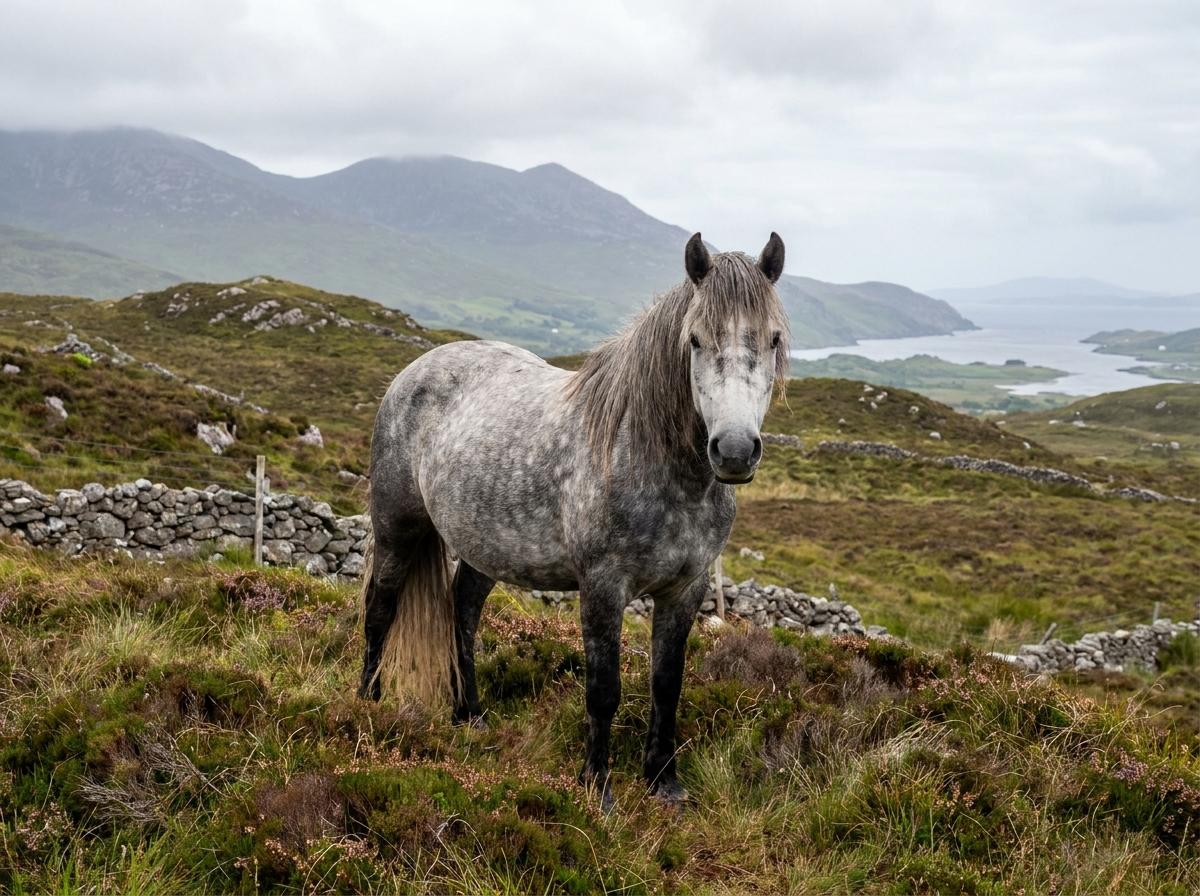
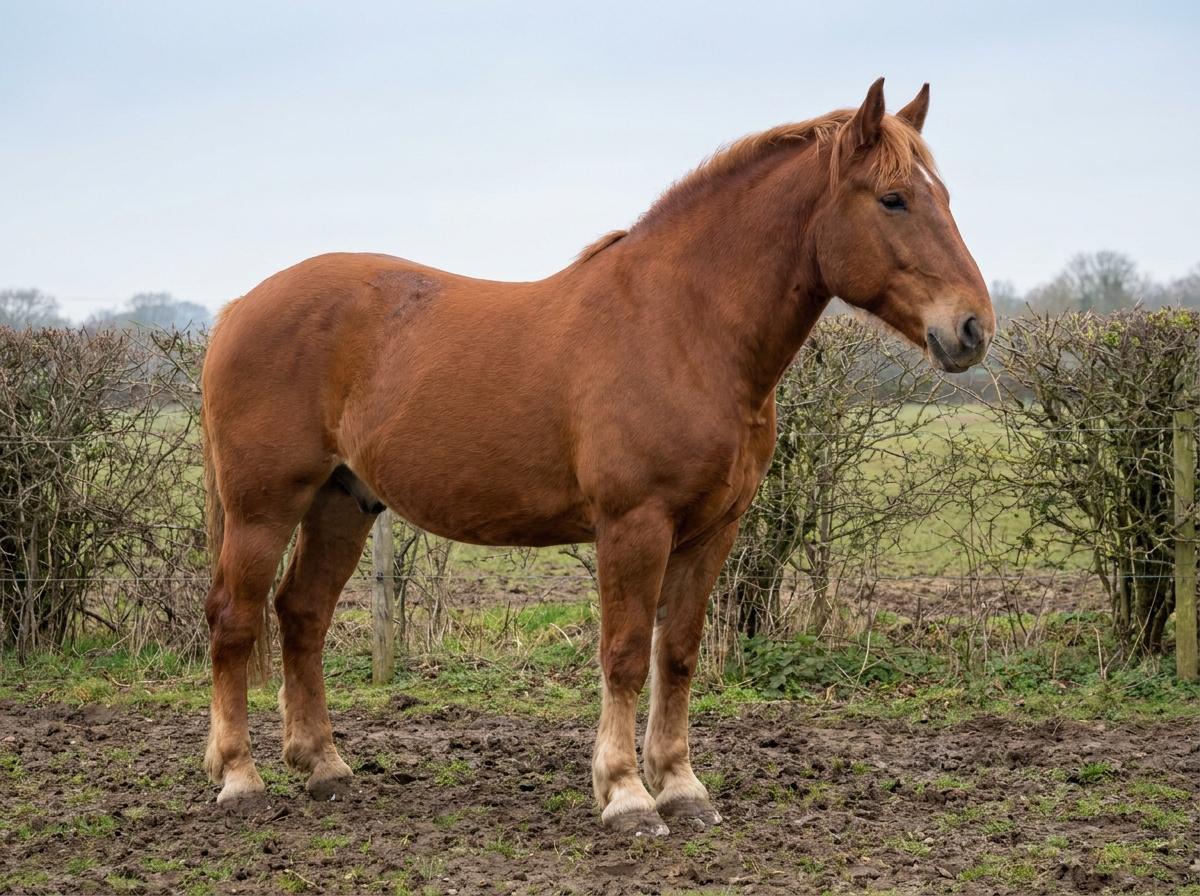
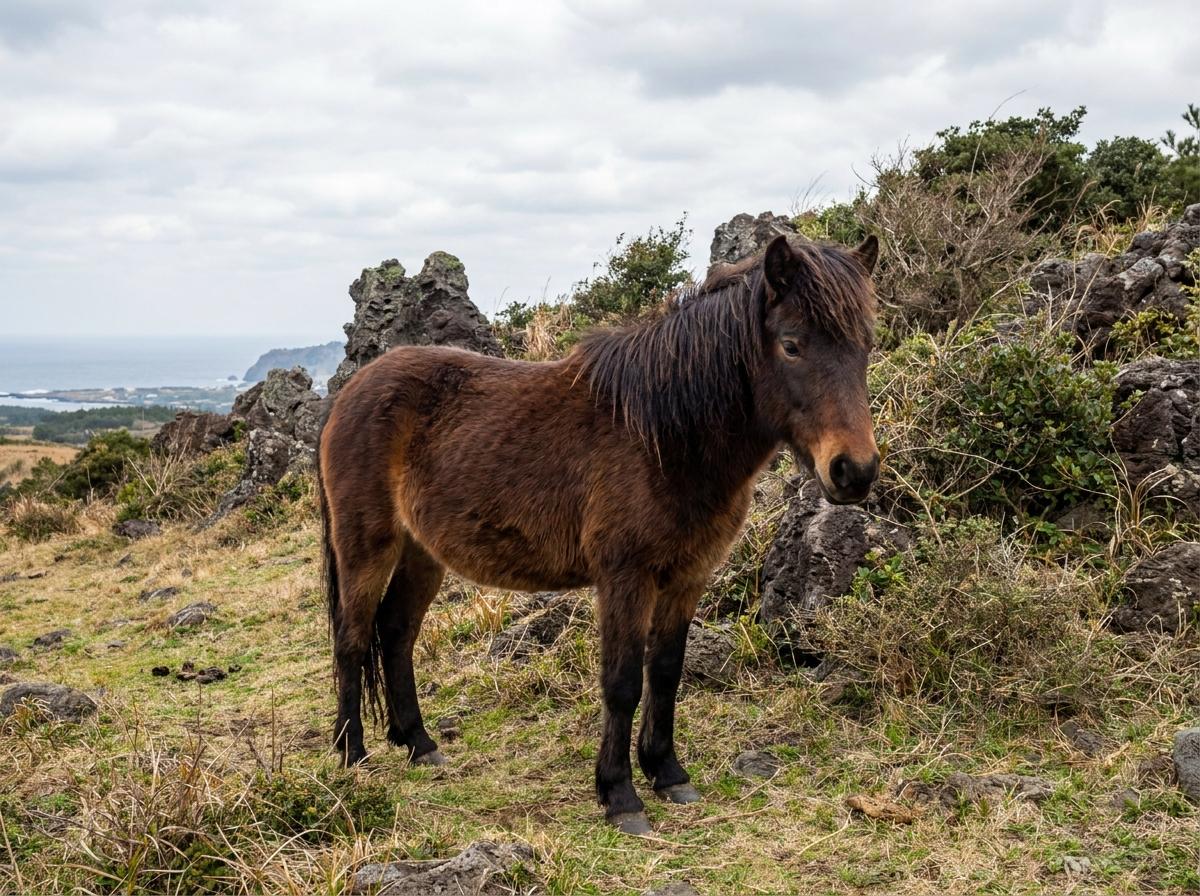
The Jeju horse is a native Korean horse from Jeju Island, where local horses were shaped by island grazing, Korean husbandry, and historical influence from Mongolian and other Asian horse populations. It is usually small, hardy, and well adapted to wind, rough ground, and outdoor keeping. The breed has cultural and conservation importance in Korea, with a body type that reflects practical island use rather than modern sport-horse fashion.
Jeju horses are used for conservation breeding, riding, tourism, education, and some local competition or racing contexts. Owners should manage them as hardy native horses that still need ordinary care: balanced feed, hoof trimming, dental work, parasite control, and safe handling. Preservation programs rely on identifying true Jeju ancestry and maintaining enough genetic diversity. For visitors, the useful distinction is that the Jeju horse is an island native breed with its own history, not simply a small generic pony.
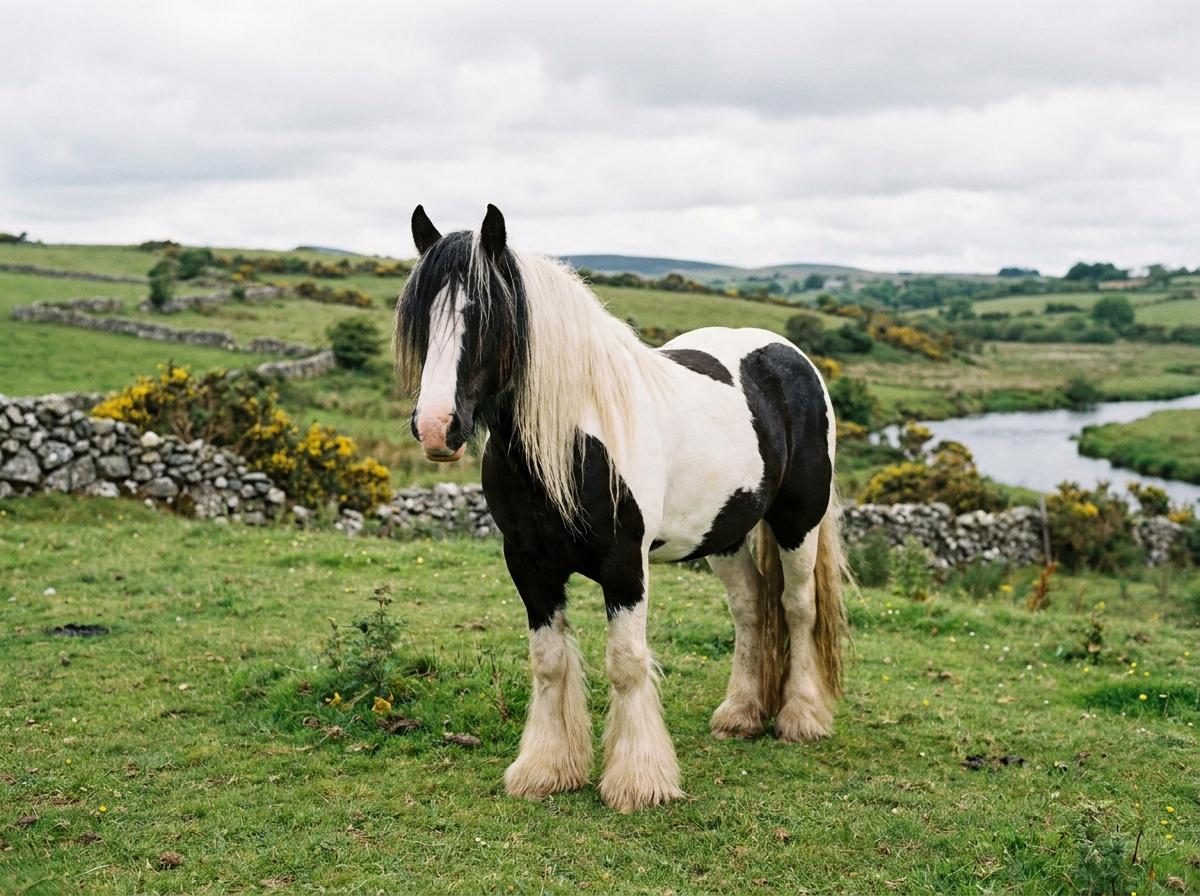
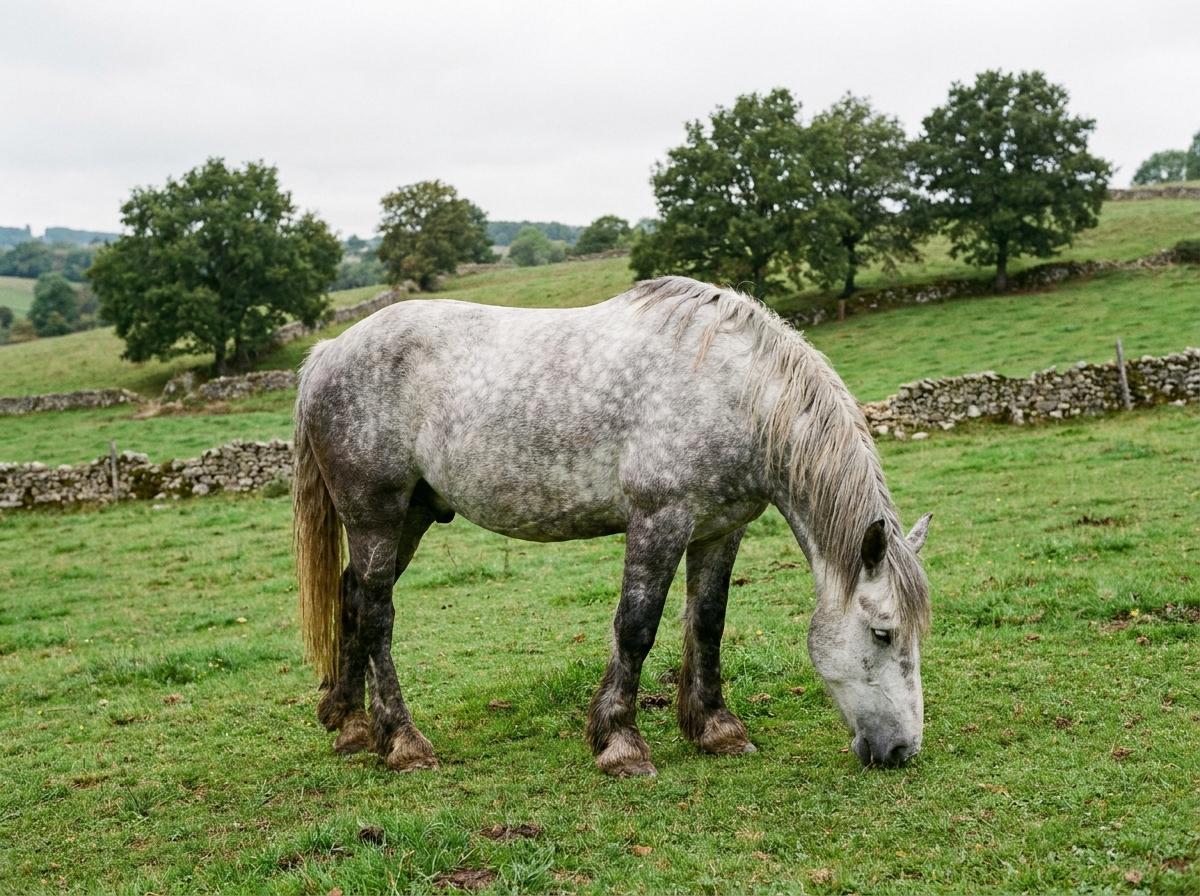
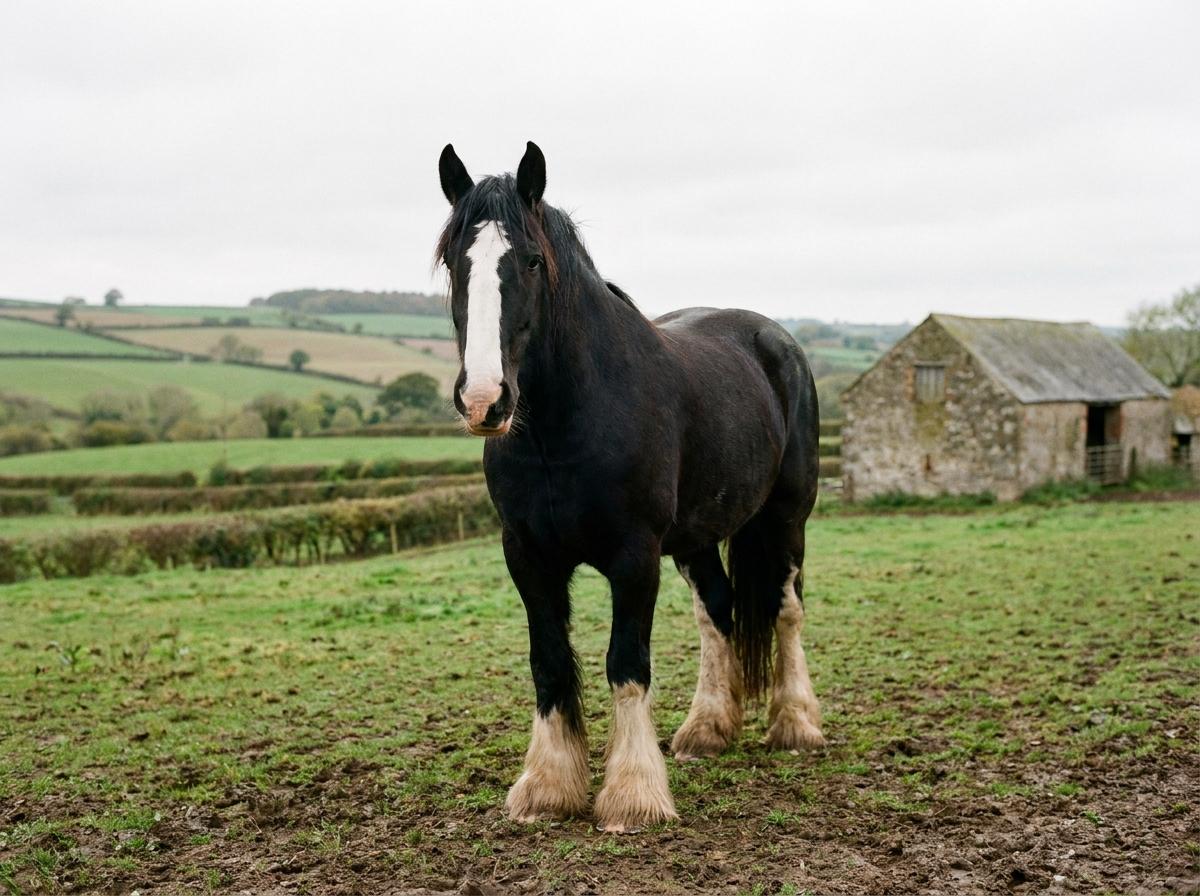
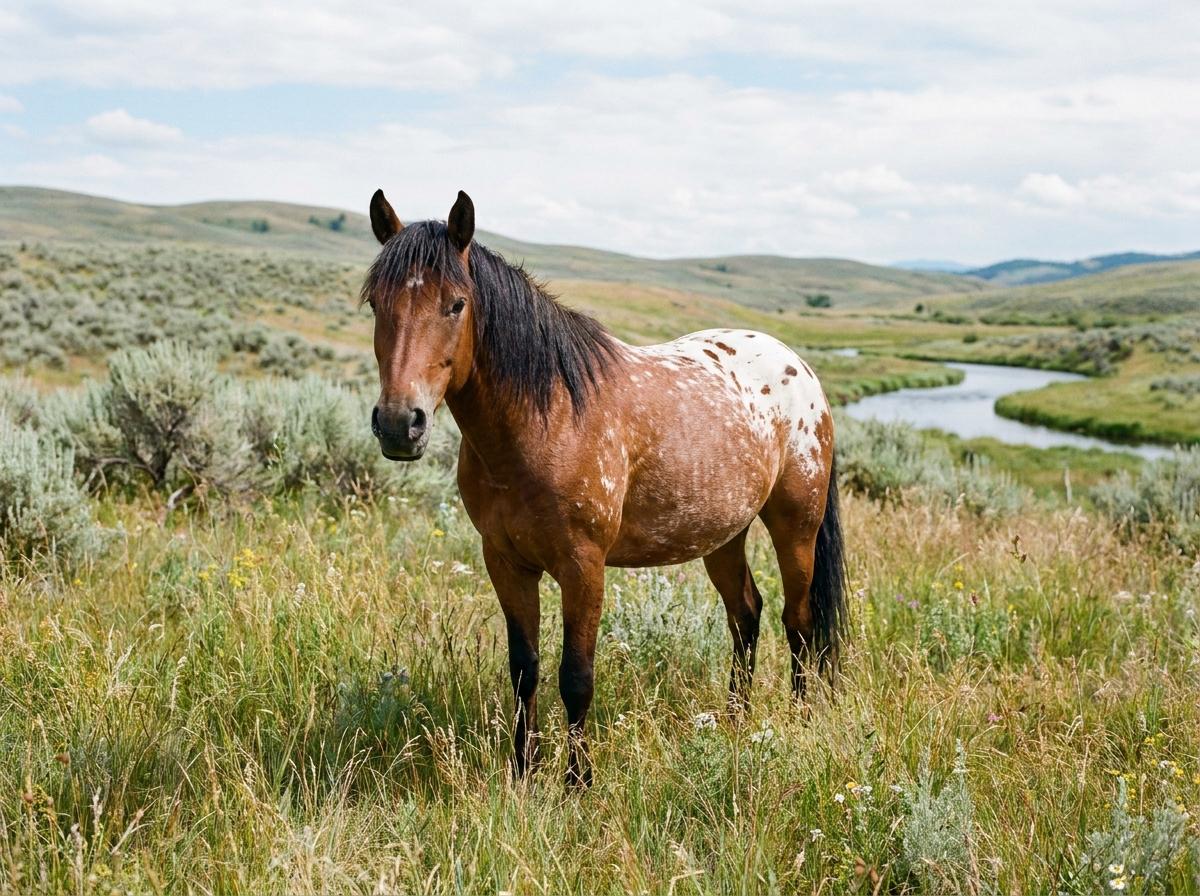
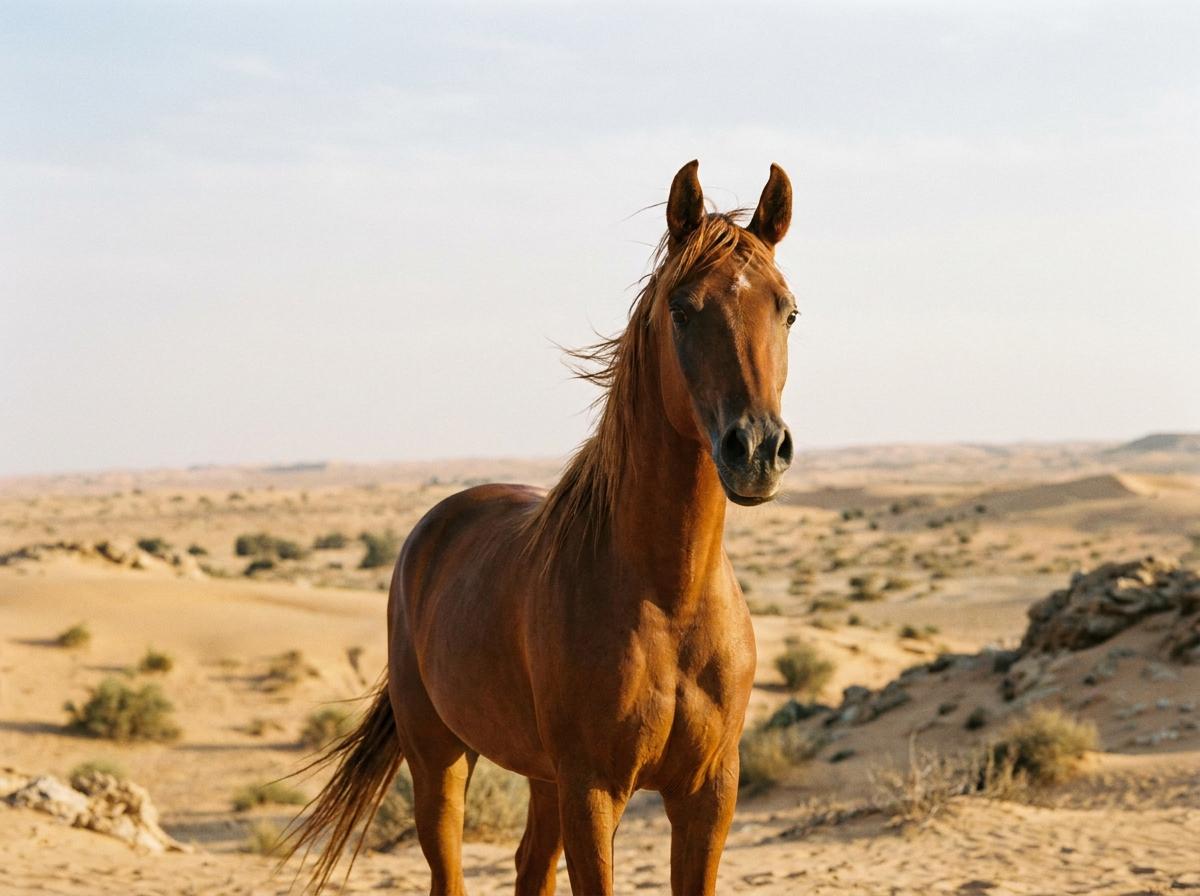
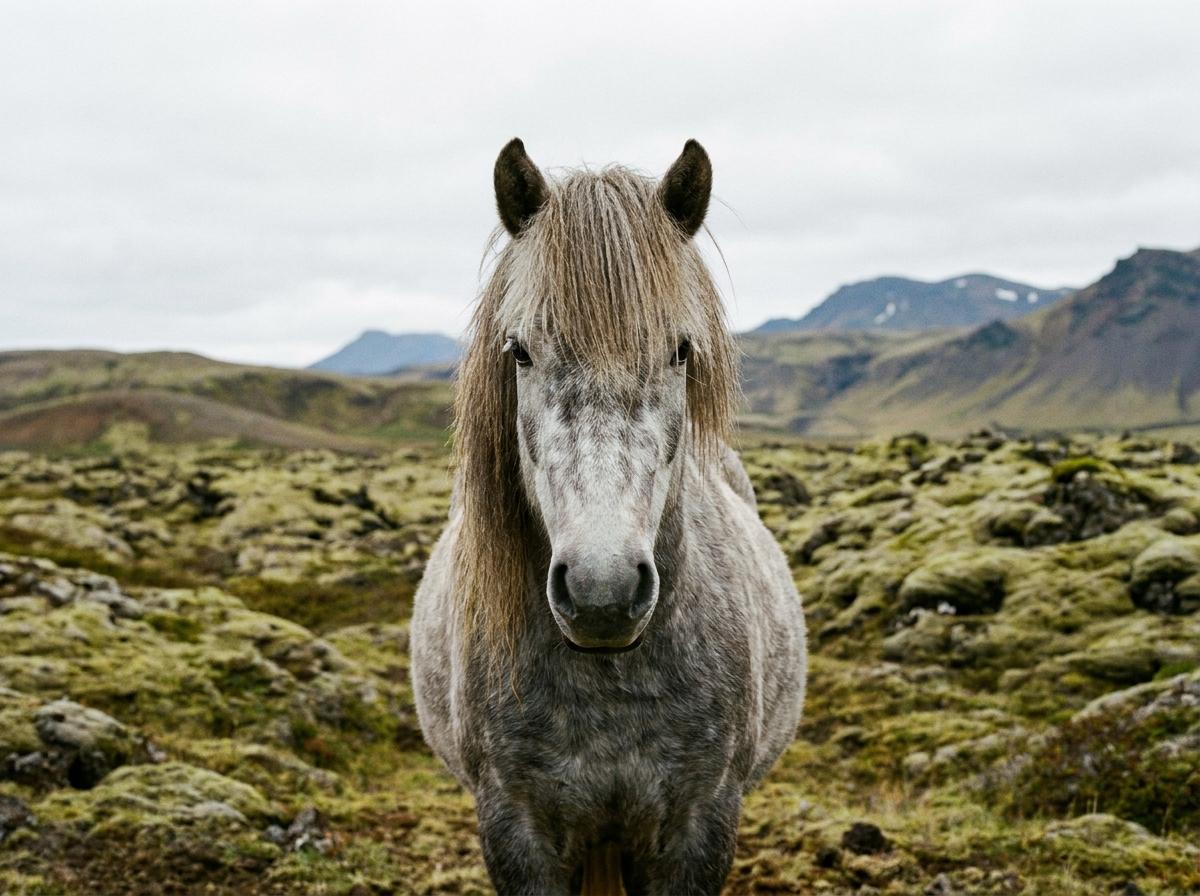
Colors: Amber Champagne, Bay, Bay Dun, Bay Roan, Black, Blanket Appaloosa, Blue Roan, Brown, Buckskin, Champagne, Chestnut, Classic Champagne, Cremello, Dun, Dun Roan, Fewspot Appaloosa, Flaxen Chestnut, Frame Overo, Gold Champagne, Gray, Grey, Grullo, Leopard Appaloosa, Liver Chestnut, Overo, Palomino, Perlino, Piebald, Pinto, Rabicano, Red Dun, Red Roan, Roan, Sabino, Seal Bay, Silver Dapple, Skewbald, Smoky Black, Smoky Cream, Snowcap Appaloosa, Sorrel, Splash White, Tobiano, Tovero, Varnish Roan, White