Kalmyk Horse
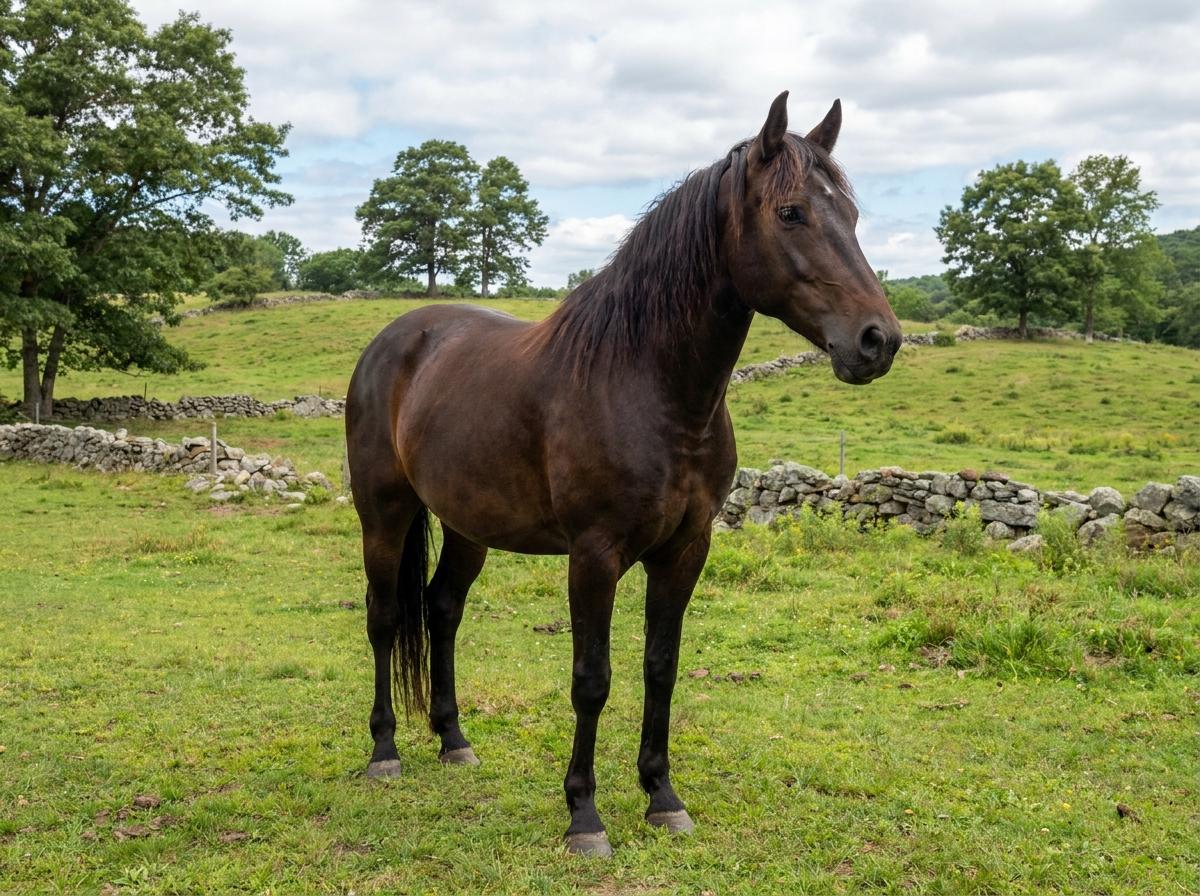
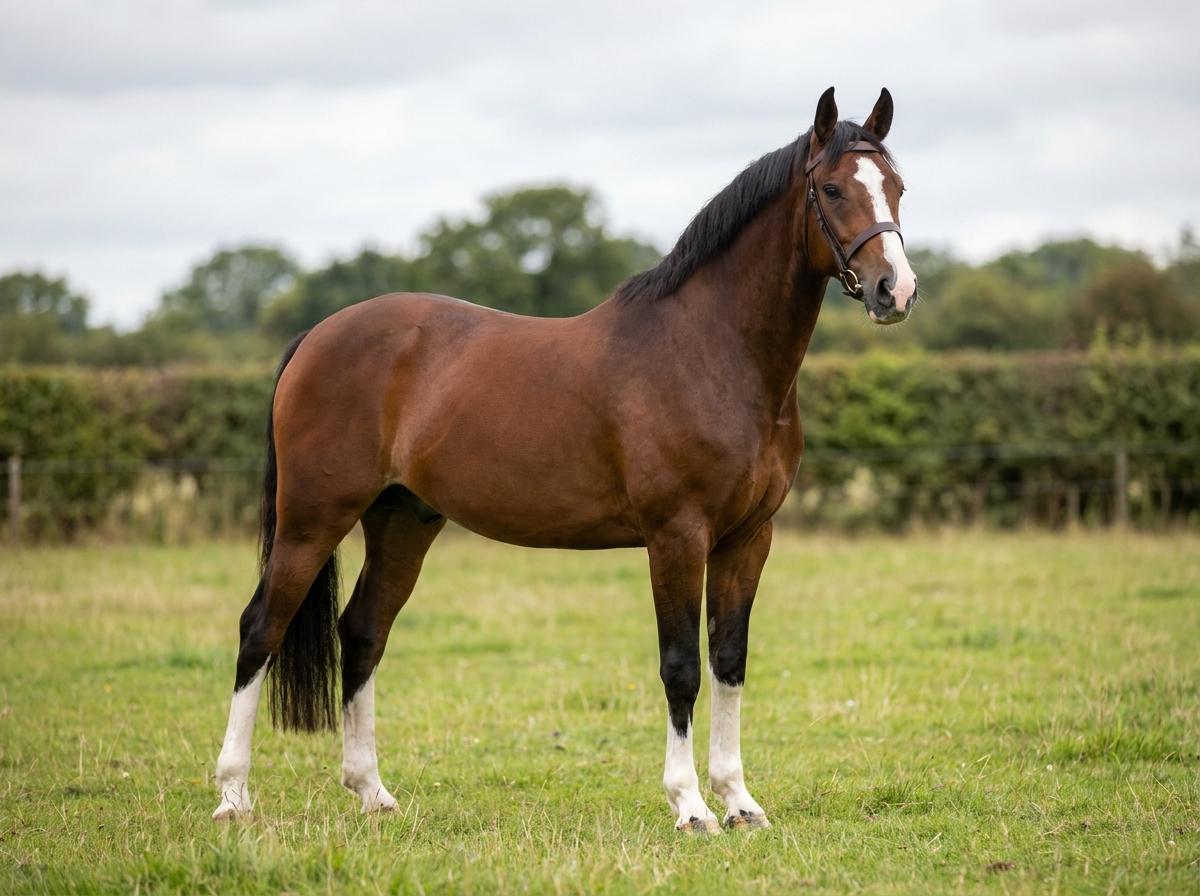
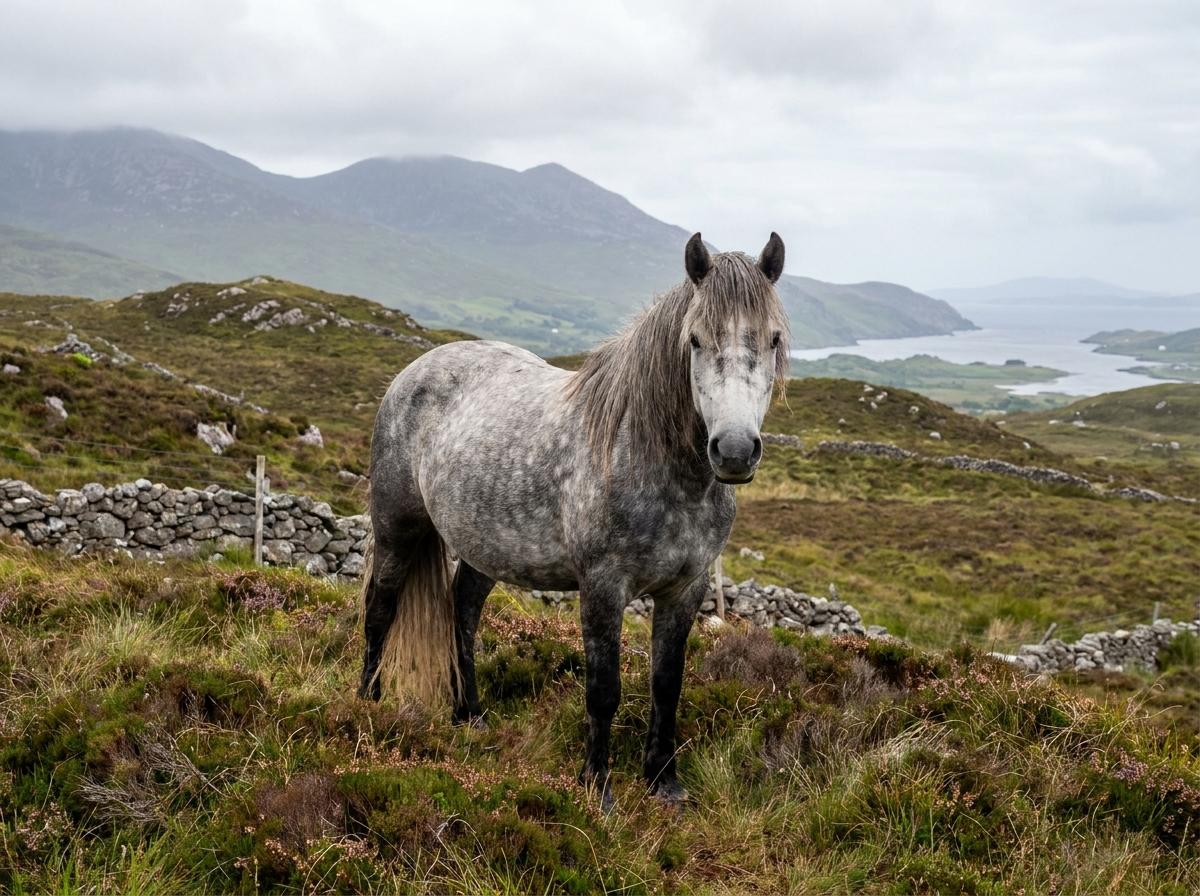
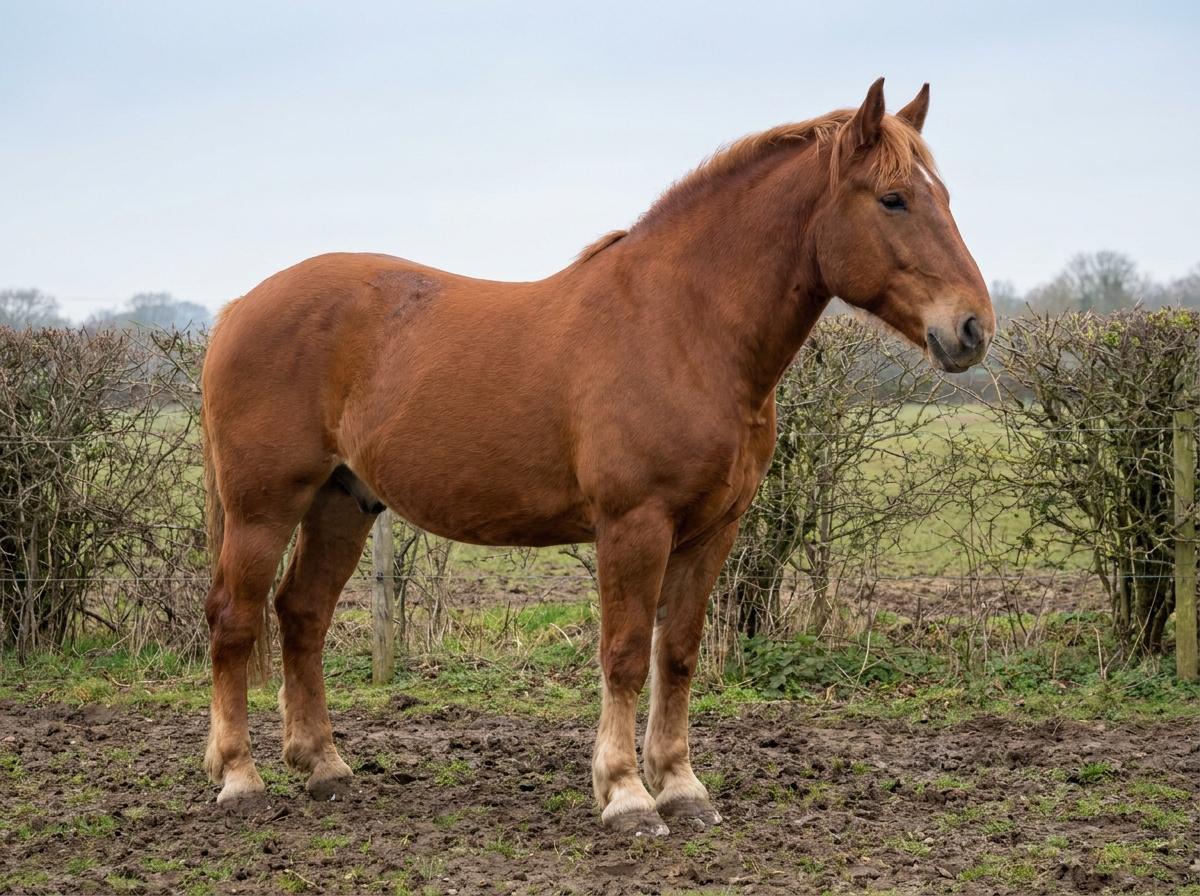
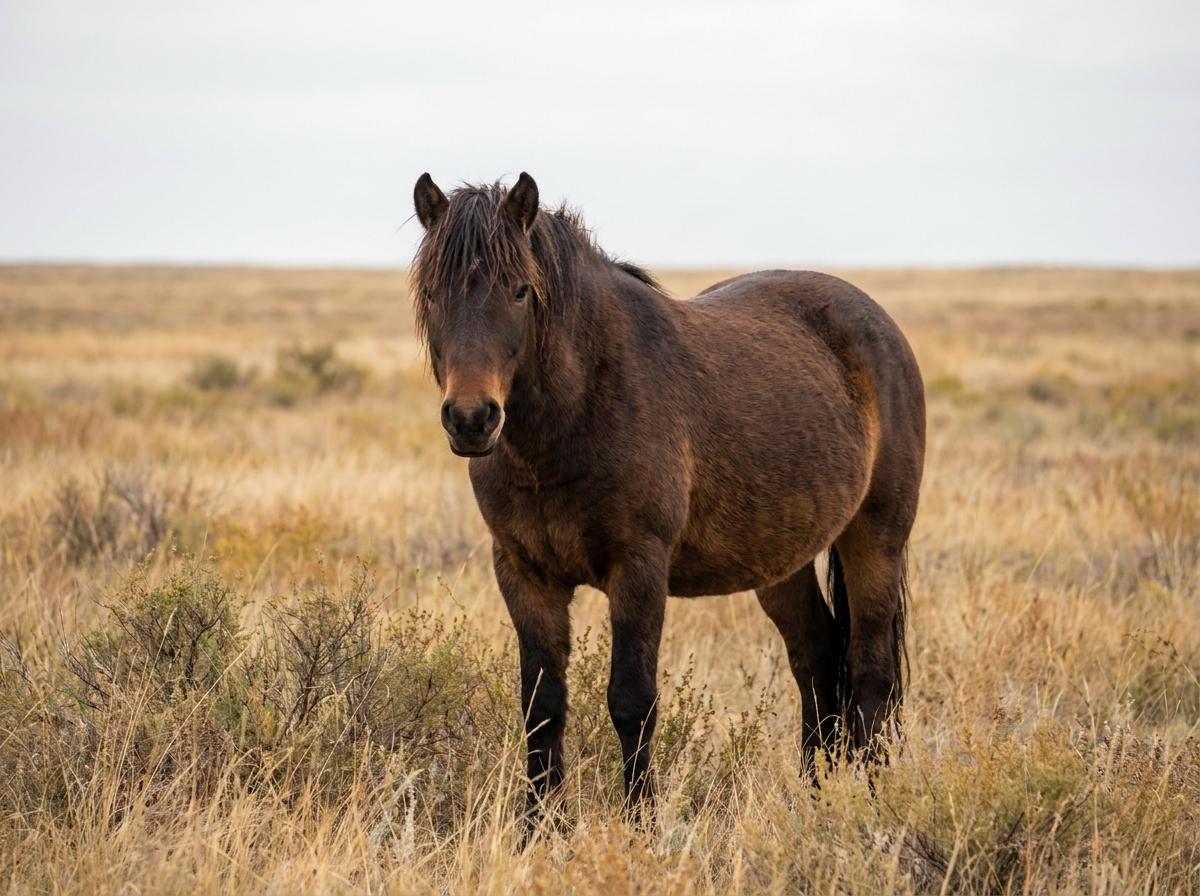
The Kalmyk horse is a steppe horse associated with Kalmykia and the horse culture of the Kalmyk people, whose history connects to wider Mongolian and Central Asian traditions. It is generally described as hardy, compact, and adapted to open grassland, long travel, and seasonal extremes. Like many steppe horses, it was useful for riding, herding, meat, and milk, with survival and utility shaping the population more strongly than show-ring uniformity.
Management of Kalmyk horses has often relied on herd systems, winter grazing, and animals able to maintain themselves over large areas. Modern owners still need to provide safe fencing, water, parasite control, hoof observation, and winter support when local conditions require it. Breeders and conservation programs should value hardiness, fertility, and working usefulness while documenting family lines and regional variation. The breed's interest lies in its steppe adaptation and cultural history, not in producing a tall refined riding horse for every market.
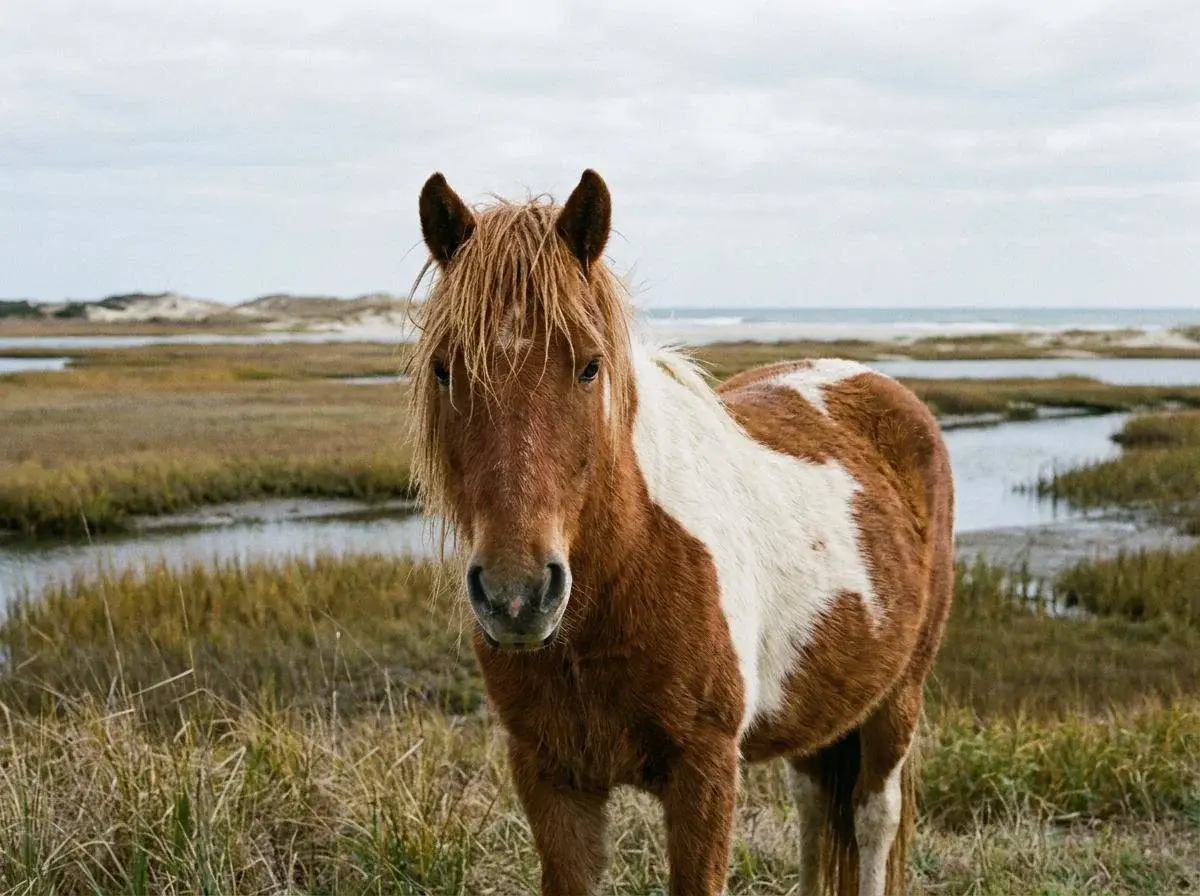
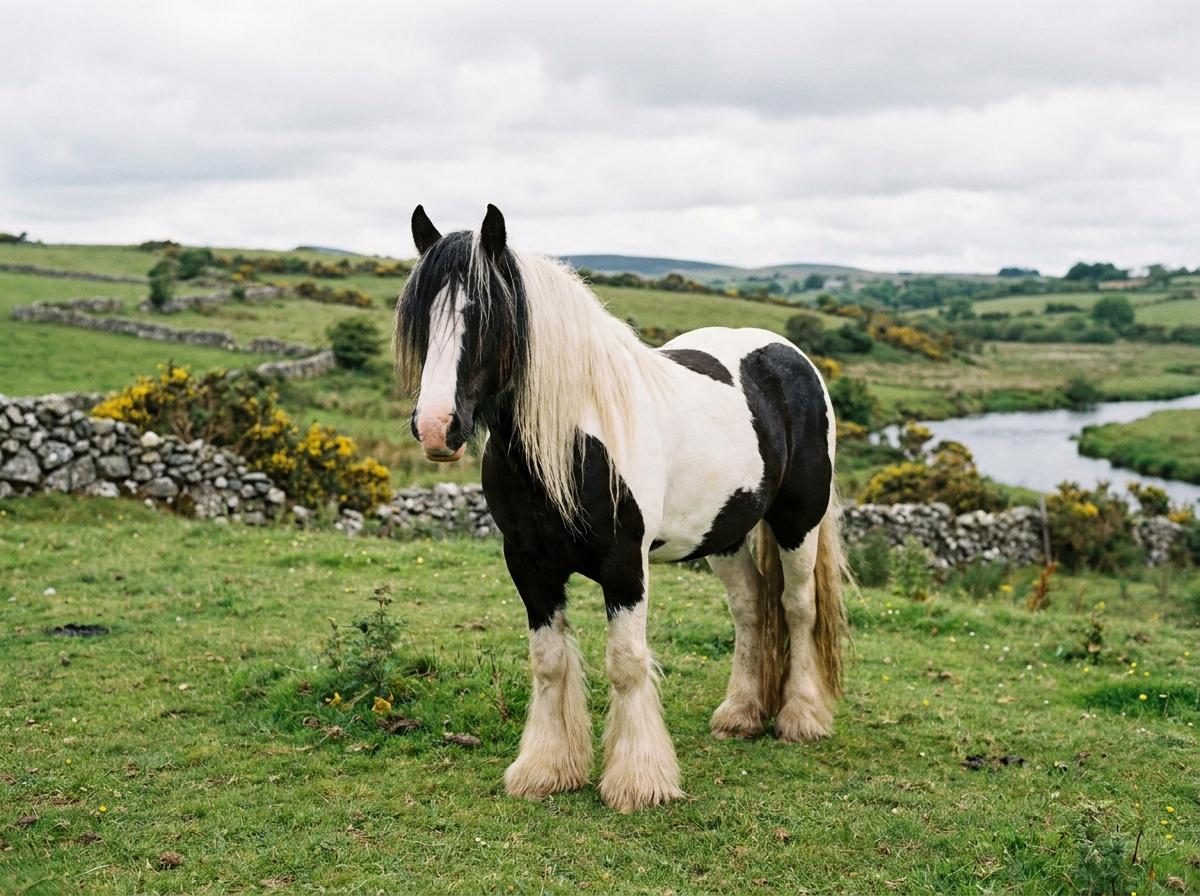
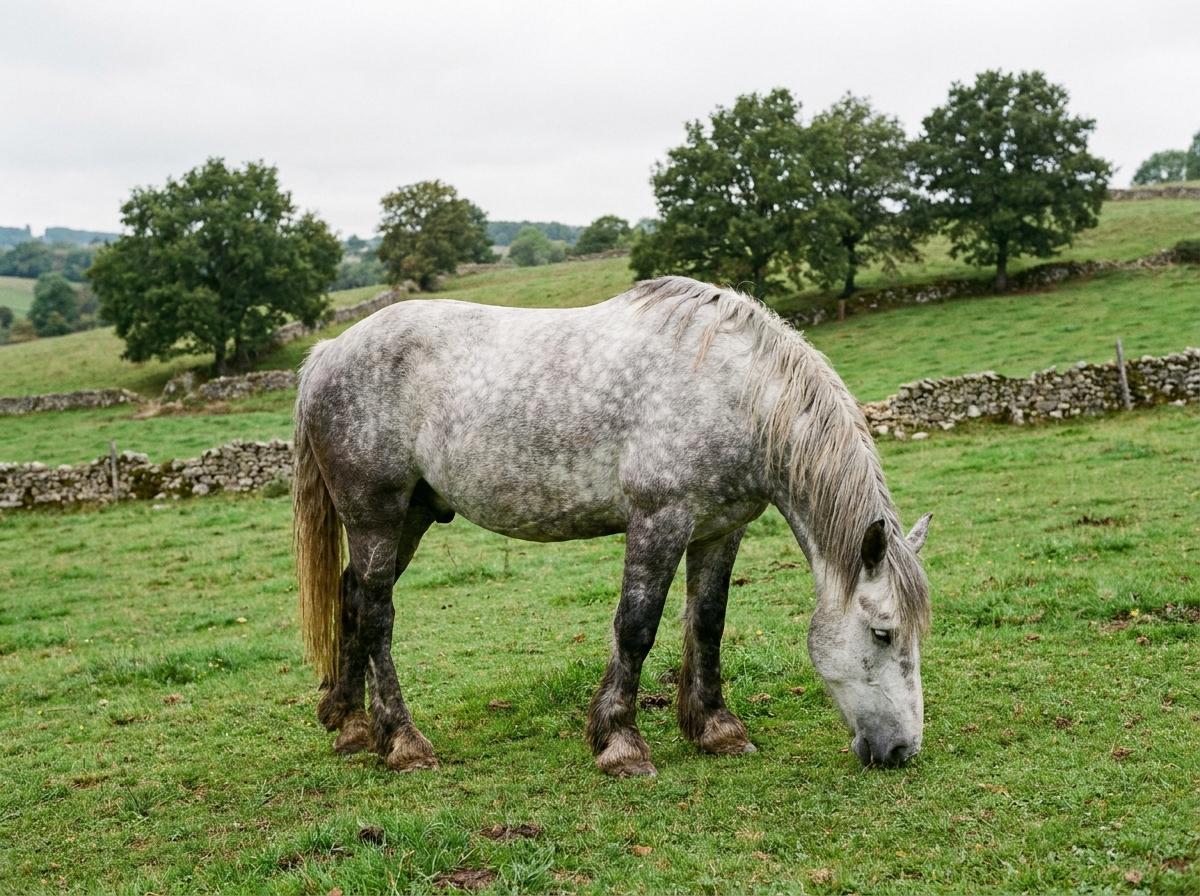
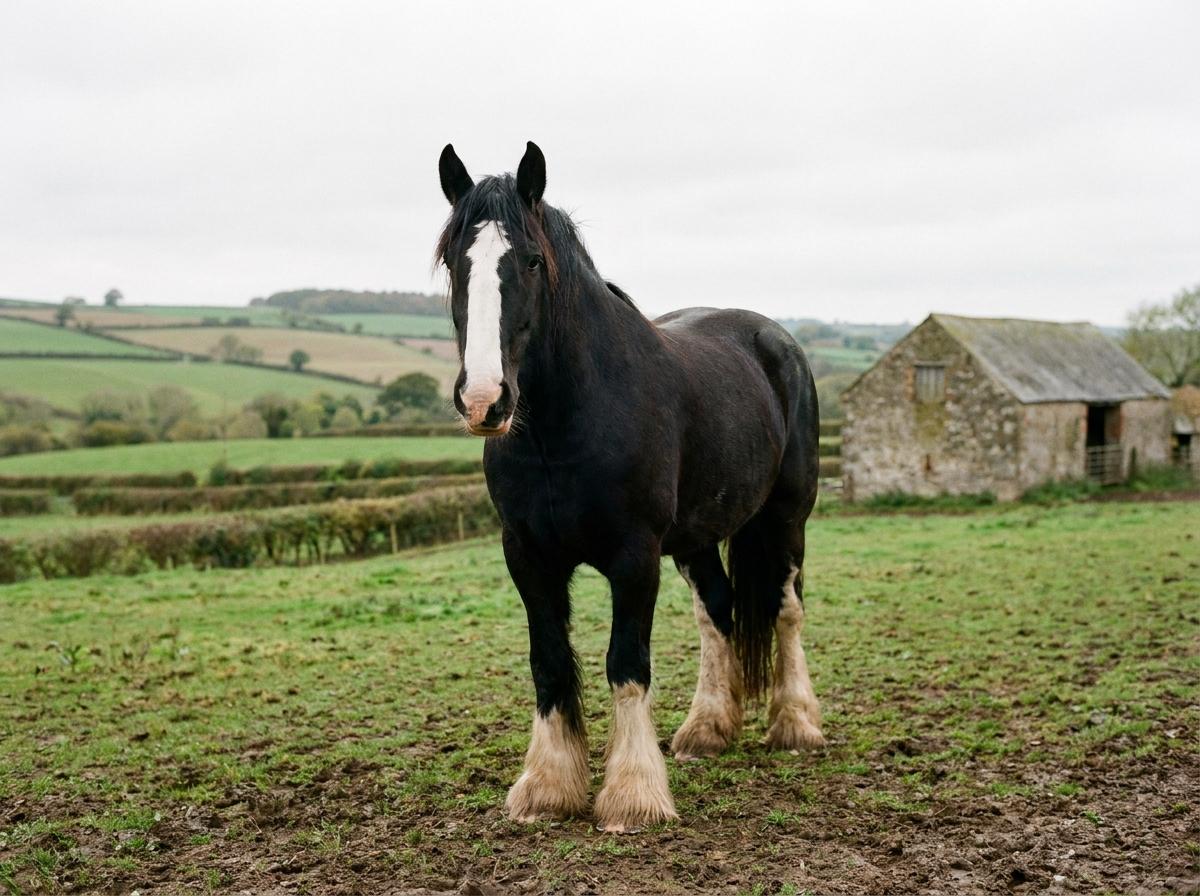
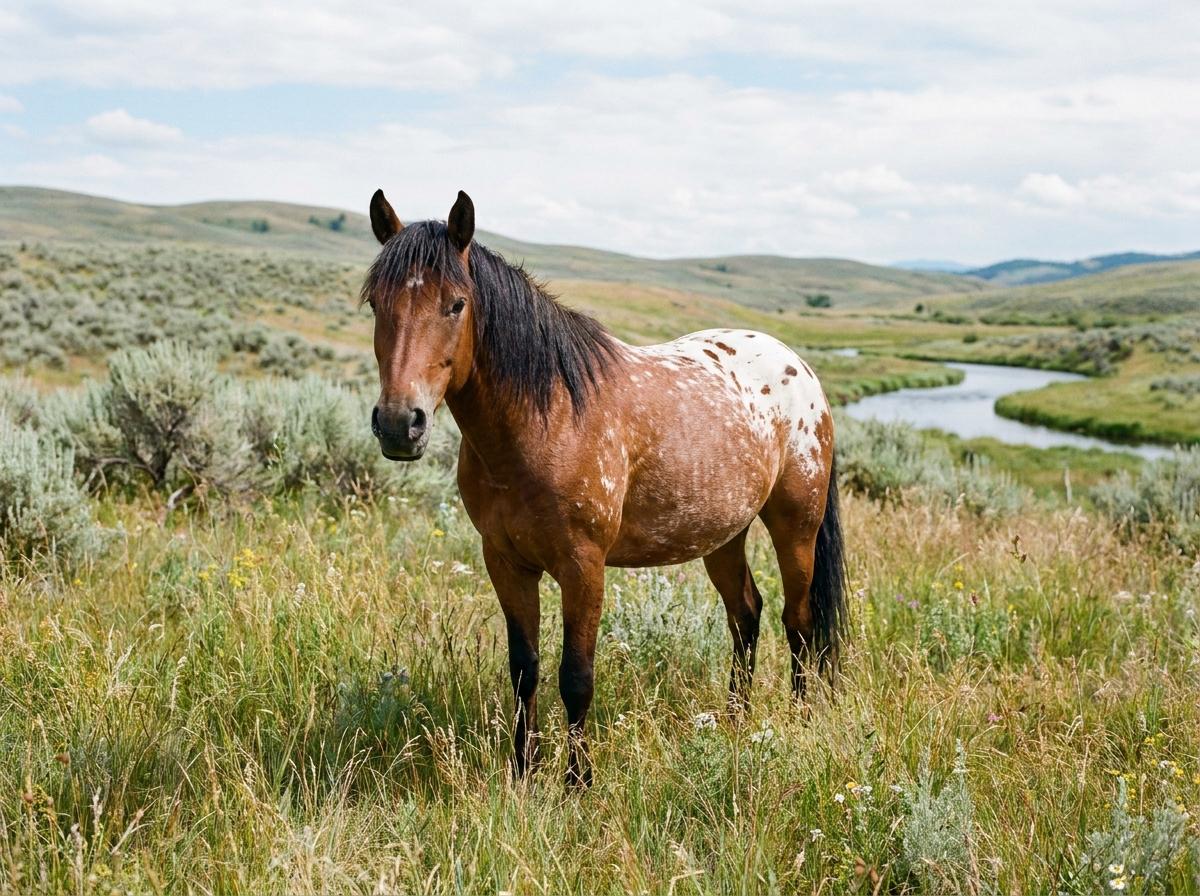
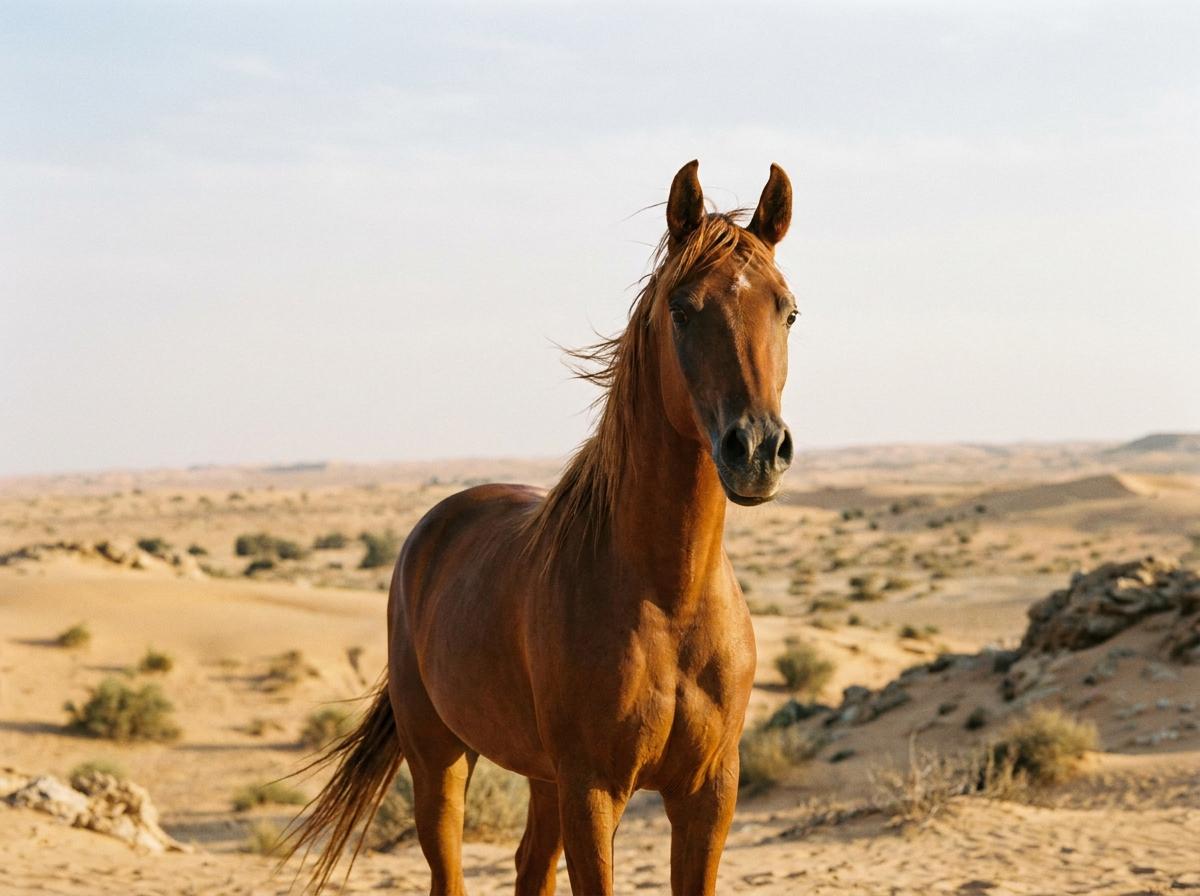
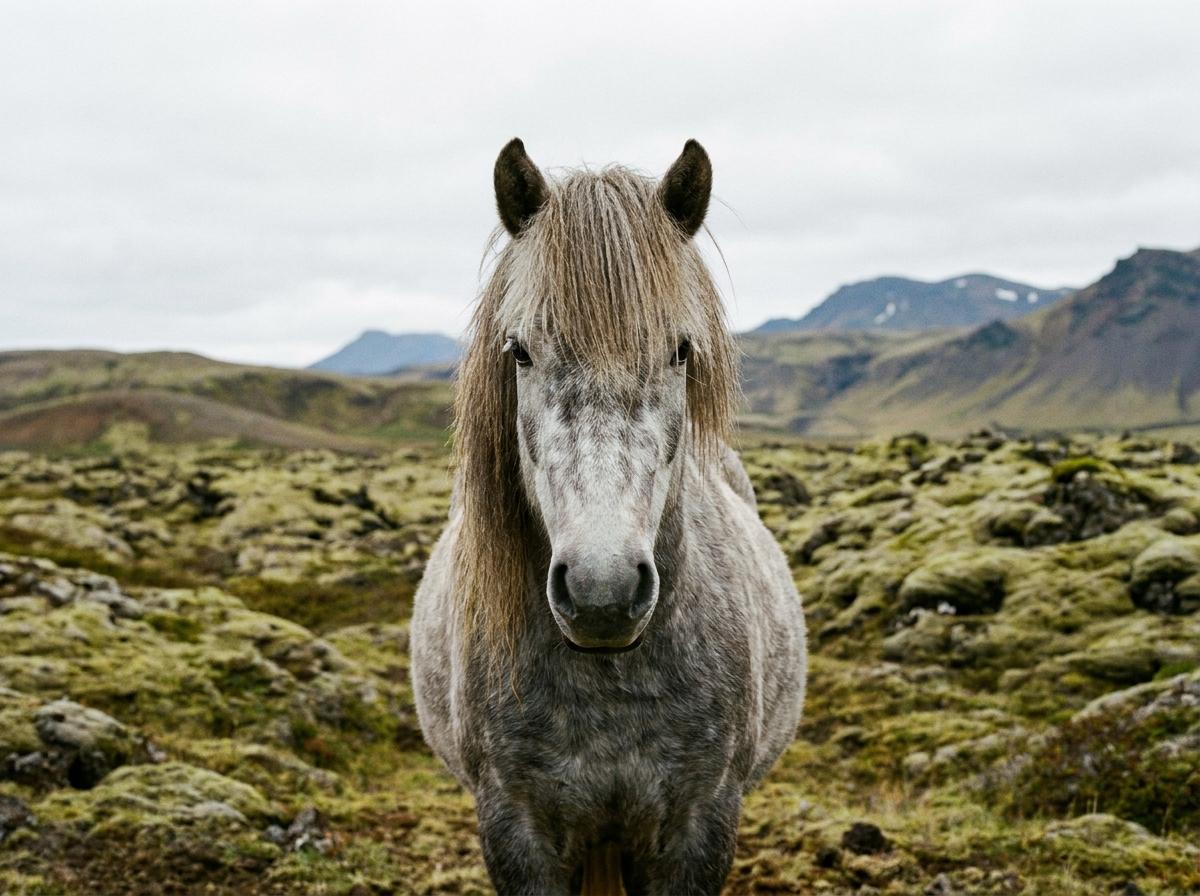
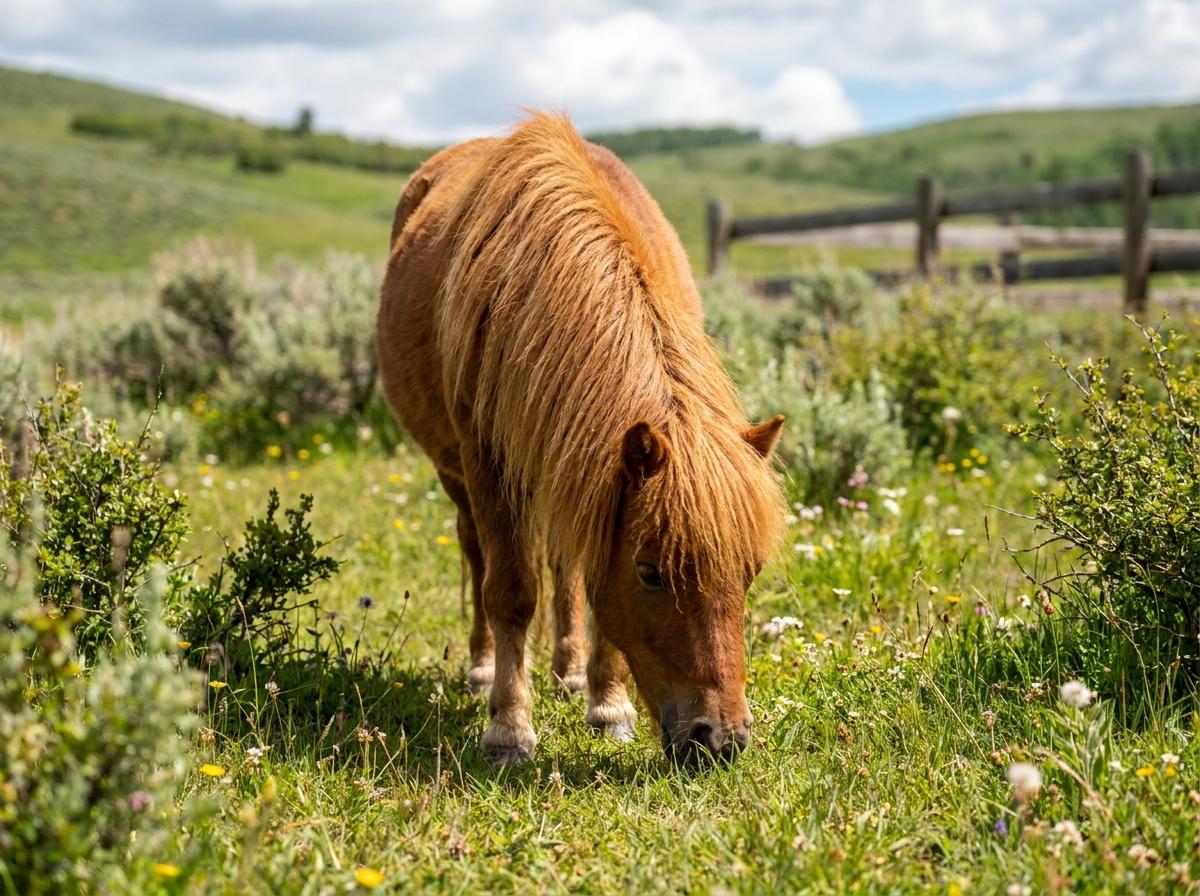
Colors: Amber Champagne, Bay, Bay Dun, Bay Roan, Black, Blanket Appaloosa, Blue Roan, Brown, Buckskin, Champagne, Chestnut, Classic Champagne, Cremello, Dun, Dun Roan, Fewspot Appaloosa, Flaxen Chestnut, Frame Overo, Gold Champagne, Gray, Grey, Grullo, Leopard Appaloosa, Liver Chestnut, Overo, Palomino, Perlino, Piebald, Pinto, Rabicano, Red Dun, Red Roan, Roan, Sabino, Seal Bay, Silver Dapple, Skewbald, Smoky Black, Smoky Cream, Snowcap Appaloosa, Sorrel, Splash White, Tobiano, Tovero, Varnish Roan, White