



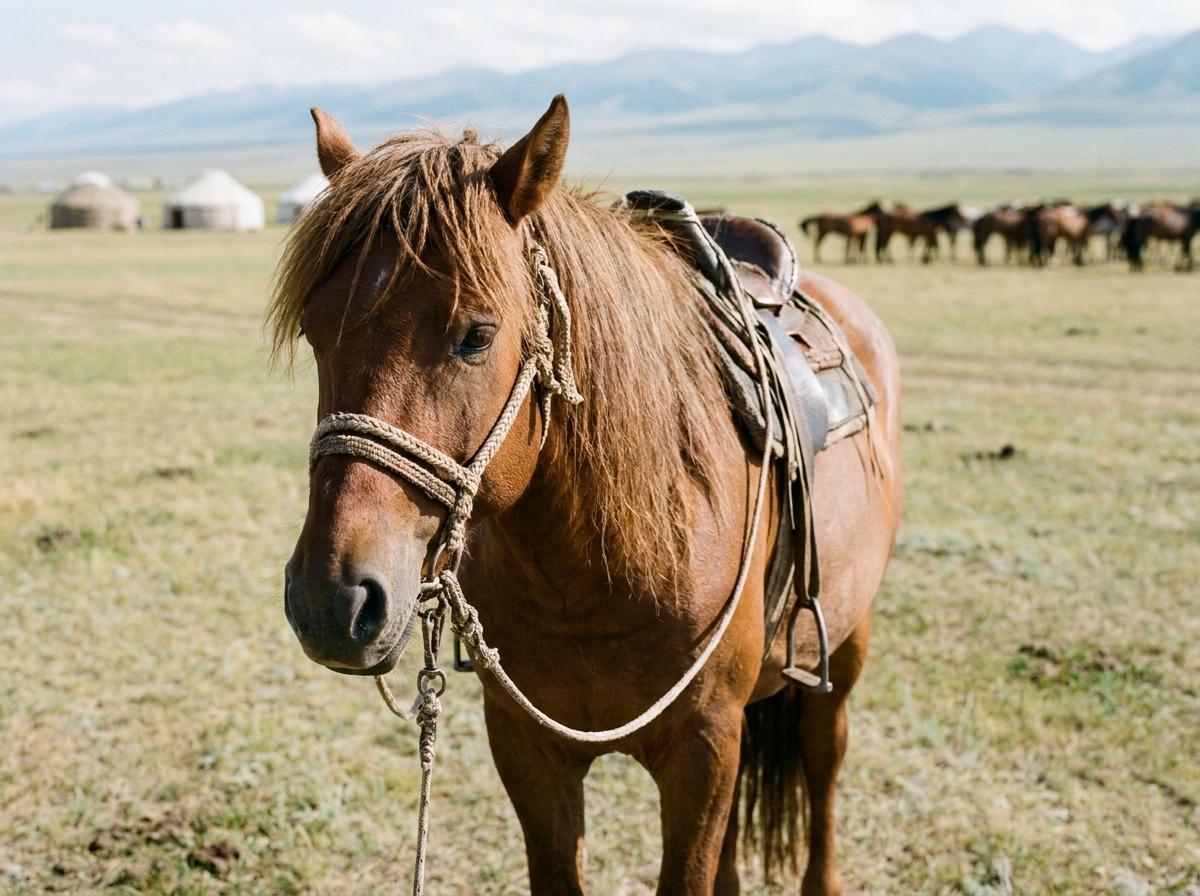
Kazakh Horse
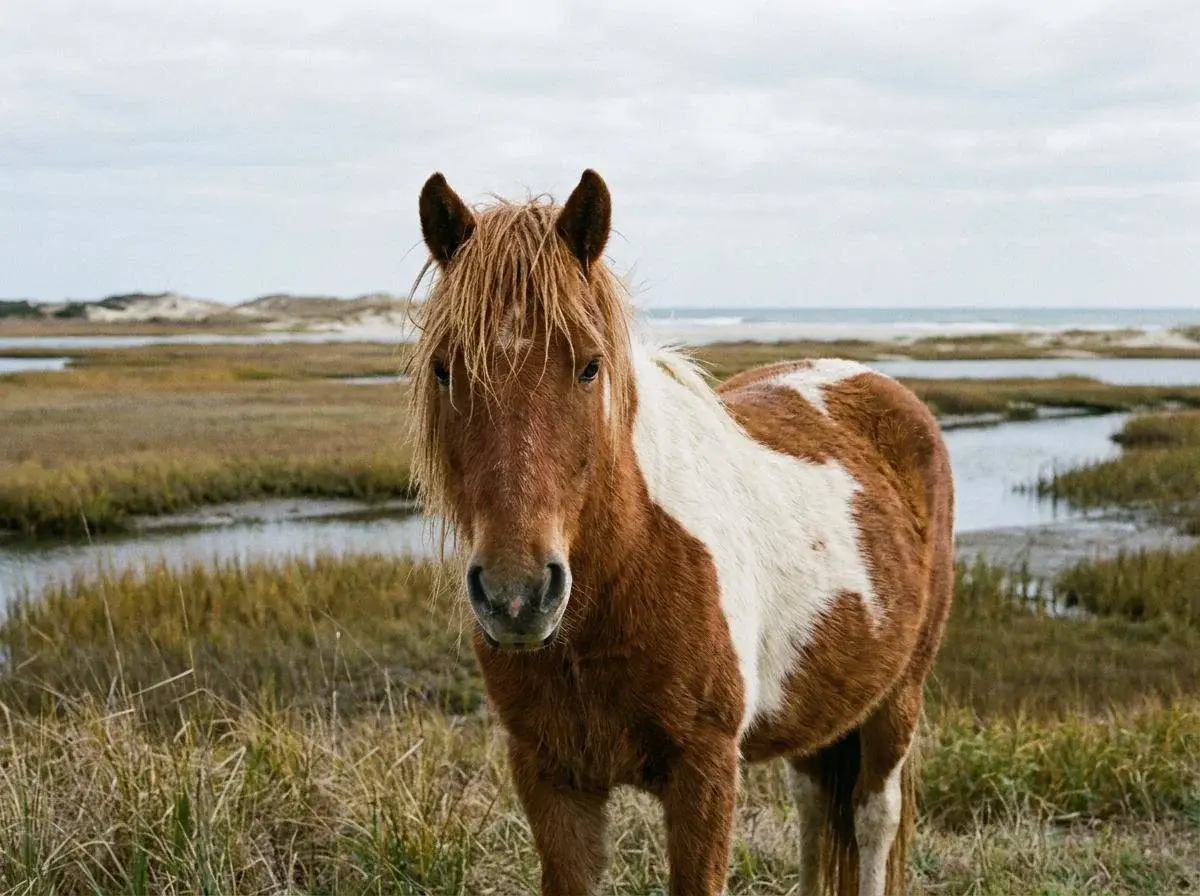
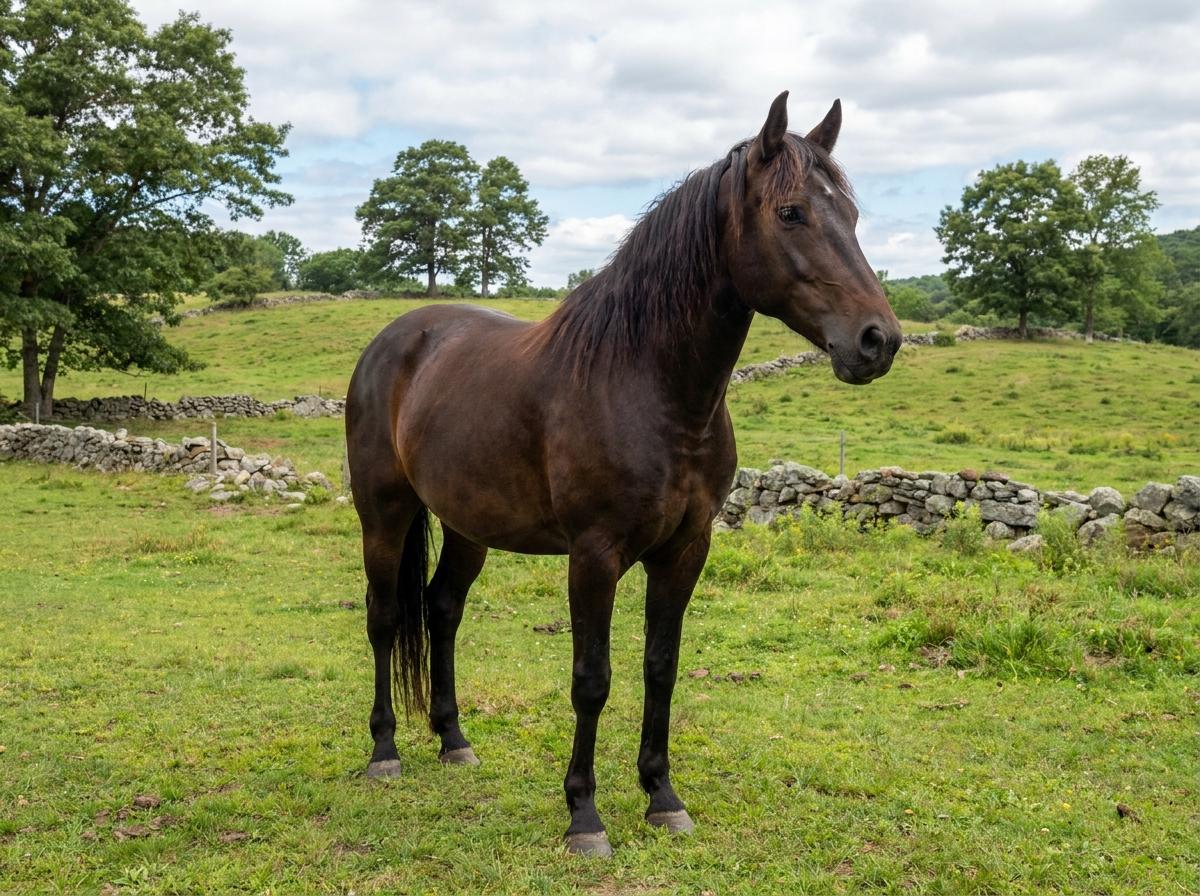
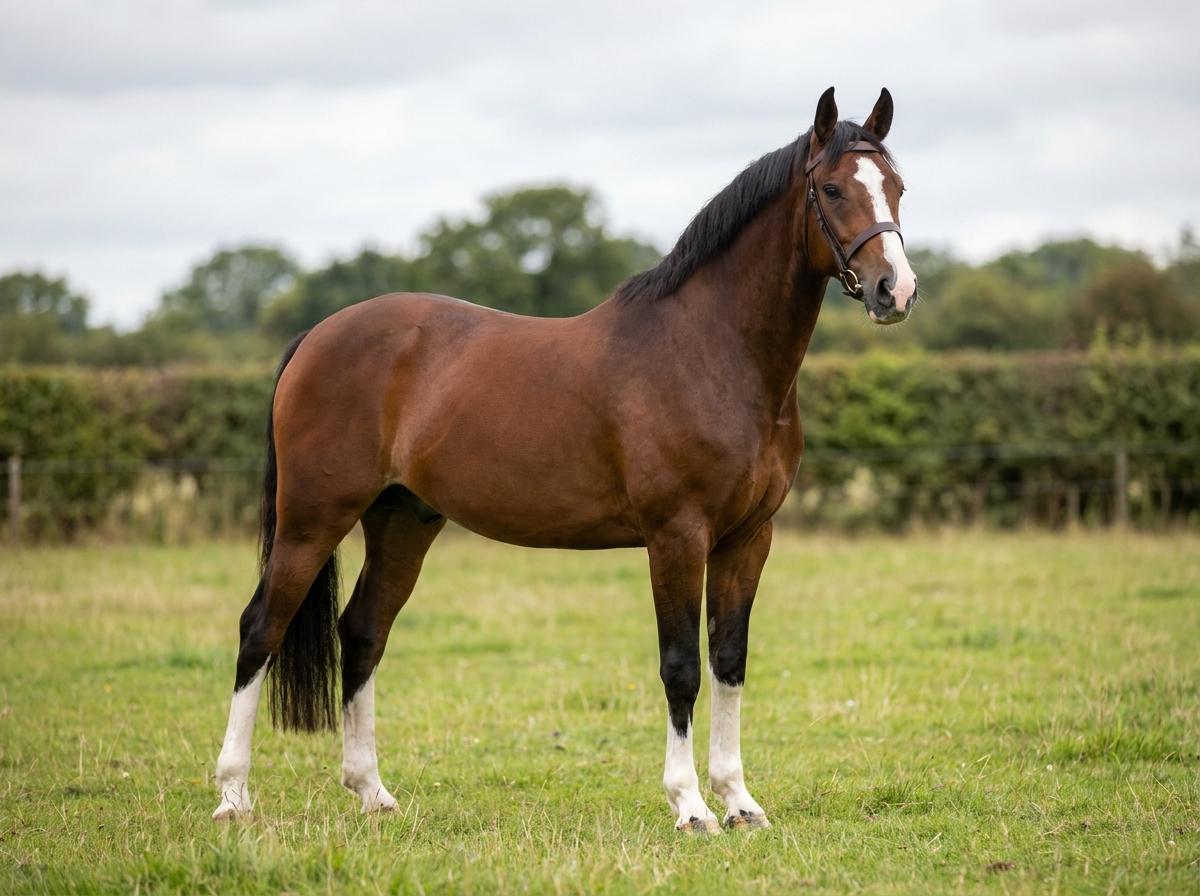
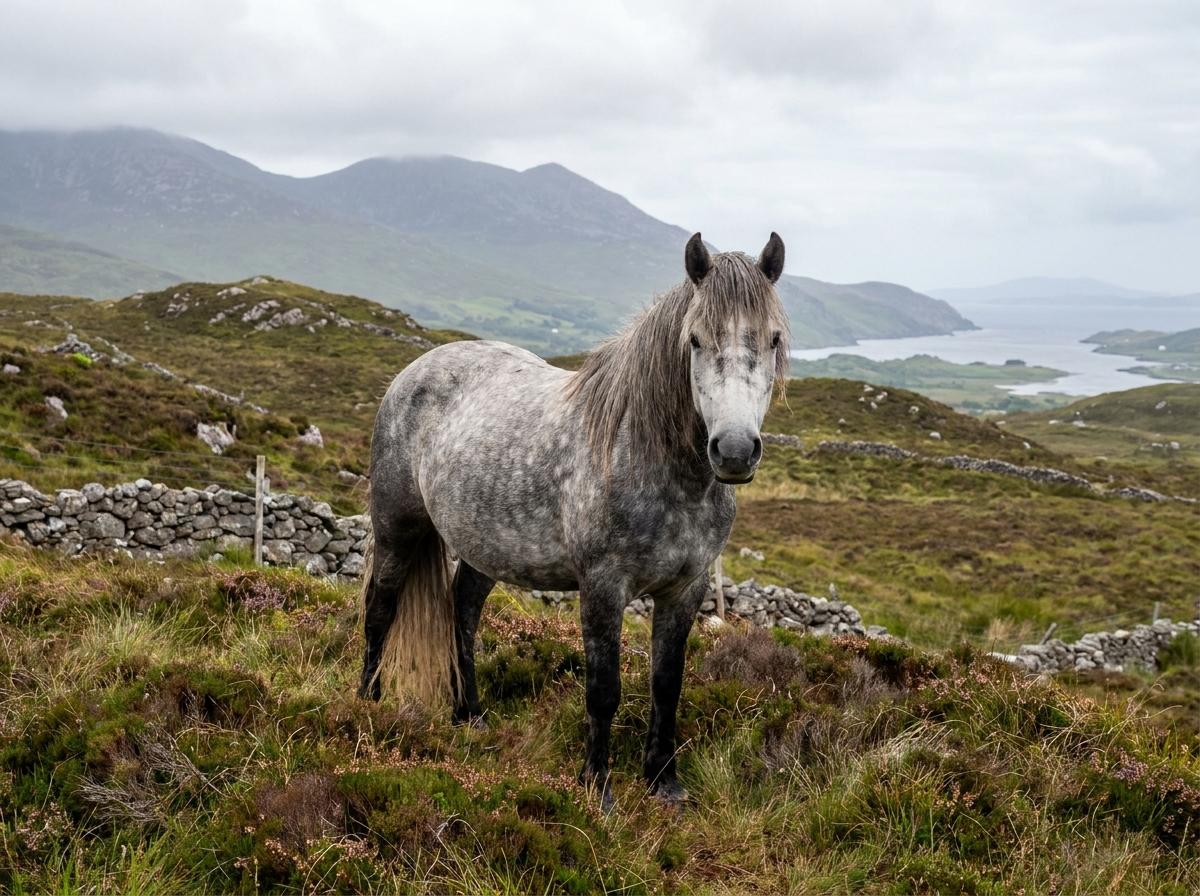
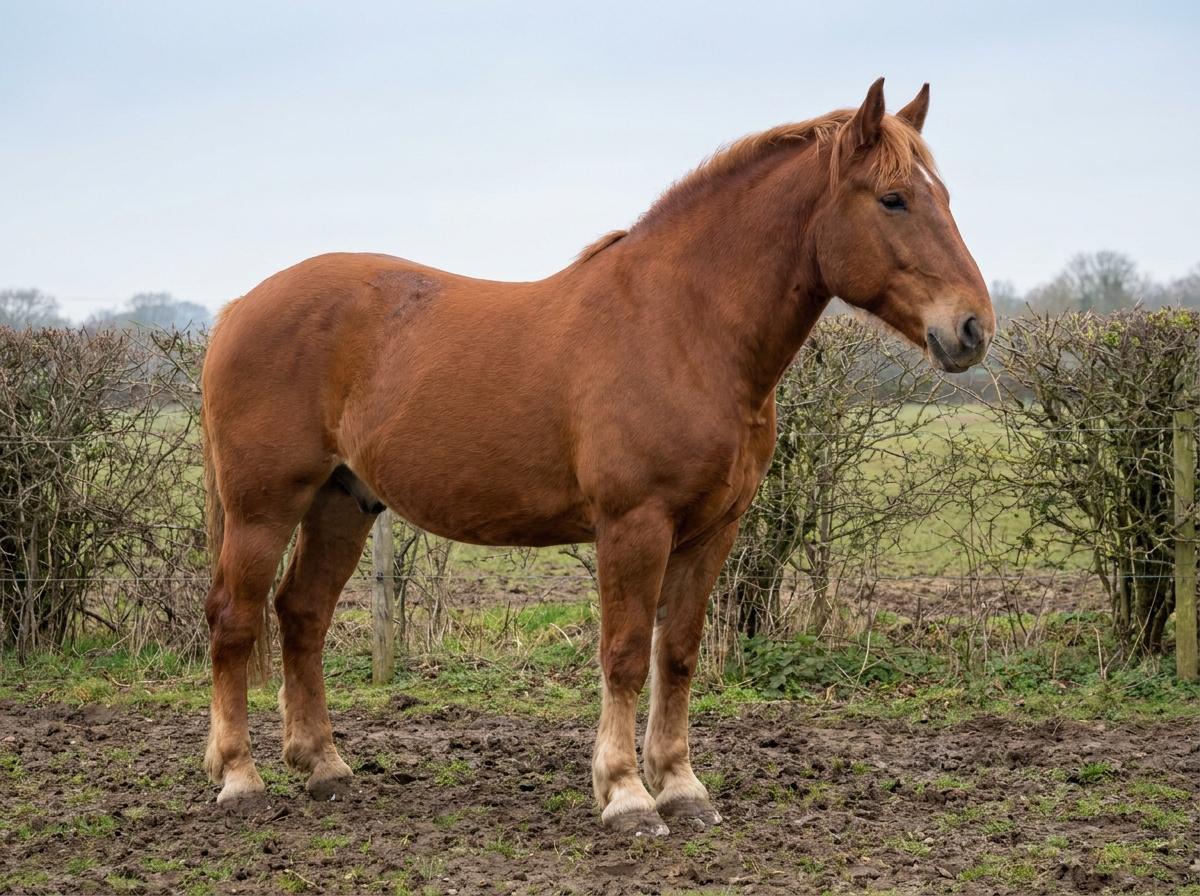
The Kazakh horse is a hardy steppe horse of Kazakhstan, shaped by nomadic herding, open grassland, severe winters, and long-distance travel. It is often discussed as a broad regional breed or landrace with internal types, including heavier meat-and-milk lines and lighter riding lines. Kazakh horses are usually compact, tough, and able to forage under conditions that would challenge more intensively managed stable breeds.
Human use of Kazakh horses includes riding, herding, meat production, mare's milk, cultural events, and conservation of steppe horse traditions. Herd management, winter survival, fertility, and disease control are central concerns. Outside Kazakhstan, owners should not assume that hardiness means the horse can be ignored; fencing, water, parasite care, hoof checks, and gradual conditioning still matter. Breeders and researchers often focus on preserving regional types and documenting how extensive management has shaped behavior, body size, and resilience.
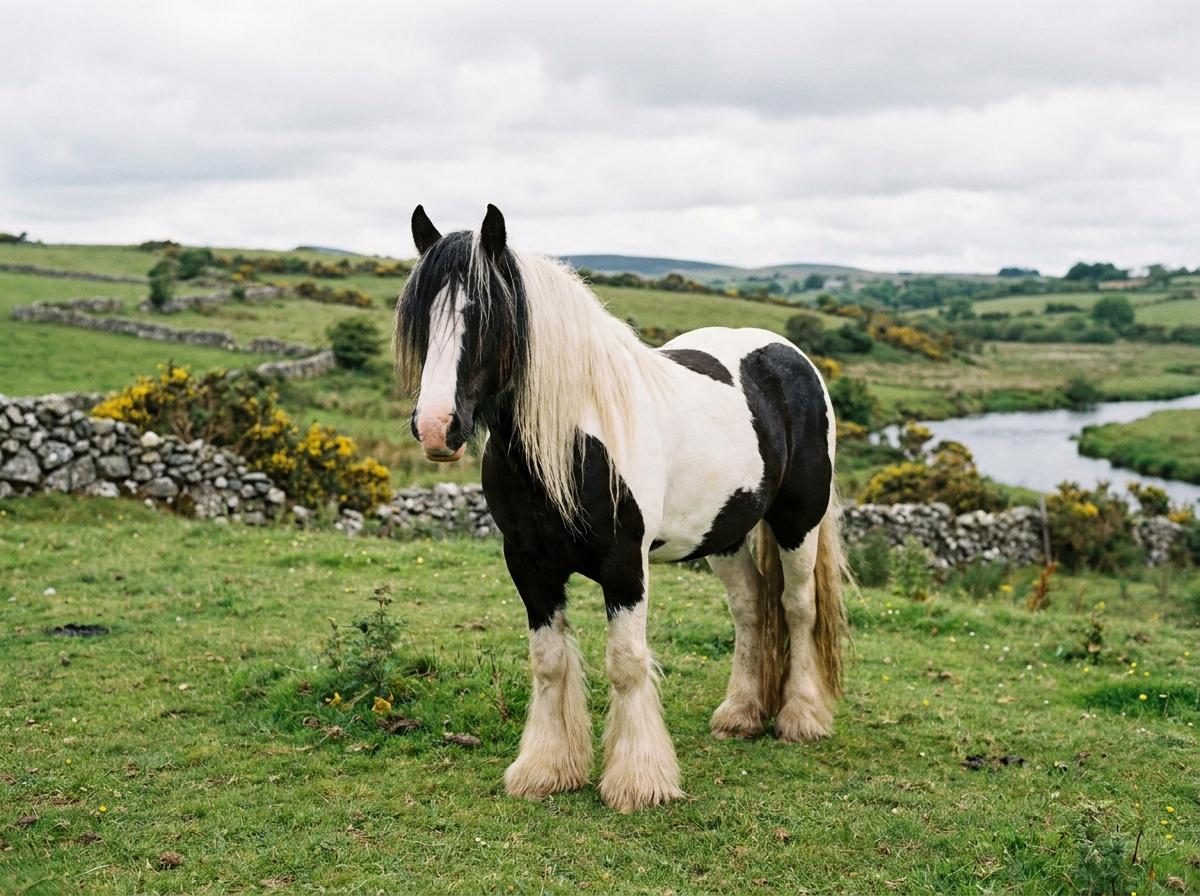
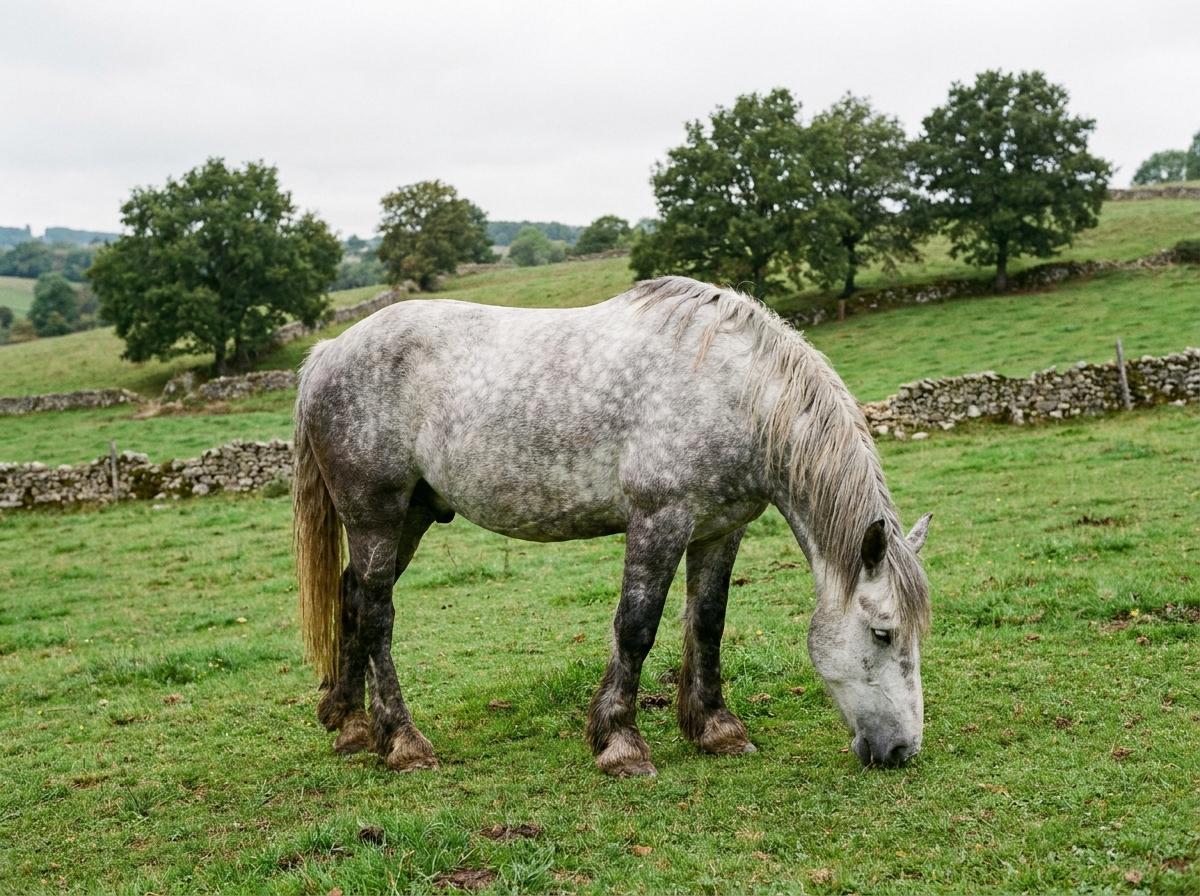
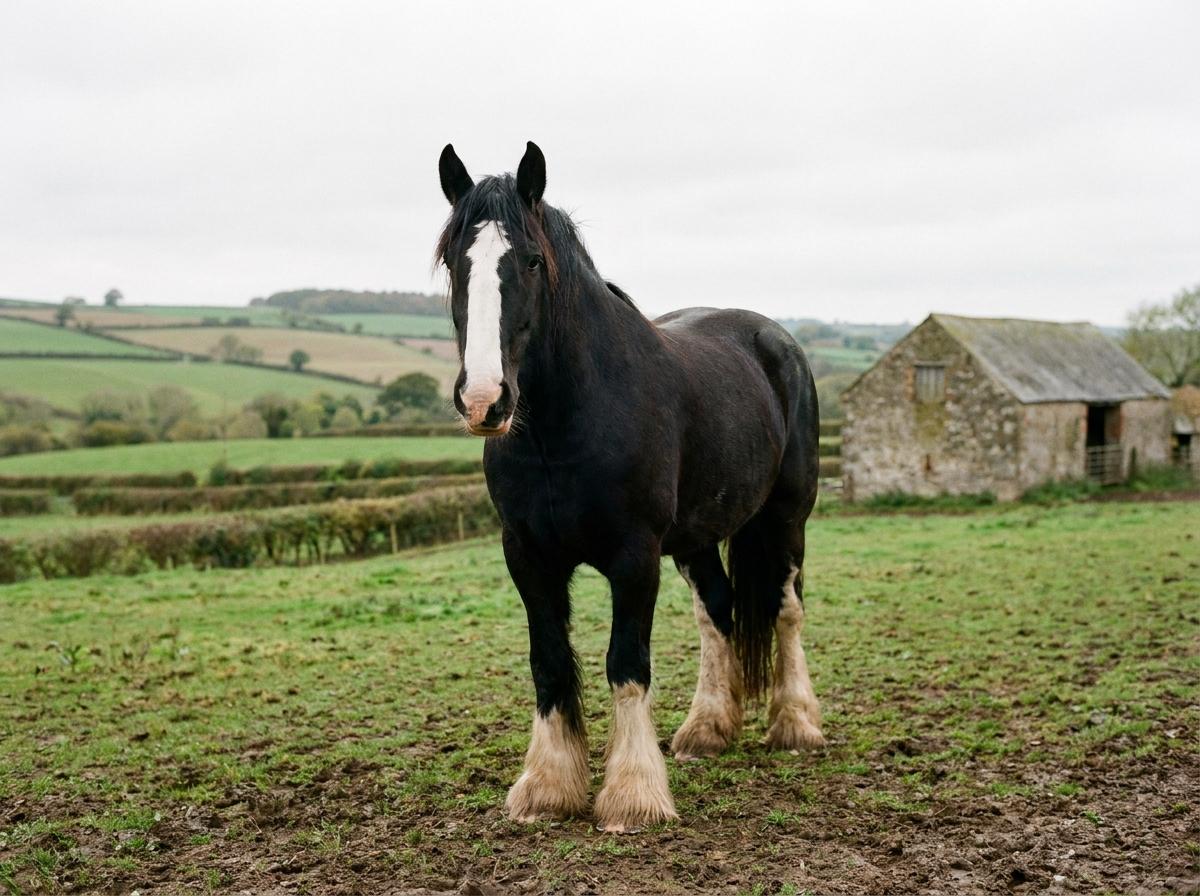
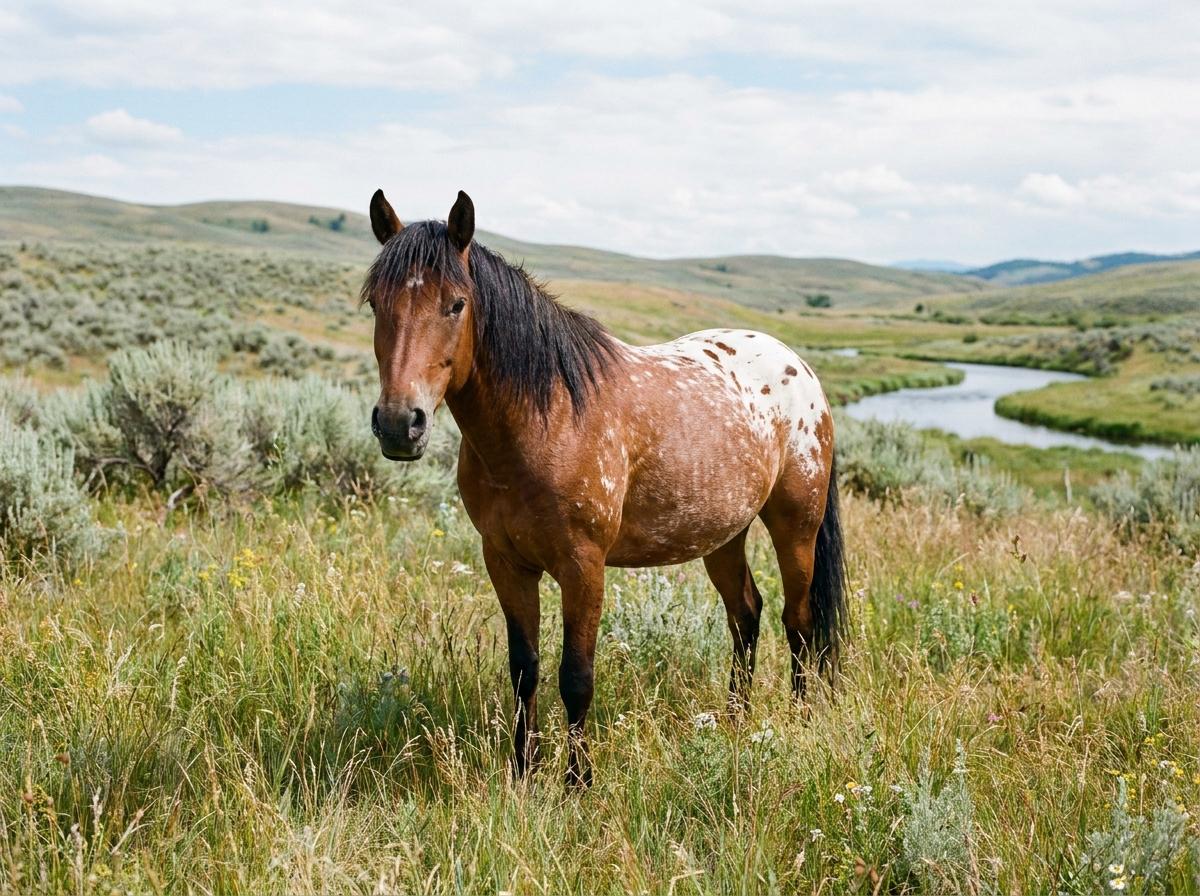
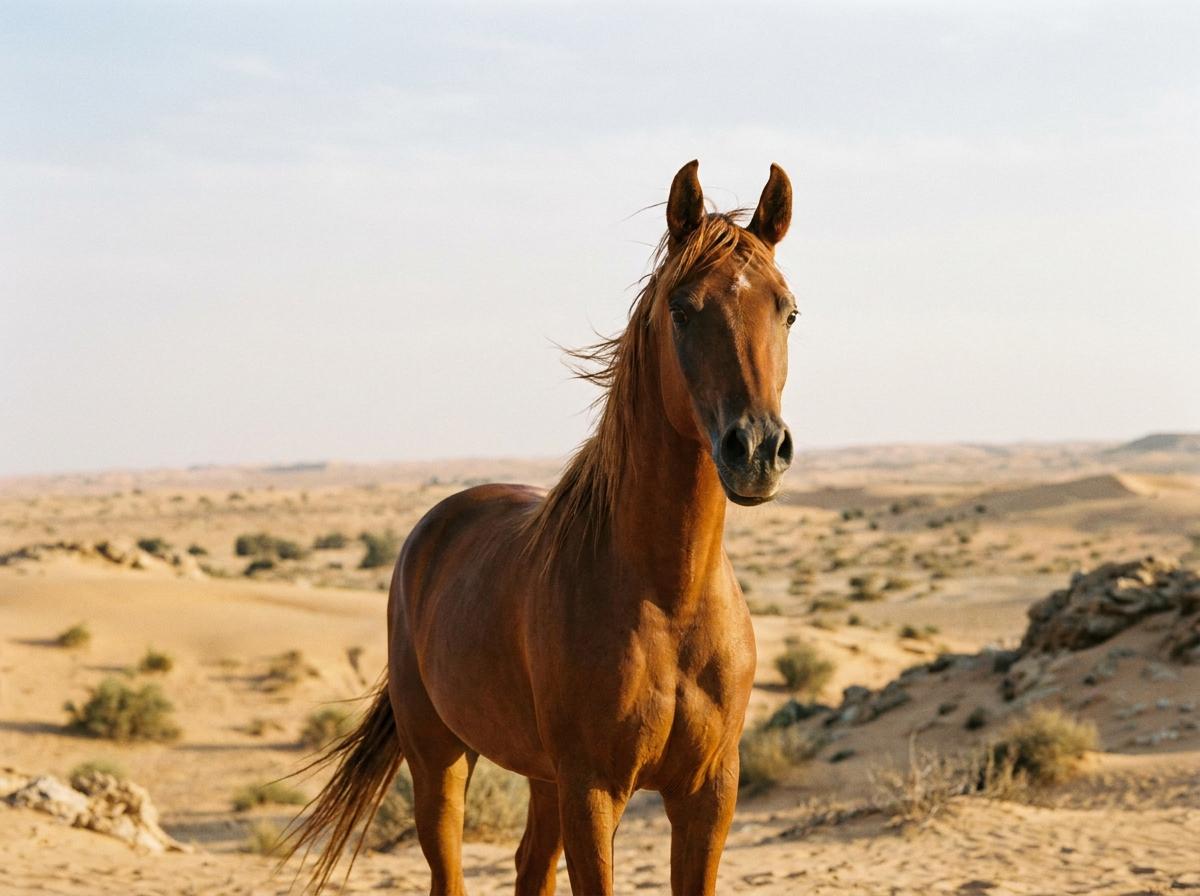
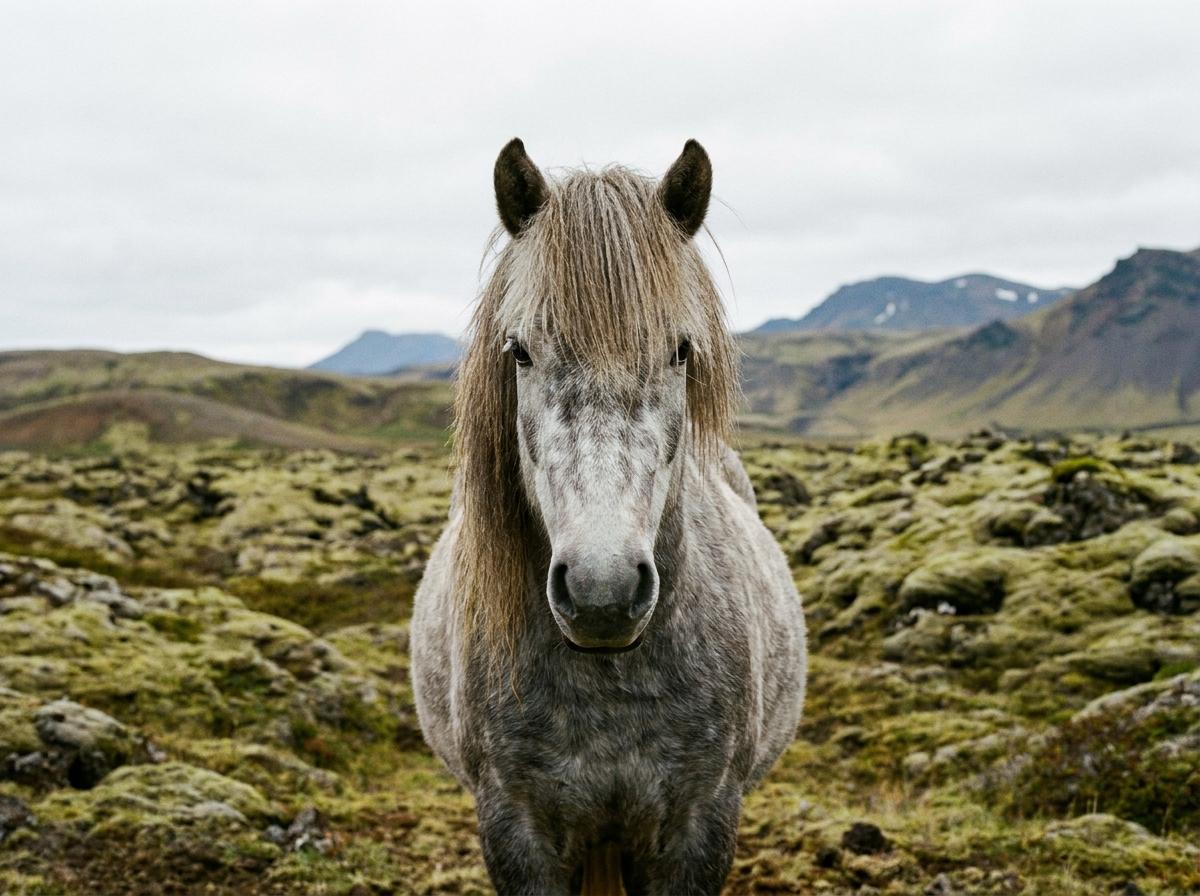
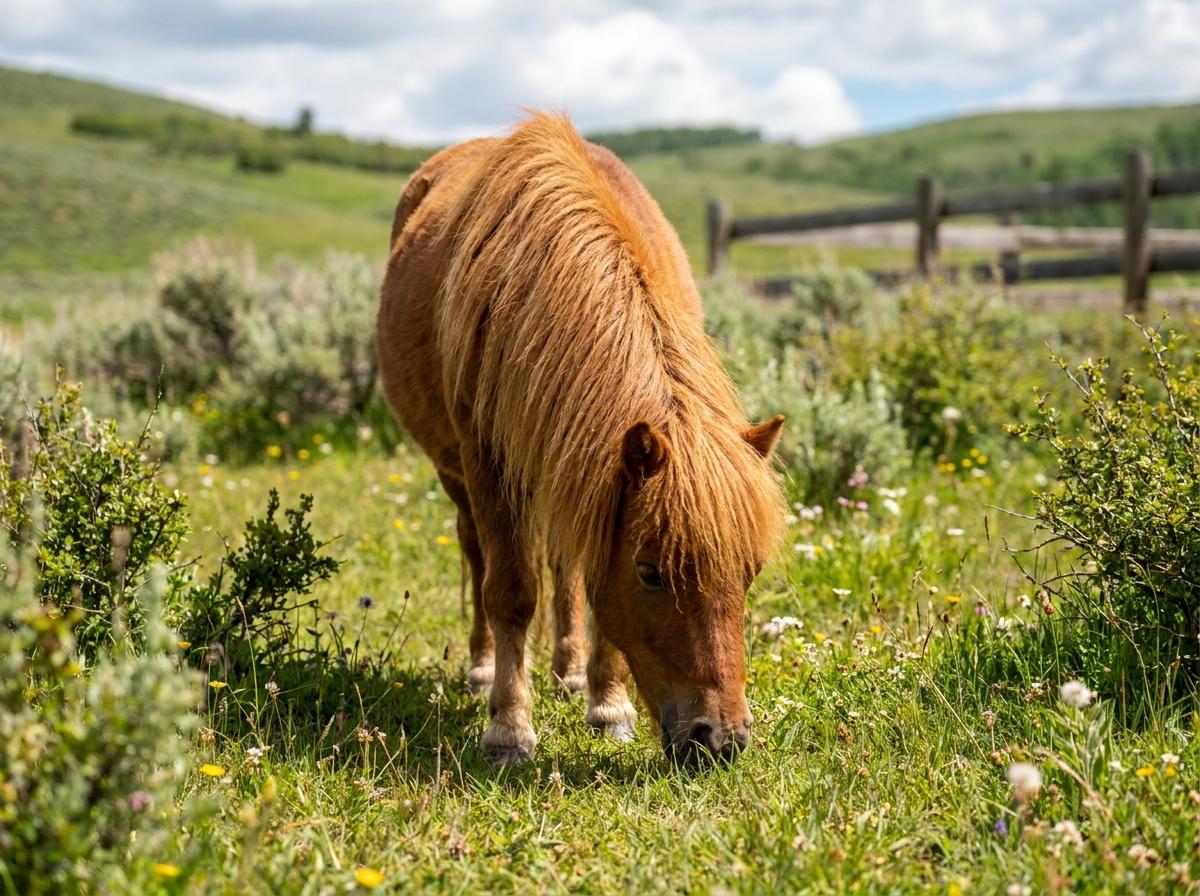
Colors: Amber Champagne, Bay, Bay Dun, Bay Roan, Black, Blanket Appaloosa, Blue Roan, Brown, Buckskin, Champagne, Chestnut, Classic Champagne, Cremello, Dun, Dun Roan, Fewspot Appaloosa, Flaxen Chestnut, Frame Overo, Gold Champagne, Gray, Grey, Grullo, Leopard Appaloosa, Liver Chestnut, Overo, Palomino, Perlino, Piebald, Pinto, Rabicano, Red Dun, Red Roan, Roan, Sabino, Seal Bay, Silver Dapple, Skewbald, Smoky Black, Smoky Cream, Snowcap Appaloosa, Sorrel, Splash White, Tobiano, Tovero, Varnish Roan, White