

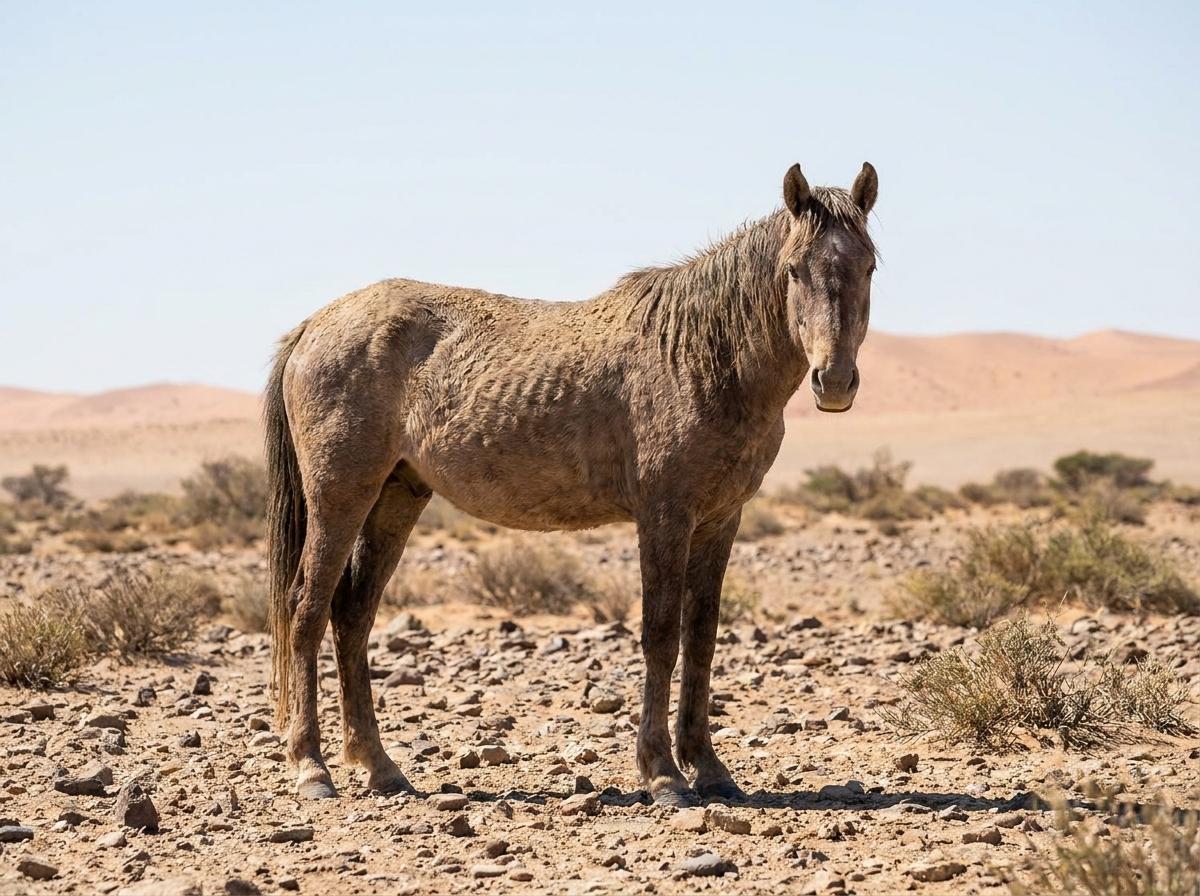
Namib Desert Horse
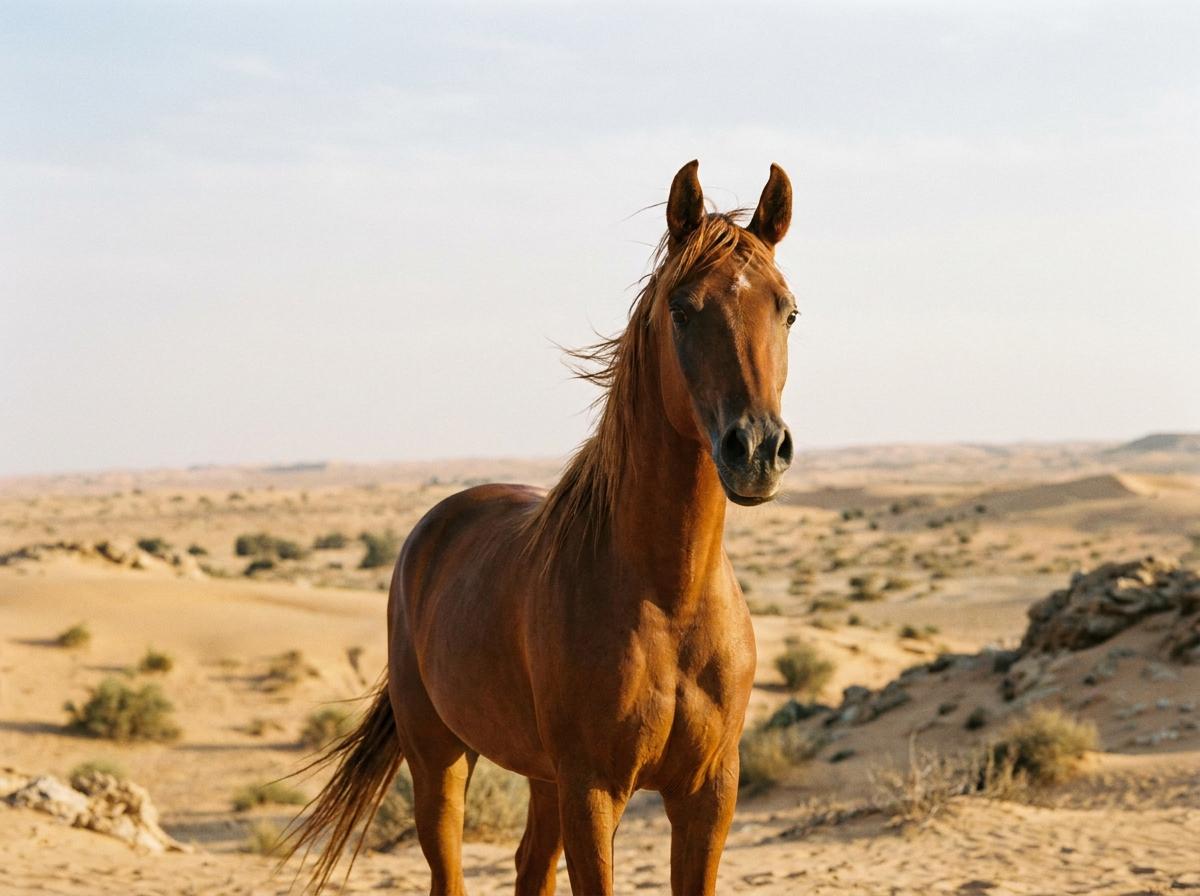
The Namib Desert horse is a free-ranging horse population in Namibia, especially associated with the desert areas near Aus and Garub. These horses survive in an arid environment with limited forage and water, though they remain domestic horses by ancestry rather than a separate wild species. Their history is debated, with roots often linked to colonial-era farms, transport animals, and military horses that persisted after human settlement patterns changed.
Stewardship of Namib Desert horses involves reserve management, drought monitoring, water access, predation pressure, and decisions about when human intervention is justified. They are not ordinary pets or a breed to reproduce casually outside context. Conservation teams and local authorities must balance the horses' cultural value with desert ecology, while any individual removed from the population would need careful transition to domestic feeding, hoof care, and handling.
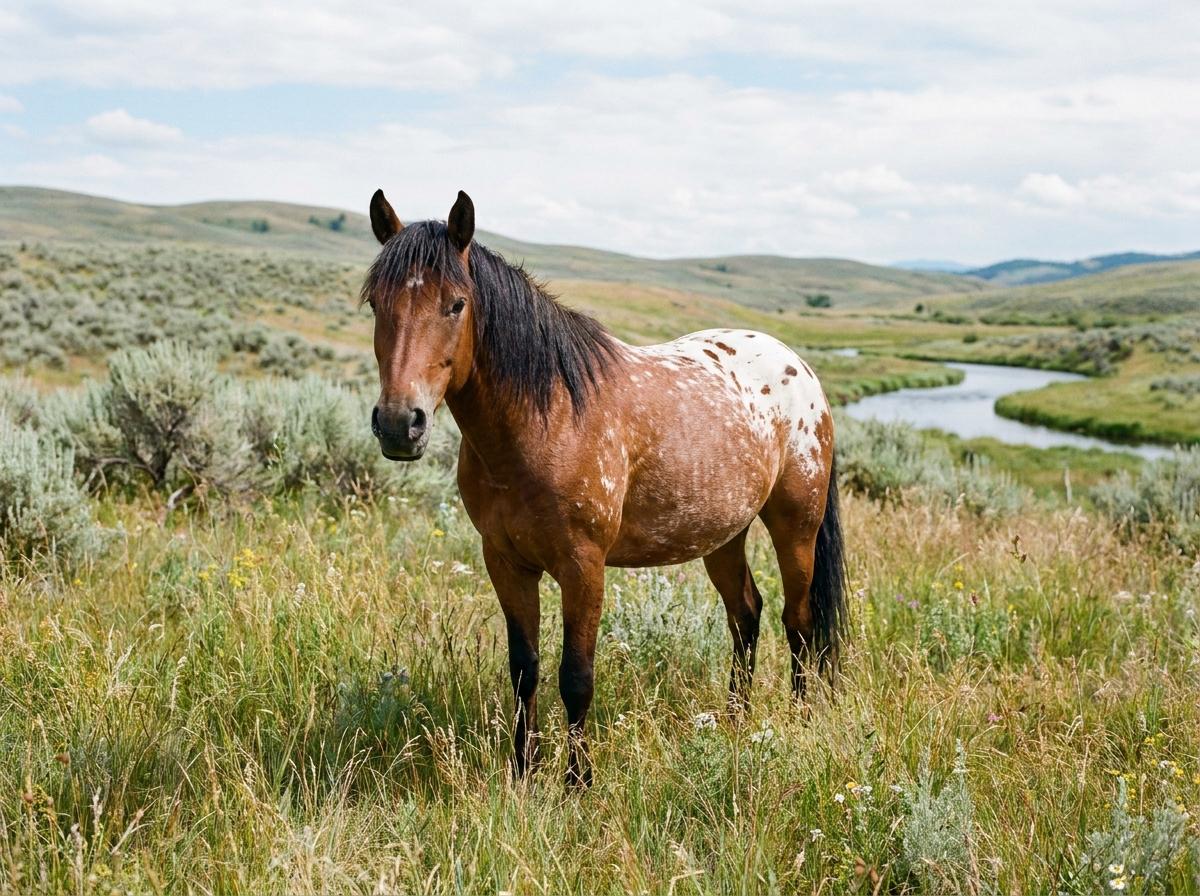
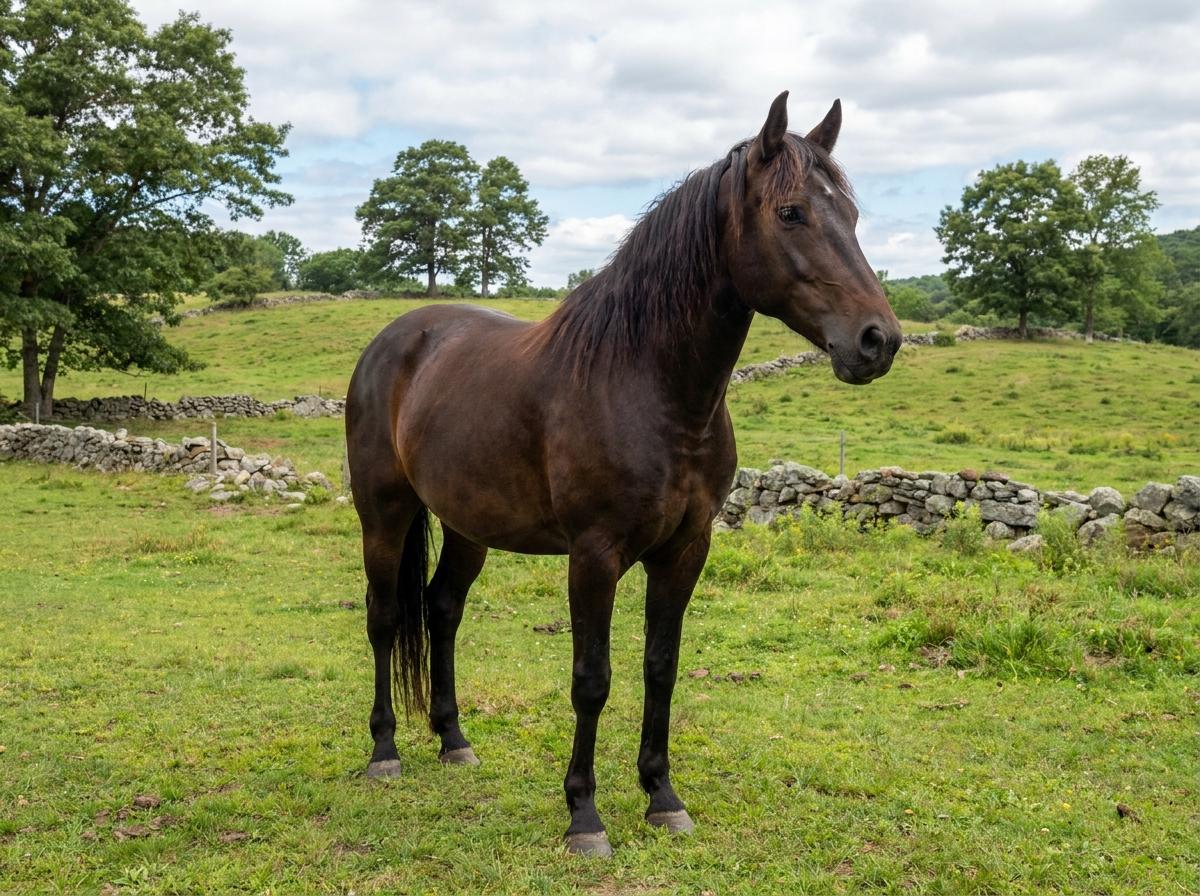
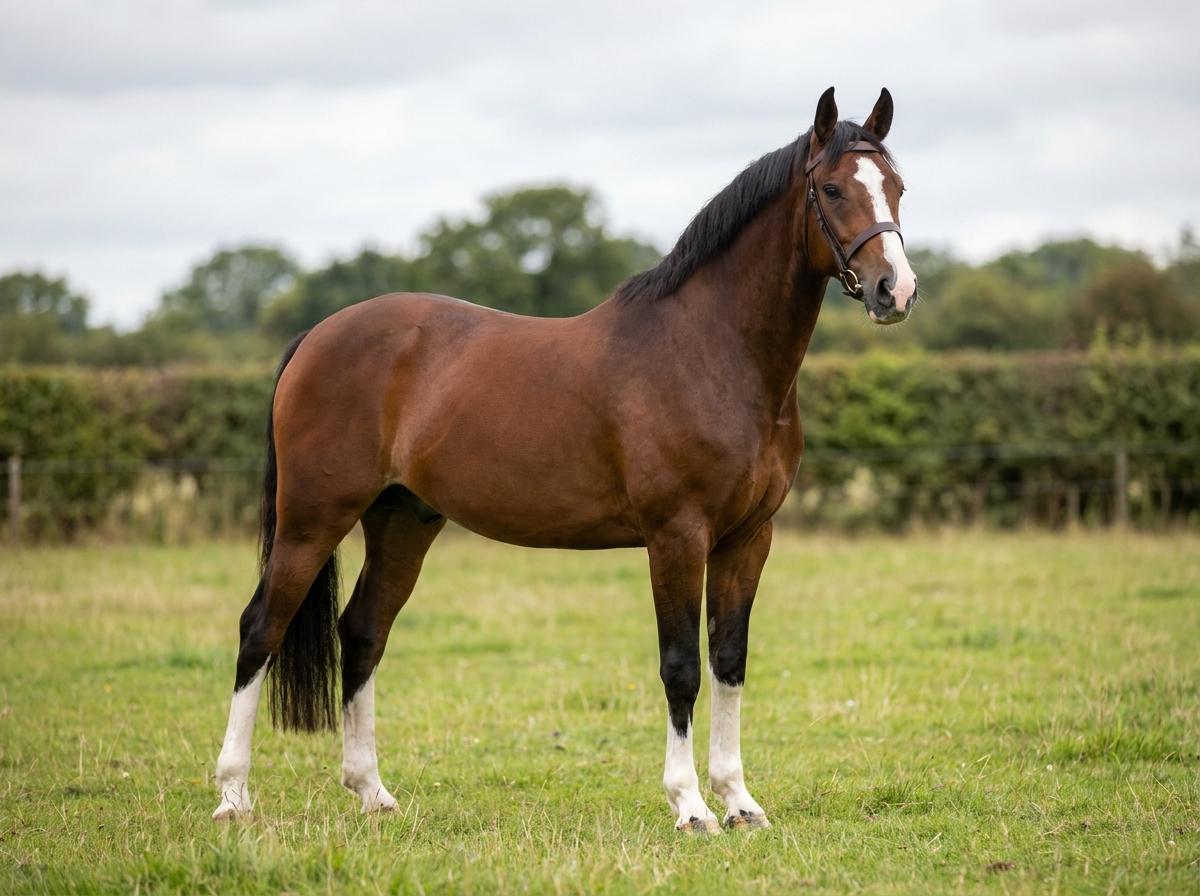
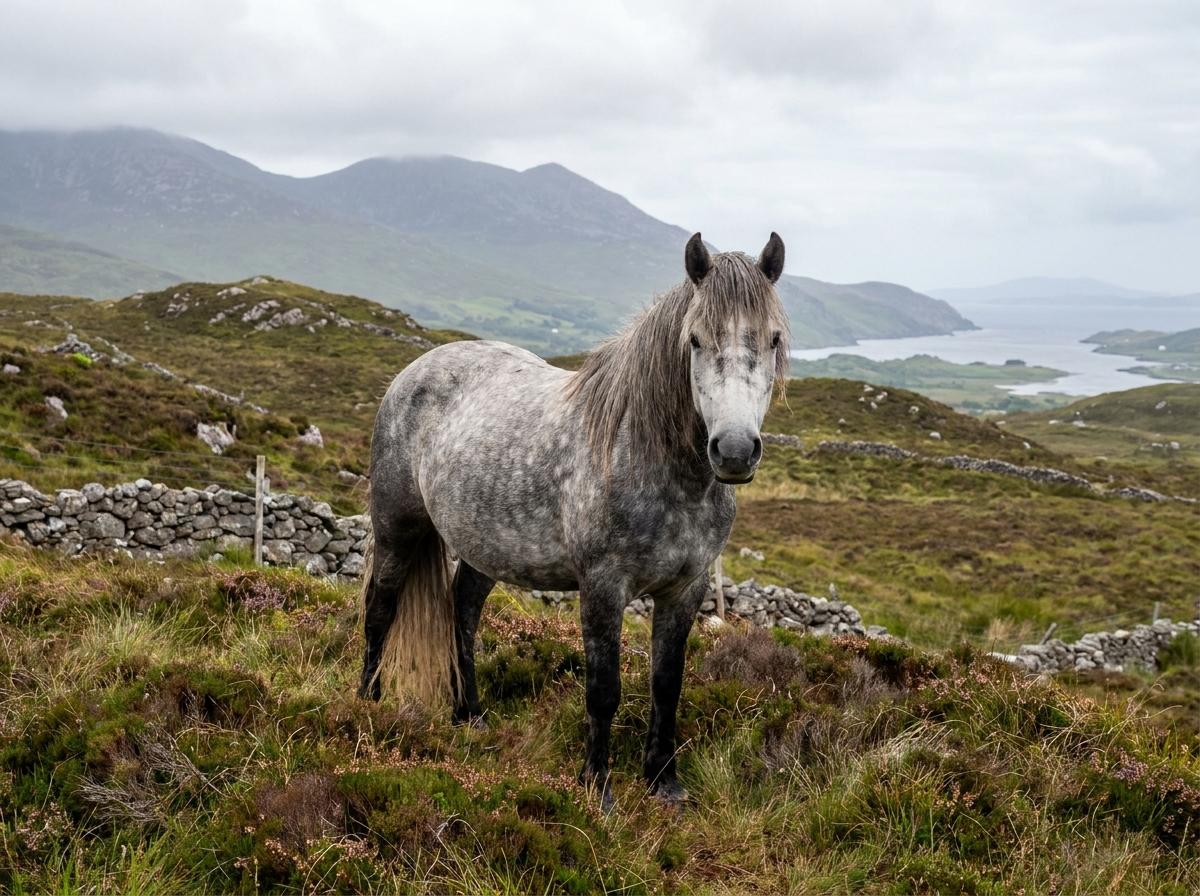
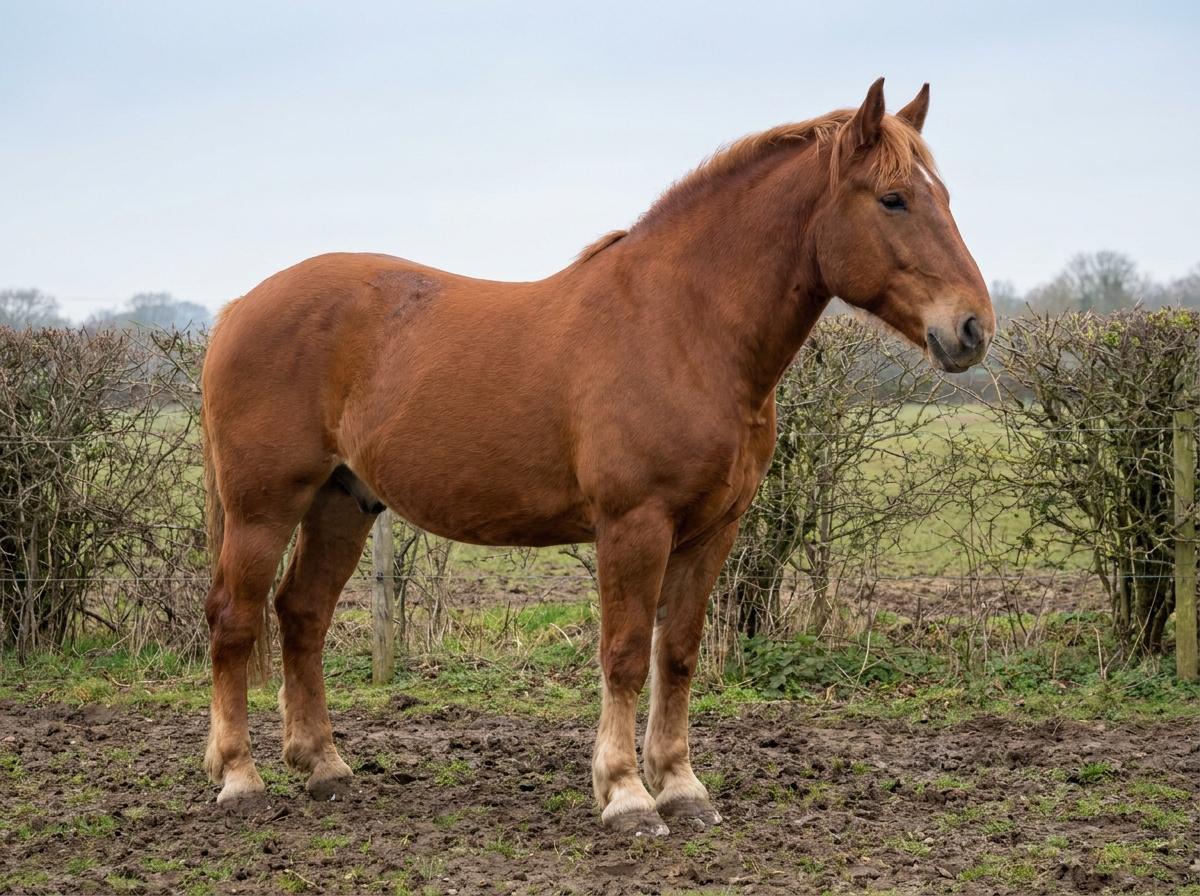
Colors: Amber Champagne, Bay, Bay Dun, Bay Roan, Black, Blanket Appaloosa, Blue Roan, Brown, Buckskin, Champagne, Chestnut, Classic Champagne, Cremello, Dun, Dun Roan, Fewspot Appaloosa, Flaxen Chestnut, Frame Overo, Gold Champagne, Gray, Grey, Grullo, Leopard Appaloosa, Liver Chestnut, Overo, Palomino, Perlino, Piebald, Pinto, Rabicano, Red Dun, Red Roan, Roan, Sabino, Seal Bay, Silver Dapple, Skewbald, Smoky Black, Smoky Cream, Snowcap Appaloosa, Sorrel, Splash White, Tobiano, Tovero, Varnish Roan, White