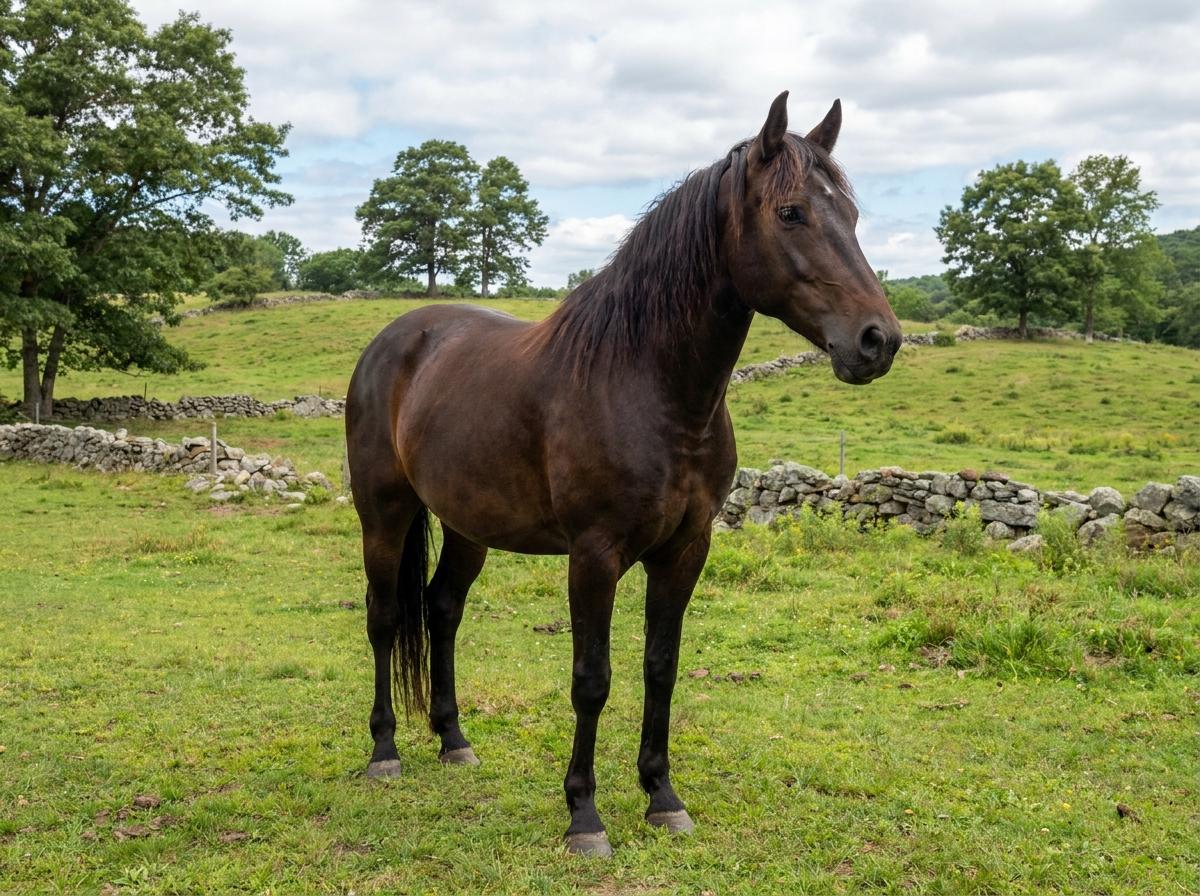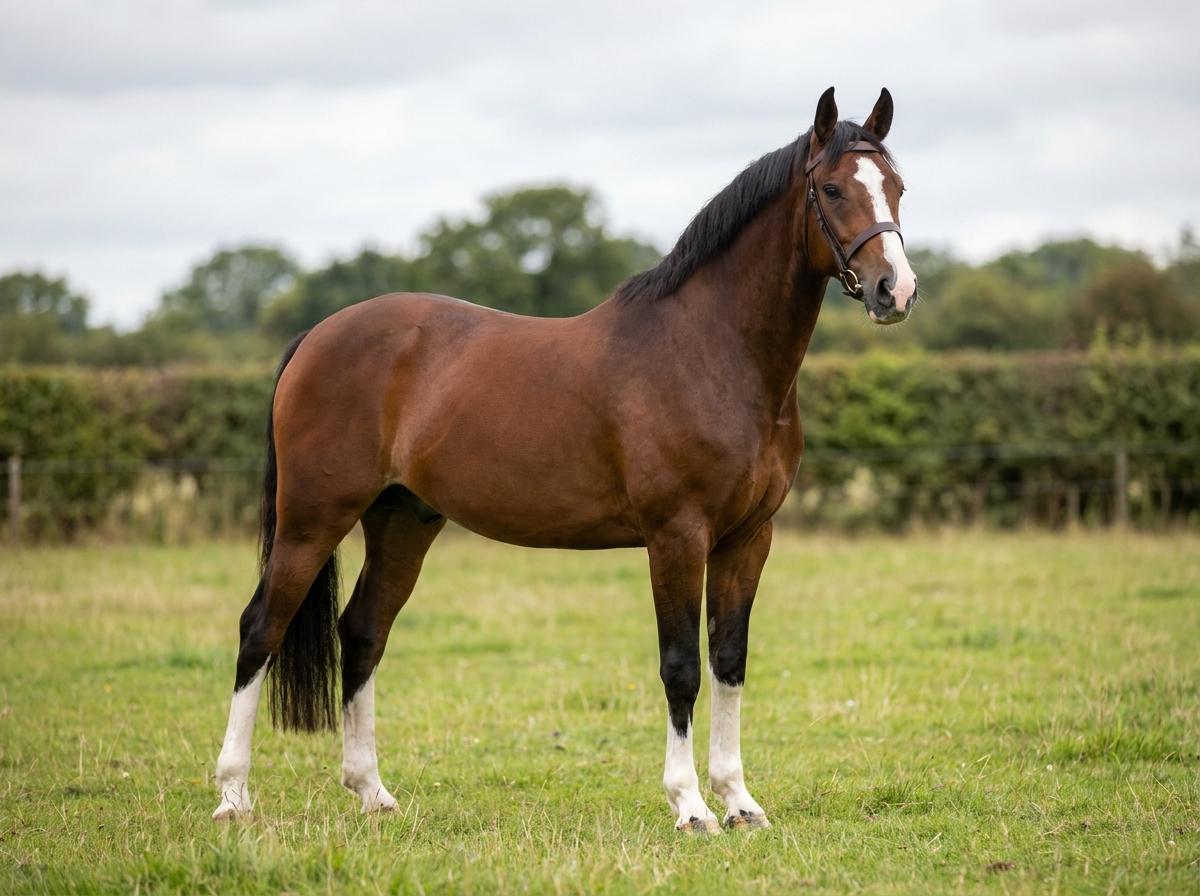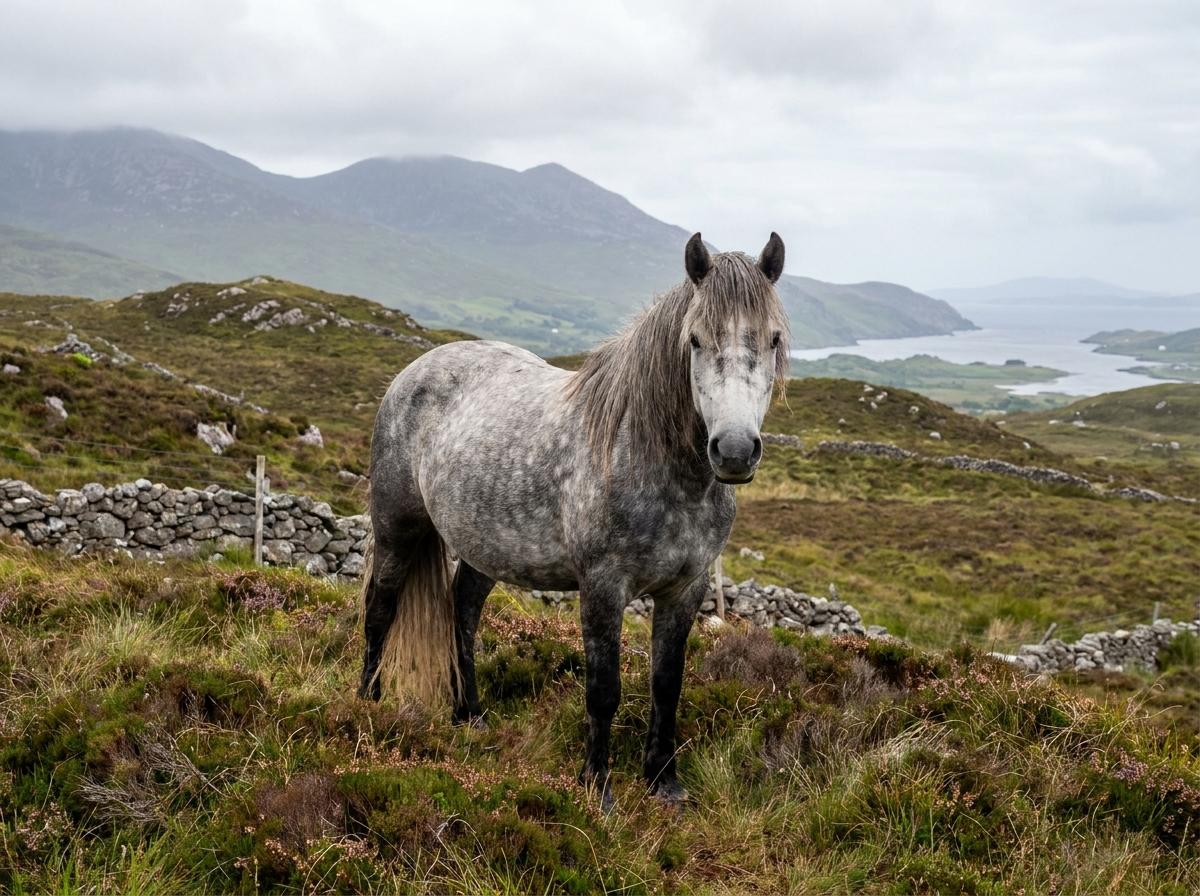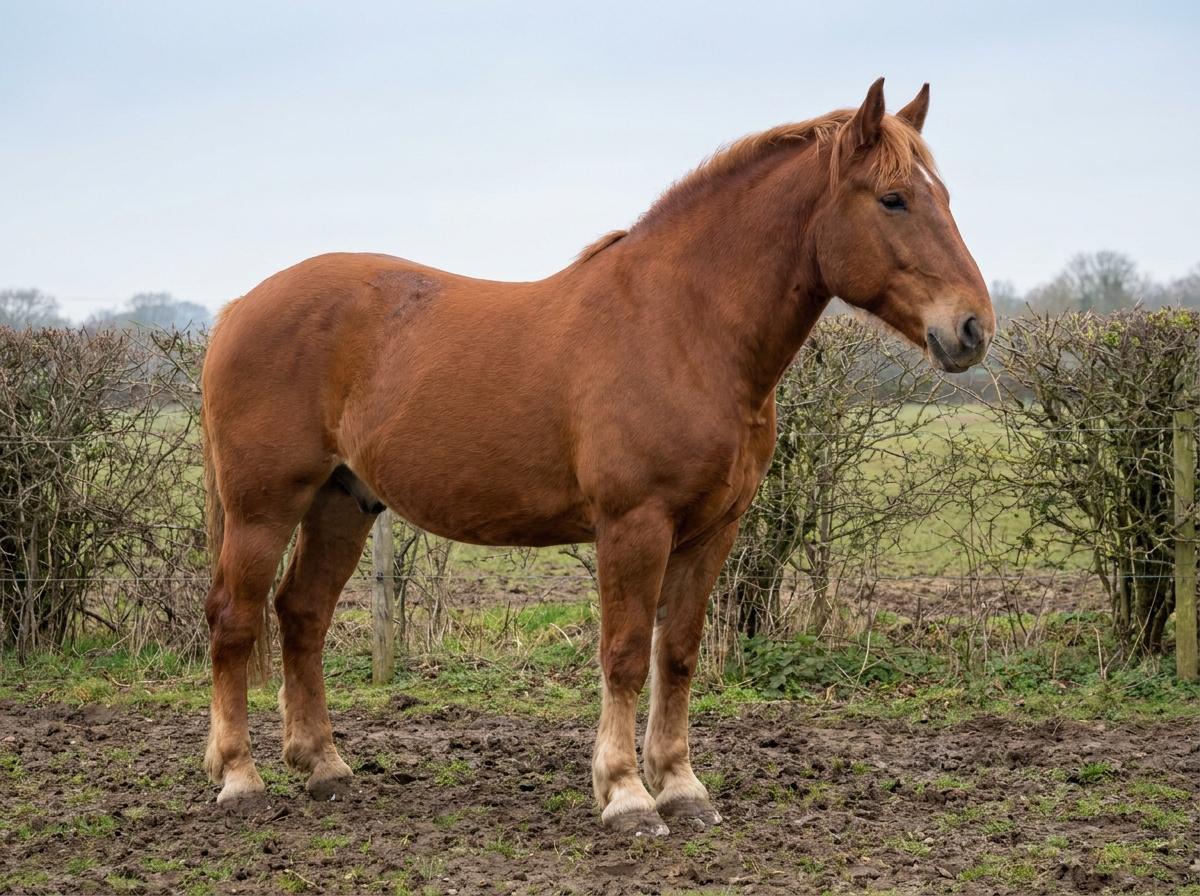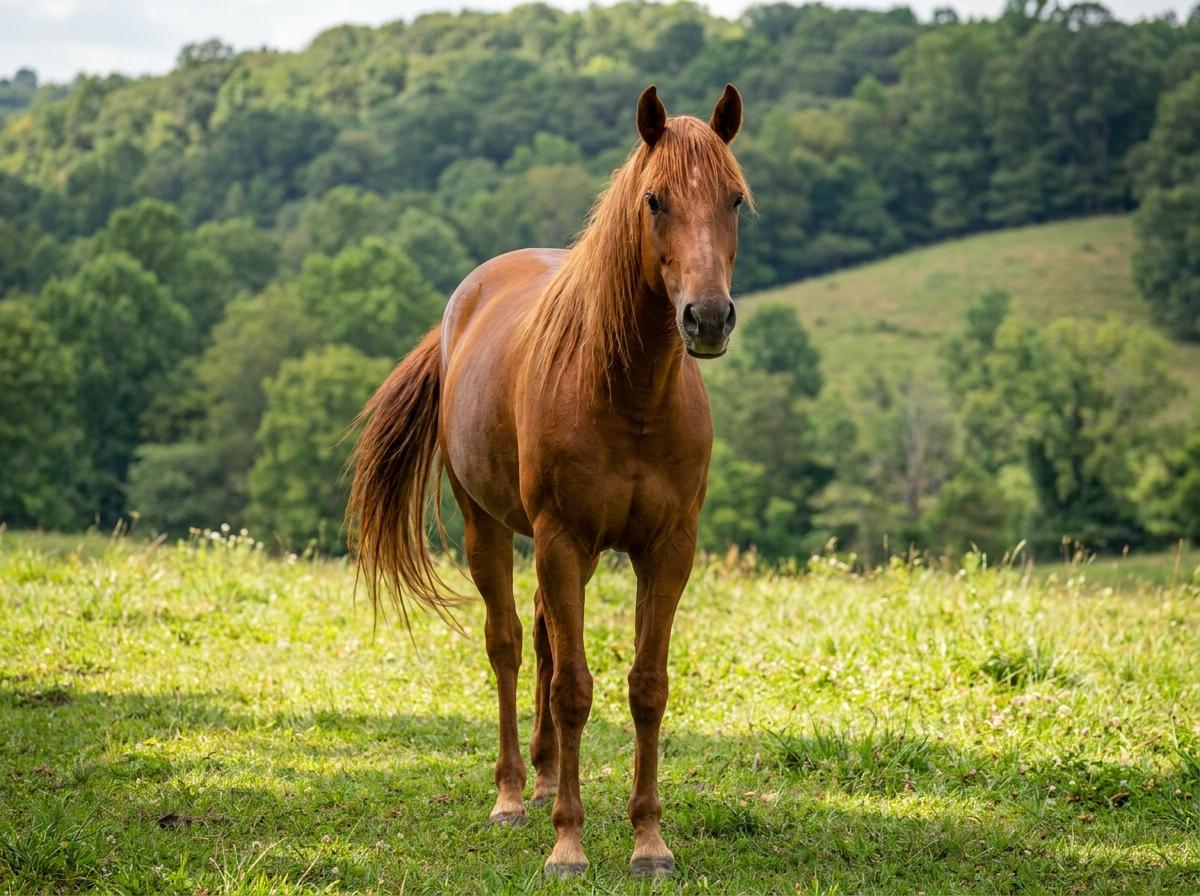
North American Single-Footing Horse
Single-footing horses in North America are gaited saddle horses developed around the smooth, rapid four-beat gait called the single-foot or rack. Rather than being defined by one old regional founder population, the type has drawn from American gaited and road-horse bloodlines, including horses selected for speed, endurance, and an easy ride. A good single-footer places each hoof down separately with little suspension, which lets the rider cover ground with less bounce than at a trot. Size, build, and color vary, but the useful individual is balanced, sound, and willing enough for long trail miles.
Care and selection are strongly tied to the gait. Hoof balance, fitness, saddle fit, and patient conditioning help preserve a clean four-beat rhythm; excessive speed, sore backs, or unbalanced trimming can produce pacing, roughness, or lameness. Many are kept by trail riders and field trial riders who value a horse that can move along briskly without tiring the rider. When buying, it is worth watching the horse on uneven ground, not only in an arena, and confirming any claimed registry papers with the relevant single-footing association.
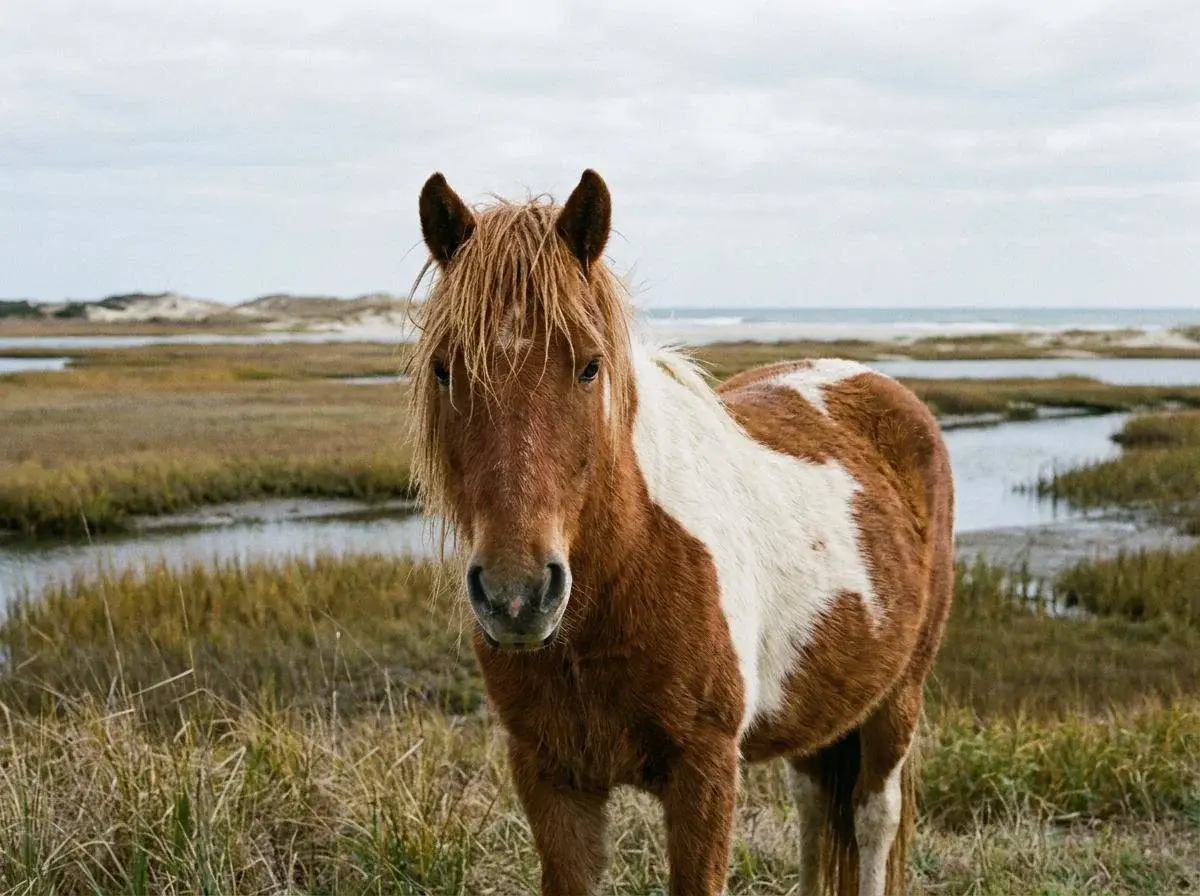
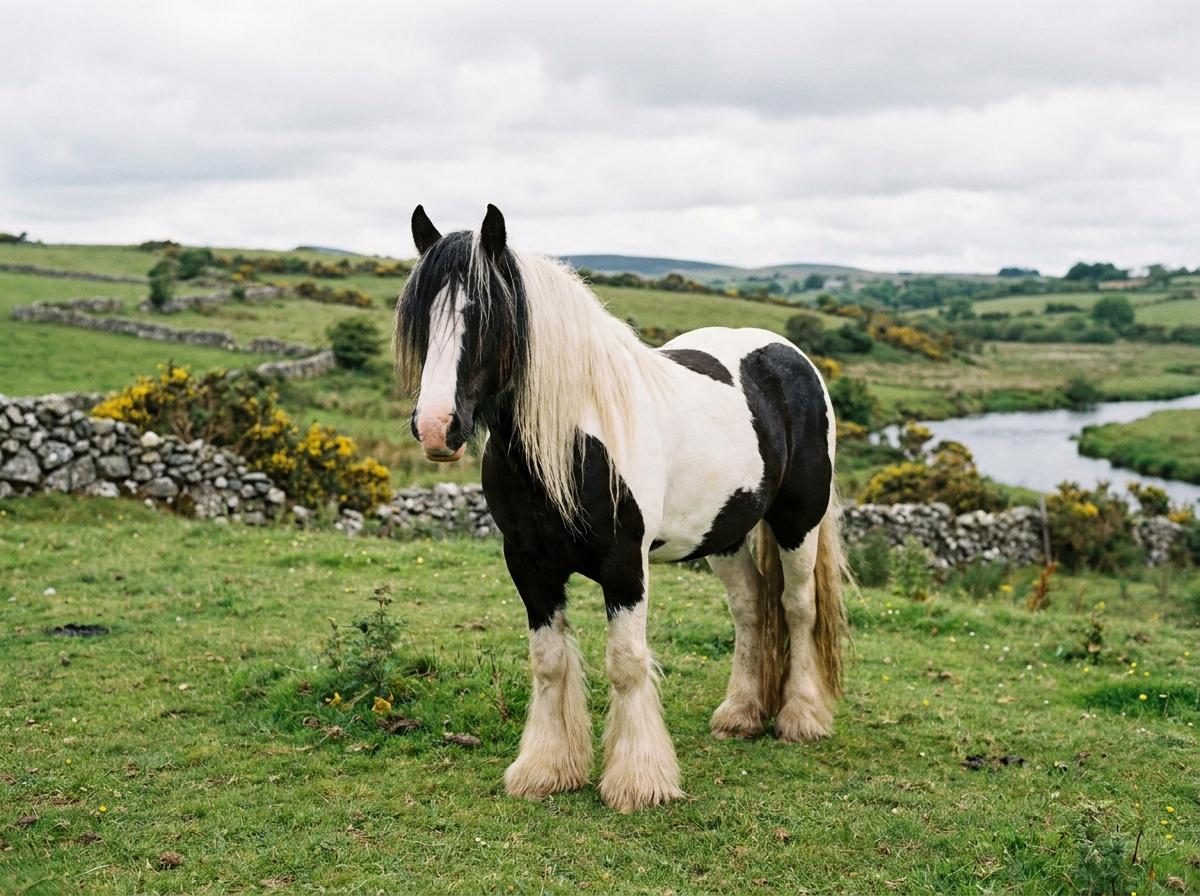
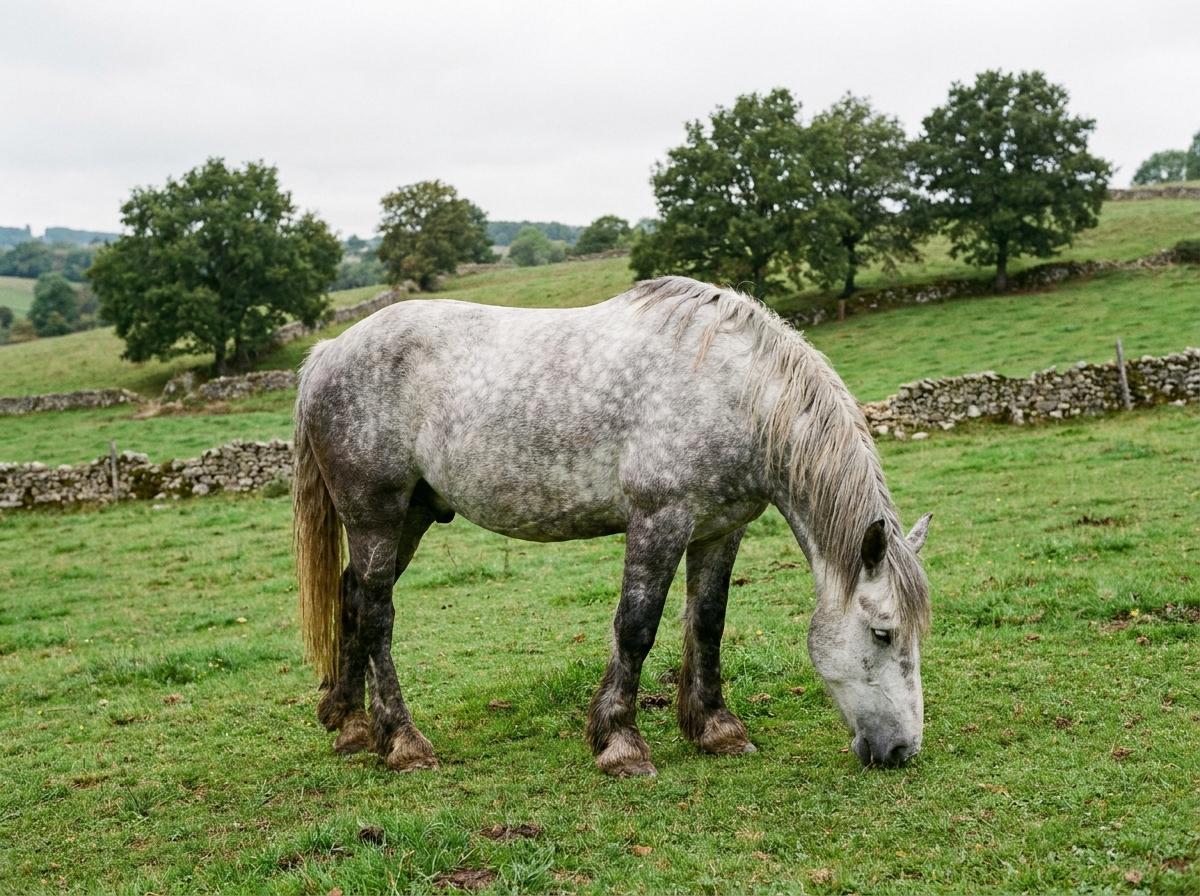
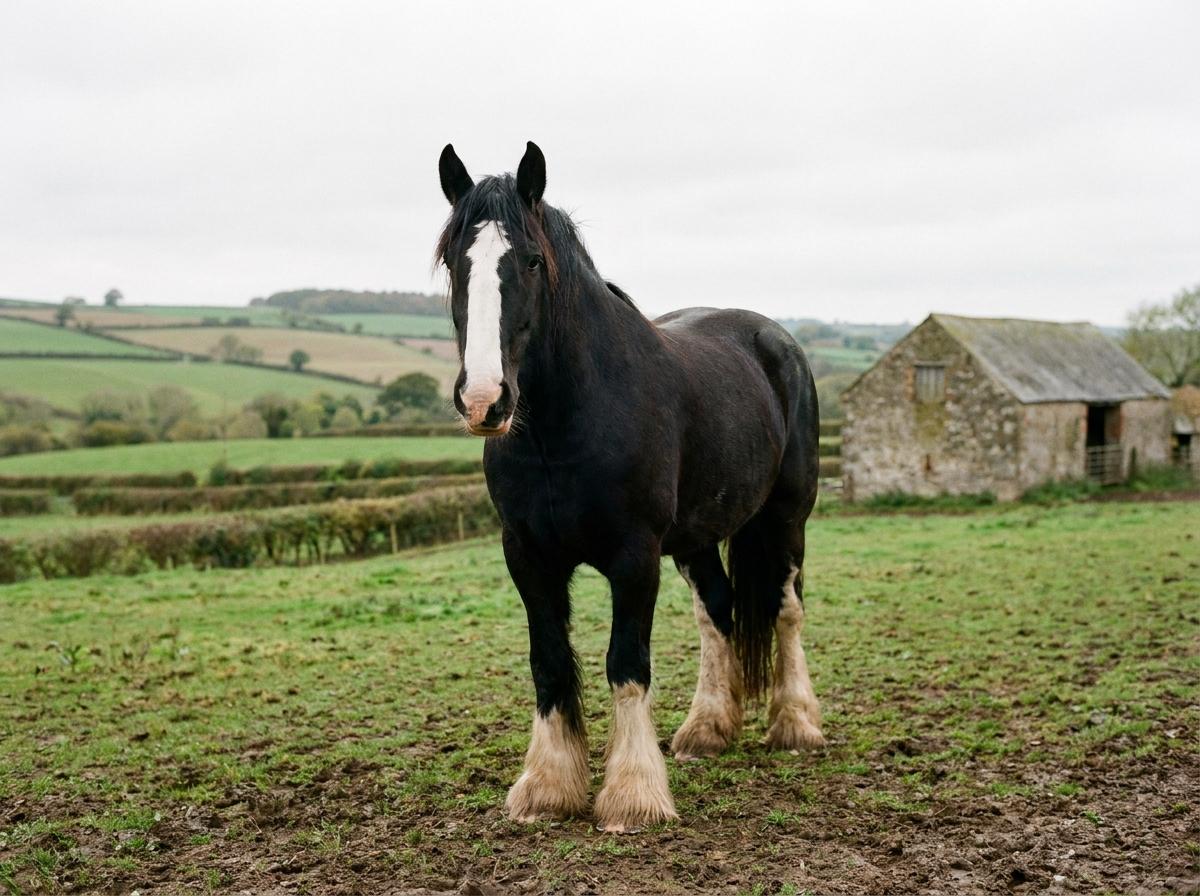
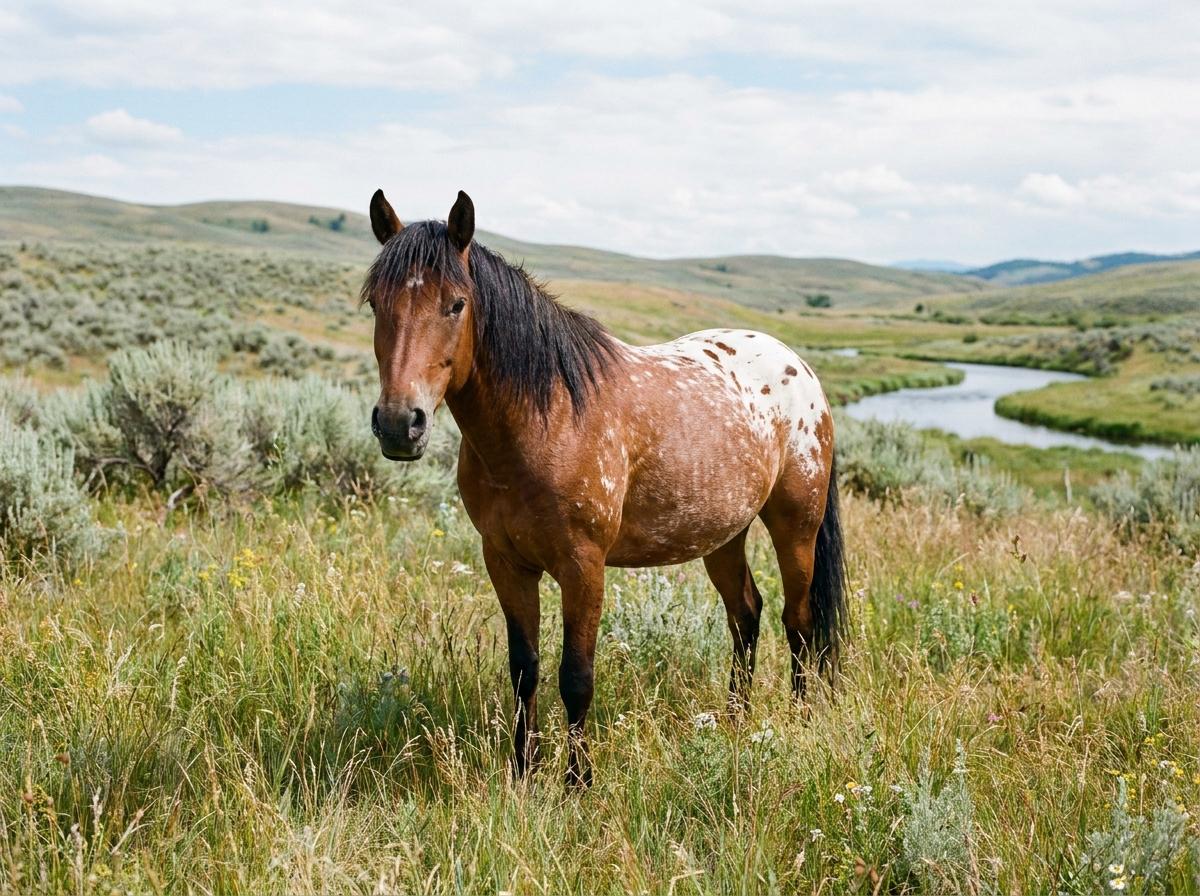
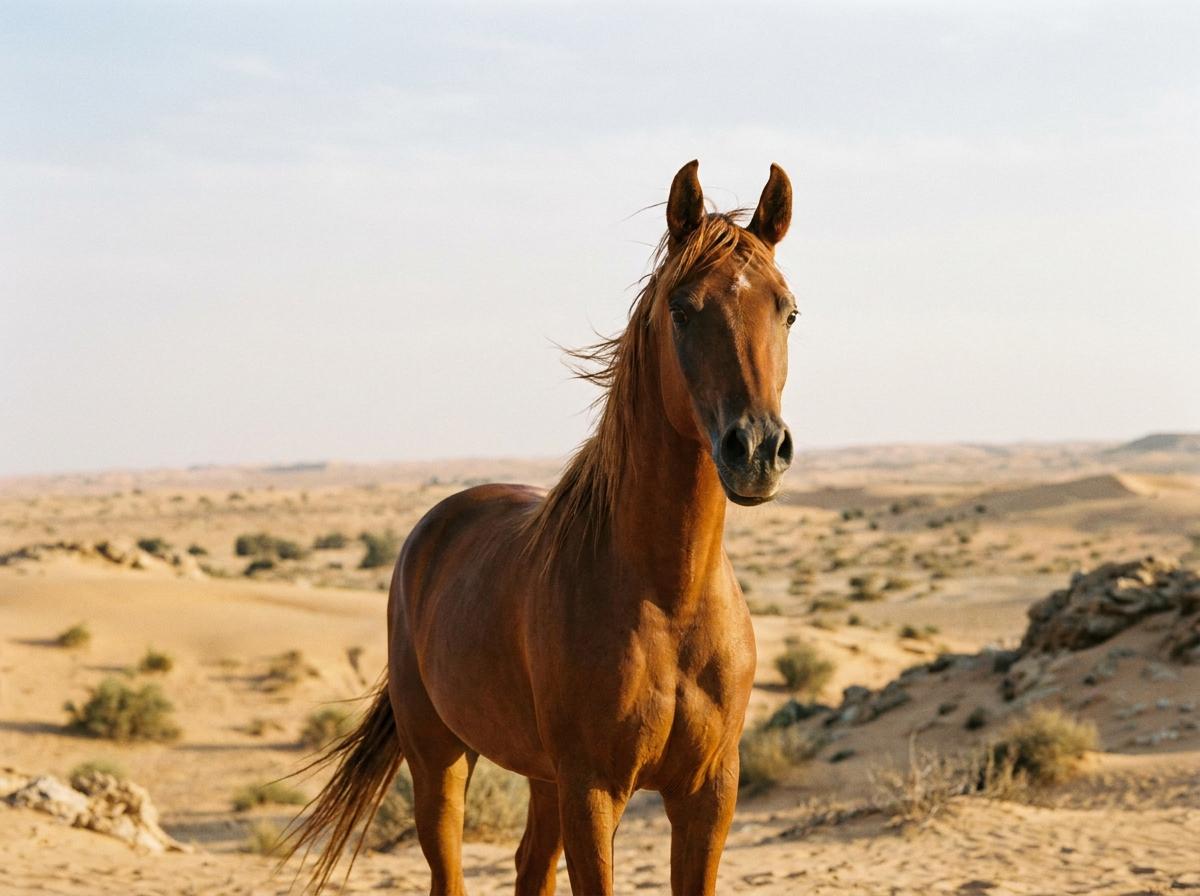
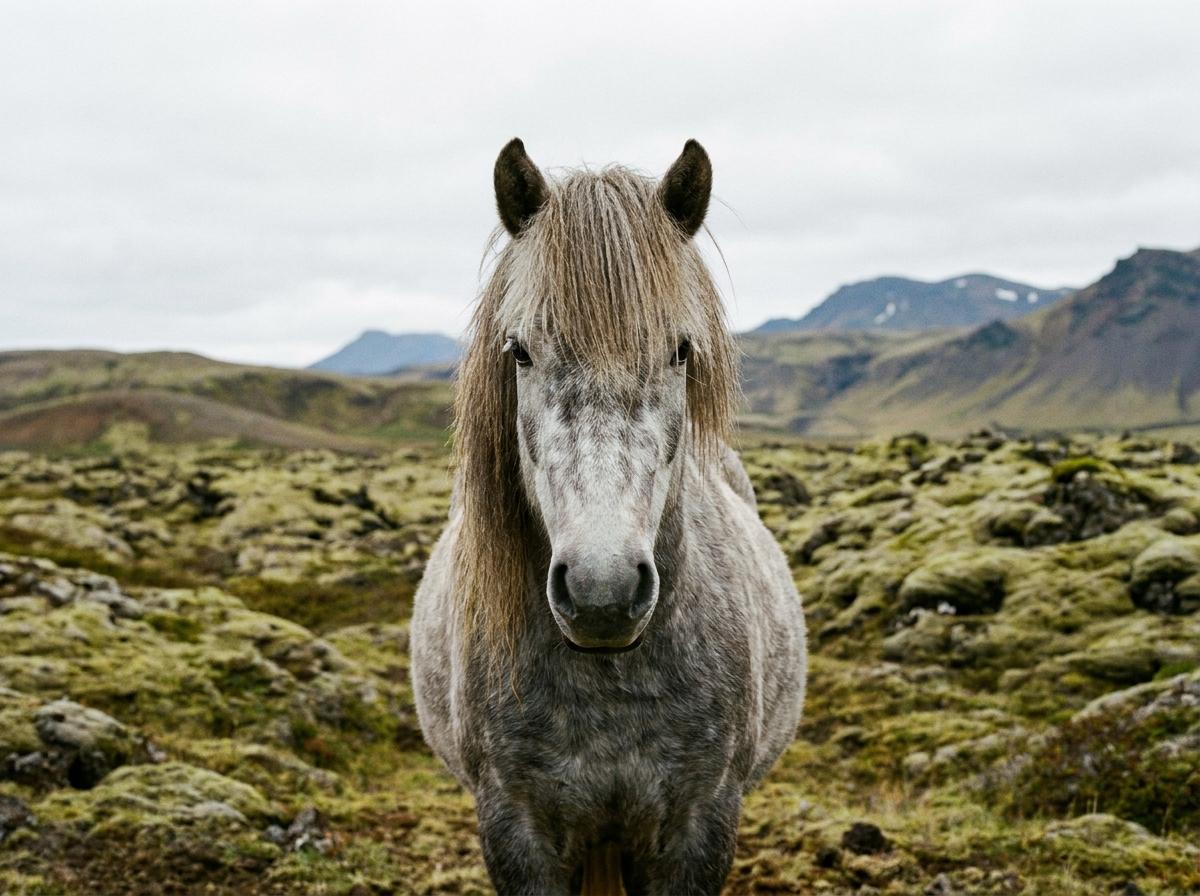
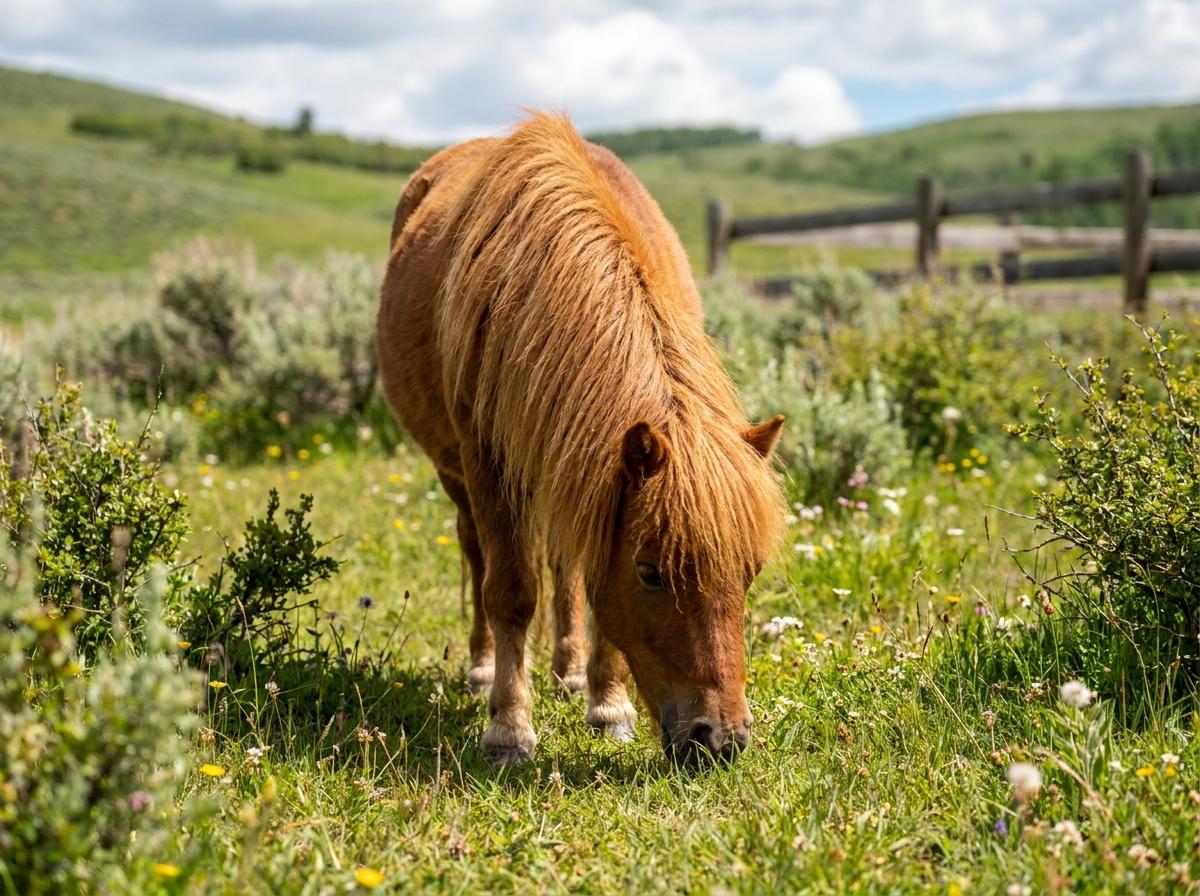
Colors: Amber Champagne, Bay, Bay Dun, Bay Roan, Black, Blanket Appaloosa, Blue Roan, Brown, Buckskin, Champagne, Chestnut, Classic Champagne, Cremello, Dun, Dun Roan, Fewspot Appaloosa, Flaxen Chestnut, Frame Overo, Gold Champagne, Gray, Grey, Grullo, Leopard Appaloosa, Liver Chestnut, Overo, Palomino, Perlino, Piebald, Pinto, Rabicano, Red Dun, Red Roan, Roan, Sabino, Seal Bay, Silver Dapple, Skewbald, Smoky Black, Smoky Cream, Snowcap Appaloosa, Sorrel, Splash White, Tobiano, Tovero, Varnish Roan, White