

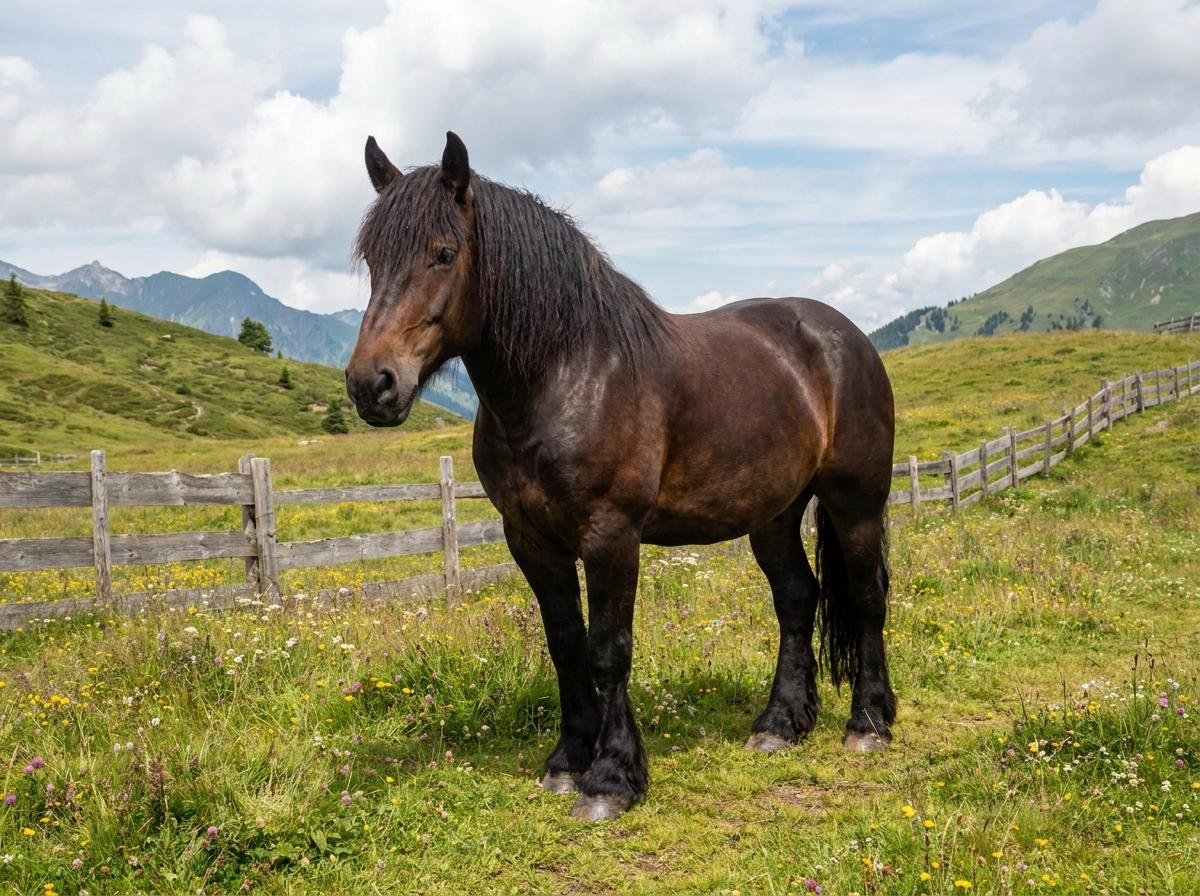
Oberlander Horse
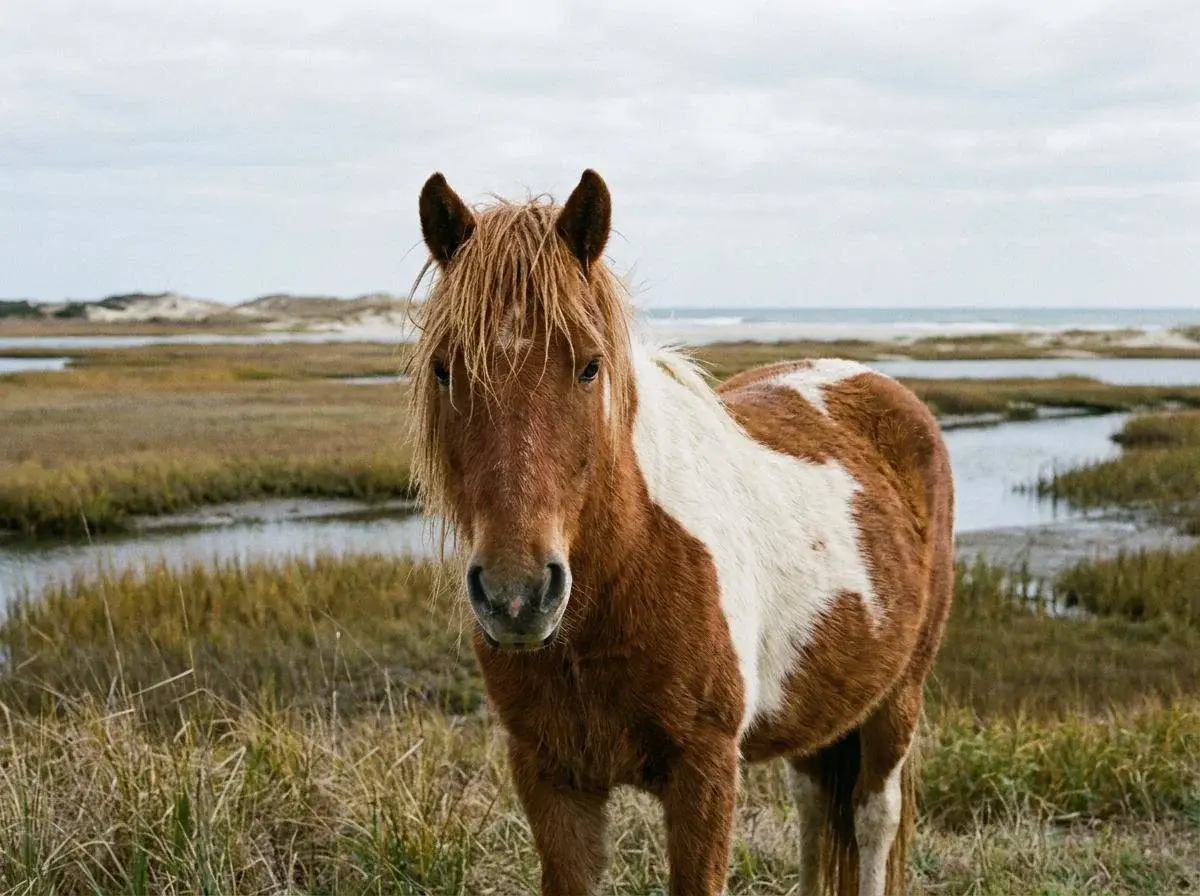
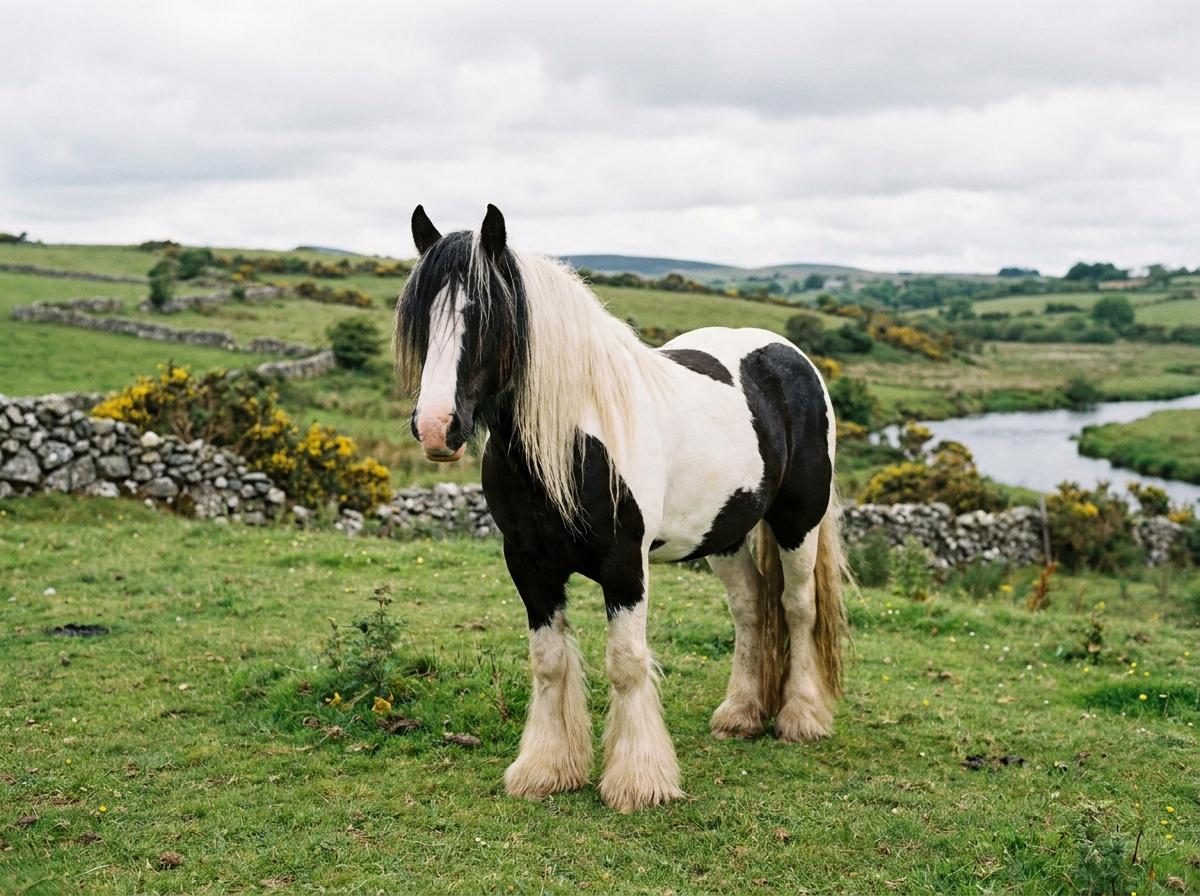
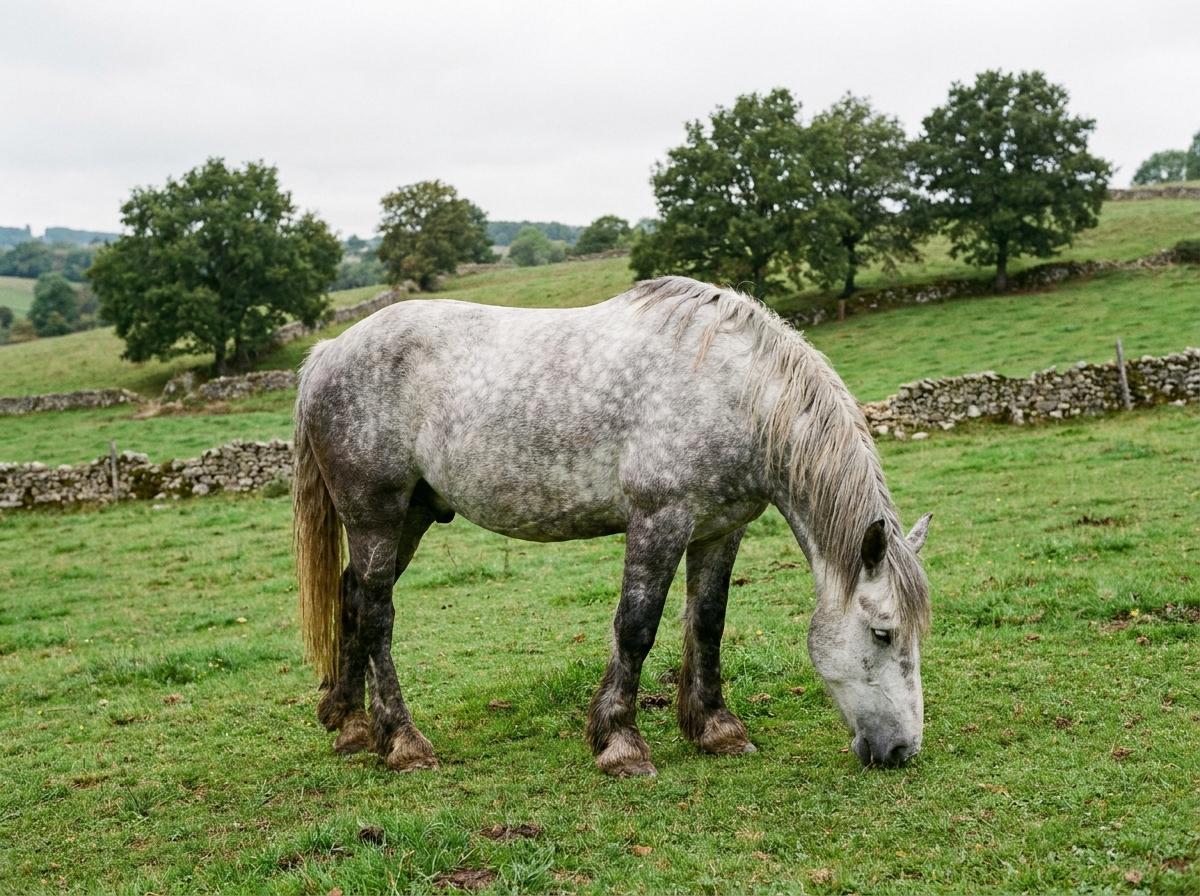
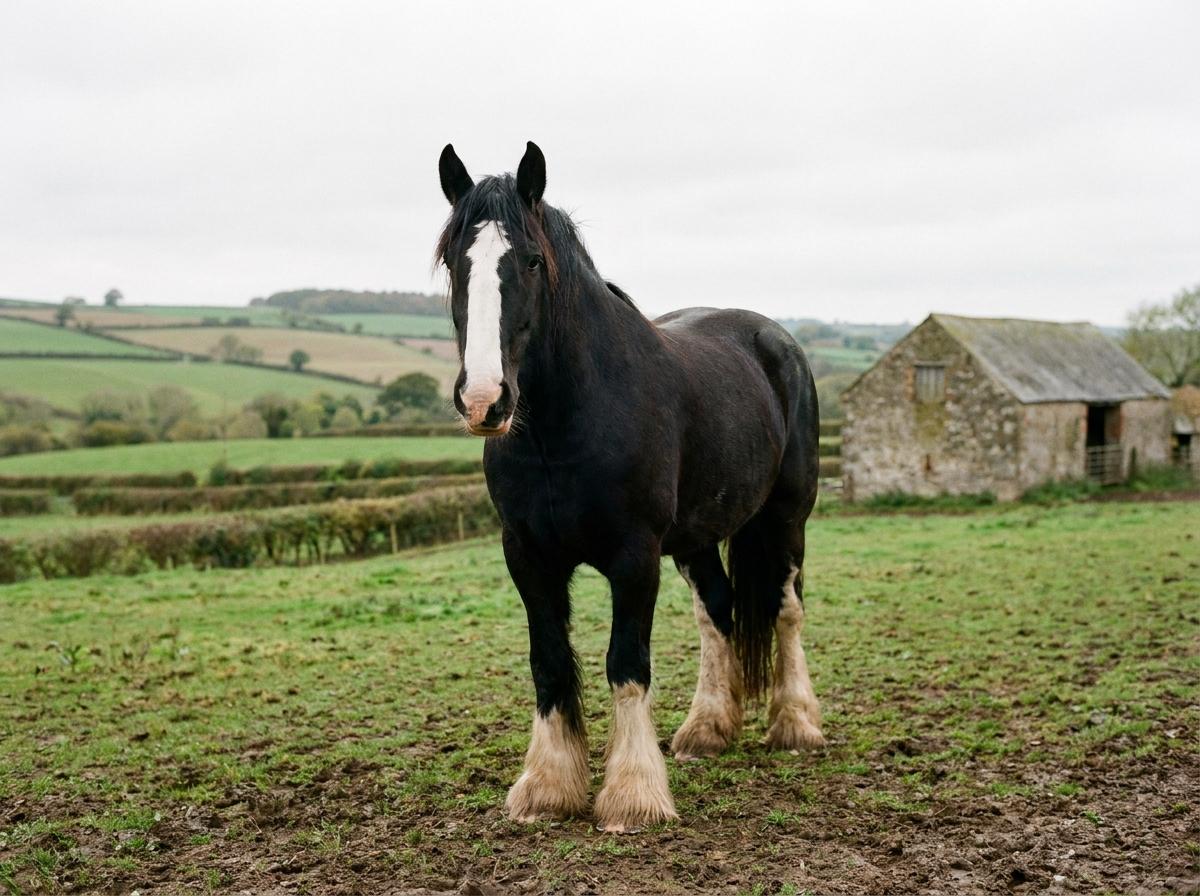
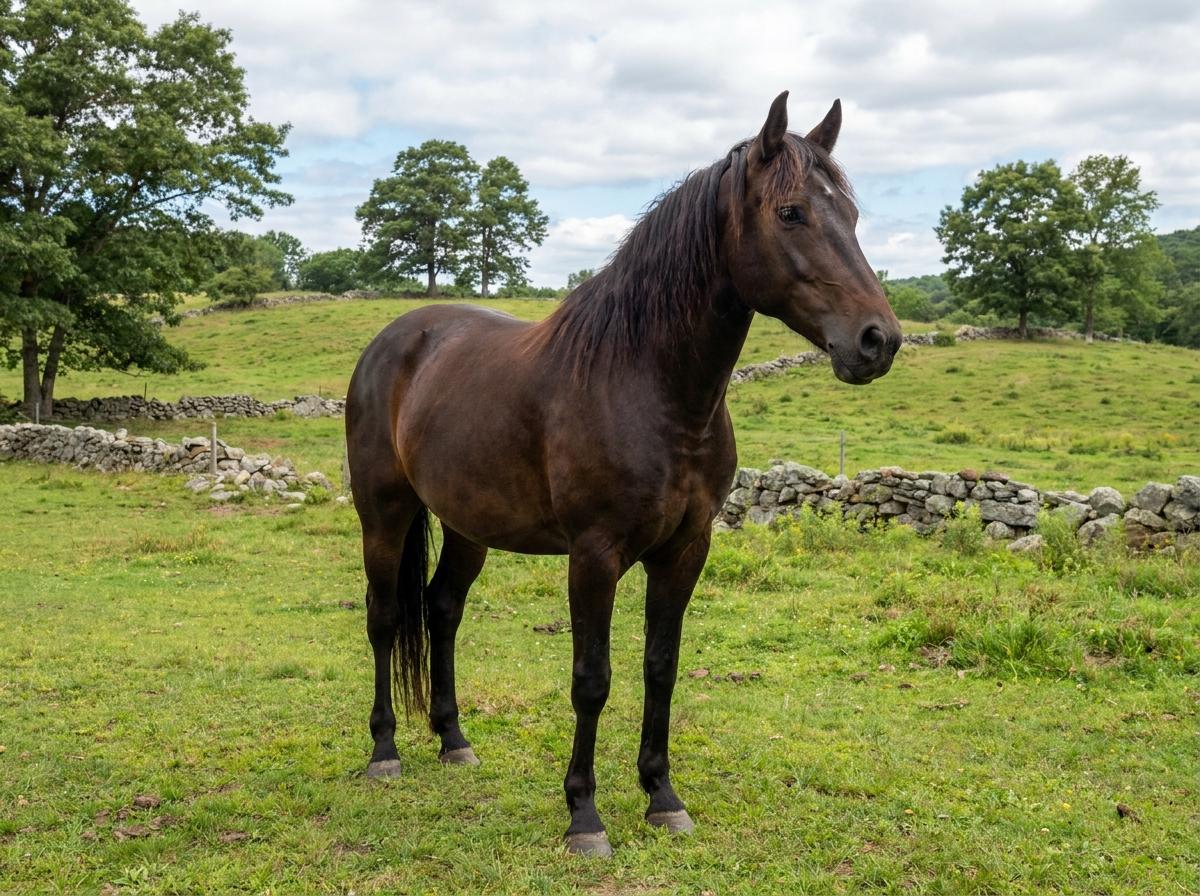
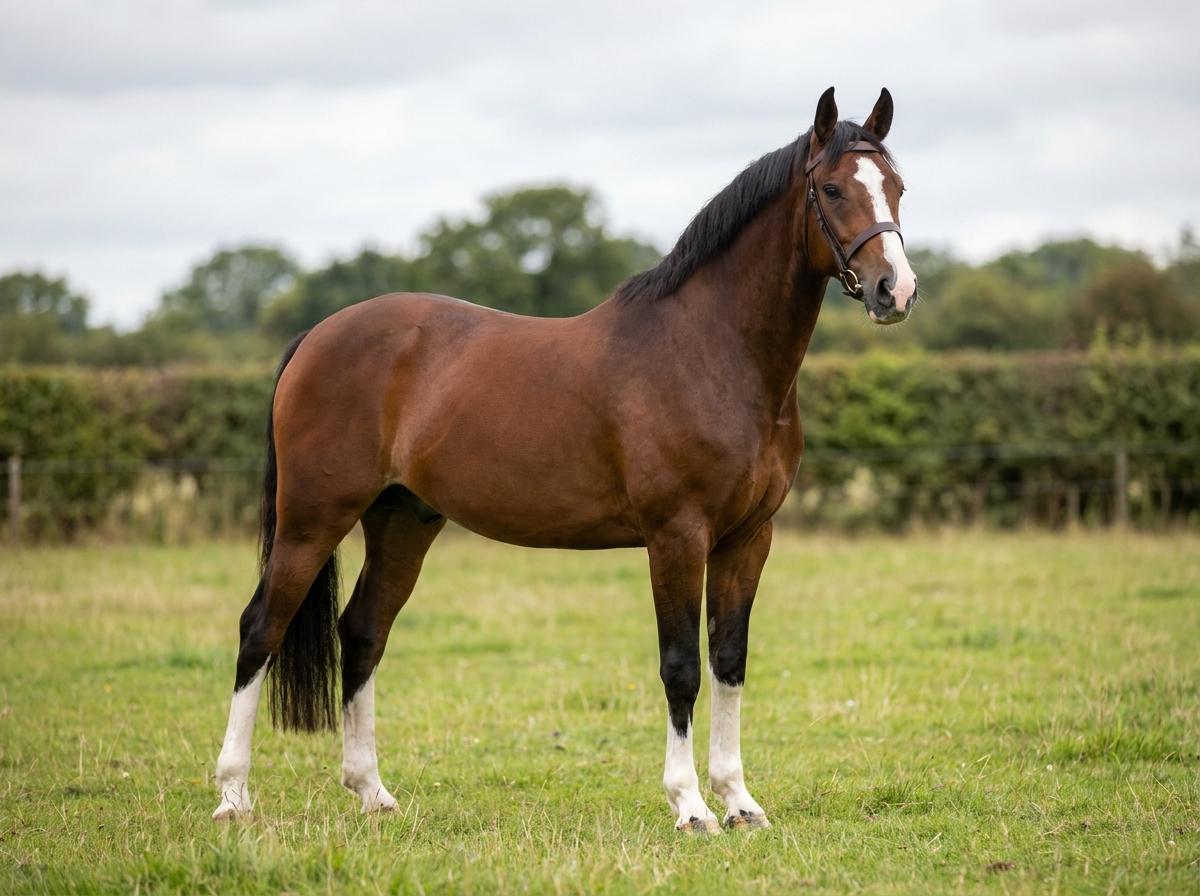
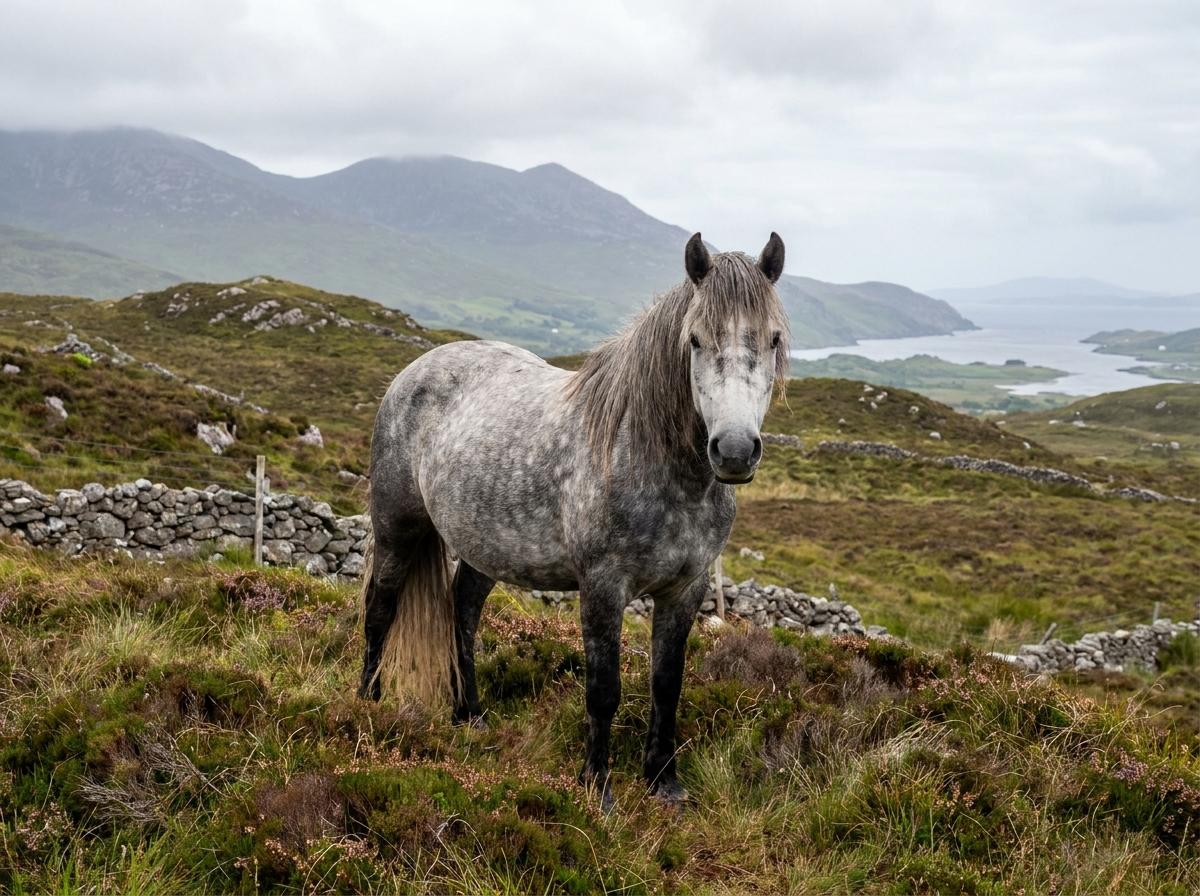
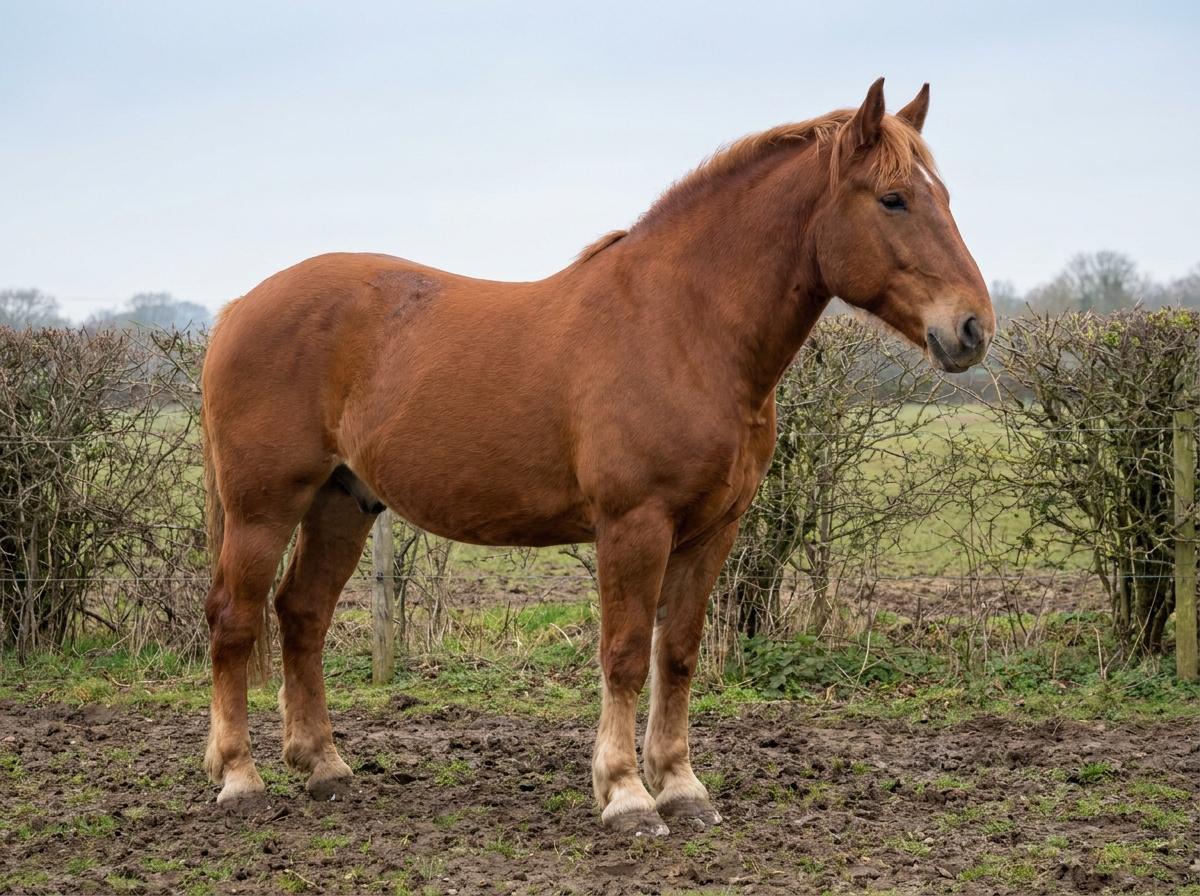
The Oberlander horse is an obscure regional horse name most often associated with Alpine Oberland districts rather than with a large modern registry breed. In German, Oberland means upper country, so the label has been used for local mountain horses in places where families needed one animal for pack work, light draught, and riding. Descriptions point to a compact, sure-footed utility horse with strong bone, plain coat colors, and a practical temperament, but the historical population was not documented with the precision of modern studbook breeds.
For owners and researchers, Oberlander is best treated as a historical or regional type unless a specific registry or conservation herd is identified. Modern horses sold under the name may overlap with local cob, coldblood, or mountain-horse ancestry. Useful stewardship means preserving old records, photographs, and farm accounts, while judging living animals by soundness, handling, and suitability for terrain rather than by the label alone.
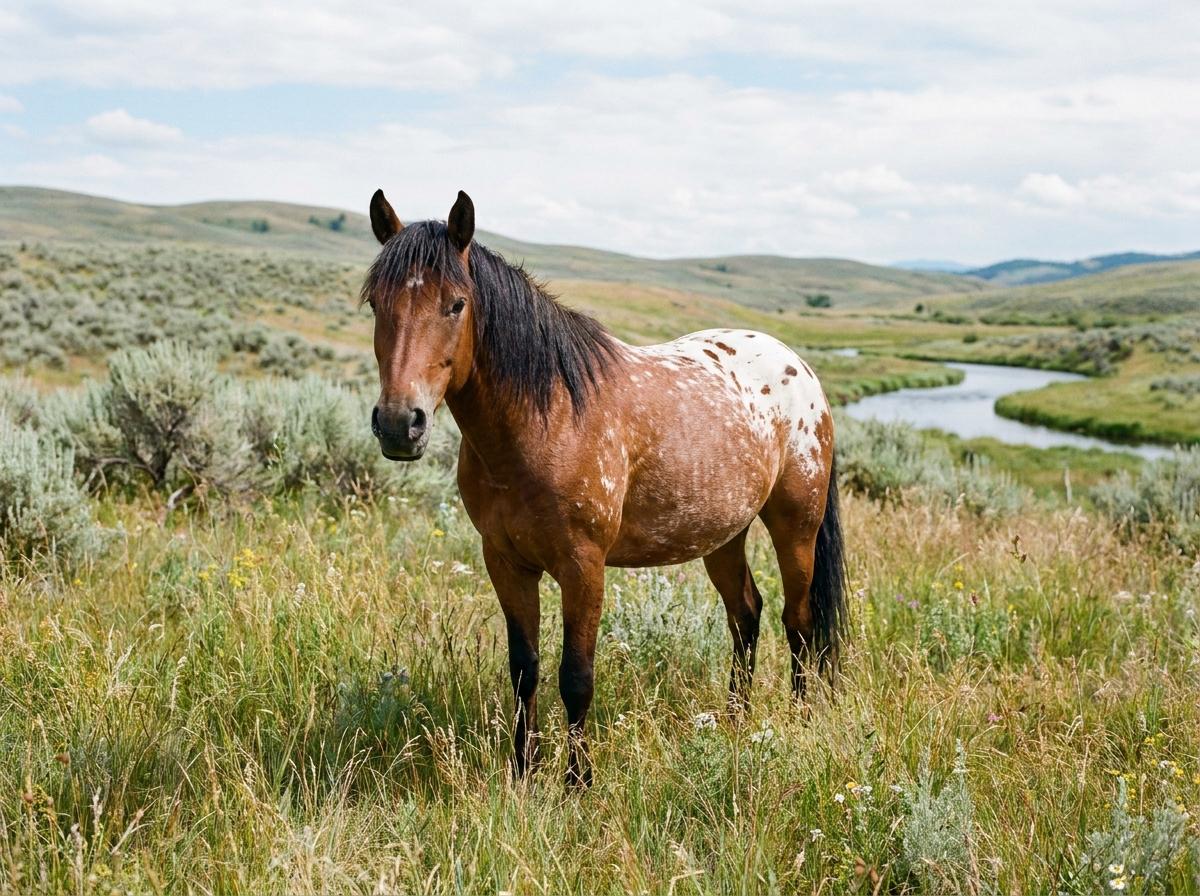
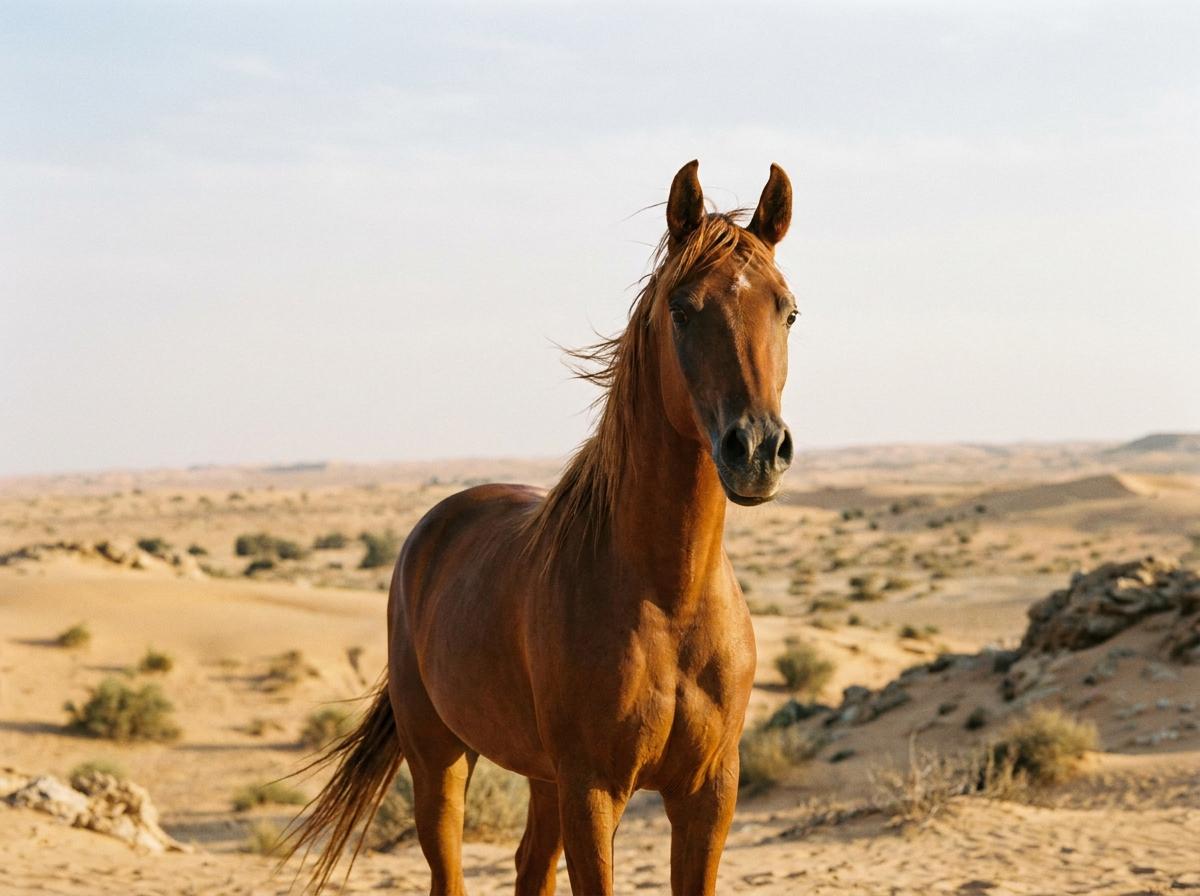
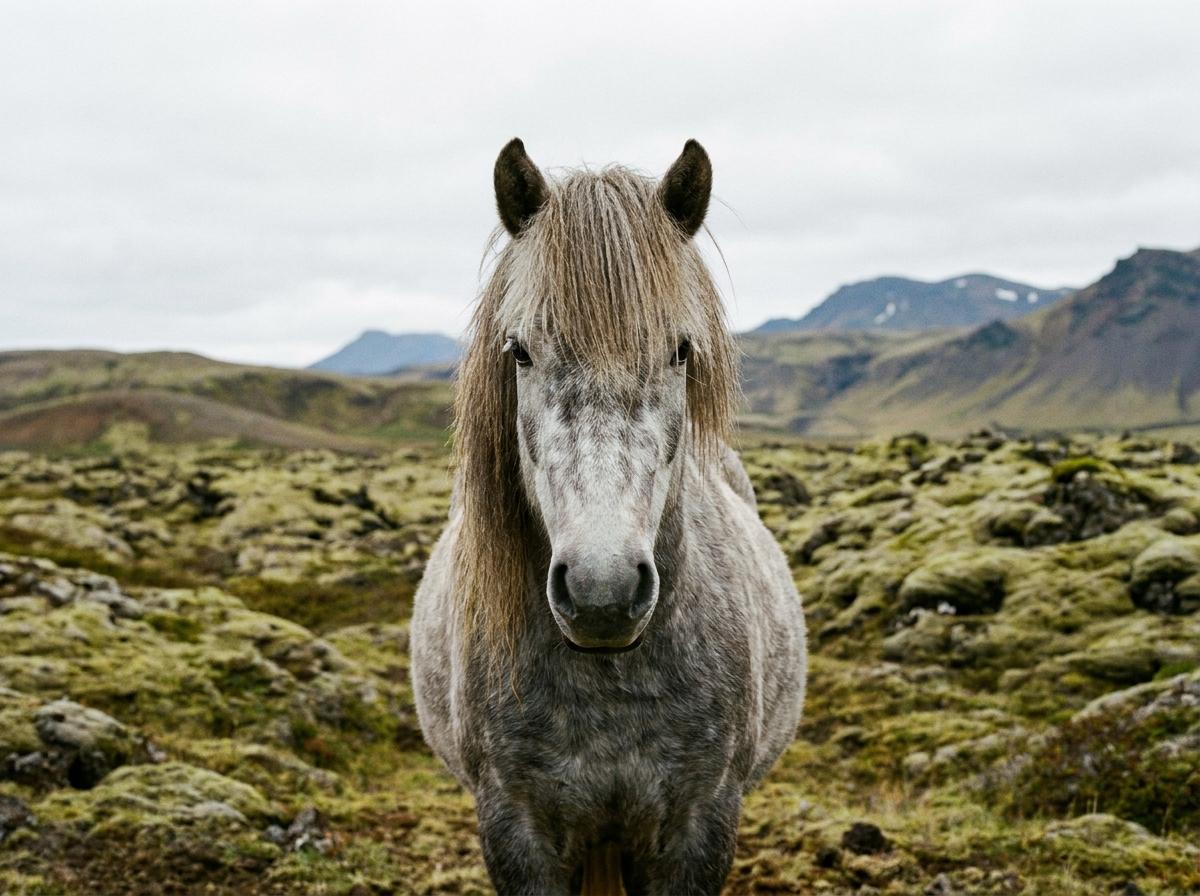
Colors: Amber Champagne, Bay, Bay Dun, Bay Roan, Black, Blanket Appaloosa, Blue Roan, Brown, Buckskin, Champagne, Chestnut, Classic Champagne, Cremello, Dun, Dun Roan, Fewspot Appaloosa, Flaxen Chestnut, Frame Overo, Gold Champagne, Gray, Grey, Grullo, Leopard Appaloosa, Liver Chestnut, Overo, Palomino, Perlino, Piebald, Pinto, Rabicano, Red Dun, Red Roan, Roan, Sabino, Seal Bay, Silver Dapple, Skewbald, Smoky Black, Smoky Cream, Snowcap Appaloosa, Sorrel, Splash White, Tobiano, Tovero, Varnish Roan, White