

Oldenburg
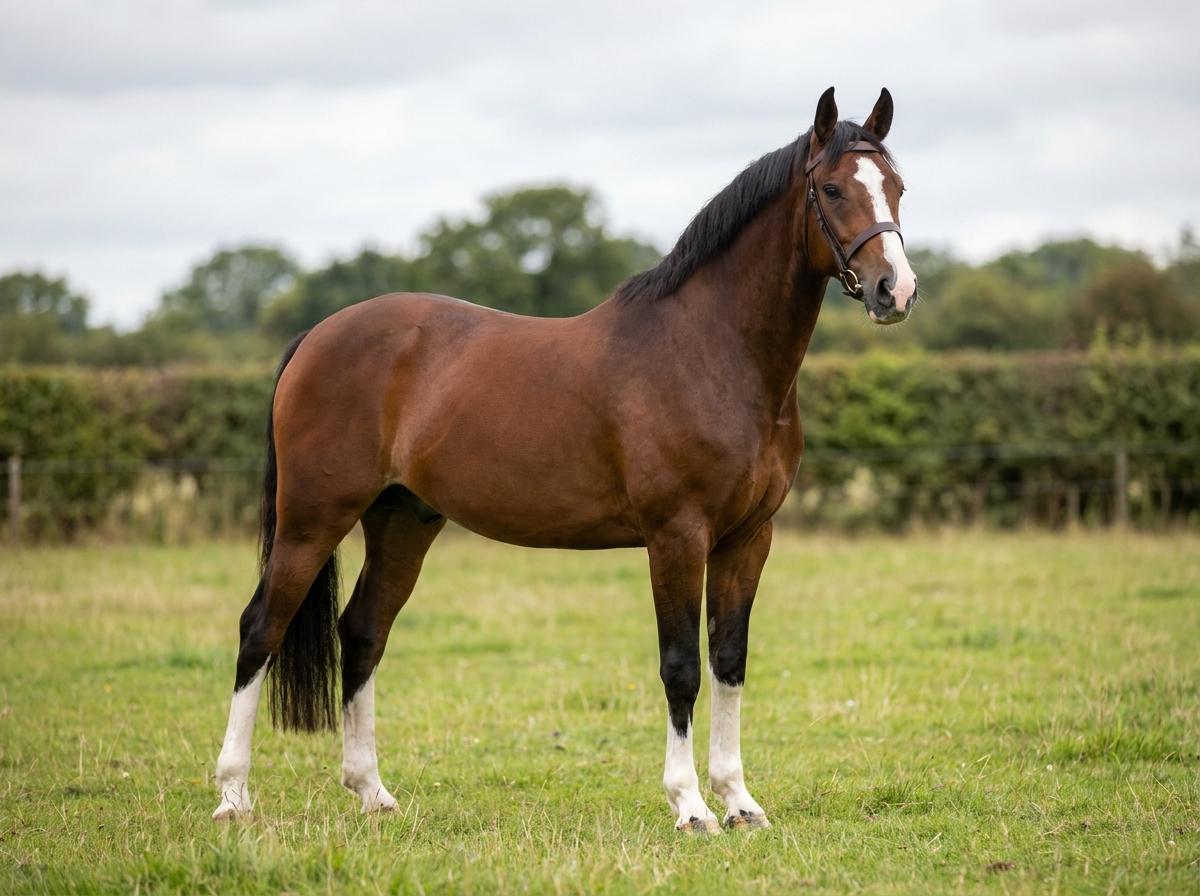
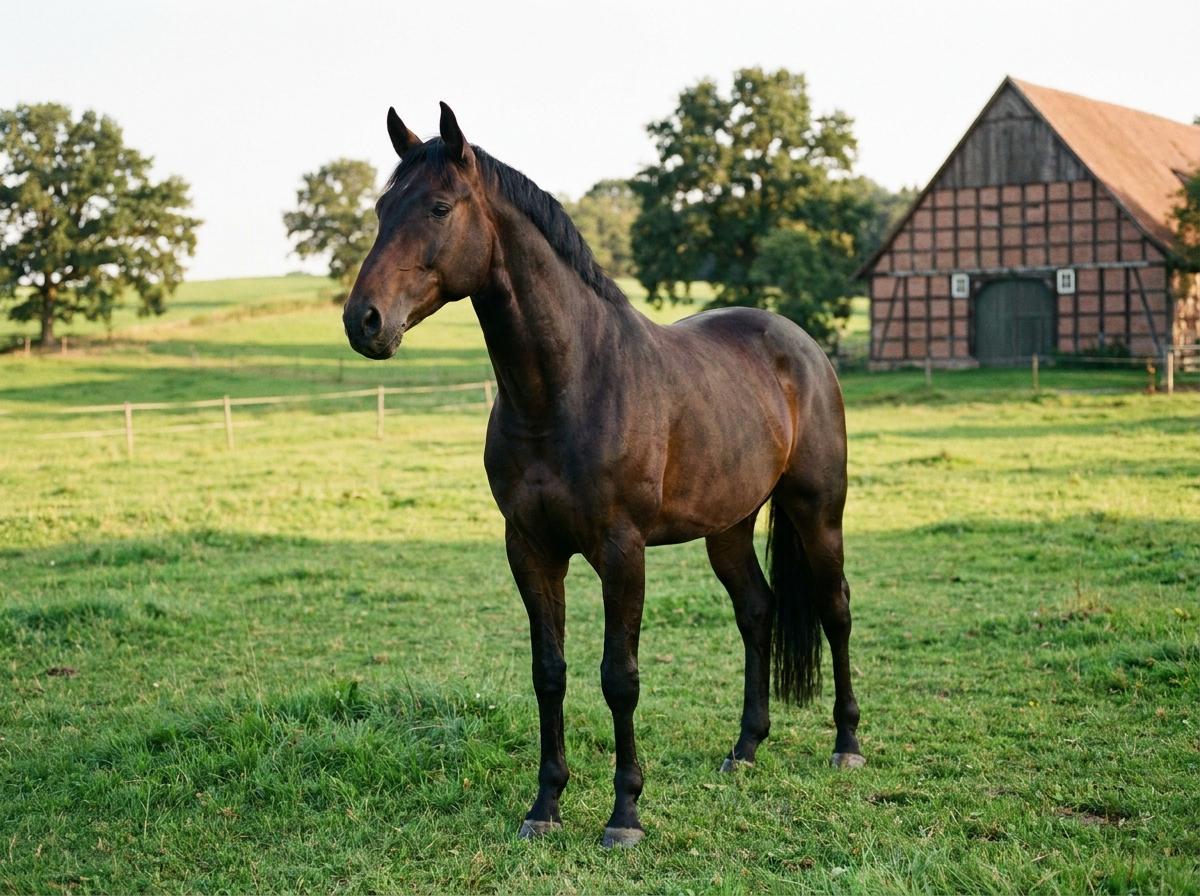
The Oldenburg is a German warmblood from the Oldenburg region, shaped first by carriage and farm-horse needs and later by the demands of modern sport. Present-day Oldenburg horses are usually tall, elastic, and powerful, with breeding programs selecting for dressage, show jumping, eventing, and high-quality movement. The breed has changed substantially over time, with Thoroughbred, Hanoverian, Trakehner, and other warmblood influence used to refine older, heavier stock into a sport-horse population.
For riders and breeders, an Oldenburg is best evaluated as an individual athlete within a registry and performance context. Soundness, temperament, conformation, and suitability for the intended discipline matter more than the label alone. Young horses may need careful growth management because many lines produce size and scope before full strength. Buyers commonly review inspection results, pedigree, veterinary findings, and training history, especially when considering a horse for upper-level dressage or jumping. Routine care follows large warmblood expectations: balanced feed, turnout, skilled farriery, and progressive conditioning.
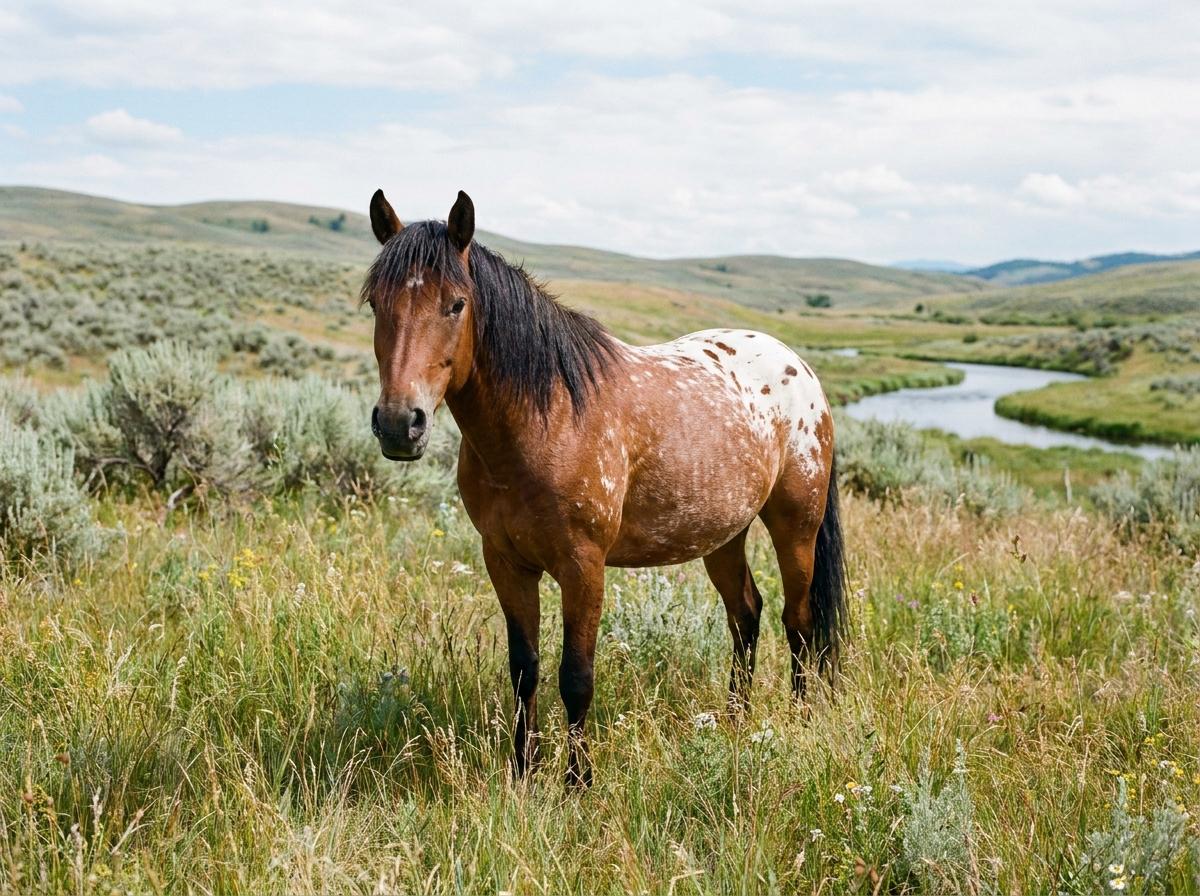
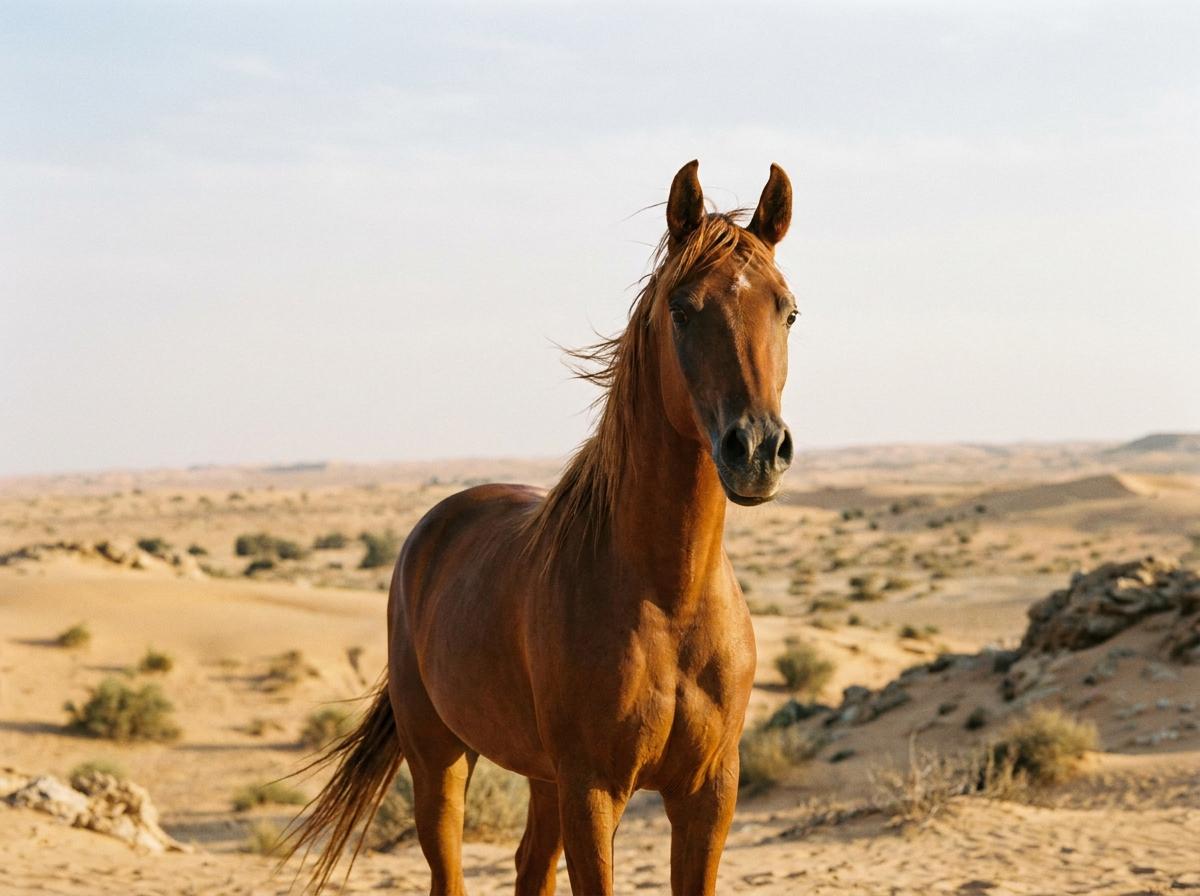
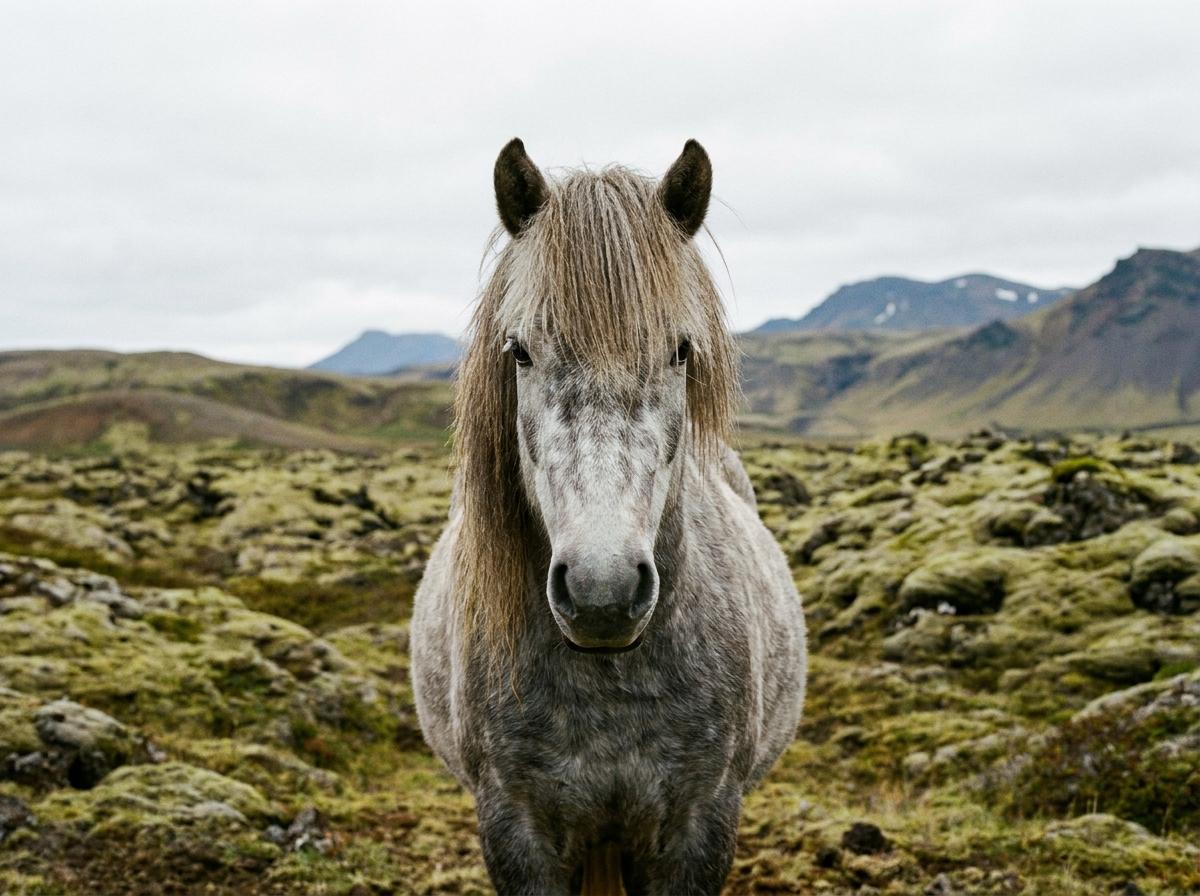
Colors: Amber Champagne, Bay, Bay Dun, Bay Roan, Black, Blanket Appaloosa, Blue Roan, Brown, Buckskin, Champagne, Chestnut, Classic Champagne, Cremello, Dun, Dun Roan, Fewspot Appaloosa, Flaxen Chestnut, Frame Overo, Gold Champagne, Gray, Grullo, Leopard Appaloosa, Liver Chestnut, Overo, Palomino, Perlino, Piebald, Pinto, Rabicano, Red Dun, Red Roan, Roan, Sabino, Seal Bay, Silver Dapple, Skewbald, Smoky Black, Smoky Cream, Snowcap Appaloosa, Sorrel, Splash White, Tobiano, Tovero, Varnish Roan, White