

Oriental Horse
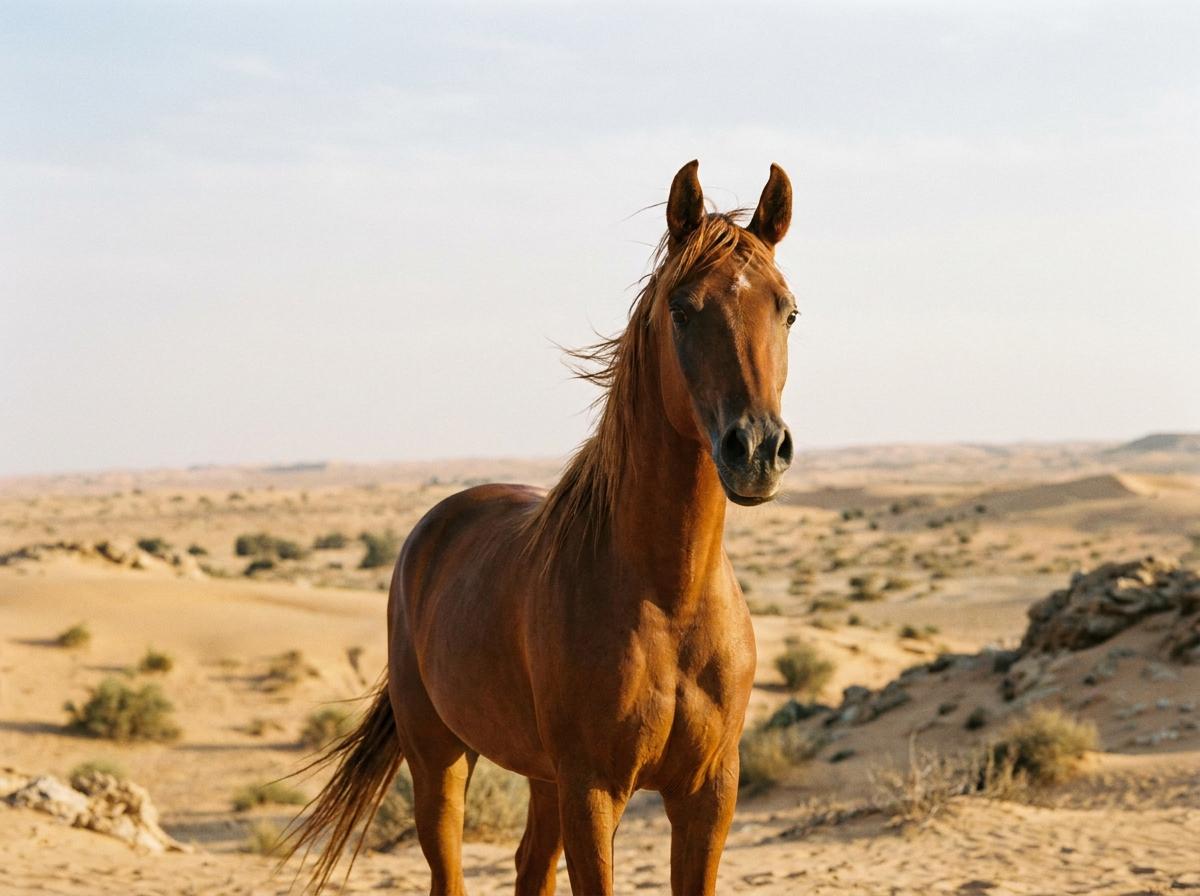
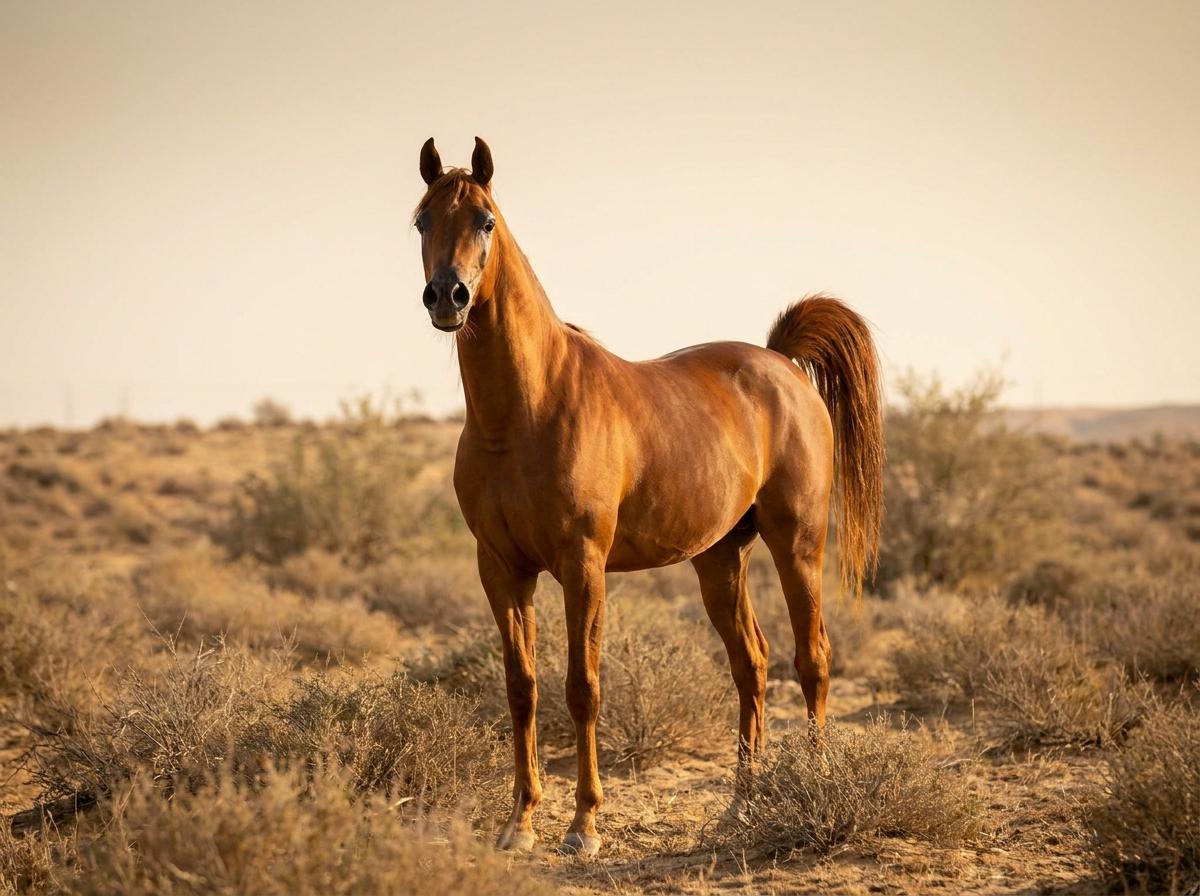
Oriental horse is a broad historical term for light, hot-blooded horses associated with the Middle East, North Africa, and parts of Central Asia. It is not a single modern breed in the way Arabian, Akhal-Teke, Barb, or Turkoman-related lines are discussed. Older writers used the label for horses noted for refinement, stamina, dry bone, expressive heads, and influence on European riding and racing stock. The term can be useful, but it needs careful handling because it covers several cultures and populations.
For present-day ownership or breeding, Oriental horse should be treated as a descriptive category rather than a purchaseable registry label. A buyer needs to ask which actual breed, strain, or documented cross is meant. Management varies by the horse behind the term, though many light desert or steppe-influenced horses do well with attentive conditioning, moderate feed, close saddle fit, and handlers who respect sensitivity. In research or conservation writing, the label is best paired with a specific population name so practical care and lineage are not blurred together.
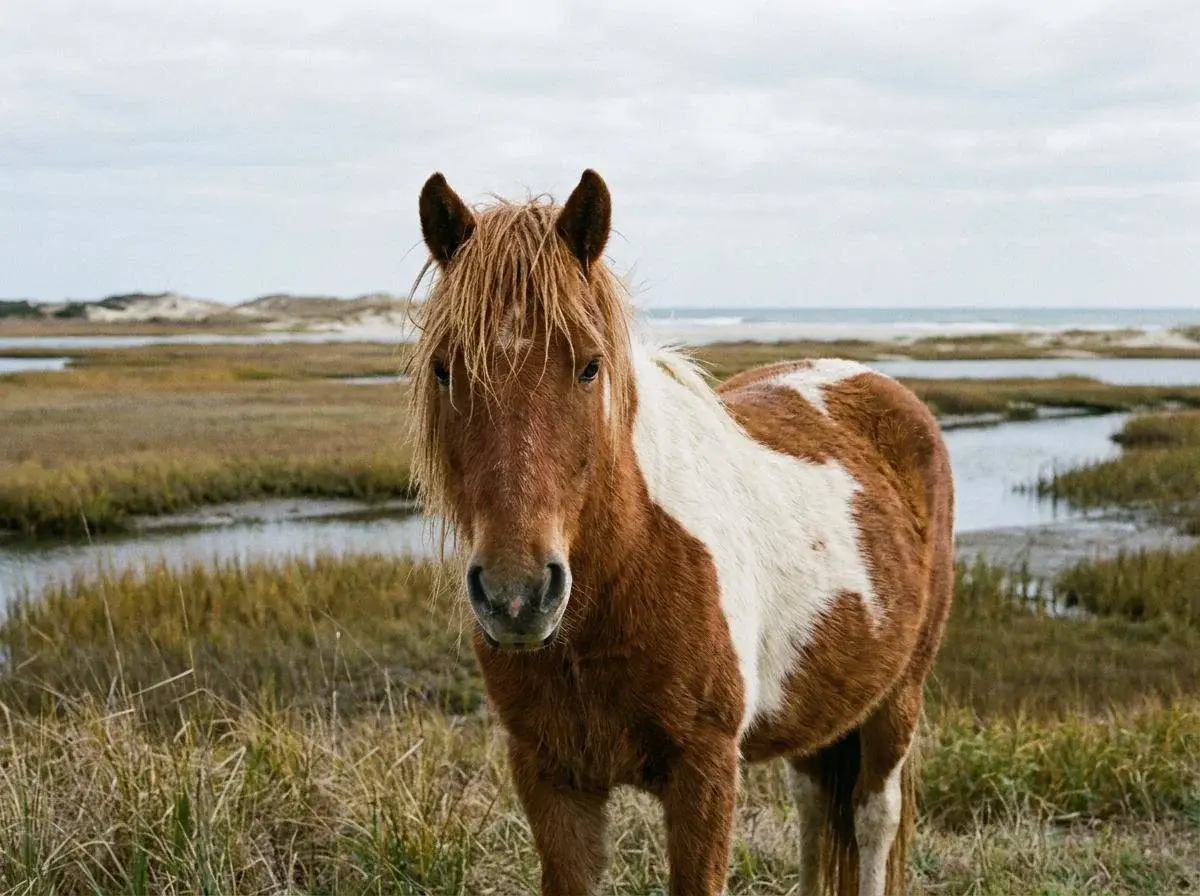
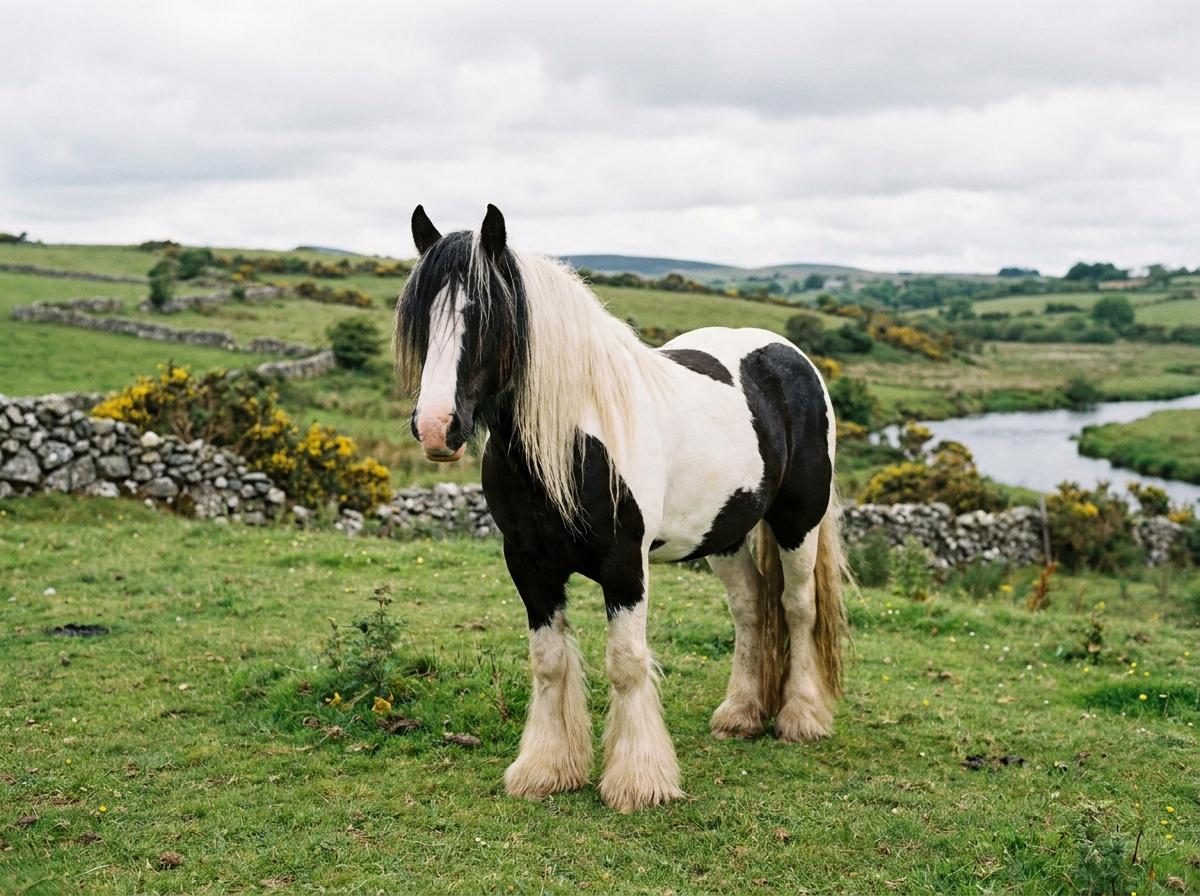
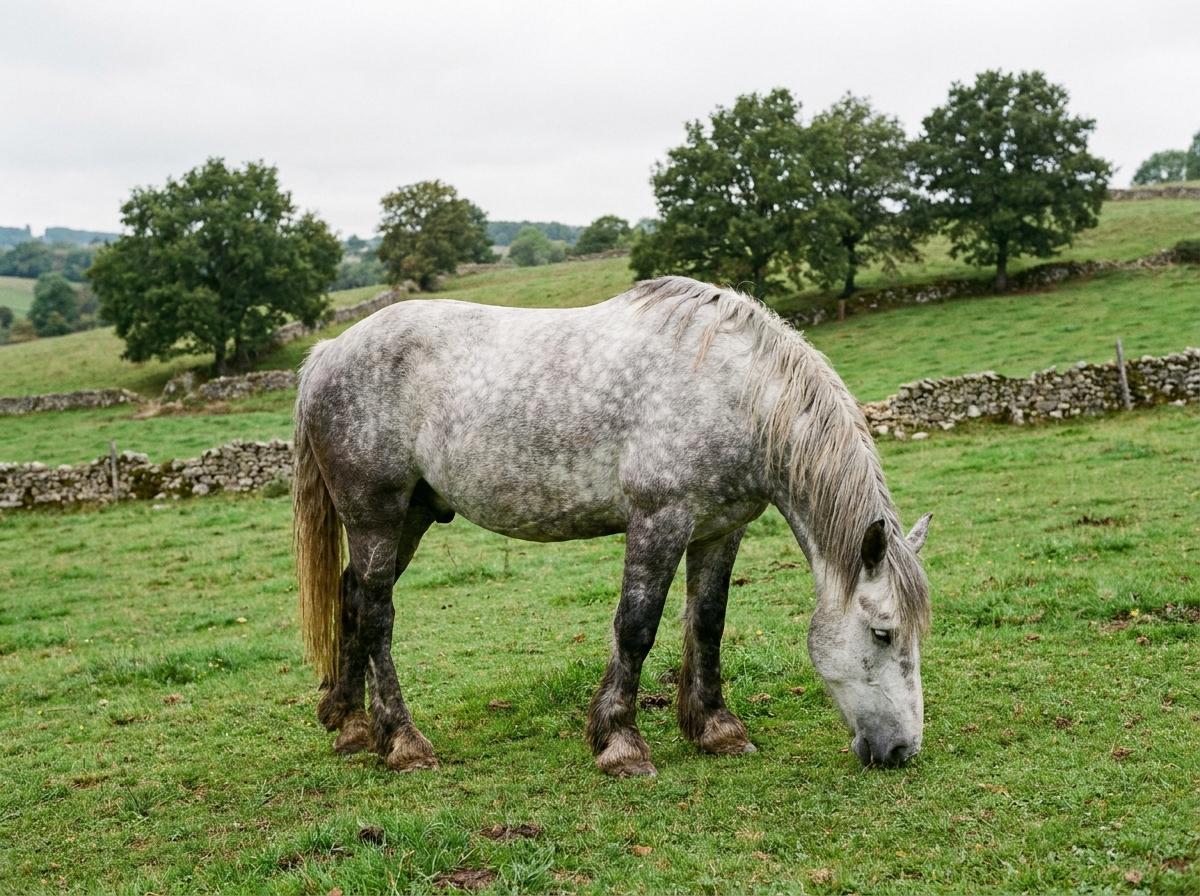
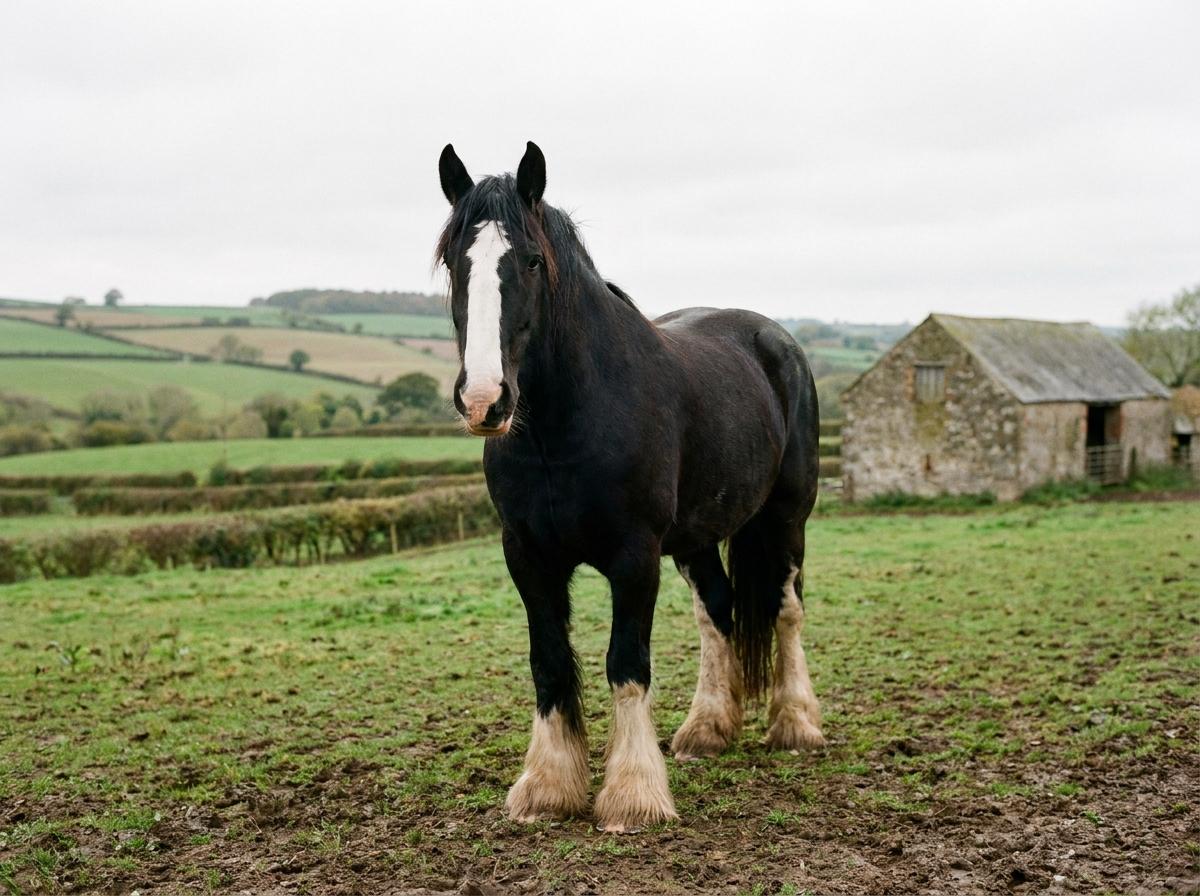
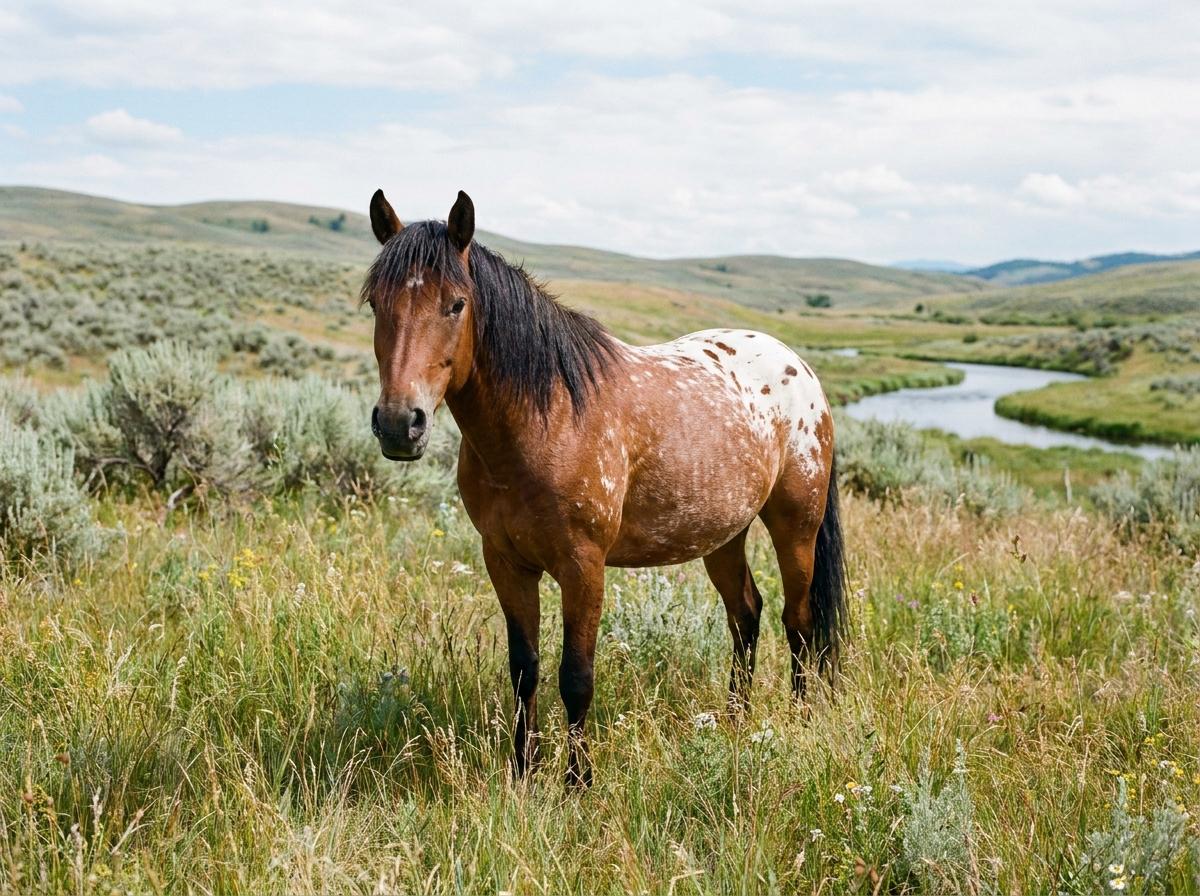
Colors: Amber Champagne, Bay, Bay Dun, Bay Roan, Black, Blanket Appaloosa, Blue Roan, Brown, Buckskin, Champagne, Chestnut, Classic Champagne, Cremello, Dun, Dun Roan, Fewspot Appaloosa, Flaxen Chestnut, Frame Overo, Gold Champagne, Gray, Grey, Grullo, Leopard Appaloosa, Liver Chestnut, Overo, Palomino, Perlino, Piebald, Pinto, Rabicano, Red Dun, Red Roan, Roan, Sabino, Seal Bay, Silver Dapple, Skewbald, Smoky Black, Smoky Cream, Snowcap Appaloosa, Sorrel, Splash White, Tobiano, Tovero, Varnish Roan, White