

Poitevin Horse
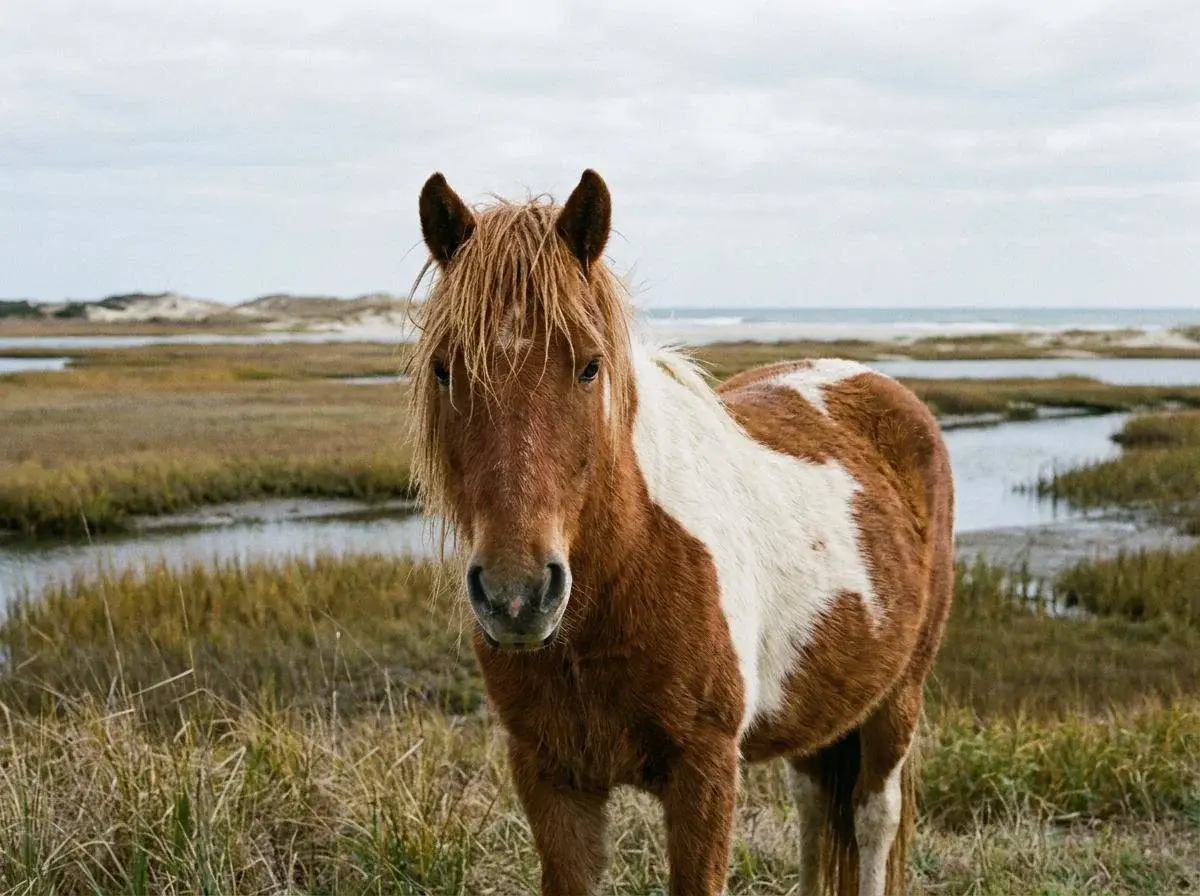
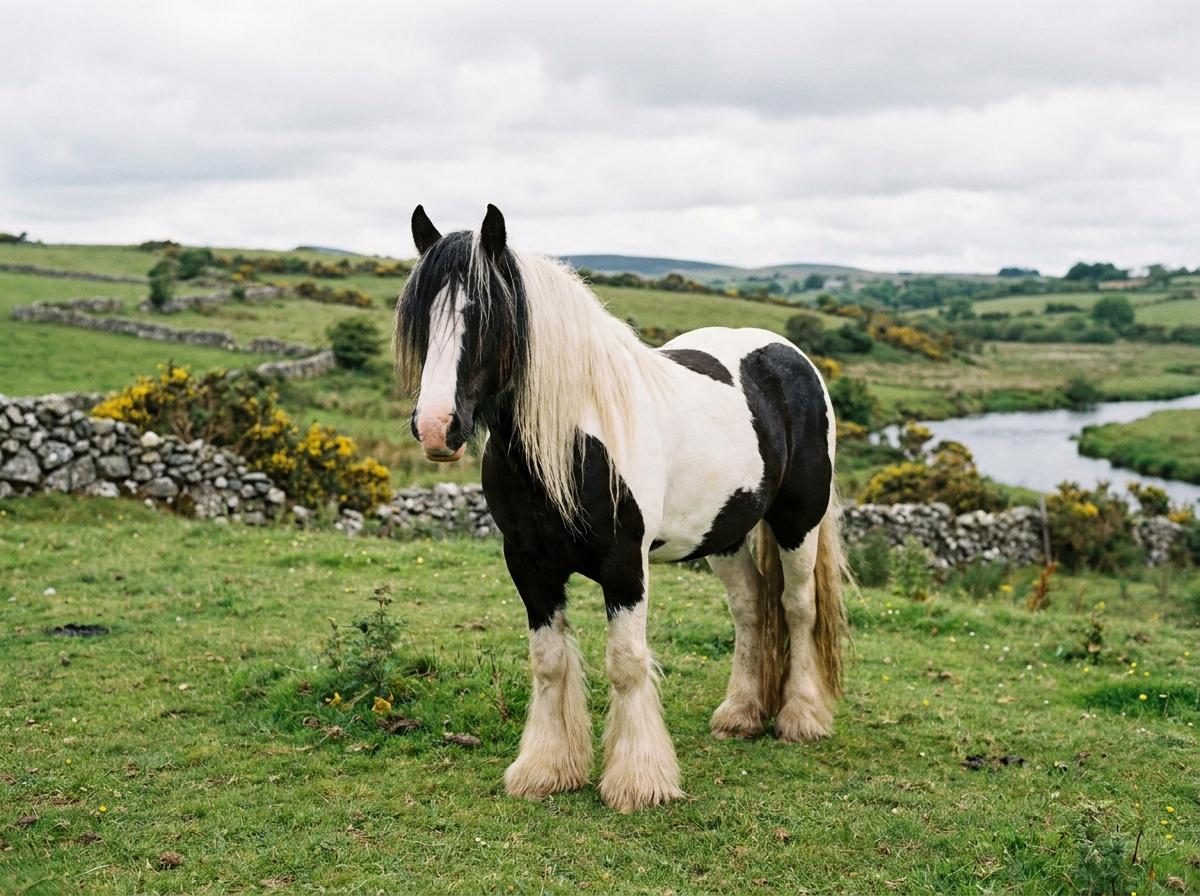
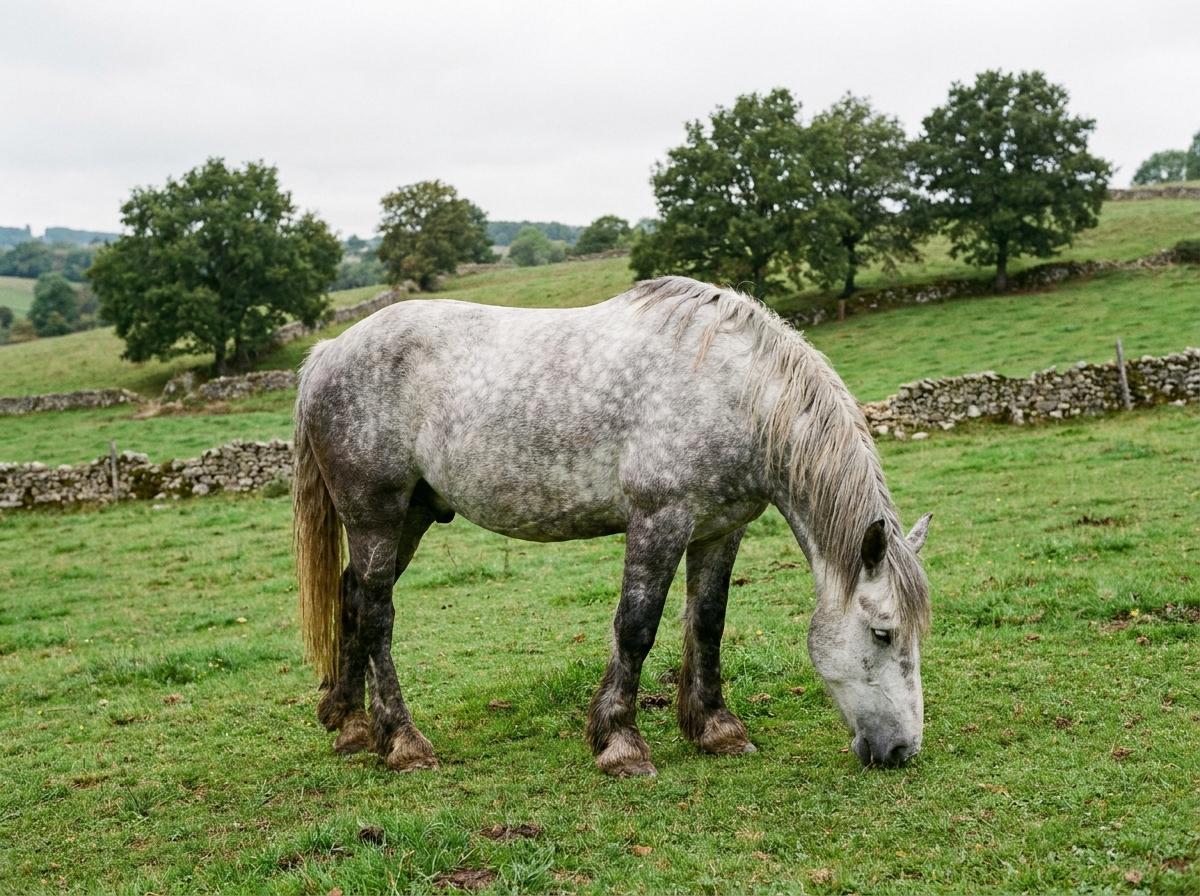
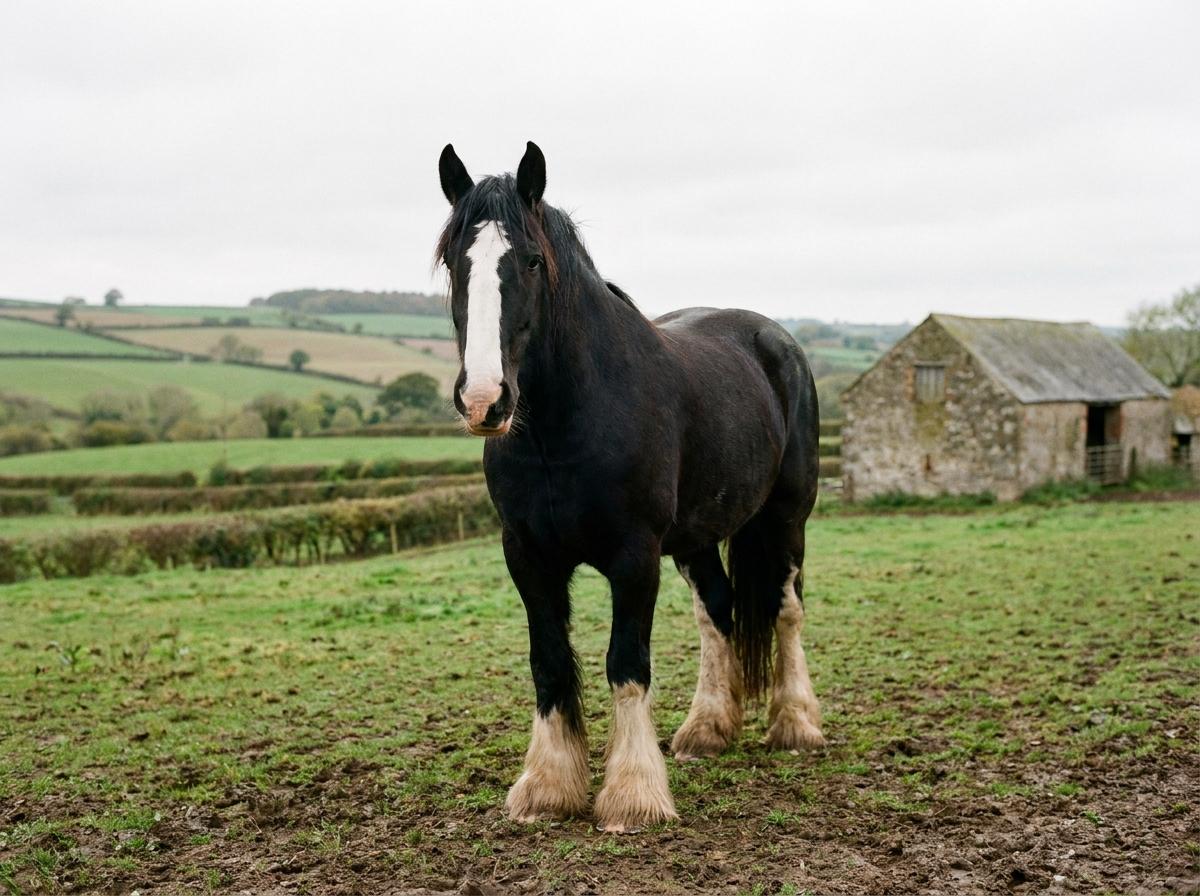
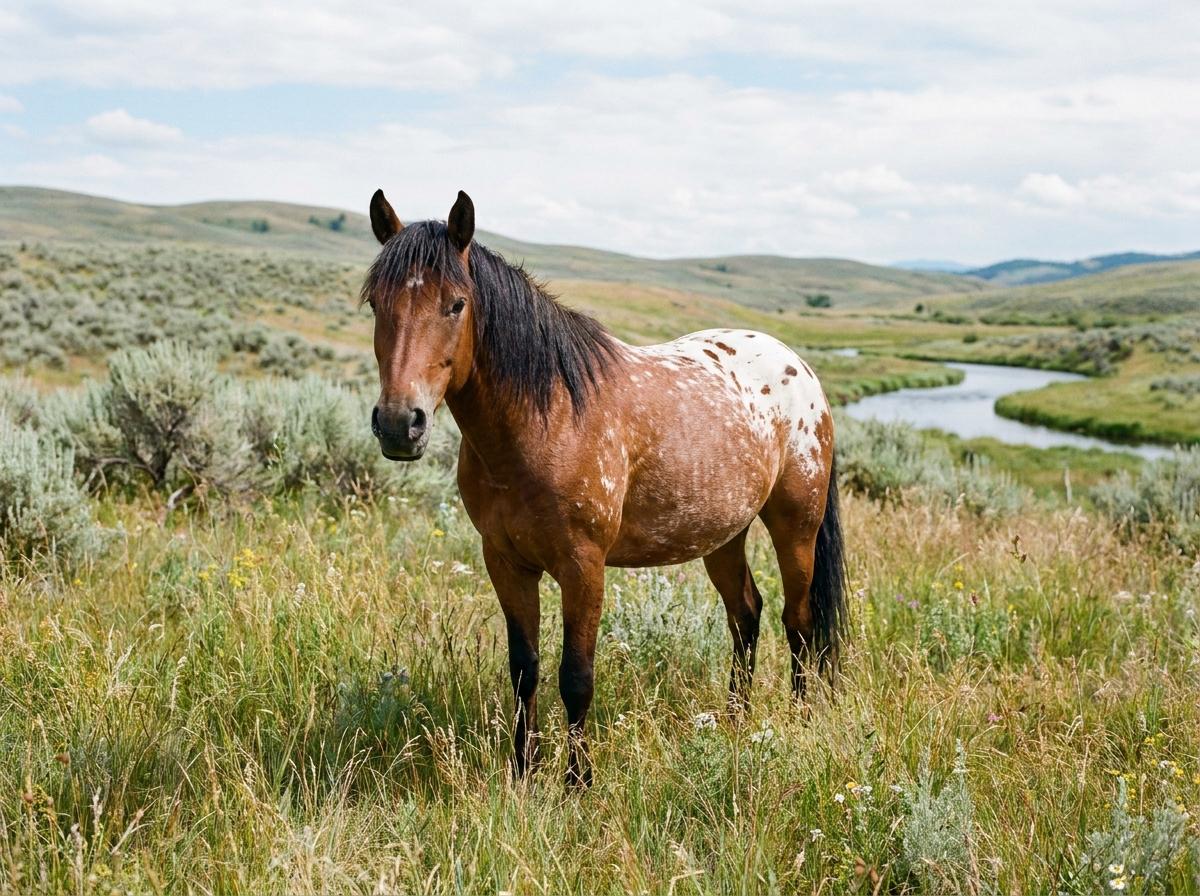
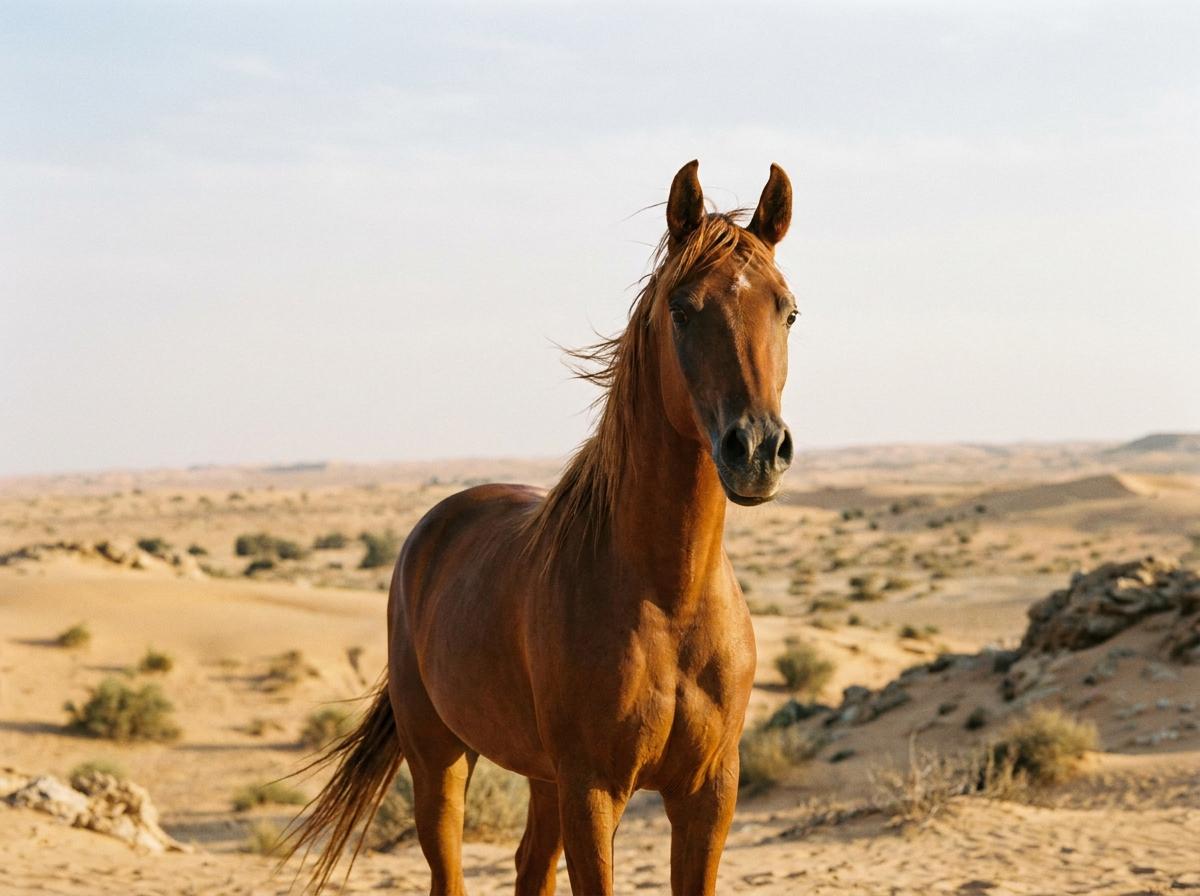
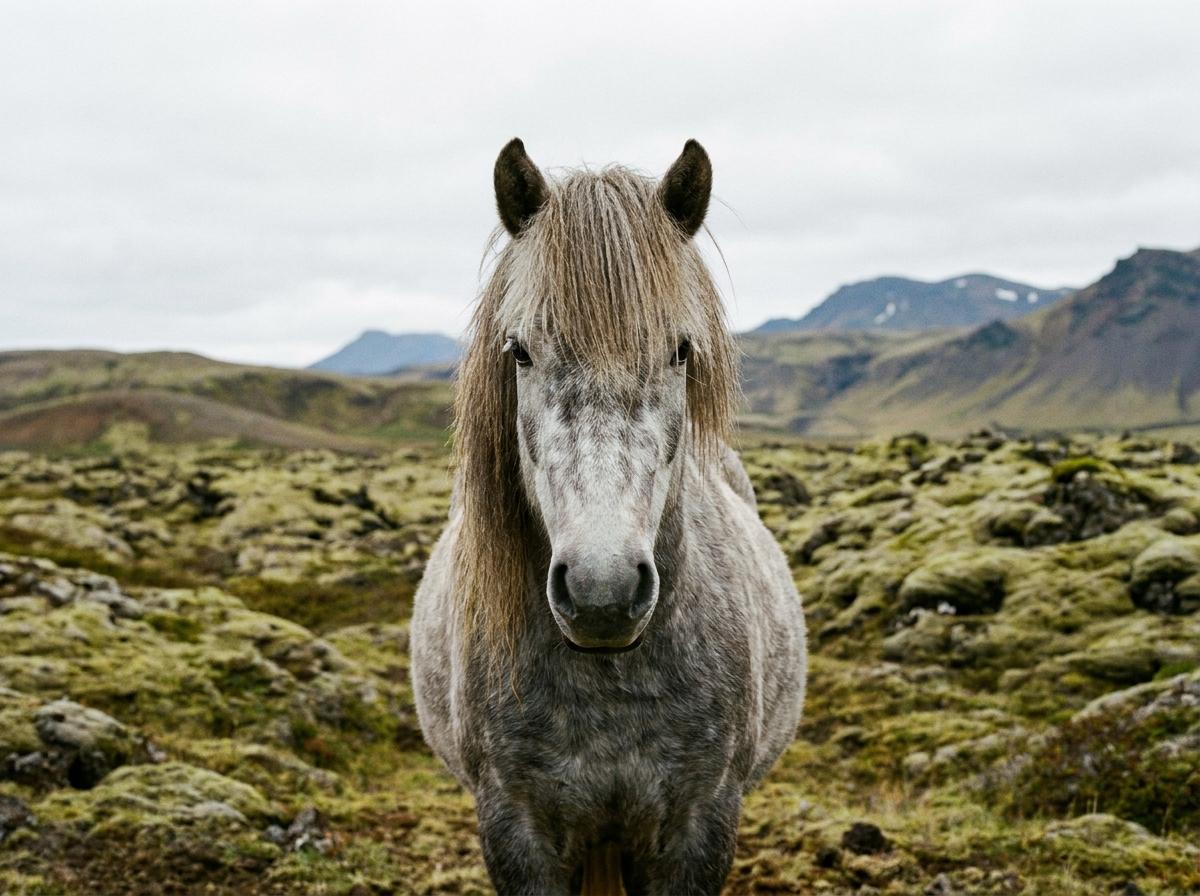
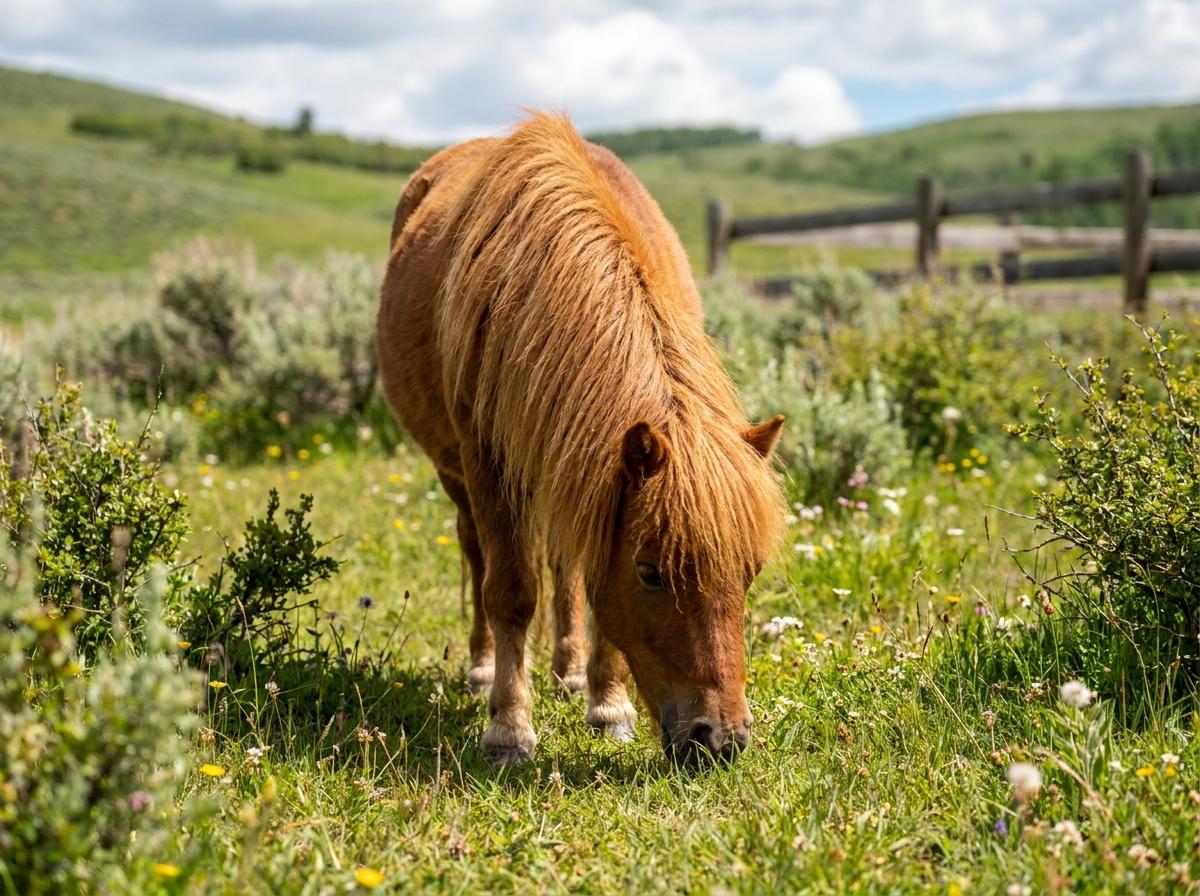
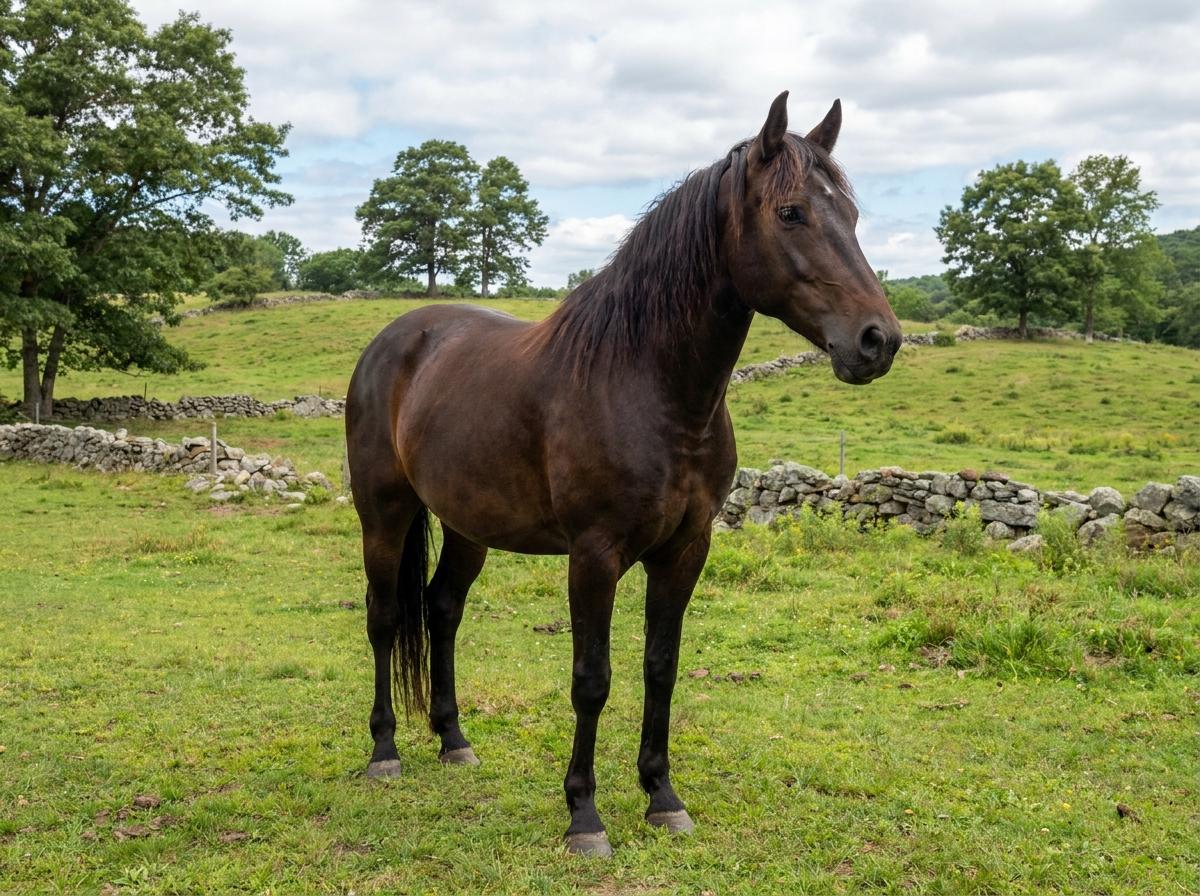
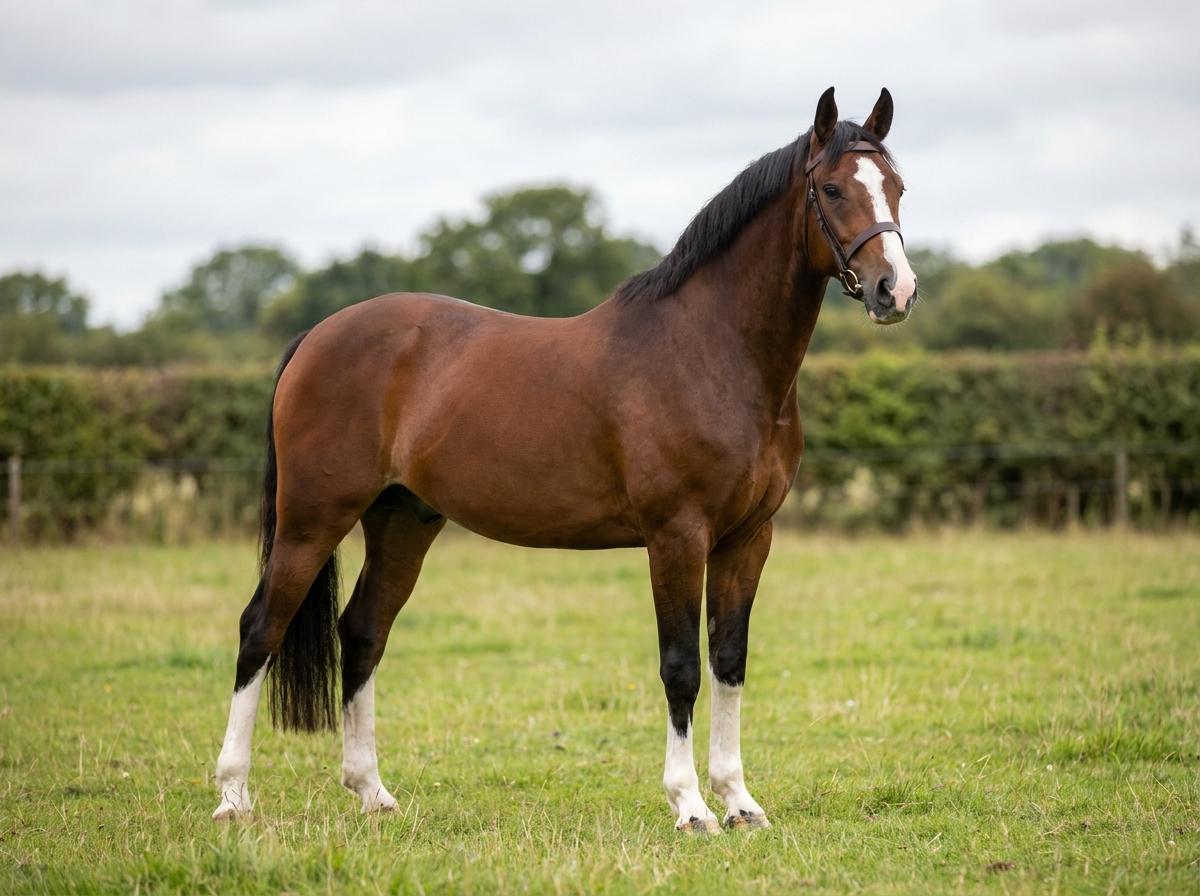
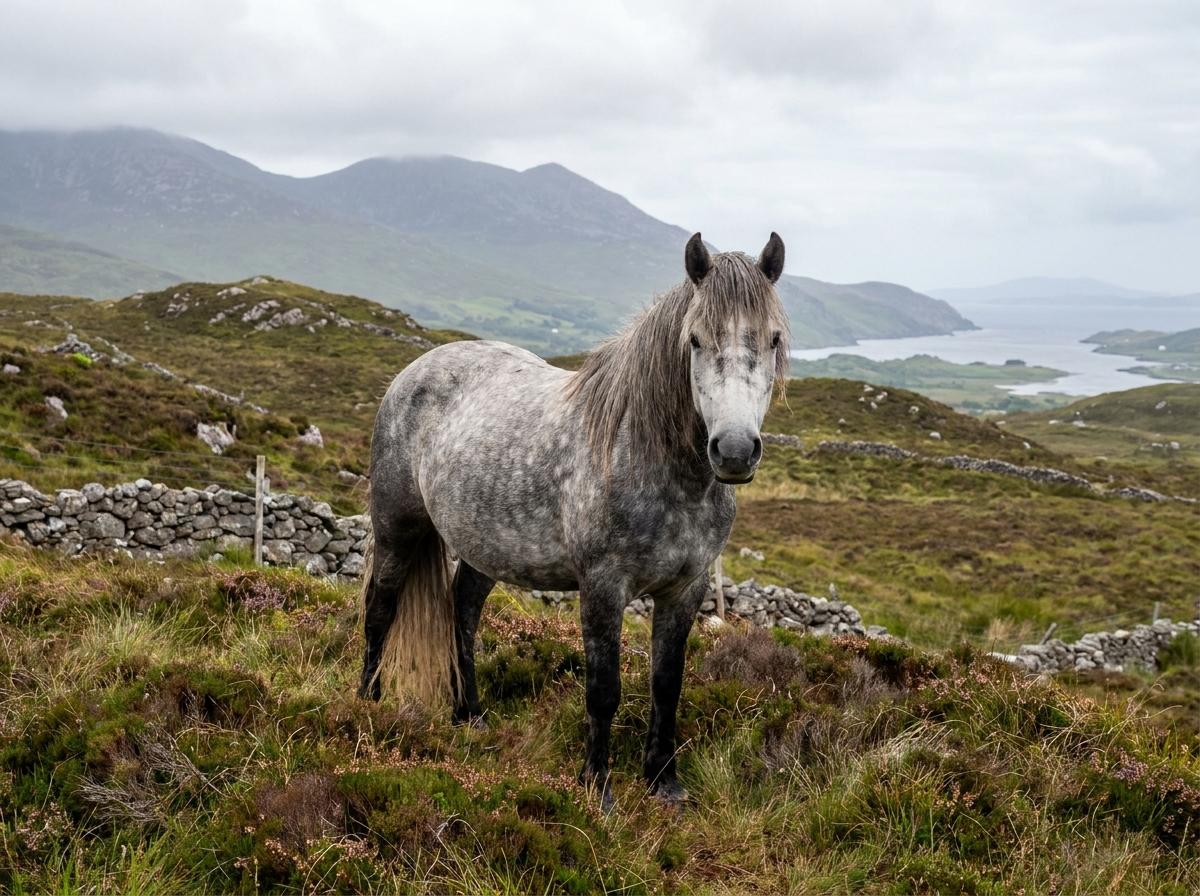
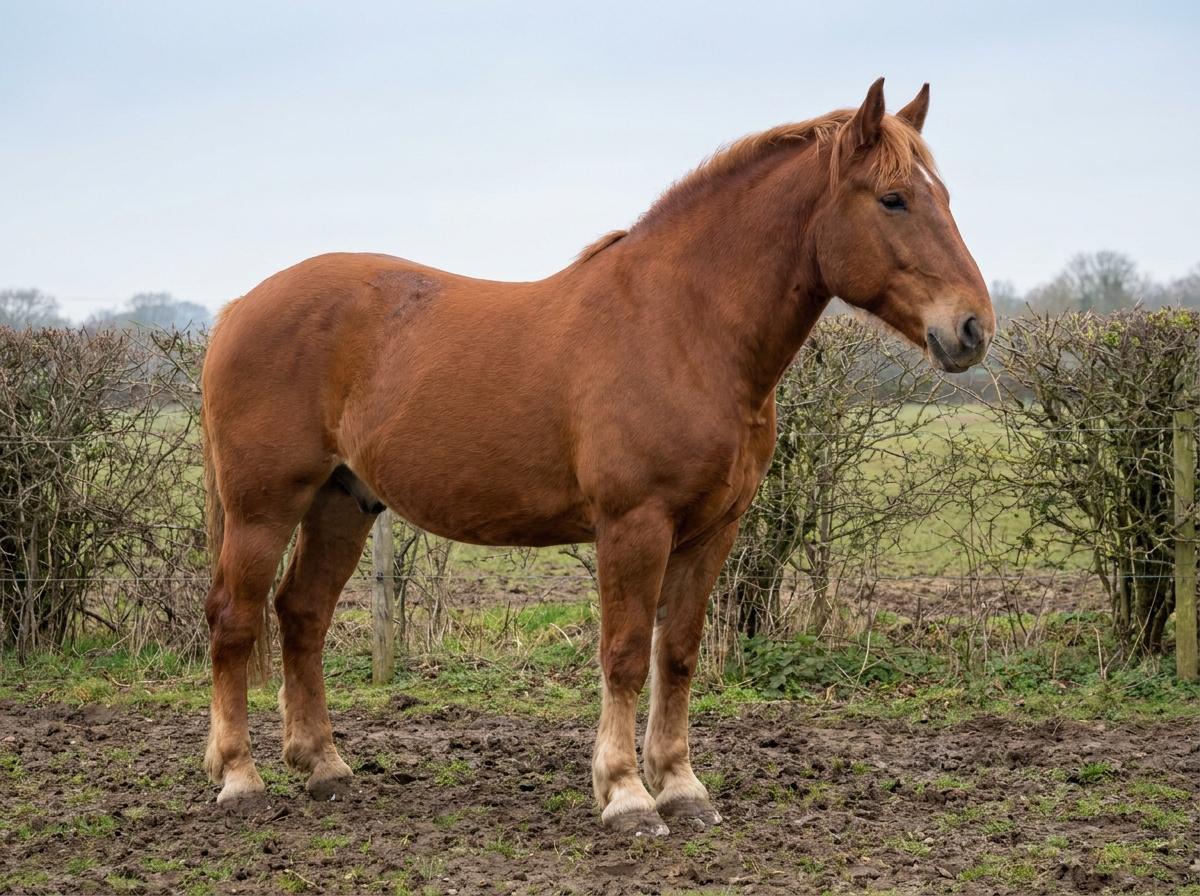
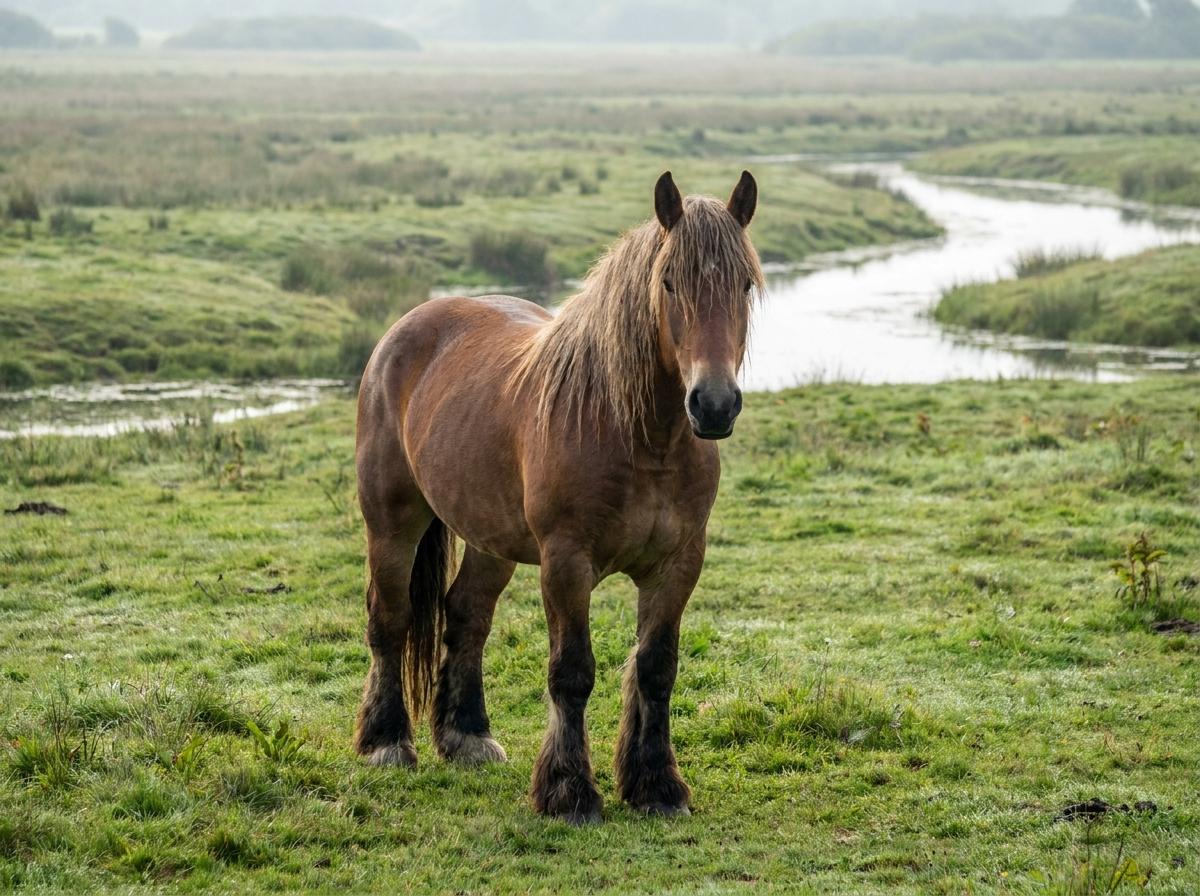
The Poitevin horse, often called the Poitevin Mulassier, is a large French draft breed from the marshy Poitou region of western France. It is best known as the mare breed historically crossed with the Baudet du Poitou donkey to produce strong Poitou mules. Compared with some heavier draft breeds, the Poitevin tends to be long-bodied, rangy, and slow maturing, with substantial bone, large feet, and often a plain, old-fashioned head. Bay, black, gray, chestnut, and dun-related shades occur in the breed.
Modern Poitevins are kept for heritage breeding, driving, conservation grazing, light draft work, and occasional mule production. The breed is rare, so studbook management and careful choice of breeding animals matter as much as show results. Young horses need time to grow without being pushed into heavy work, and mature animals benefit from steady turnout rather than rich feed and little exercise. Feathering and large hooves should be monitored in wet conditions, especially in the marshland environments where the breed developed. For small farms and sanctuaries, the Poitevin's size, slow growth, and scarcity make planning more important than impulse ownership.
Colors: Amber Champagne, Bay, Bay Dun, Bay Roan, Black, Blanket Appaloosa, Blue Roan, Brown, Buckskin, Champagne, Chestnut, Classic Champagne, Cremello, Dun, Dun Roan, Fewspot Appaloosa, Flaxen Chestnut, Frame Overo, Gold Champagne, Gray, Grey, Grullo, Leopard Appaloosa, Liver Chestnut, Overo, Palomino, Perlino, Piebald, Pinto, Rabicano, Red Dun, Red Roan, Roan, Sabino, Seal Bay, Silver Dapple, Skewbald, Smoky Black, Smoky Cream, Snowcap Appaloosa, Sorrel, Splash White, Tobiano, Tovero, Varnish Roan, White