

Poney du Logone
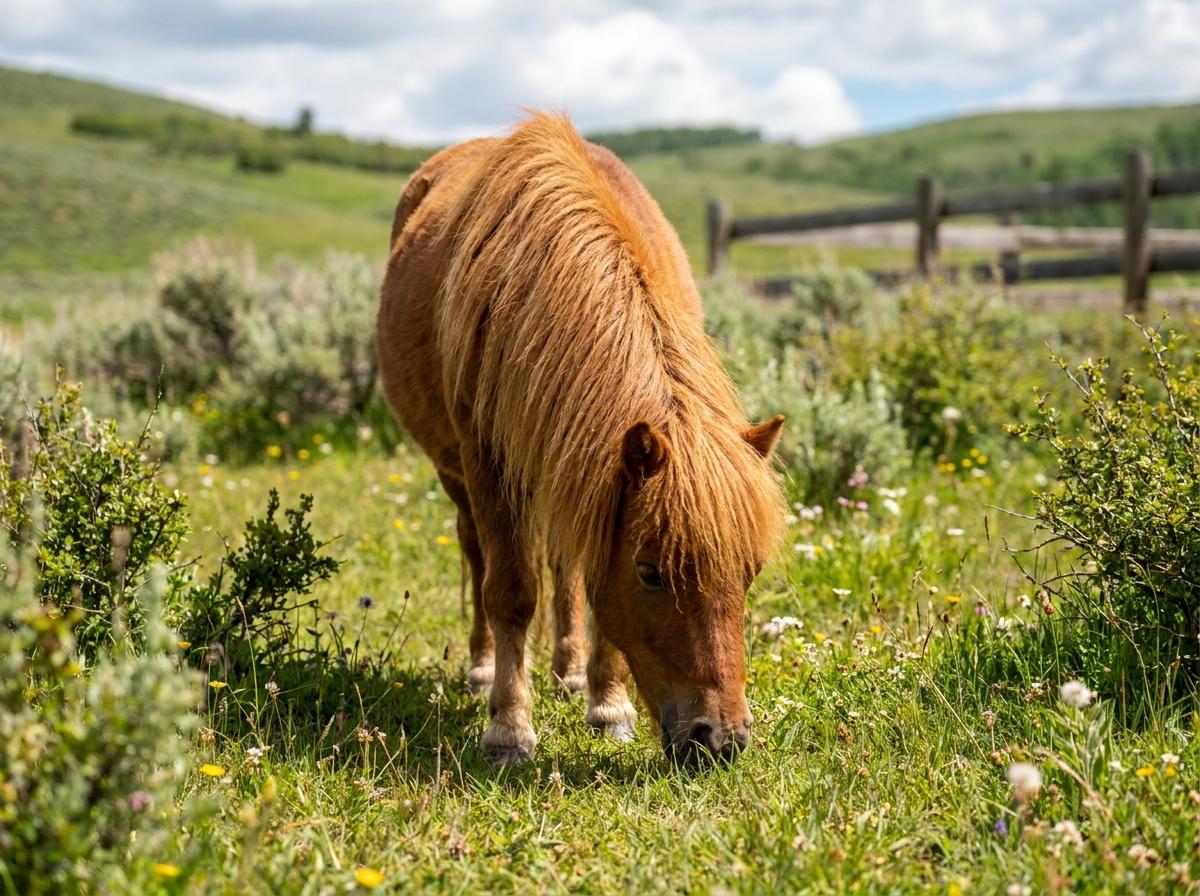
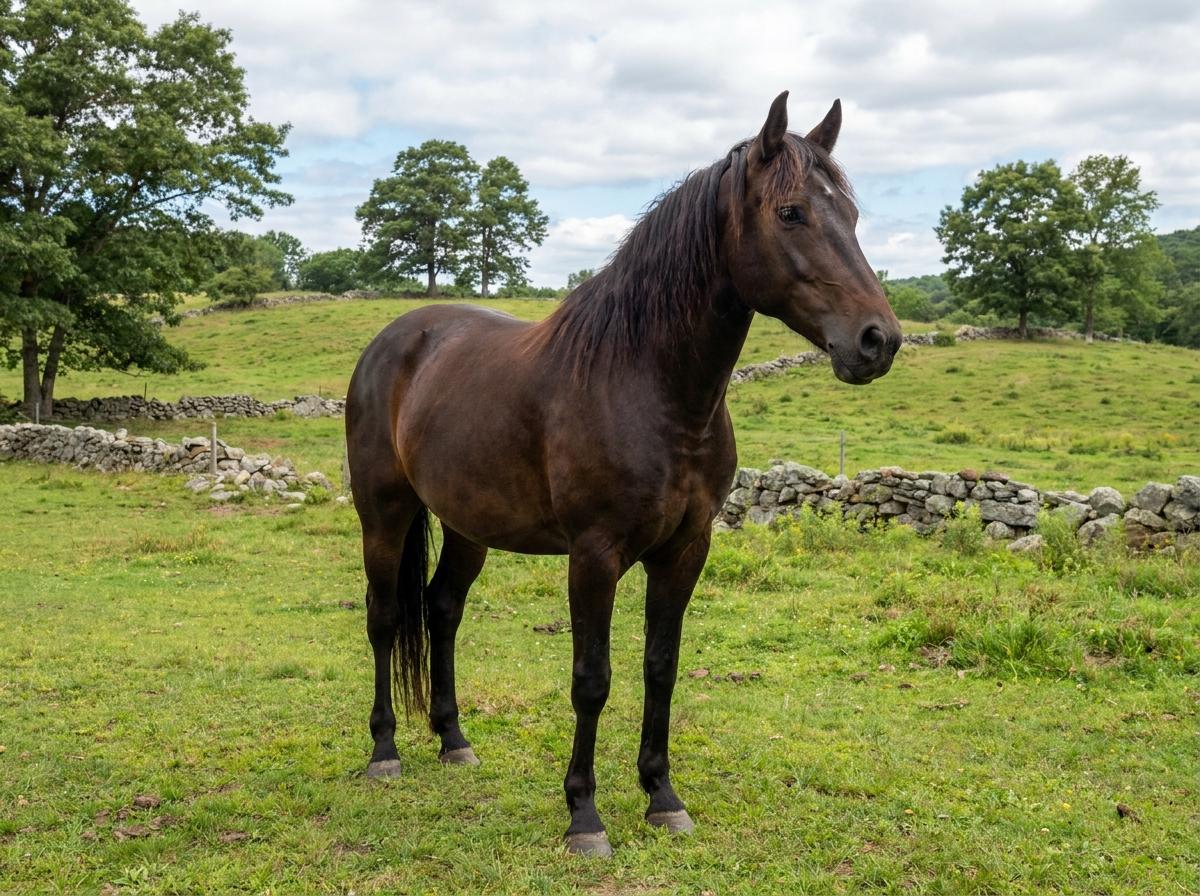
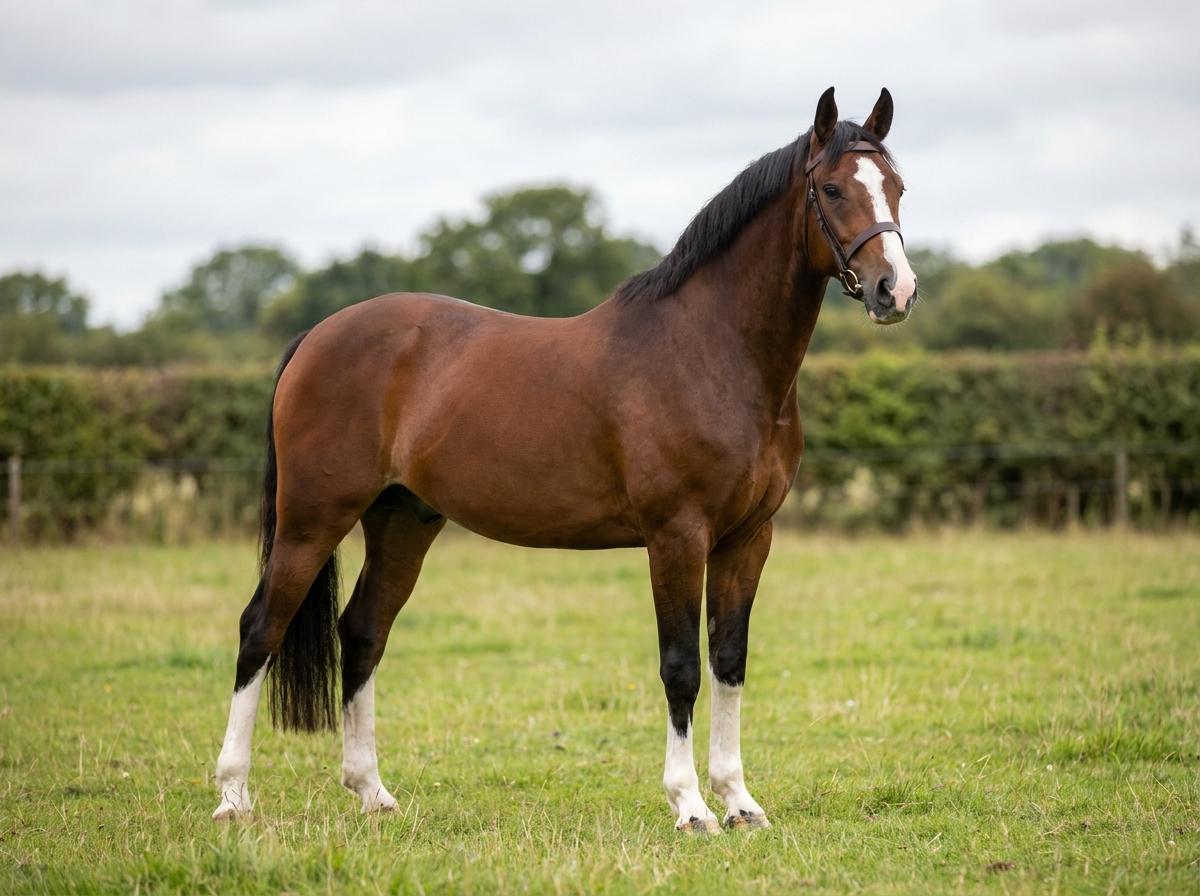
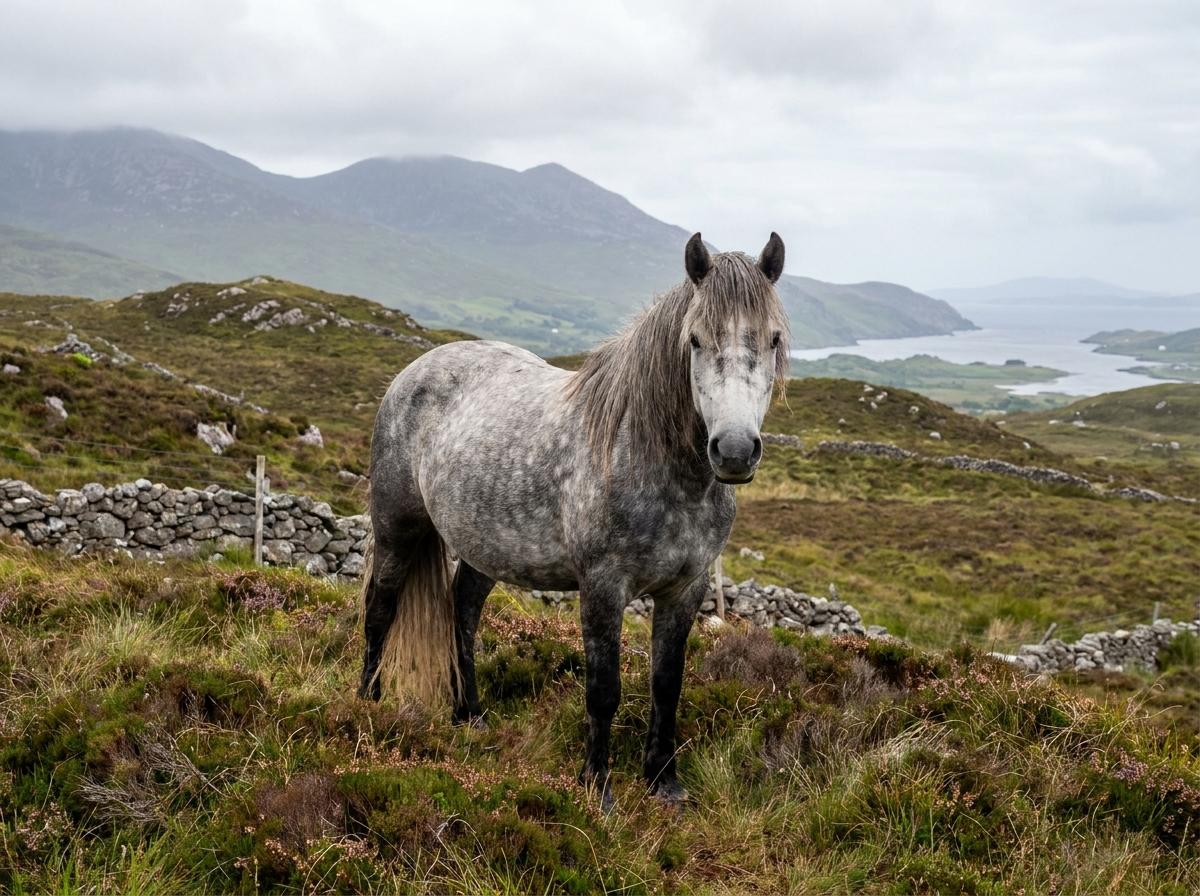
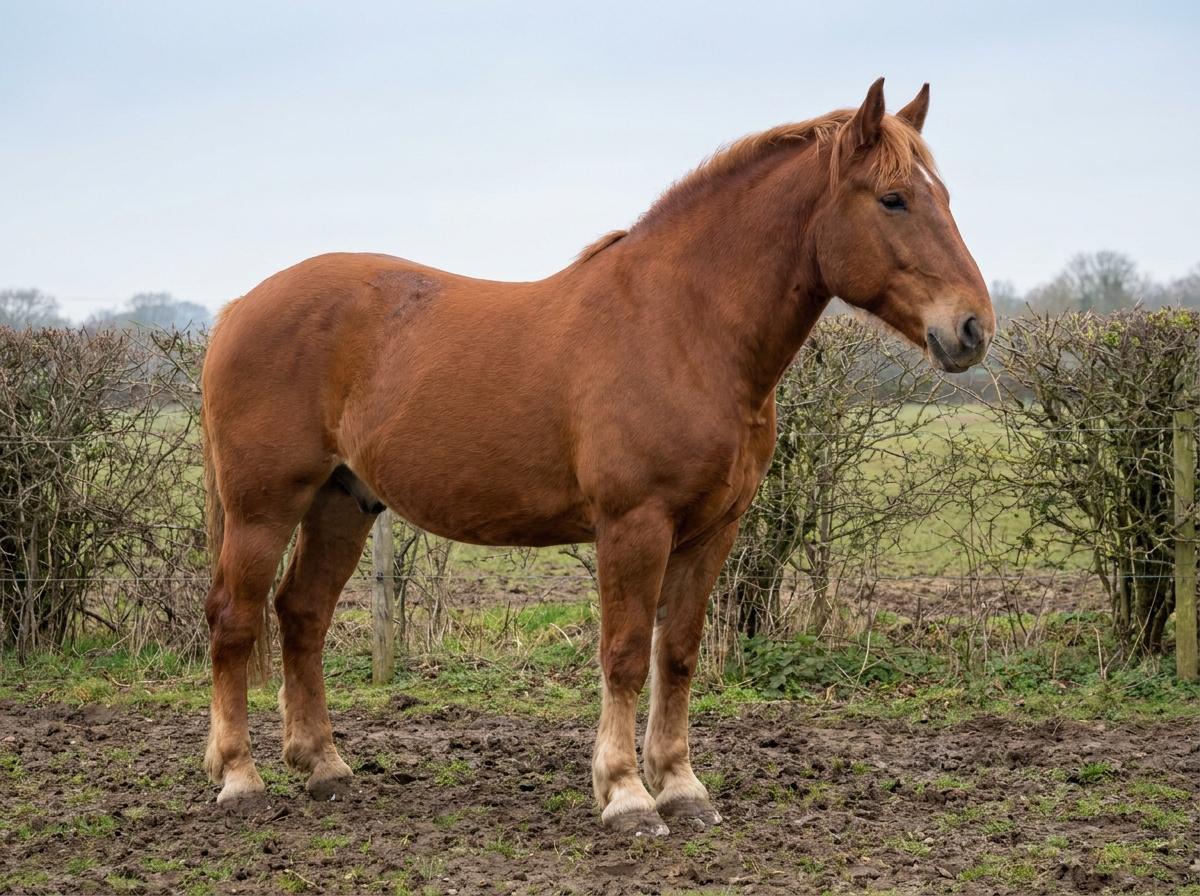
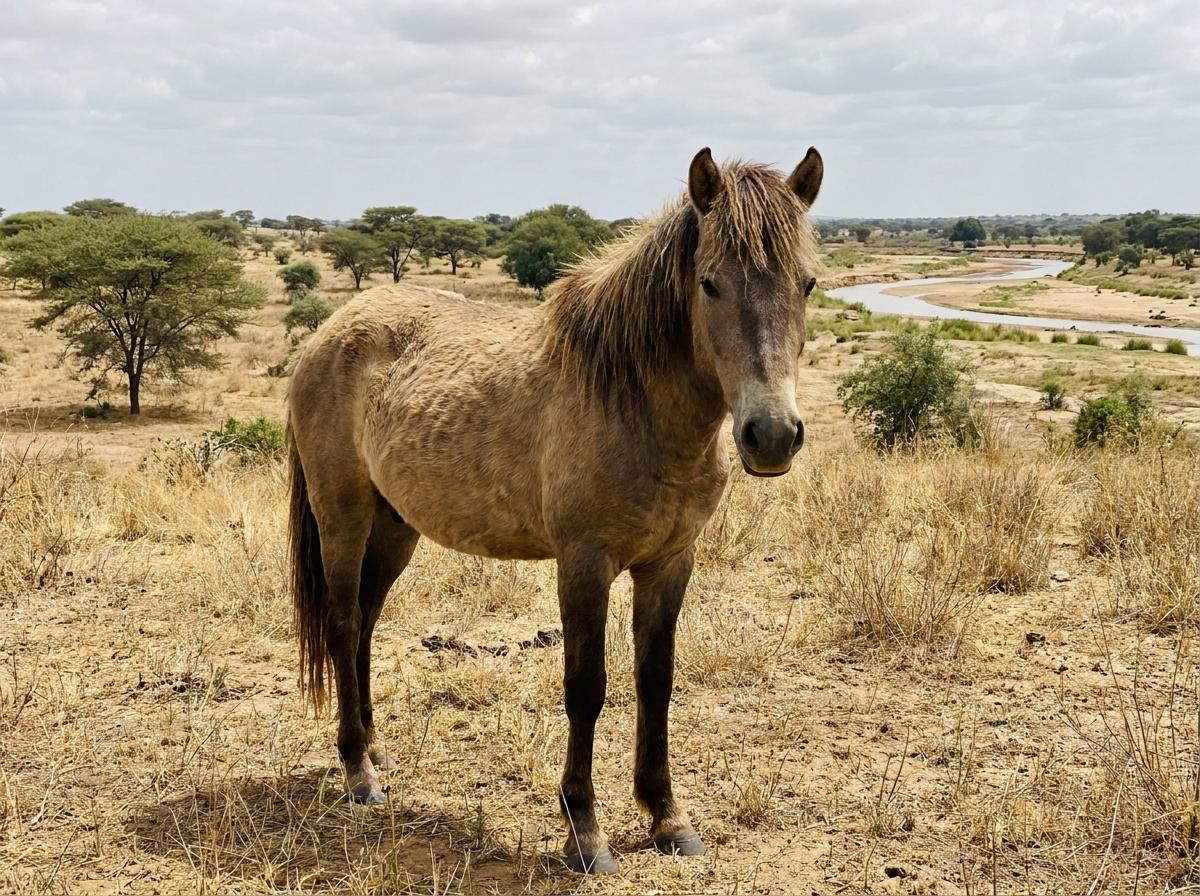
The Poney du Logone, or Logone pony, is a small indigenous horse population from the Logone River region of Chad and Cameroon. It is also linked in some sources with names such as Moussey or Musey pony. These compact horses developed under hot savanna and floodplain conditions, where hardiness, disease tolerance, and the ability to live on local grazing were more useful than size. They have been used for riding, pack work, and local transport, especially in communities where small horses fit both the terrain and household resources.
The Logone pony is rarely encountered outside its home region, and documentation is limited compared with international horse breeds. Management is usually extensive or village-based, with seasonal attention to water, grazing, parasites, and infectious disease pressure. For researchers and conservation programs, its value lies in local adaptation and genetic diversity. Crossbreeding, loss of traditional use, and changing livestock systems can make it harder to maintain a recognizable population.
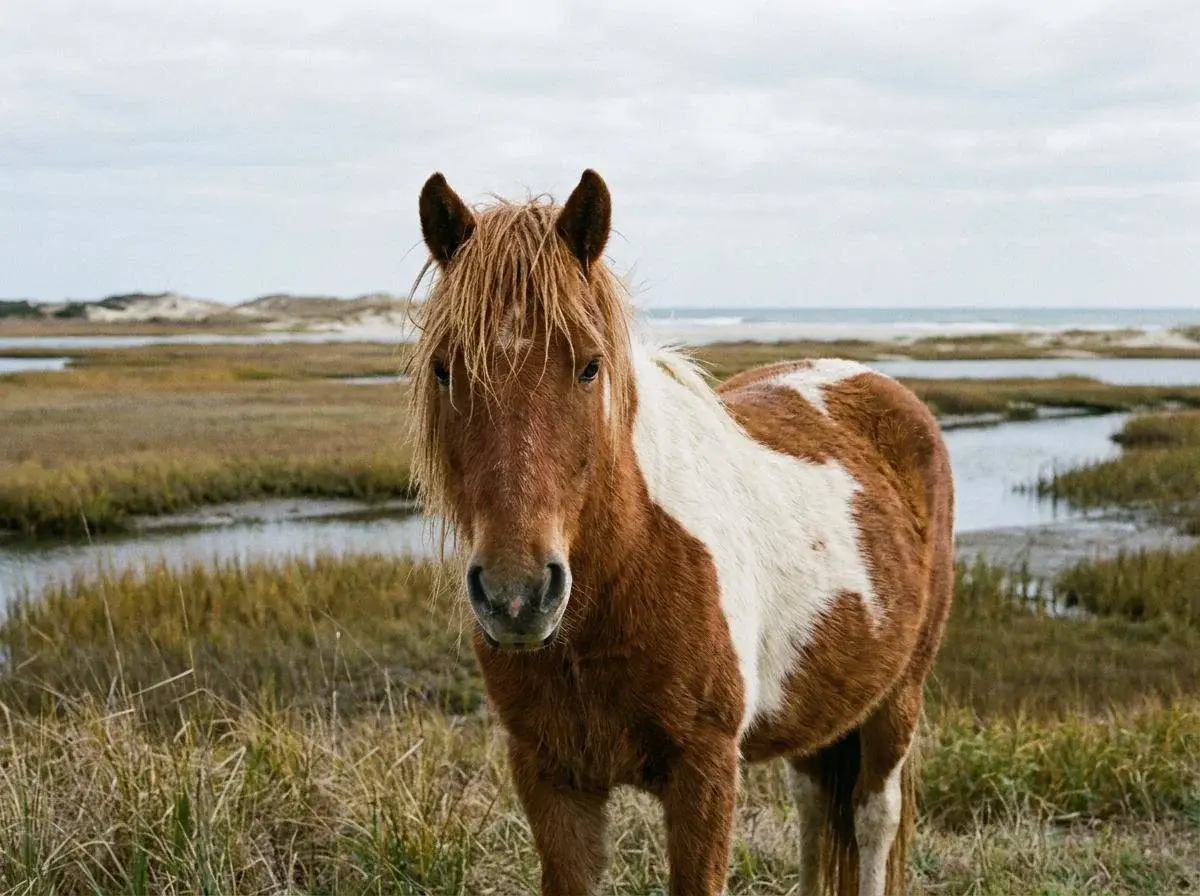
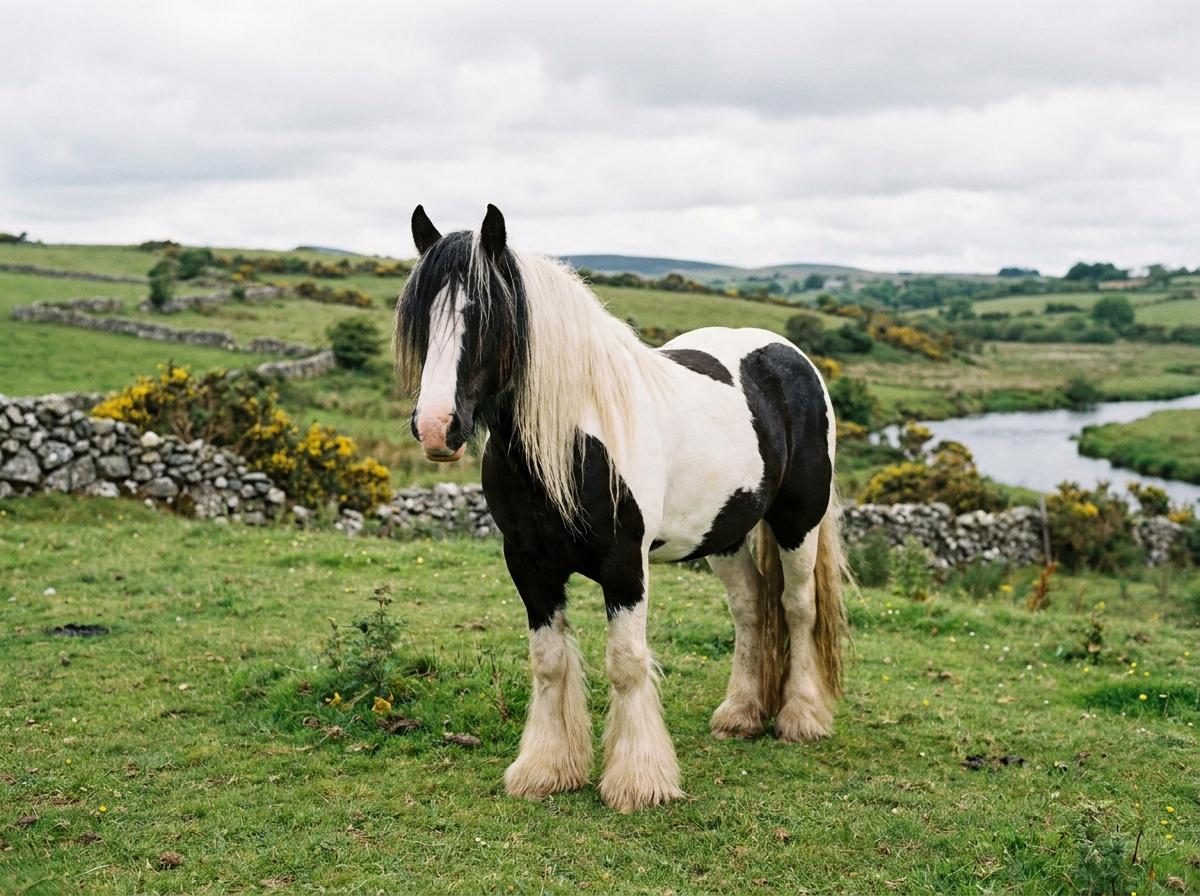
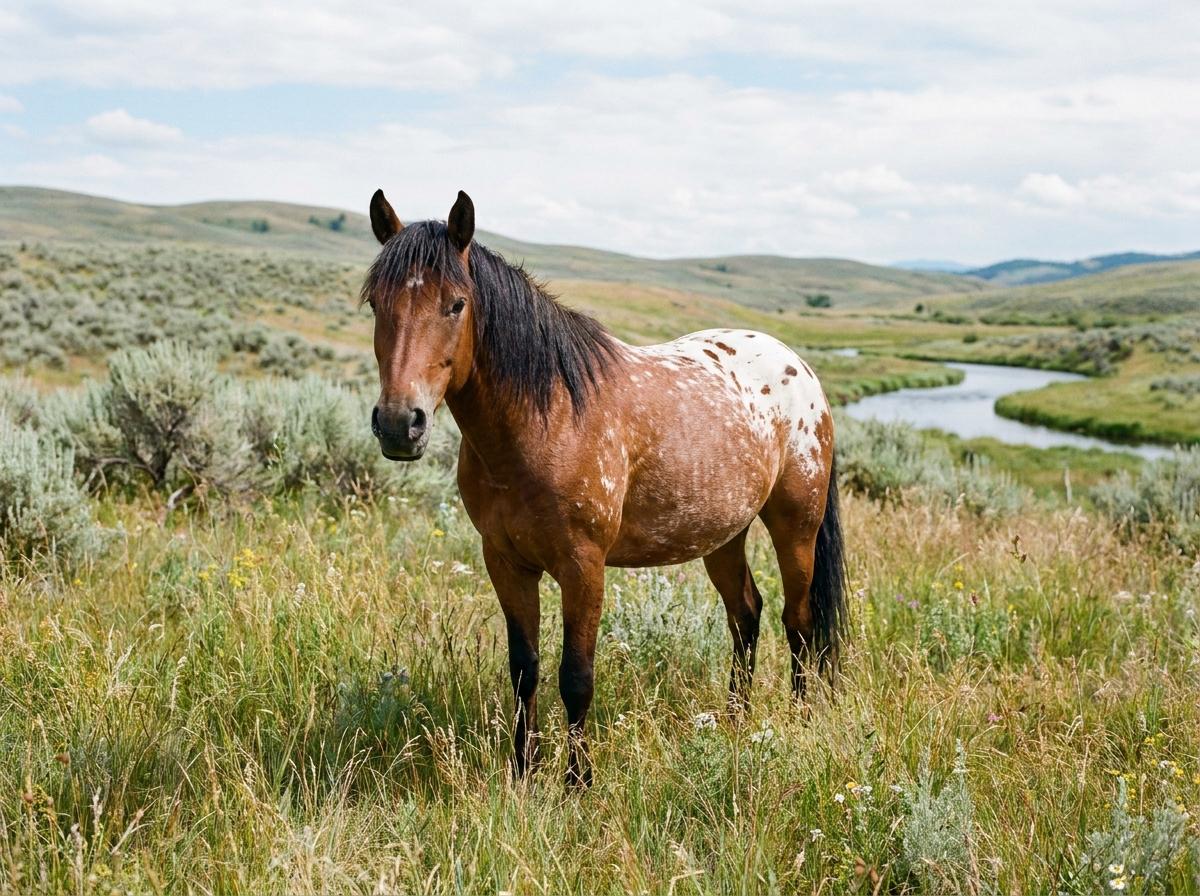
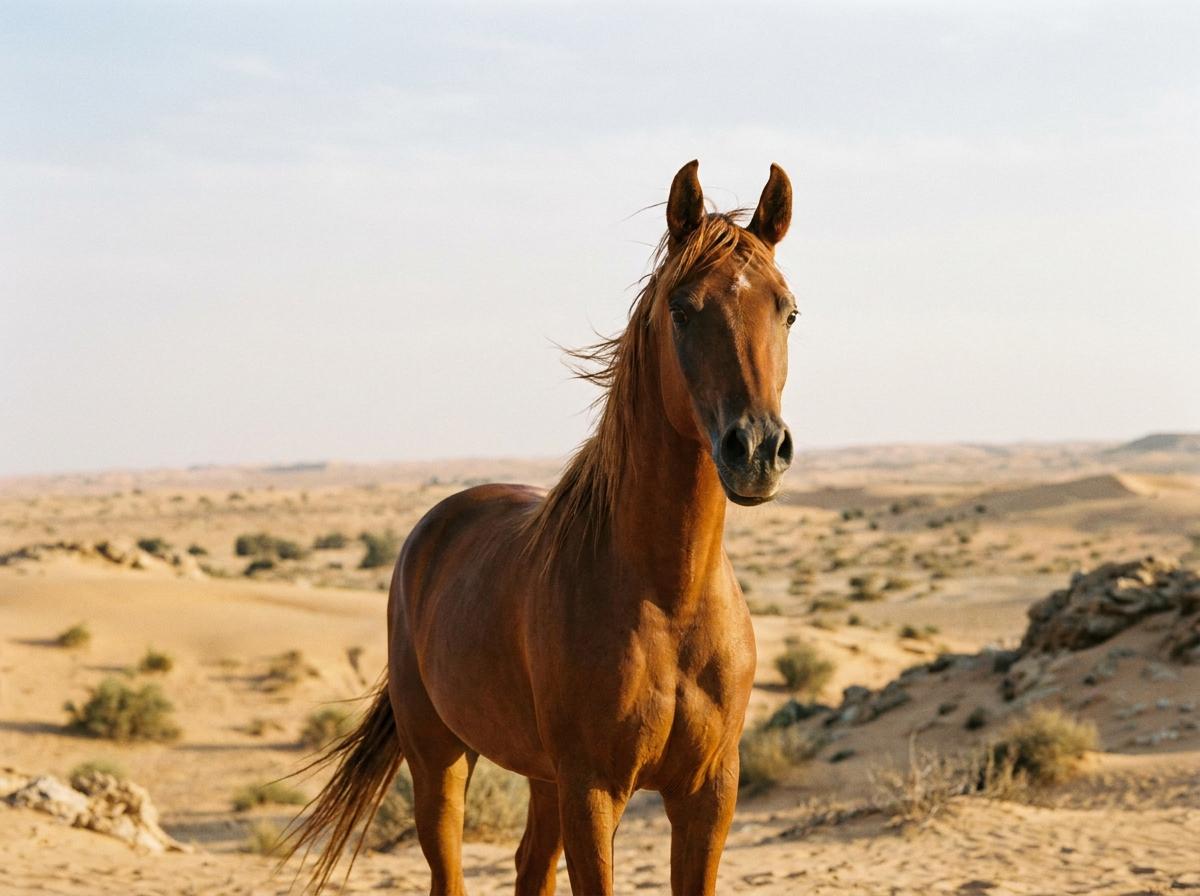
Colors: Amber Champagne, Bay, Bay Dun, Bay Roan, Black, Blanket Appaloosa, Blue Roan, Brown, Buckskin, Champagne, Chestnut, Classic Champagne, Cremello, Dun, Dun Roan, Fewspot Appaloosa, Flaxen Chestnut, Frame Overo, Gold Champagne, Gray, Grey, Grullo, Leopard Appaloosa, Liver Chestnut, Overo, Palomino, Perlino, Piebald, Pinto, Rabicano, Red Dun, Red Roan, Roan, Sabino, Seal Bay, Silver Dapple, Skewbald, Smoky Black, Smoky Cream, Snowcap Appaloosa, Sorrel, Splash White, Tobiano, Tovero, Varnish Roan, White