Racking Horse
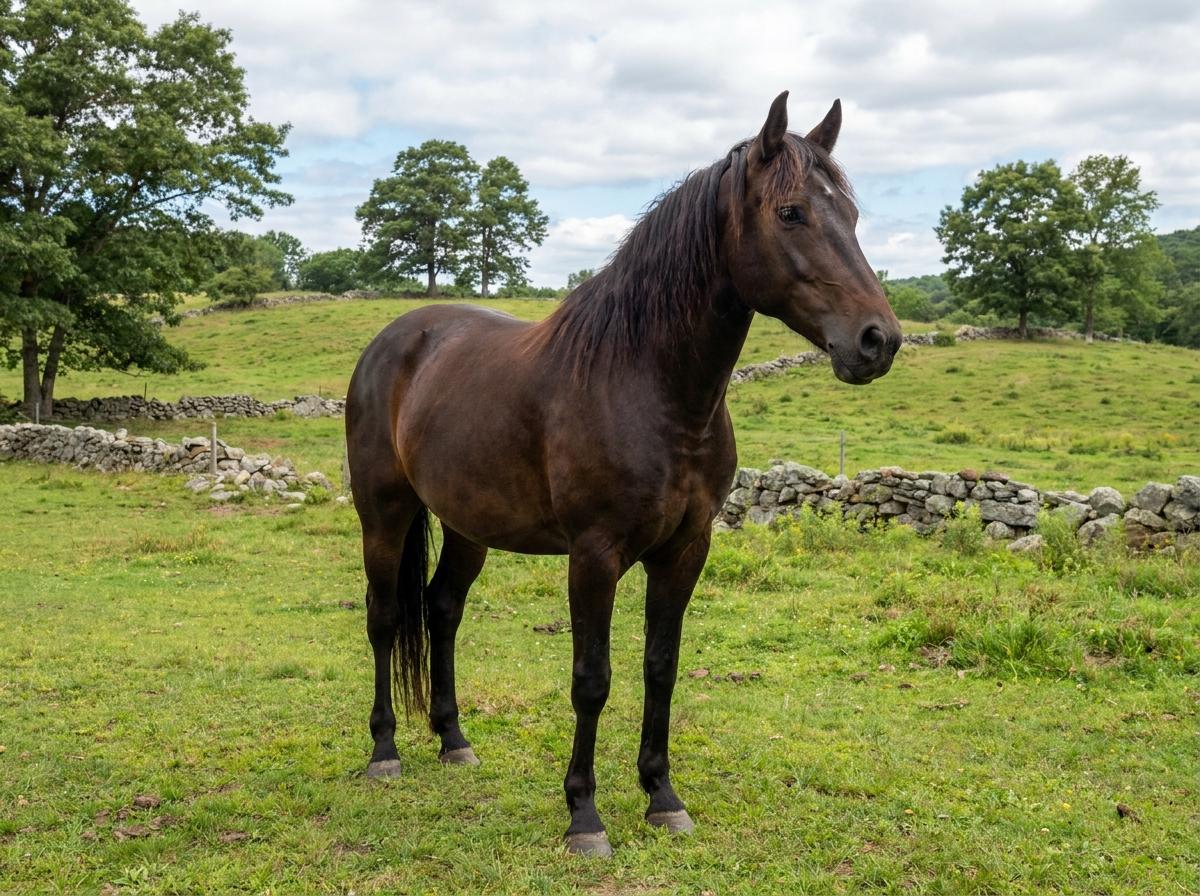
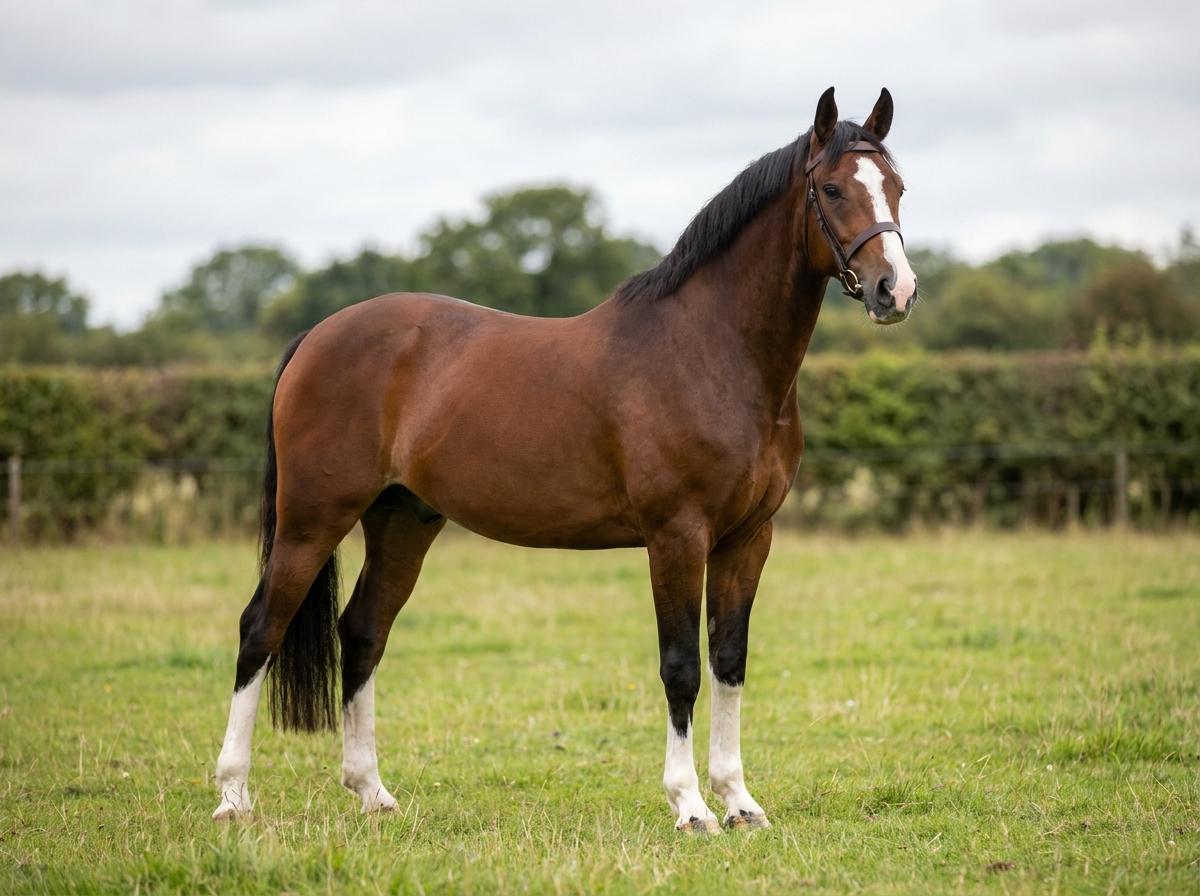
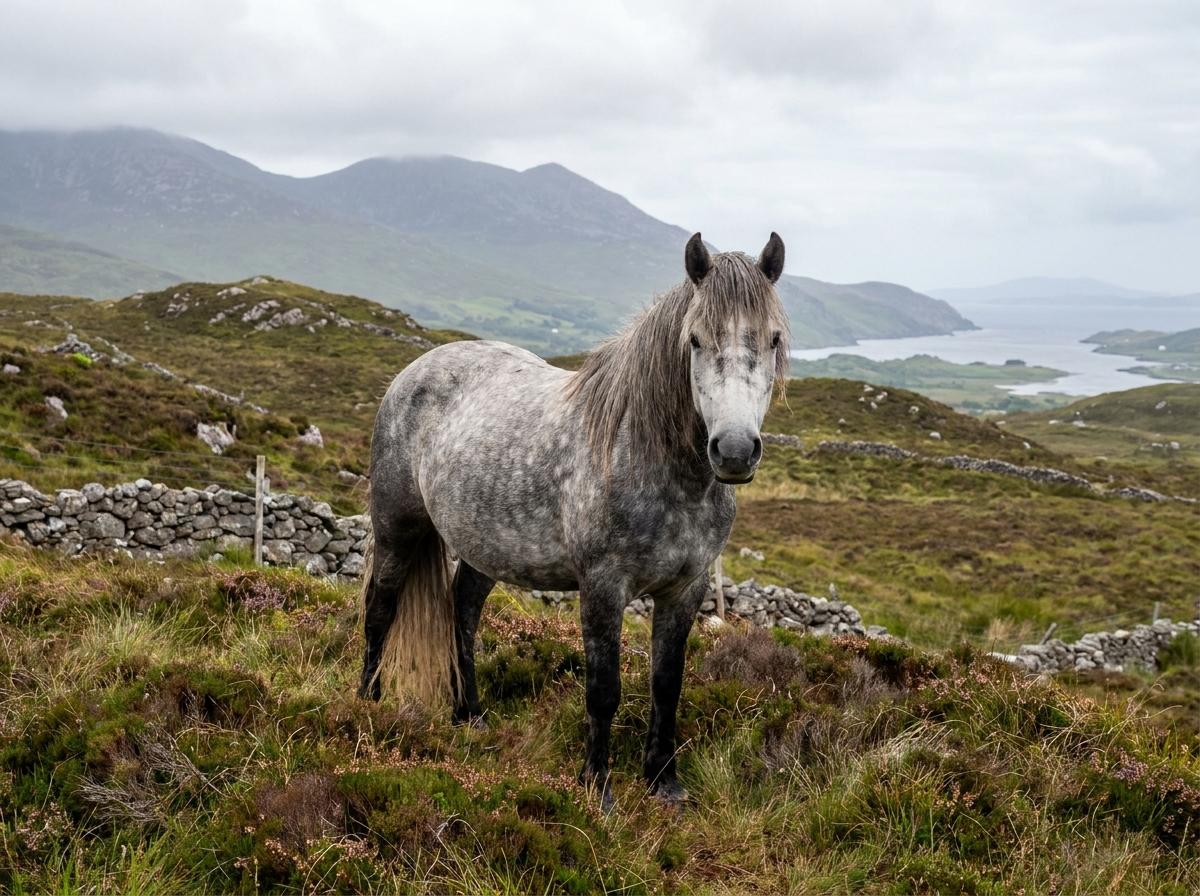
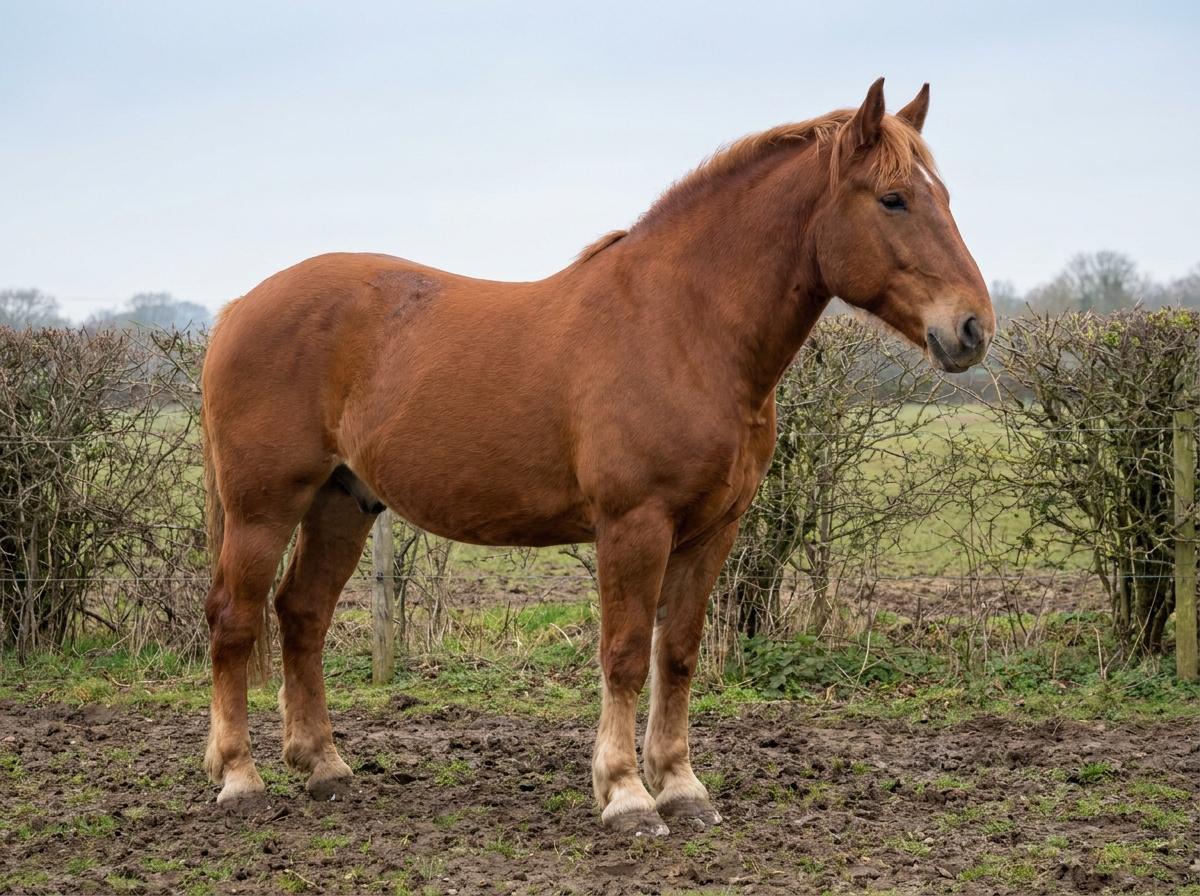
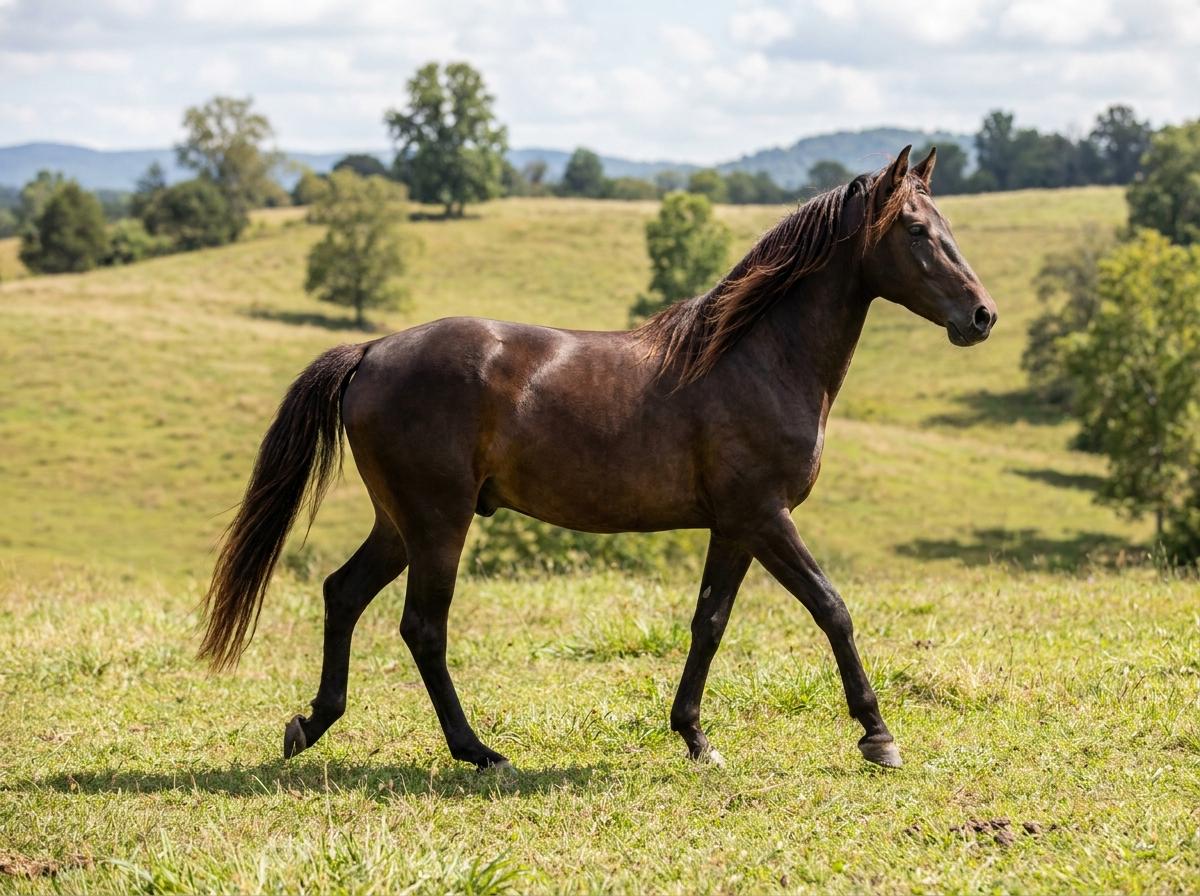
The racking horse is an American gaited horse developed in the Southeast, especially Alabama and Tennessee, from the same broad saddle-horse background that produced Tennessee Walking Horses and other plantation riding horses. Its defining trait is the rack, a smooth four-beat gait in which each hoof lands separately and the rider avoids the bounce of a trot. The breed is usually a medium-sized light horse with a sensible head, sloping shoulder, and enough substance for long hours under saddle; many coat colors occur.
Racking horses are kept for trail riding, pleasure classes, field trial work, and breed shows, where a natural, even gait matters more than speed alone. As with any gaited horse, hoof balance, saddle fit, and conditioning affect comfort and soundness; exaggerated shoeing or forceful training is a warning sign. People buying one should watch the horse gait on ordinary footing, not only in a show setting, and check whether registration, height, temperament, and prior use match their goals. Day-to-day care is standard horse care, with steady turnout and exercise helping preserve the relaxed way of going.
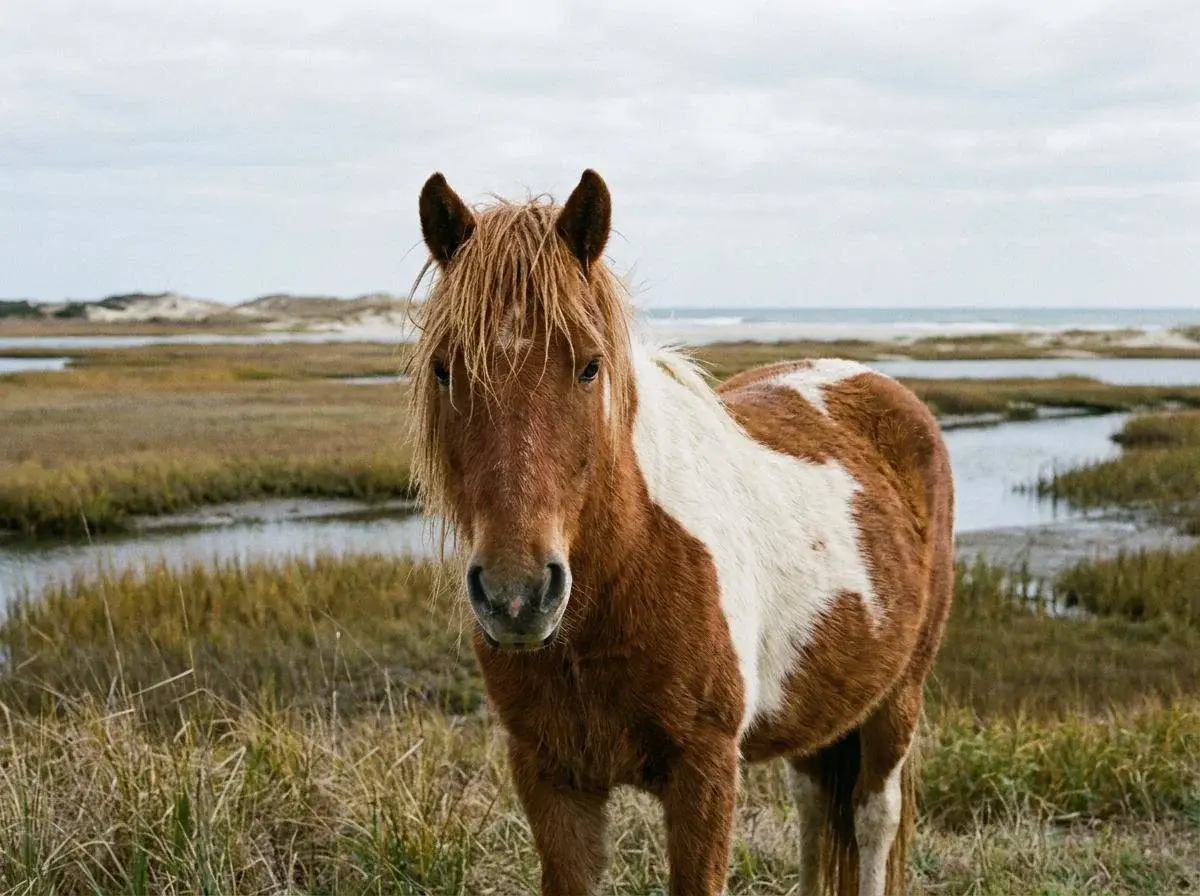
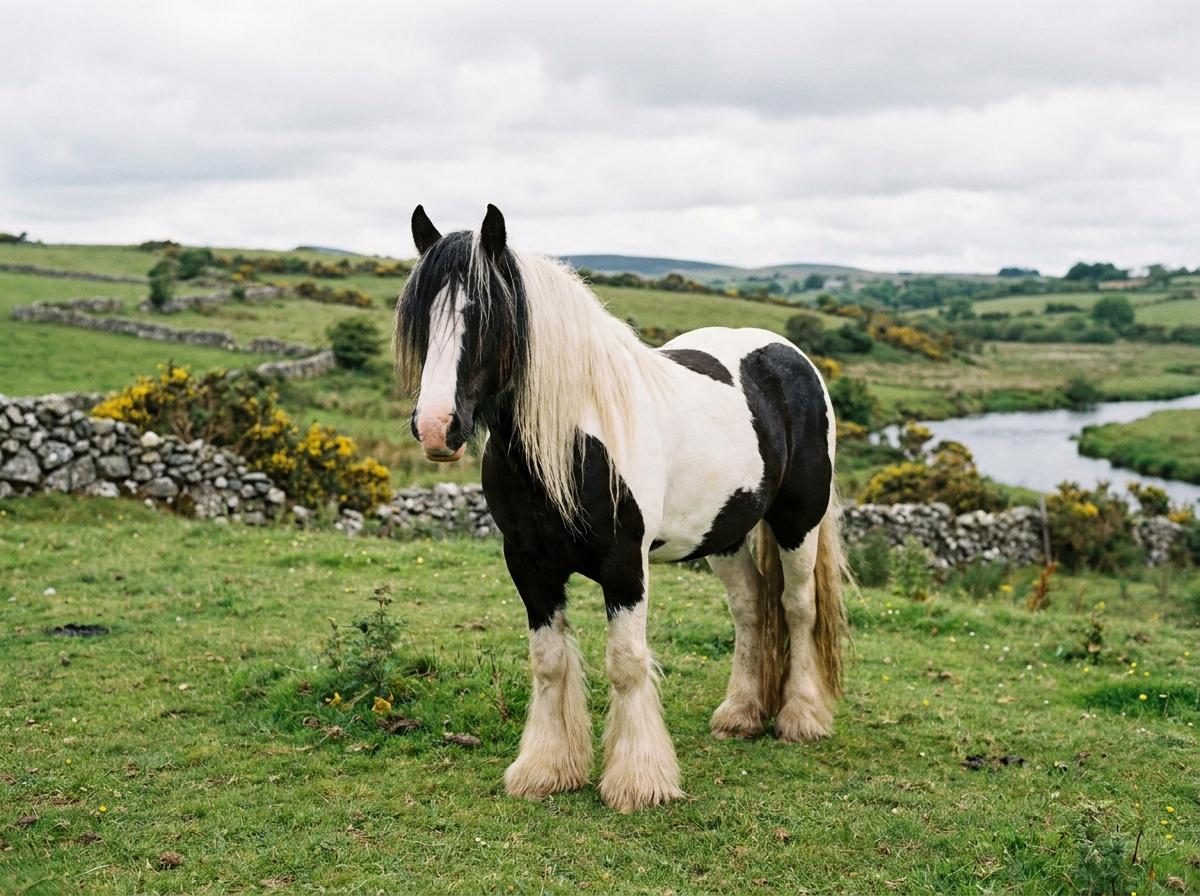
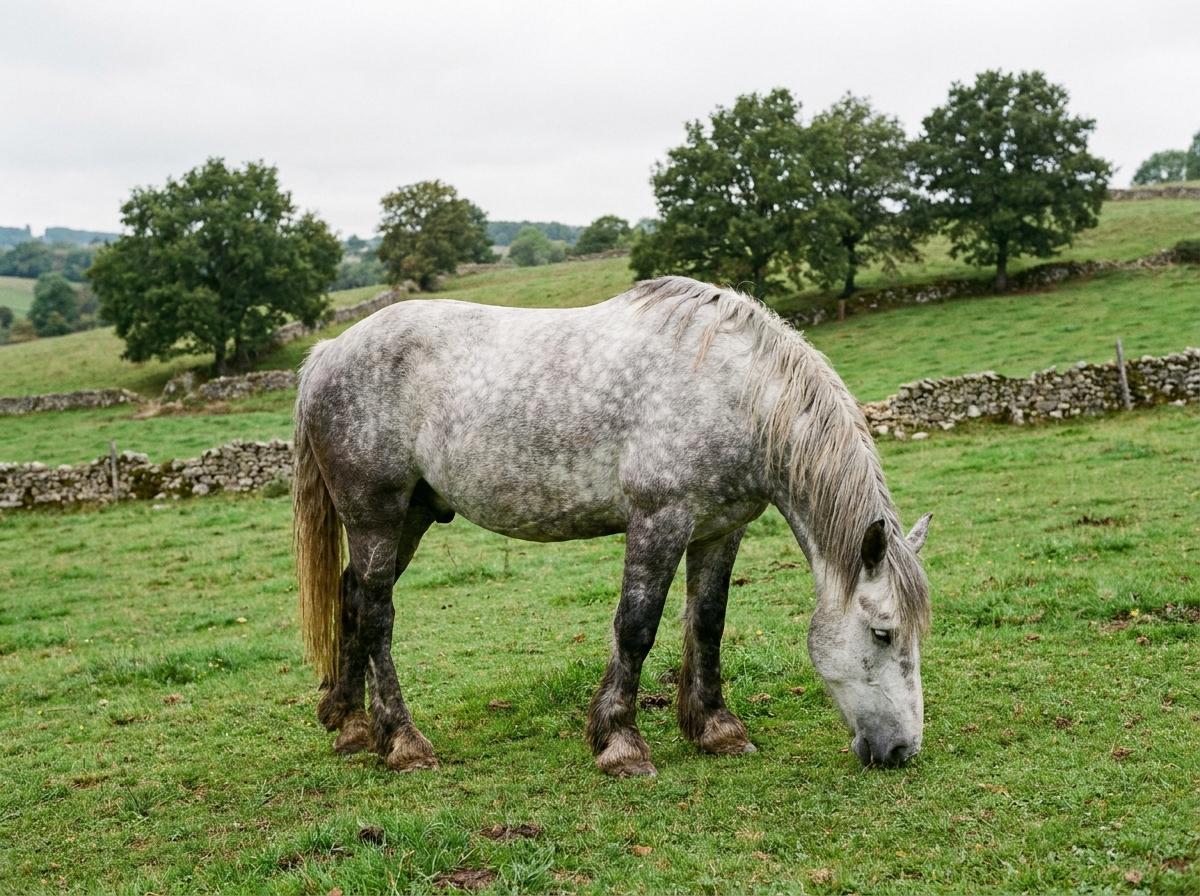
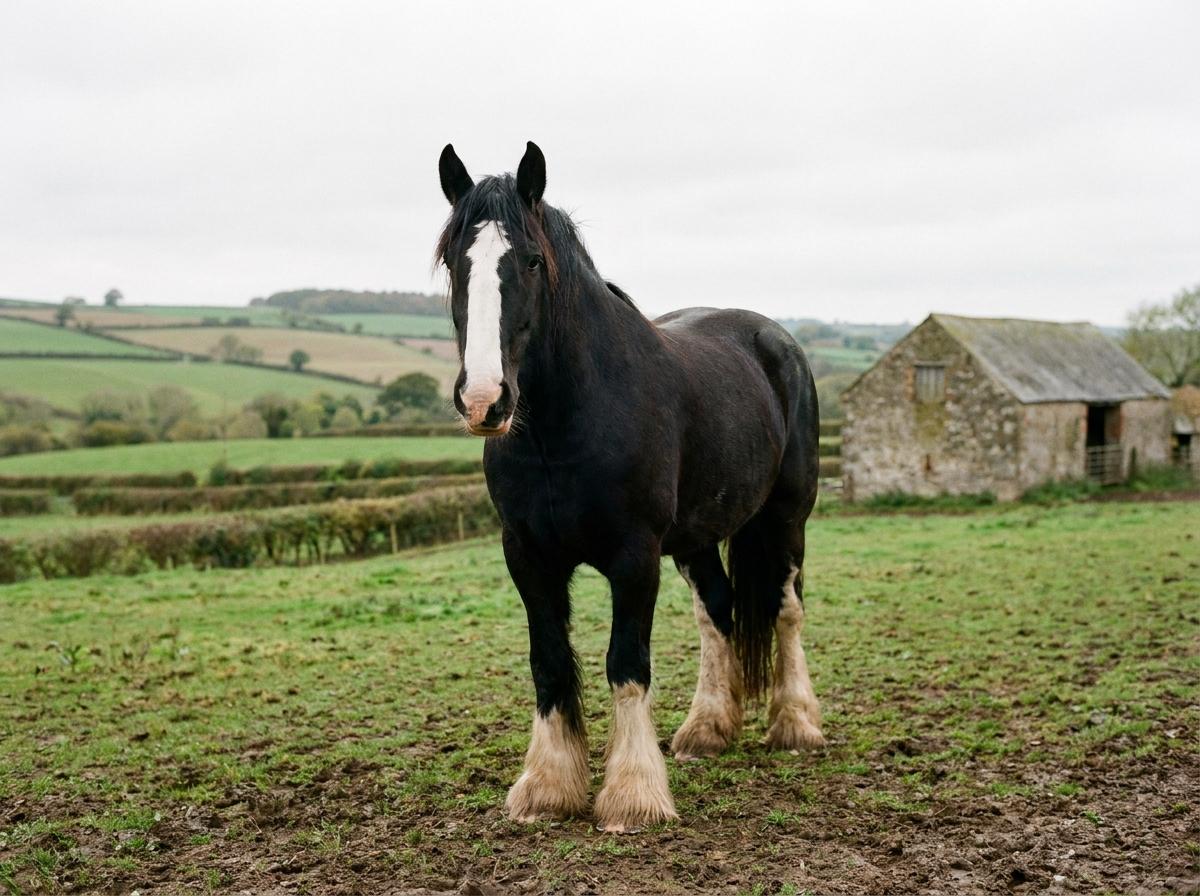
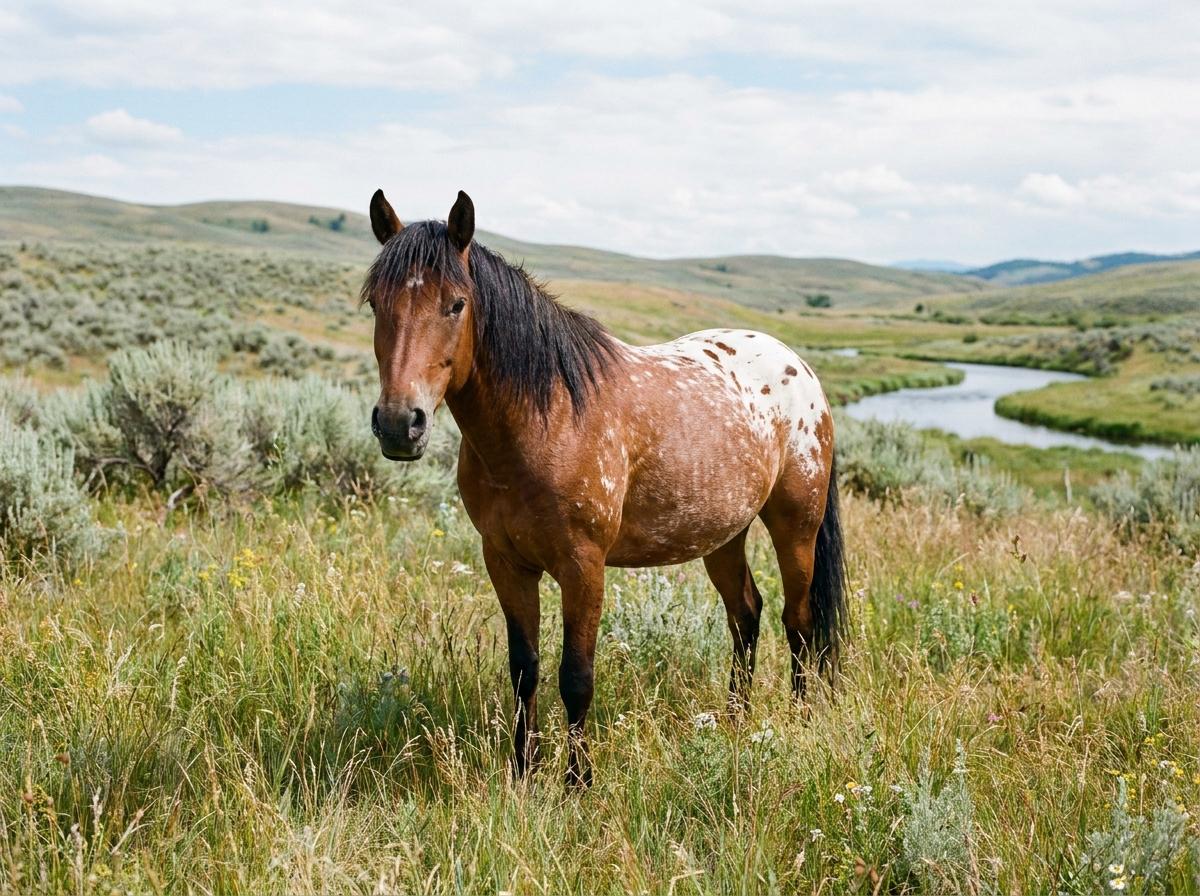
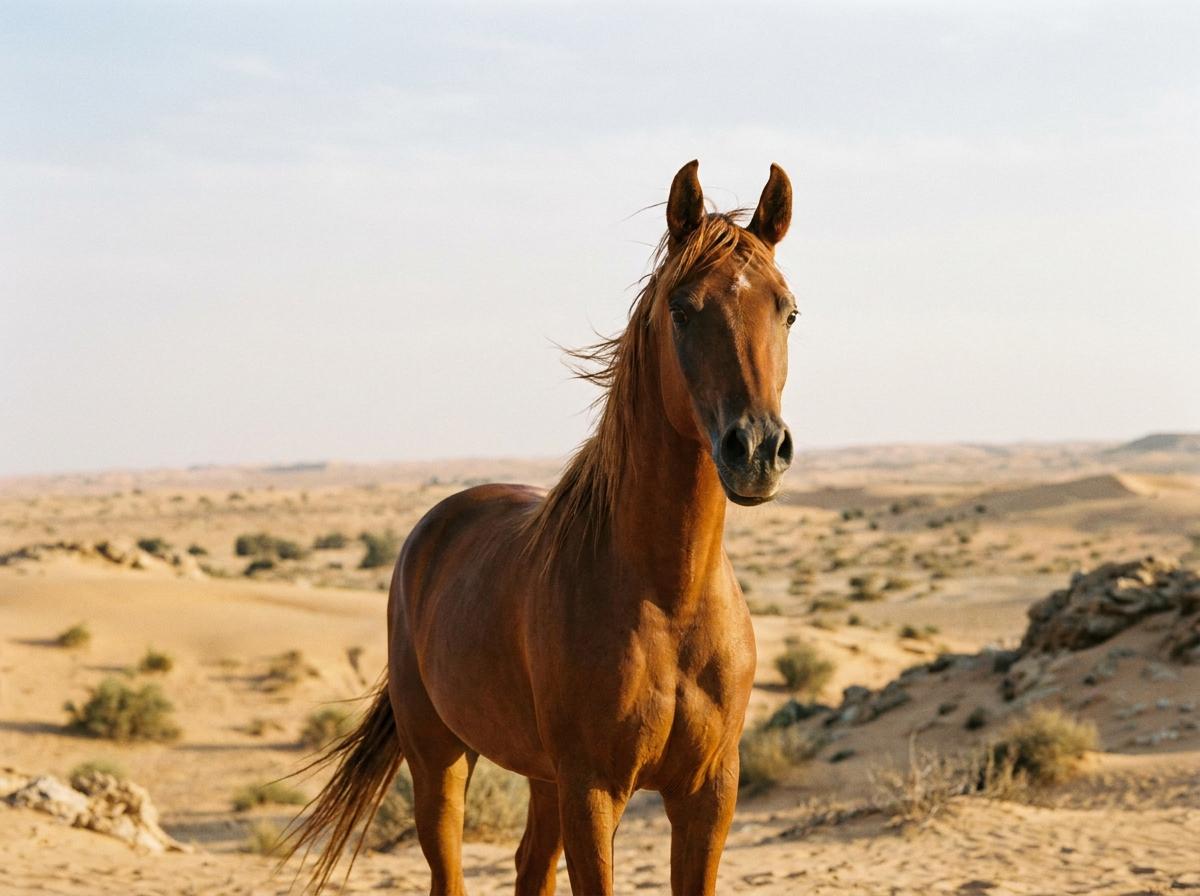
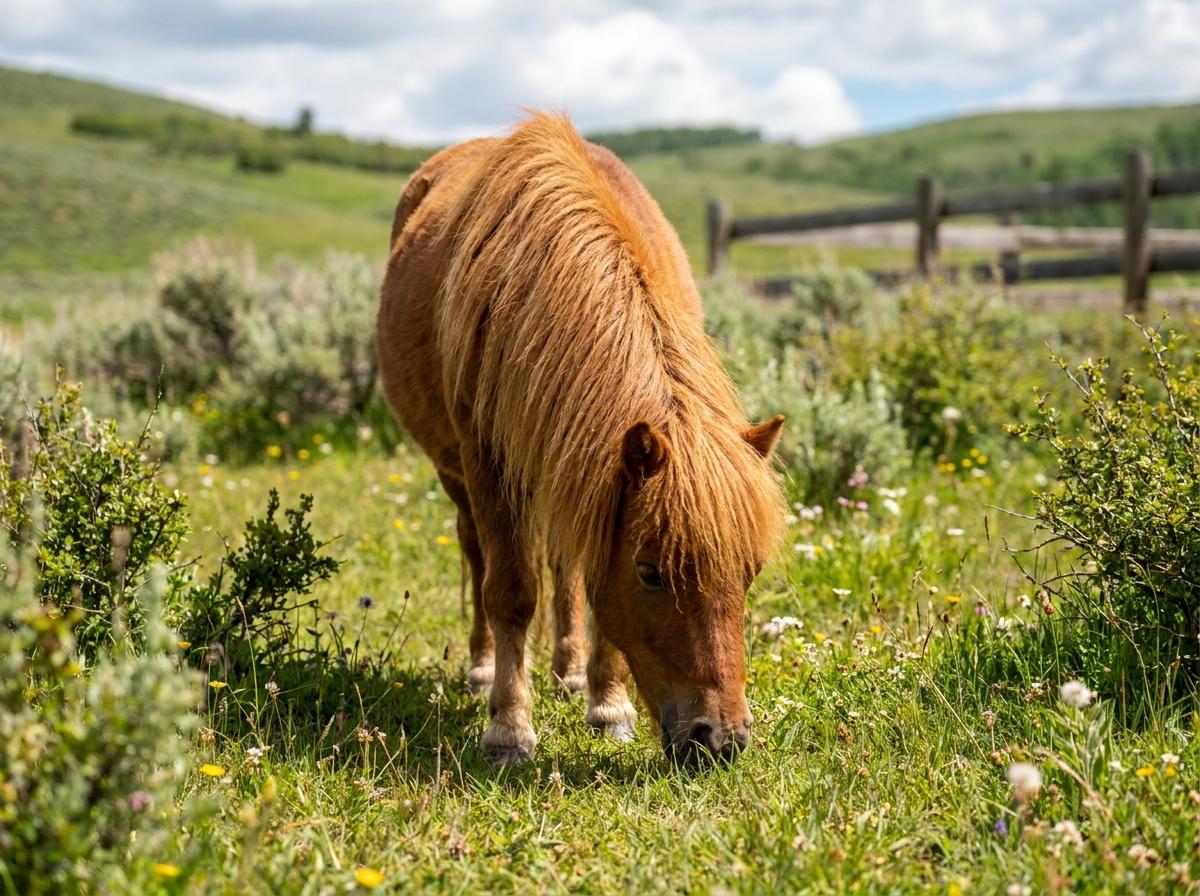
Colors: Amber Champagne, Bay, Bay Dun, Bay Roan, Black, Blanket Appaloosa, Blue Roan, Brown, Buckskin, Champagne, Chestnut, Classic Champagne, Cremello, Dun, Dun Roan, Fewspot Appaloosa, Flaxen Chestnut, Frame Overo, Gold Champagne, Gray, Grullo, Leopard Appaloosa, Liver Chestnut, Overo, Palomino, Perlino, Piebald, Pinto, Rabicano, Red Dun, Red Roan, Roan, Sabino, Seal Bay, Silver Dapple, Skewbald, Smoky Black, Smoky Cream, Snowcap Appaloosa, Sorrel, Splash White, Tobiano, Tovero, Varnish Roan, White