

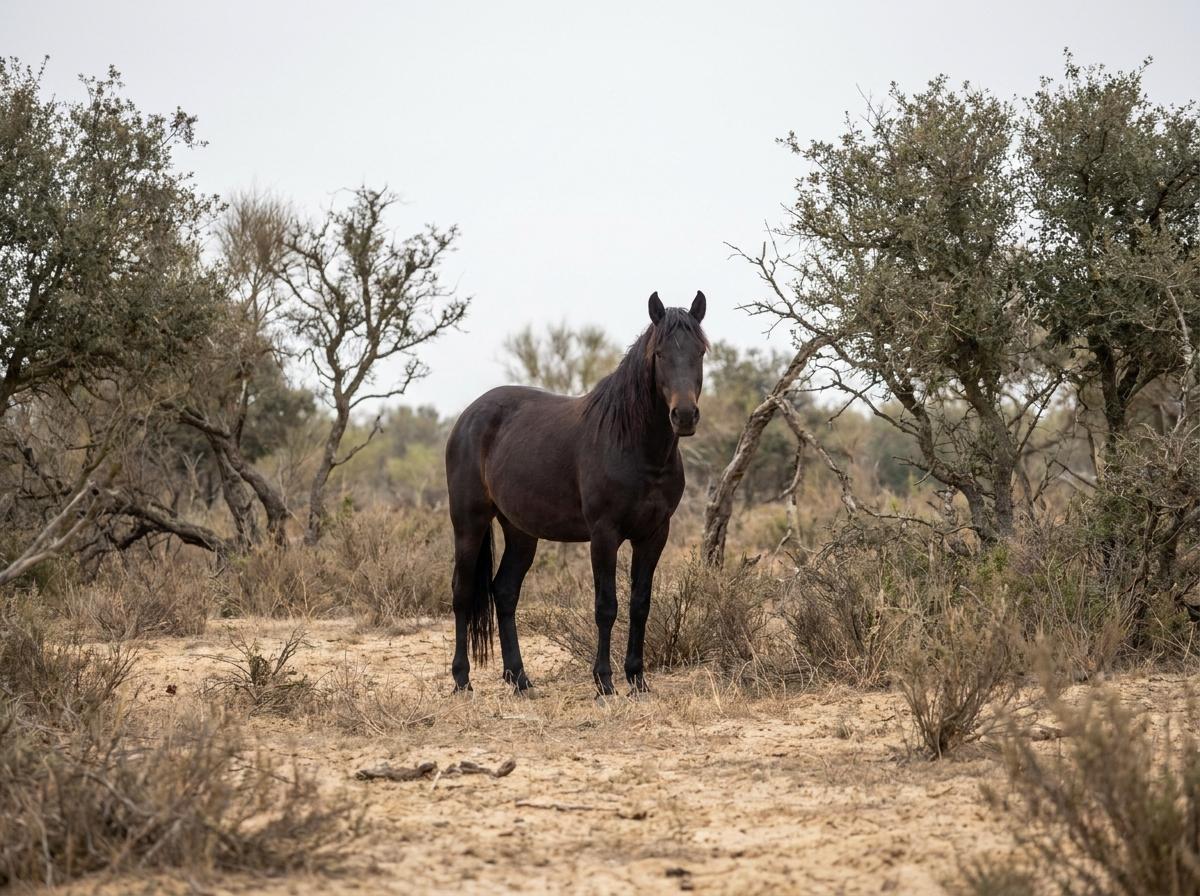
Retuerta Horse
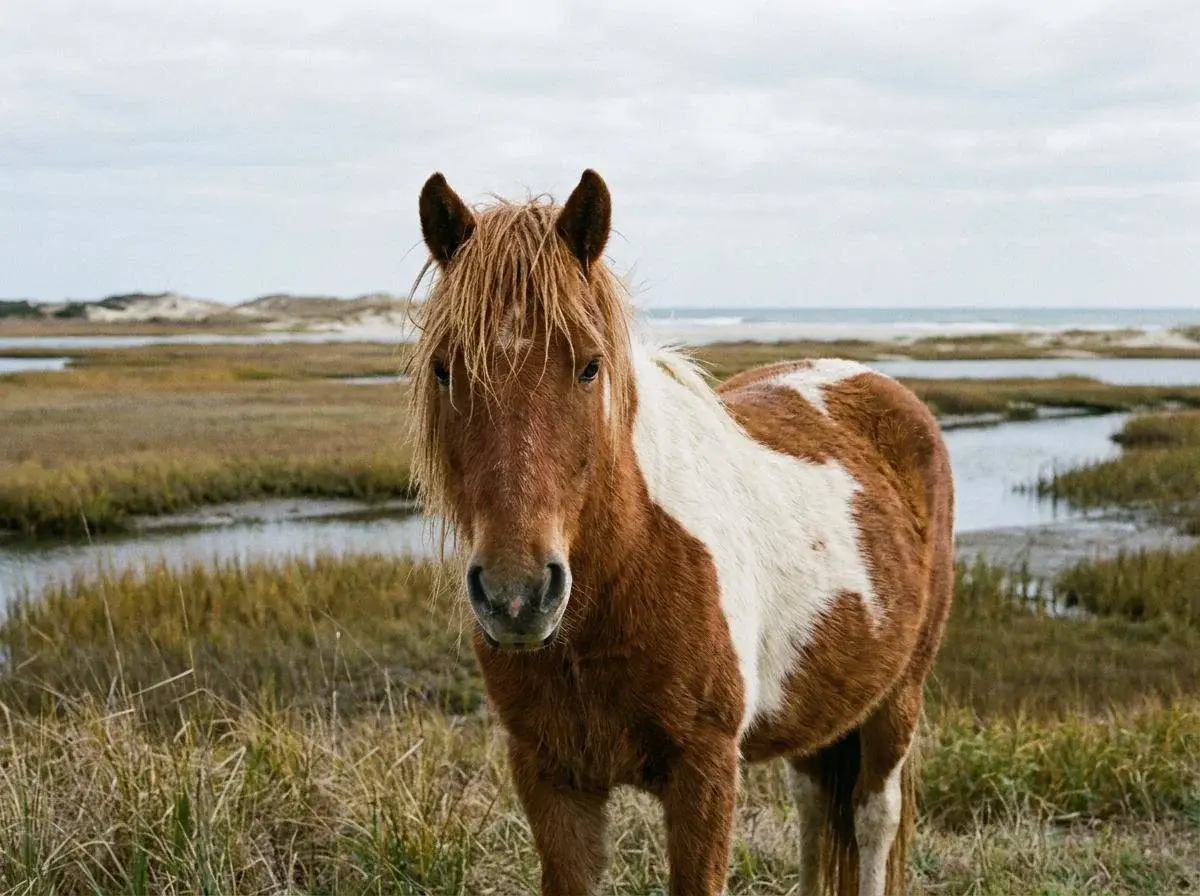
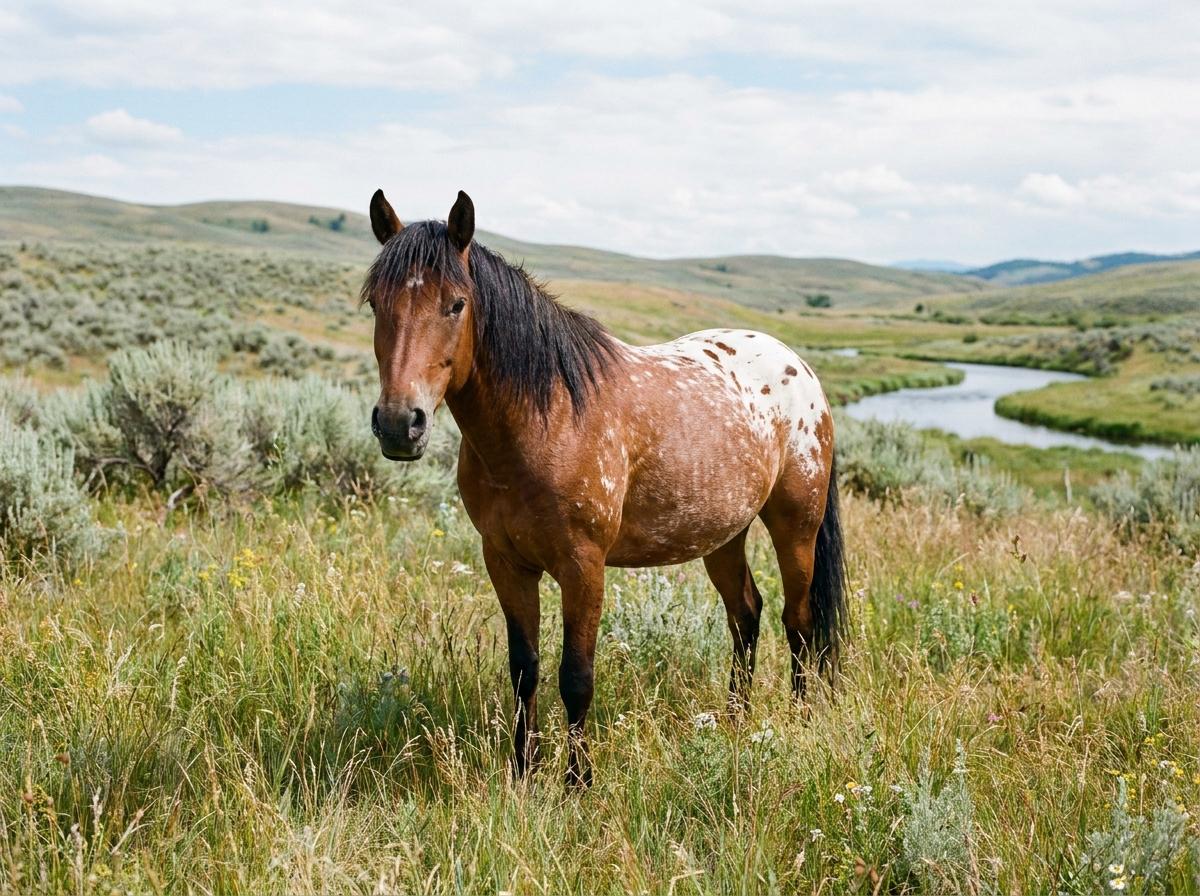
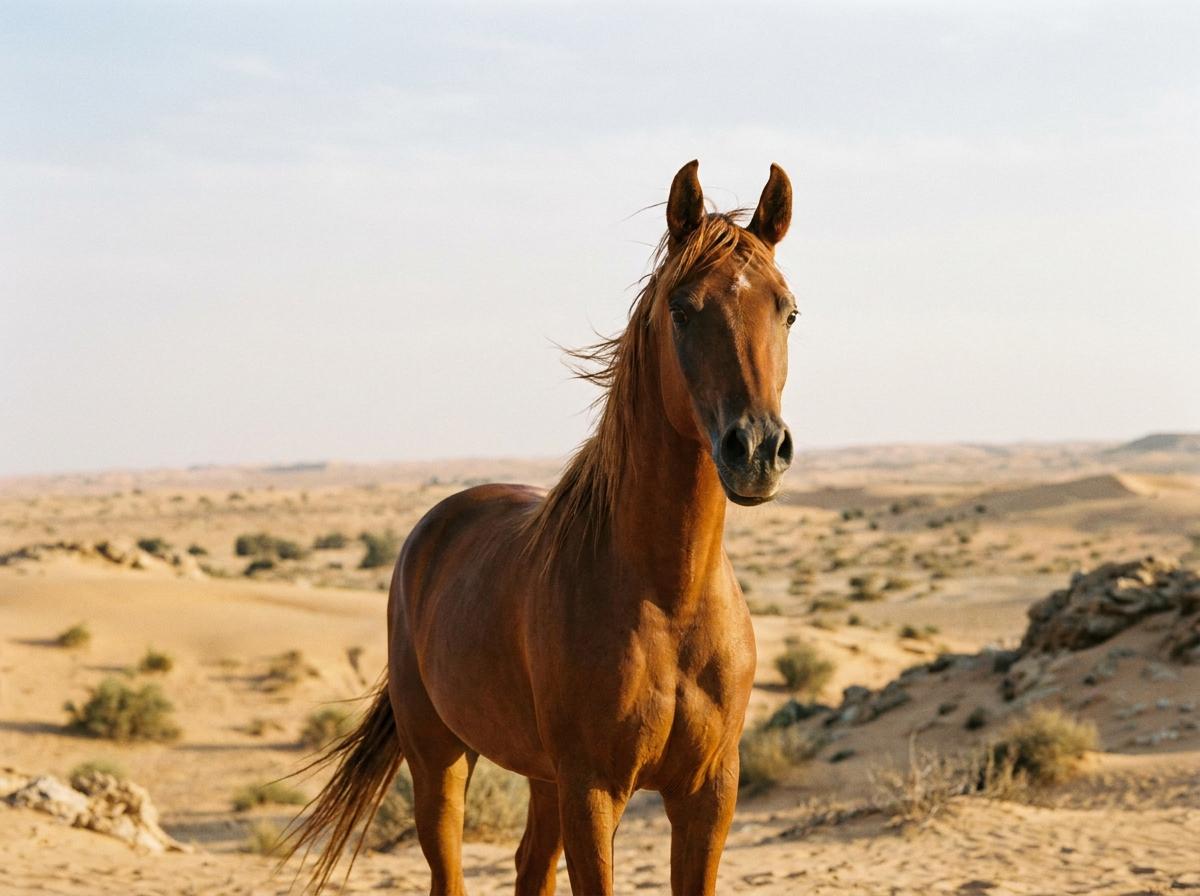
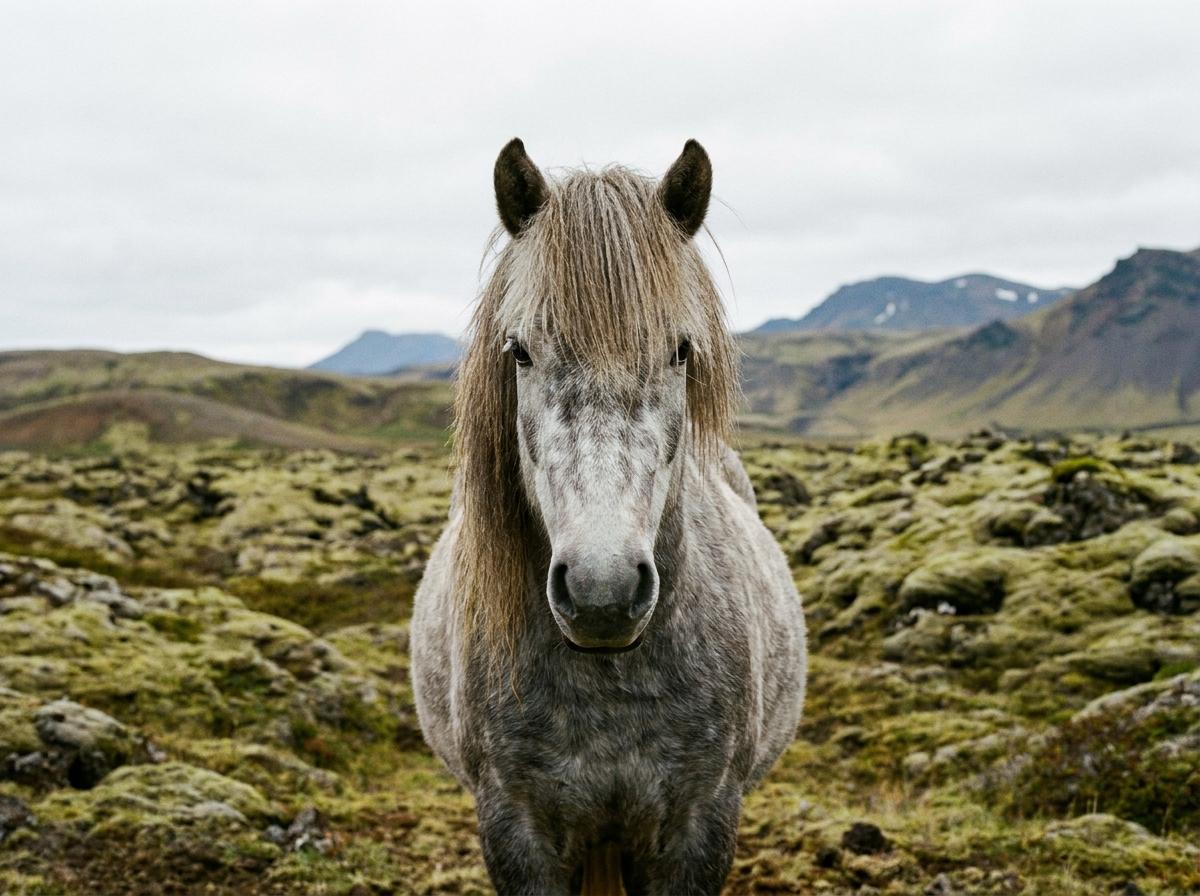
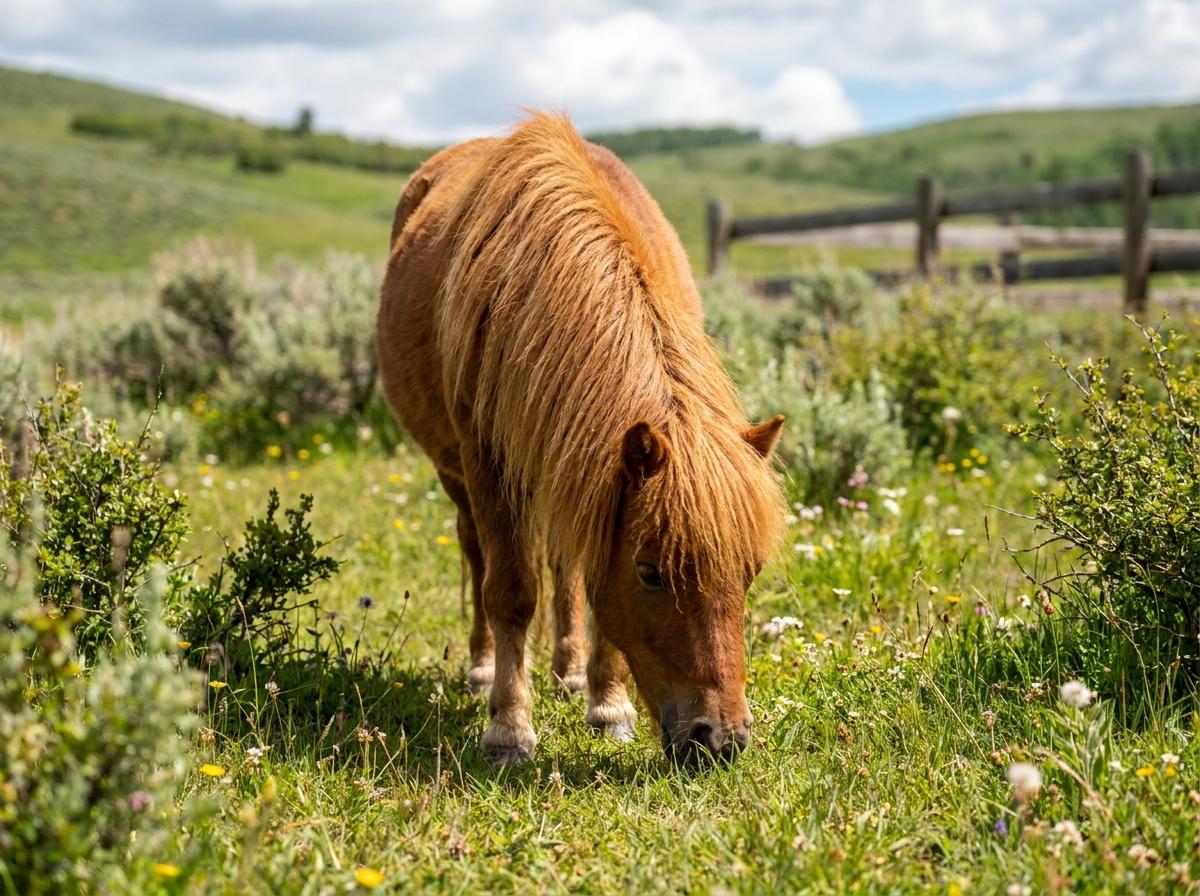
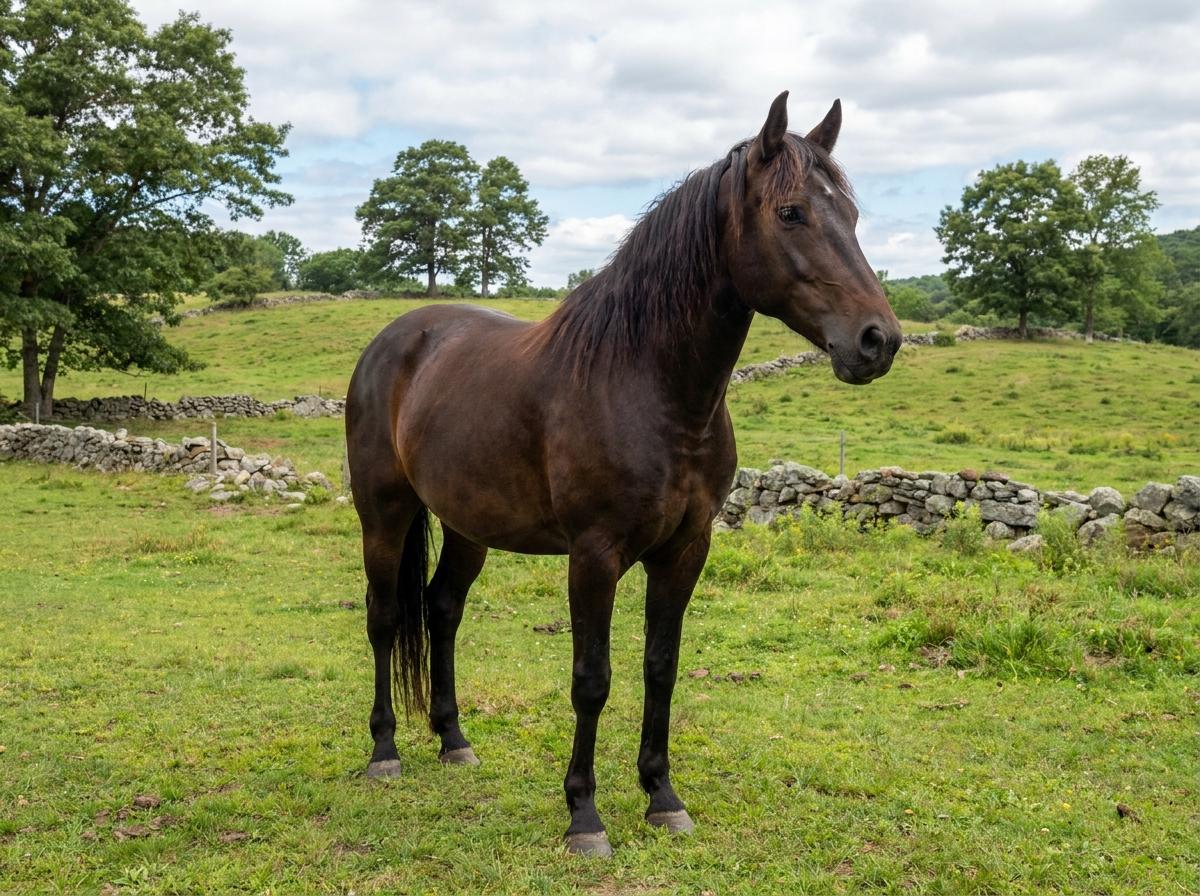
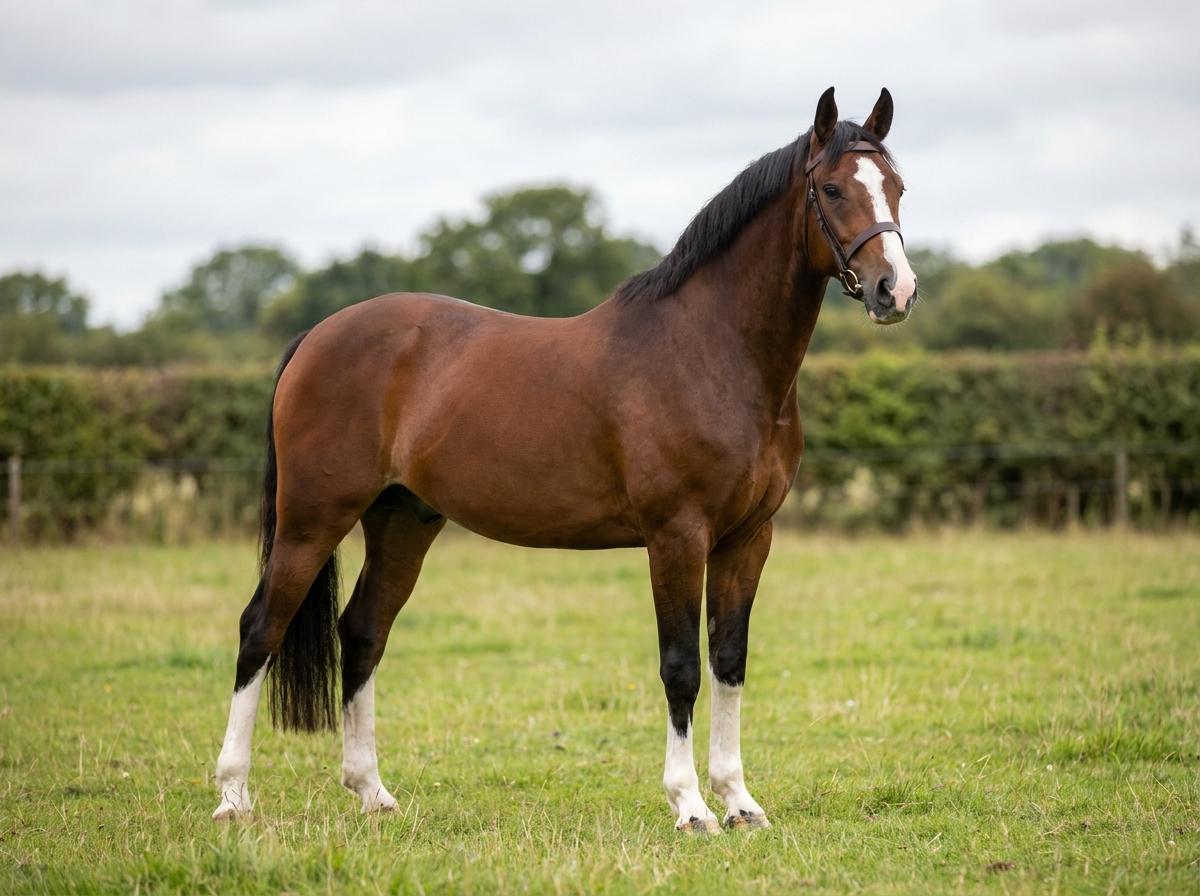
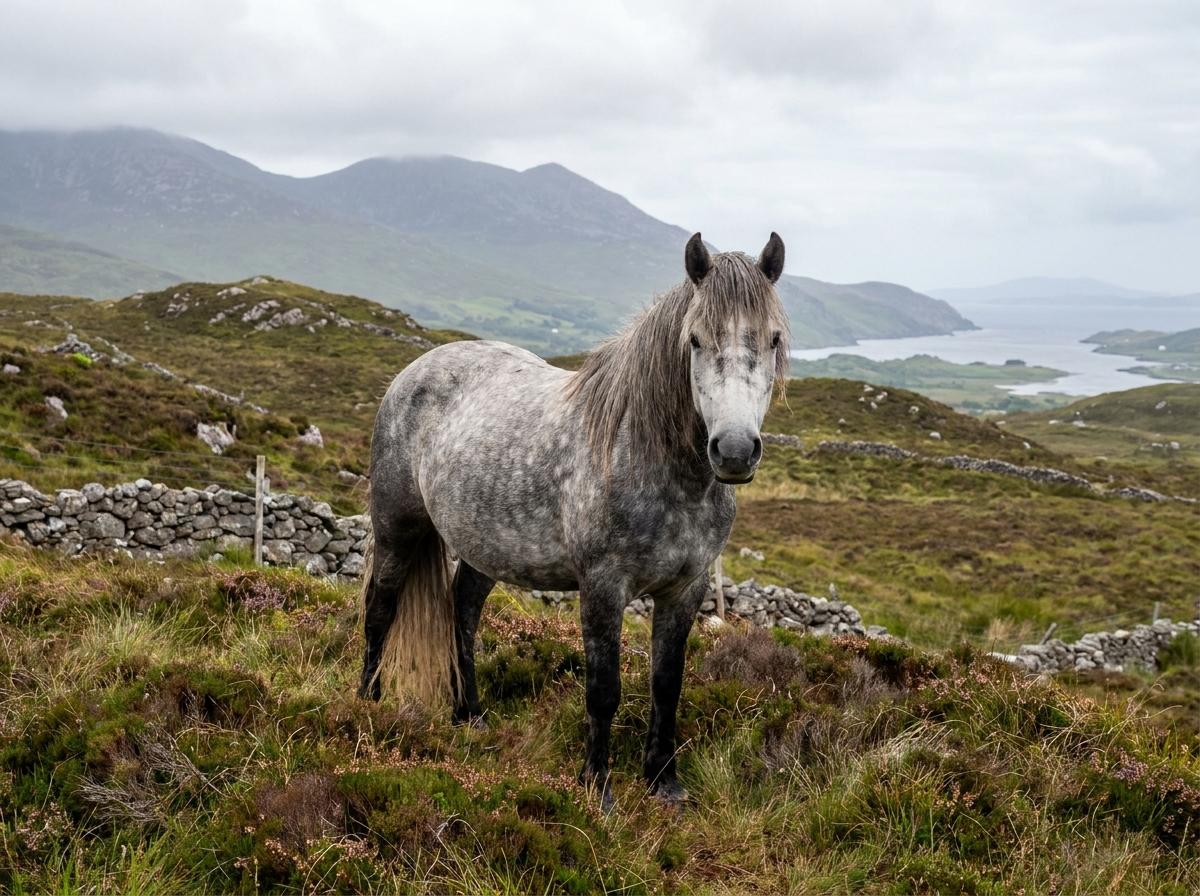
The Retuerta horse, or caballo de las retuertas, is a rare Spanish horse associated with the marshes and scrubland of Doñana in Andalusia. It is often described as one of the most genetically distinct Iberian horse populations, shaped by long isolation in wetland margins, sandy soils, seasonal drought, and low-input grazing. Retuertas are generally small to medium horses with sturdy bone, a plain head, hard feet, and primitive-looking bay, brown, black, or dun-toned coats, though the population is better defined by origin than by show-ring type.
Most Retuertas are not managed as private riding horses. They are important in reserve management, conservation grazing, and studies of Iberian horse diversity, with herds monitored to keep numbers, habitat impact, and genetic variation in balance. Handling is usually minimal compared with domestic stable breeds, so animals moved for conservation projects need experienced fencing, transport, and quarantine planning. Conservation breeding should keep the distinct local population intact rather than crossing it to make a more marketable rustic horse.
Colors: Amber Champagne, Bay, Bay Dun, Bay Roan, Black, Blanket Appaloosa, Blue Roan, Brown, Buckskin, Champagne, Chestnut, Classic Champagne, Cremello, Dun, Dun Roan, Fewspot Appaloosa, Flaxen Chestnut, Frame Overo, Gold Champagne, Gray, Grey, Grullo, Leopard Appaloosa, Liver Chestnut, Overo, Palomino, Perlino, Piebald, Pinto, Rabicano, Red Dun, Red Roan, Roan, Sabino, Seal Bay, Silver Dapple, Skewbald, Smoky Black, Smoky Cream, Snowcap Appaloosa, Sorrel, Splash White, Tobiano, Tovero, Varnish Roan, White