

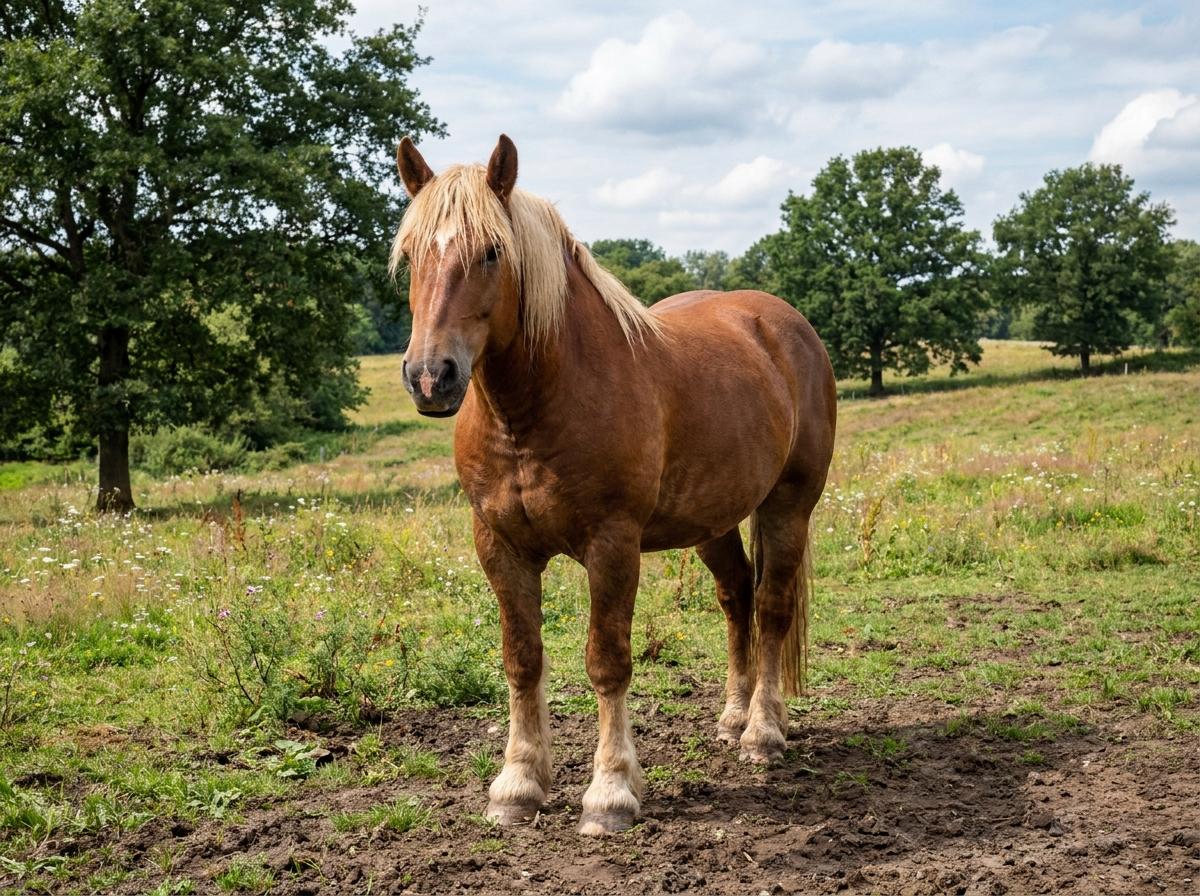
Rhenish German Coldblood
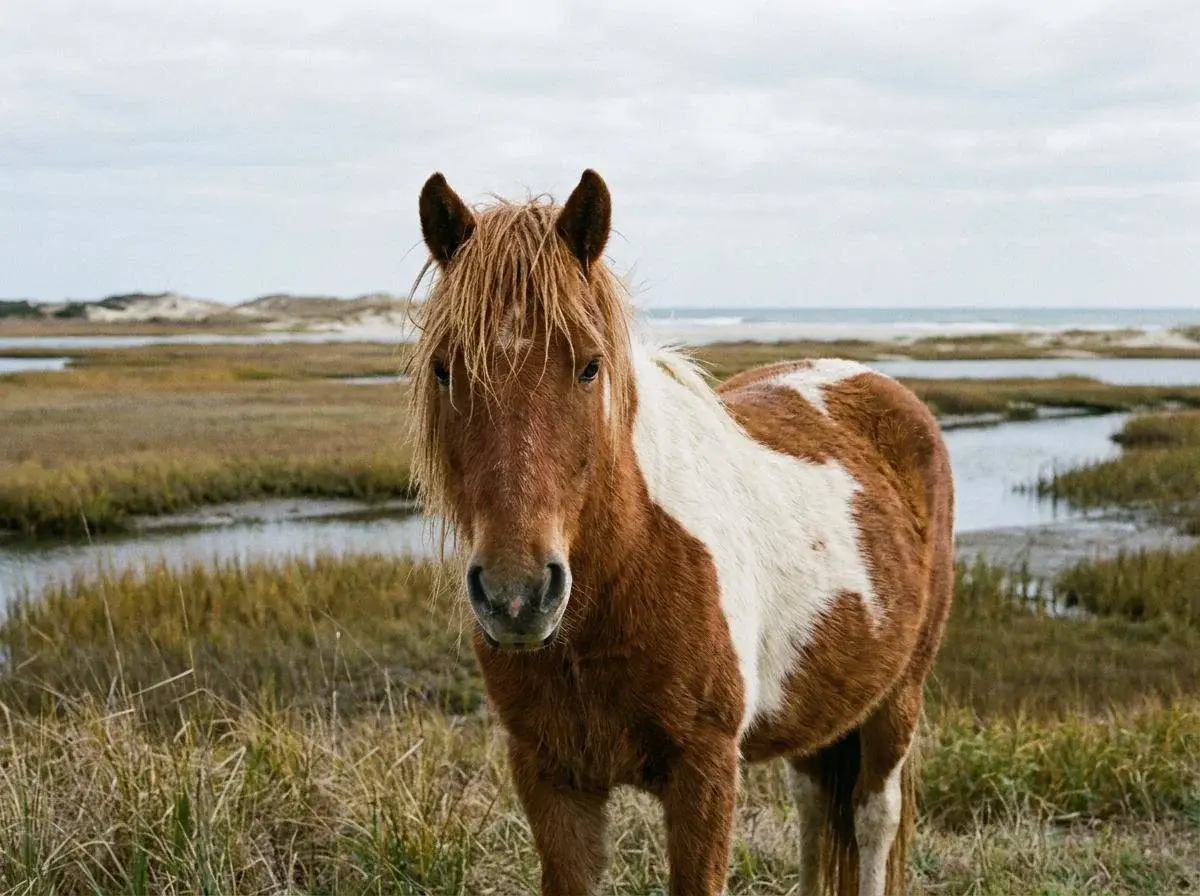
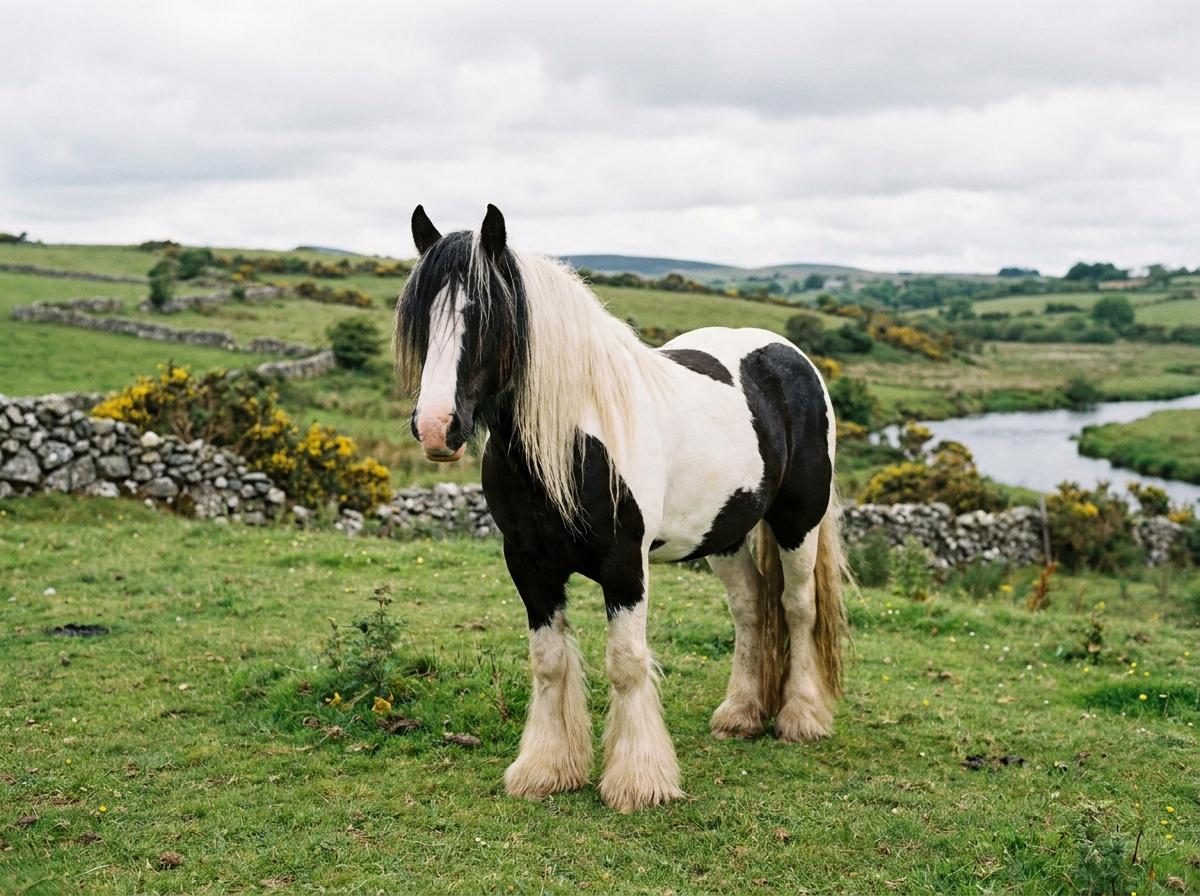
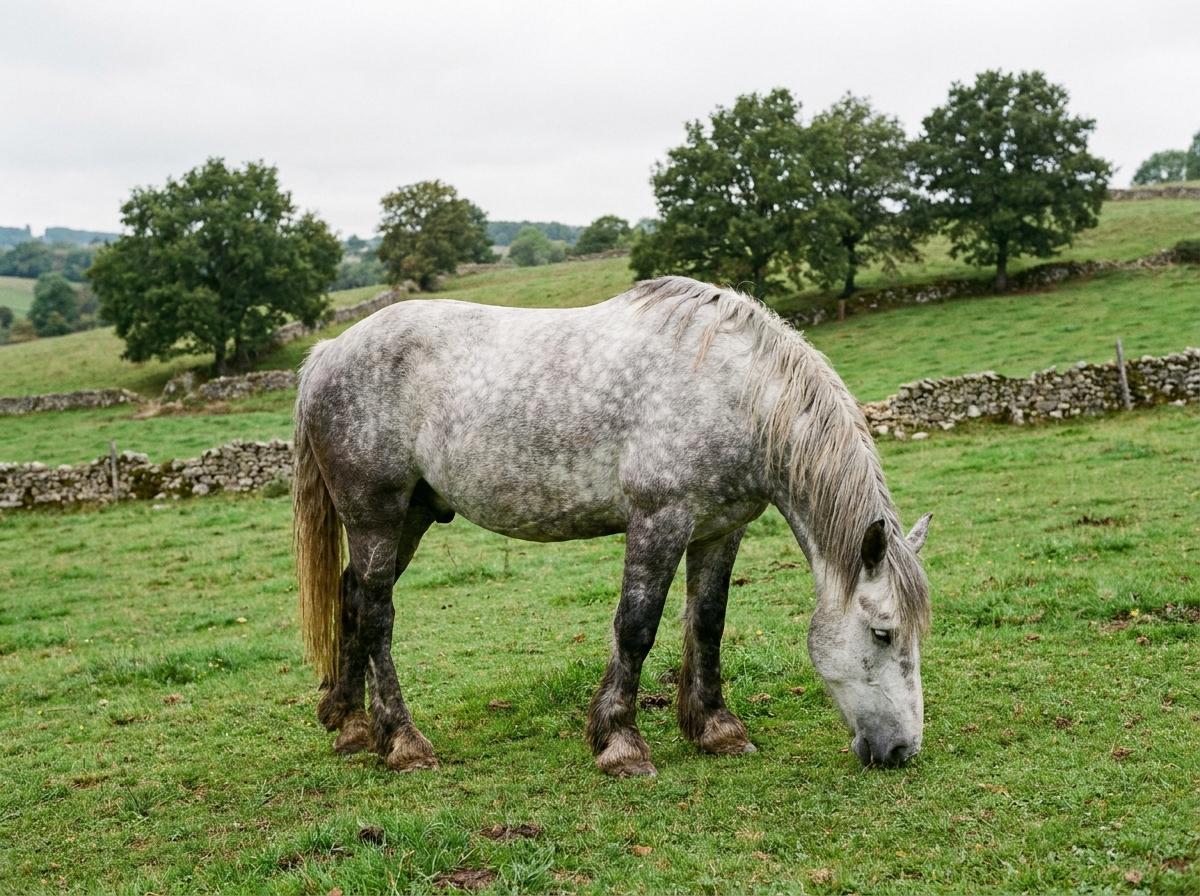
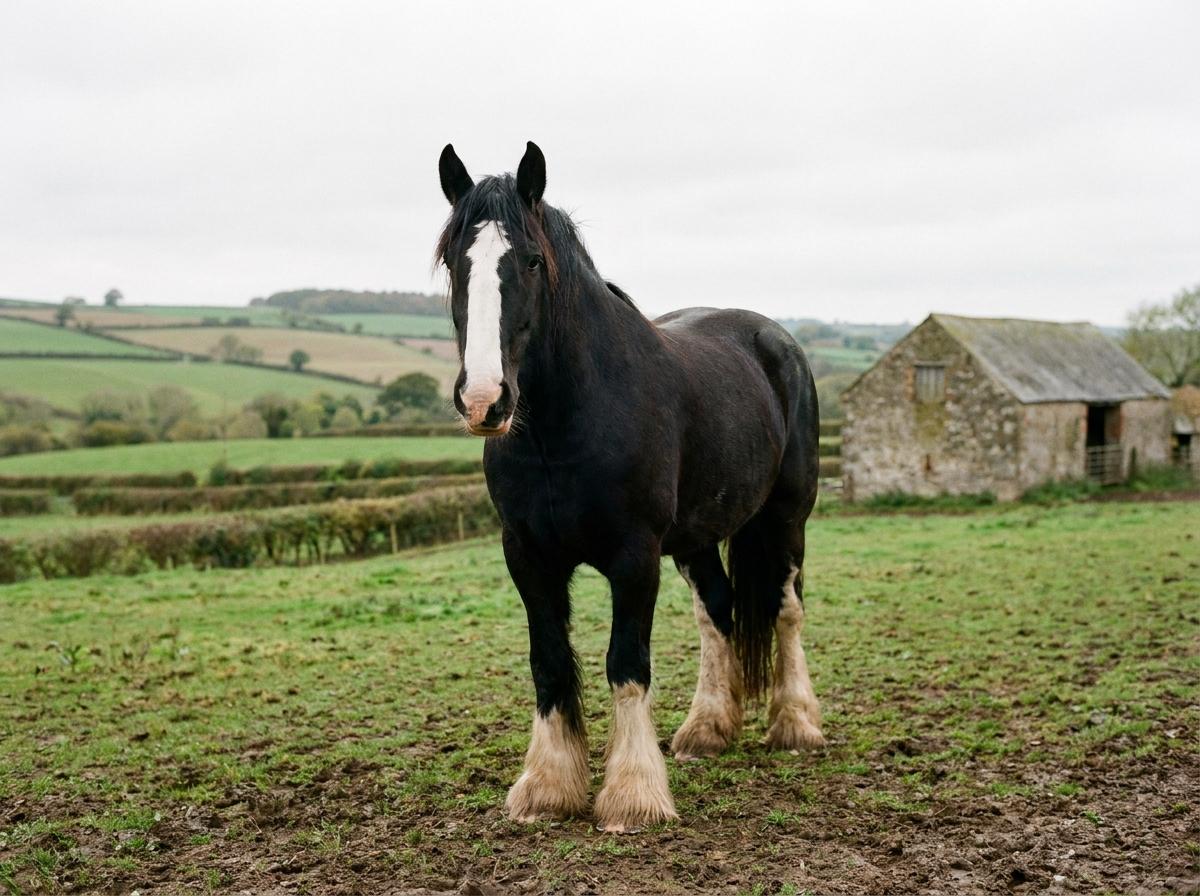
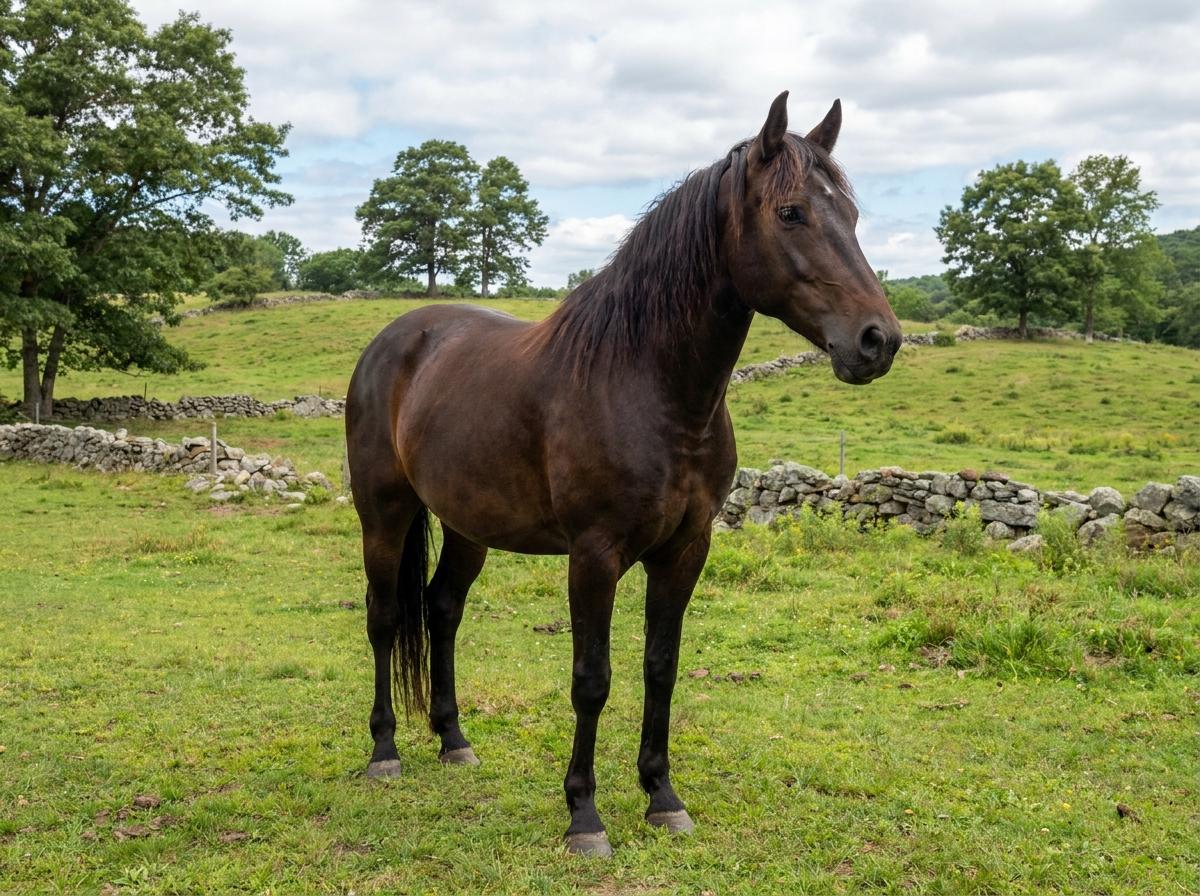
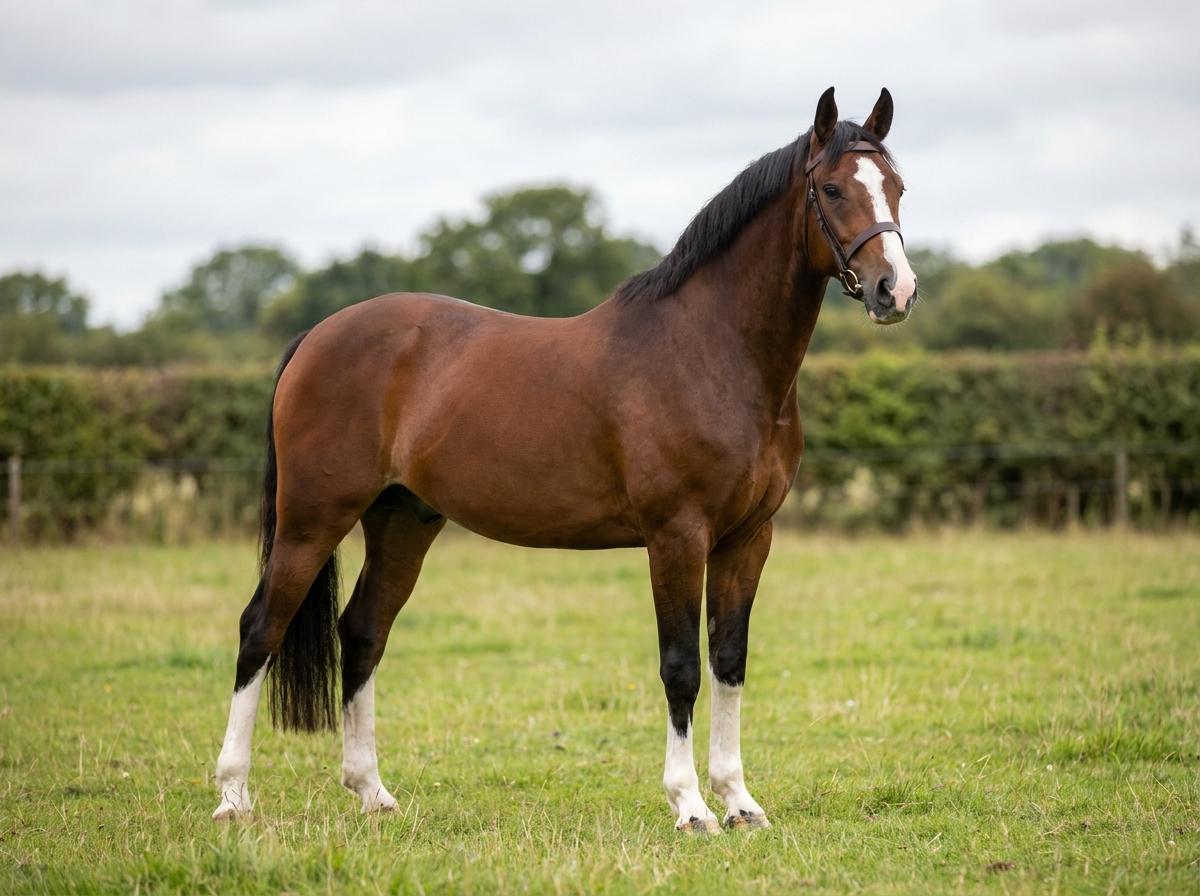
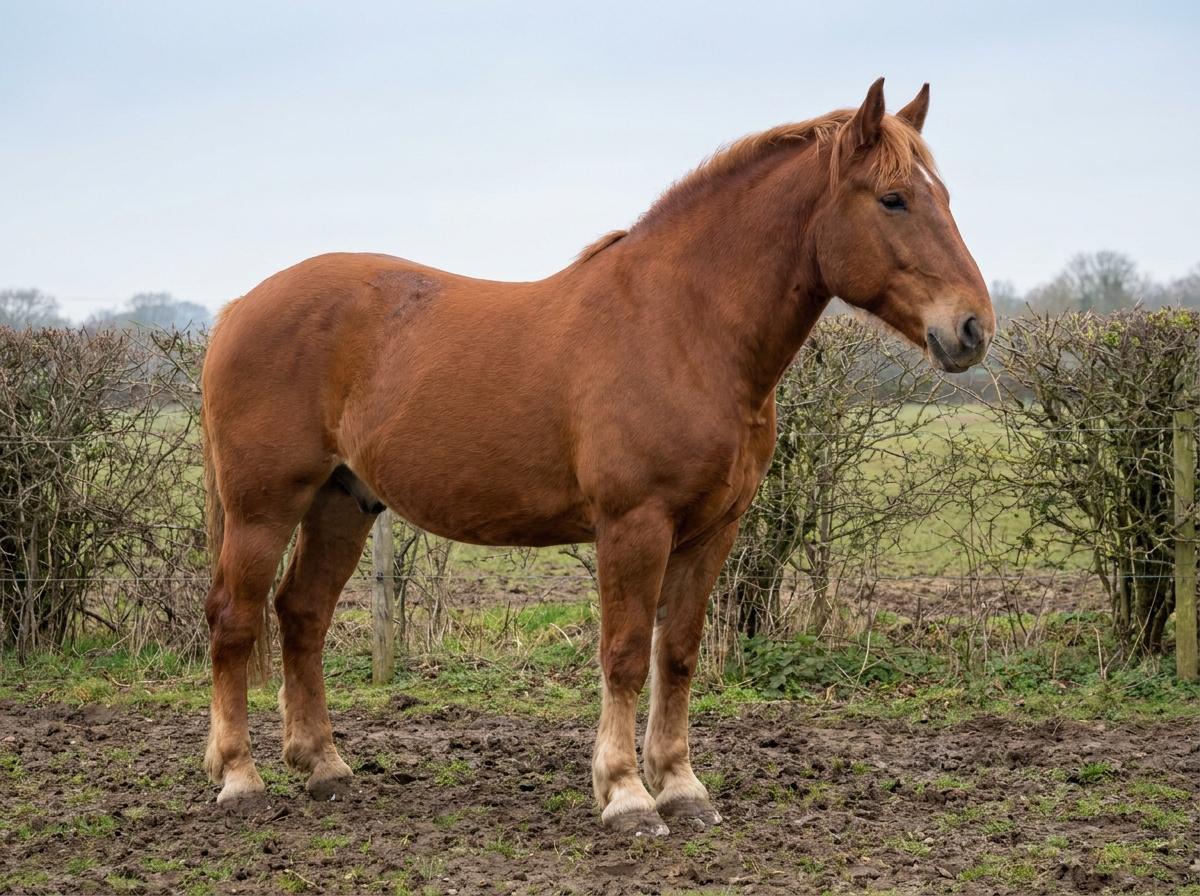
The Rhenish German coldblood, known in German as the Rheinisch-Deutsches Kaltblut, is a heavy draft horse from western Germany, especially the Rhineland and nearby breeding areas. It developed in the nineteenth and early twentieth centuries from local mares crossed with Belgian, Ardennes, and related heavy horses to produce a strong agricultural worker. Typical animals are broad, deep-bodied, and heavily muscled, with short powerful legs, some feather, and a calm expression; chestnut and bay are common, but regional studbooks record several solid colors.
Mechanization sharply reduced numbers, yet the breed remains useful for forestry, farm demonstrations, wagon driving, brewery hitches, and conservation work where a quiet draft horse can move through sensitive ground. Rhenish German coldbloods are economical keepers for their size, so feed has to match workload rather than appetite. Sound hooves, joint care, harness fit, and gradual conditioning are central for horses asked to pull. Breeding programs in Germany pay attention to type and genetic breadth because many old coldblood lines now exist in relatively small populations.
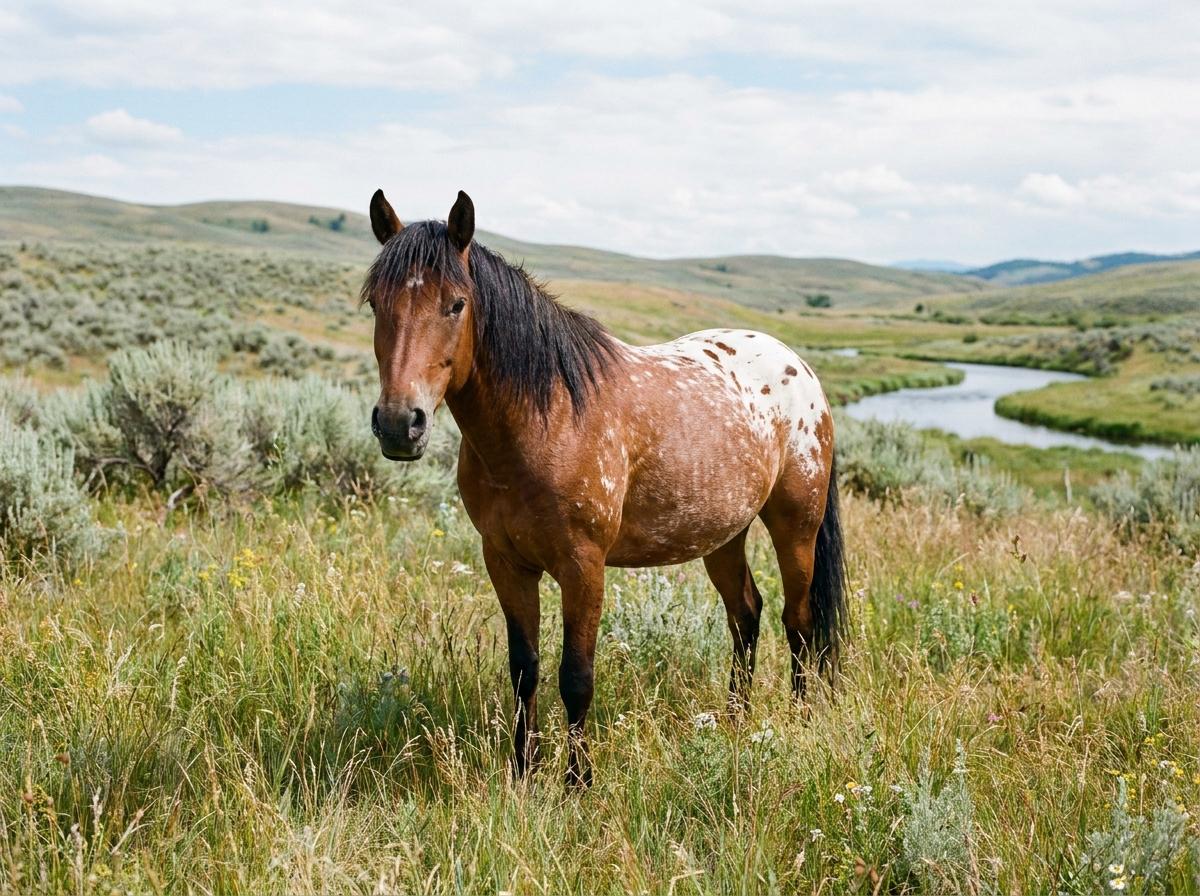
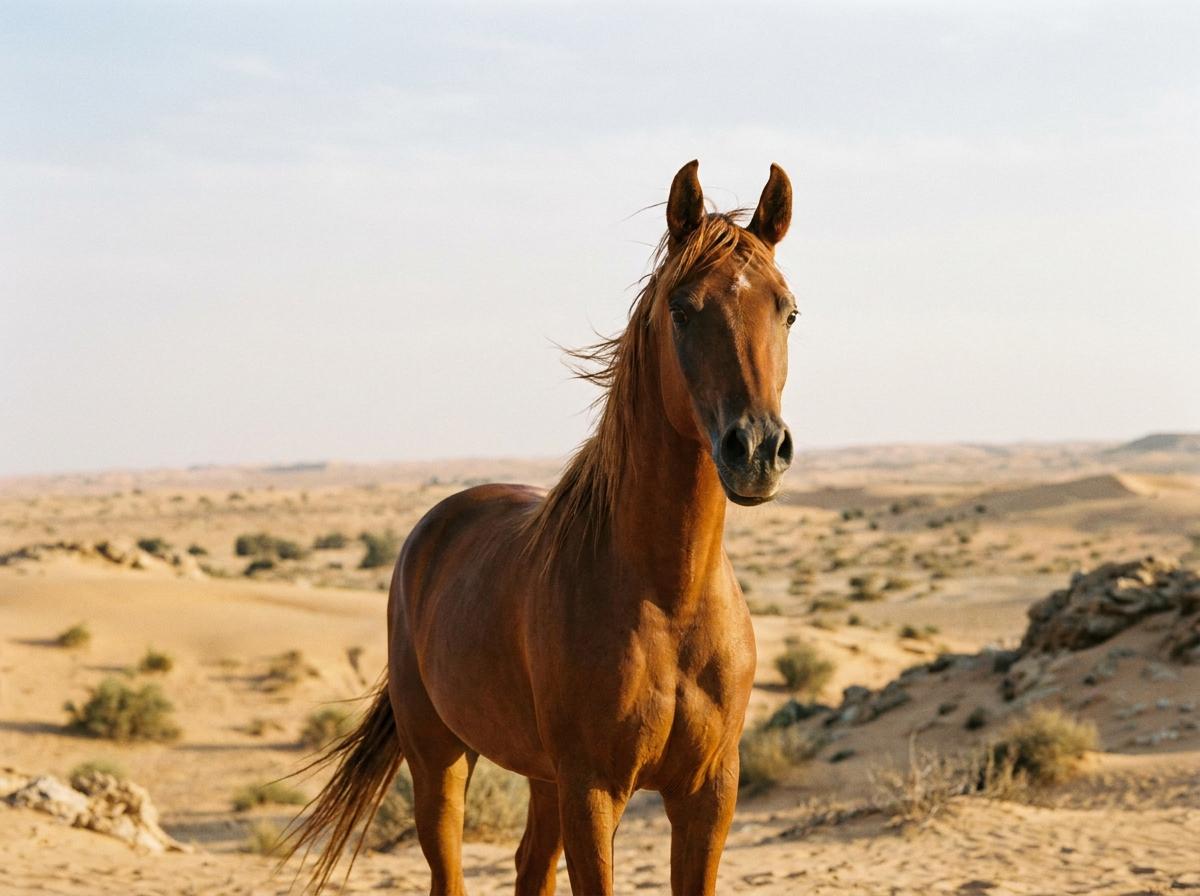
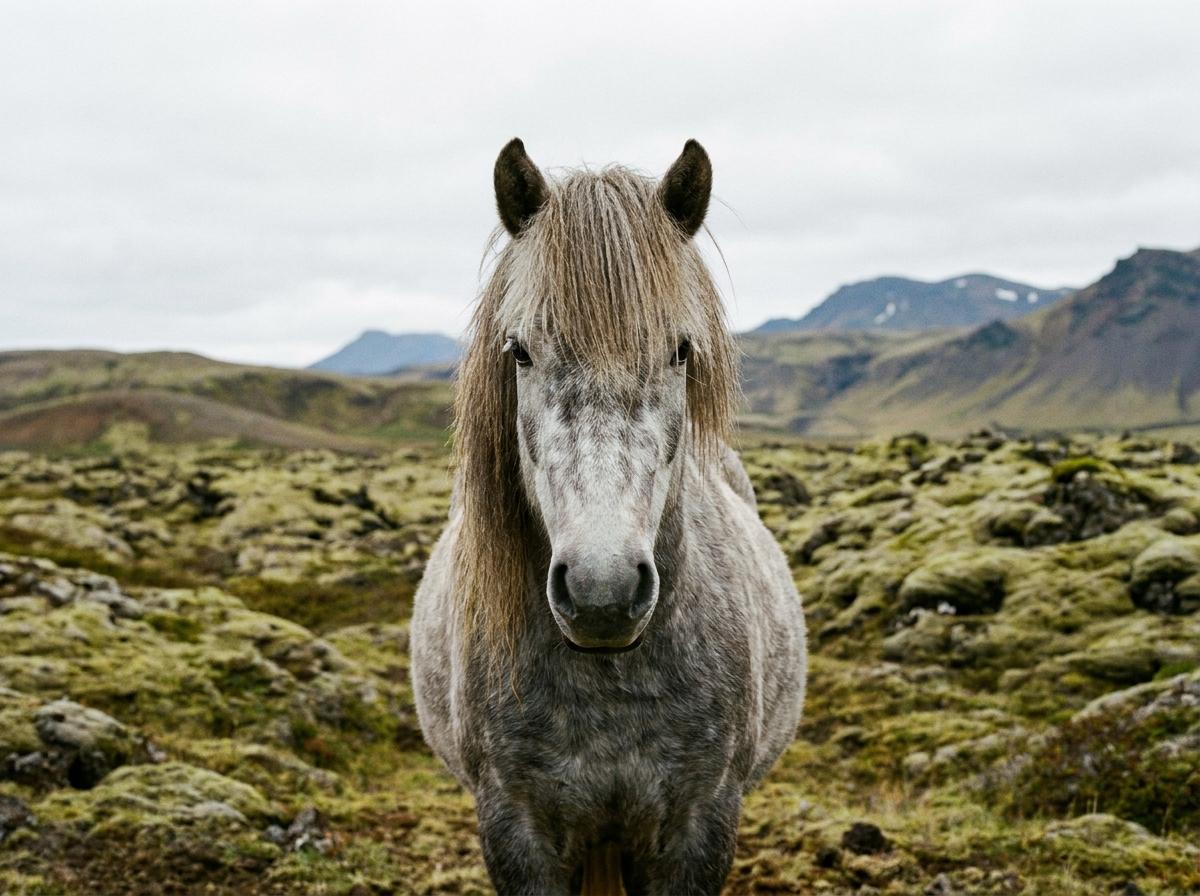
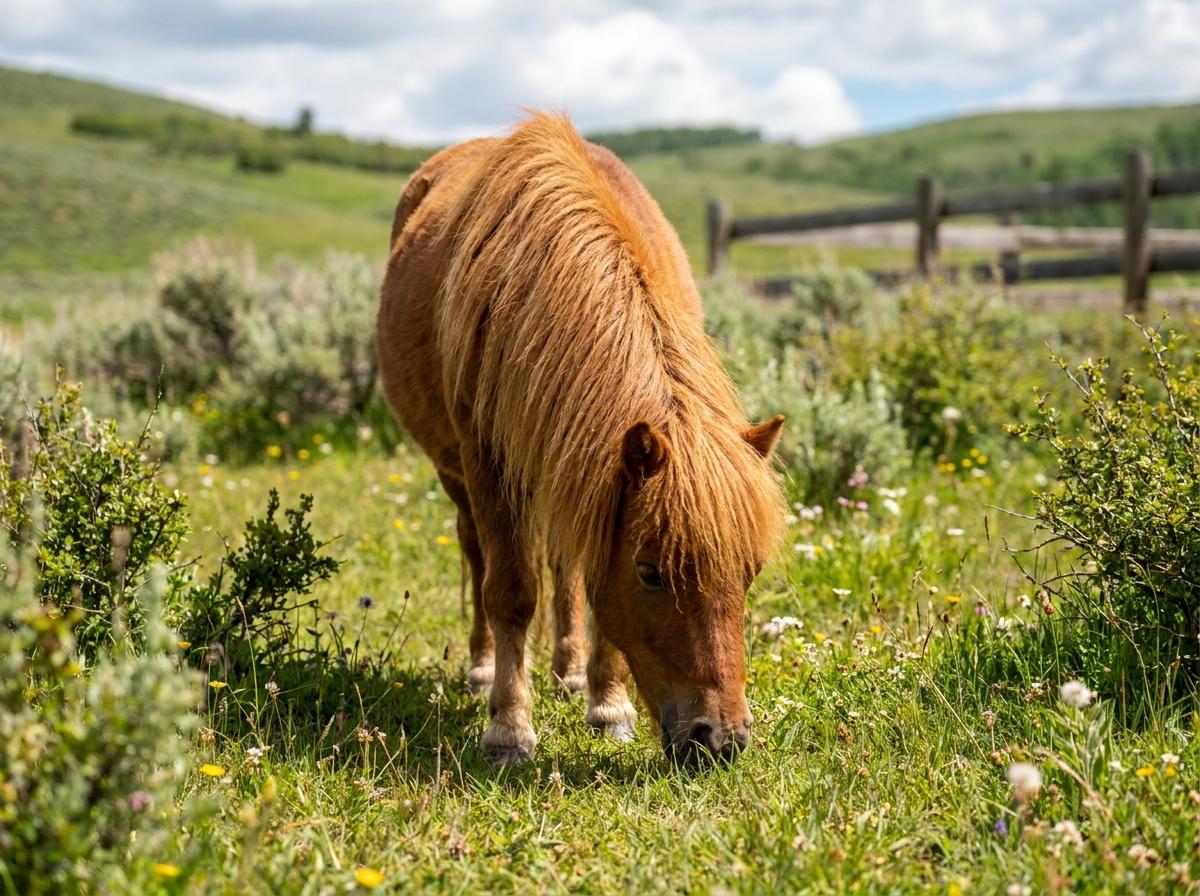
Colors: Amber Champagne, Bay, Bay Dun, Bay Roan, Black, Blanket Appaloosa, Blue Roan, Brown, Buckskin, Champagne, Chestnut, Classic Champagne, Cremello, Dun, Dun Roan, Fewspot Appaloosa, Flaxen Chestnut, Frame Overo, Gold Champagne, Gray, Grey, Grullo, Leopard Appaloosa, Liver Chestnut, Overo, Palomino, Perlino, Piebald, Pinto, Rabicano, Red Dun, Red Roan, Roan, Sabino, Seal Bay, Silver Dapple, Skewbald, Smoky Black, Smoky Cream, Snowcap Appaloosa, Sorrel, Splash White, Tobiano, Tovero, Varnish Roan, White