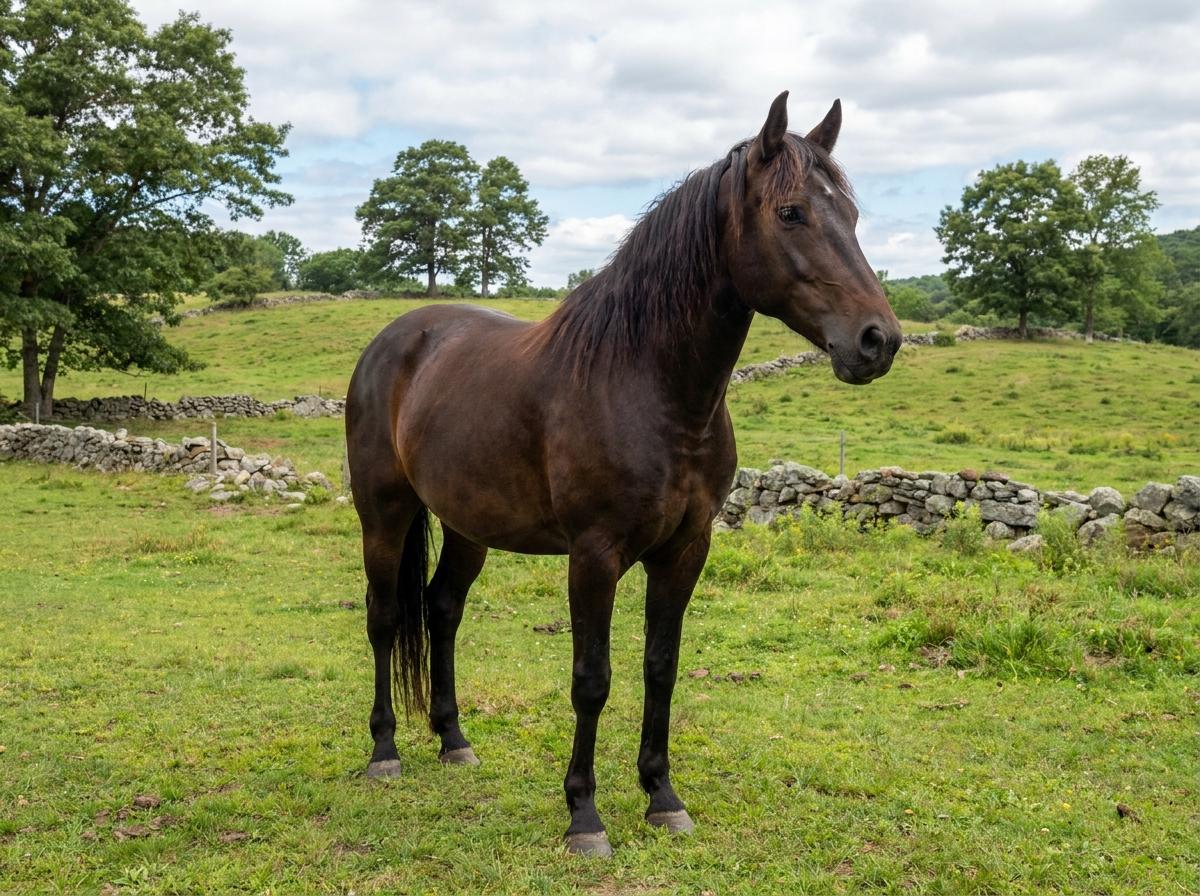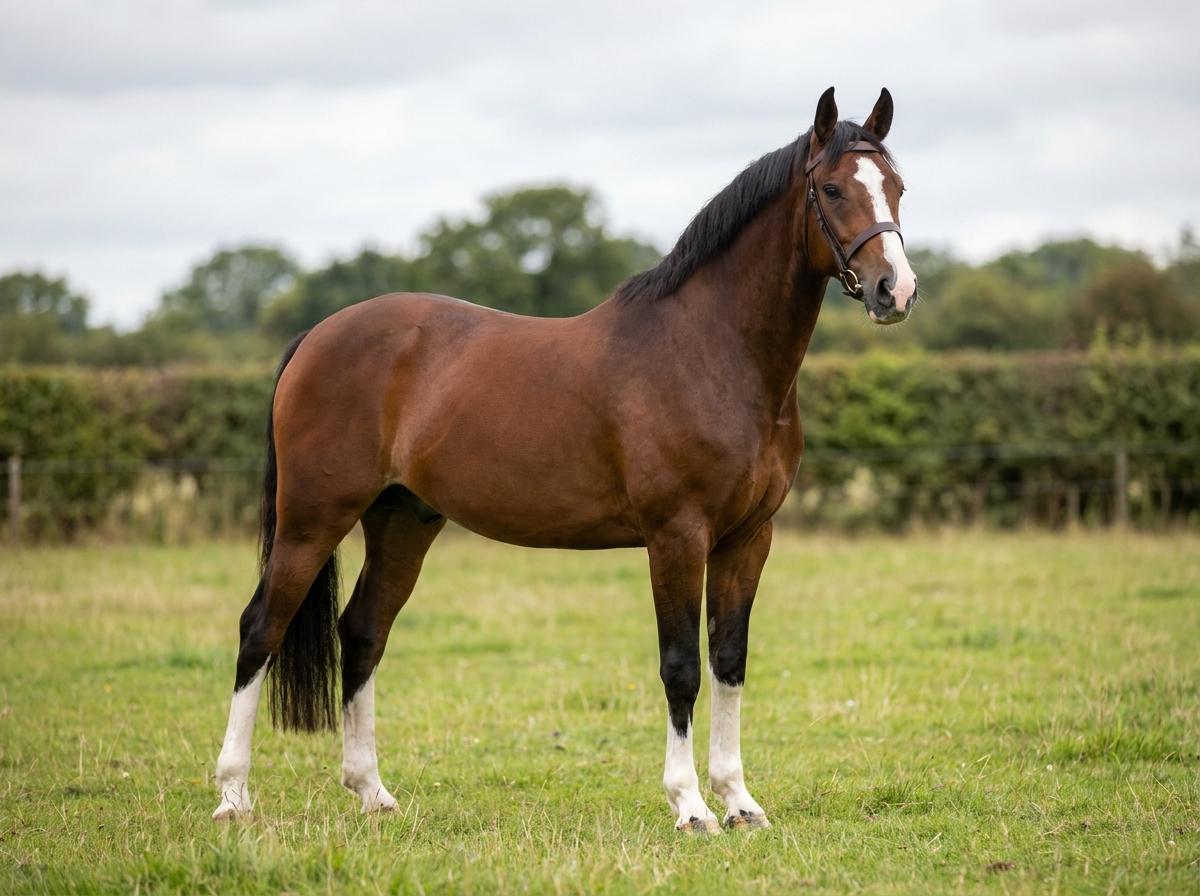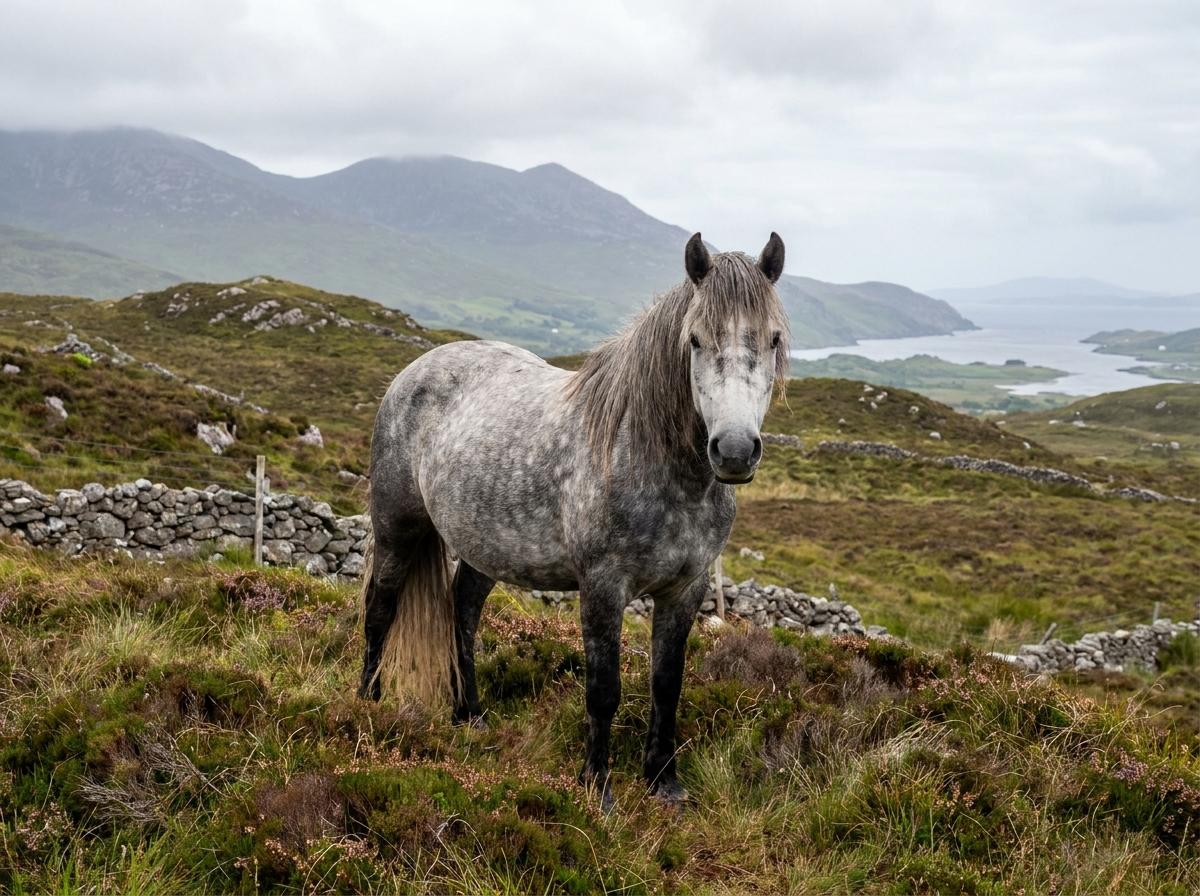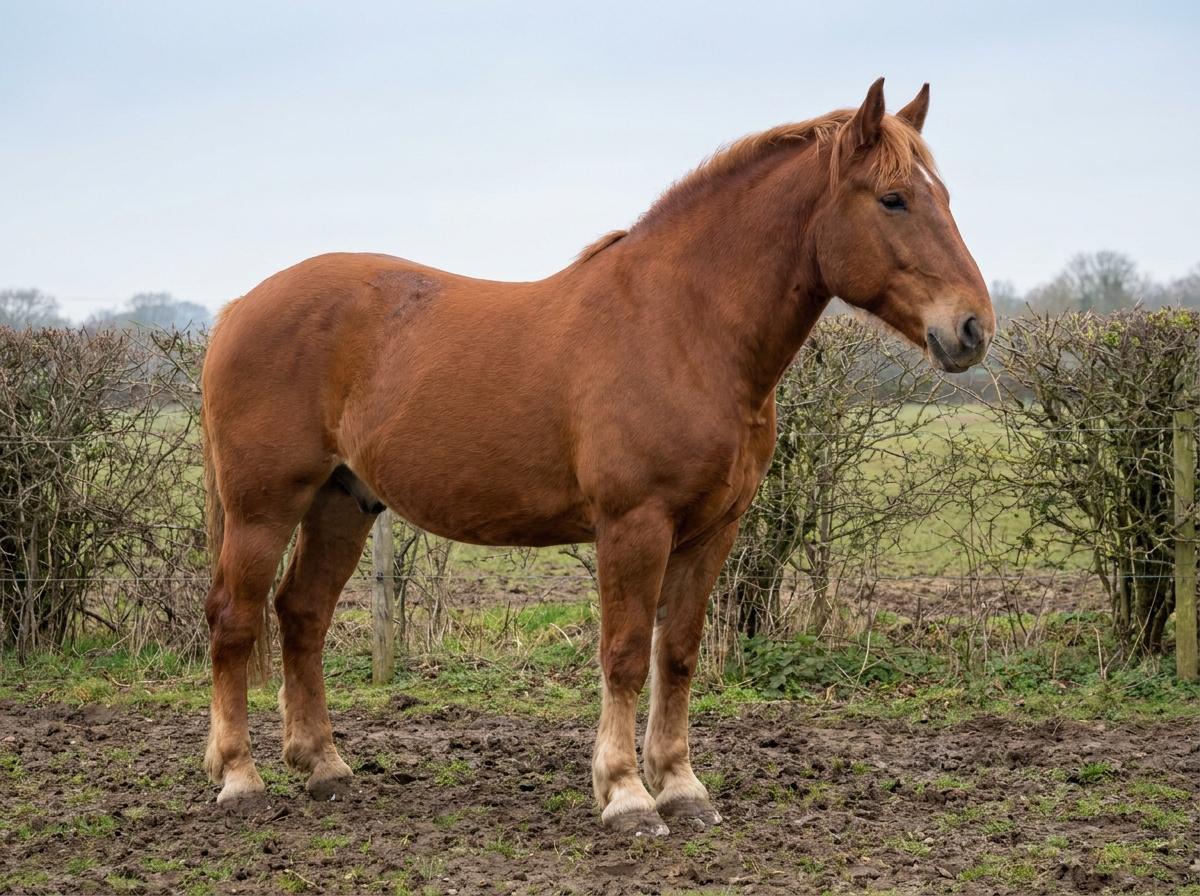




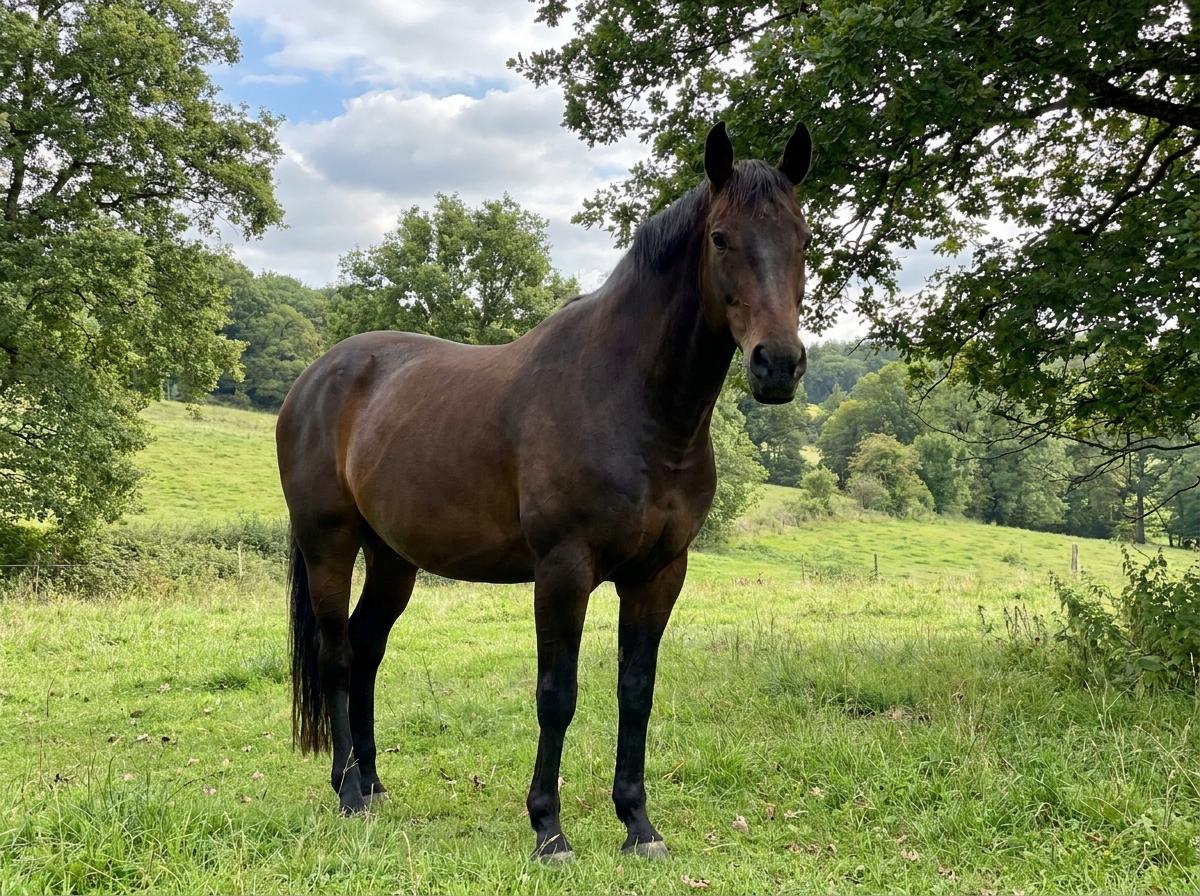
Rhinelander Horse
The Rhinelander Horse is a German warmblood associated with the Rhineland, bred for modern sport and riding use. Its background overlaps with the broader German warmblood system, where regional mare bases were refined with Thoroughbred, Hanoverian, Trakehner, Westphalian, and other performance influences. Rhinelanders may be found in dressage, show jumping, eventing, and pleasure riding, with selection centered on athletic movement, rideability, and correct conformation rather than a single fixed color or body style.
For owners, a Rhinelander should be approached as a sport horse first and a regional label second. Suitability depends on the horse's soundness, temperament, training history, and discipline strengths. Registry papers can help clarify breeding, but they do not replace a careful trial ride and veterinary exam. Management is typical for large warmbloods: good turnout, consistent farriery, balanced feed, and progressive work that develops strength before demanding collection or jumping height. Breeding choices should preserve rideability and durability, not just expressive movement.
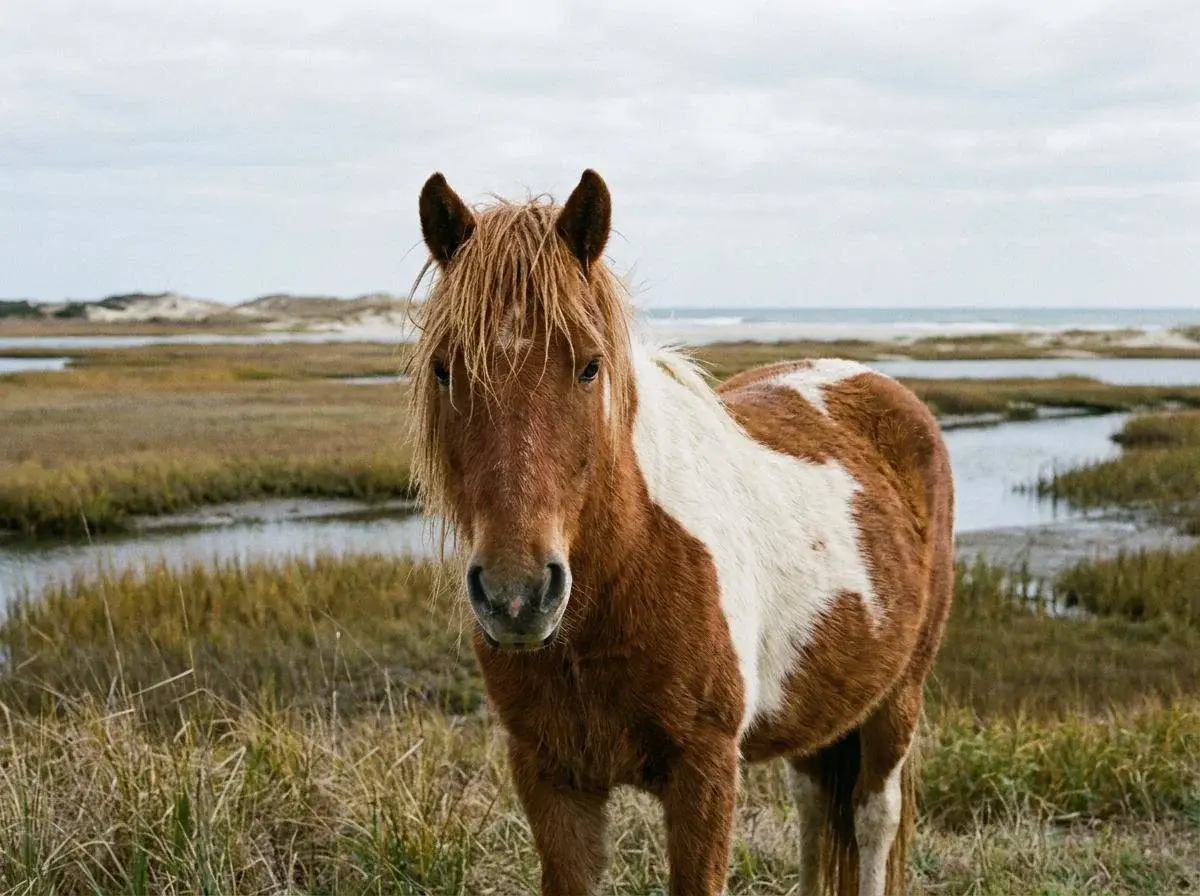
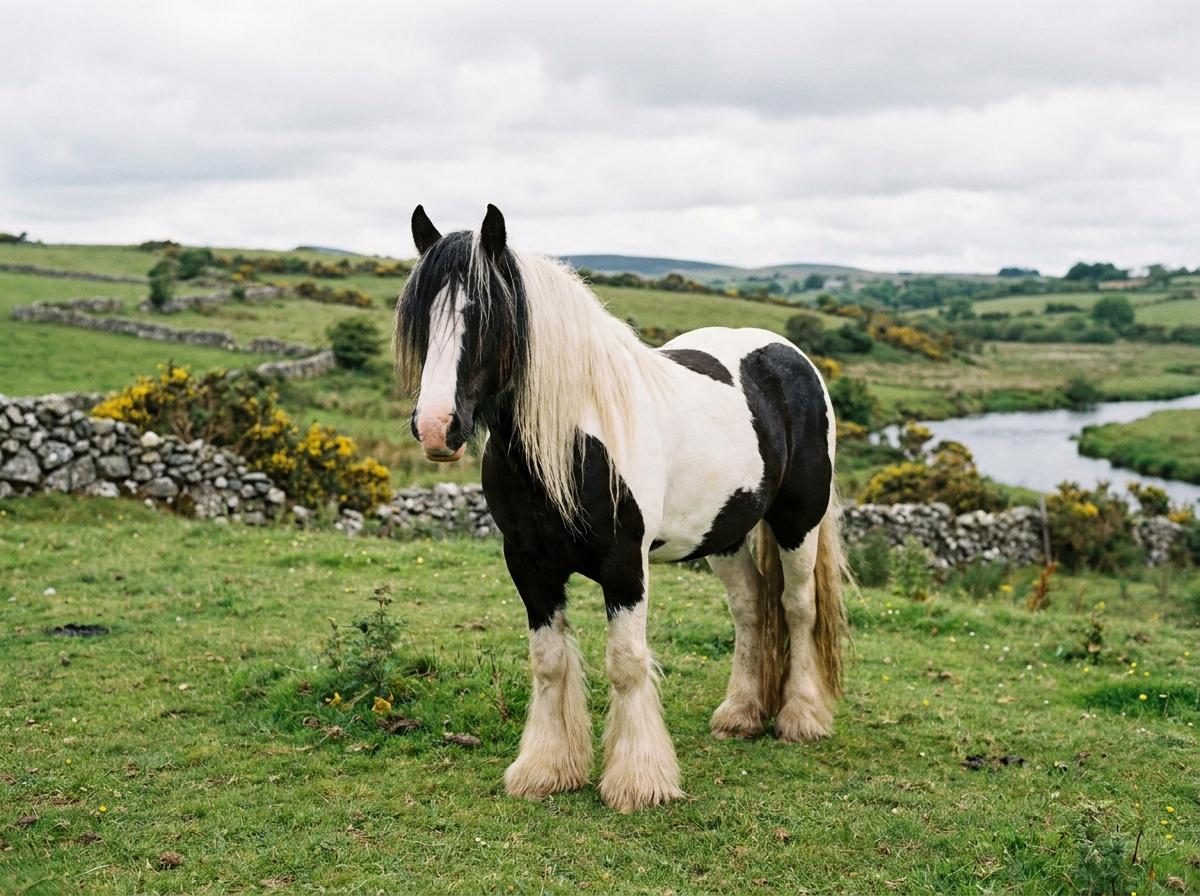
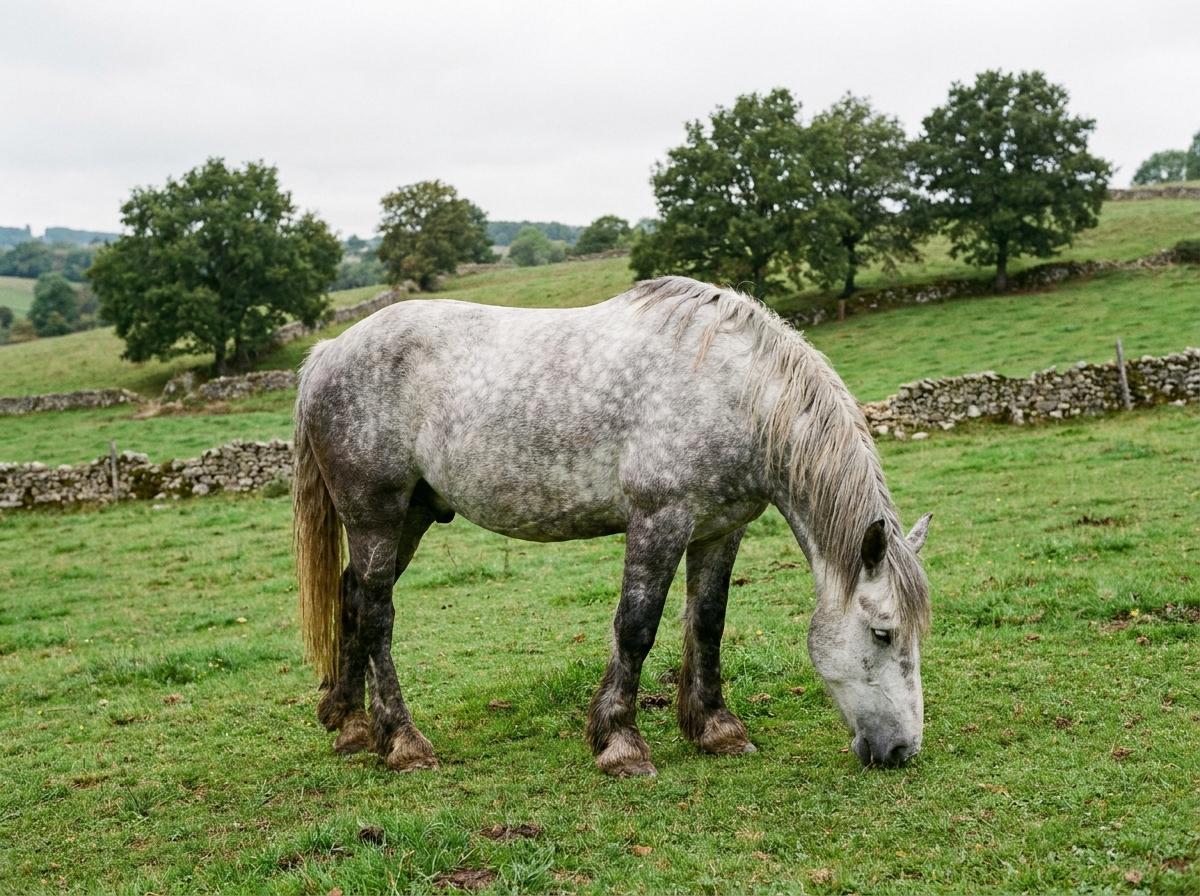
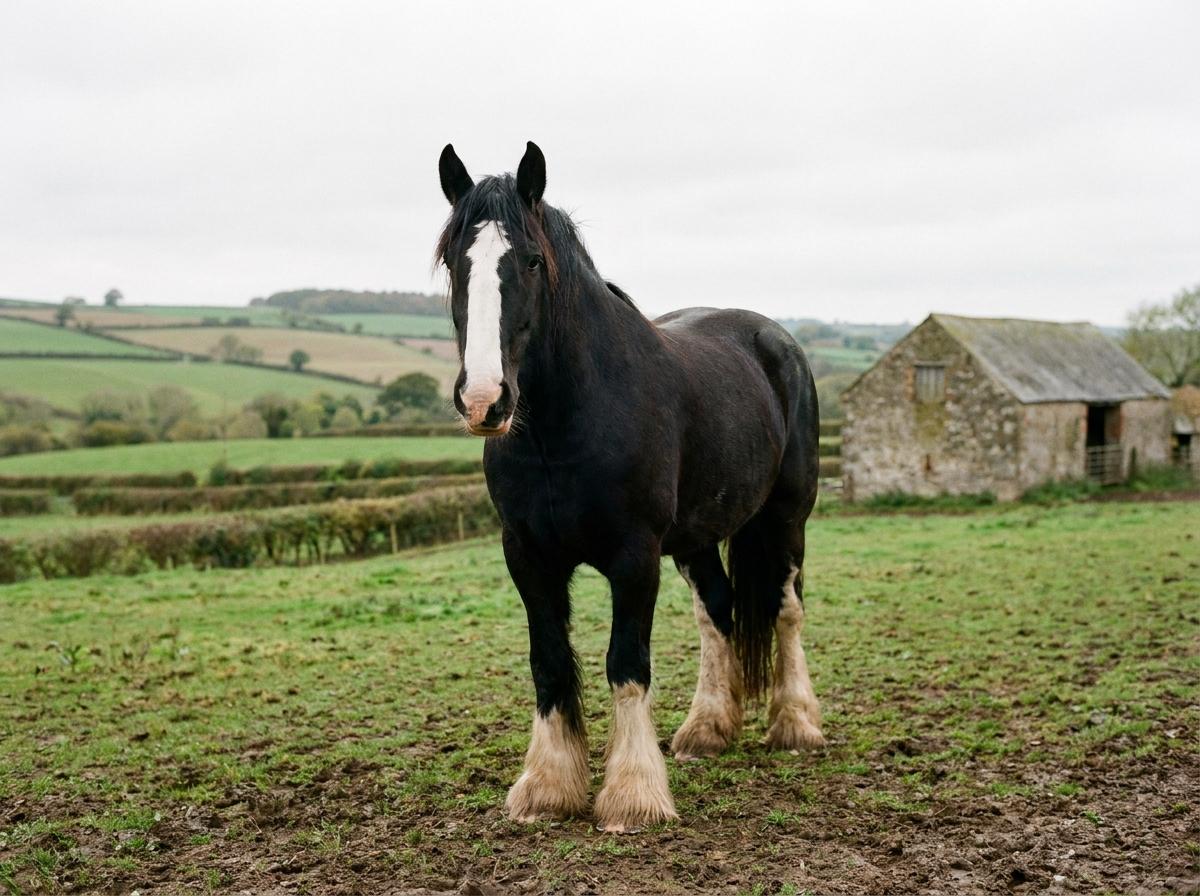
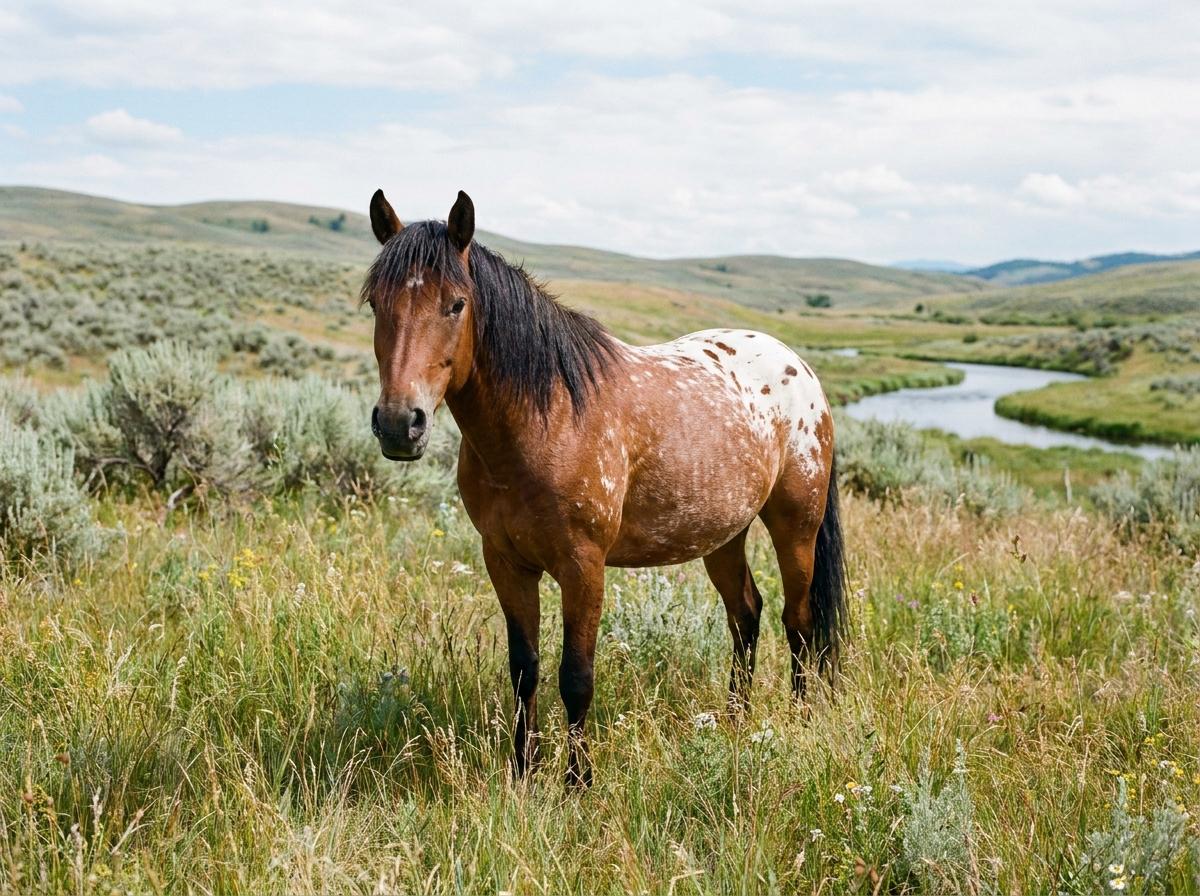
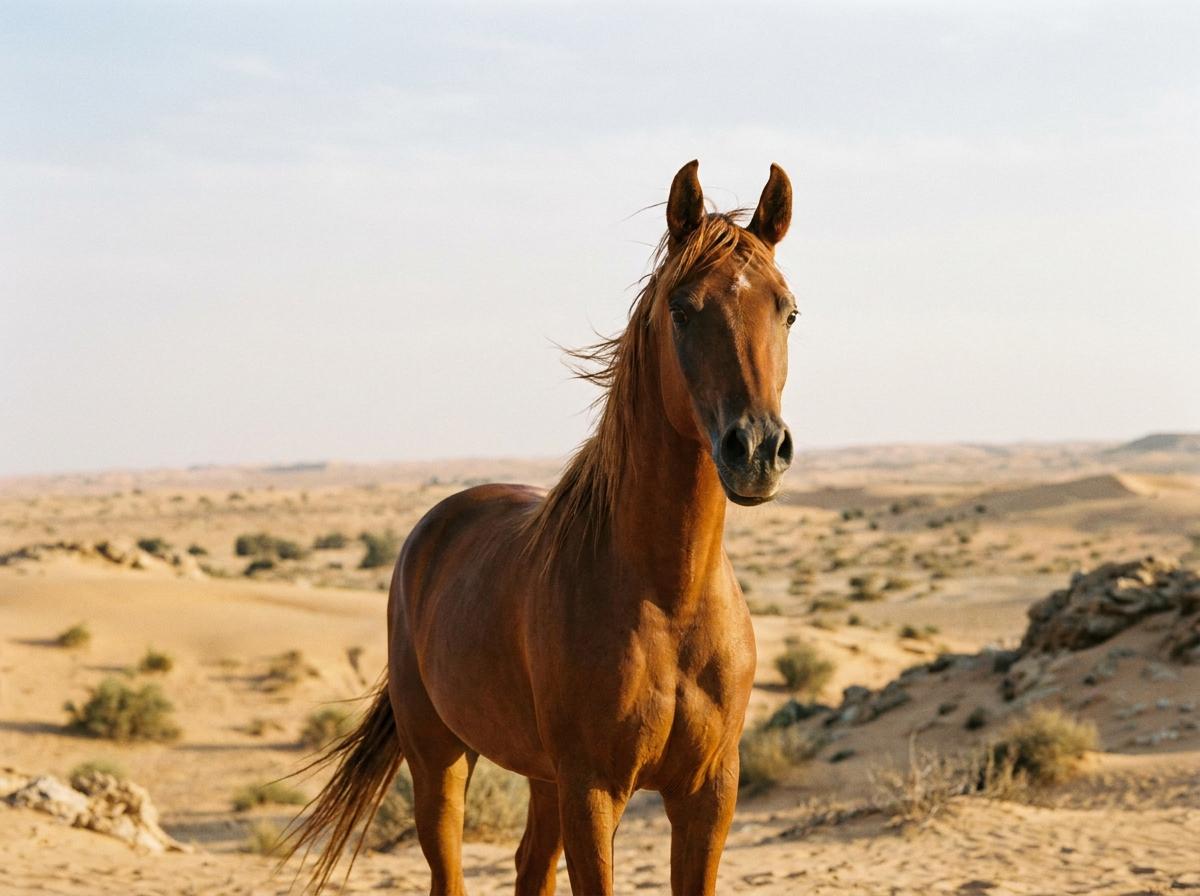
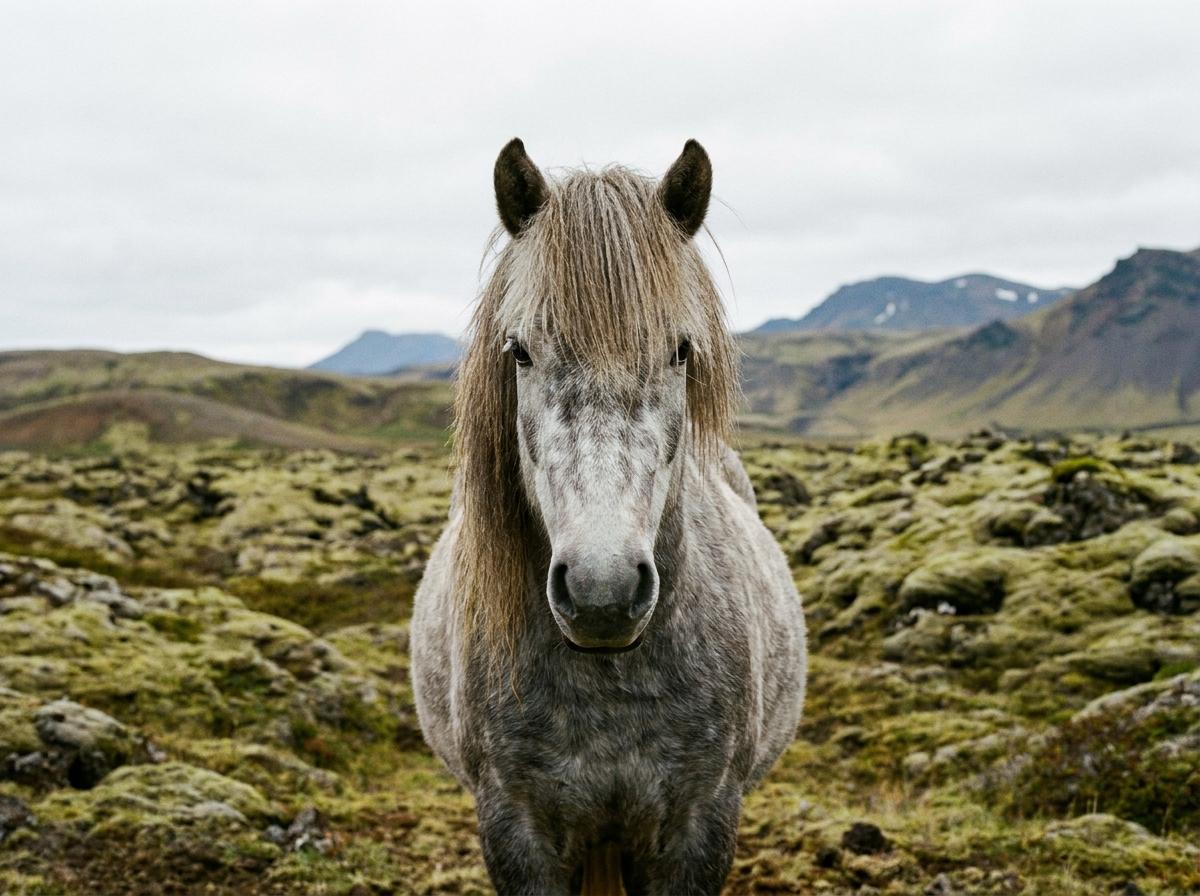
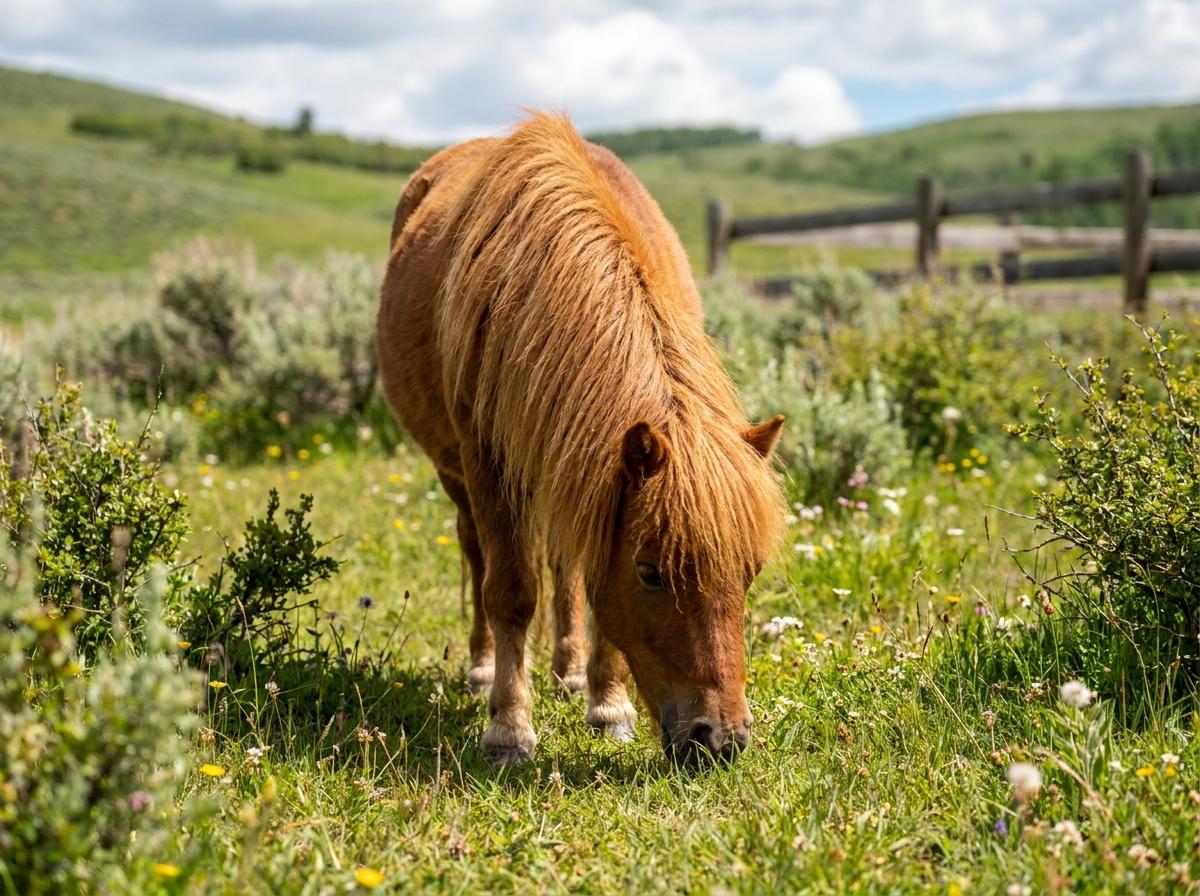
Colors: Amber Champagne, Bay, Bay Dun, Bay Roan, Black, Blanket Appaloosa, Blue Roan, Brown, Buckskin, Champagne, Chestnut, Classic Champagne, Cremello, Dun, Dun Roan, Fewspot Appaloosa, Flaxen Chestnut, Frame Overo, Gold Champagne, Gray, Grey, Grullo, Leopard Appaloosa, Liver Chestnut, Overo, Palomino, Perlino, Piebald, Pinto, Rabicano, Red Dun, Red Roan, Roan, Sabino, Seal Bay, Silver Dapple, Skewbald, Smoky Black, Smoky Cream, Snowcap Appaloosa, Sorrel, Splash White, Tobiano, Tovero, Varnish Roan, White