


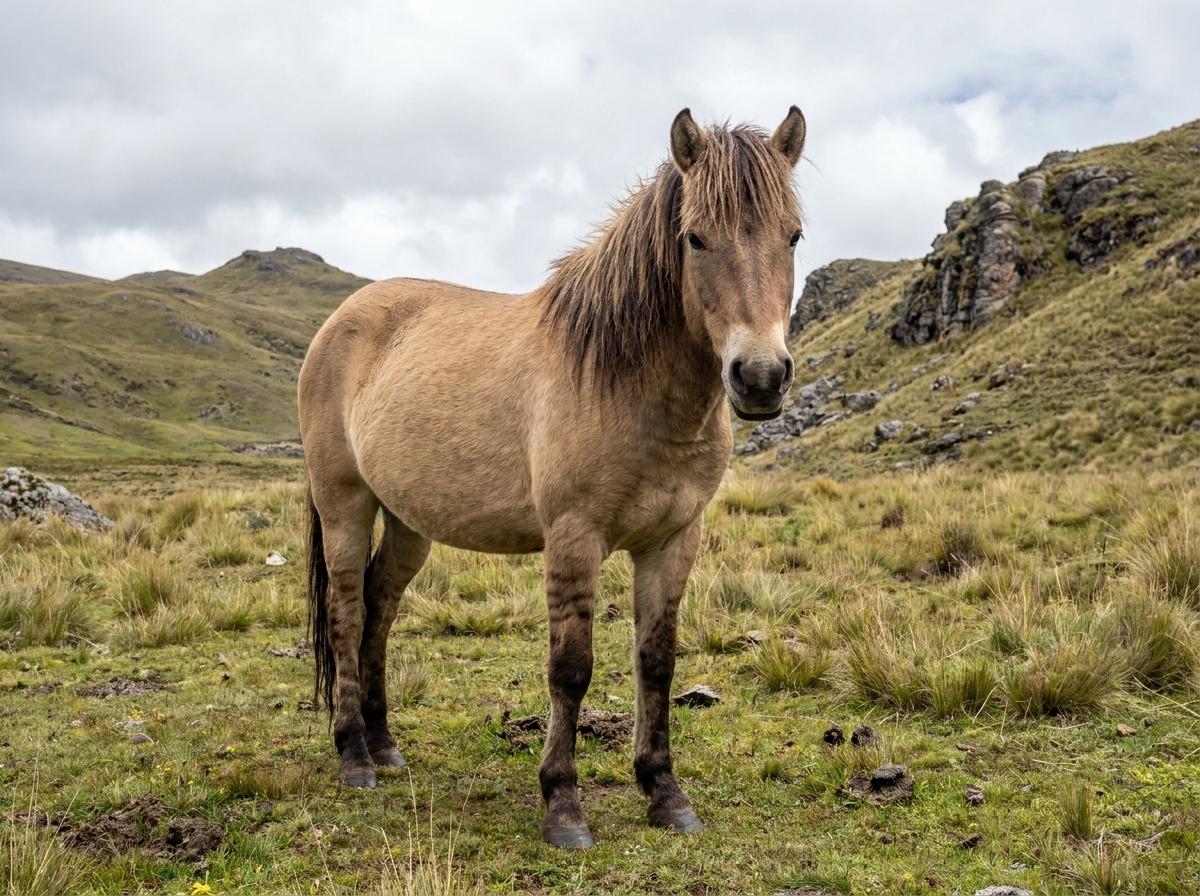
Riwoche Horse
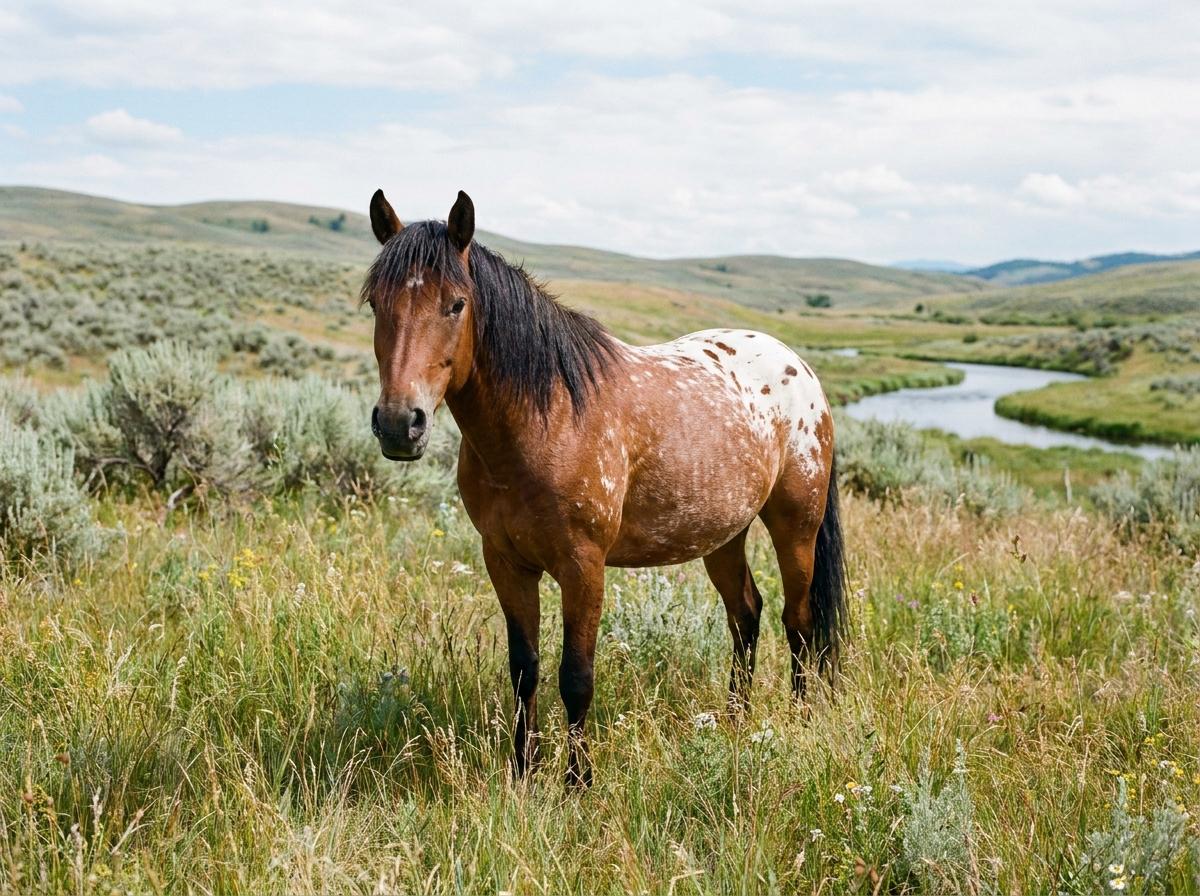
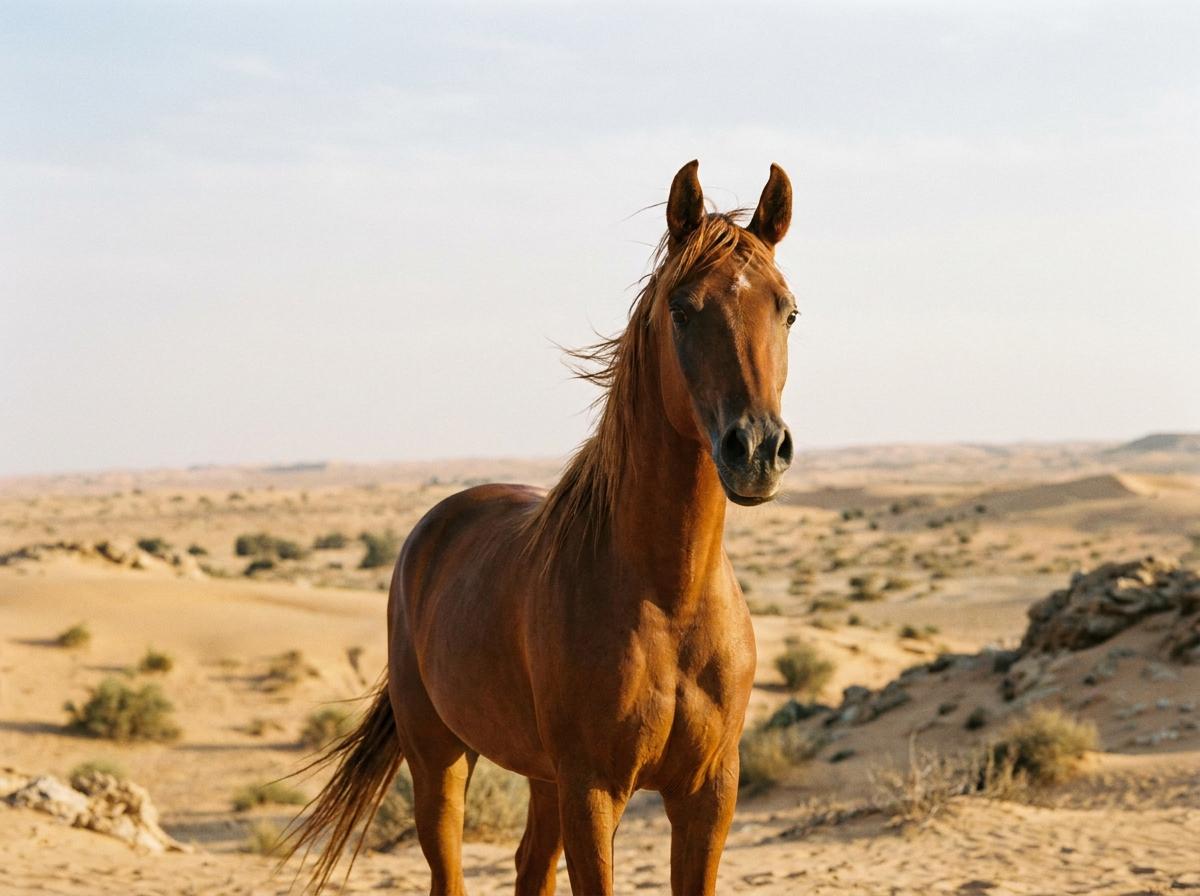
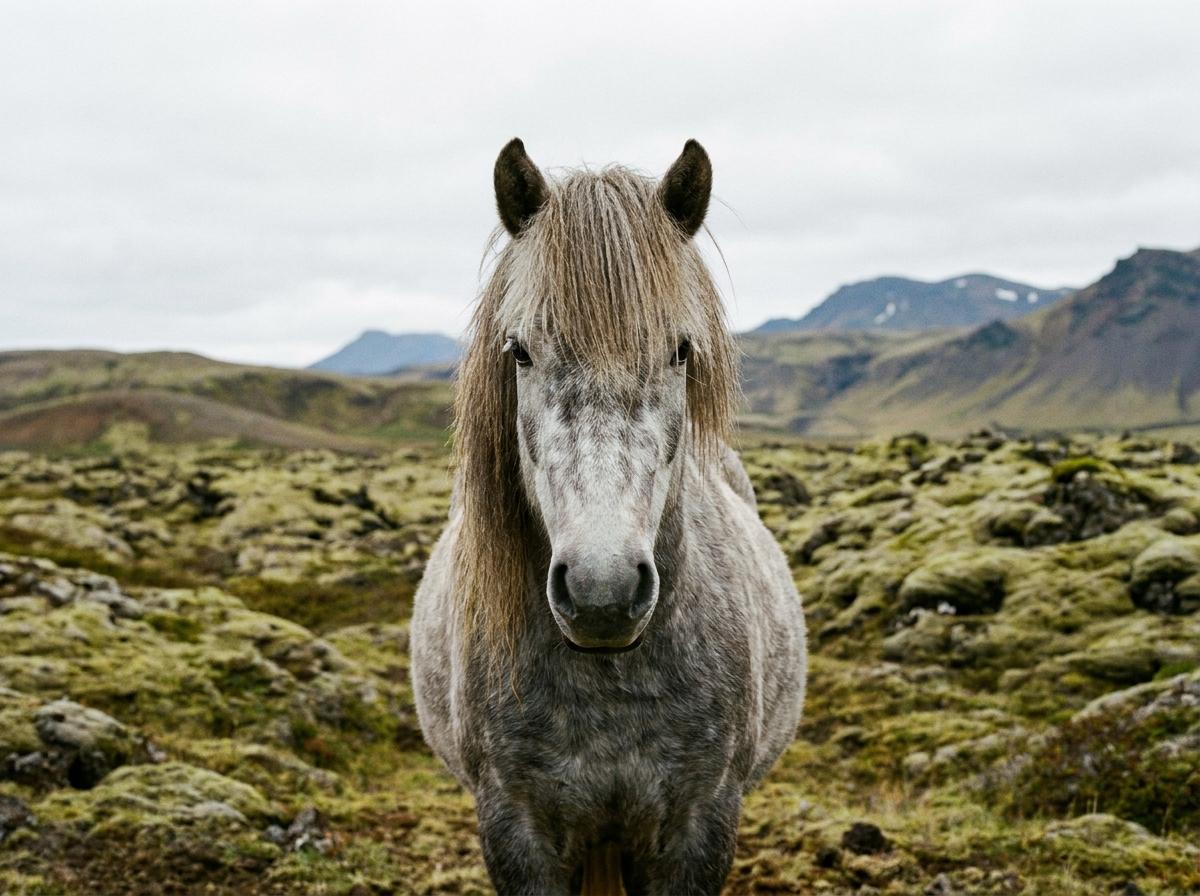
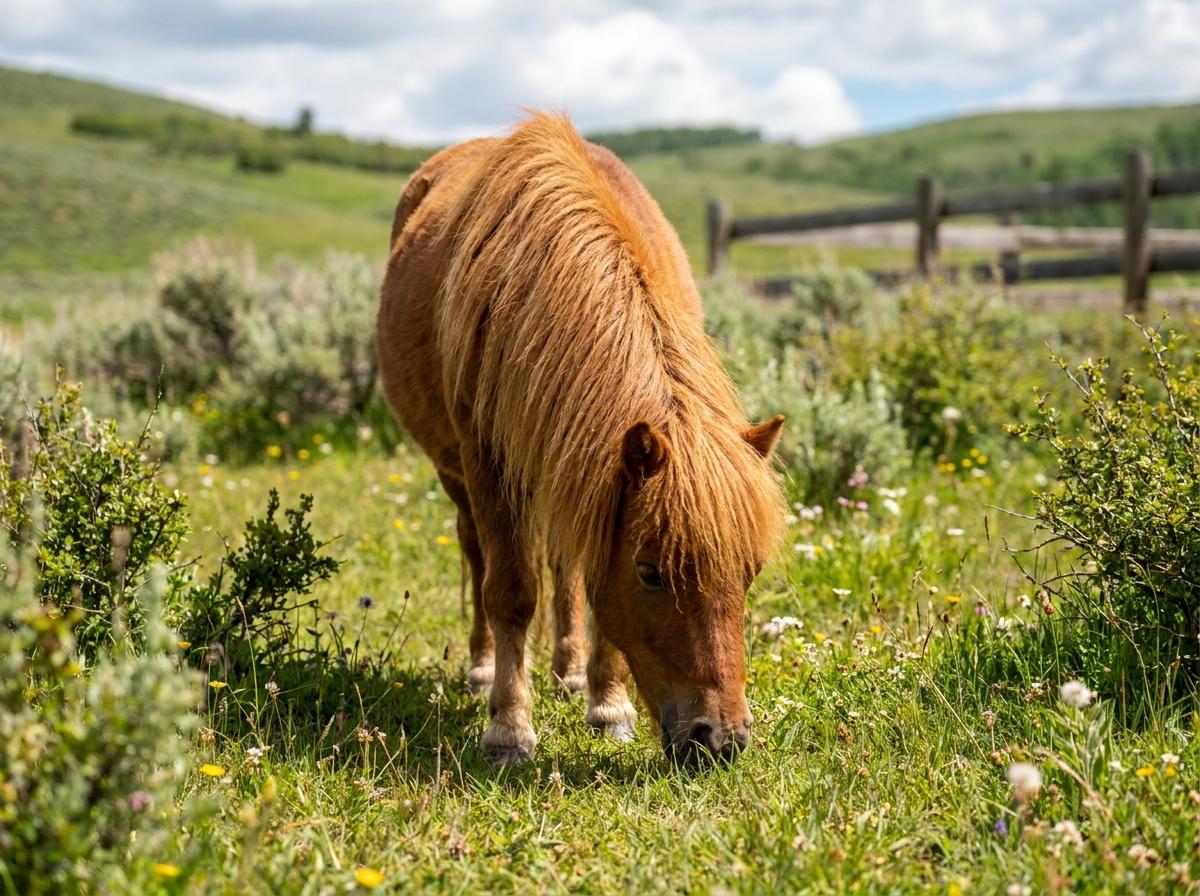
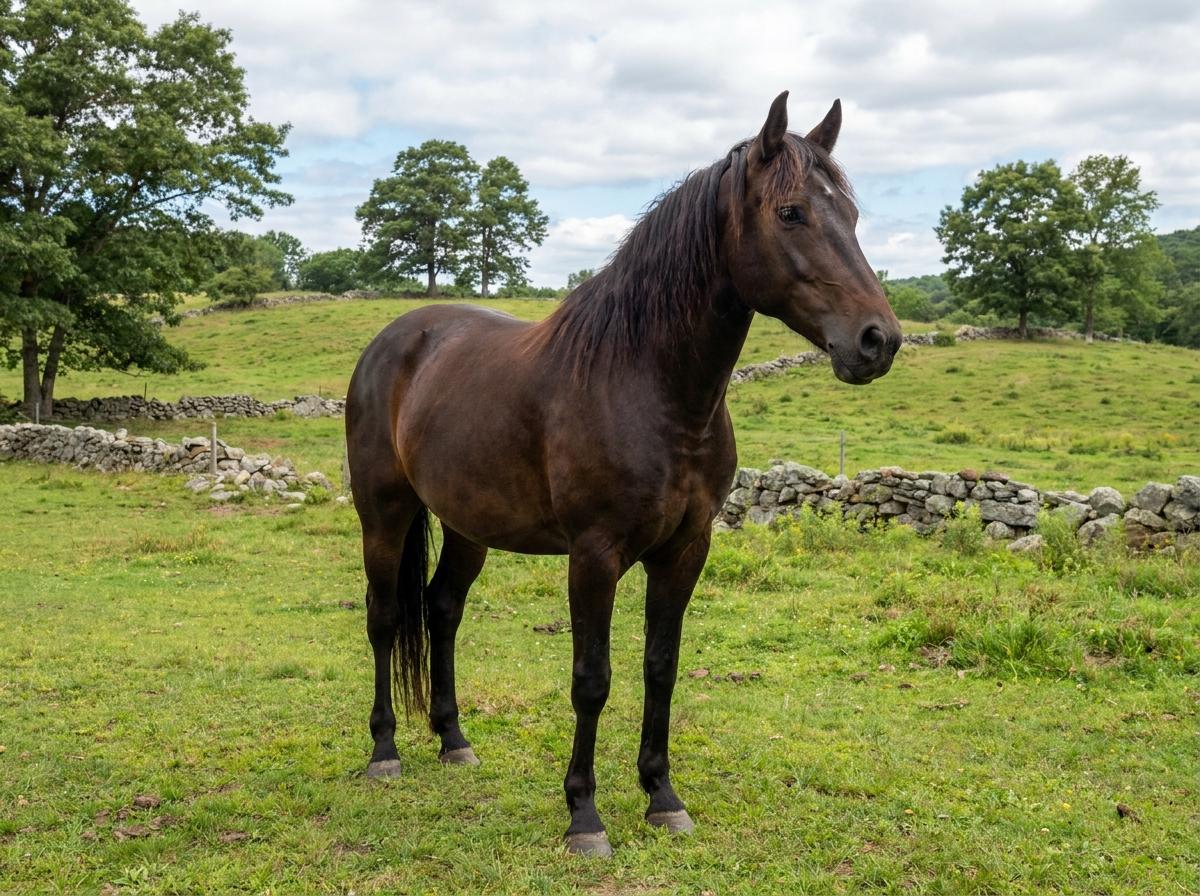
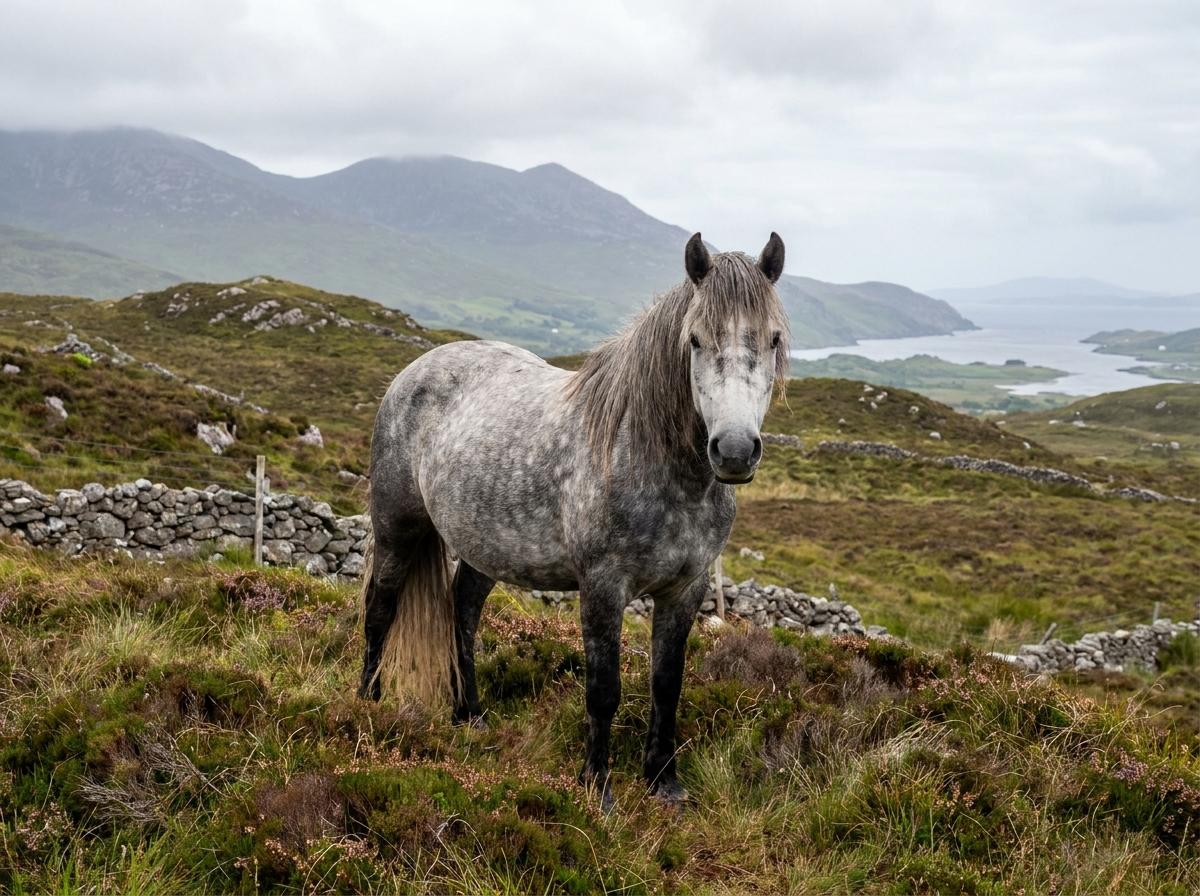
The Riwoche horse is a small, local horse type reported from Riwoche County in eastern Tibet, part of the high plateau horse culture of Kham. It became known outside the region in the late twentieth century because of its primitive appearance, often including a dun coat, dark dorsal stripe, upright mane, compact body, and short legs. Claims that it represents a direct survivor of ancient wild horses are not established; it is best treated as a remote Tibetan landrace shaped by altitude, rough grazing, and local selection.
In its home area, a Riwoche-type horse is used for riding, packing, and herding support rather than formal sport or show breeding. Management is traditional and low-input, with animals expected to handle cold, sparse forage, and steep ground. The type is rare in international records and is not a practical private-import breed for most owners. Documentation, genetic sampling, and respect for local herding communities are more relevant than commercial promotion, especially if conservation groups try to distinguish it from neighboring Tibetan horse populations.
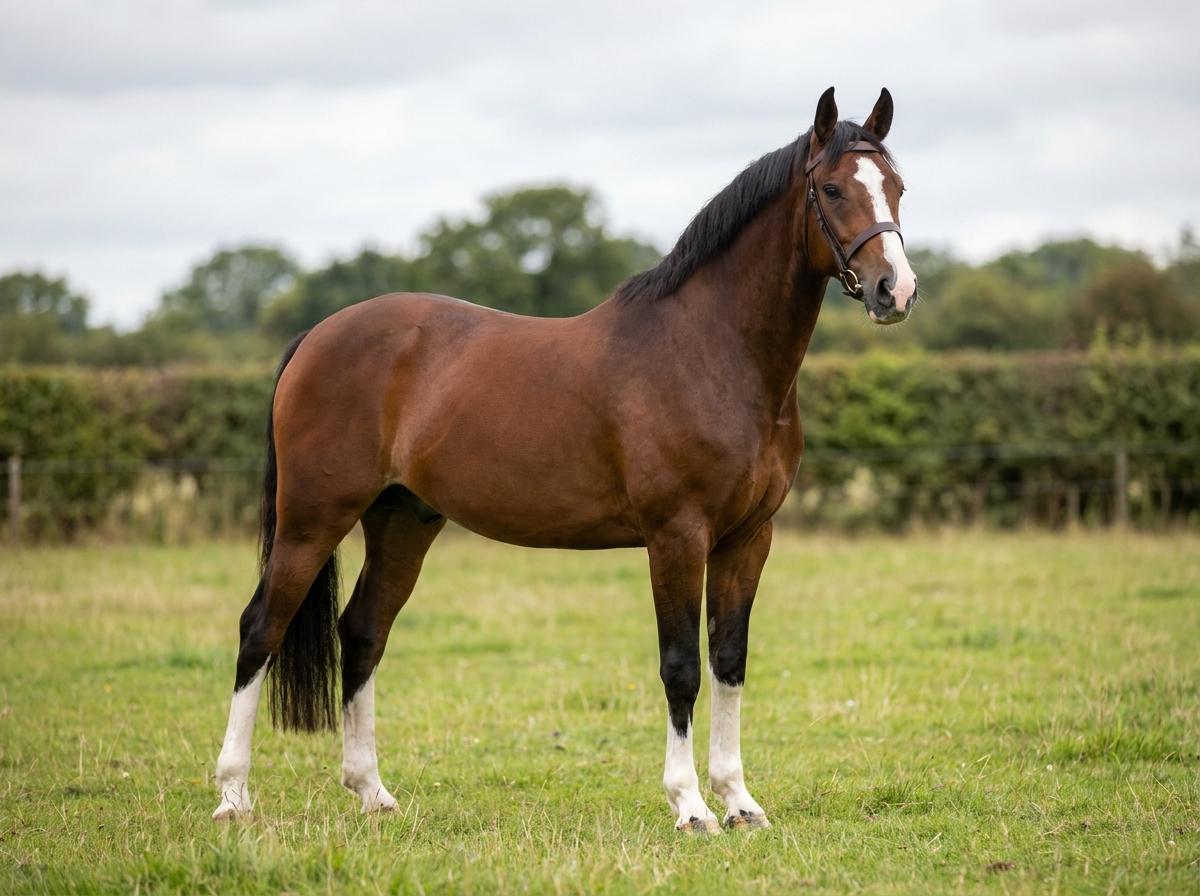
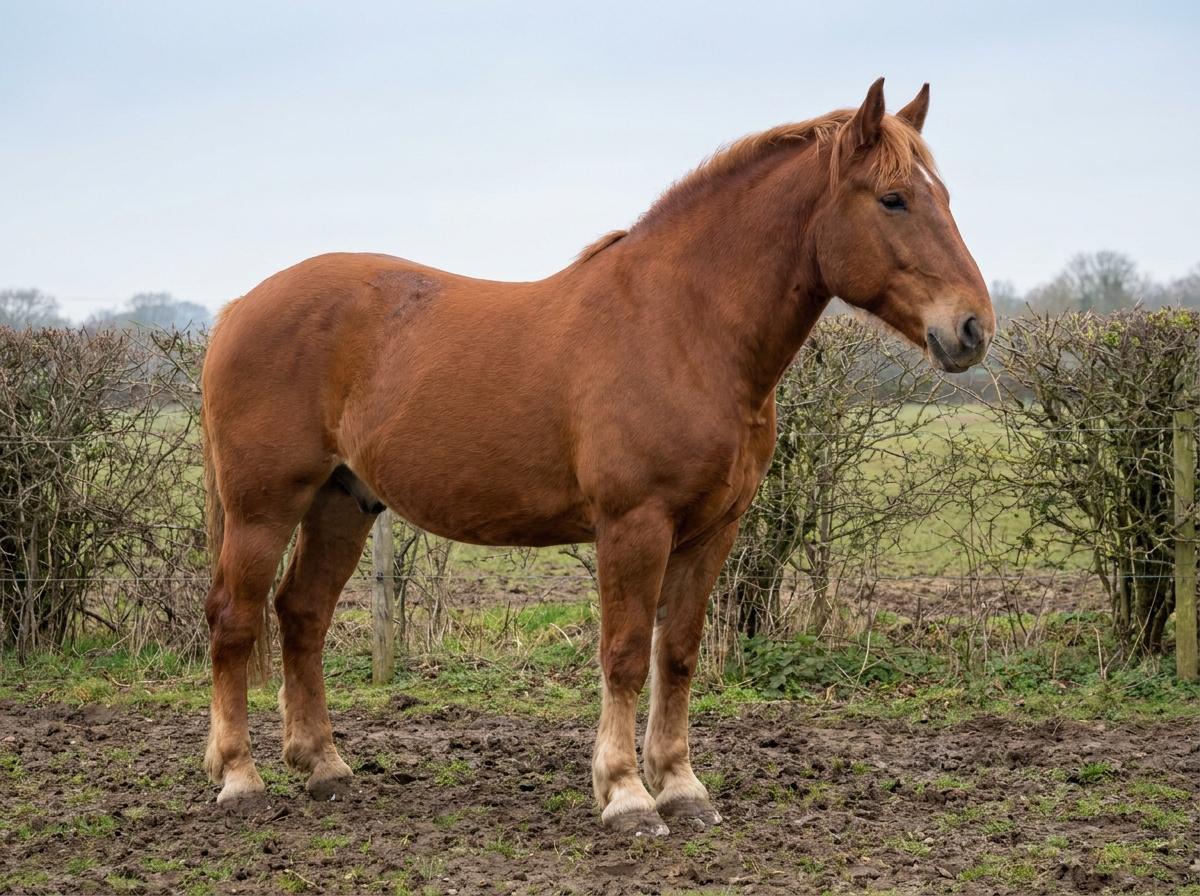
Colors: Amber Champagne, Bay, Bay Dun, Bay Roan, Black, Blanket Appaloosa, Blue Roan, Brown, Buckskin, Champagne, Chestnut, Classic Champagne, Cremello, Dun, Dun Roan, Fewspot Appaloosa, Flaxen Chestnut, Frame Overo, Gold Champagne, Gray, Grey, Grullo, Leopard Appaloosa, Liver Chestnut, Overo, Palomino, Perlino, Piebald, Pinto, Rabicano, Red Dun, Red Roan, Roan, Sabino, Seal Bay, Silver Dapple, Skewbald, Smoky Black, Smoky Cream, Snowcap Appaloosa, Sorrel, Splash White, Tobiano, Tovero, Varnish Roan, White