




Rouncey
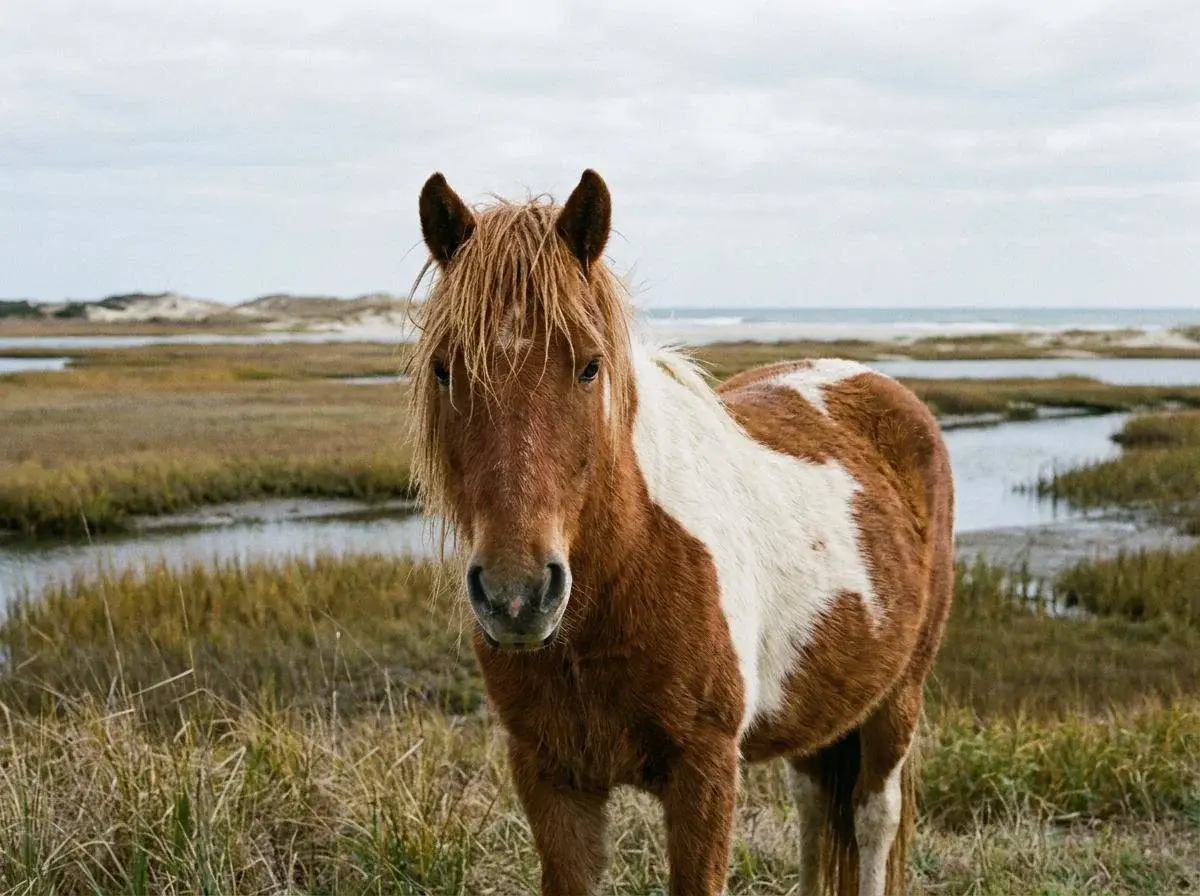
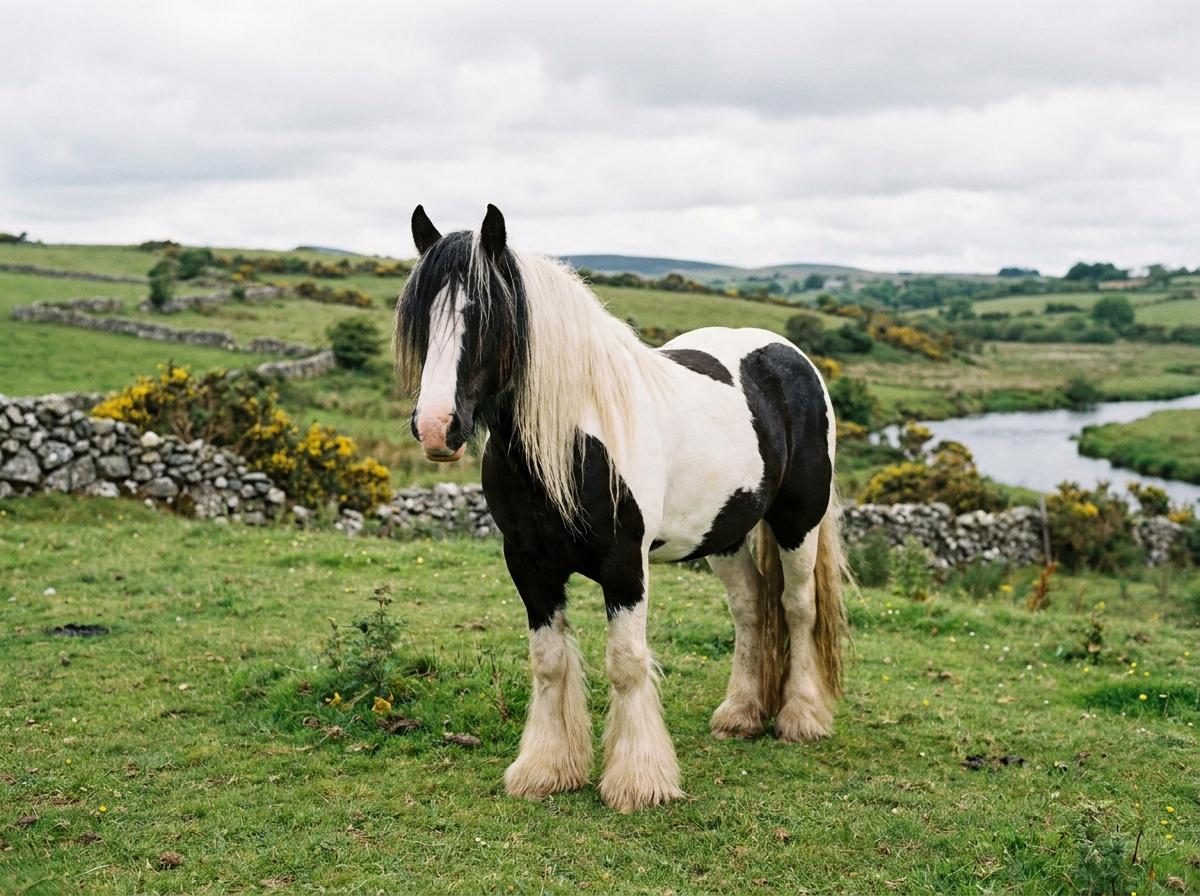
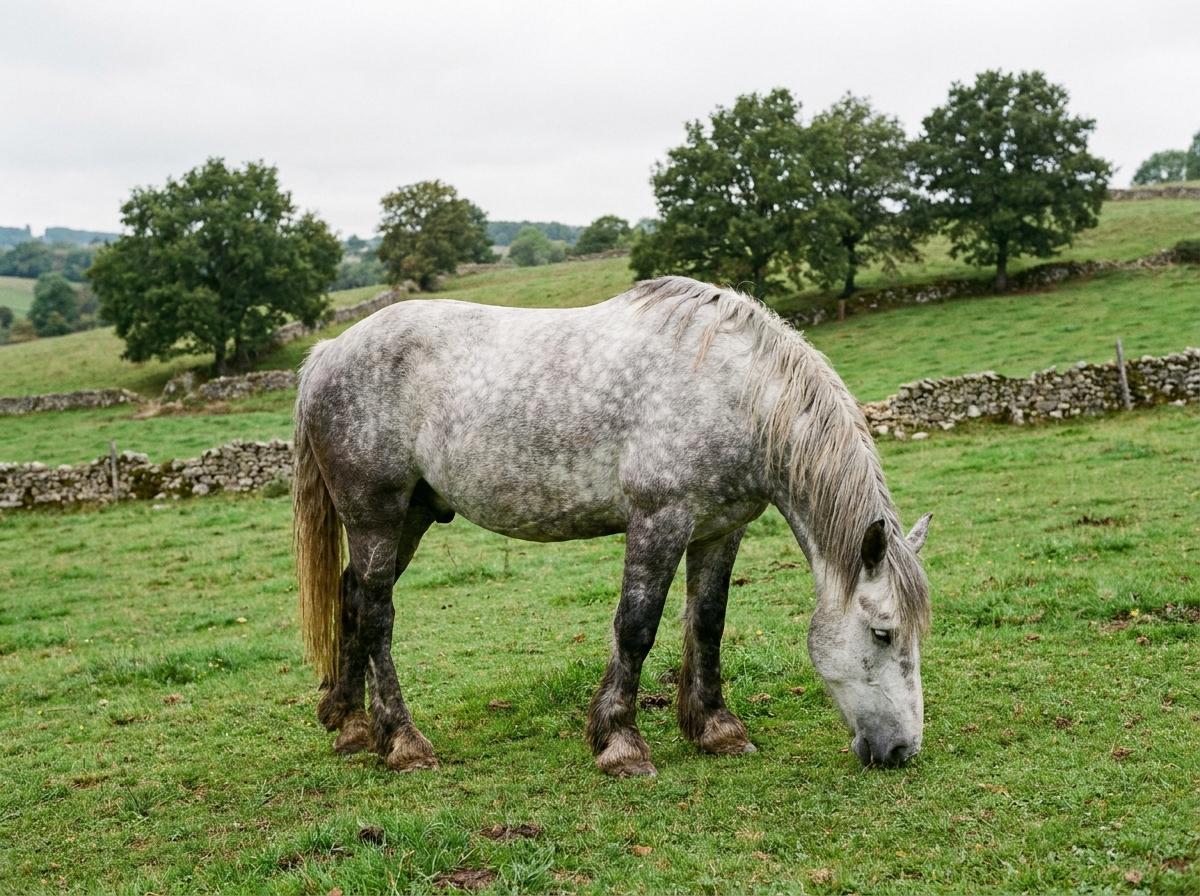
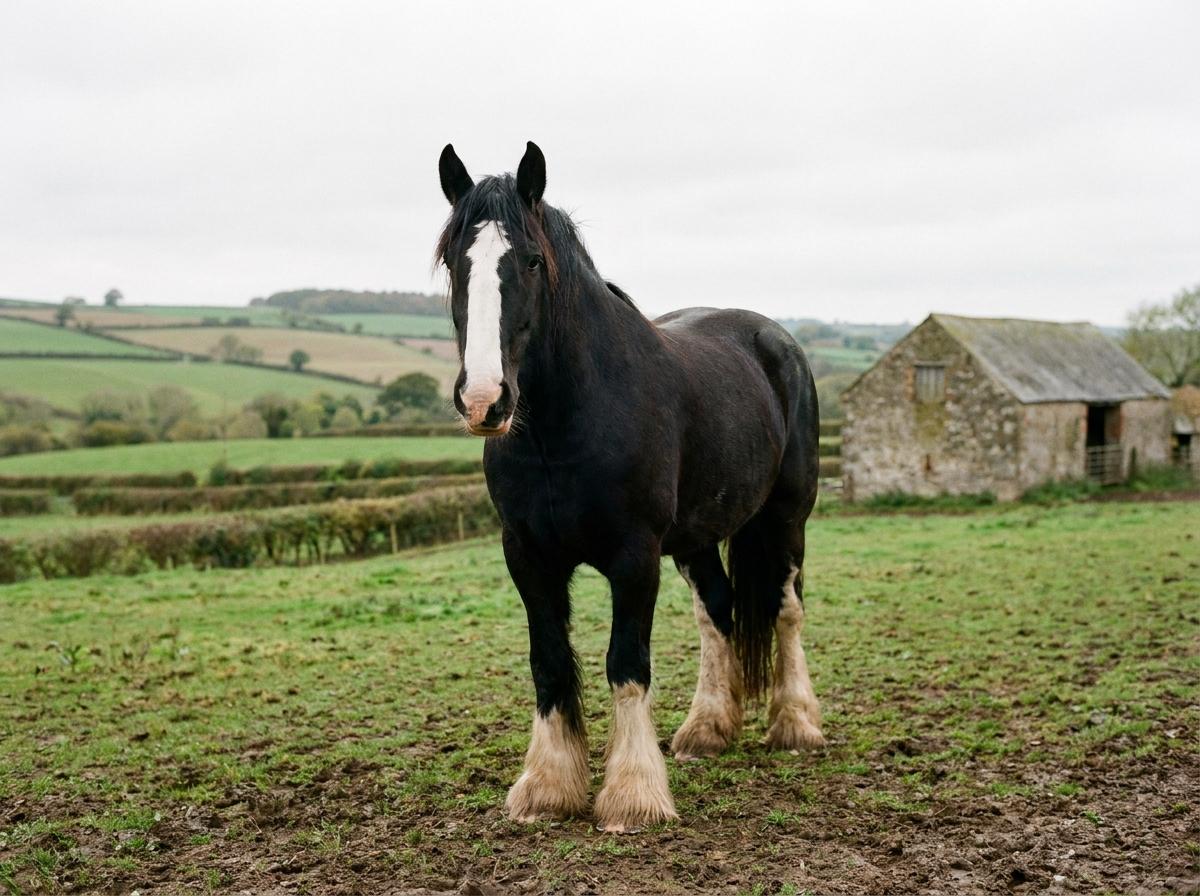
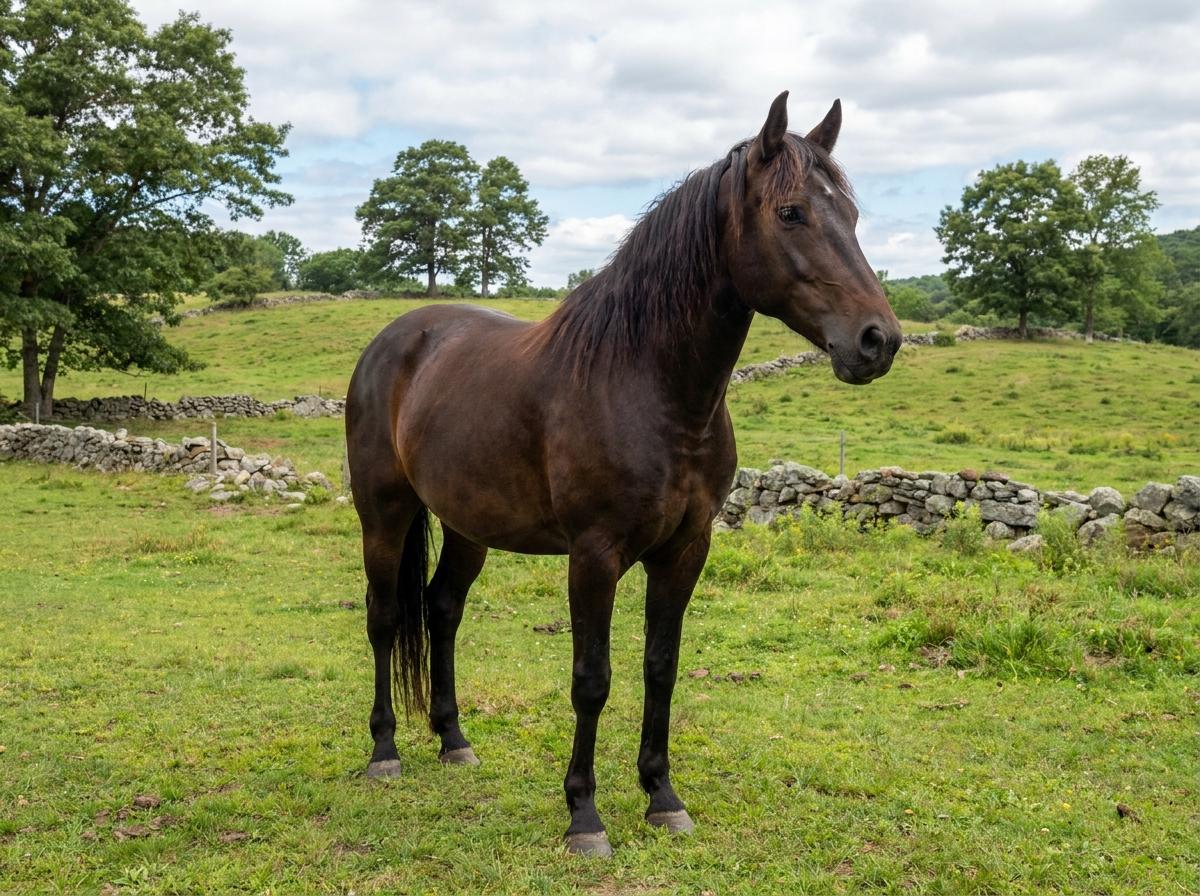
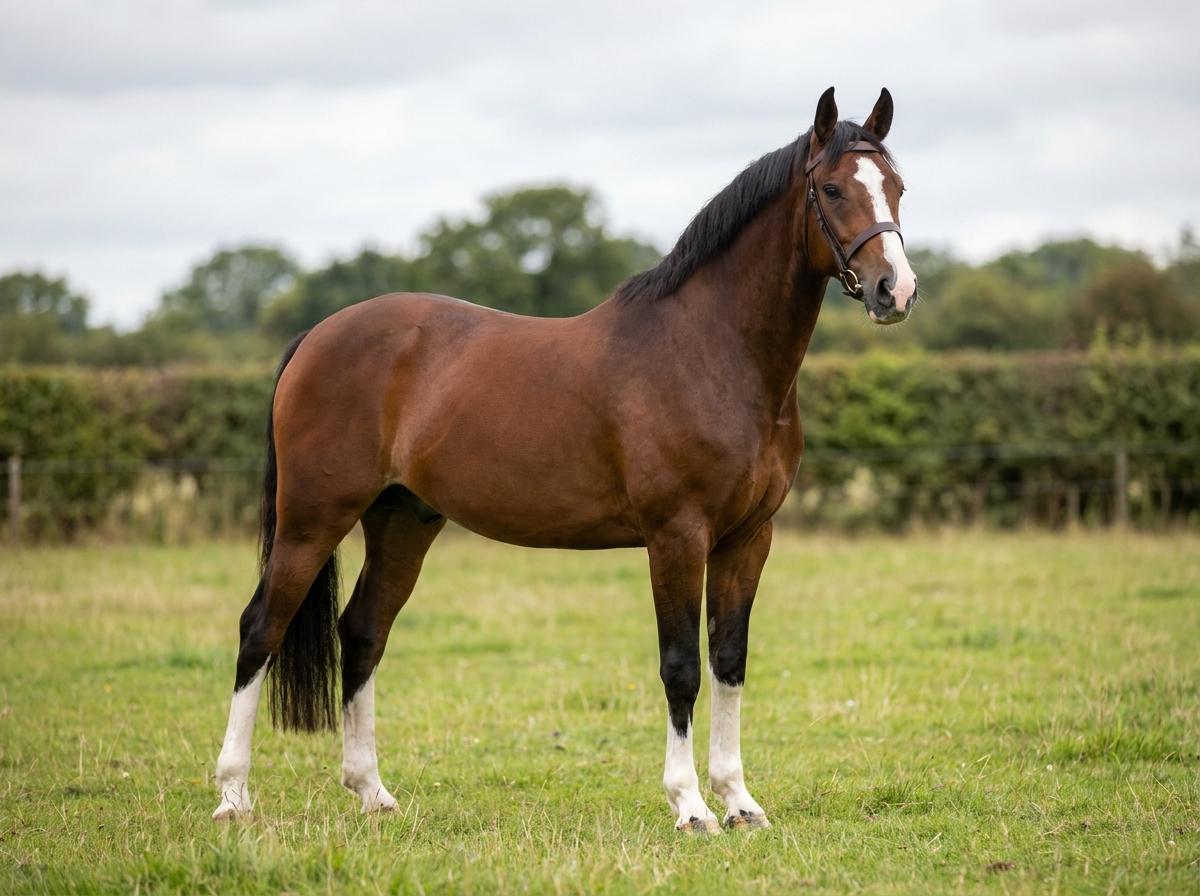
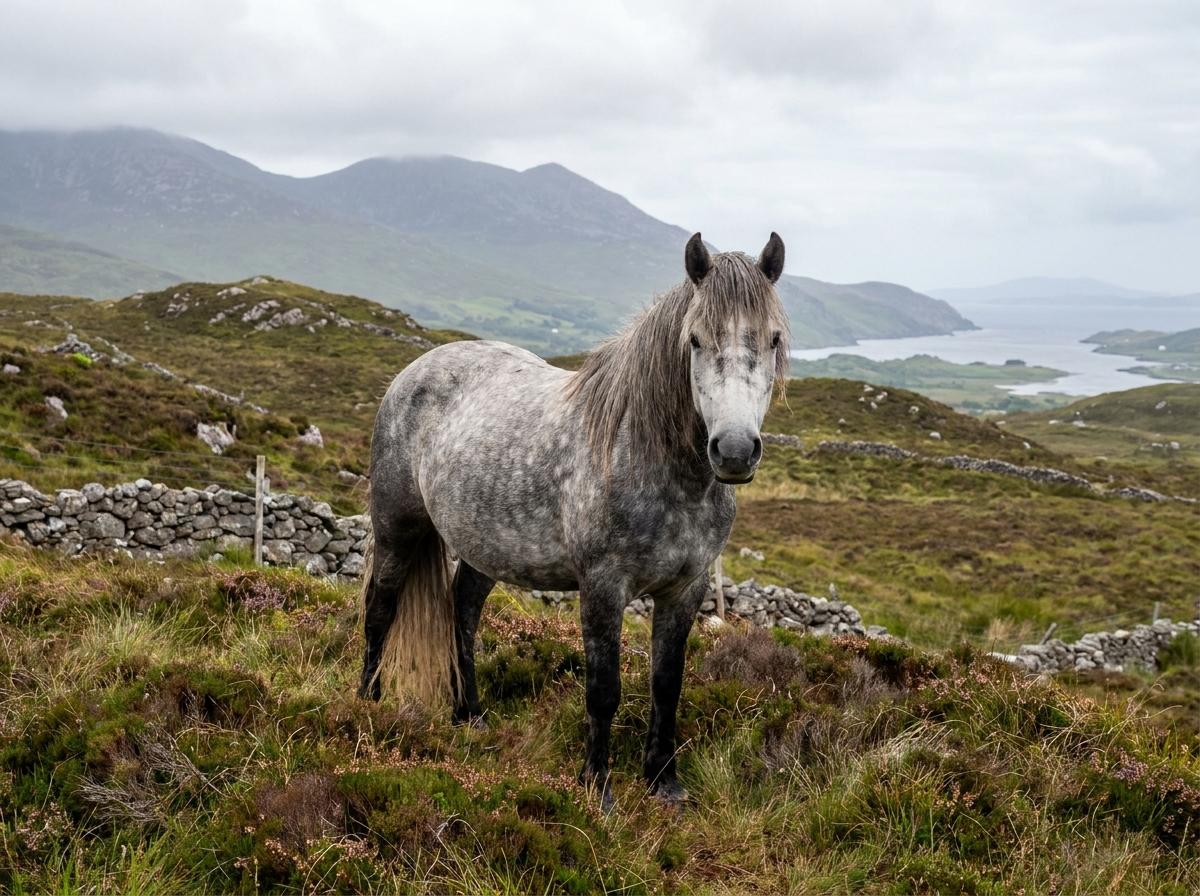
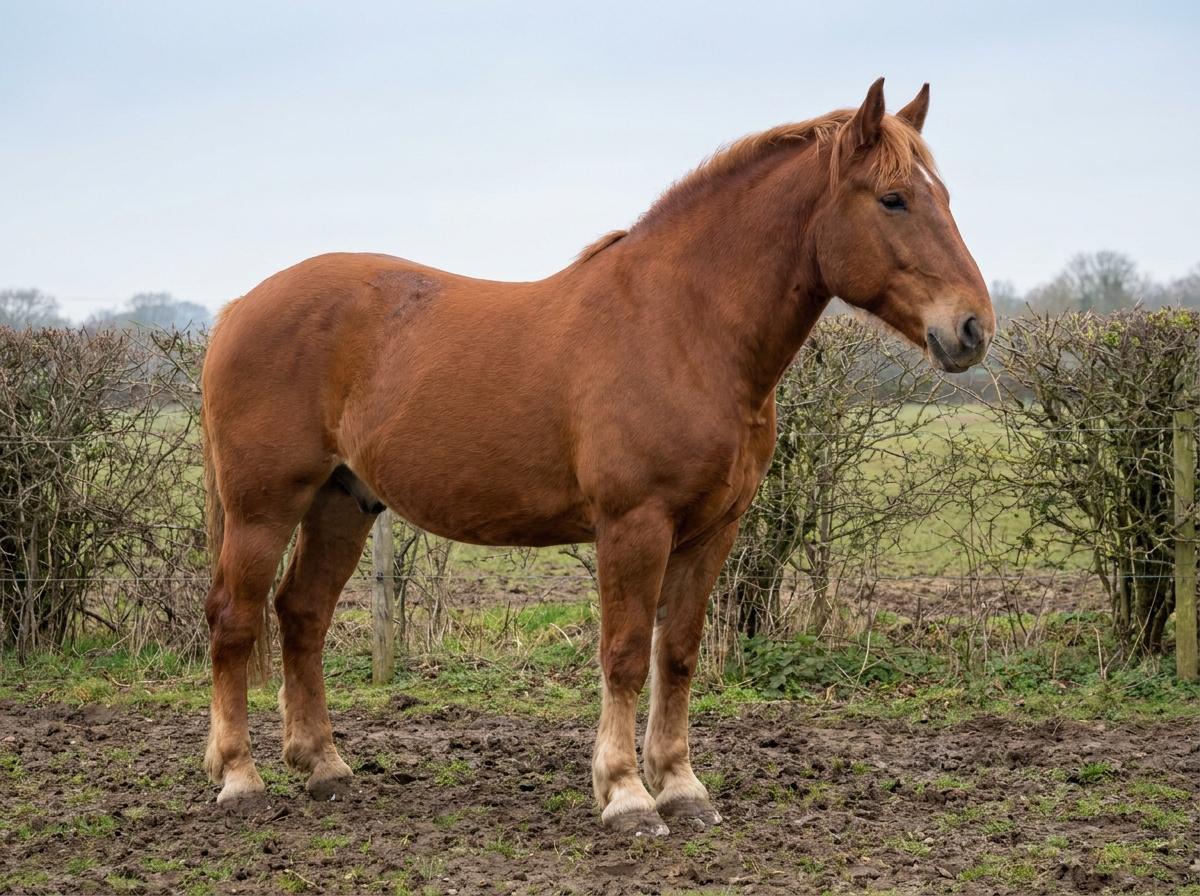
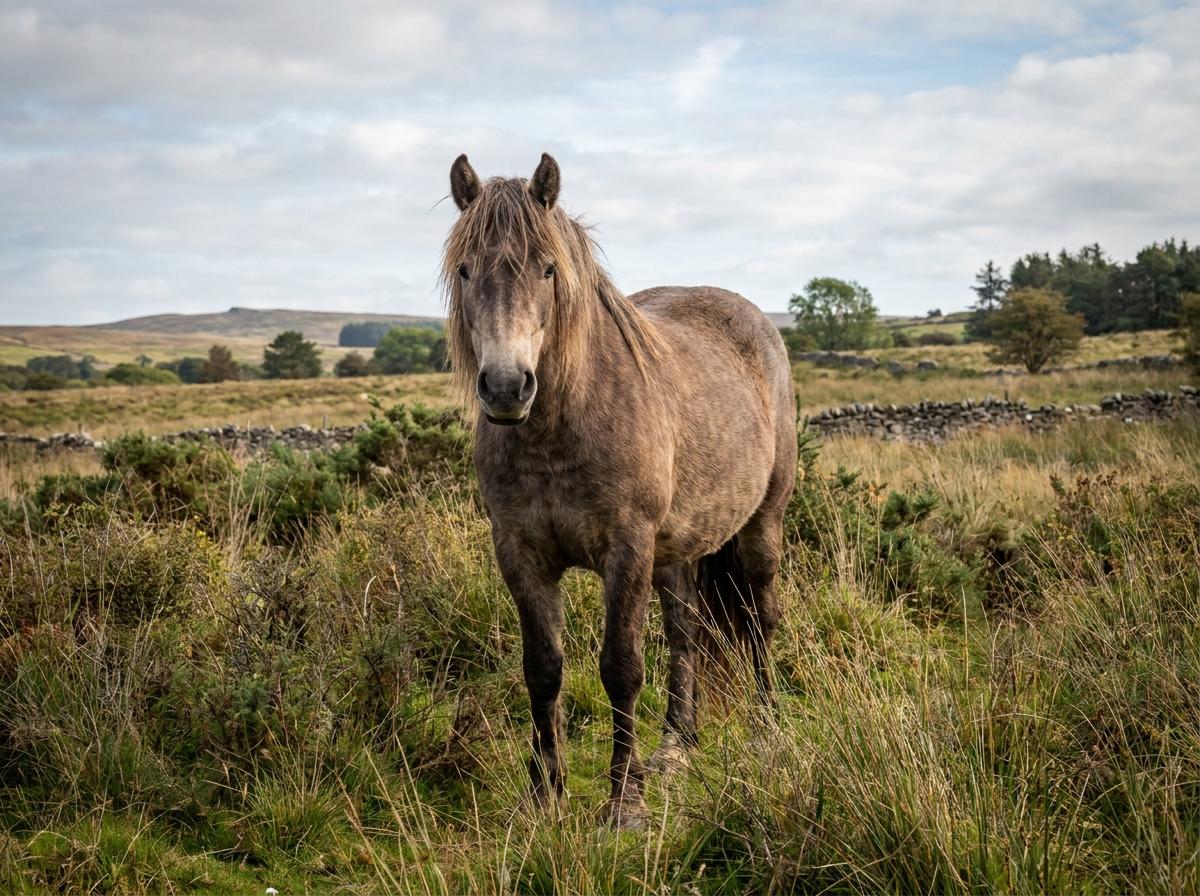
Rouncey is a historical English and French term for an ordinary riding horse of the Middle Ages, rather than a breed in the modern registry sense. Rounceys were the practical mounts ridden by squires, messengers, lesser men-at-arms, and travelers who could not justify the cost of a destrier or polished palfrey. Written records suggest a broad category: serviceable saddle horses of moderate size, selected for soundness, stamina, and price more than fixed color, conformation, or bloodline.
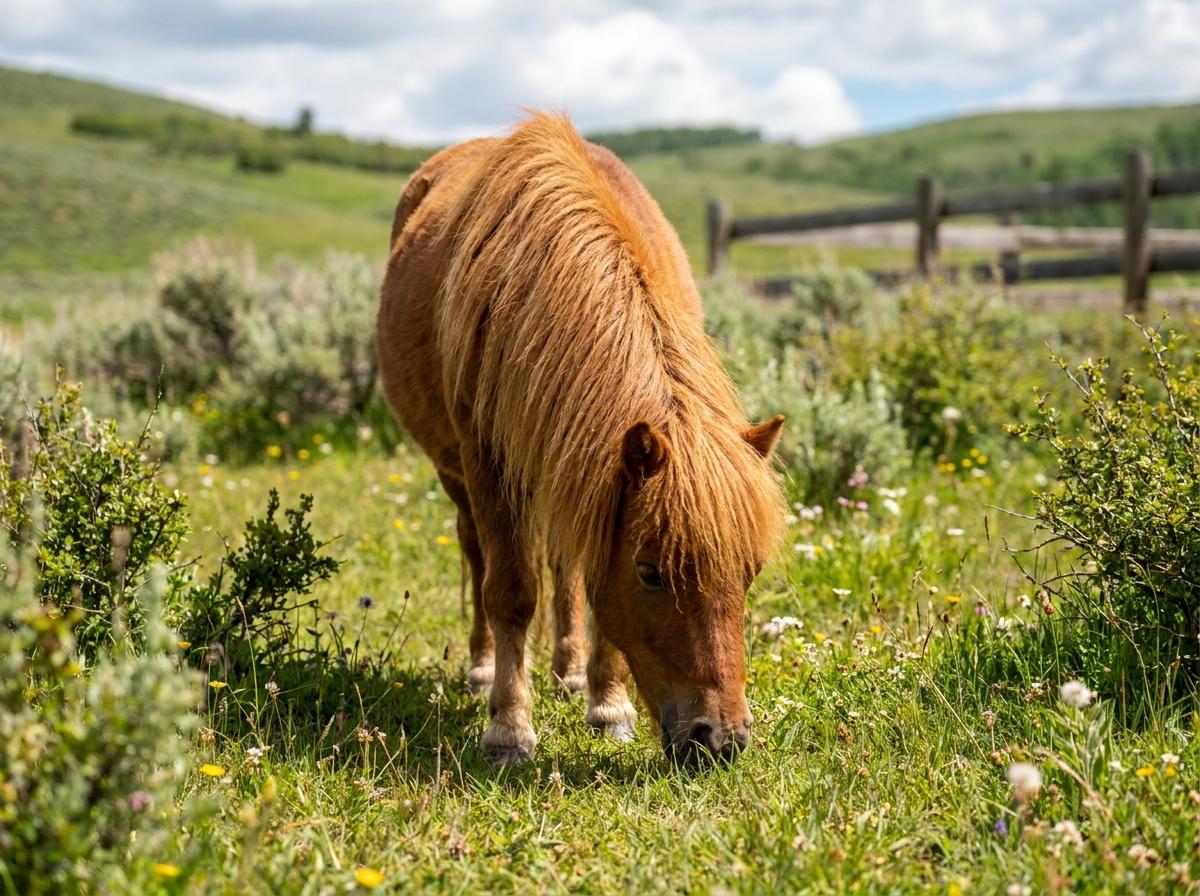
Because no living rouncey studbook exists, the term is mainly useful in medieval history, museum interpretation, reenactment, and historical fiction. Anyone recreating a rouncey today would usually choose a sensible cob, native pony, small warmblood, or crossbred horse that can carry tack comfortably and remain calm in crowds. Care is ordinary equine care: good hoof management, dentistry, turnout, and conditioning matched to the work, not an attempt to preserve a lost breed standard.
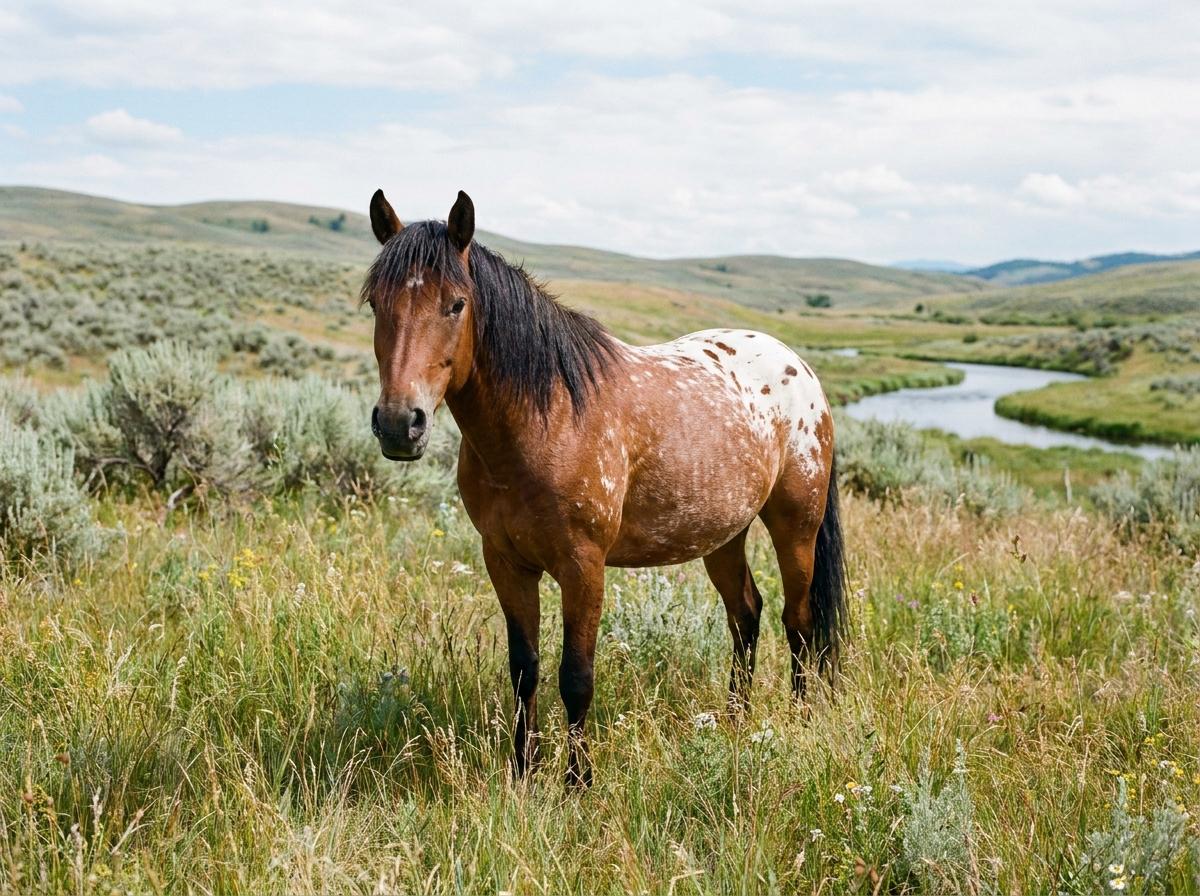
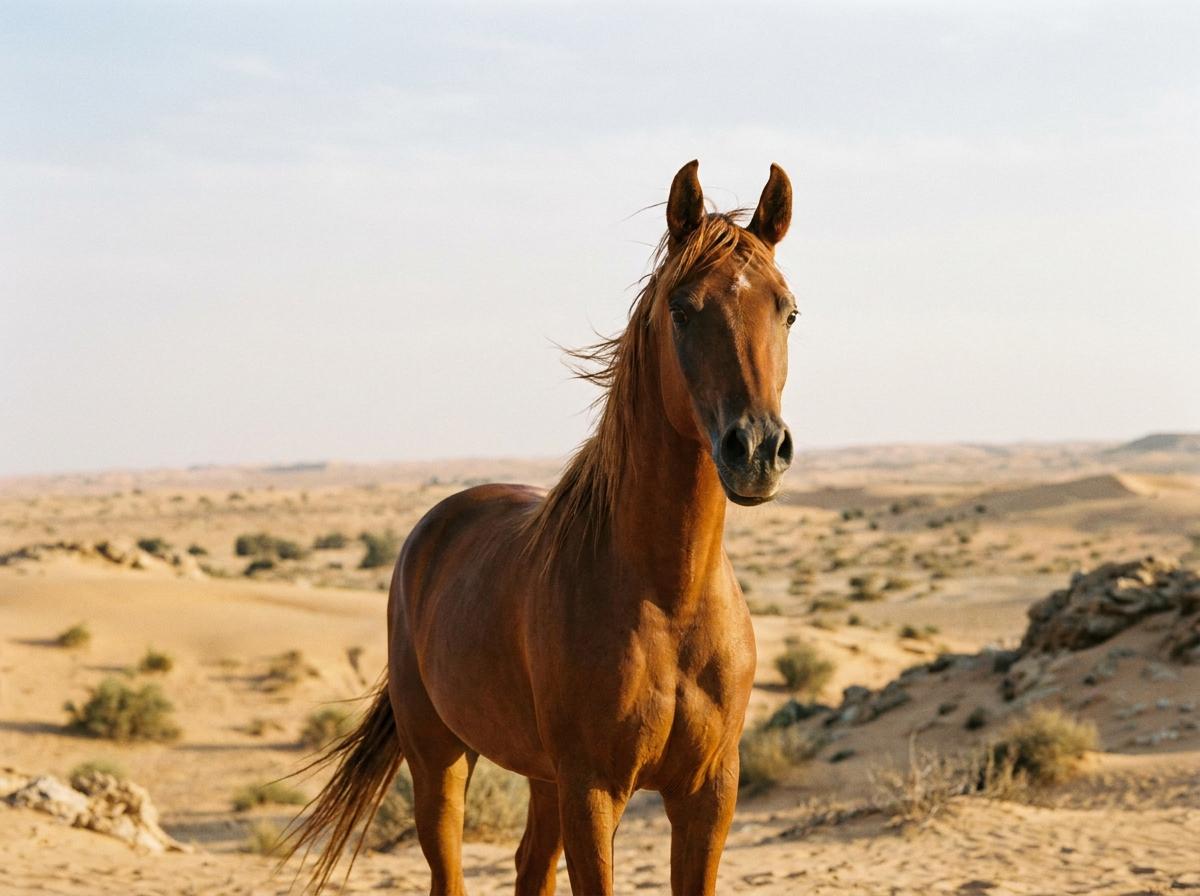
Colors: Amber Champagne, Bay, Bay Dun, Bay Roan, Black, Blanket Appaloosa, Blue Roan, Brown, Buckskin, Champagne, Chestnut, Classic Champagne, Cremello, Dun, Dun Roan, Fewspot Appaloosa, Flaxen Chestnut, Frame Overo, Gold Champagne, Gray, Grey, Grullo, Leopard Appaloosa, Liver Chestnut, Overo, Palomino, Perlino, Piebald, Pinto, Rabicano, Red Dun, Red Roan, Roan, Sabino, Seal Bay, Silver Dapple, Skewbald, Smoky Black, Smoky Cream, Snowcap Appaloosa, Sorrel, Splash White, Tobiano, Tovero, Varnish Roan, White