



Sarcidano Horse
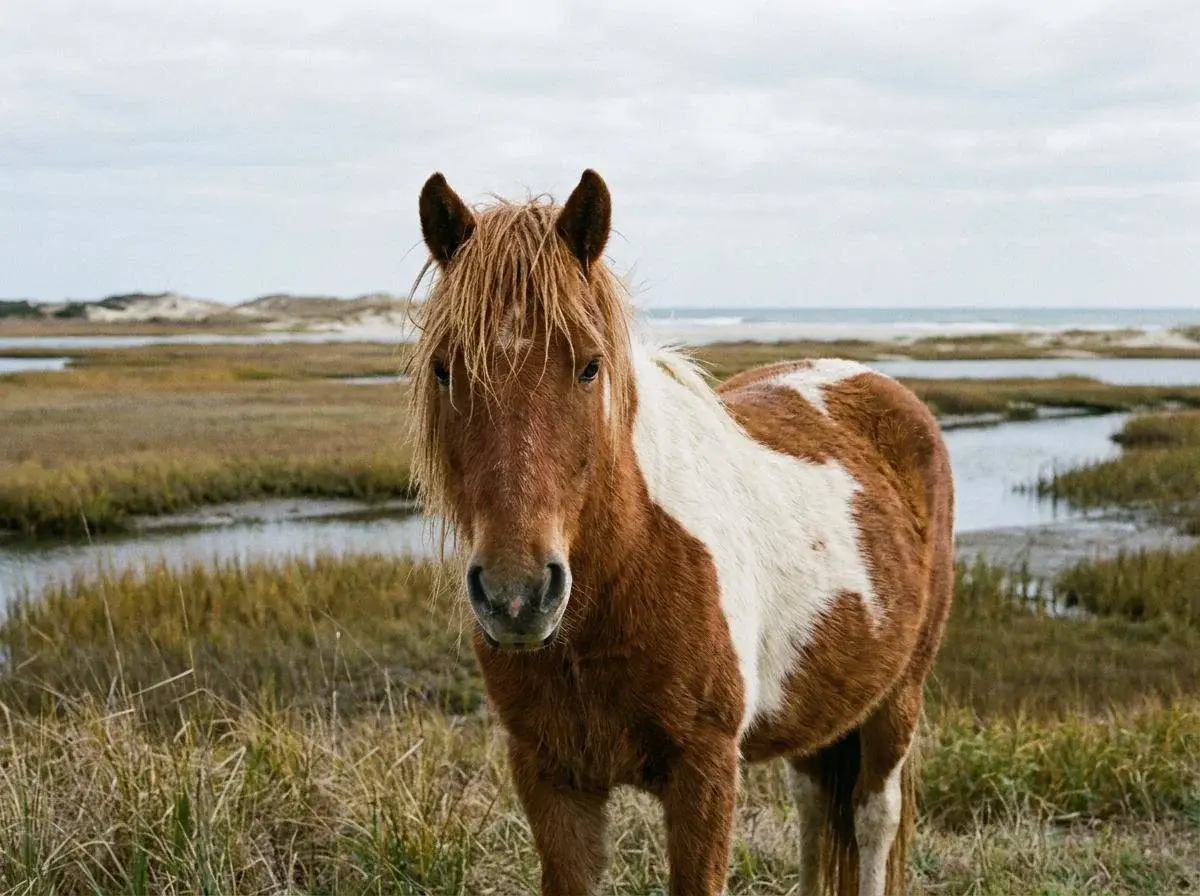
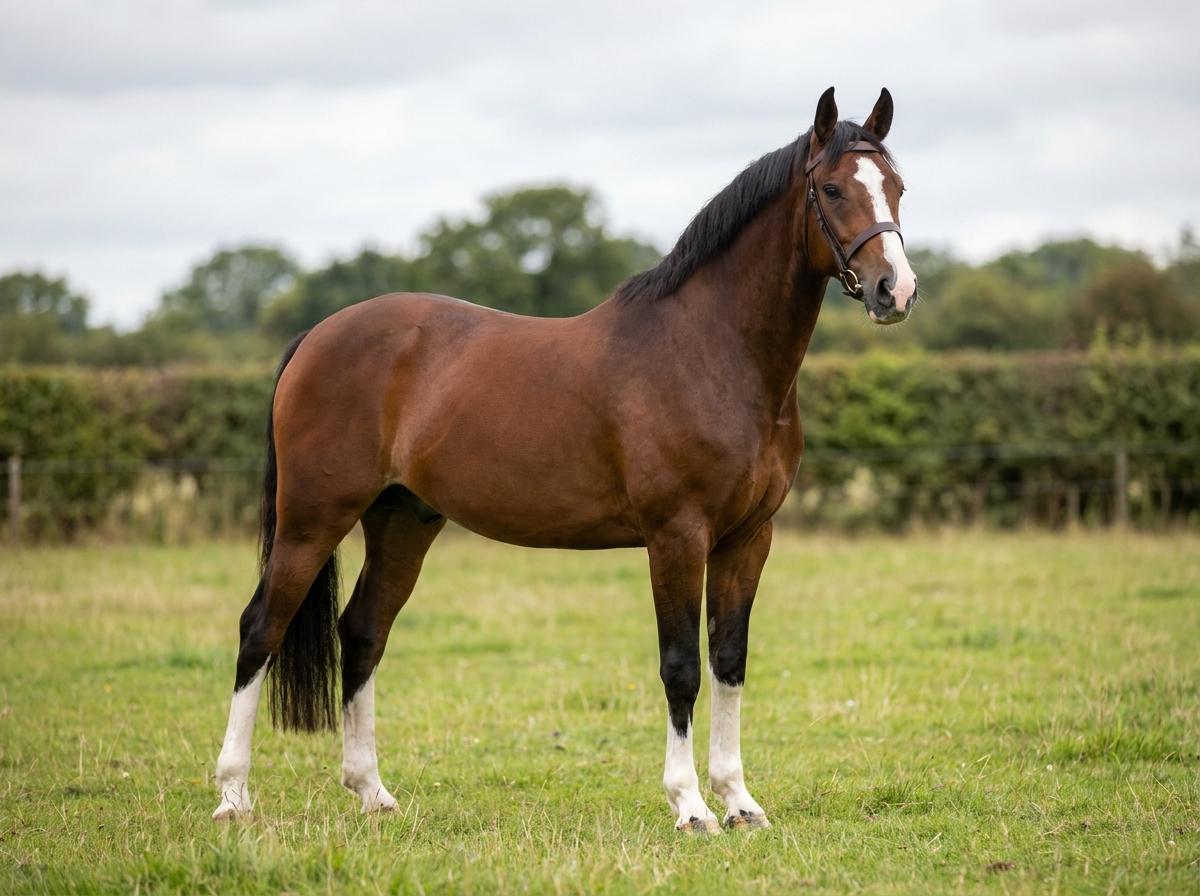
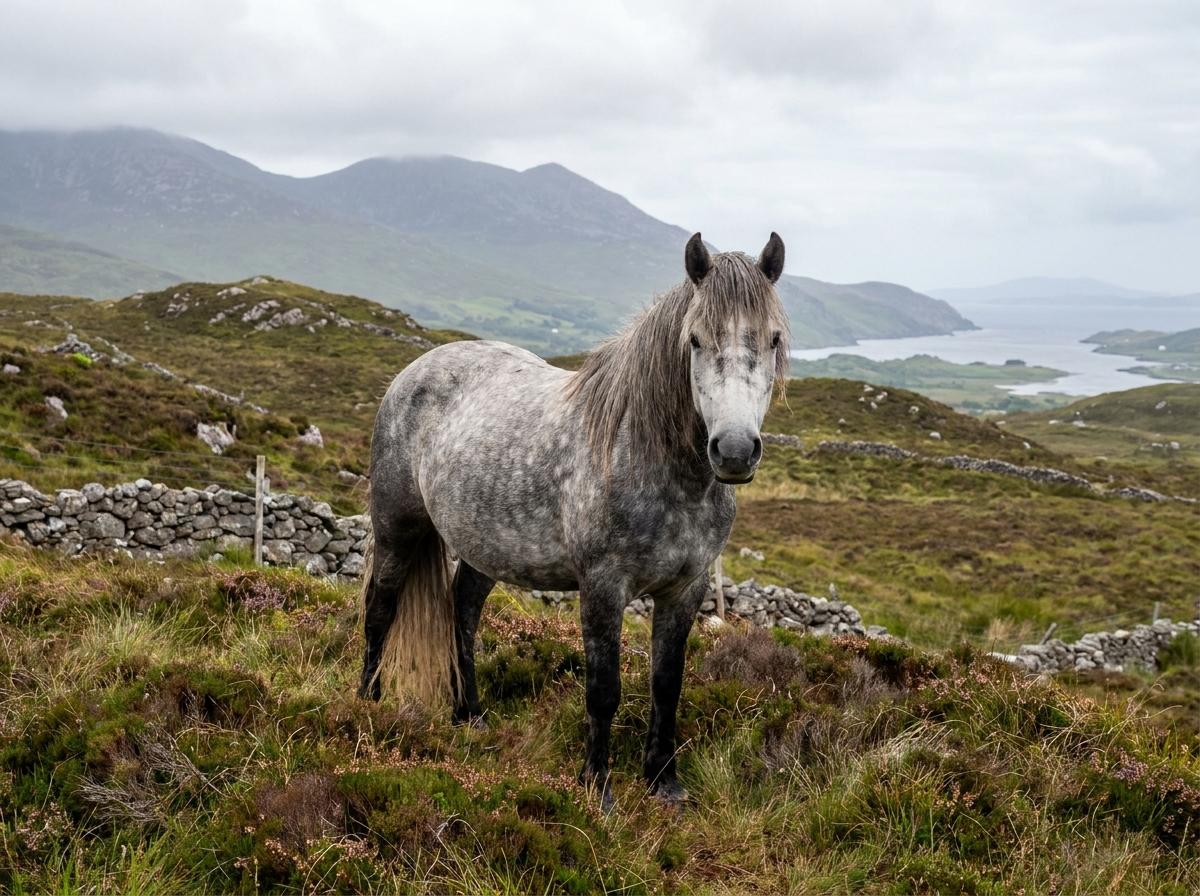
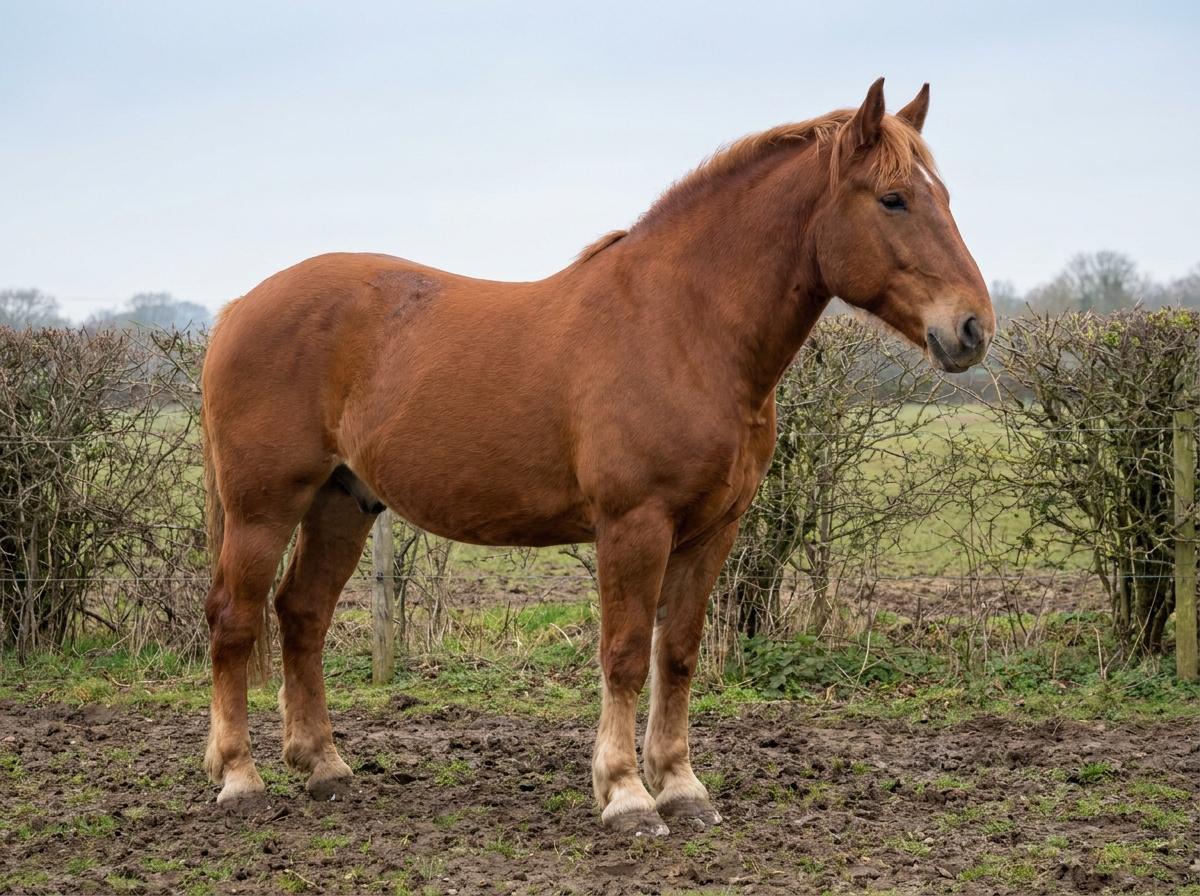
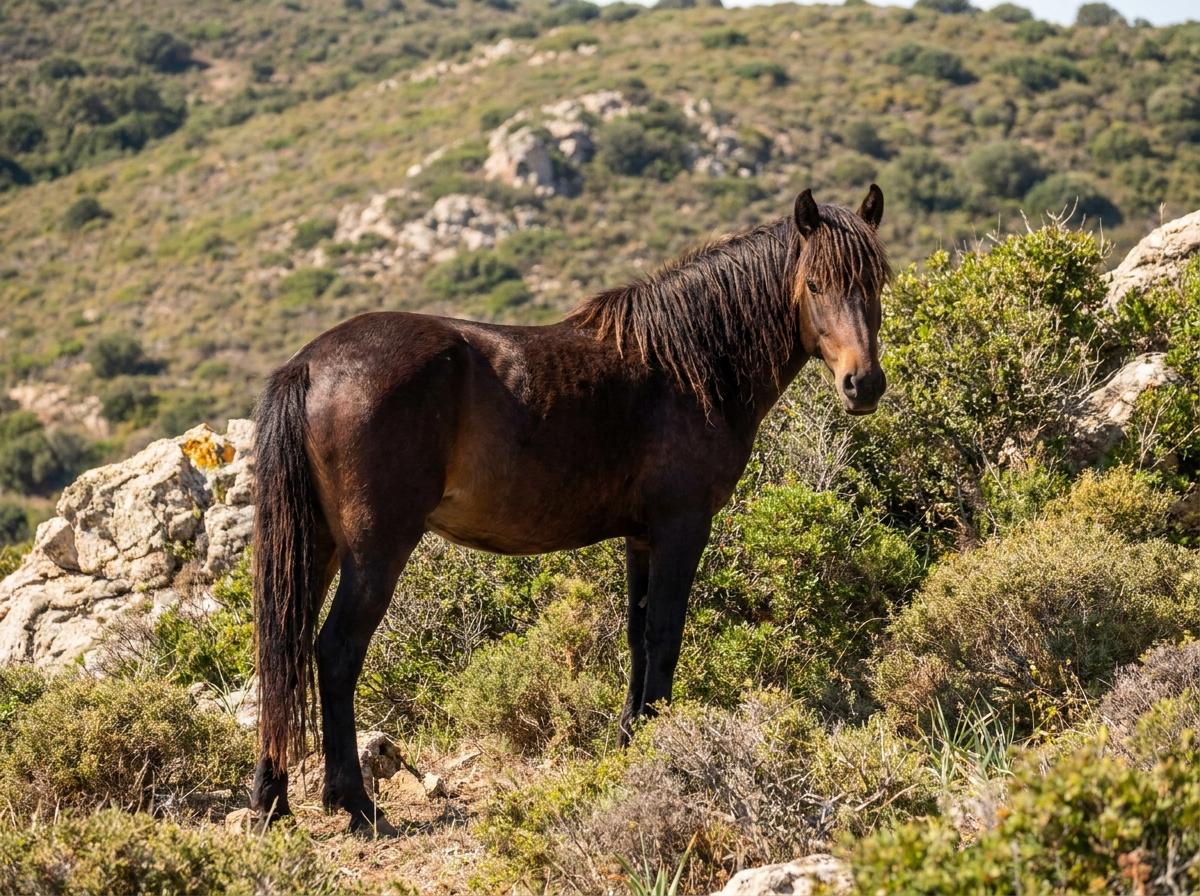
The Sarcidano Horse is a native Sardinian horse associated with the Sarcidano plateau of central Sardinia. It is generally described as a small, hardy, primitive-influenced horse adapted to rugged grazing and extensive management. The breed is usually discussed as a rare local resource rather than a widespread commercial riding breed. Its value lies in regional adaptation, resilience, and the preservation of a Sardinian horse type that differs from larger modern sport or saddle horses.
Management should respect that background without assuming the horse needs little care. Sarcidano horses kept extensively still require hoof attention, parasite control, safe handling, and enough forage during poor seasons. Conservation programs need accurate identification and breeding records, because small native populations can lose type quickly through casual crossing. For private owners, the best use is often light riding, conservation grazing, or educational work matched to the horse's size and training. Selection should favor sound legs, fertility, steady temperament, and the ability to stay healthy on modest keep.
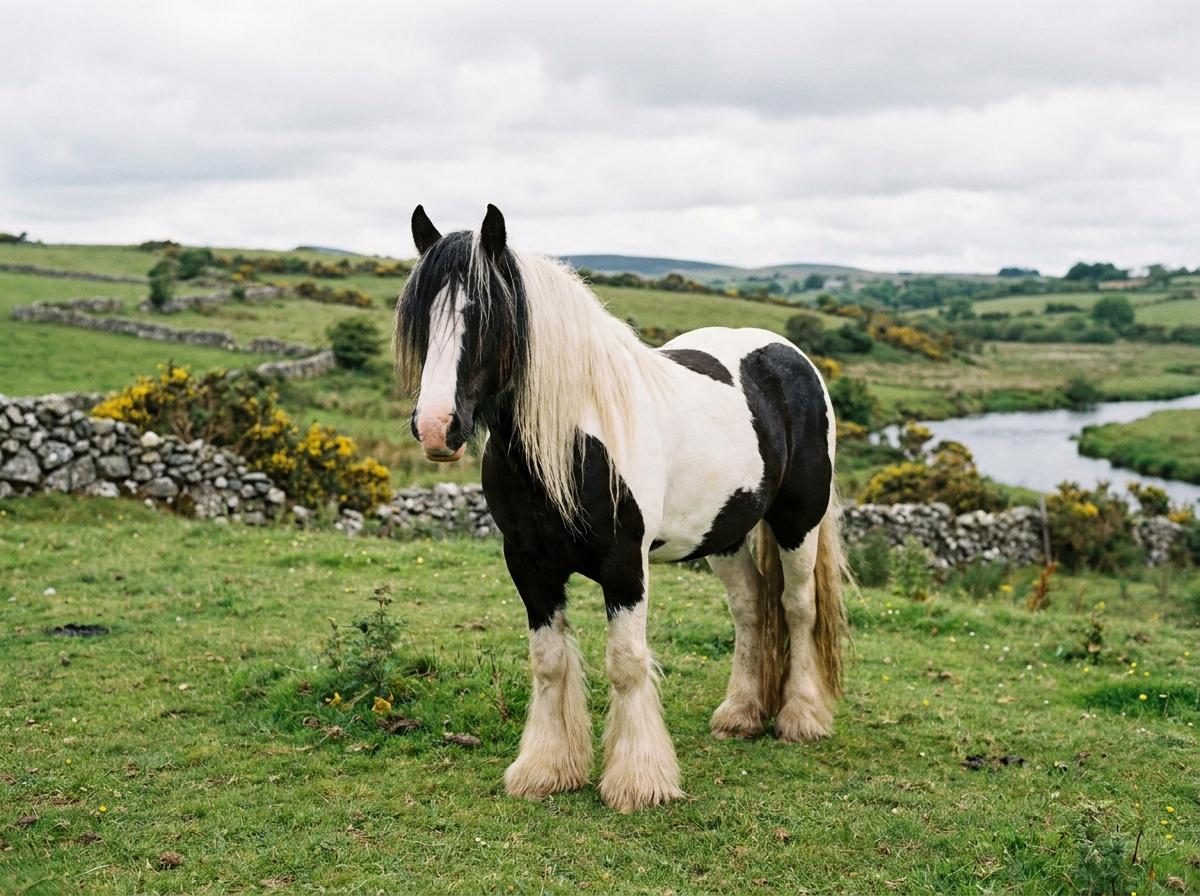
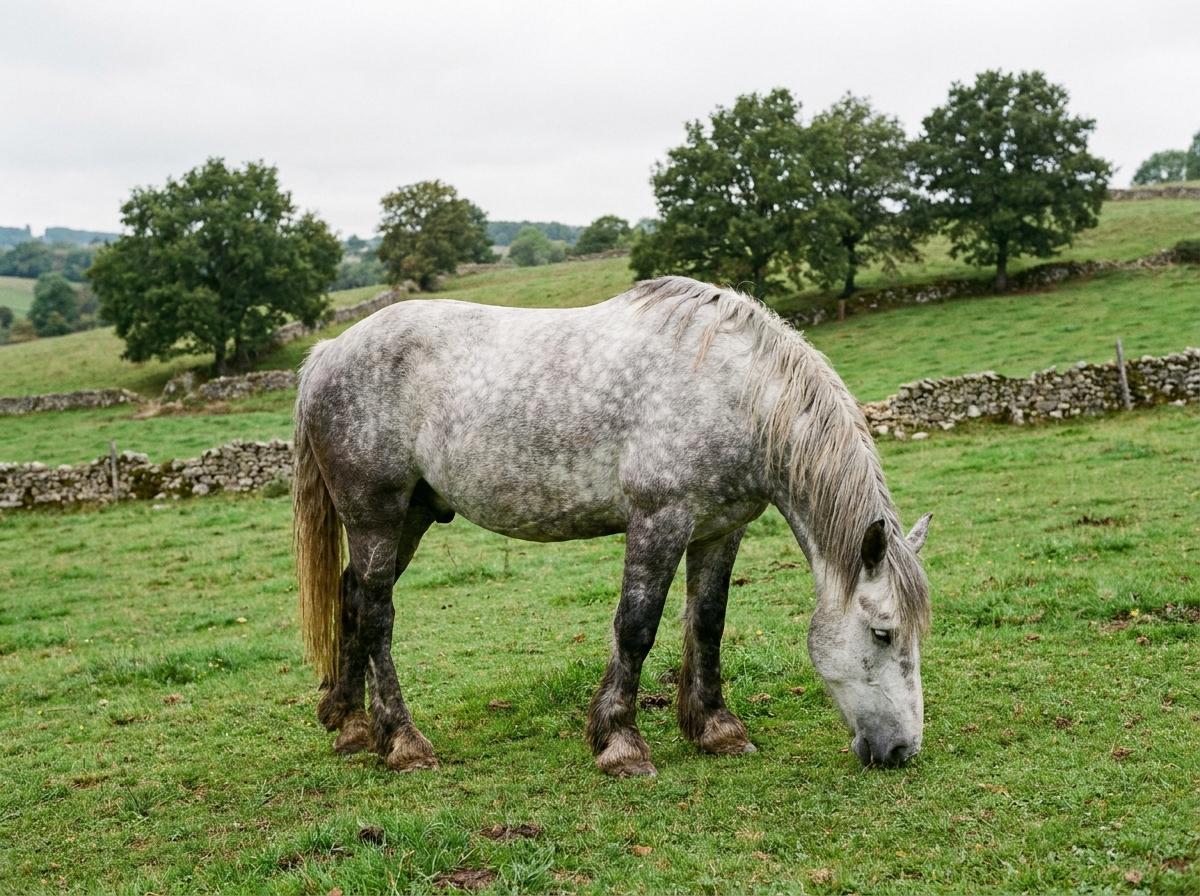
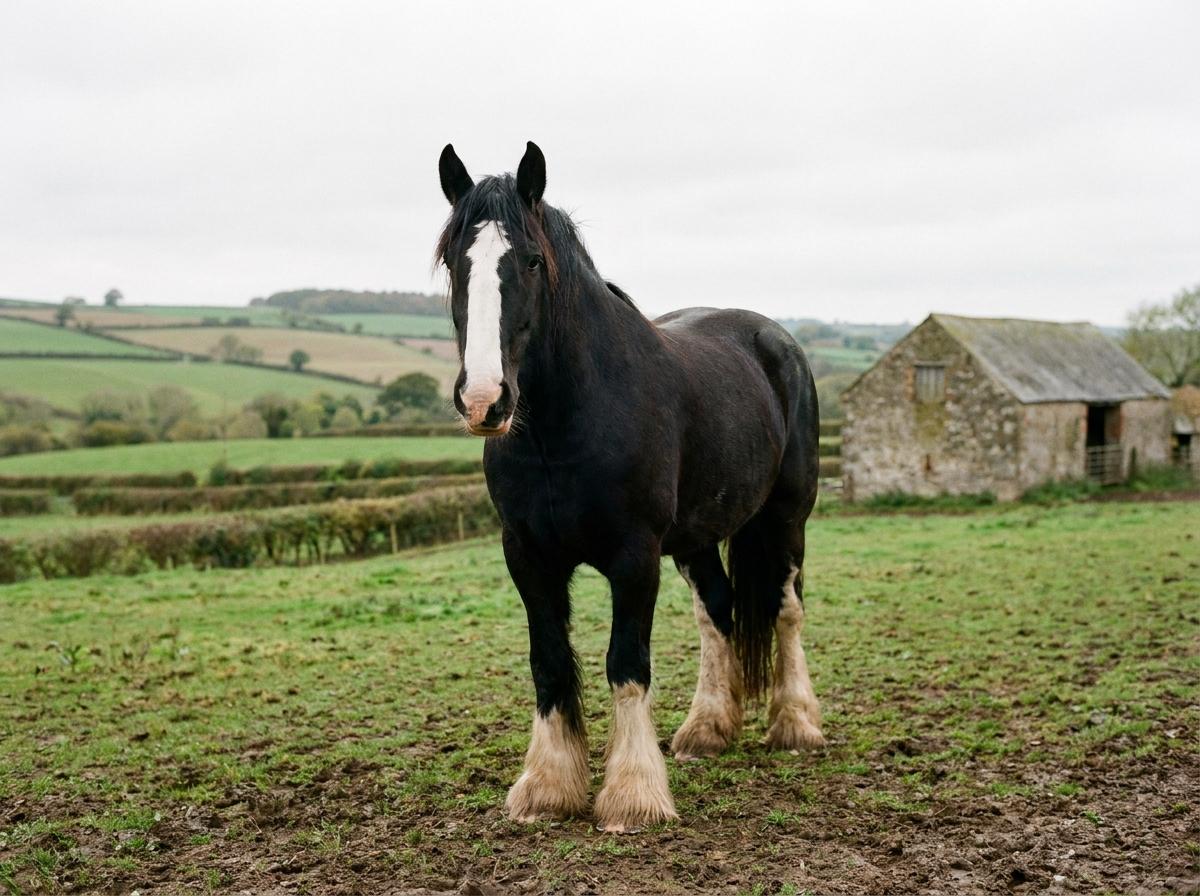
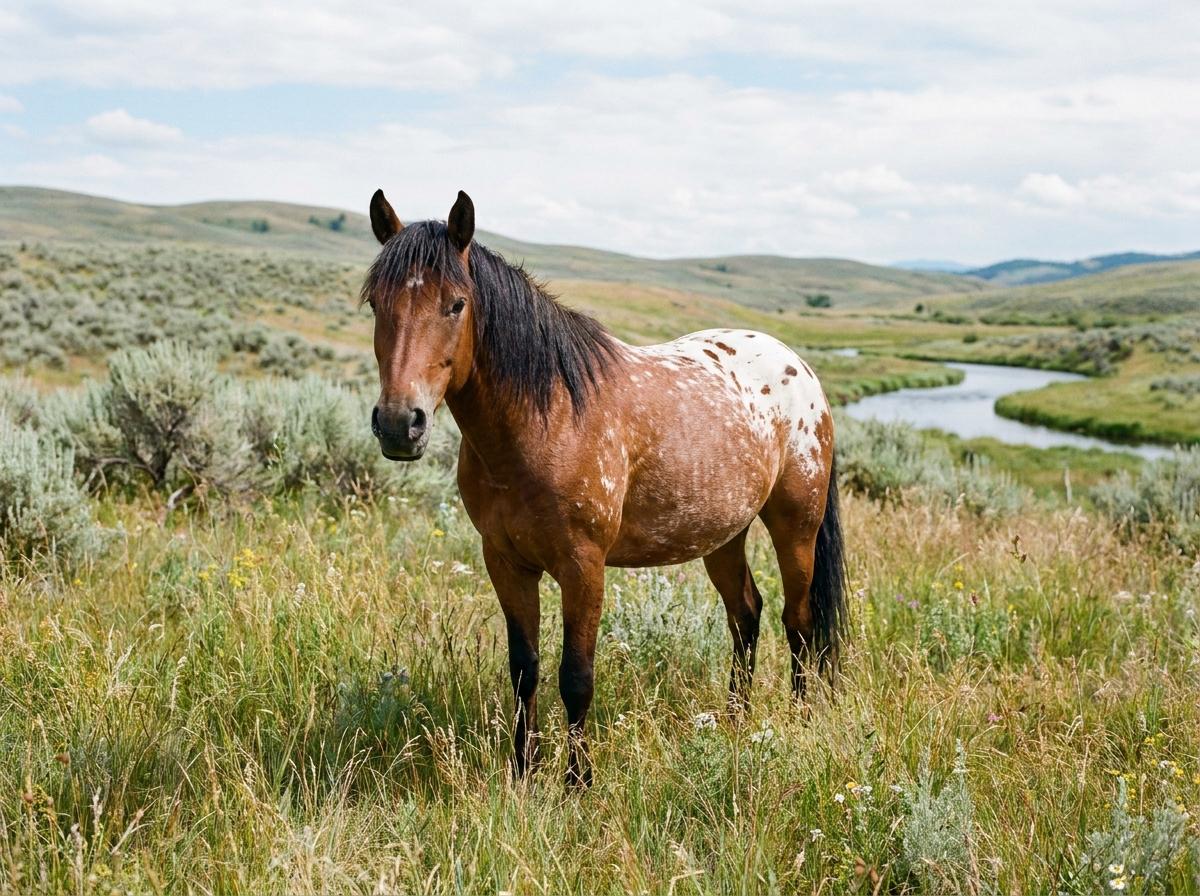
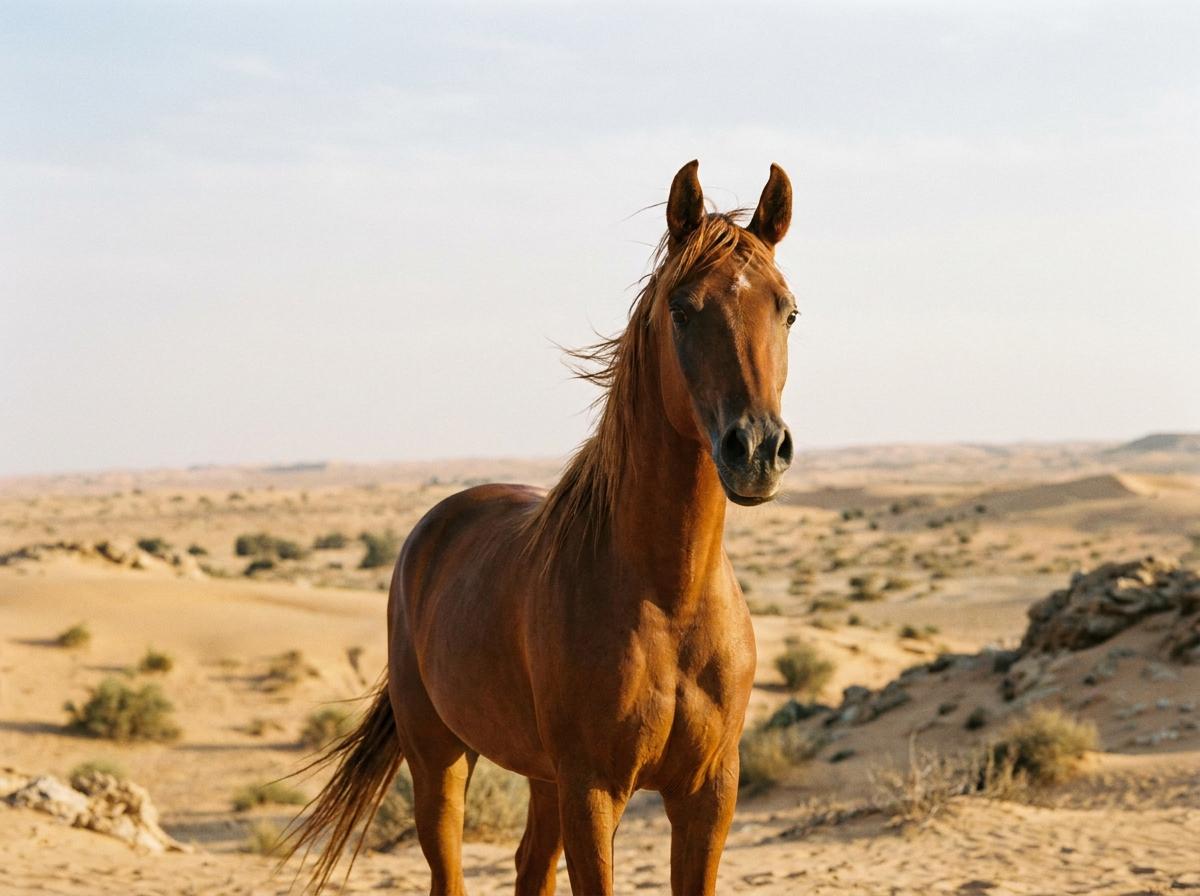
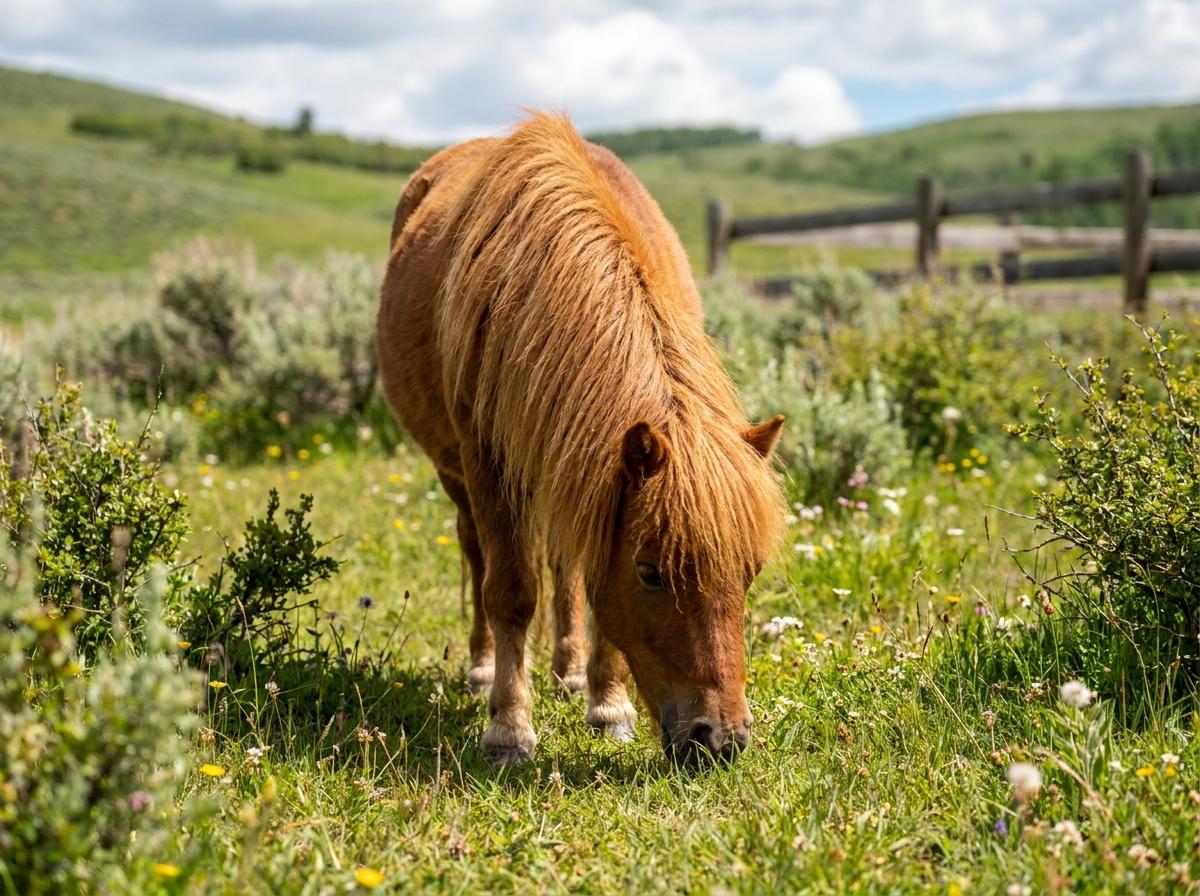
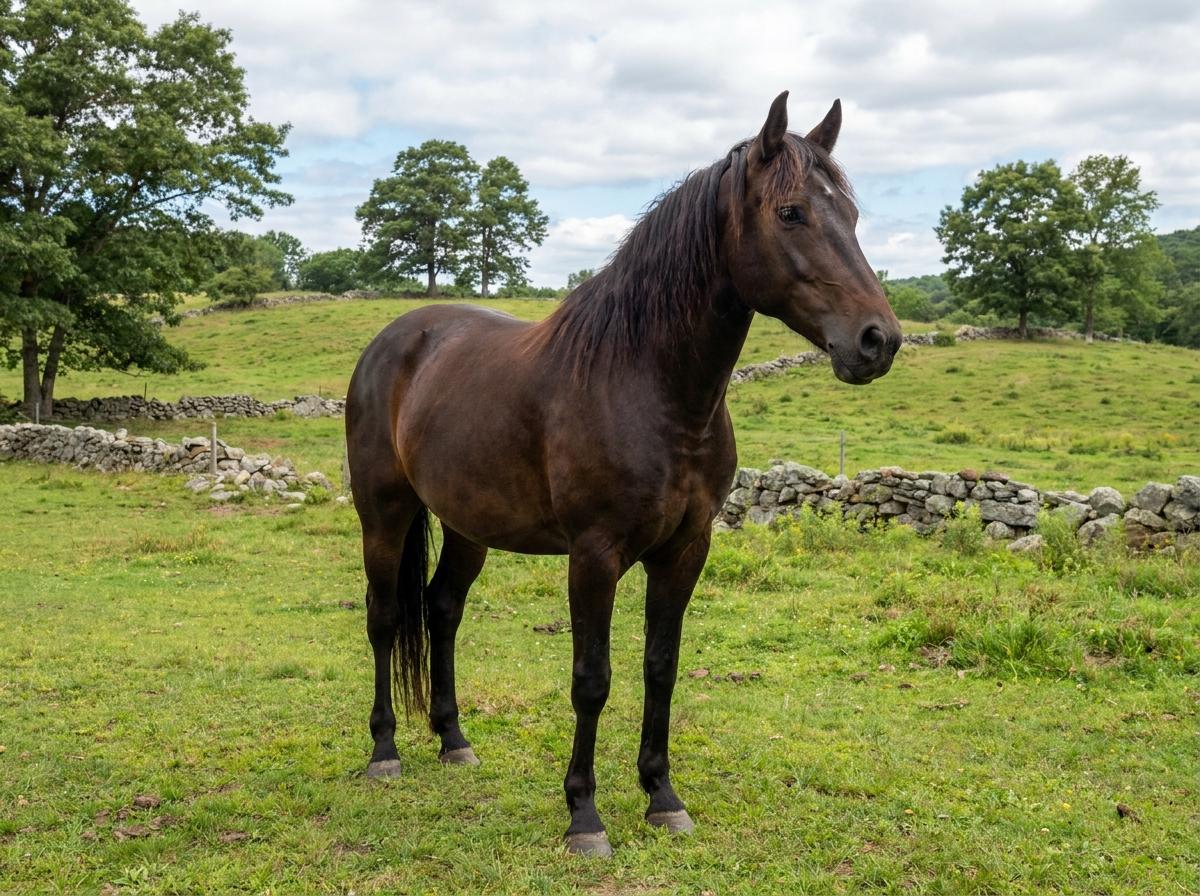
Colors: Amber Champagne, Bay, Bay Dun, Bay Roan, Black, Blanket Appaloosa, Blue Roan, Brown, Buckskin, Champagne, Chestnut, Classic Champagne, Cremello, Dun, Dun Roan, Fewspot Appaloosa, Flaxen Chestnut, Frame Overo, Gold Champagne, Gray, Grey, Grullo, Leopard Appaloosa, Liver Chestnut, Overo, Palomino, Perlino, Piebald, Pinto, Rabicano, Red Dun, Red Roan, Roan, Sabino, Seal Bay, Silver Dapple, Skewbald, Smoky Black, Smoky Cream, Snowcap Appaloosa, Sorrel, Splash White, Tobiano, Tovero, Varnish Roan, White