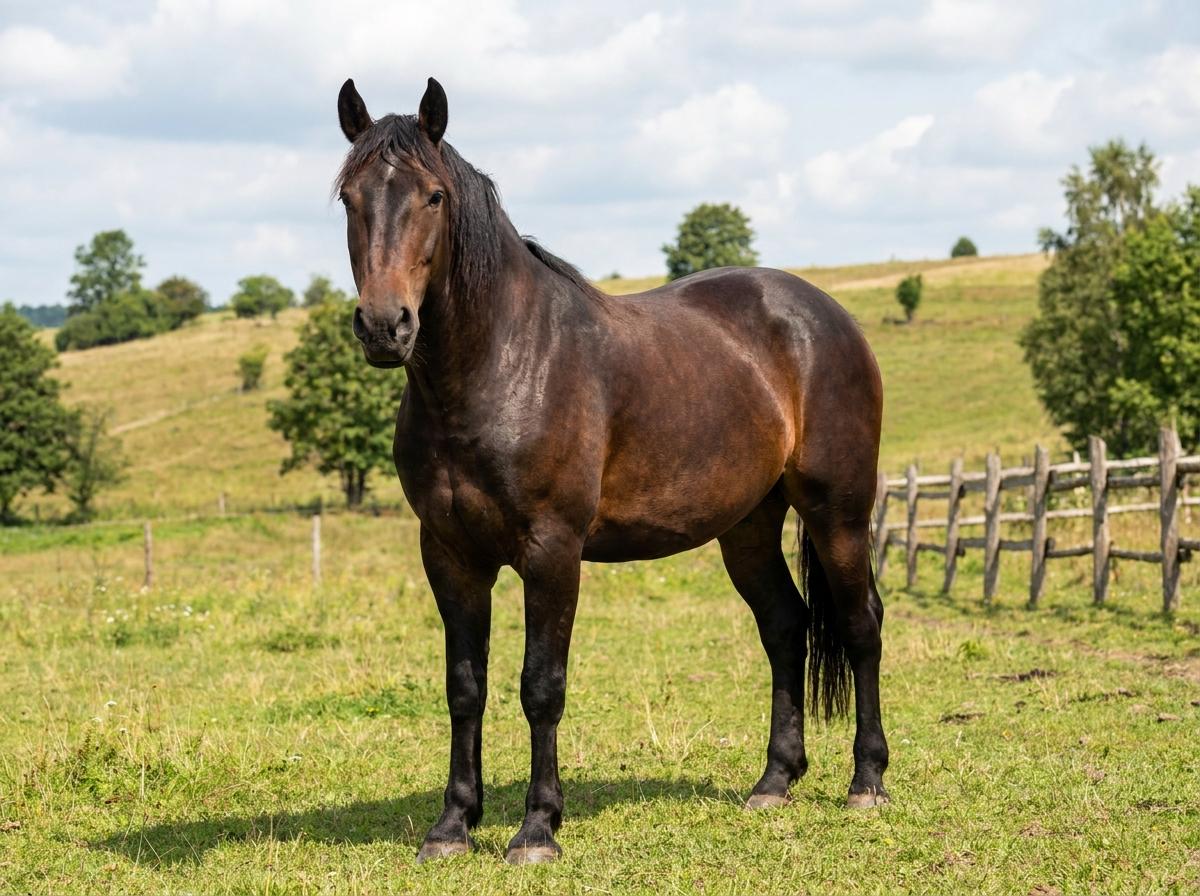
Silesian
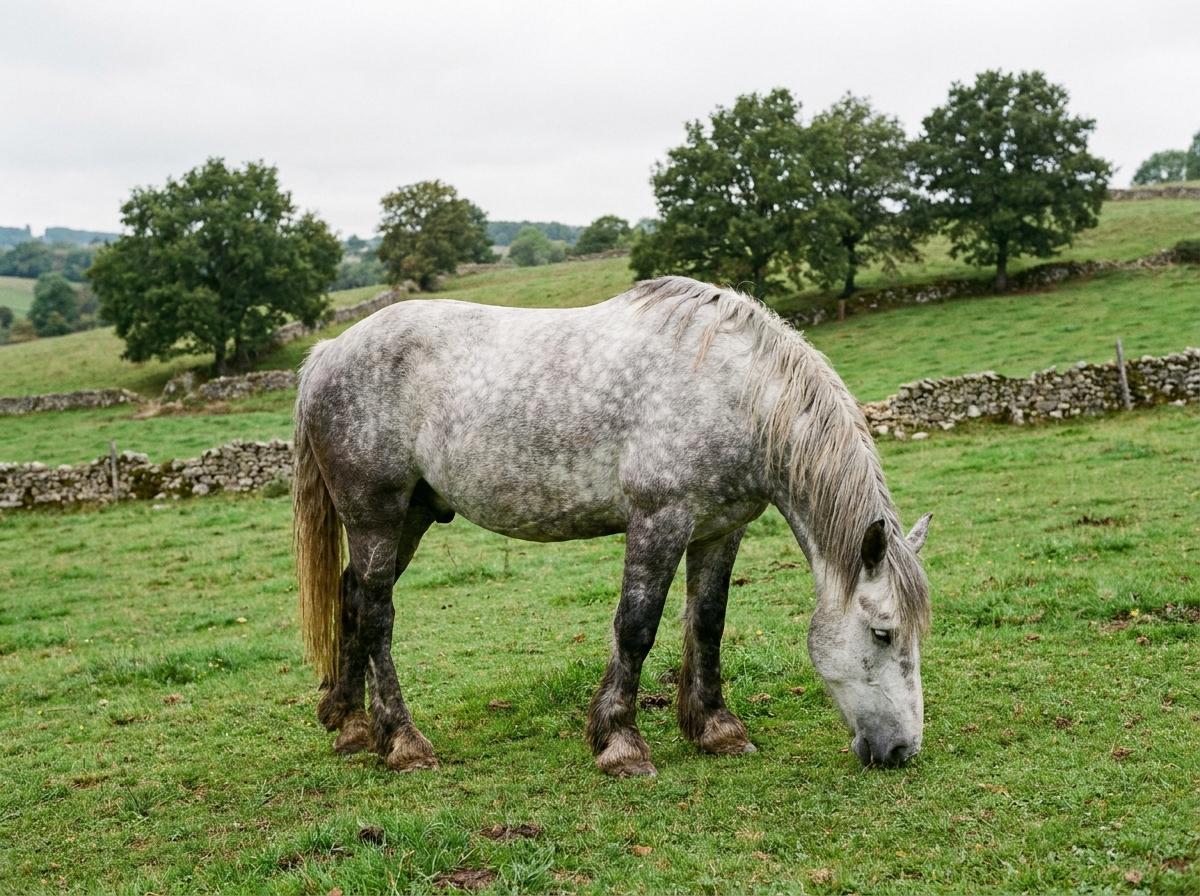
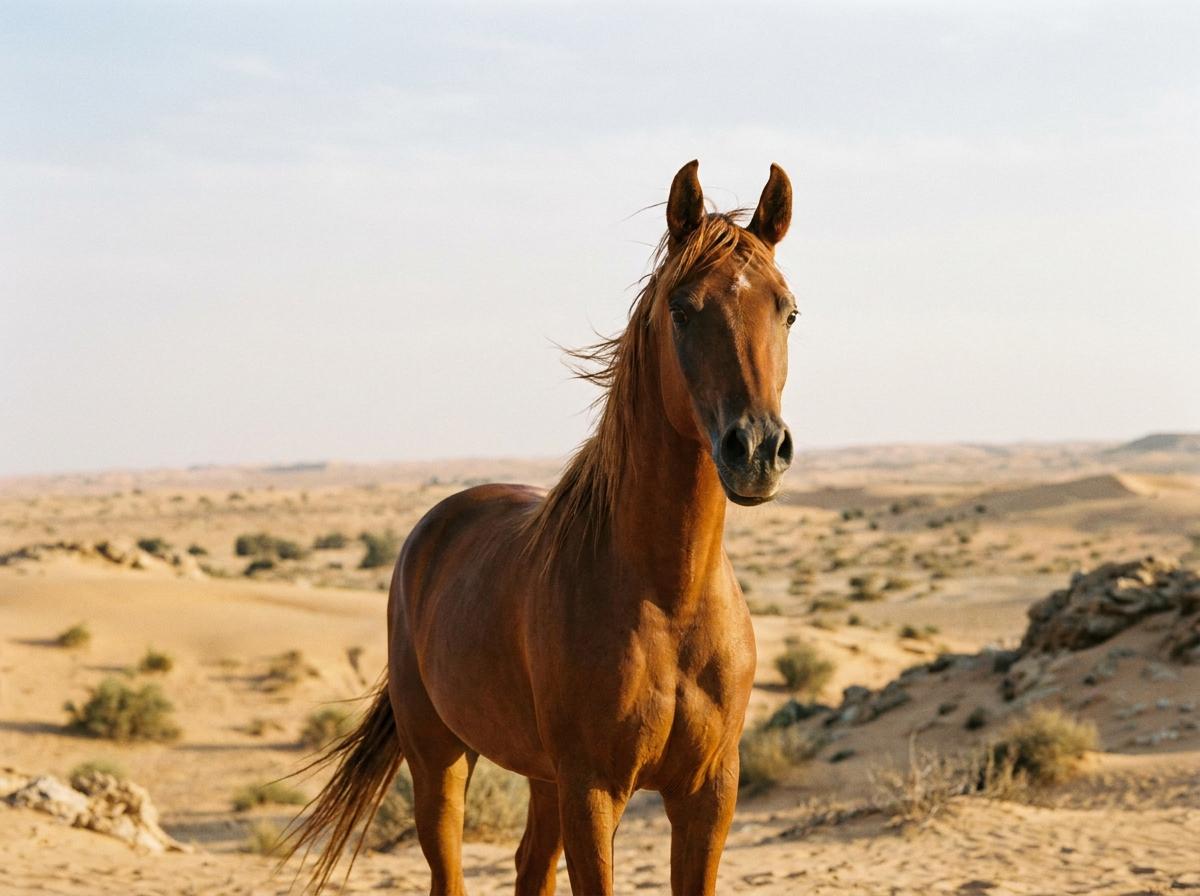
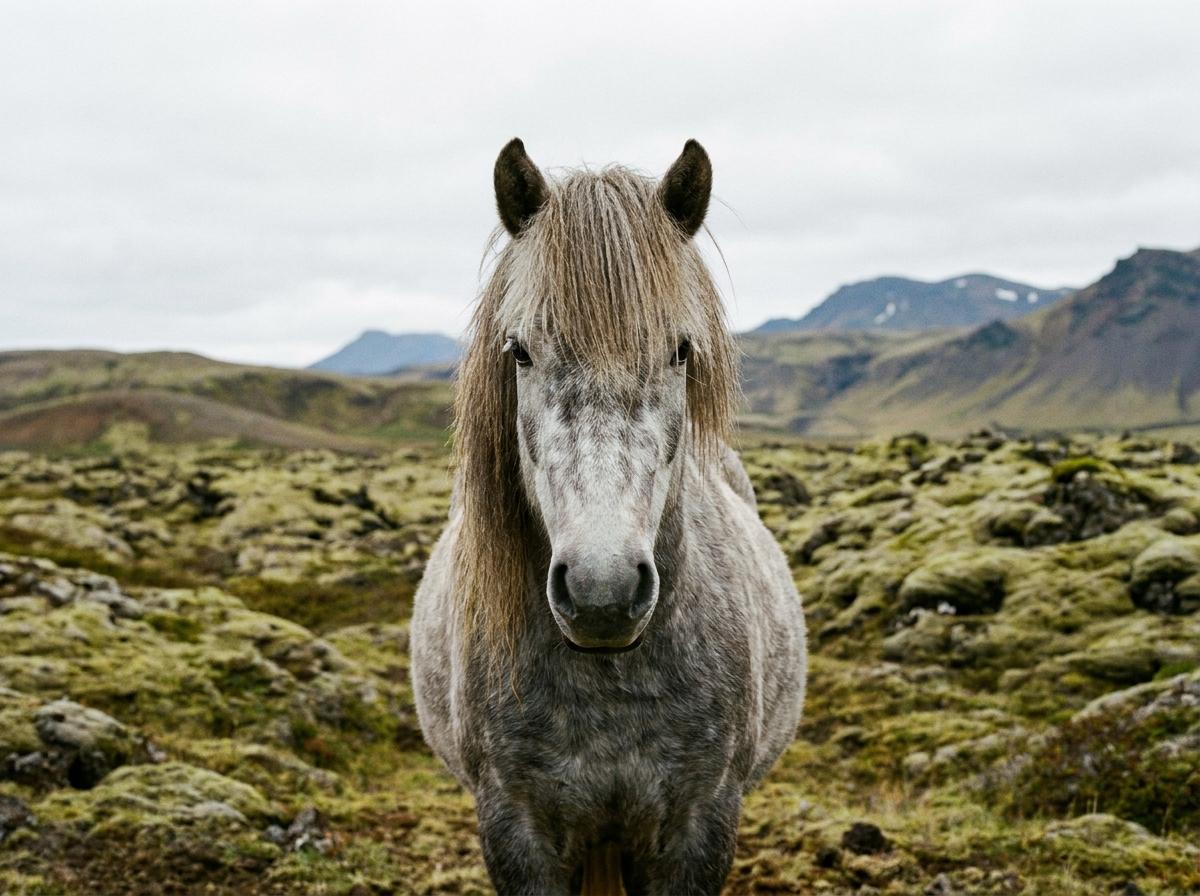
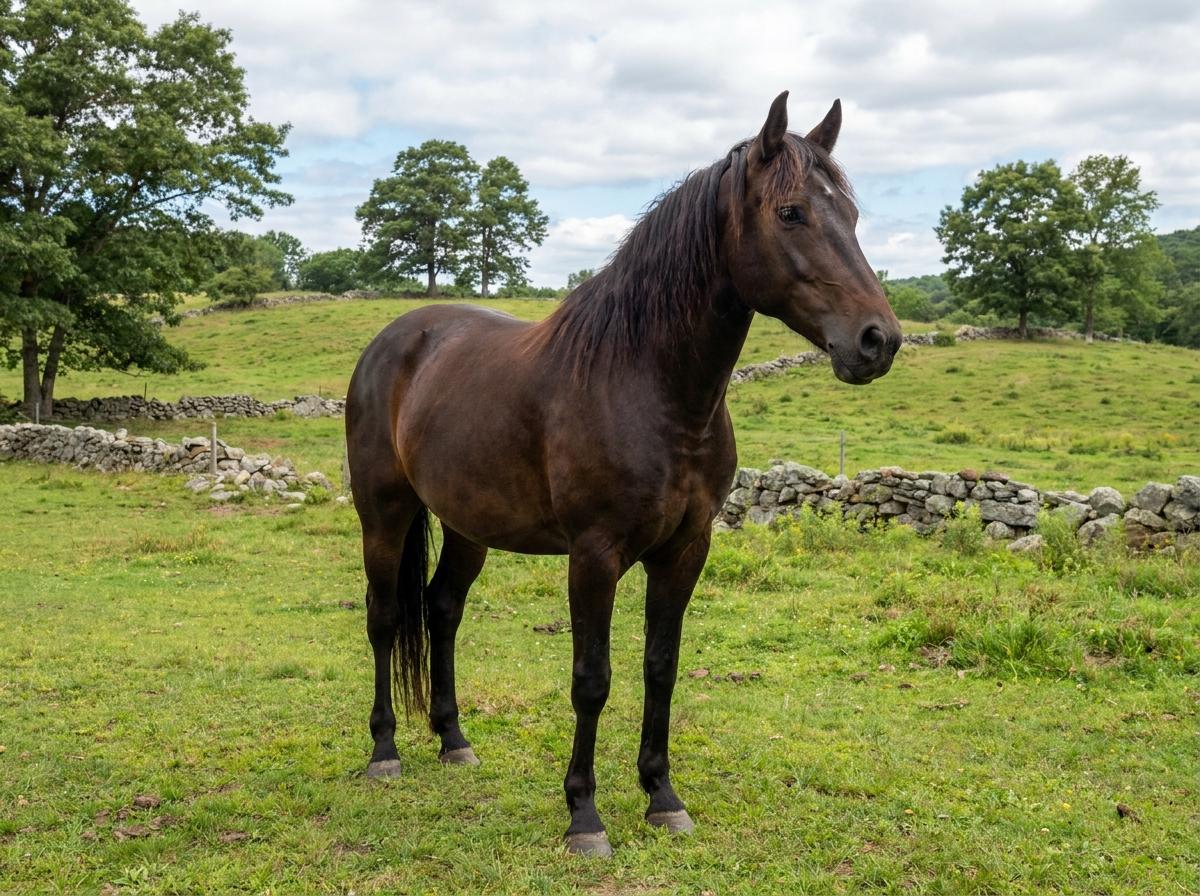
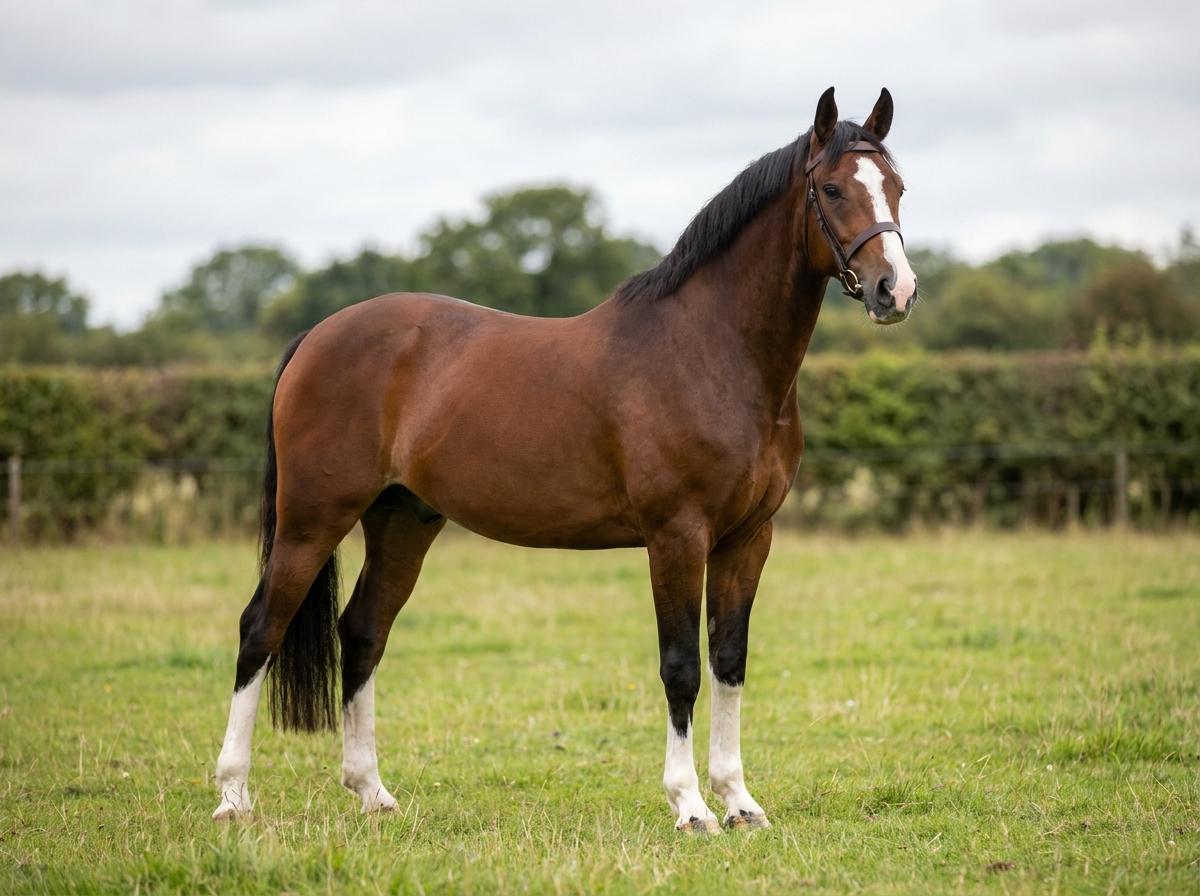
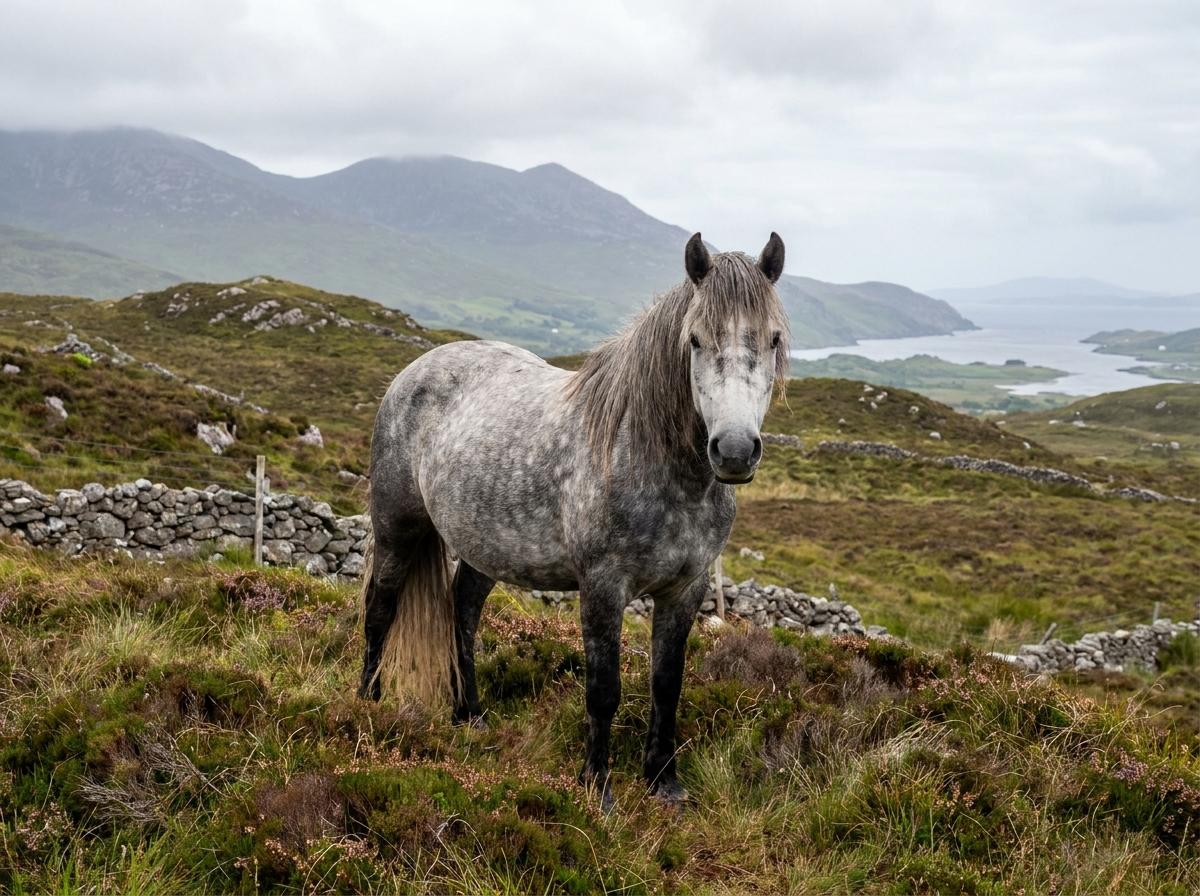
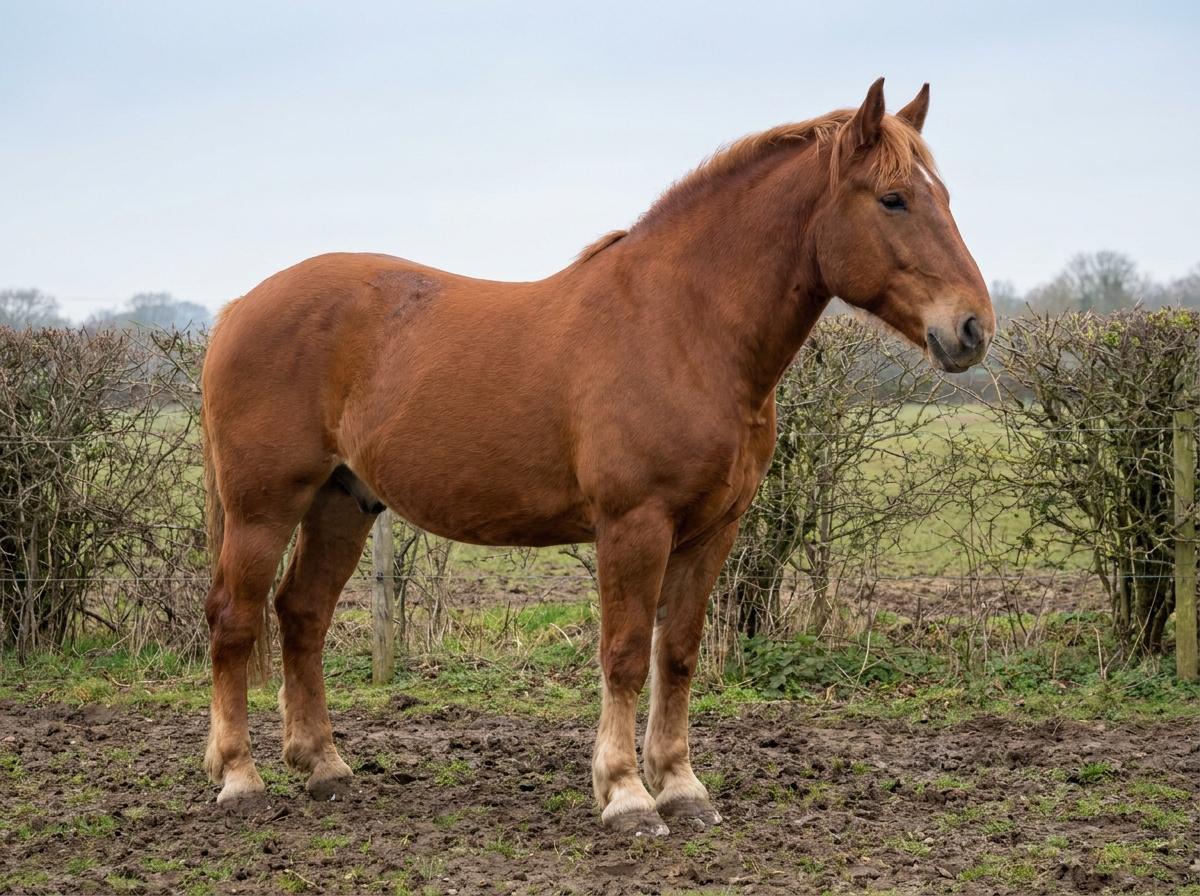
The Silesian horse, known in Poland as the Slaski horse, is a heavy warmblood and coach horse developed in historic Silesia from local mares and substantial German carriage breeds such as Oldenburg and East Friesian stock. It is larger and more solid than many modern sport horses, with a deep body, strong limbs, a calm but active temperament, and powerful movement suited to harness. Traditional Silesians were valued for farm work, road transport, and military remount use; modern lines appear in combined driving, pleasure driving, recreational riding, and breed preservation programs. Bay, black, chestnut, and gray are among the familiar colors.
Silesians are useful for owners who want a versatile, substantial horse, but their size and strength call for thoughtful training. Harness fit, hoof balance, and joint health are important because many are asked to pull or carry heavy loads. They usually do well on steady turnout and forage-based diets, with calories adjusted to work level so they do not become overly heavy. Breeders in Poland maintain studbook standards and, in some lines, focus on conserving the older carriage type rather than selecting only for sport. When evaluating a Silesian, look for straight movement, good feet, a willing mouth in harness, and a temperament that suits the intended rider or driver.
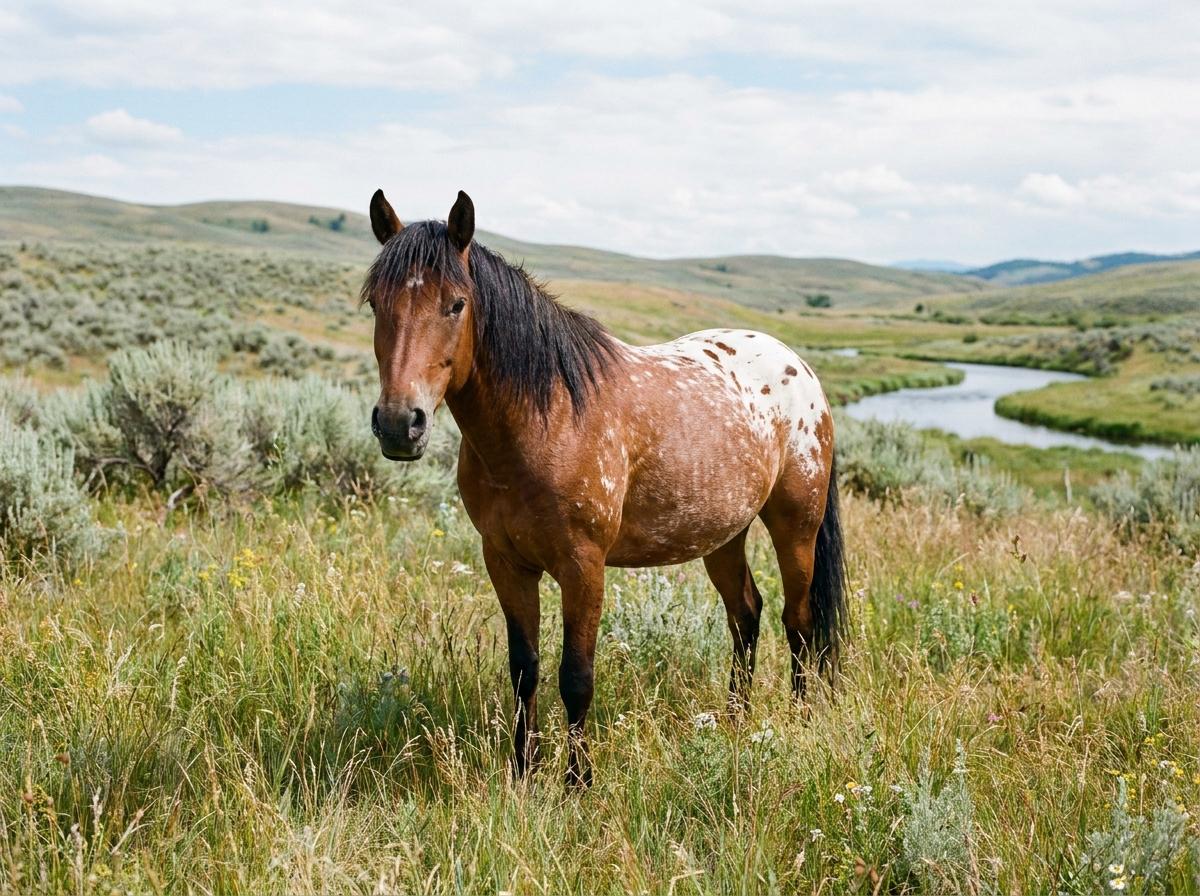
Colors: Amber Champagne, Bay, Bay Dun, Bay Roan, Black, Blanket Appaloosa, Blue Roan, Brown, Buckskin, Champagne, Chestnut, Classic Champagne, Cremello, Dun, Dun Roan, Fewspot Appaloosa, Flaxen Chestnut, Frame Overo, Gold Champagne, Gray, Grullo, Leopard Appaloosa, Liver Chestnut, Overo, Palomino, Perlino, Piebald, Pinto, Rabicano, Red Dun, Red Roan, Roan, Sabino, Seal Bay, Silver Dapple, Skewbald, Smoky Black, Smoky Cream, Snowcap Appaloosa, Sorrel, Splash White, Tobiano, Tovero, Varnish Roan, White