Sindhi Horse
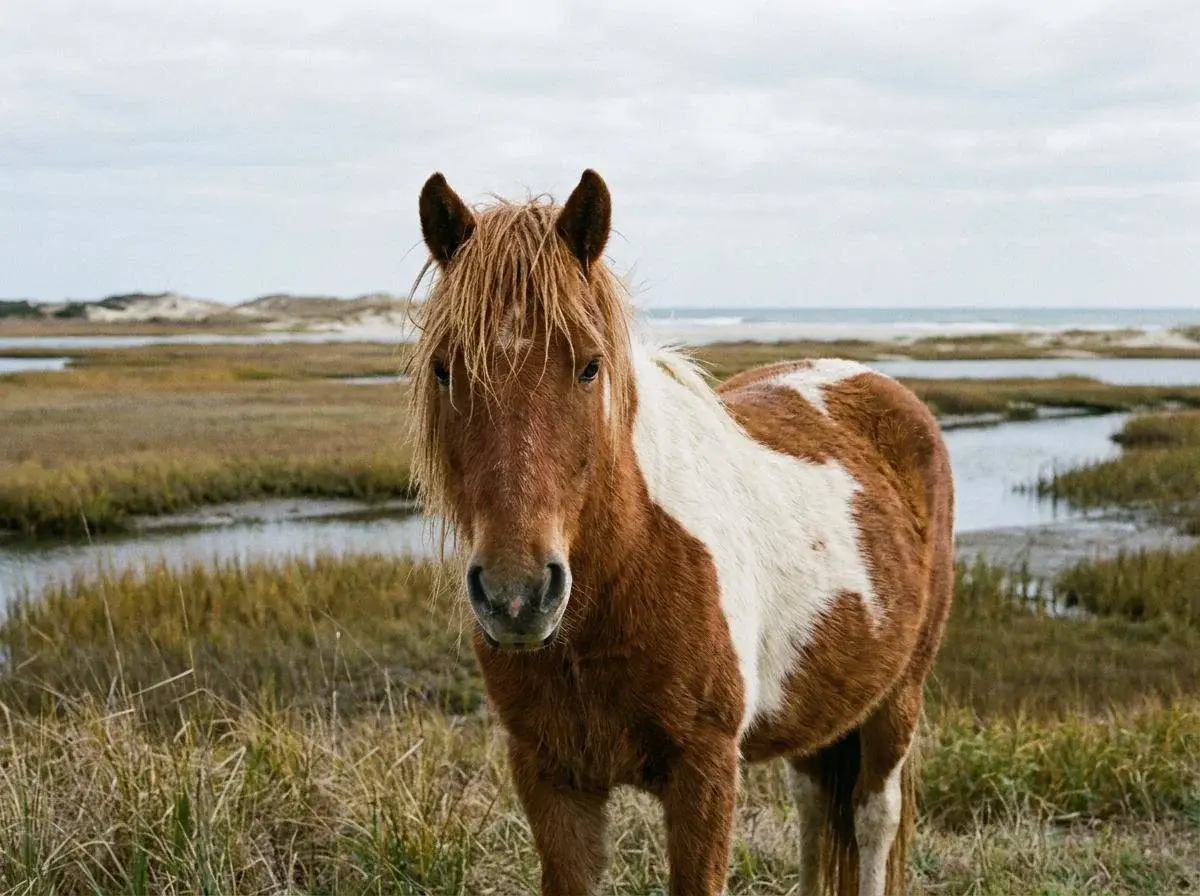
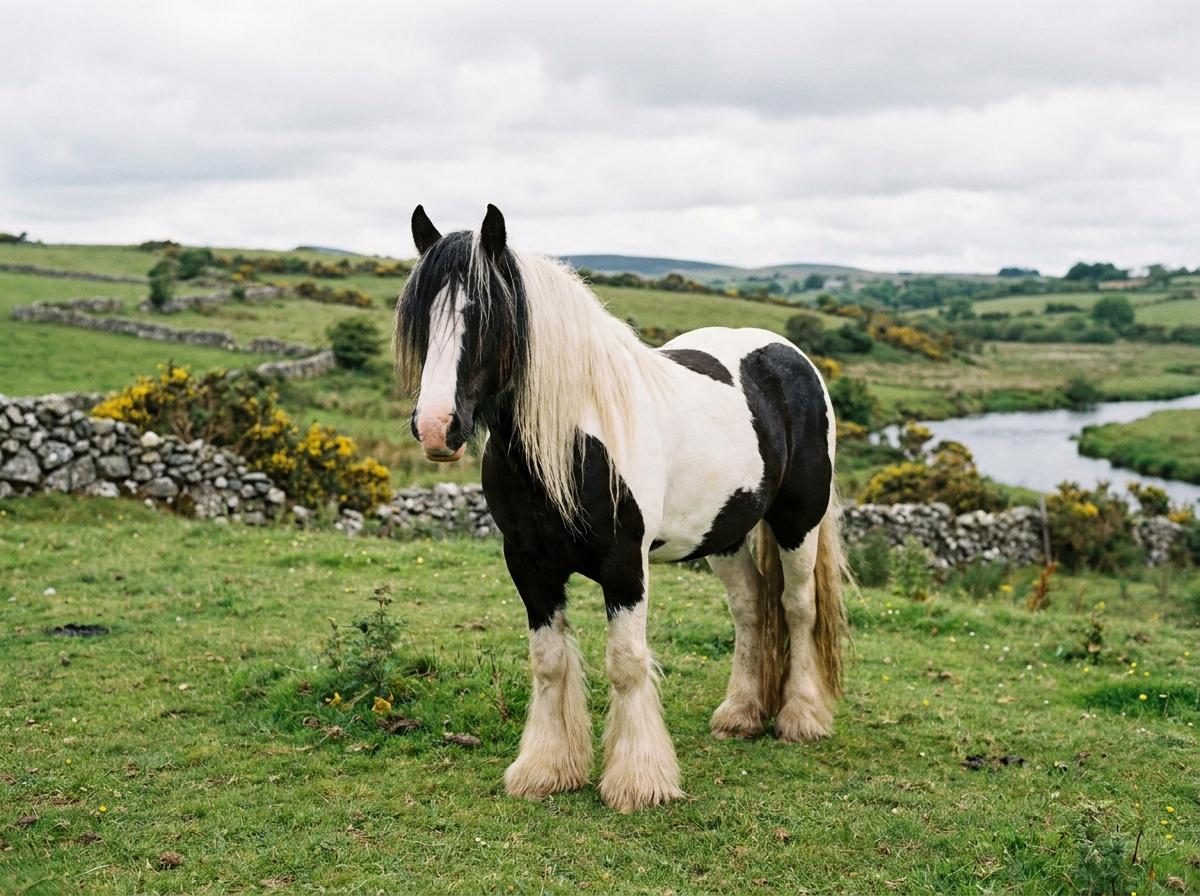
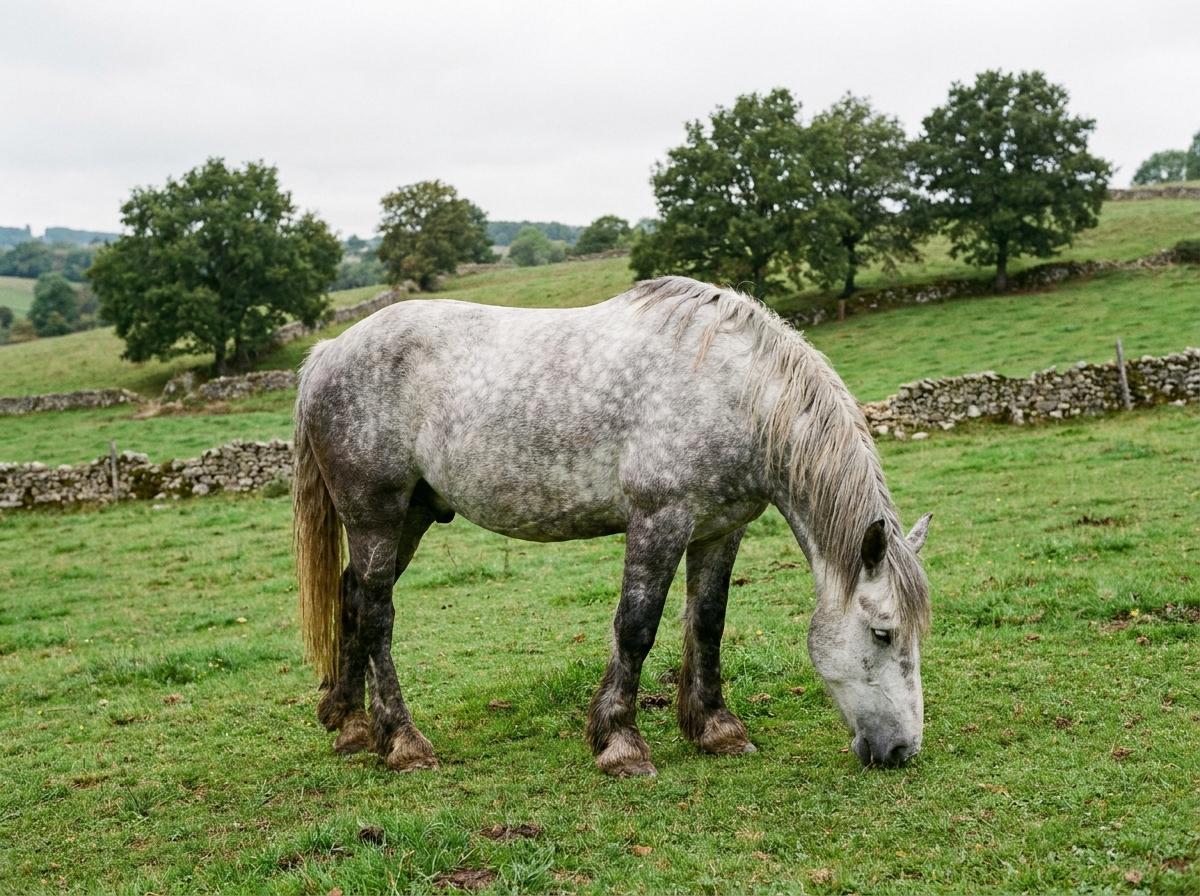
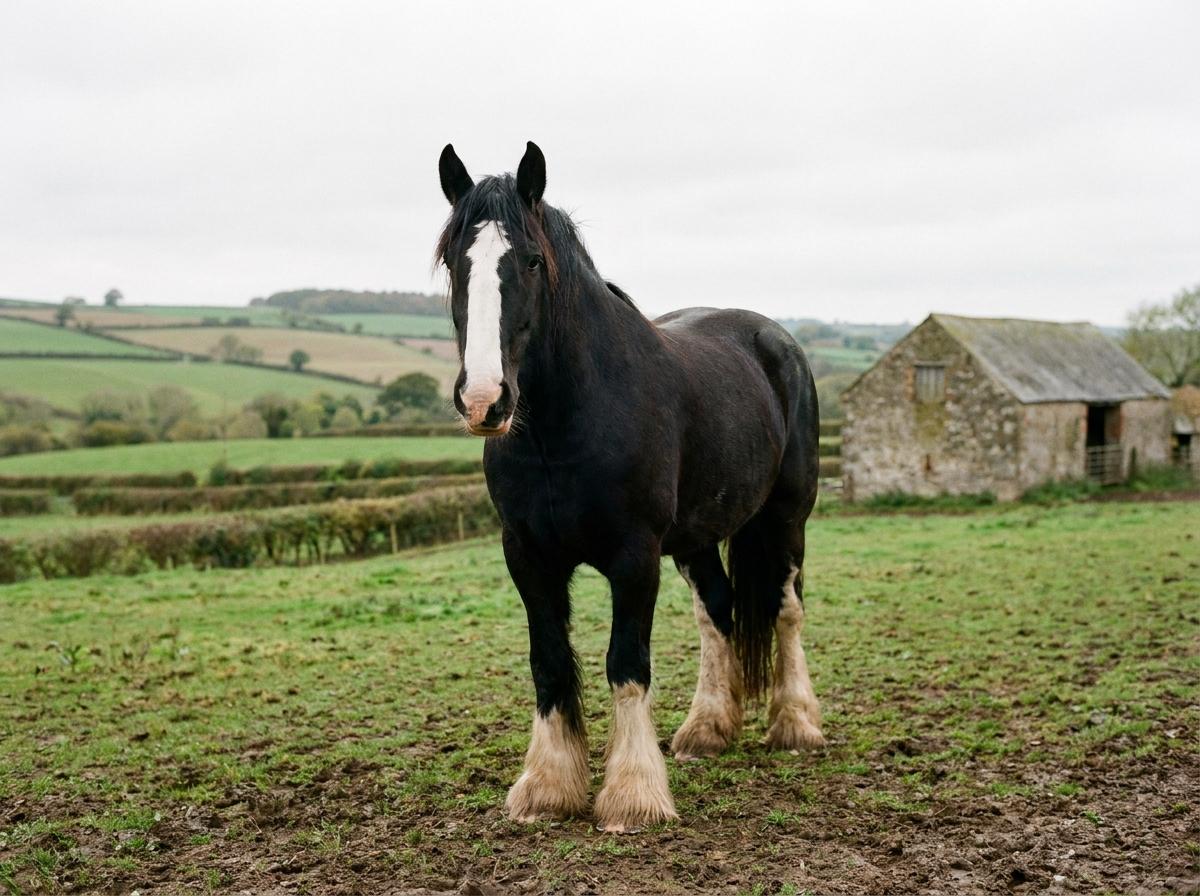
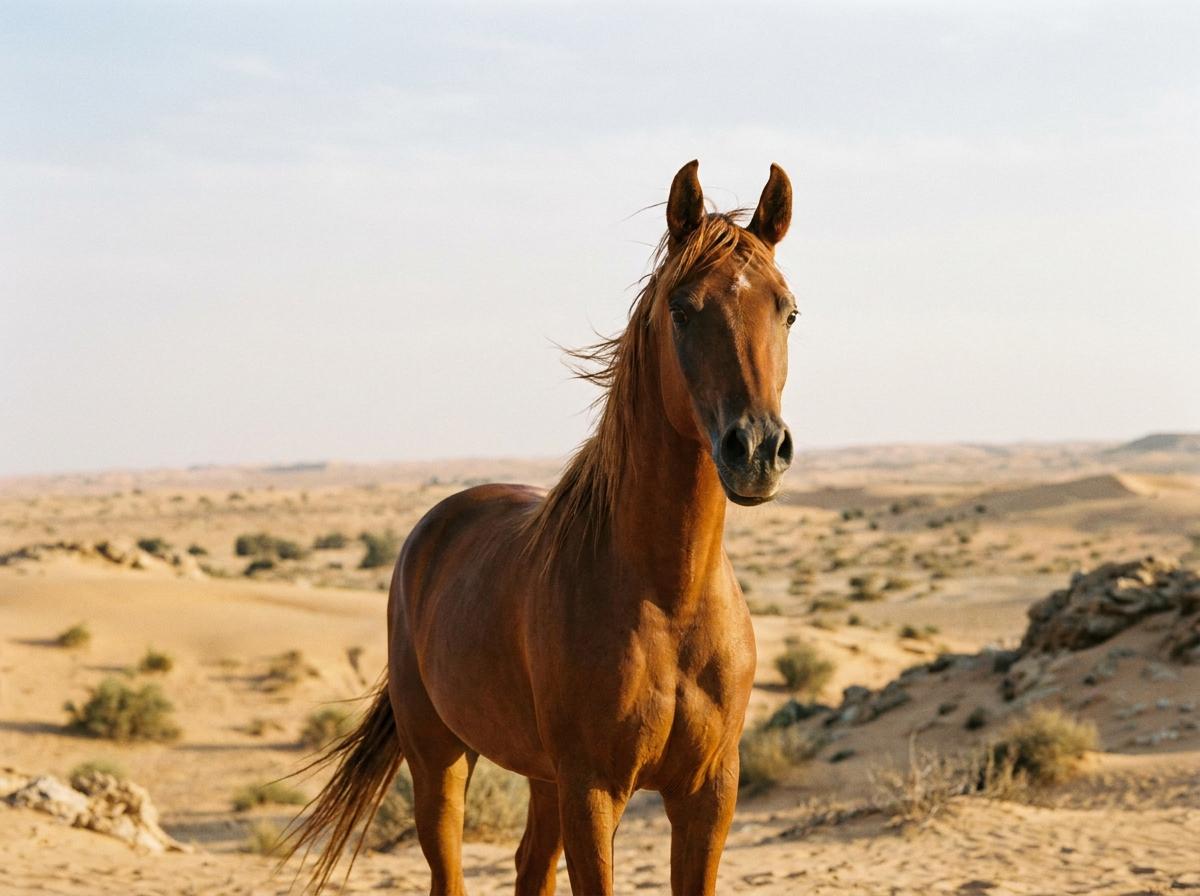
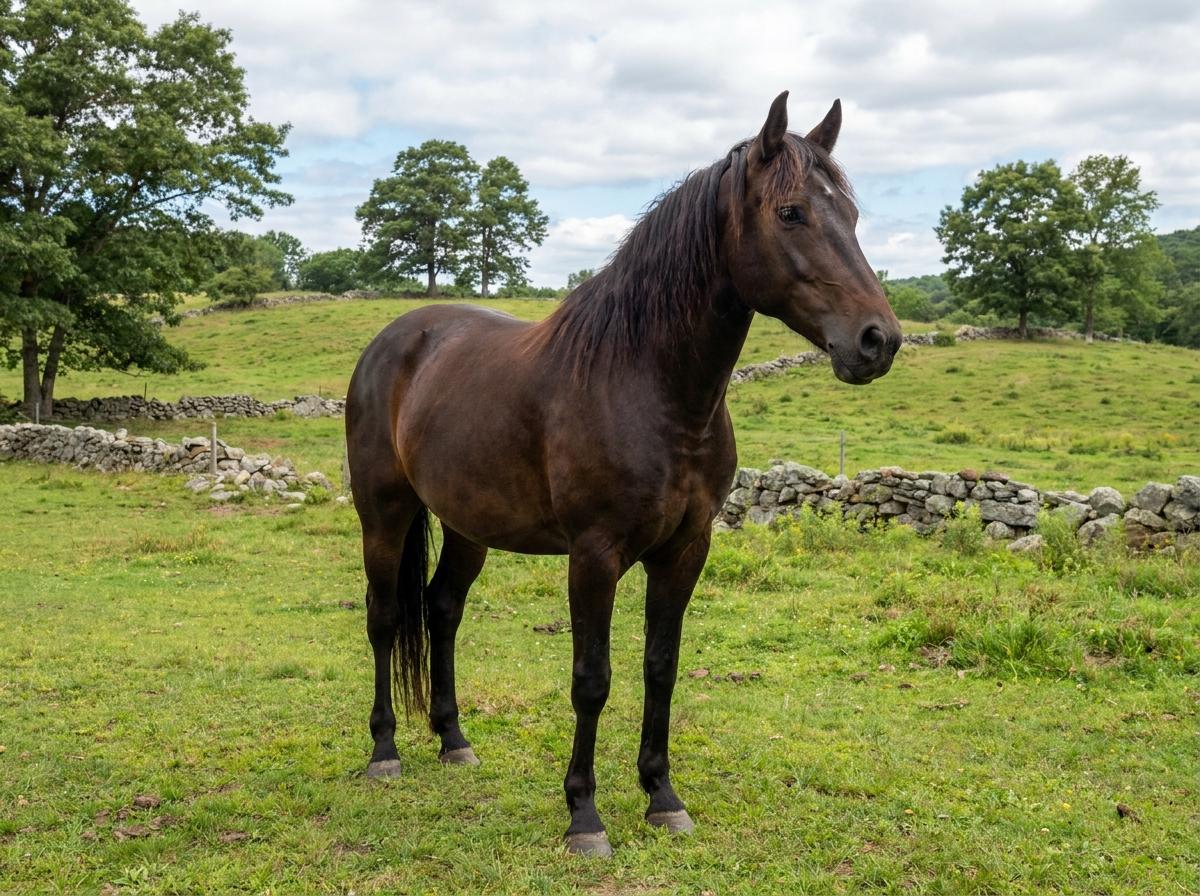
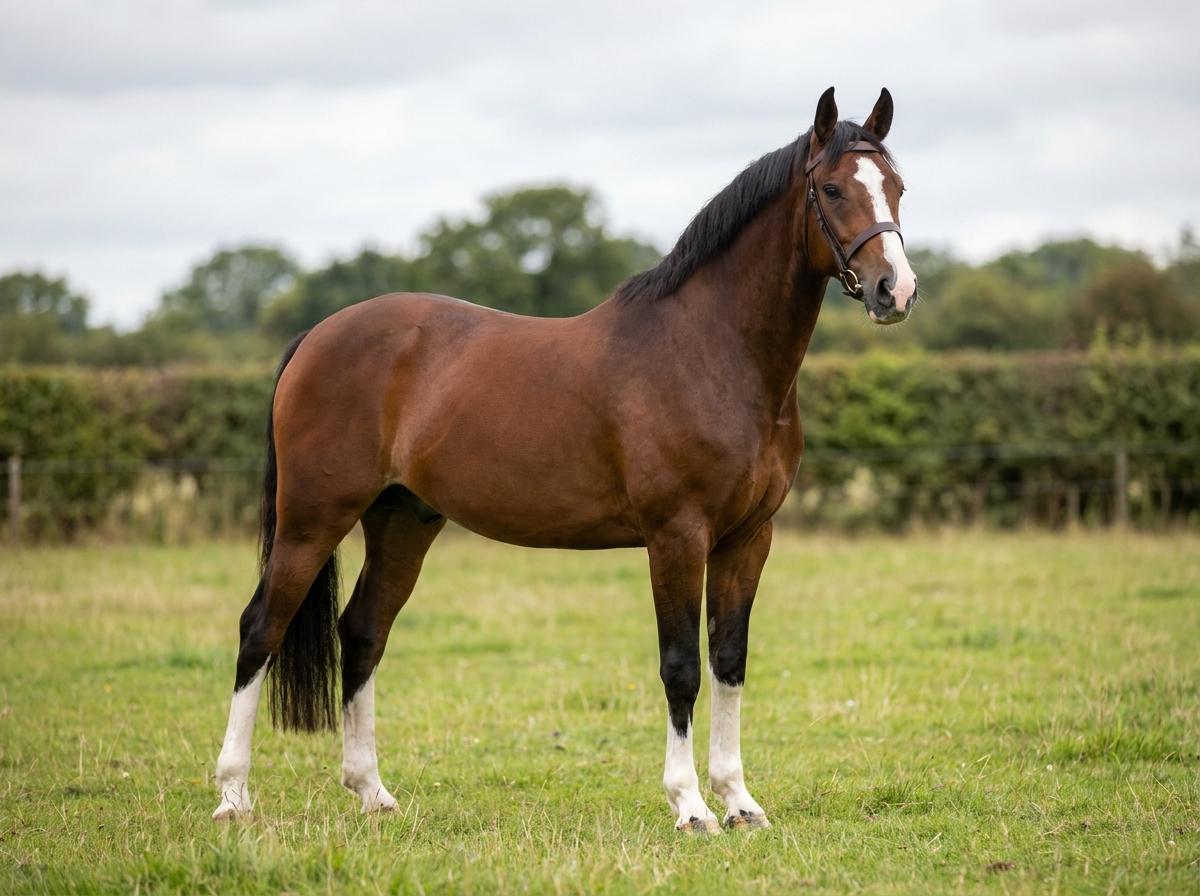
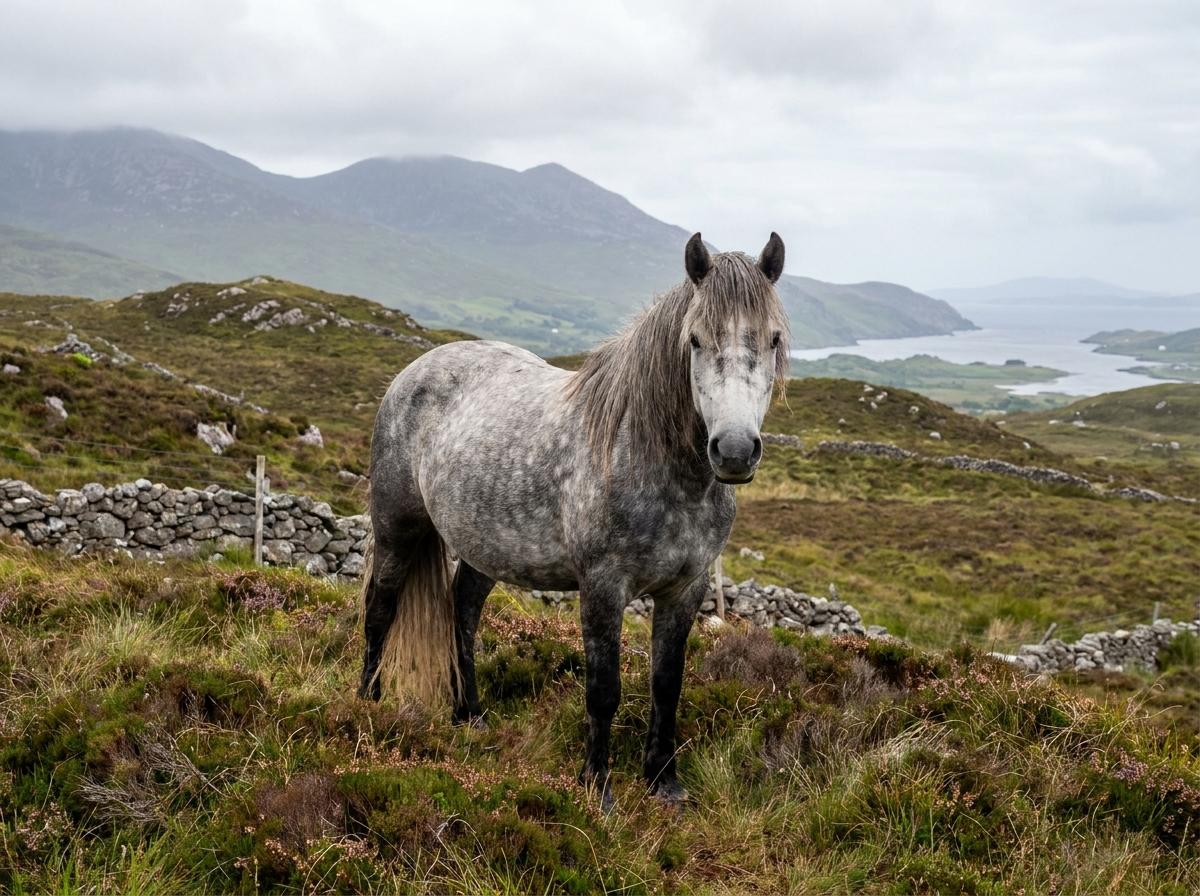
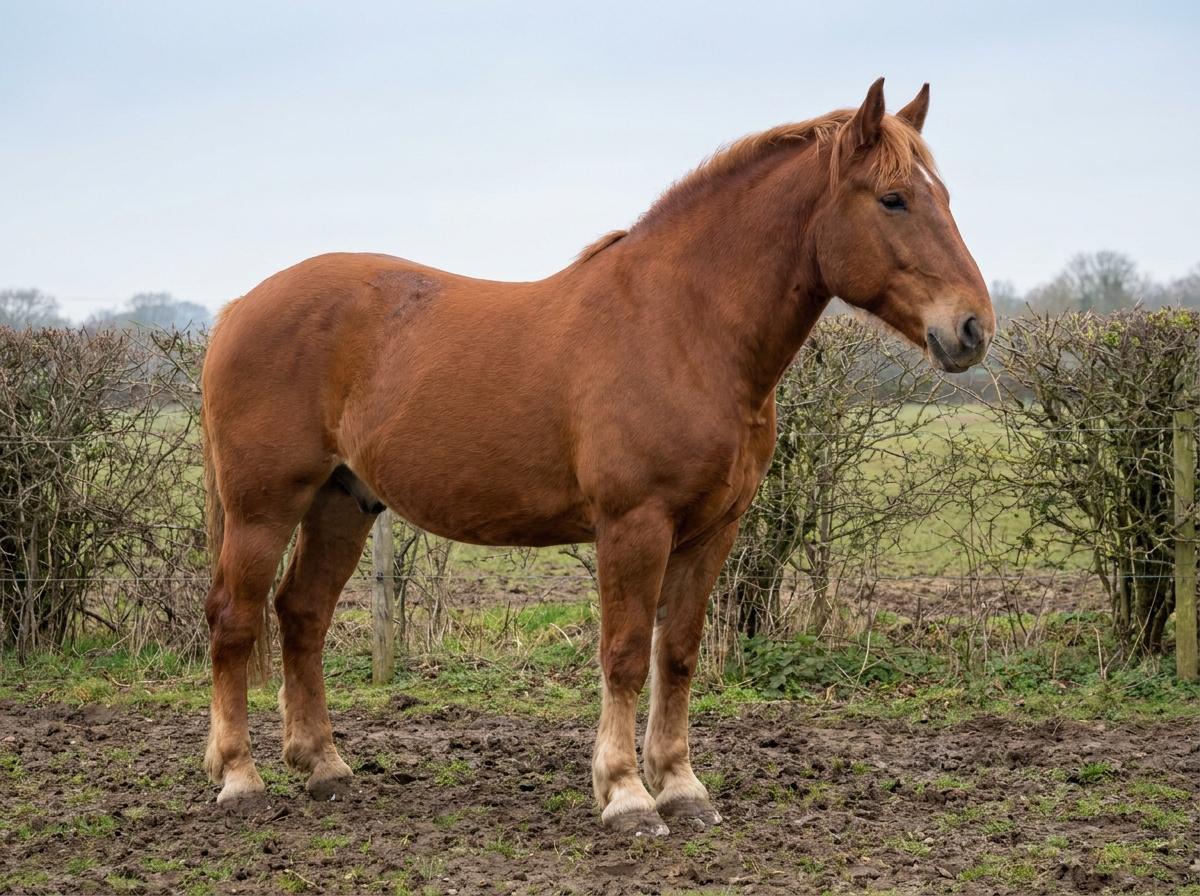
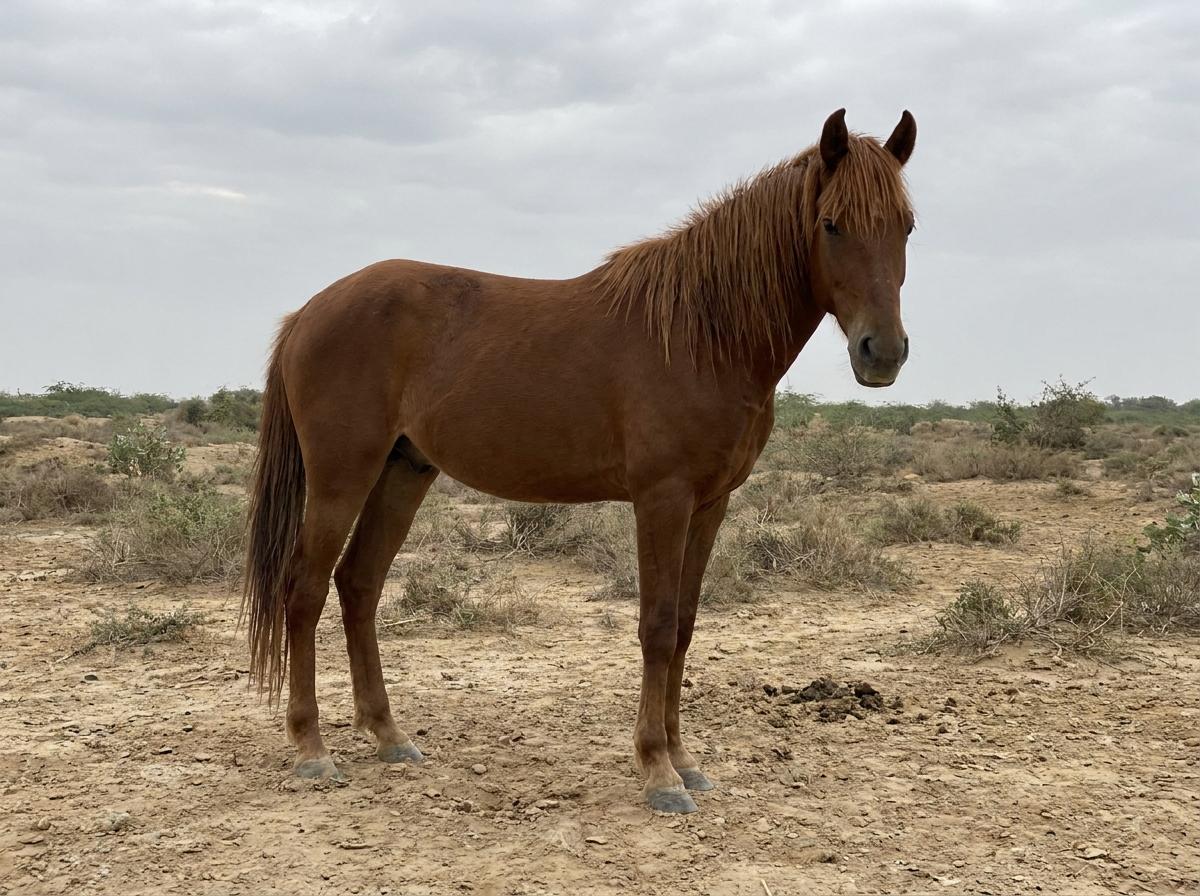
The Sindhi horse is a South Asian horse type associated with Sindh, now chiefly in Pakistan, and neighboring arid regions of the lower Indus. It is less standardized internationally than breeds with long formal studbooks, but local descriptions usually emphasize endurance, heat tolerance, hard feet, and a riding-horse build useful for travel, ceremonial use, police or farm work, and traditional horse culture. Some Sindhi horses show the inward-curving ears seen in related Indian and Pakistani breeds such as the Kathiawari or Marwari, though the exact head and ear shape varies by line.
These horses are most valued where climate and terrain reward toughness over size or show-ring specialization. Even desert-adapted animals need reliable water, shade, salt, and gradual conditioning; sudden work on poor footing or rich imported rations can create avoidable problems. Documentation may be informal, so buyers should judge conformation, soundness, manners, and provenance rather than relying on a name alone. Conservation-minded breeders in the region tend to favor functional mares and stallions that retain local adaptation, especially sure-footedness, stamina, and sensible behavior around people.
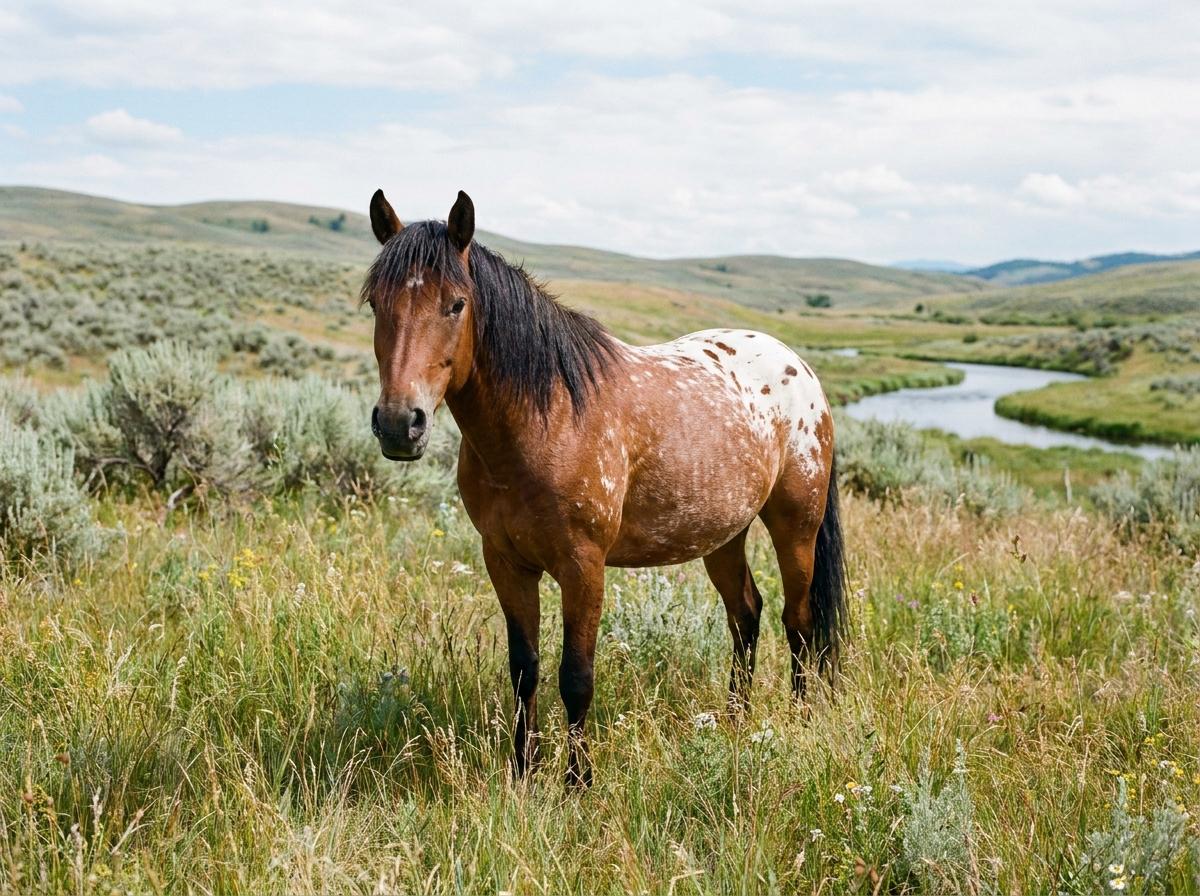
Colors: Amber Champagne, Bay, Bay Dun, Bay Roan, Black, Blanket Appaloosa, Blue Roan, Brown, Buckskin, Champagne, Chestnut, Classic Champagne, Cremello, Dun, Dun Roan, Fewspot Appaloosa, Flaxen Chestnut, Frame Overo, Gold Champagne, Gray, Grey, Grullo, Leopard Appaloosa, Liver Chestnut, Overo, Palomino, Perlino, Piebald, Pinto, Rabicano, Red Dun, Red Roan, Roan, Sabino, Seal Bay, Silver Dapple, Skewbald, Smoky Black, Smoky Cream, Snowcap Appaloosa, Sorrel, Splash White, Tobiano, Tovero, Varnish Roan, White