


Sokolski Horse
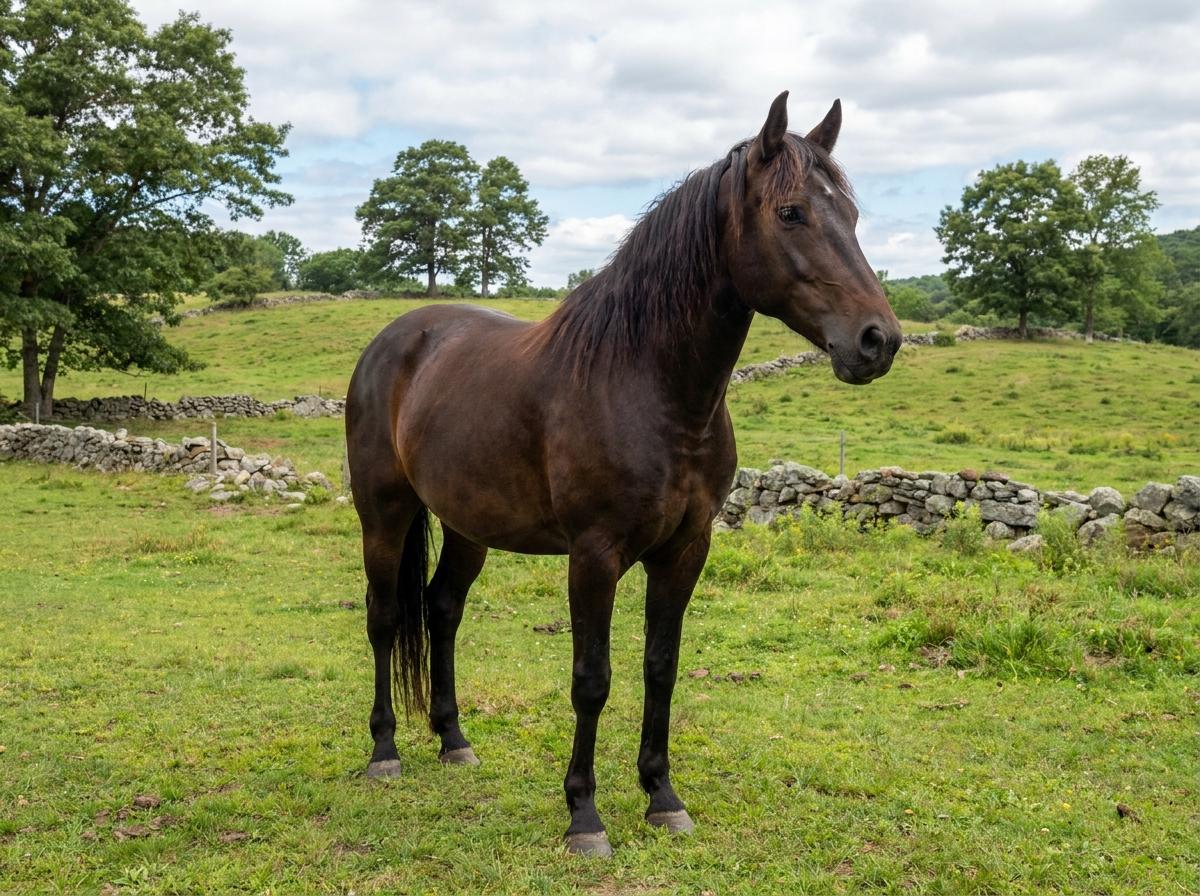
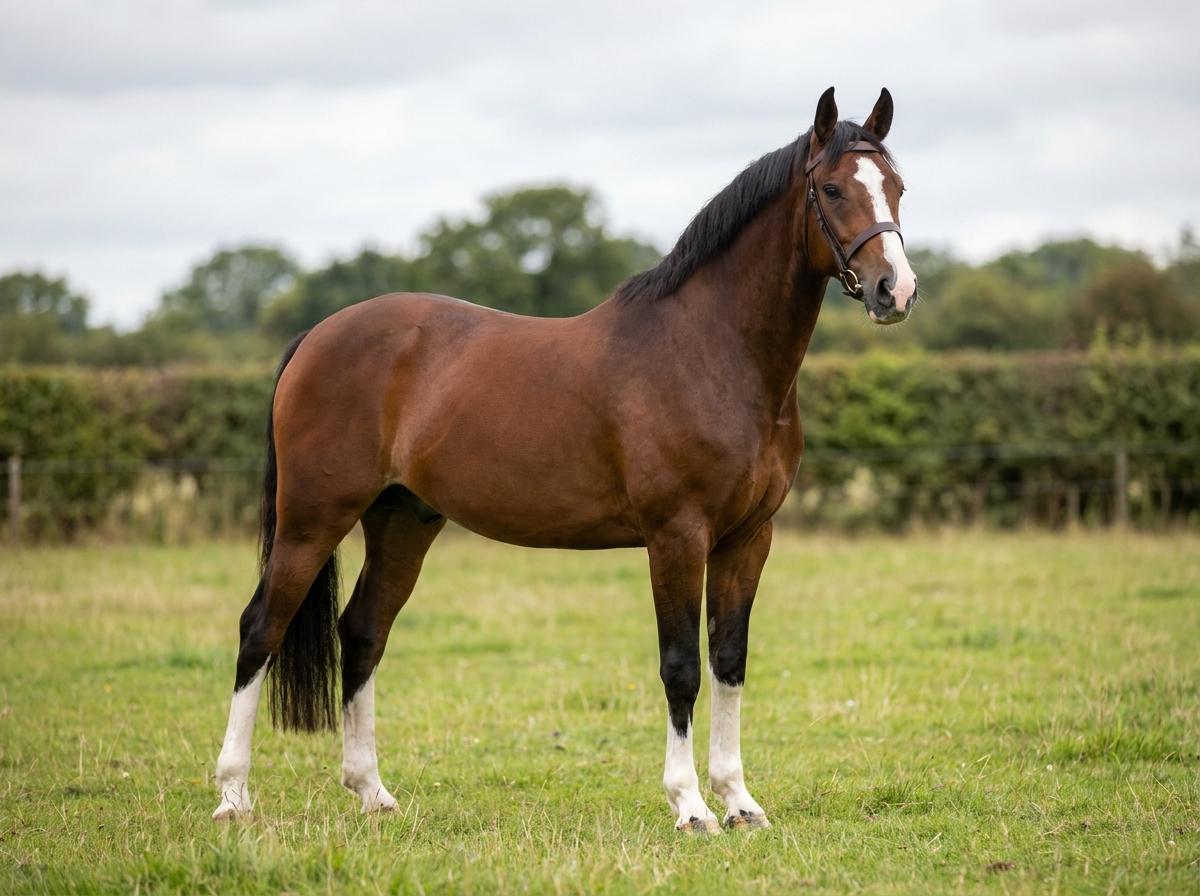
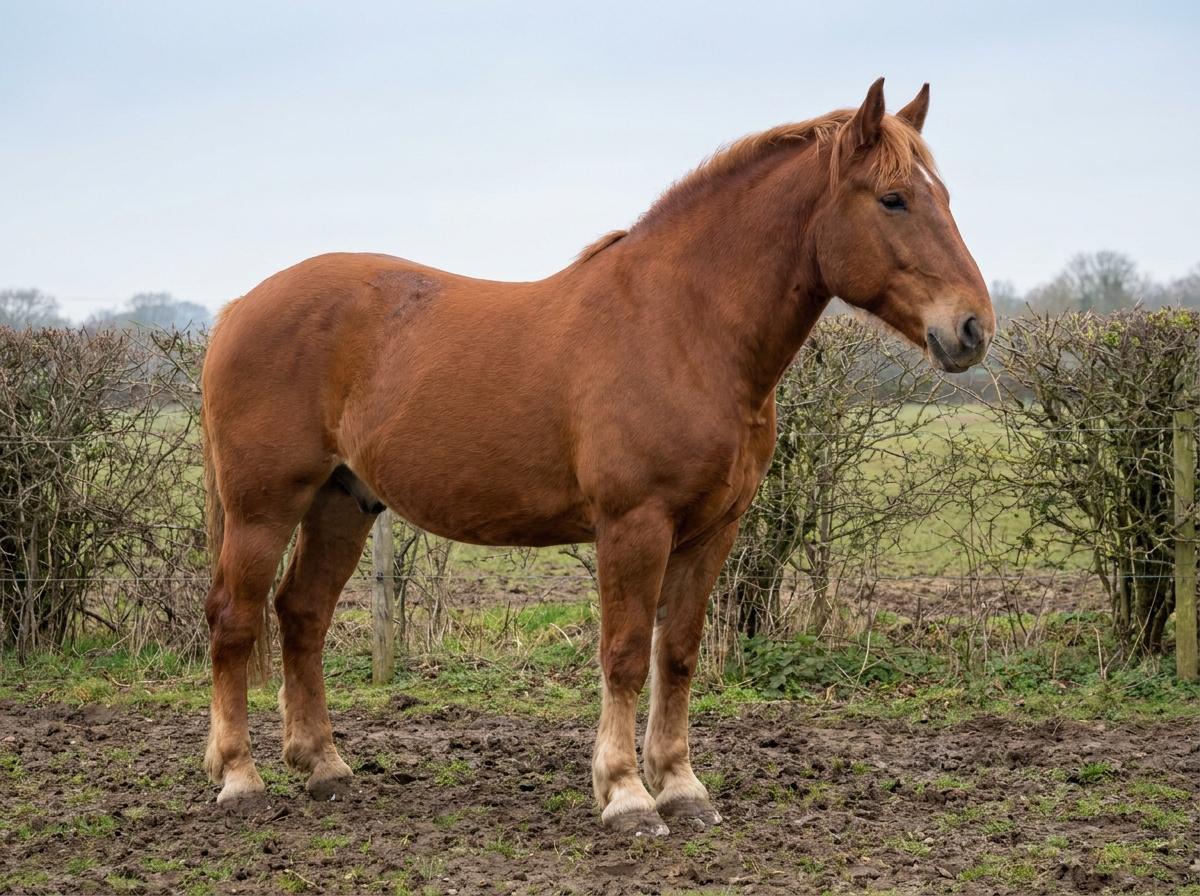
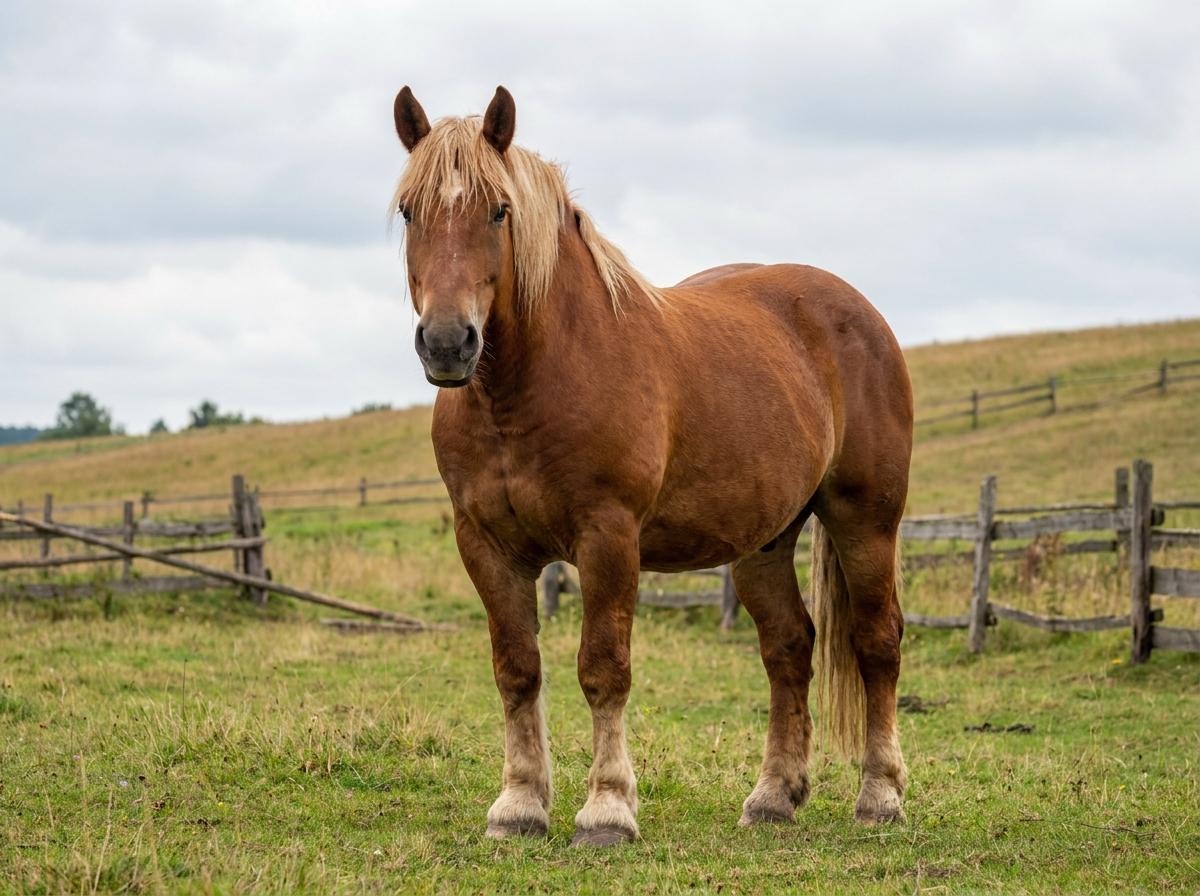
The Sokolski horse, also called the Sokolka horse, is a Polish cold-blood type from the Sokolka area of north-eastern Poland. It developed from local farm mares crossed with heavier draft breeds, including Ardennes and Belgian-related stock, to produce a compact, strong horse for small farms rather than an oversized show draft. Sokolski horses are typically sturdy, deep-bodied, and economical to keep, with enough energy for field work, hauling, forestry, and rural driving. The type is closely connected with the broader Polish Coldblood population but is often discussed separately because of its regional history.
Modern use is mostly practical and cultural: carriage driving, farm demonstrations, light forestry, breeding shows, and conservation of local horse genetics. As with other cold-bloods, owners need safe handling routines, strong fencing, and tack or harness built for broad shoulders and substantial necks. Body condition can creep up when a working horse is kept as a leisure animal, so forage quality and exercise should be matched to workload. Breeders pay attention to fertility, sound legs, hoof quality, and a steady temperament, while trying to avoid losing the smaller, efficient farm-horse character that distinguished the Sokolski type.
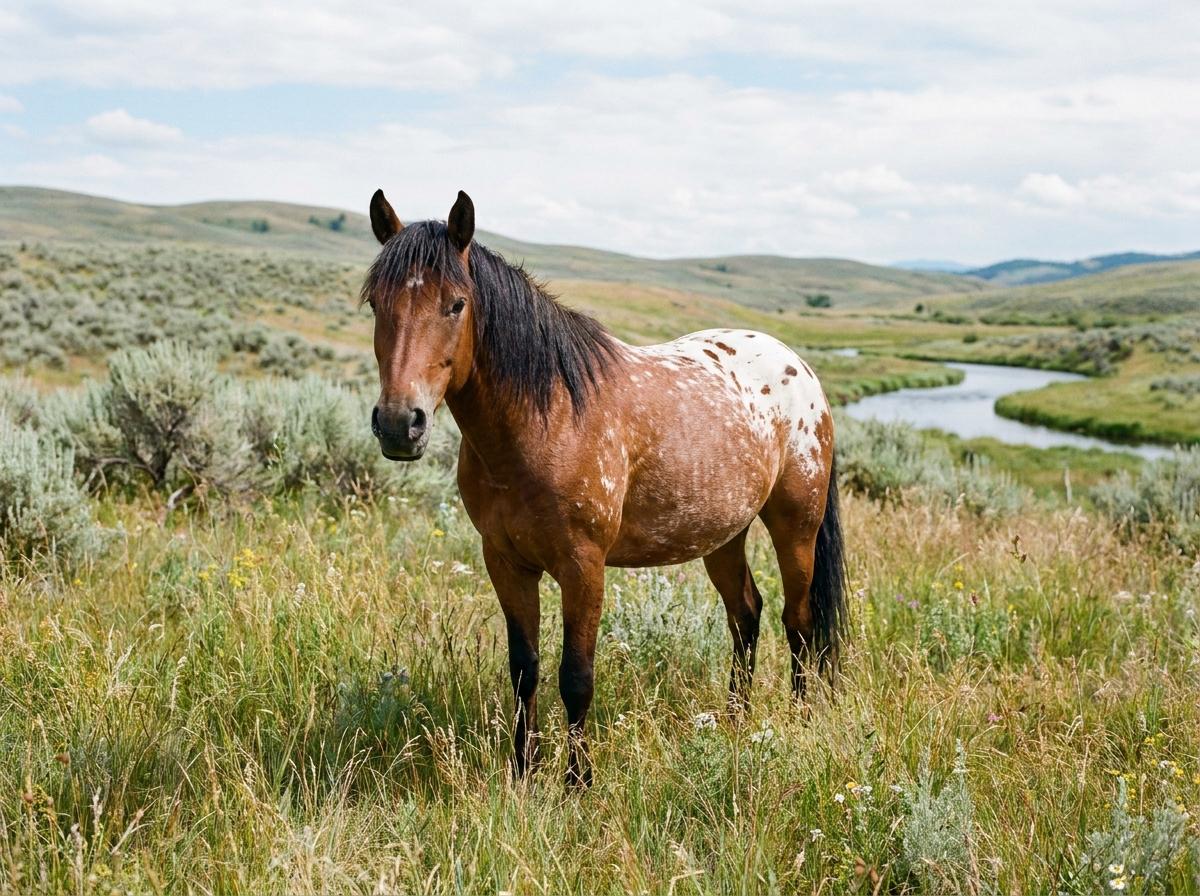
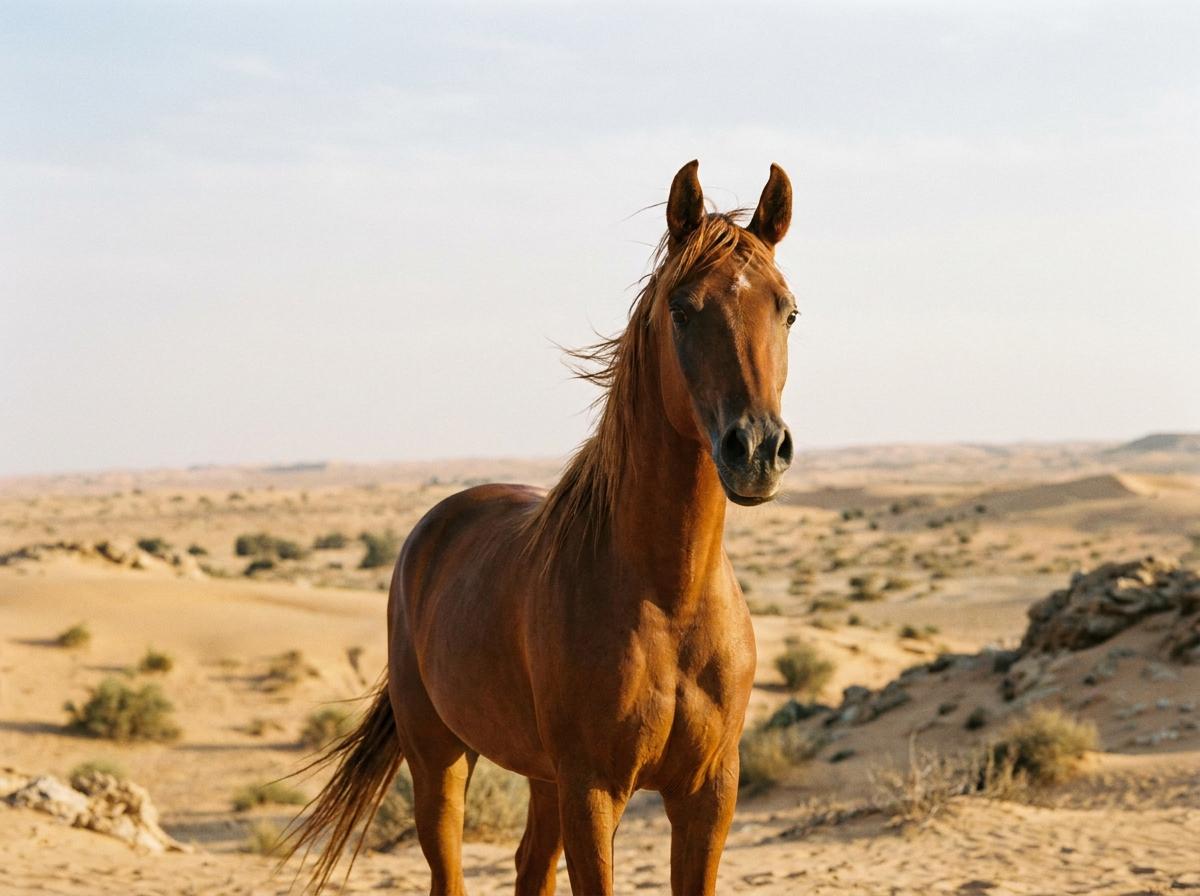
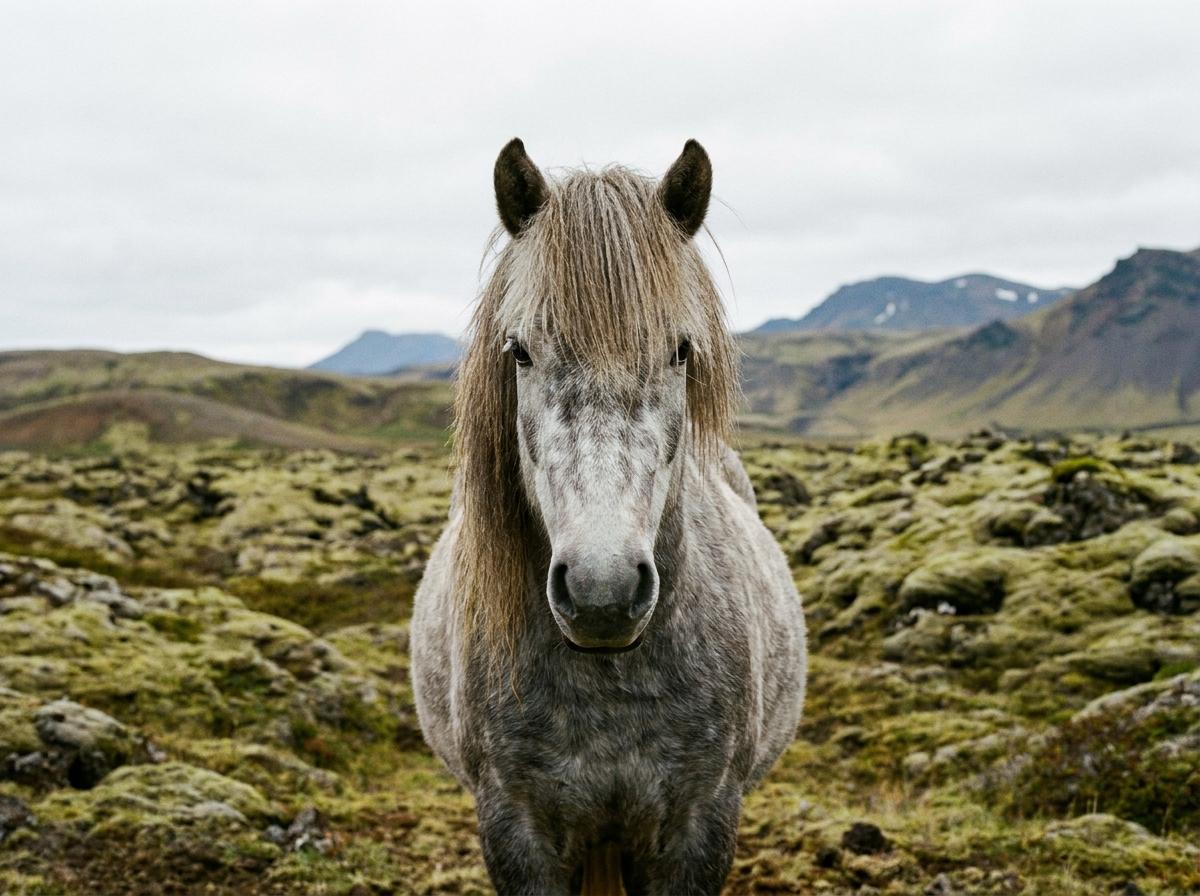
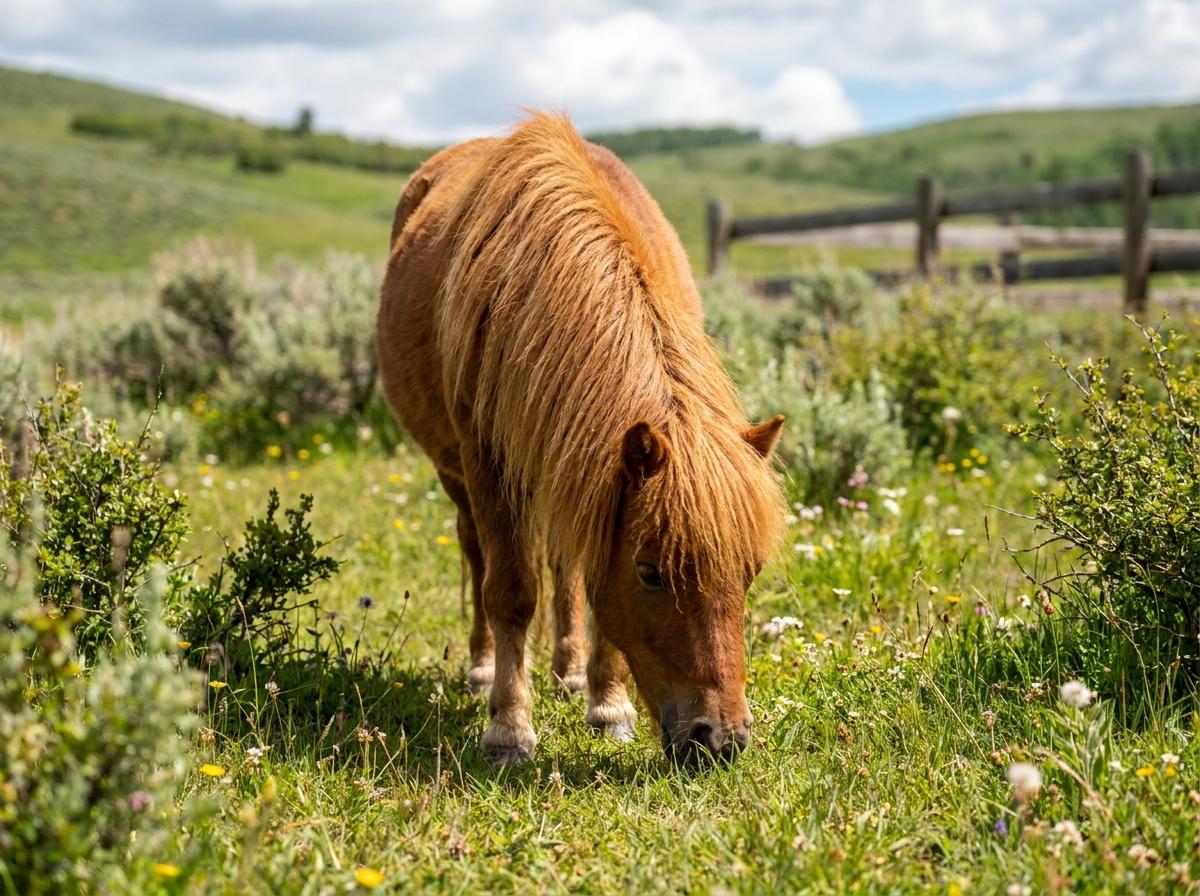
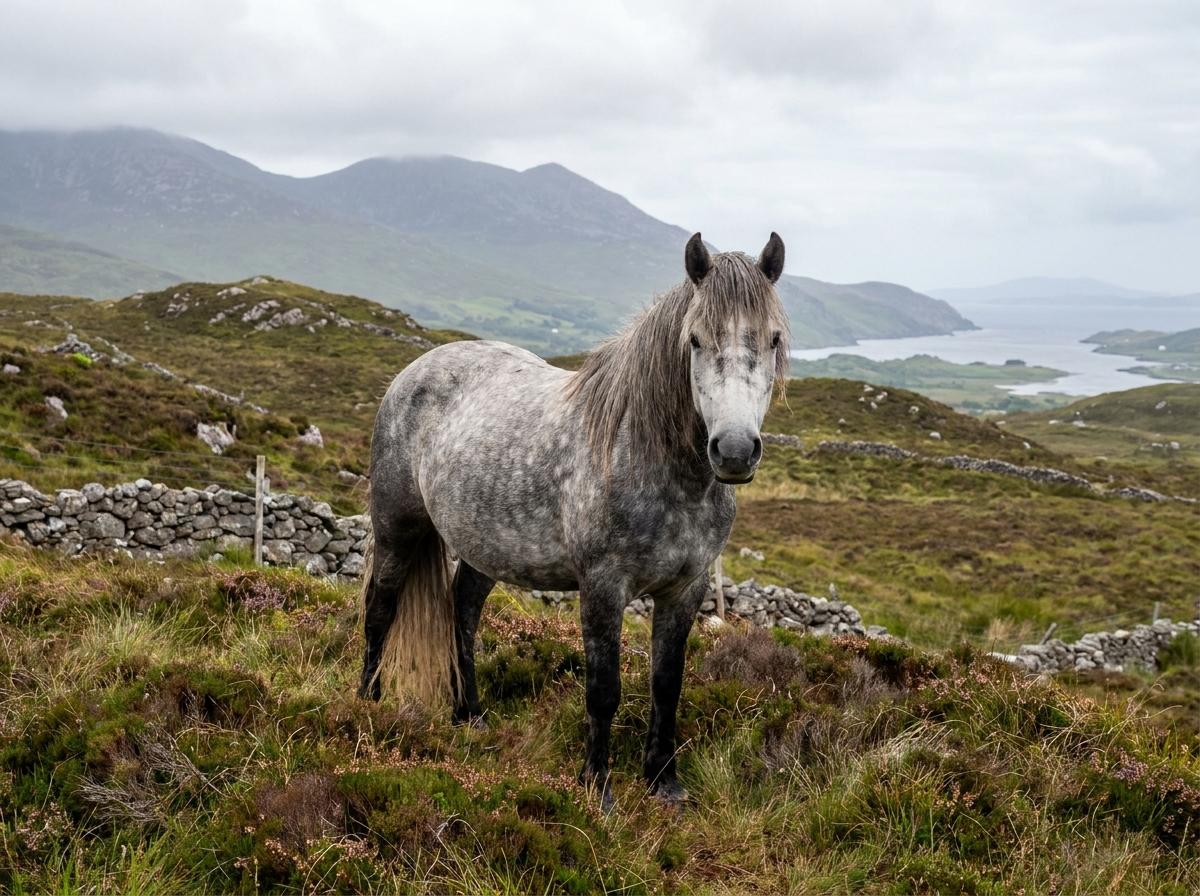
Colors: Amber Champagne, Bay, Bay Dun, Bay Roan, Black, Blanket Appaloosa, Blue Roan, Brown, Buckskin, Champagne, Chestnut, Classic Champagne, Cremello, Dun, Dun Roan, Fewspot Appaloosa, Flaxen Chestnut, Frame Overo, Gold Champagne, Gray, Grey, Grullo, Leopard Appaloosa, Liver Chestnut, Overo, Palomino, Perlino, Piebald, Pinto, Rabicano, Red Dun, Red Roan, Roan, Sabino, Seal Bay, Silver Dapple, Skewbald, Smoky Black, Smoky Cream, Snowcap Appaloosa, Sorrel, Splash White, Tobiano, Tovero, Varnish Roan, White