Sorraia
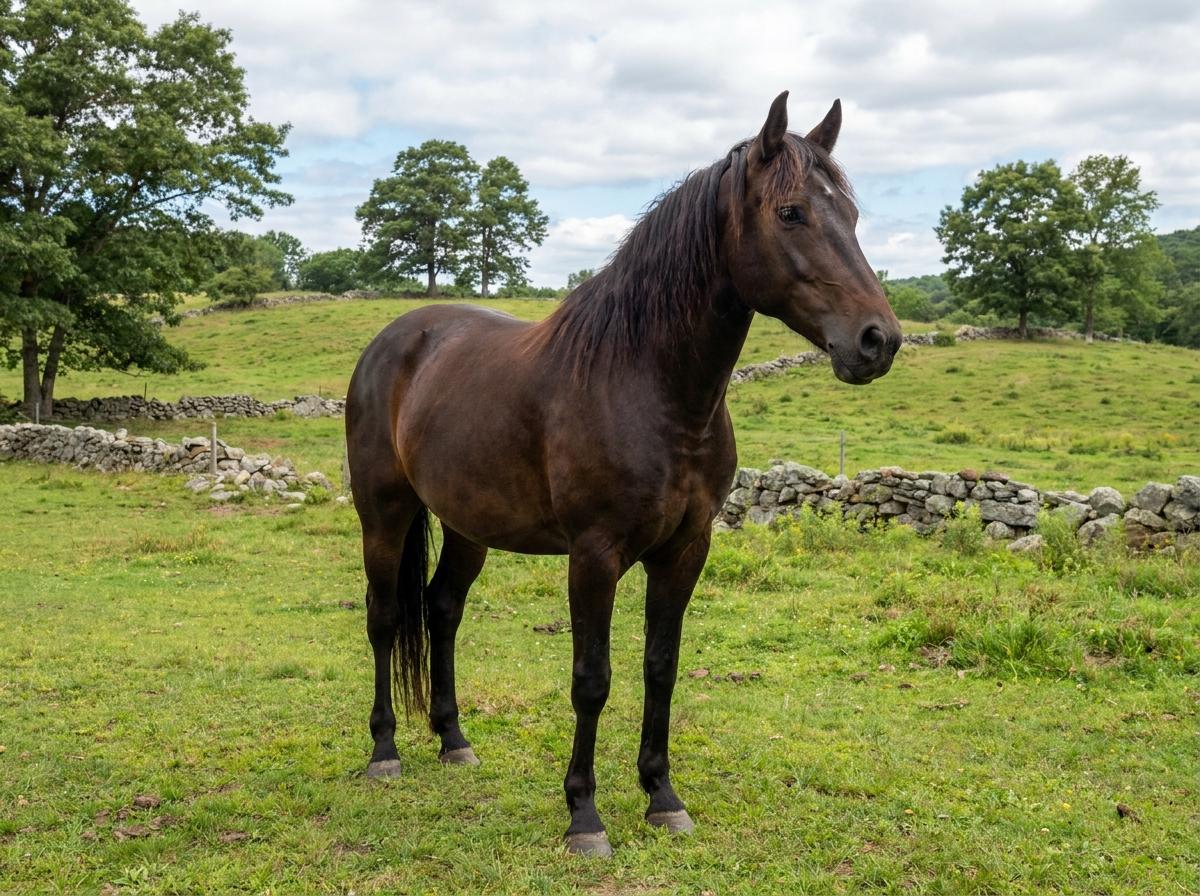
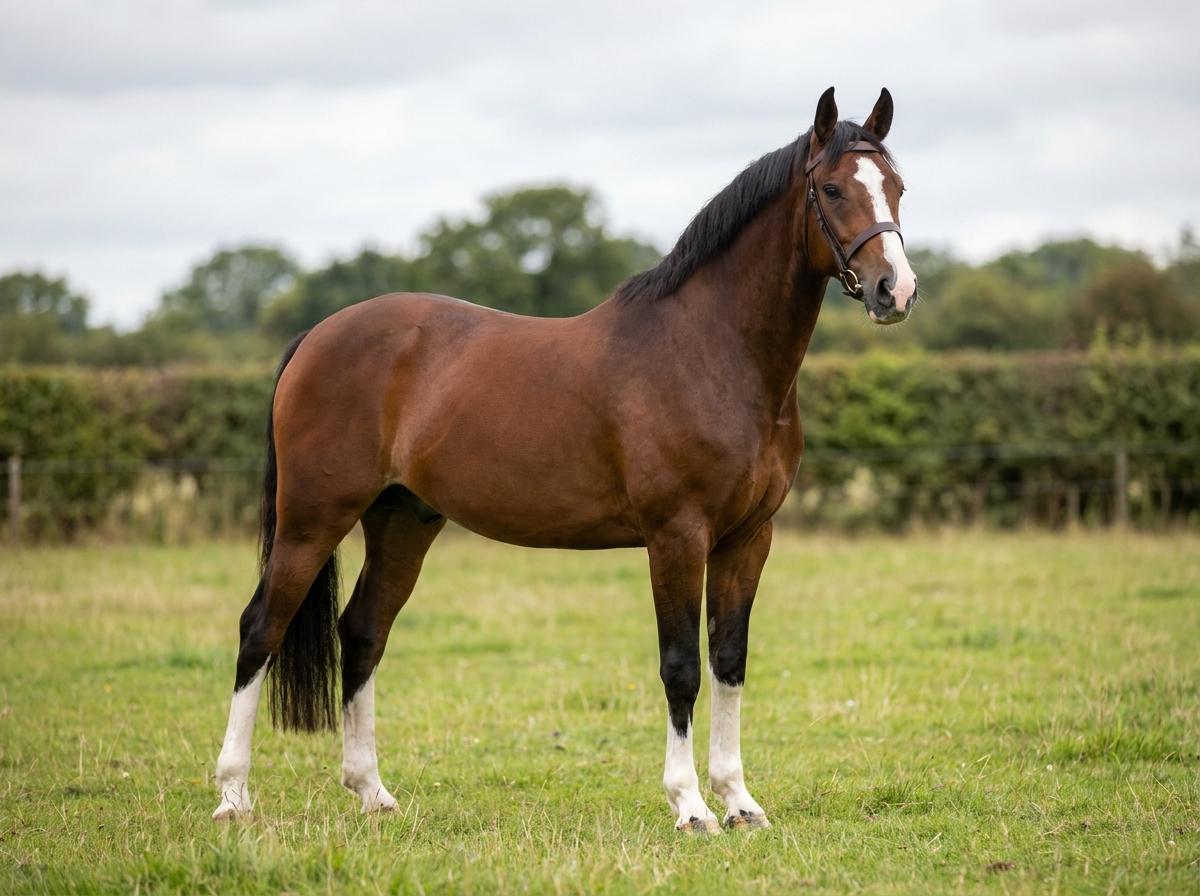
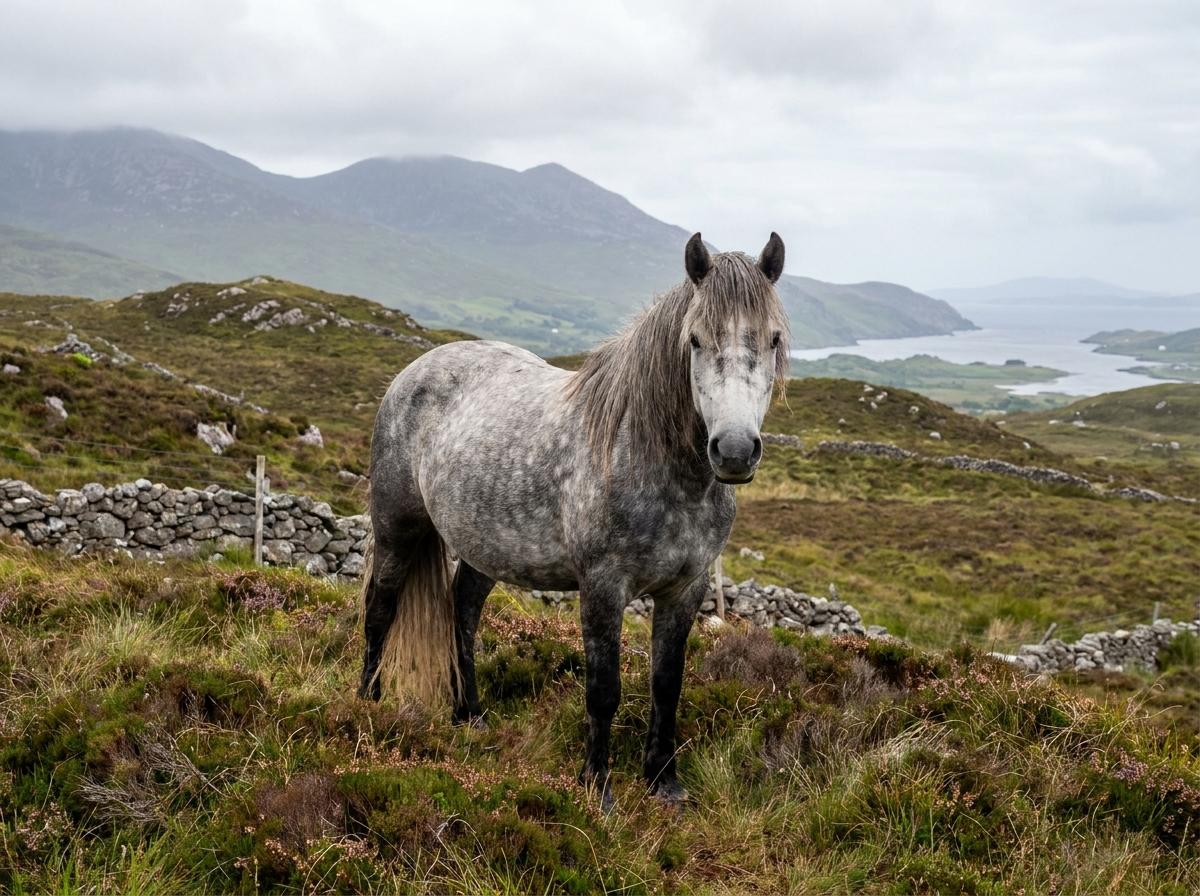
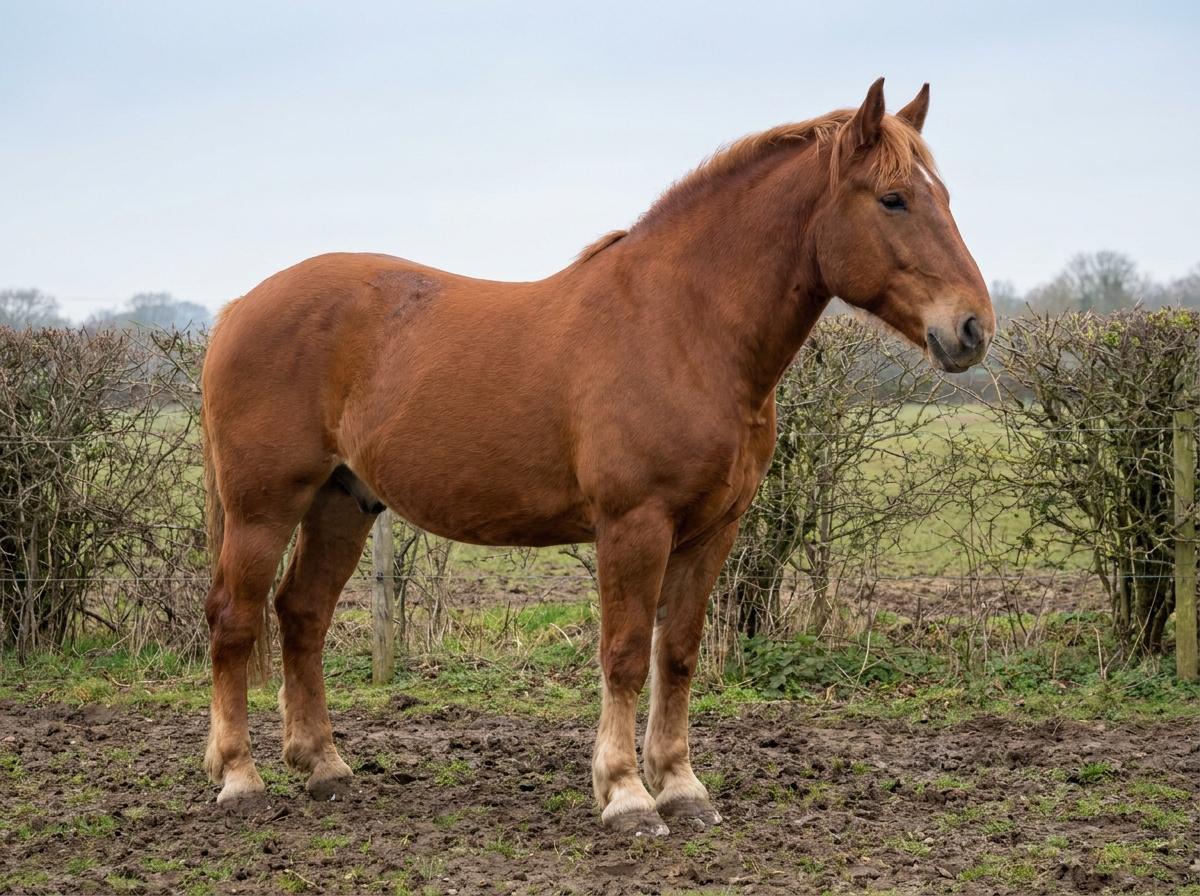
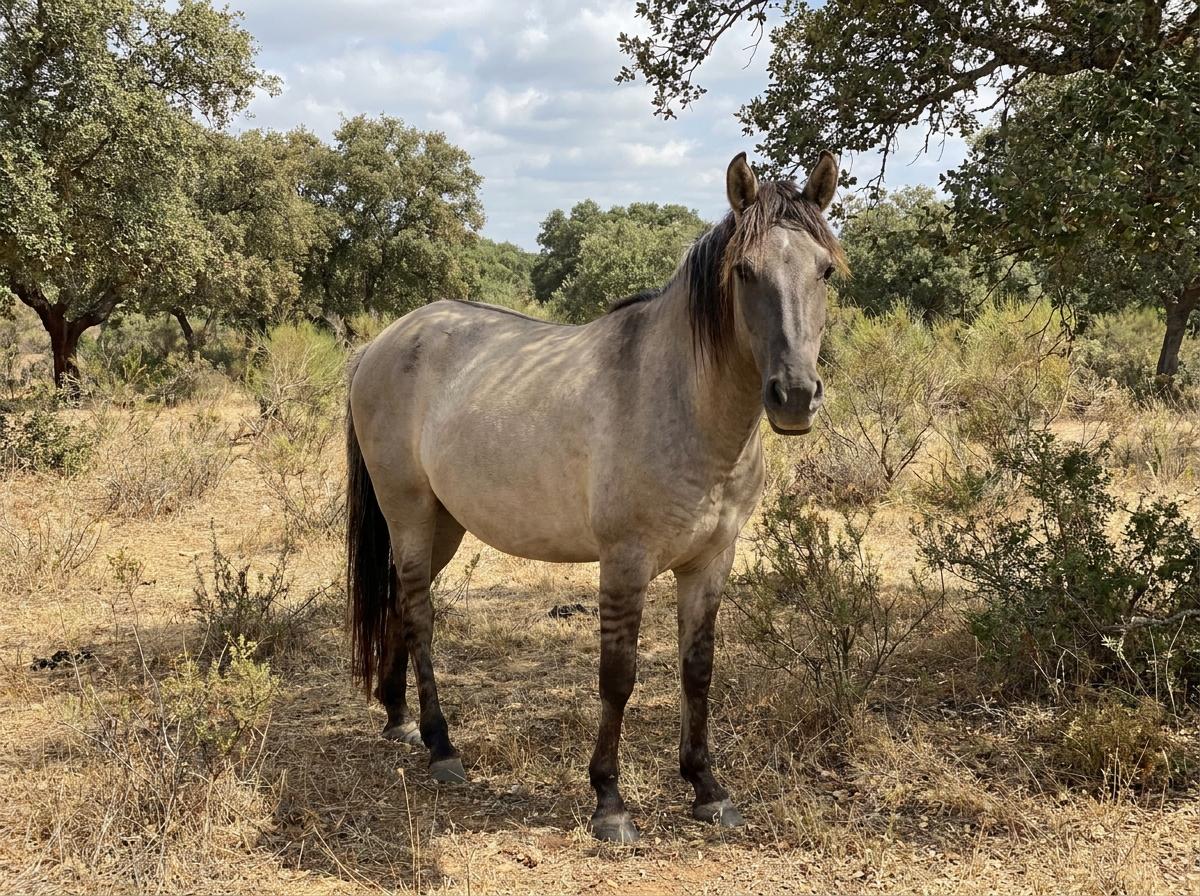
The Sorraia is a rare Portuguese horse associated with the Sorraia River basin and the broader Iberian primitive-horse tradition. It was identified and promoted in the twentieth century by Portuguese zoologist Ruy d'Andrade, who saw in these animals a remnant of older horses from the region. Sorraias are usually small to medium-sized, narrow and athletic, with a convex or subconvex head, strong legs, and dun or grullo coloring with a dark dorsal stripe; some show shoulder bars or zebra-like leg markings. Claims about direct wild ancestry are debated, but the breed is important for understanding Iberian horse history.
Because the population is small, Sorraia breeding is as much stewardship as ordinary horse production. Conservation herds and private breeders track family lines carefully, aiming to preserve type without intensifying inbreeding. These horses are hardy and can do well on modest forage, but they still need routine hoof care, dental care, parasite control, and patient handling. Many are used for light riding, horsemanship programs, trekking, or low-level working equitation rather than heavy sport. Buyers should expect a conservation breed with limited numbers and should verify registration or breeder records before assuming a dun-colored Iberian-type horse is a Sorraia.
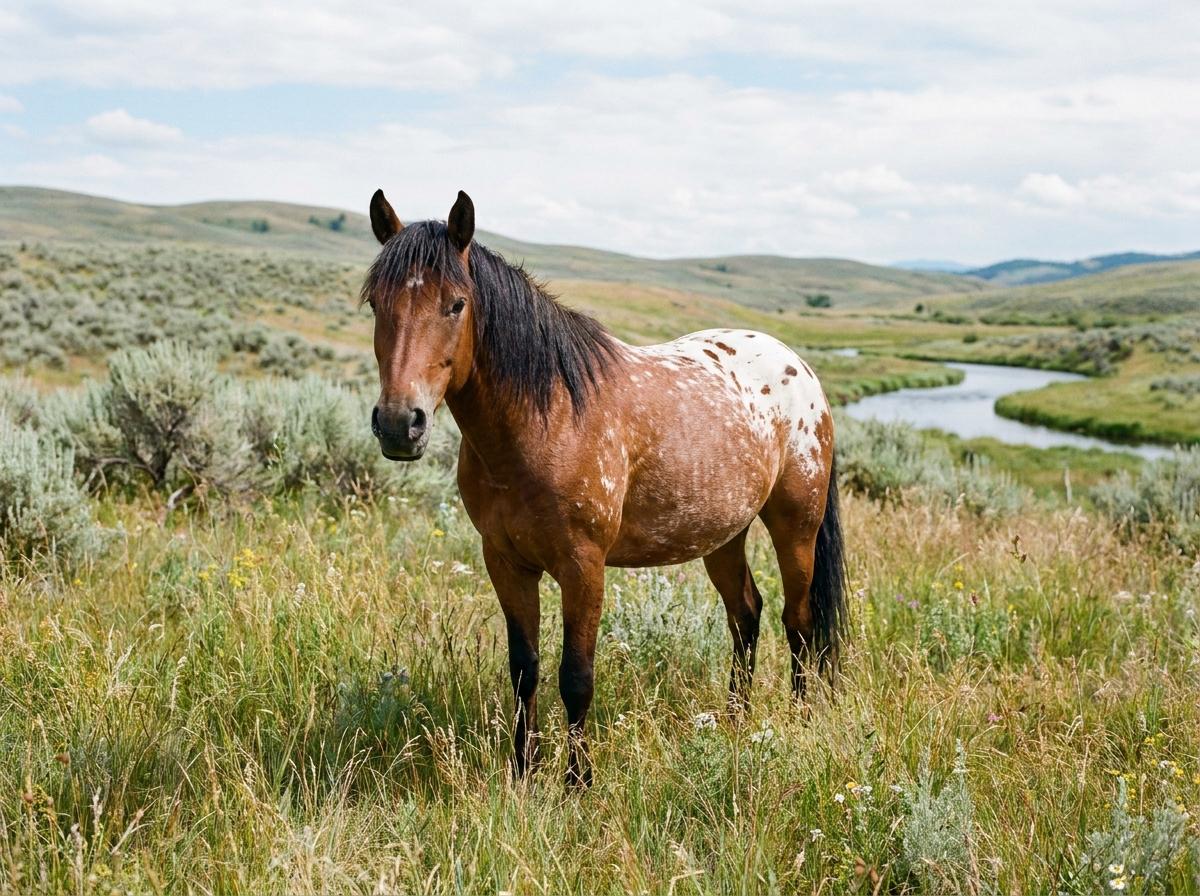
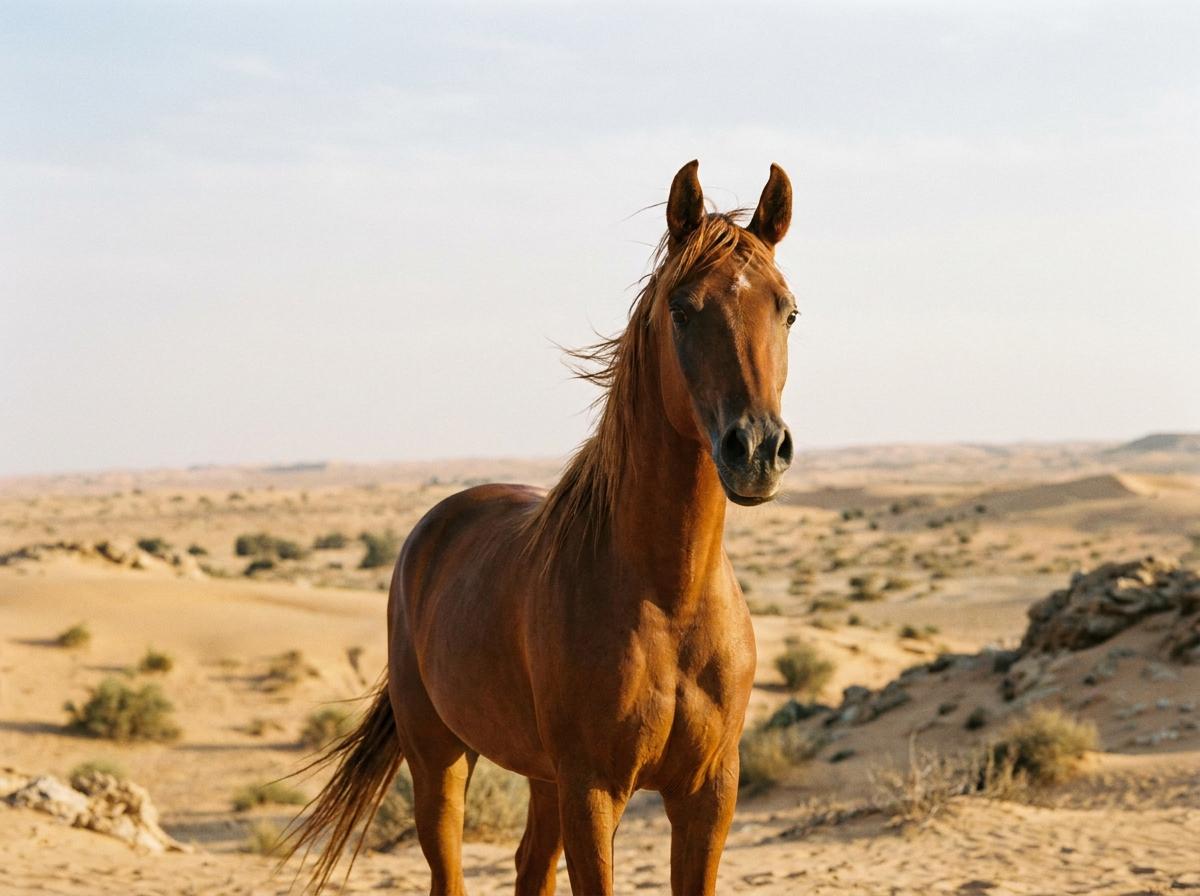
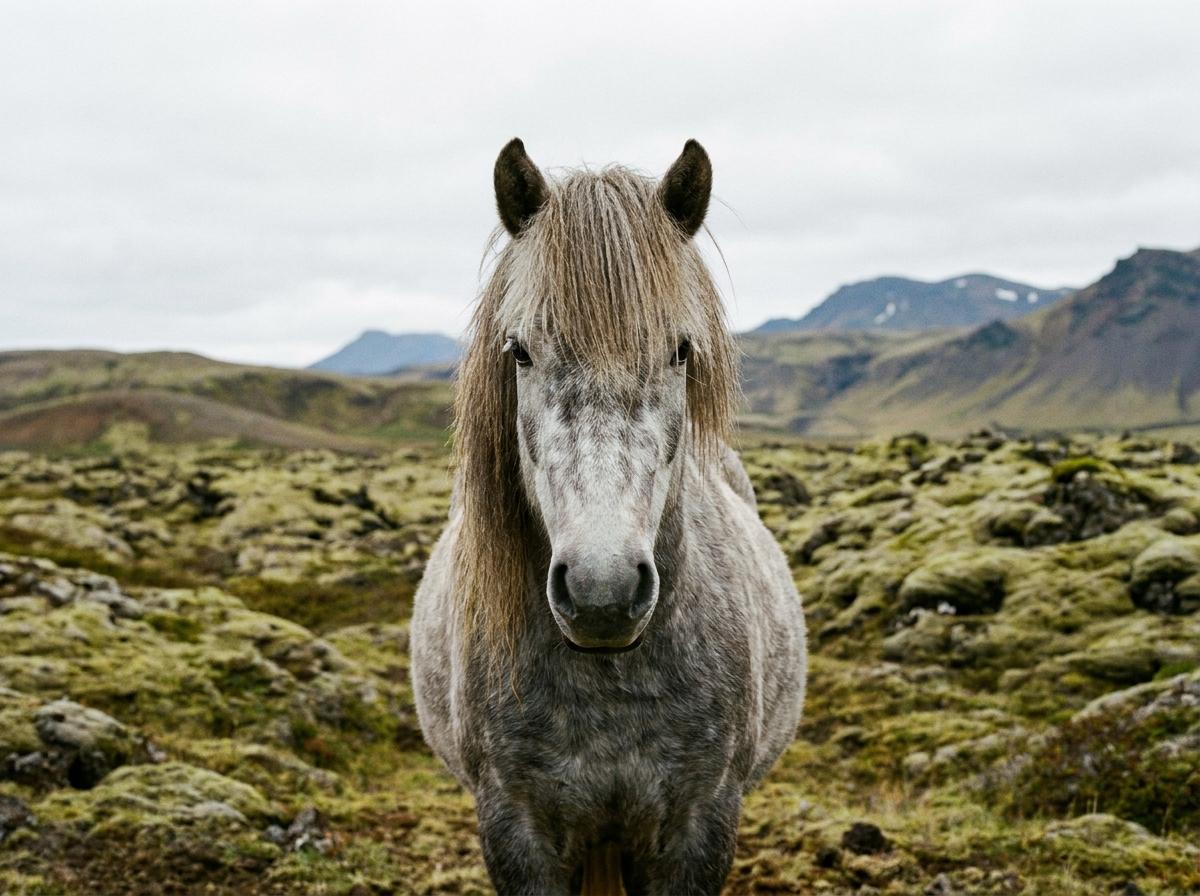
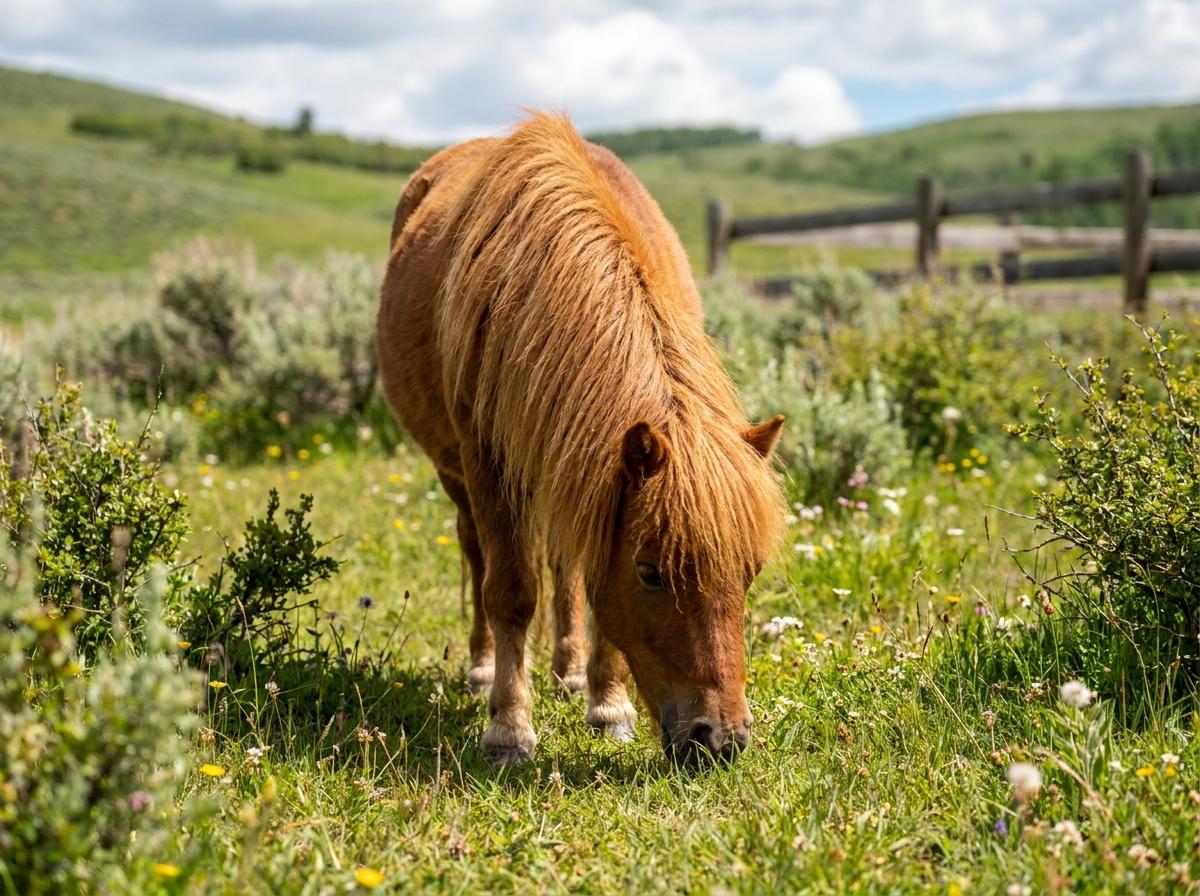
Colors: Amber Champagne, Bay, Bay Dun, Bay Roan, Black, Blanket Appaloosa, Blue Roan, Brown, Buckskin, Champagne, Chestnut, Classic Champagne, Cremello, Dun, Dun Roan, Fewspot Appaloosa, Flaxen Chestnut, Frame Overo, Gold Champagne, Gray, Grey, Grullo, Leopard Appaloosa, Liver Chestnut, Overo, Palomino, Perlino, Piebald, Pinto, Rabicano, Red Dun, Red Roan, Roan, Sabino, Seal Bay, Silver Dapple, Skewbald, Smoky Black, Smoky Cream, Snowcap Appaloosa, Sorrel, Splash White, Tobiano, Tovero, Varnish Roan, White