

South German Coldblood
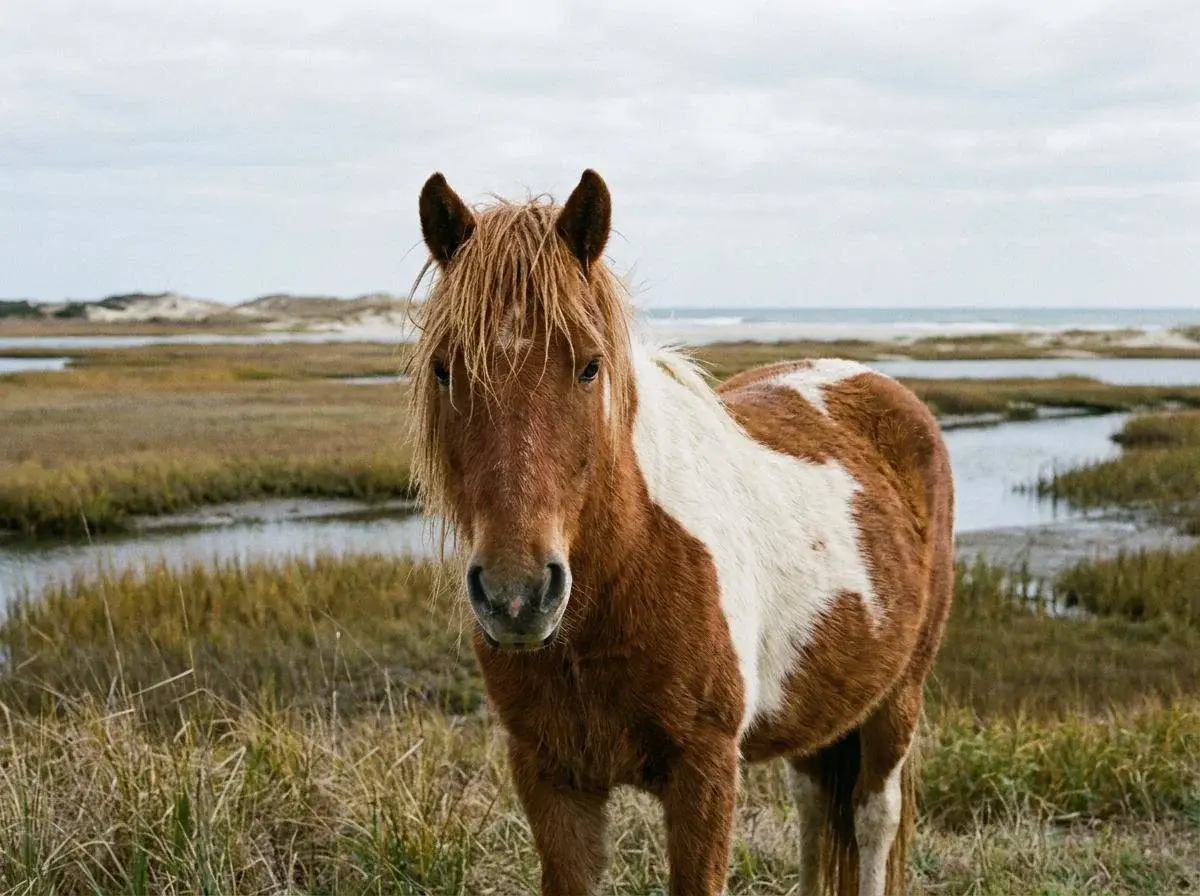
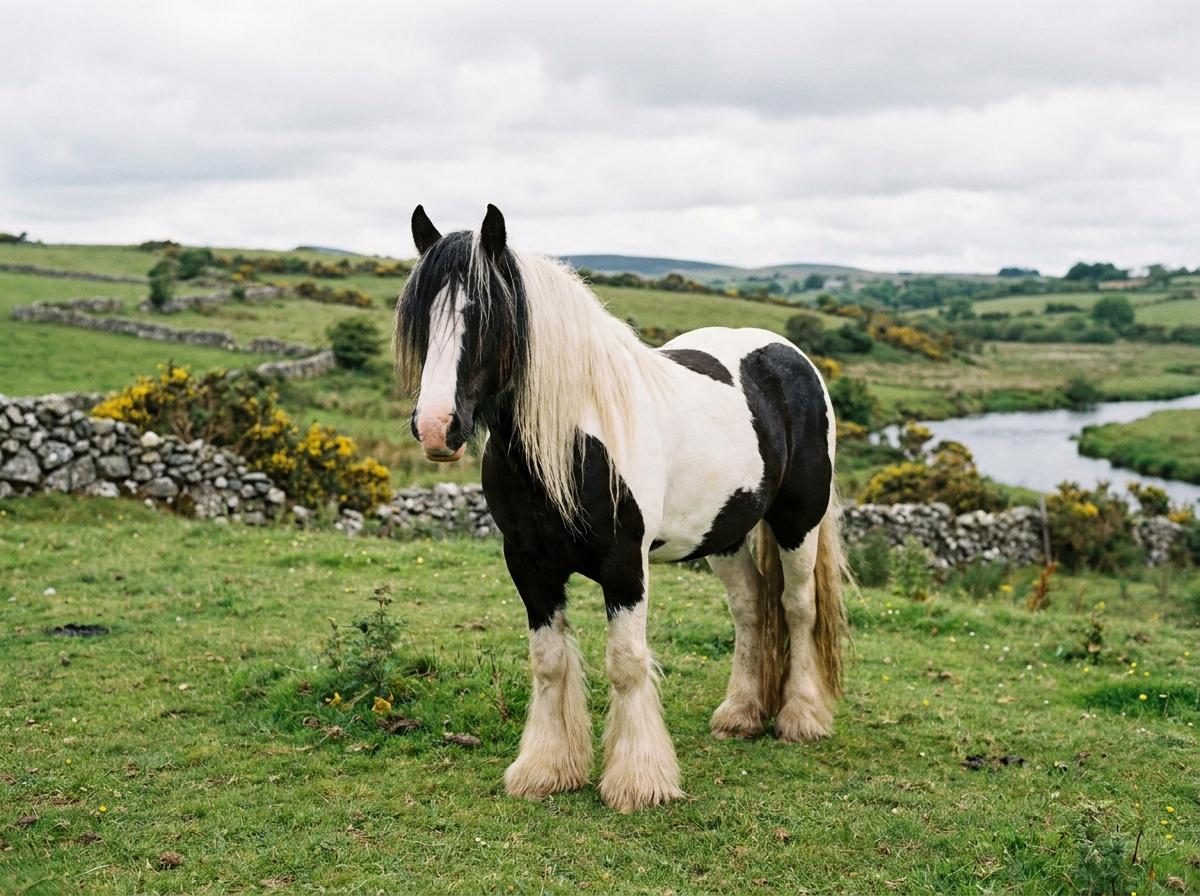
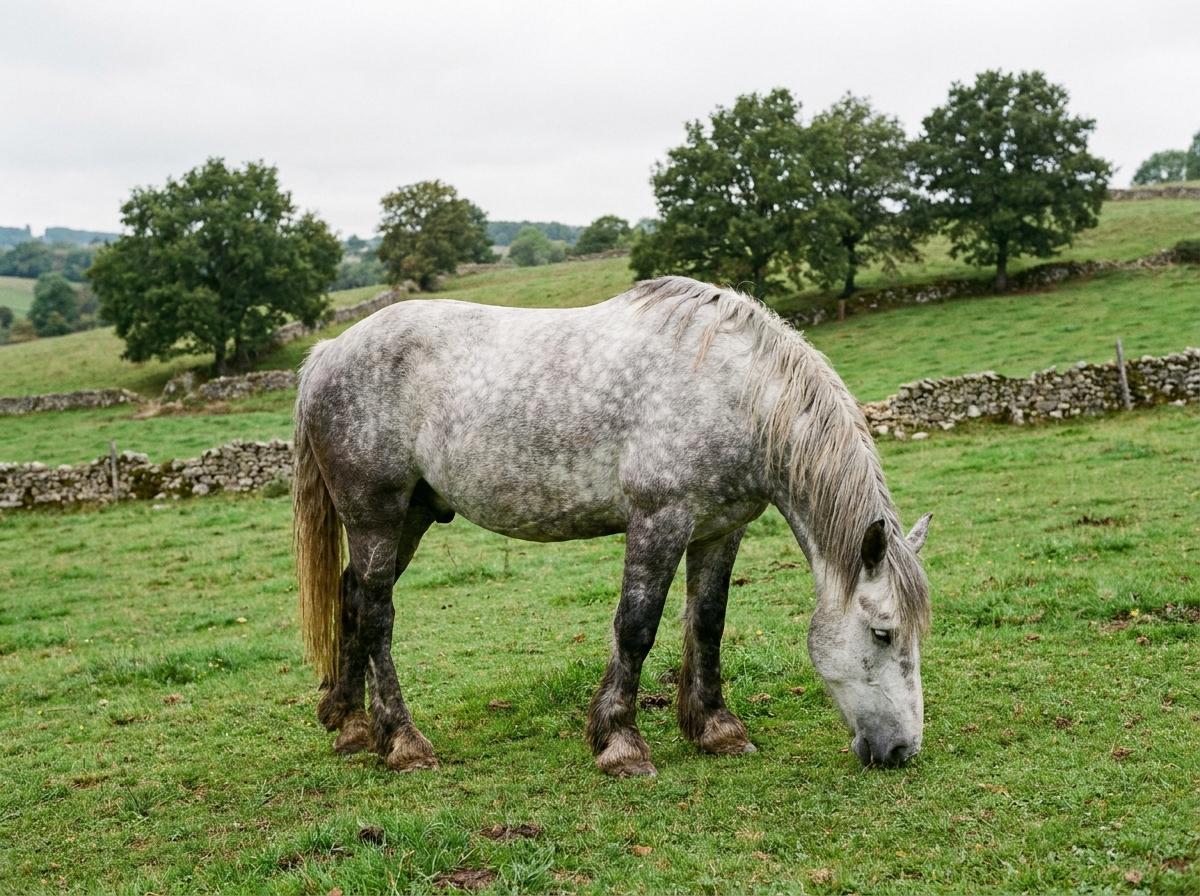
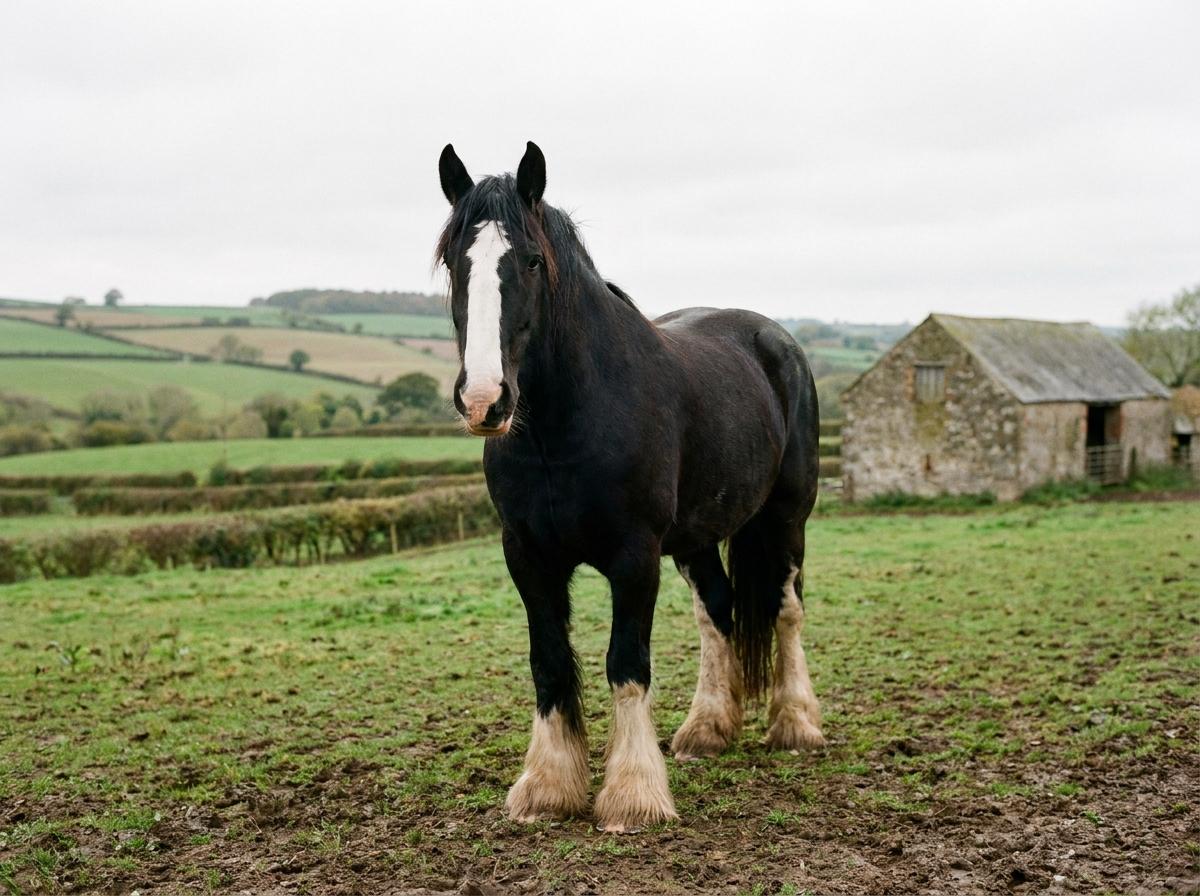
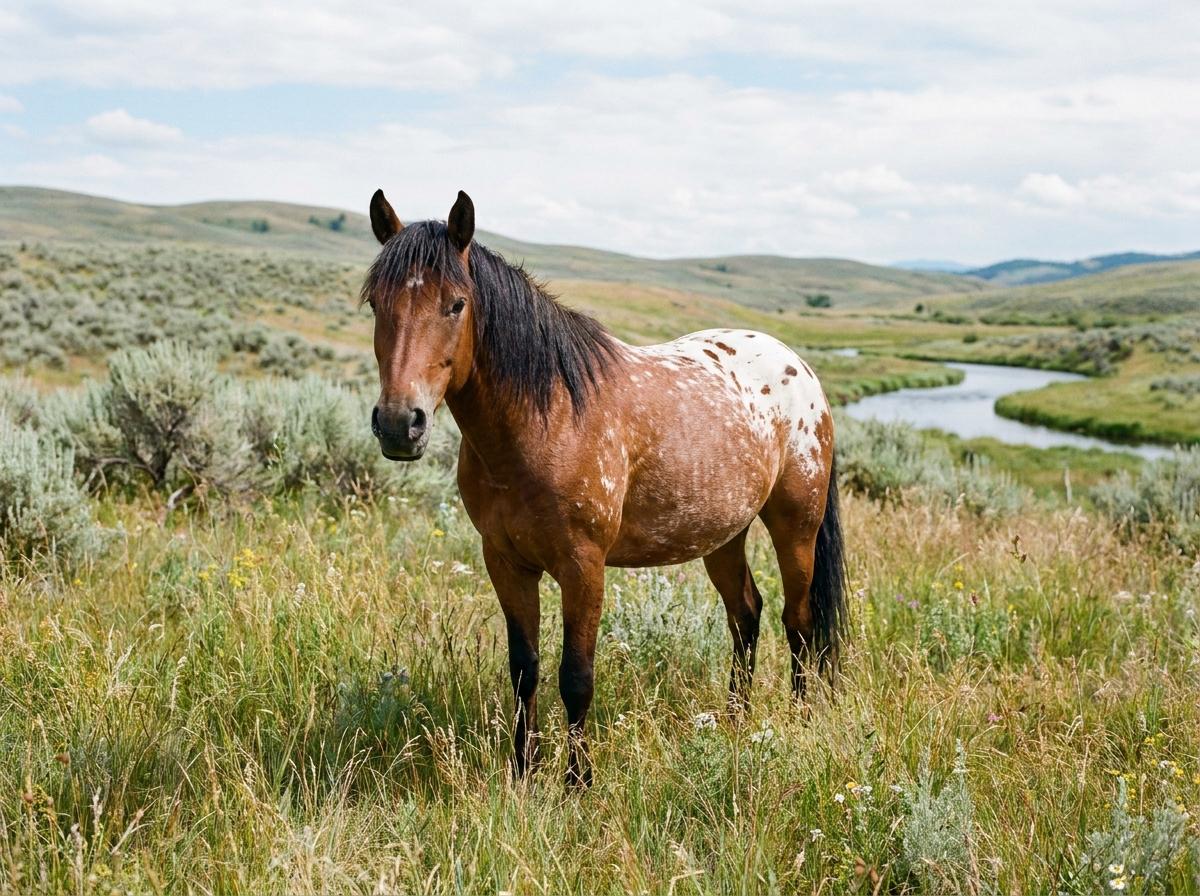
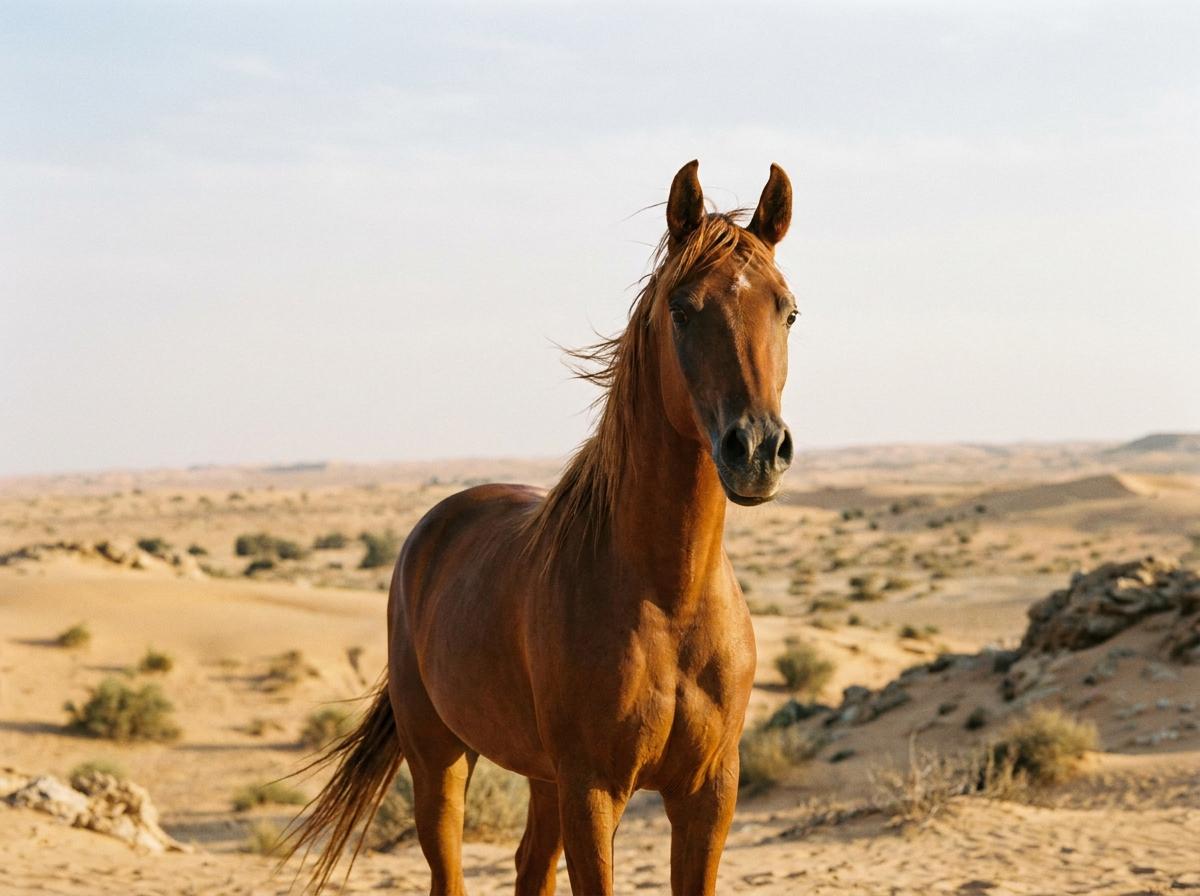
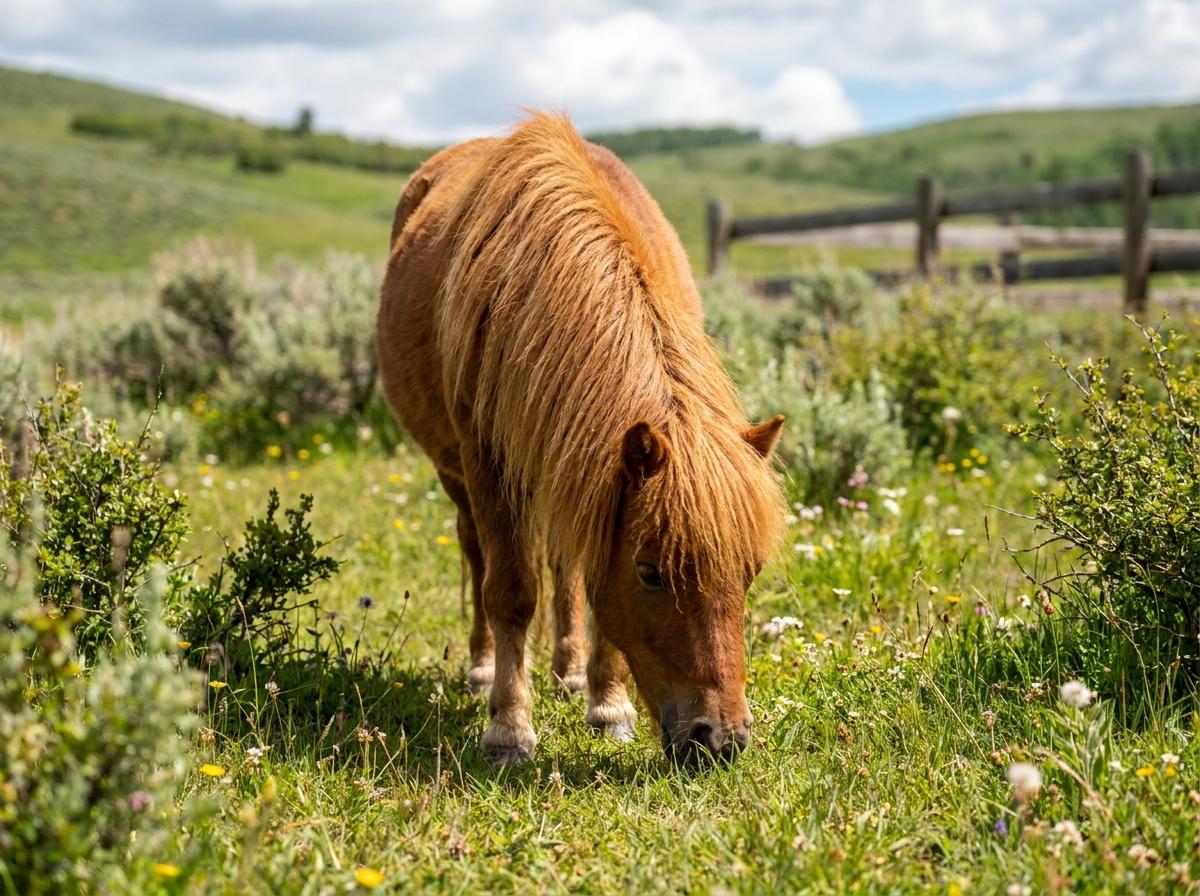
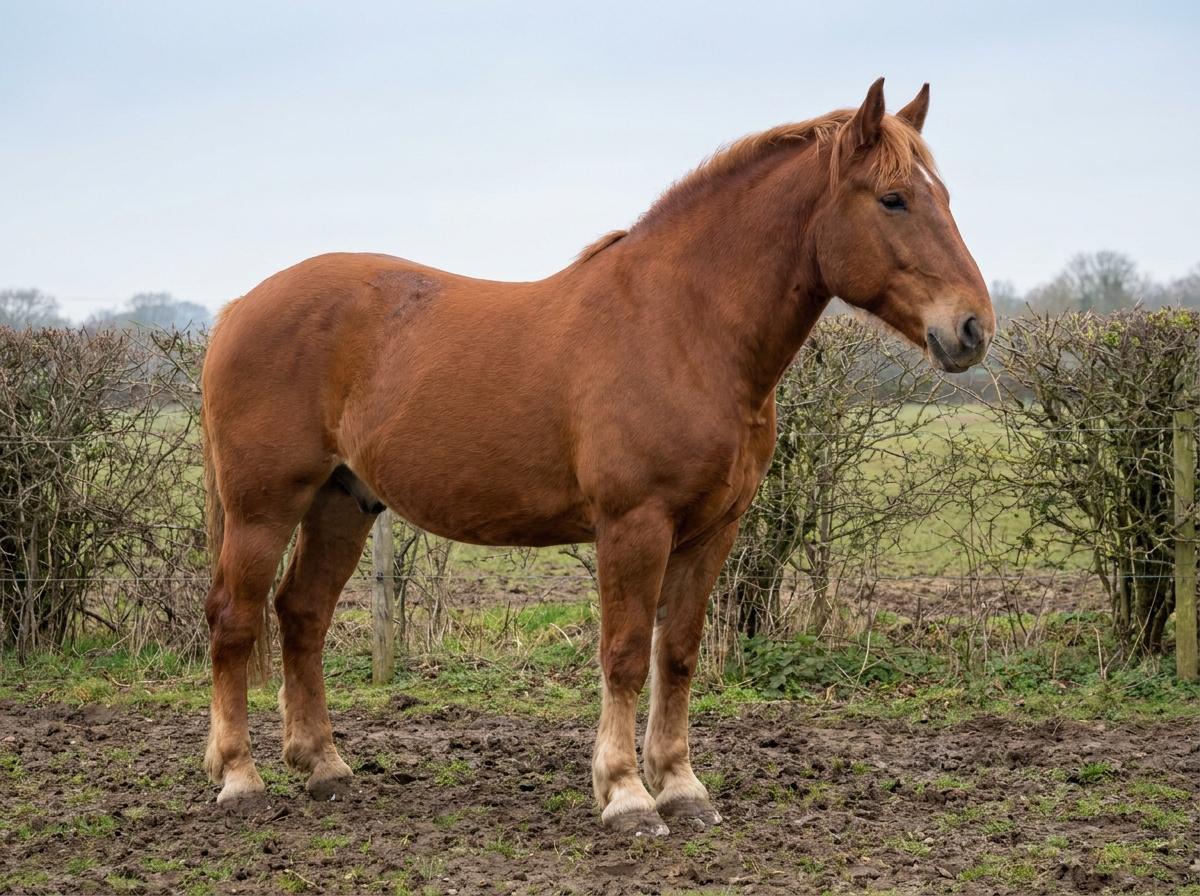
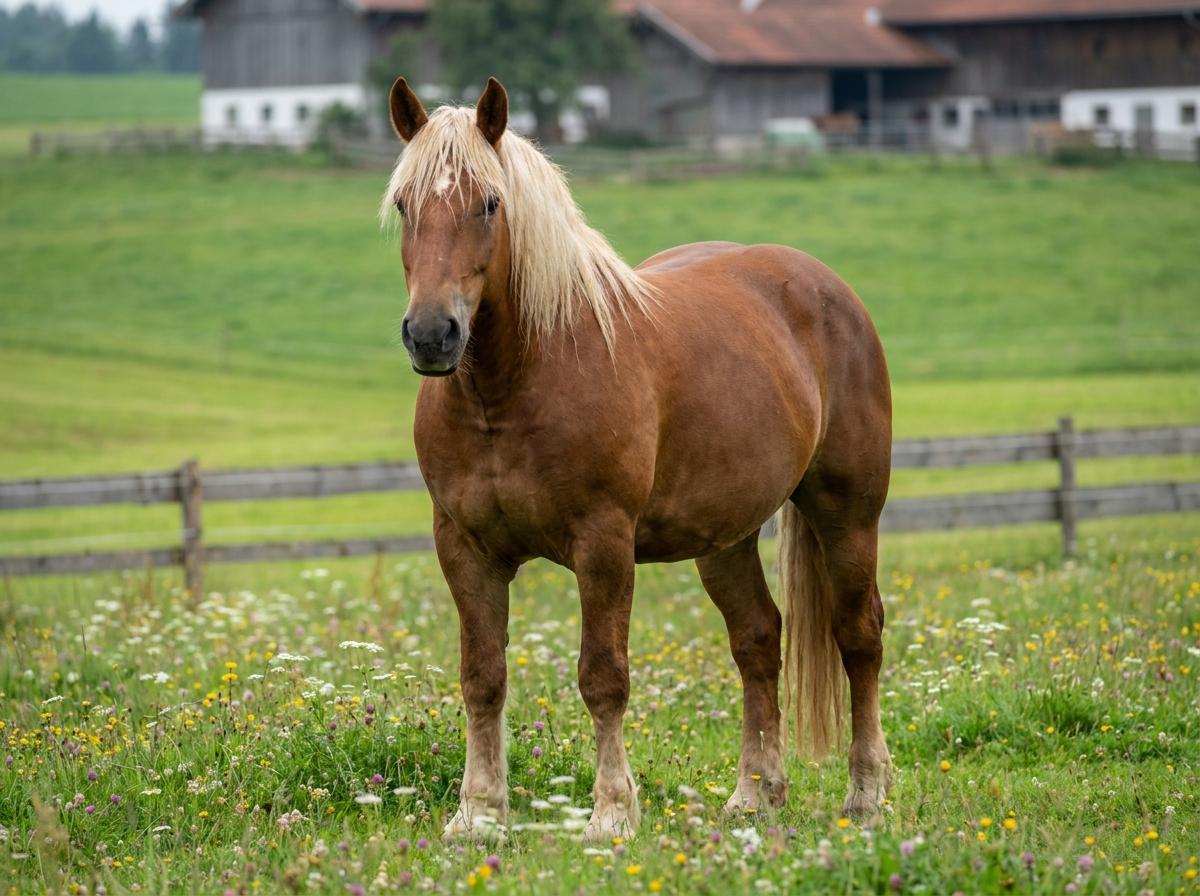
The South German coldblood, or Süddeutsches Kaltblut, is a heavy horse from Bavaria and neighboring parts of southern Germany. It developed from the Alpine Noriker type and was shaped for farm work, timber hauling, and road transport in hilly country. Compared with the very largest draft breeds, it is usually a medium-heavy coldblood: broad, deep-bodied, short-coupled, and strong through the quarters, with a calm expression and moderate feathering. Chestnut with a flaxen mane and tail is common, though bay, black, and some roan or spotted patterns occur in related lines.
Today the breed is kept for carriage driving, forestry work, local festivals, leisure riding, and conservation breeding. Its sure-footedness and tractable nature are useful where machinery cannot easily work, but it still needs the management of a powerful draft horse: regular farrier care, weight control on rich pasture, and harness or saddle fit that respects a broad back and low-set neck. Breeding programs in Germany generally emphasize sound movement, usable temperament, and the preservation of a regional working-horse population that declined after mechanization.
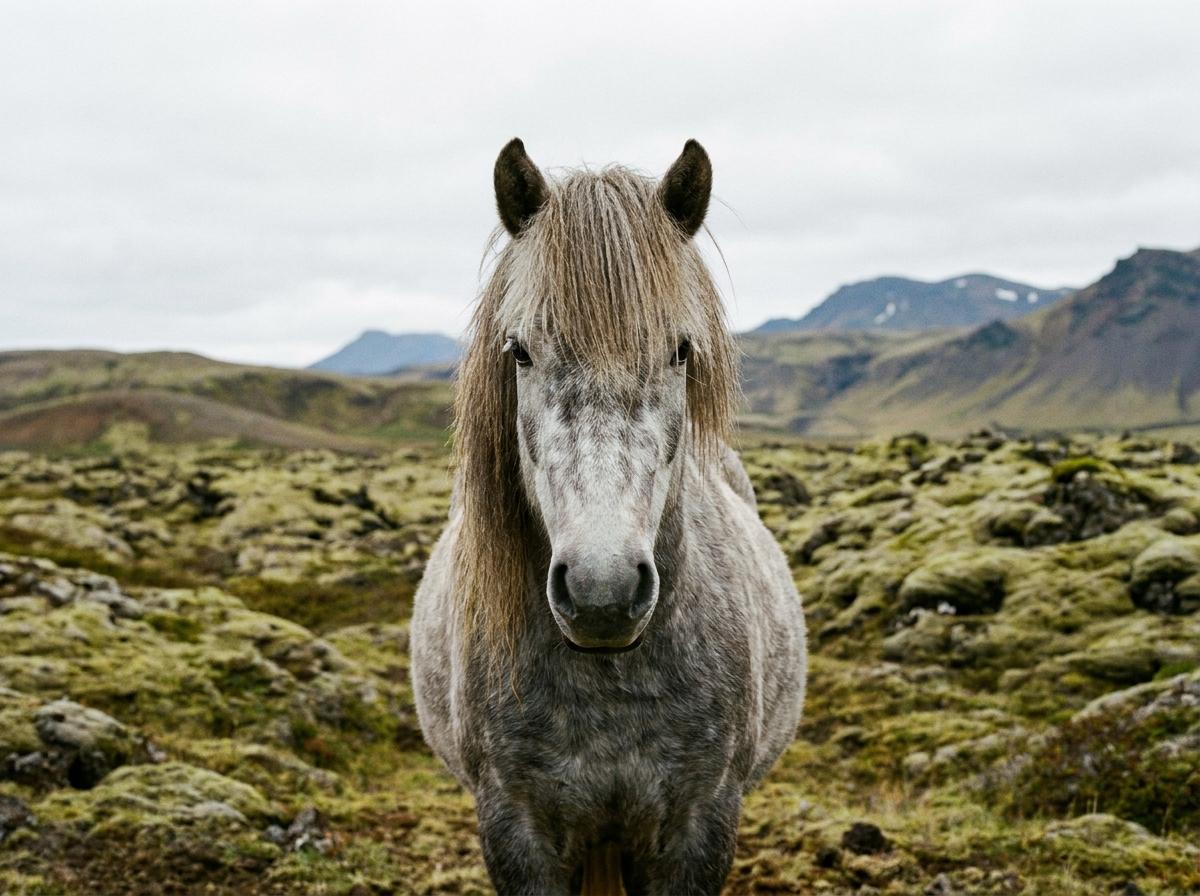
Colors: Amber Champagne, Bay, Bay Dun, Bay Roan, Black, Blanket Appaloosa, Blue Roan, Brown, Buckskin, Champagne, Chestnut, Classic Champagne, Cremello, Dun, Dun Roan, Fewspot Appaloosa, Flaxen Chestnut, Frame Overo, Gold Champagne, Gray, Grey, Grullo, Leopard Appaloosa, Liver Chestnut, Overo, Palomino, Perlino, Piebald, Pinto, Rabicano, Red Dun, Red Roan, Roan, Sabino, Seal Bay, Silver Dapple, Skewbald, Smoky Black, Smoky Cream, Snowcap Appaloosa, Sorrel, Splash White, Tobiano, Tovero, Varnish Roan, White