



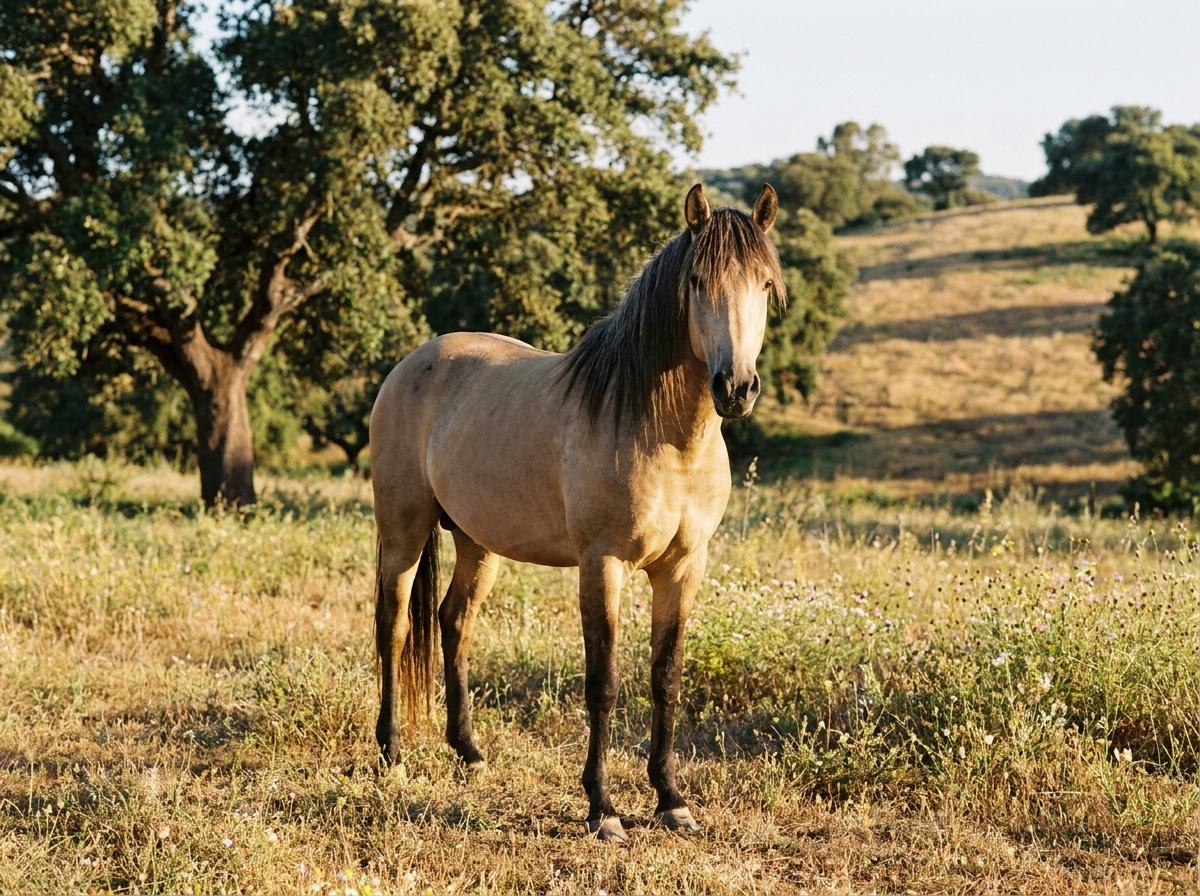
Spanish Barb
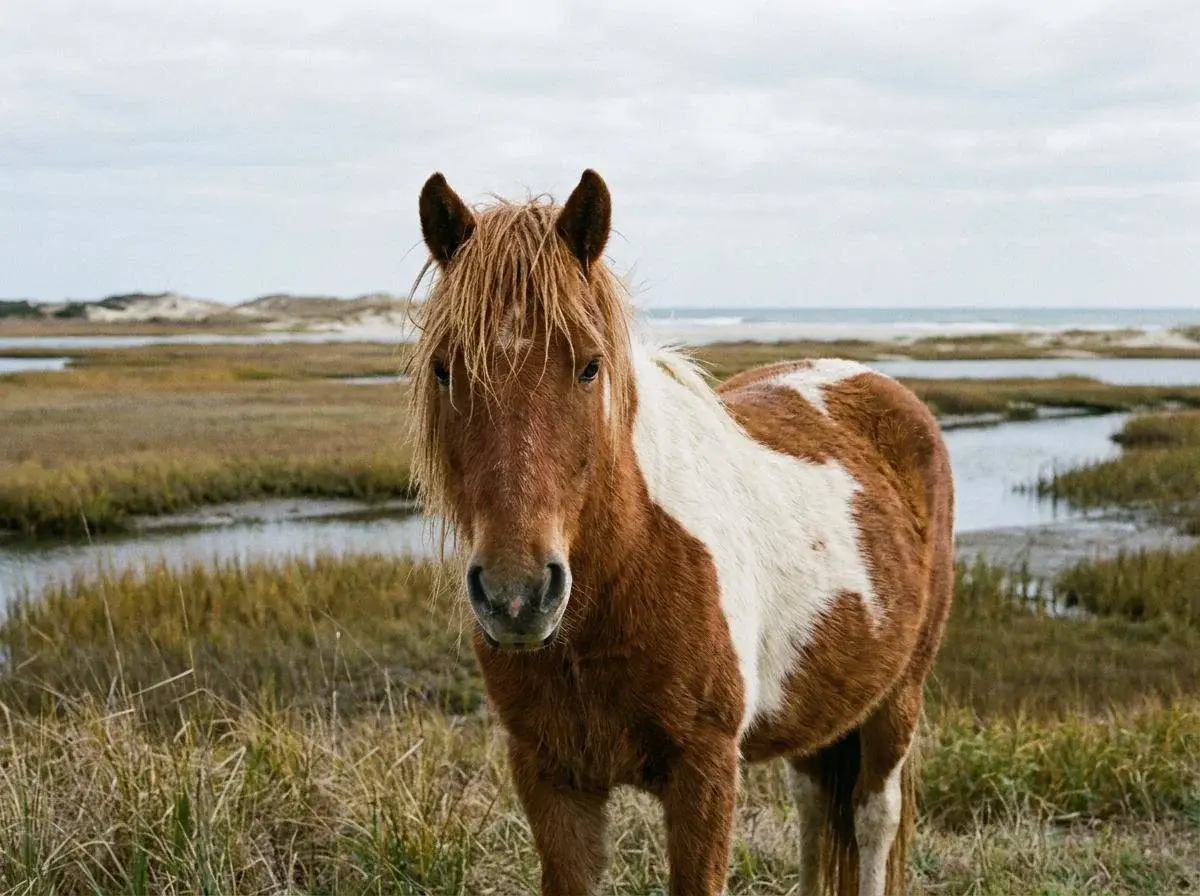
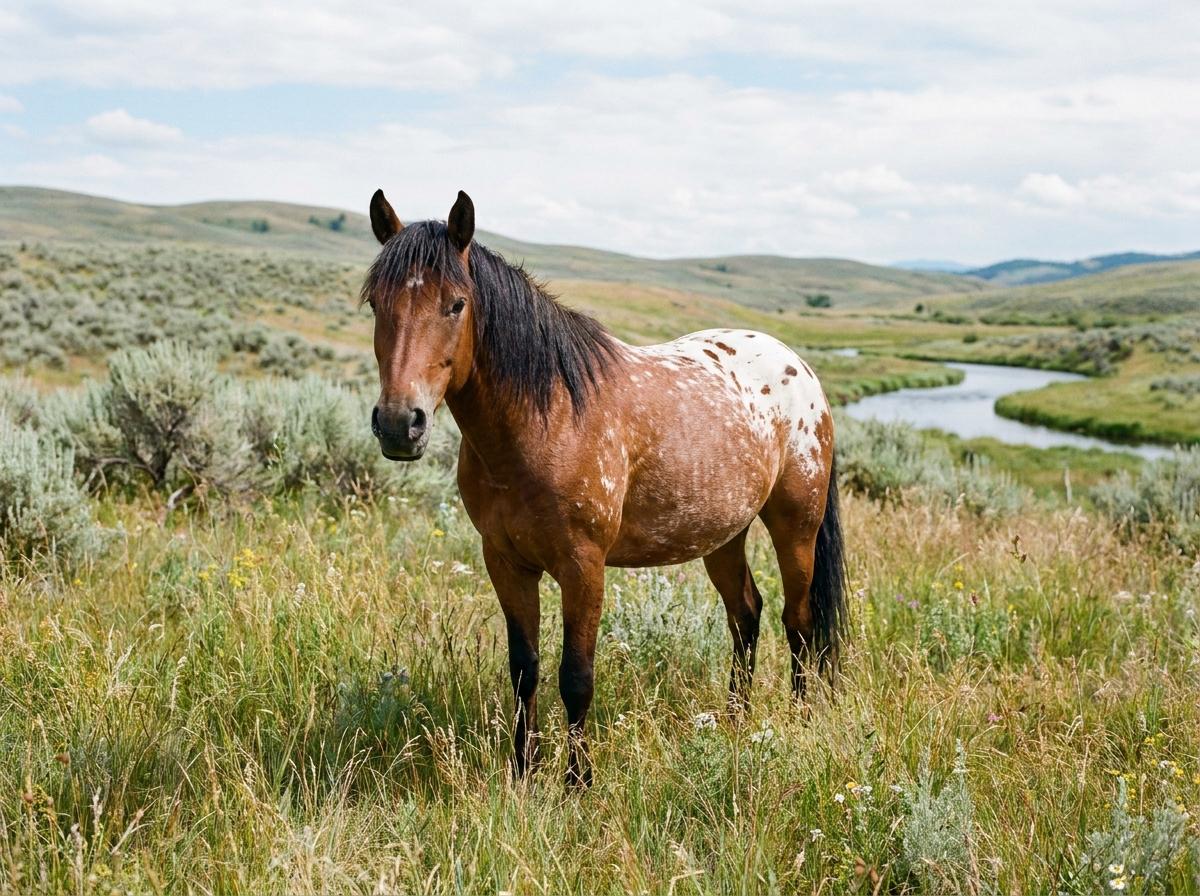
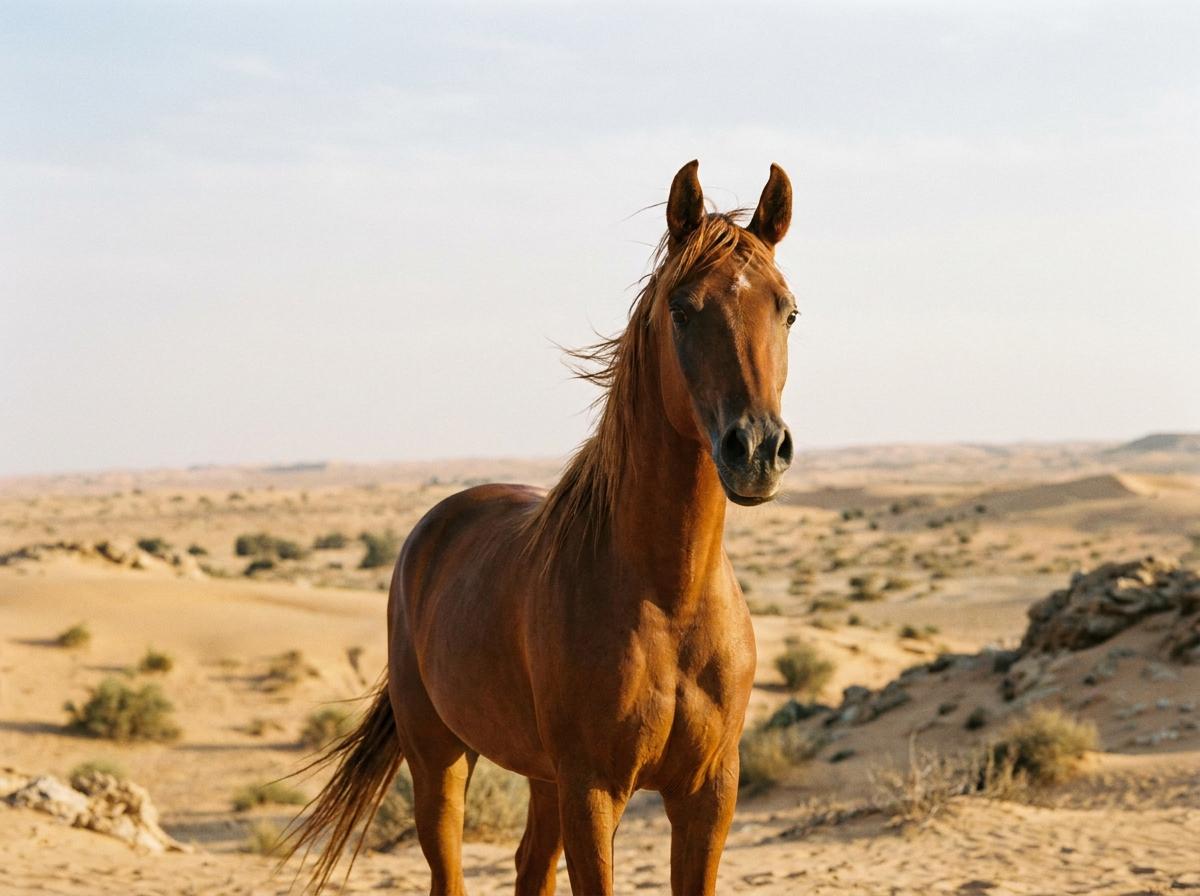
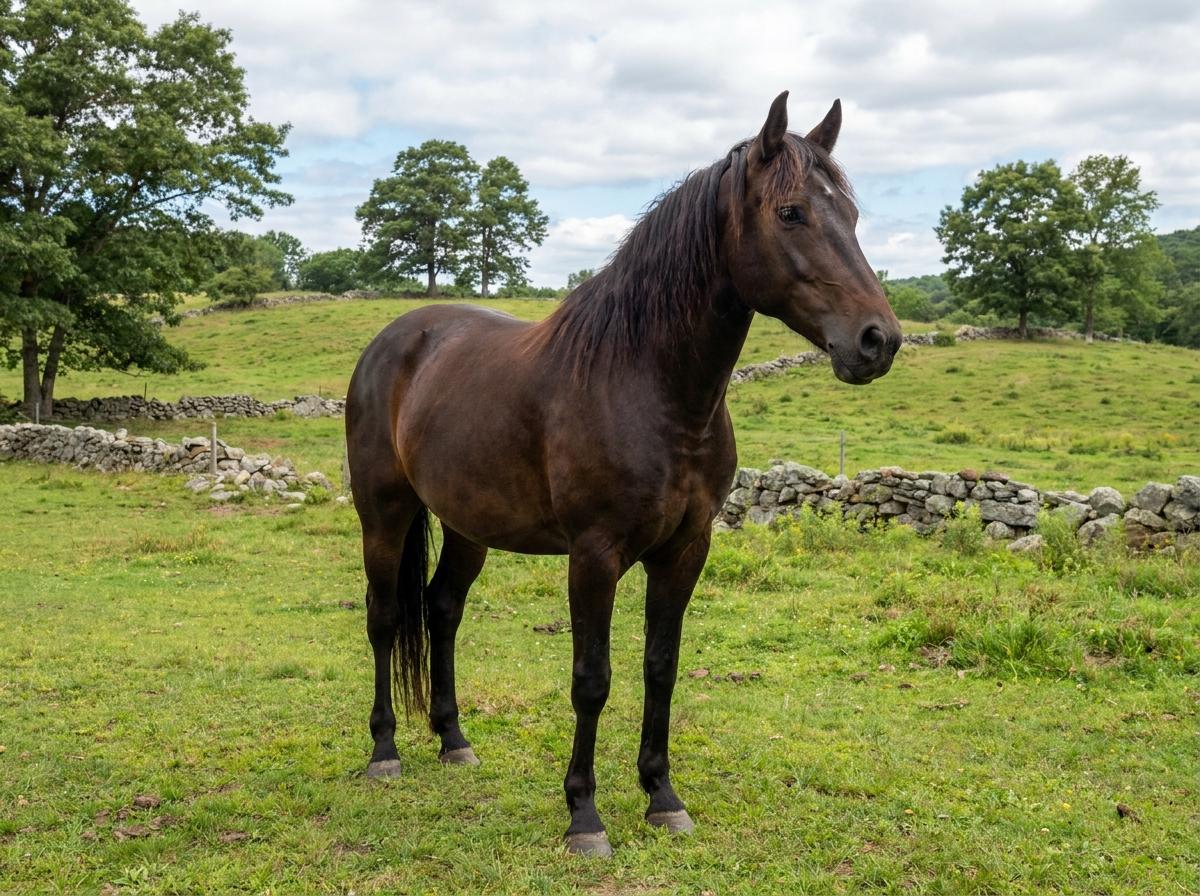
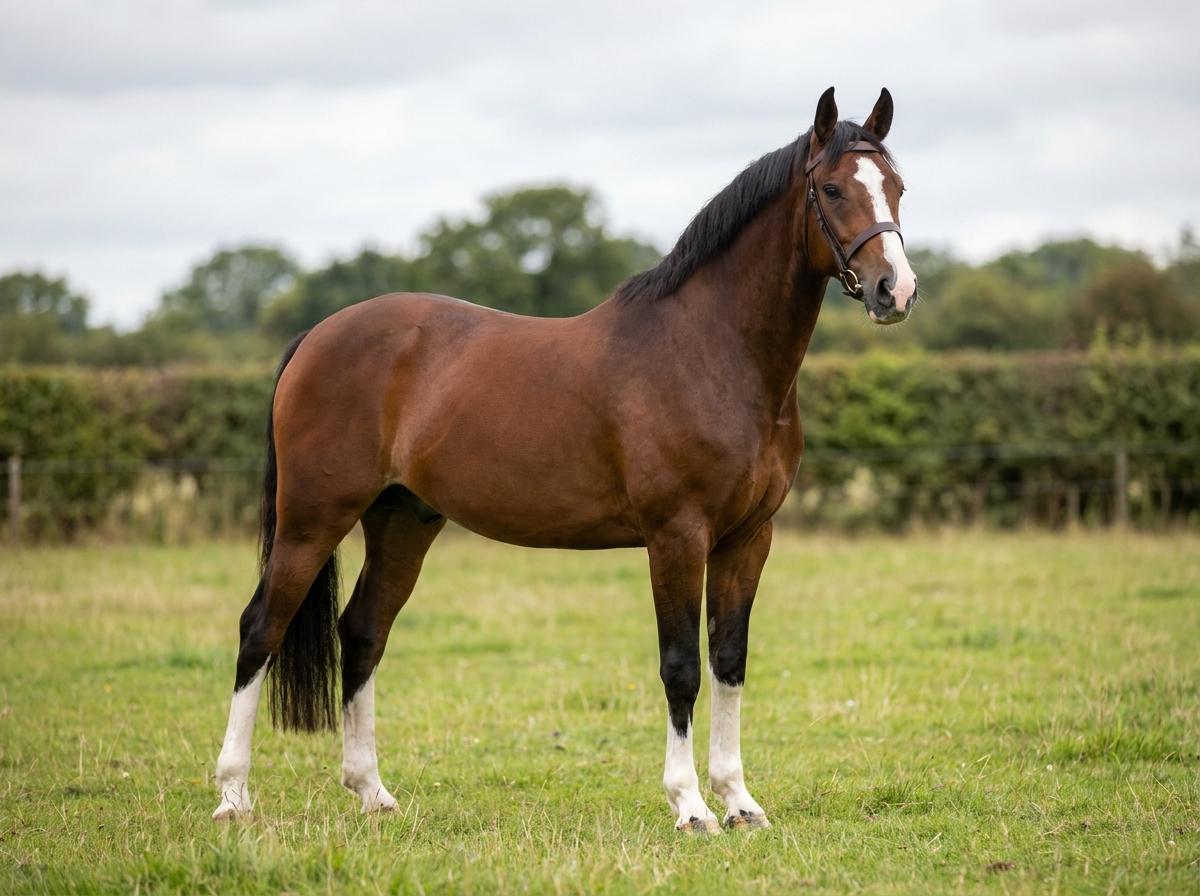
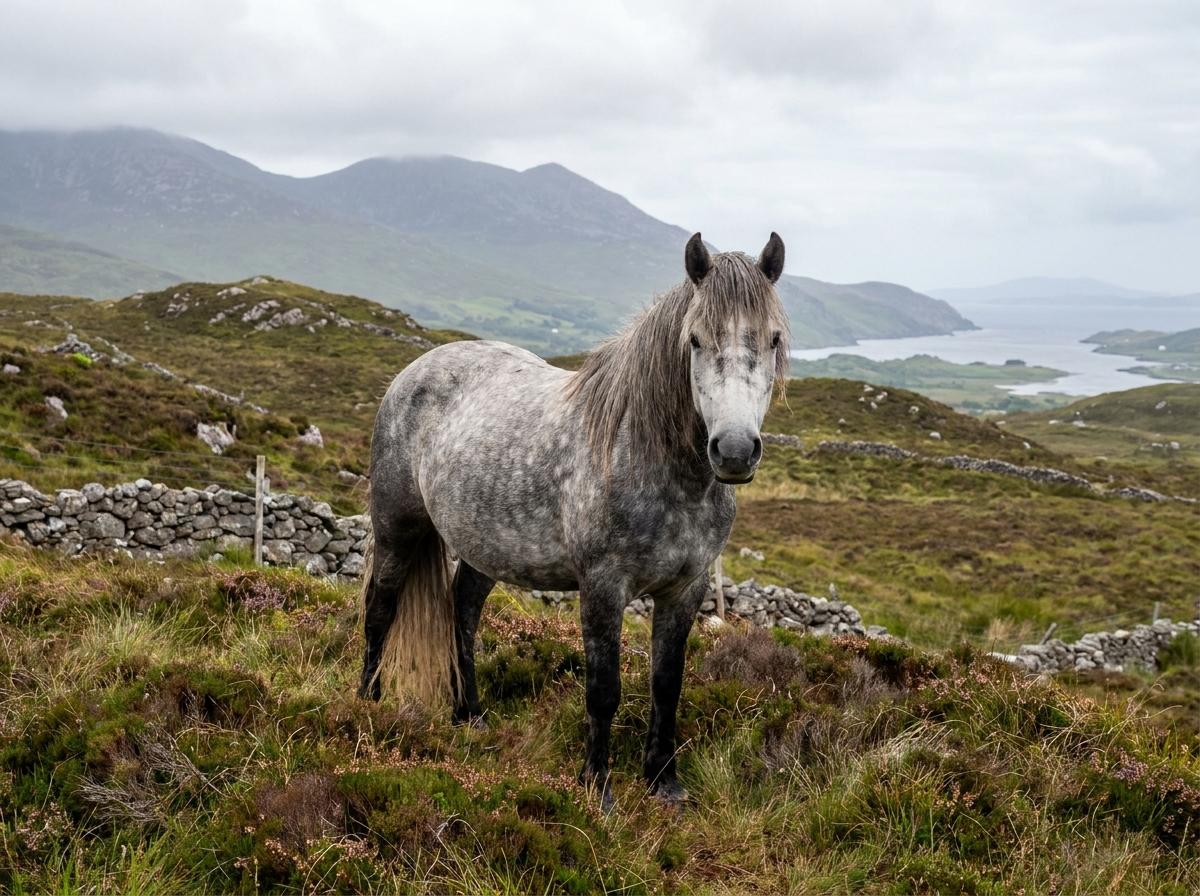
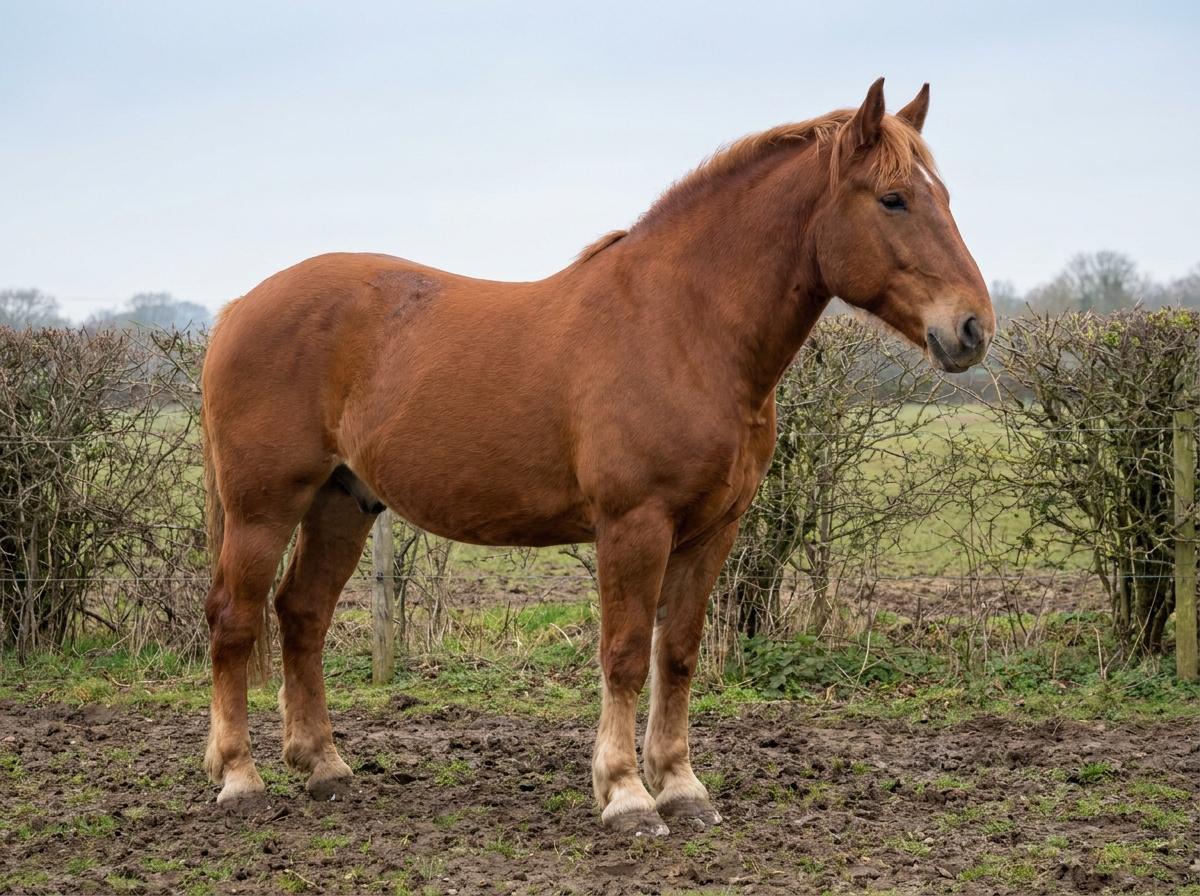
The Spanish Barb is a conservation-oriented horse type associated with the Colonial Spanish horses brought to the Americas by Iberian explorers and settlers. The name points to the old mixture of Spanish and North African Barb influence rather than to a single modern European breed. Spanish Barbs are usually small to medium-sized, hardy, and efficient movers, with a short strong back, deep heart girth, dry legs, and a head that may show a straight or slightly convex profile. Dun, grullo, roan, bay, black, chestnut, and pinto patterns can occur, depending on the line.
People keep Spanish Barbs for trail riding, ranch work, endurance, historical breeding projects, and preservation of rare Colonial Spanish genetics. They are often easy keepers, so rich pasture and grain-heavy diets need caution. Handling tends to reward quiet, consistent training; many are intelligent and self-preserving rather than dull. Because the label is sometimes used loosely, breeders and buyers should look for registry documentation, known family lines, and horses evaluated for both type and usable soundness.
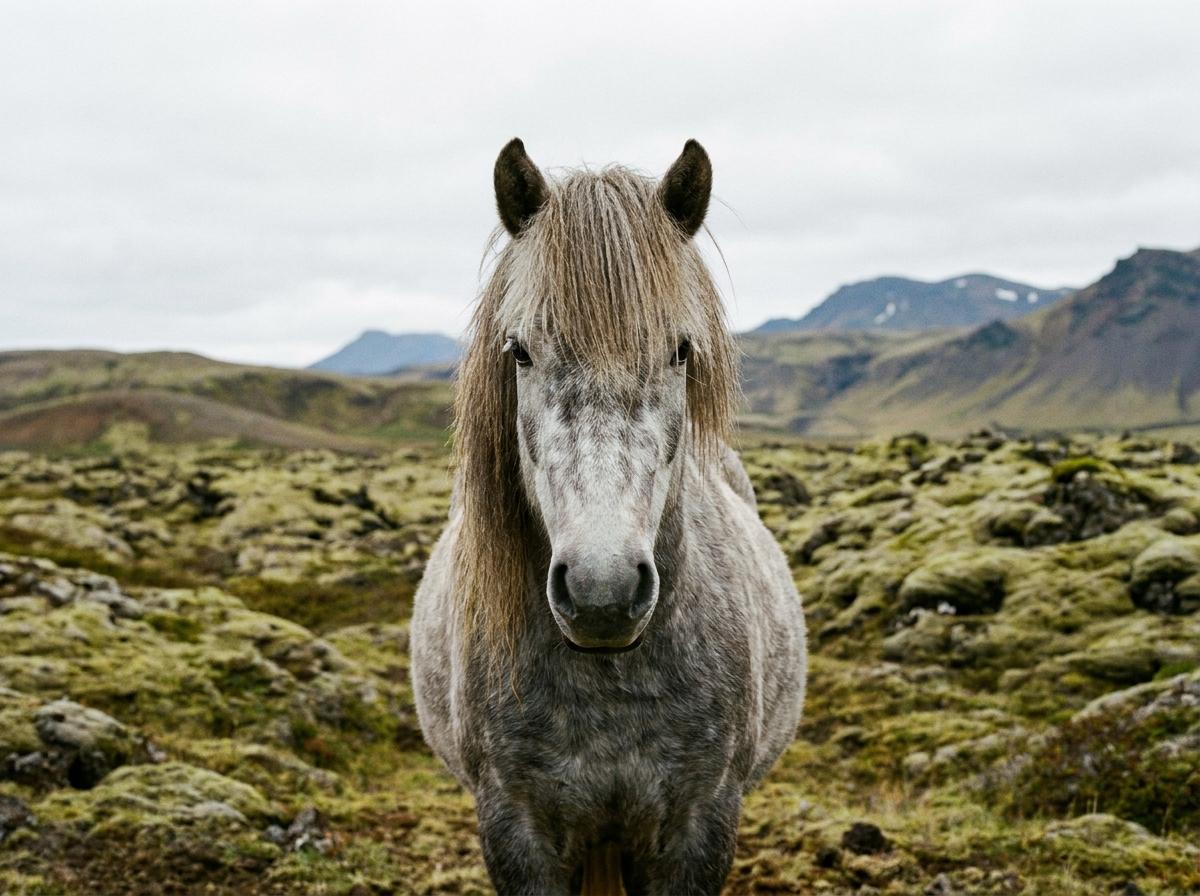
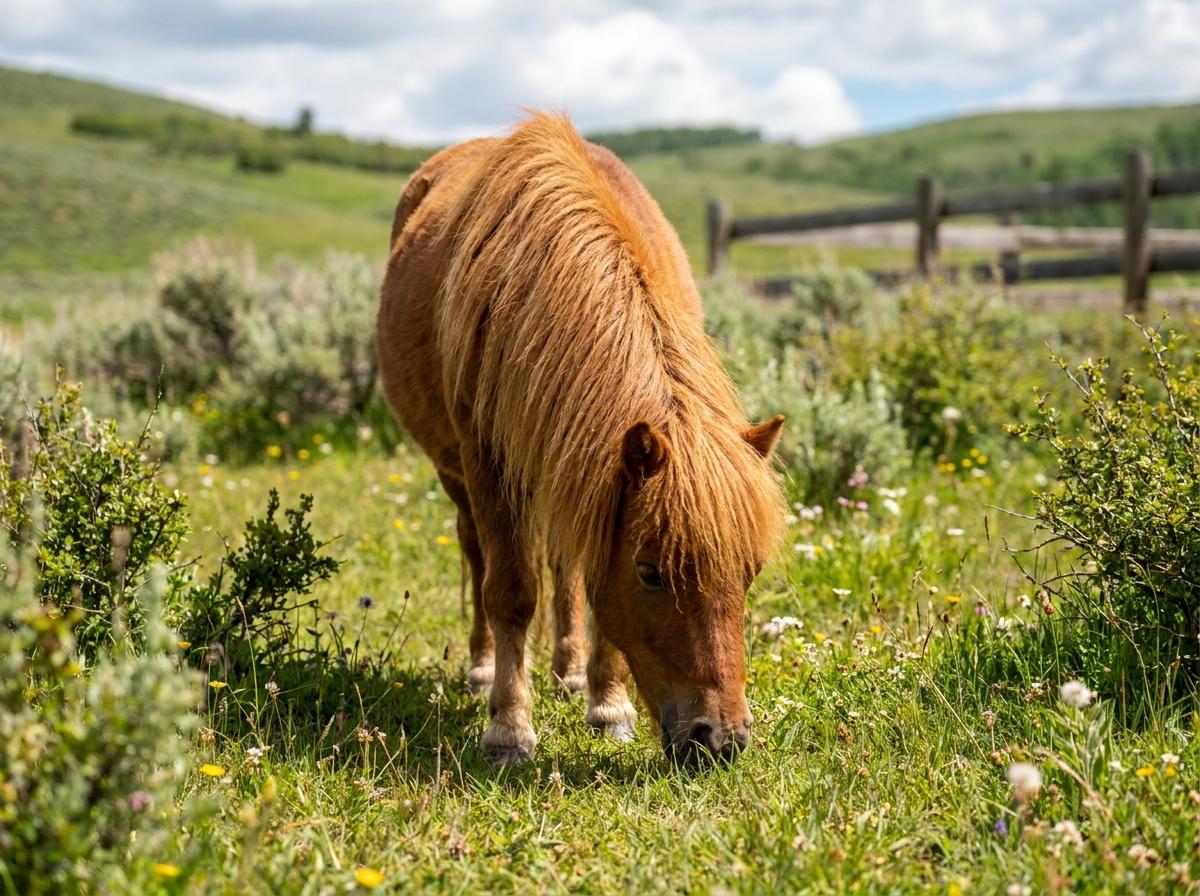
Colors: Amber Champagne, Bay, Bay Dun, Bay Roan, Black, Blanket Appaloosa, Blue Roan, Brown, Buckskin, Champagne, Chestnut, Classic Champagne, Cremello, Dun, Dun Roan, Fewspot Appaloosa, Flaxen Chestnut, Frame Overo, Gold Champagne, Gray, Grey, Grullo, Leopard Appaloosa, Liver Chestnut, Overo, Palomino, Perlino, Piebald, Pinto, Rabicano, Red Dun, Red Roan, Roan, Sabino, Seal Bay, Silver Dapple, Skewbald, Smoky Black, Smoky Cream, Snowcap Appaloosa, Sorrel, Splash White, Tobiano, Tovero, Varnish Roan, White