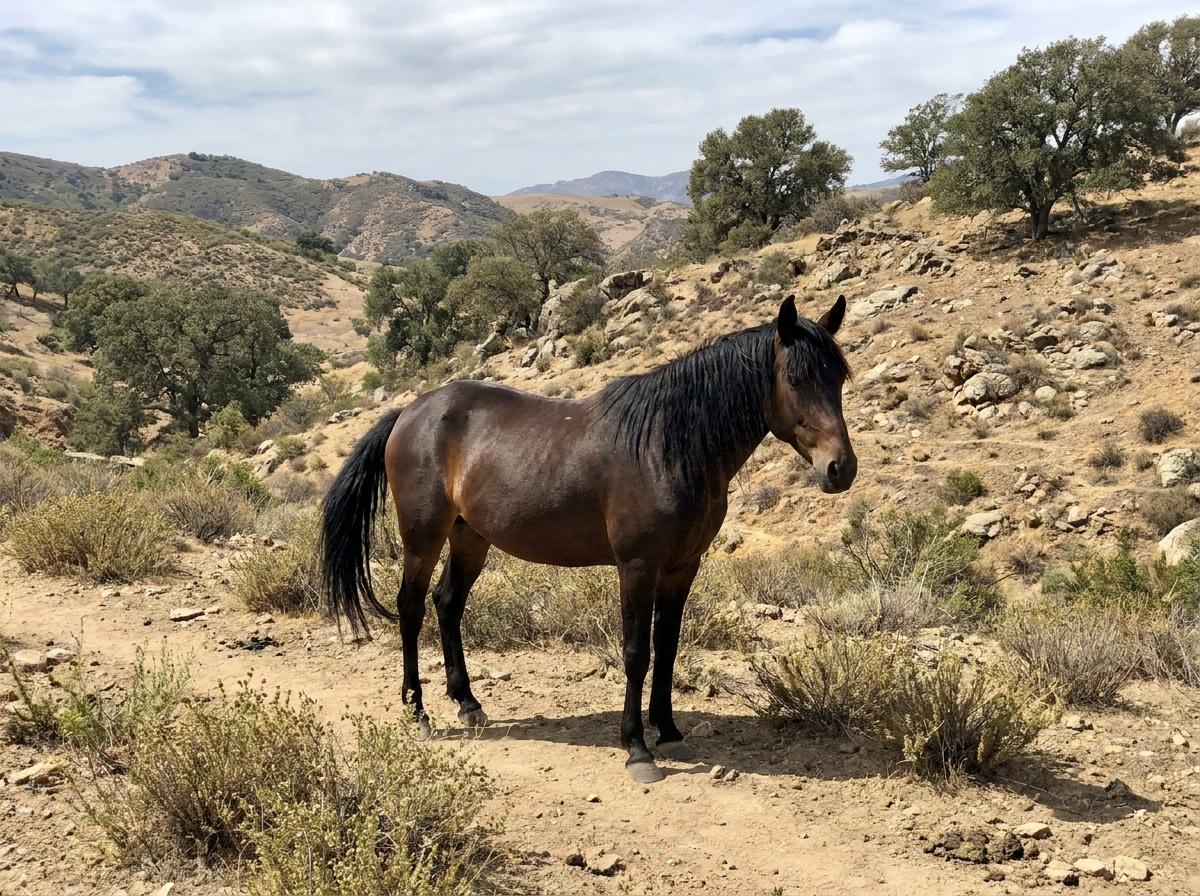
Spanish Jennet Horse
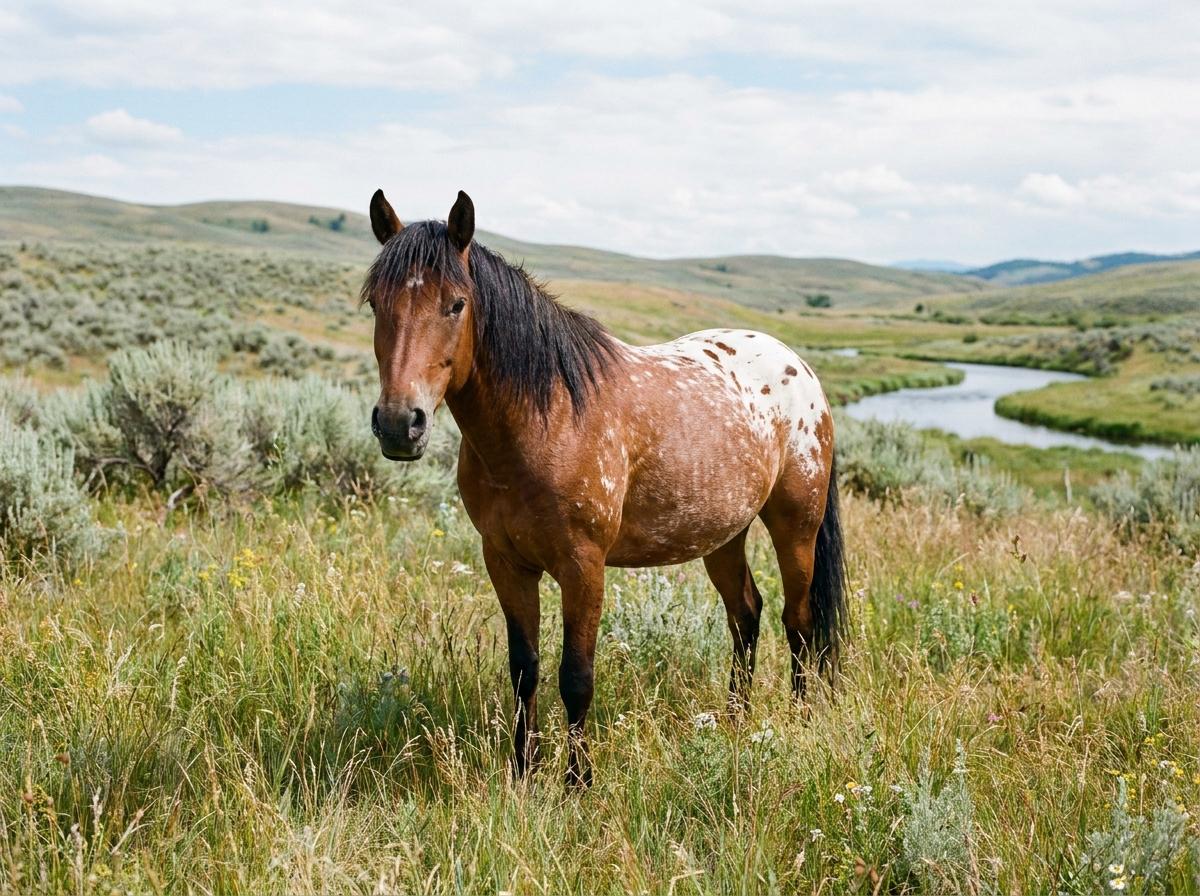
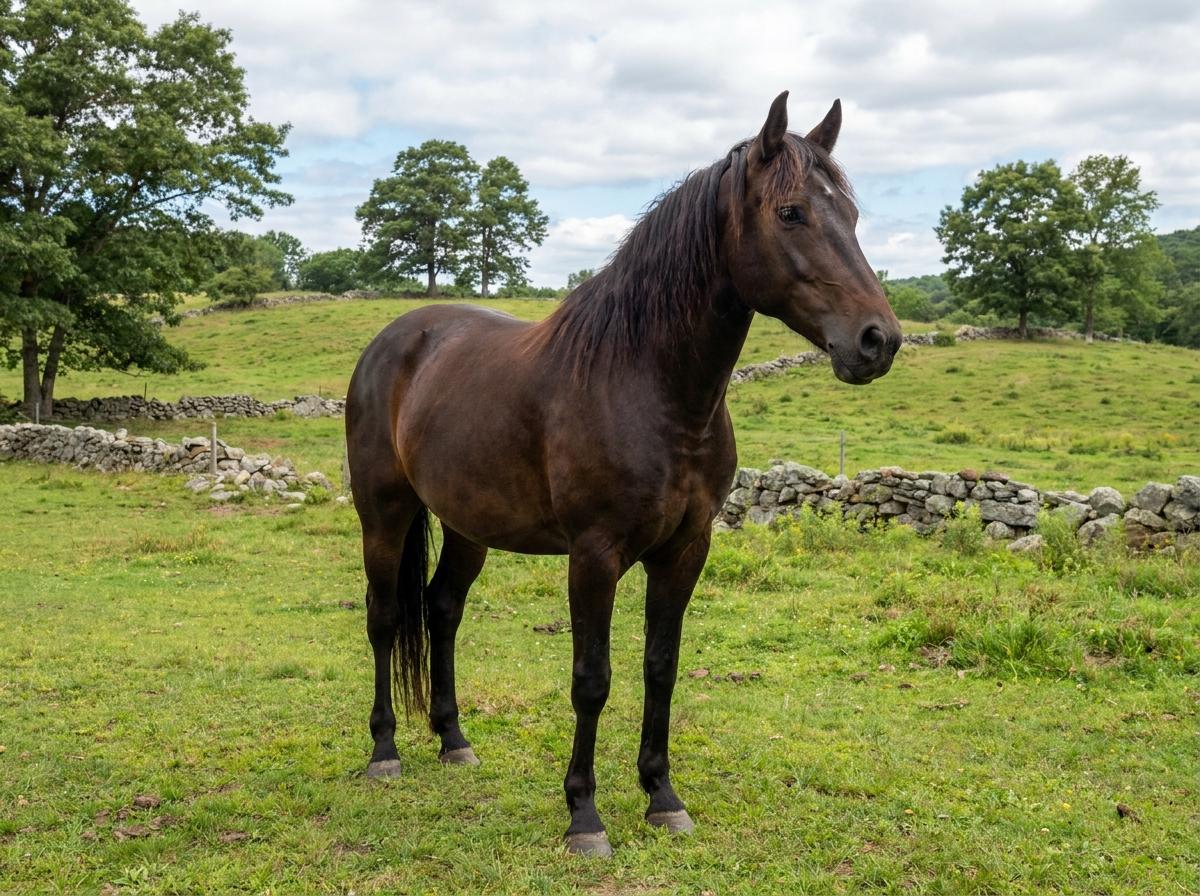
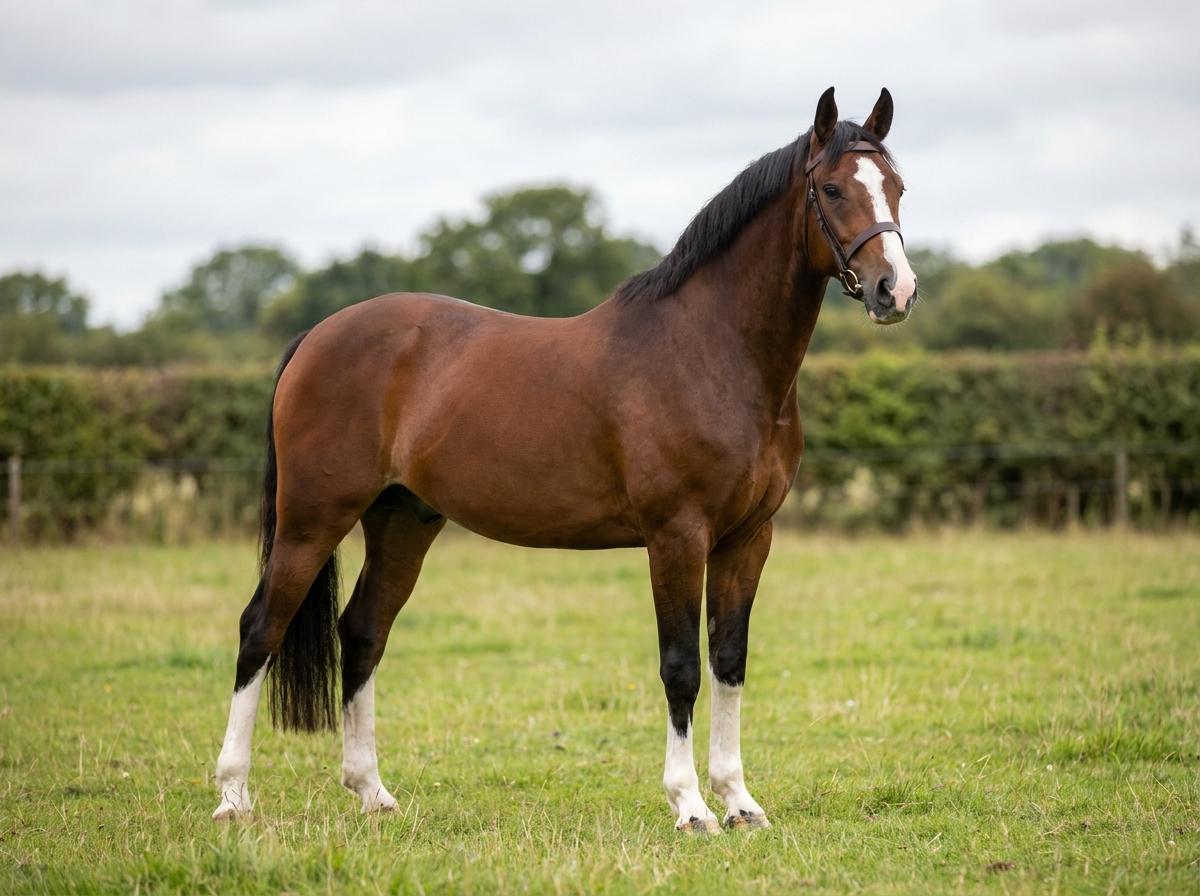
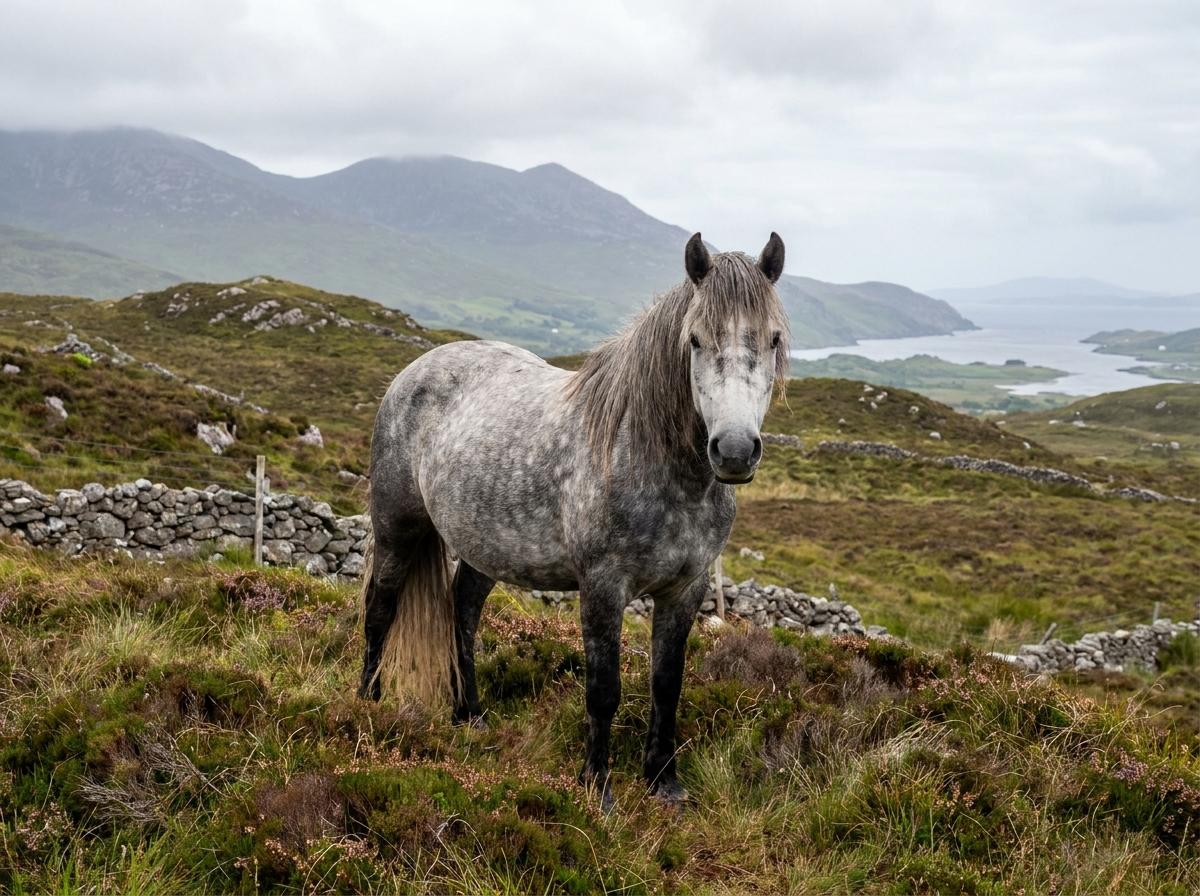
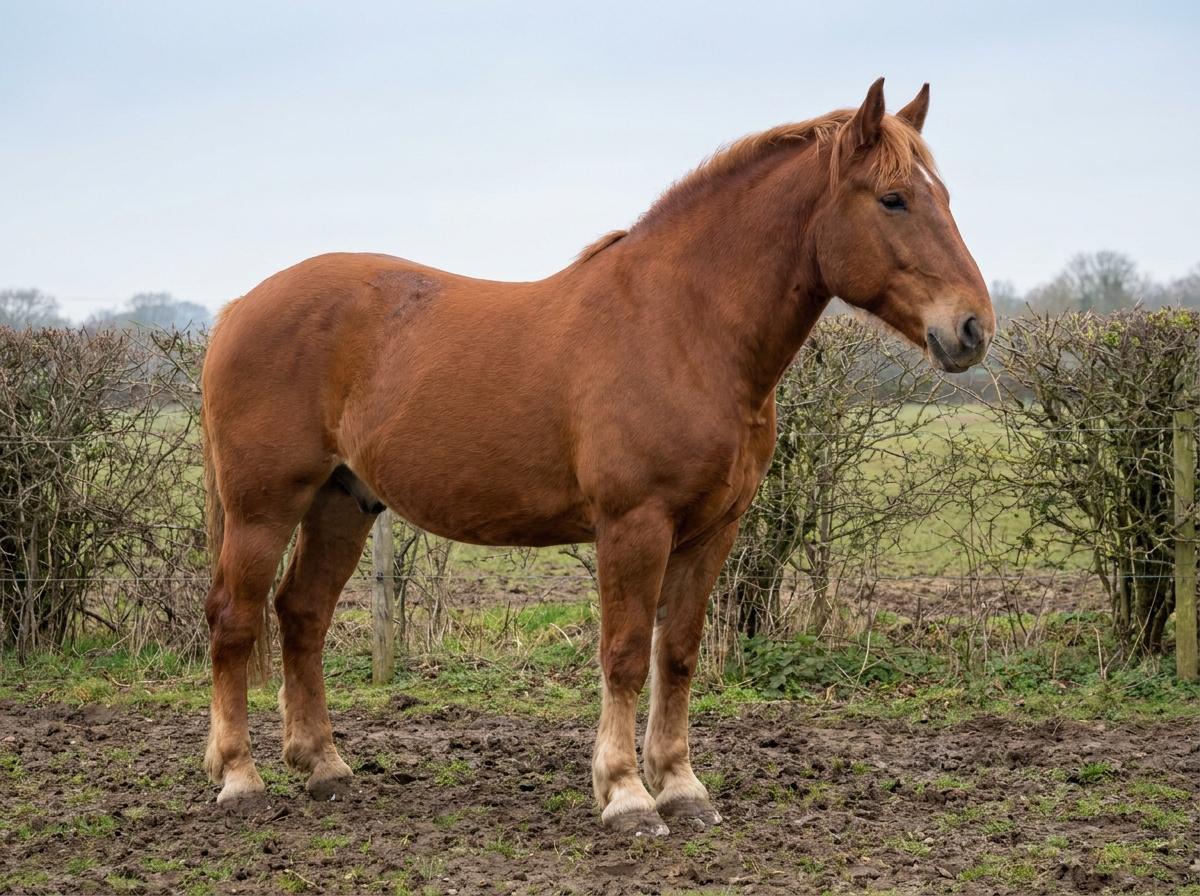
The Spanish Jennet horse is a modern North American recreation of the smooth-gaited jennet described in medieval and Renaissance Spain. The original jennet no longer exists as a closed breed, but it influenced many horses of Iberian and American ancestry. Modern Spanish Jennet registries use gaited, Spanish-influenced stock such as Paso-type horses, Peruvian Paso horses, Spanish Mustangs, and related lines, depending on registry rules. The desired horse is a light saddle animal with an easy four-beat gait, Iberian outline, and often colorful coat patterns, including pinto or leopard-complex spotting in some divisions.
Because this is a recreated breed rather than an unbroken ancient population, paperwork and registry definitions matter. Prospective owners usually look for a natural smooth gait, comfortable saddle conformation, sensible temperament, and enough soundness for trail or pleasure riding. Training should protect the gait rather than force it through gadgets or excessive shoeing. Breeders balance appearance with rideability, since a horse that looks historically plausible but cannot move comfortably misses the main reason people sought jennets in the first place.
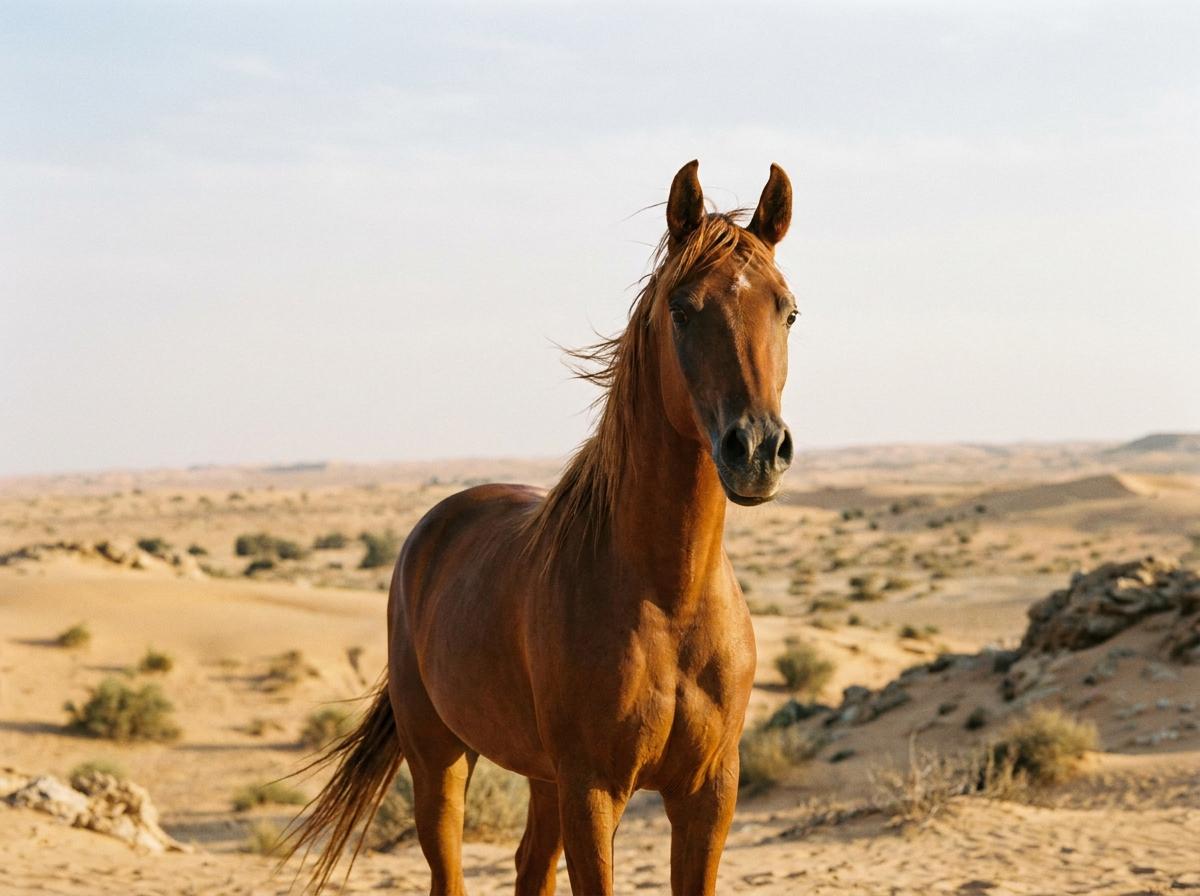
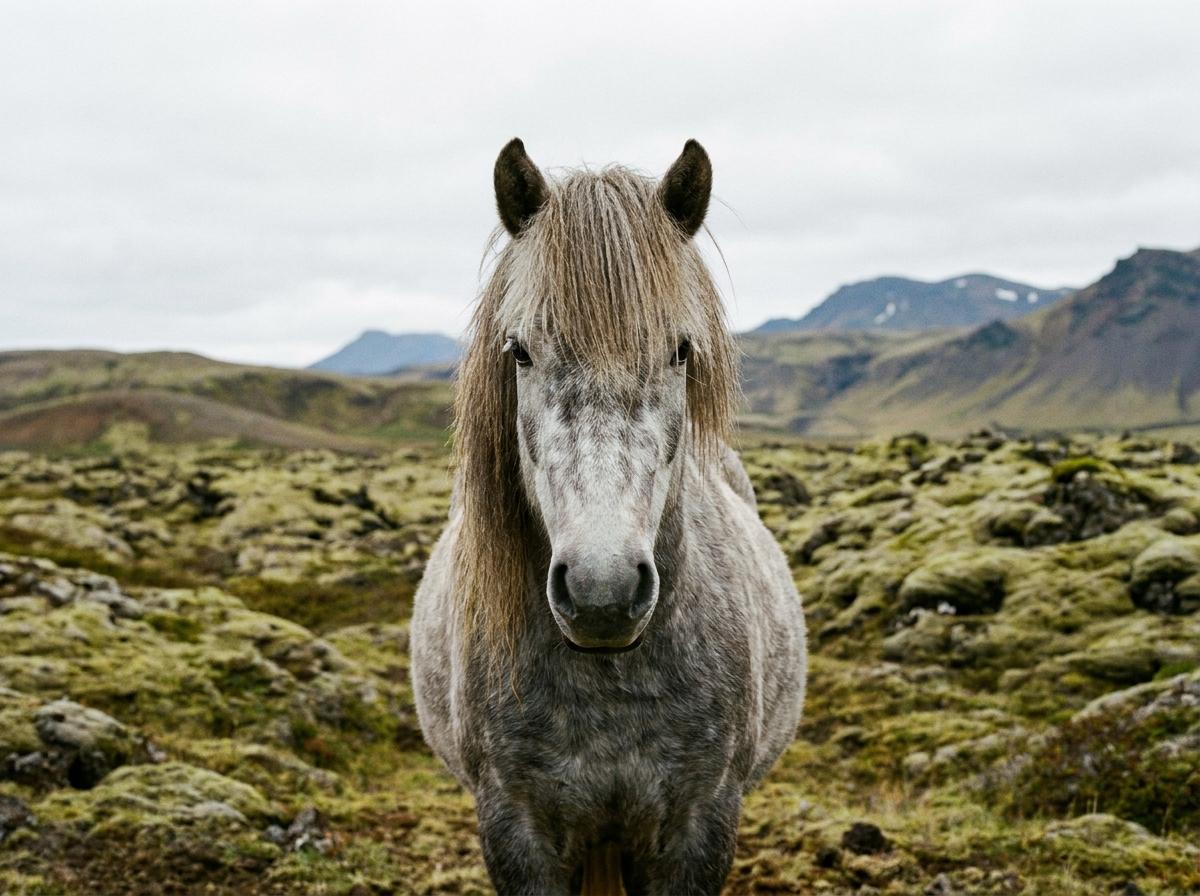
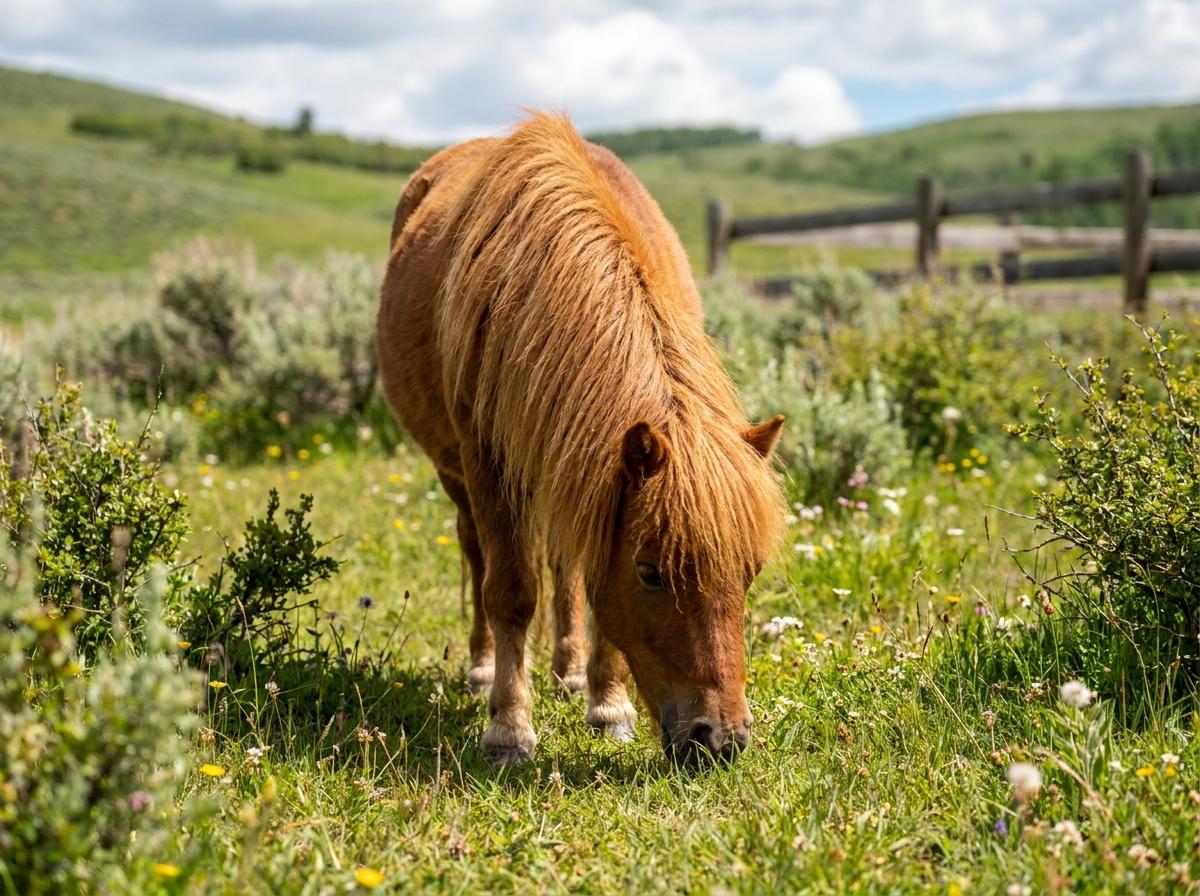
Colors: Amber Champagne, Bay, Bay Dun, Bay Roan, Black, Blanket Appaloosa, Blue Roan, Brown, Buckskin, Champagne, Chestnut, Classic Champagne, Cremello, Dun, Dun Roan, Fewspot Appaloosa, Flaxen Chestnut, Frame Overo, Gold Champagne, Gray, Grey, Grullo, Leopard Appaloosa, Liver Chestnut, Overo, Palomino, Perlino, Piebald, Pinto, Rabicano, Red Dun, Red Roan, Roan, Sabino, Seal Bay, Silver Dapple, Skewbald, Smoky Black, Smoky Cream, Snowcap Appaloosa, Sorrel, Splash White, Tobiano, Tovero, Varnish Roan, White