


Steppe Horse
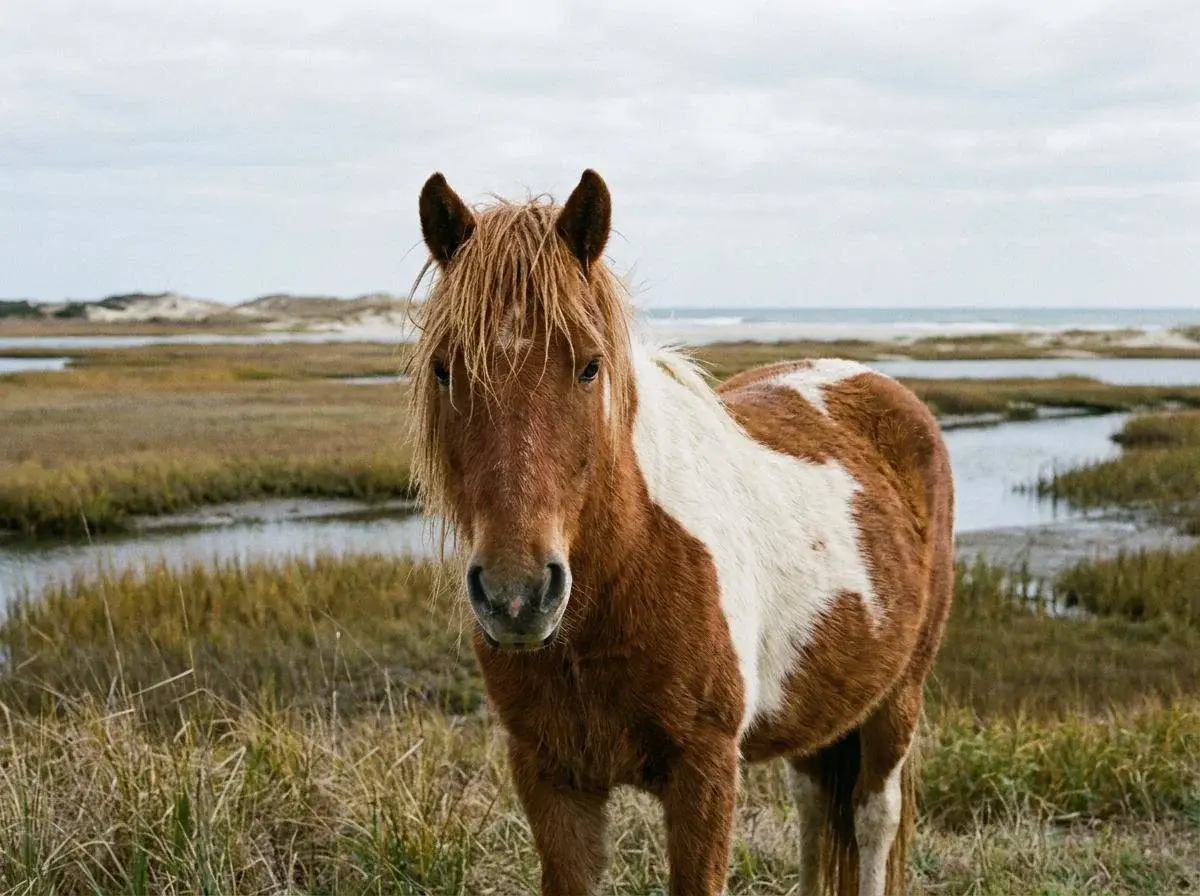
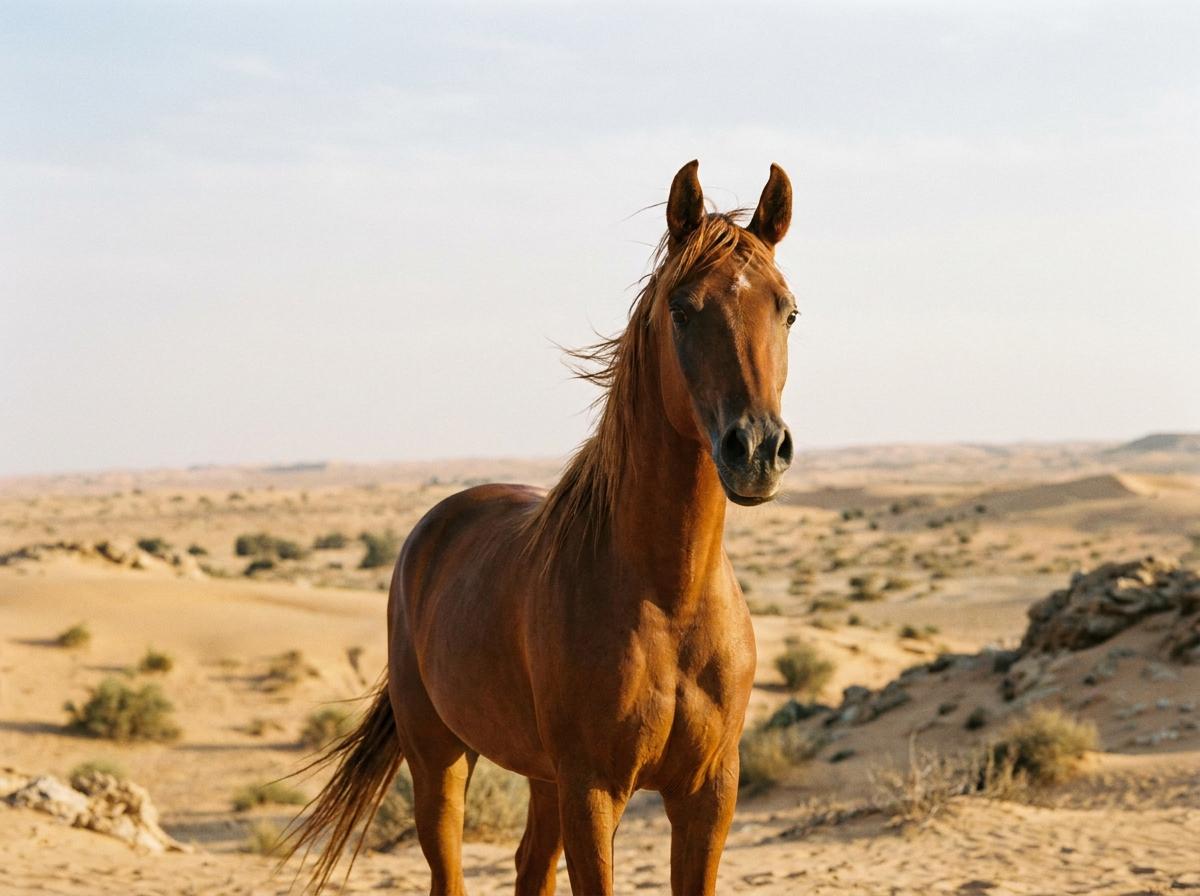
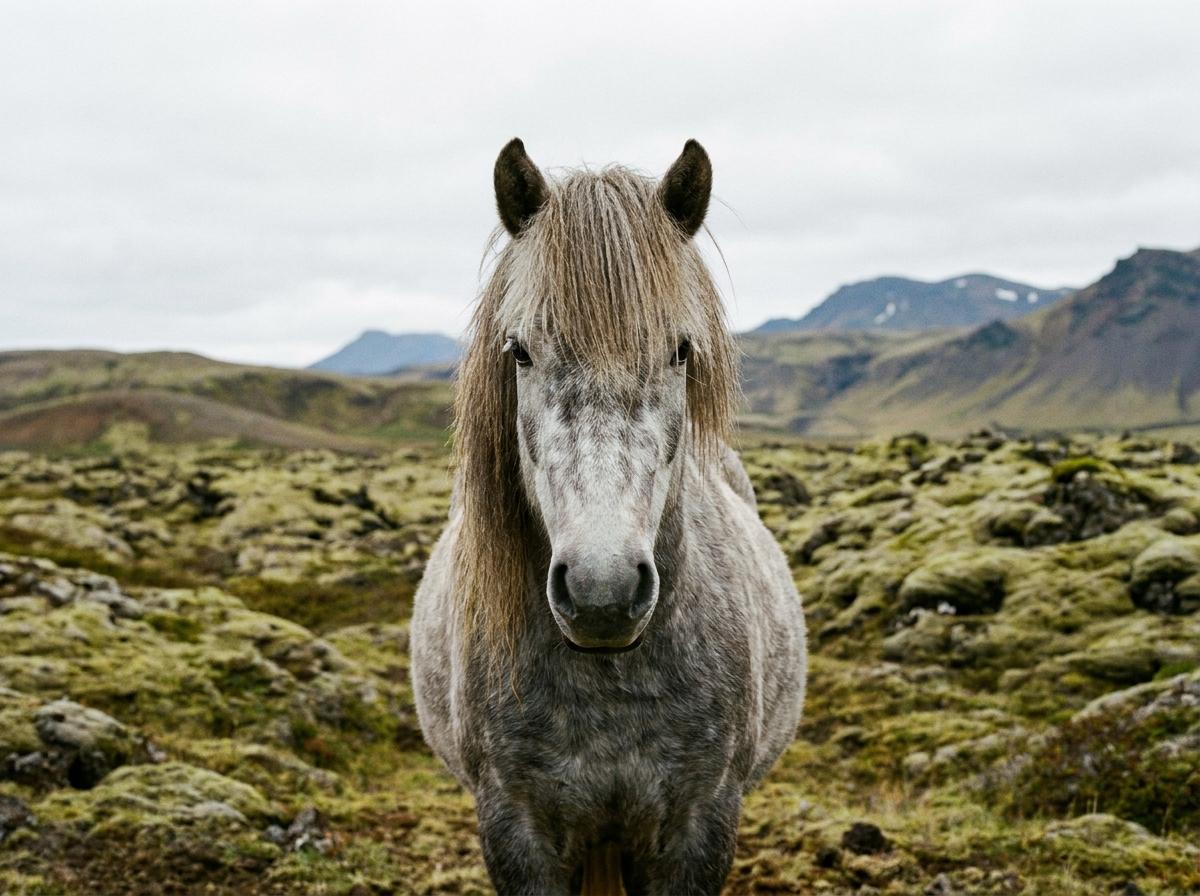
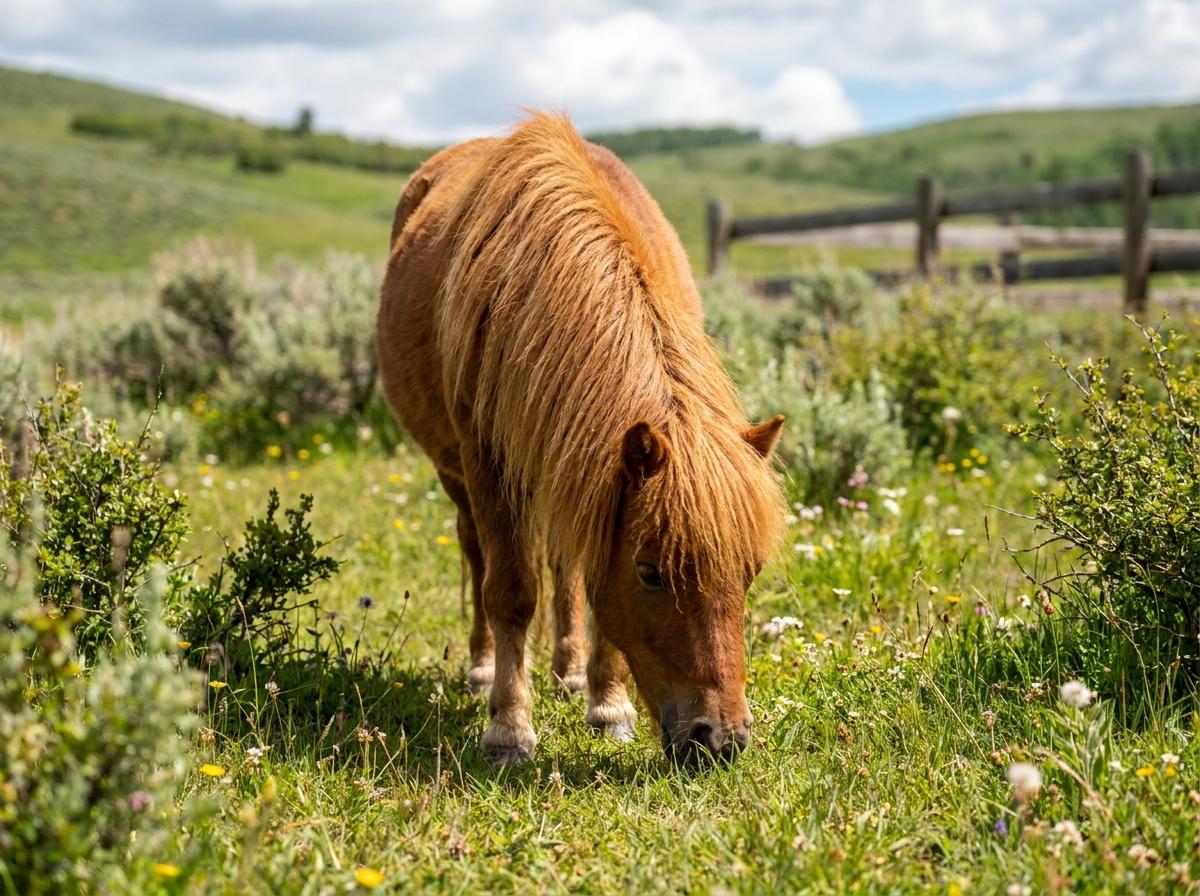
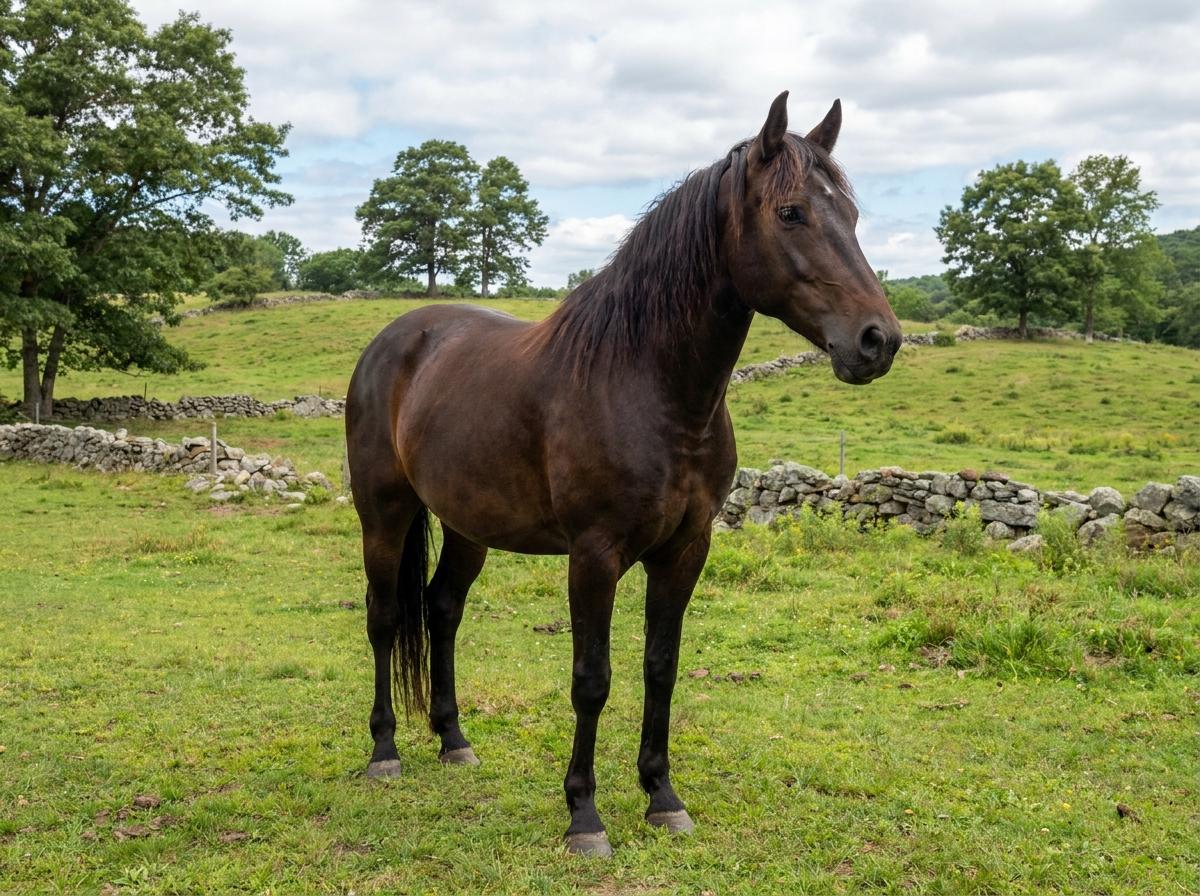
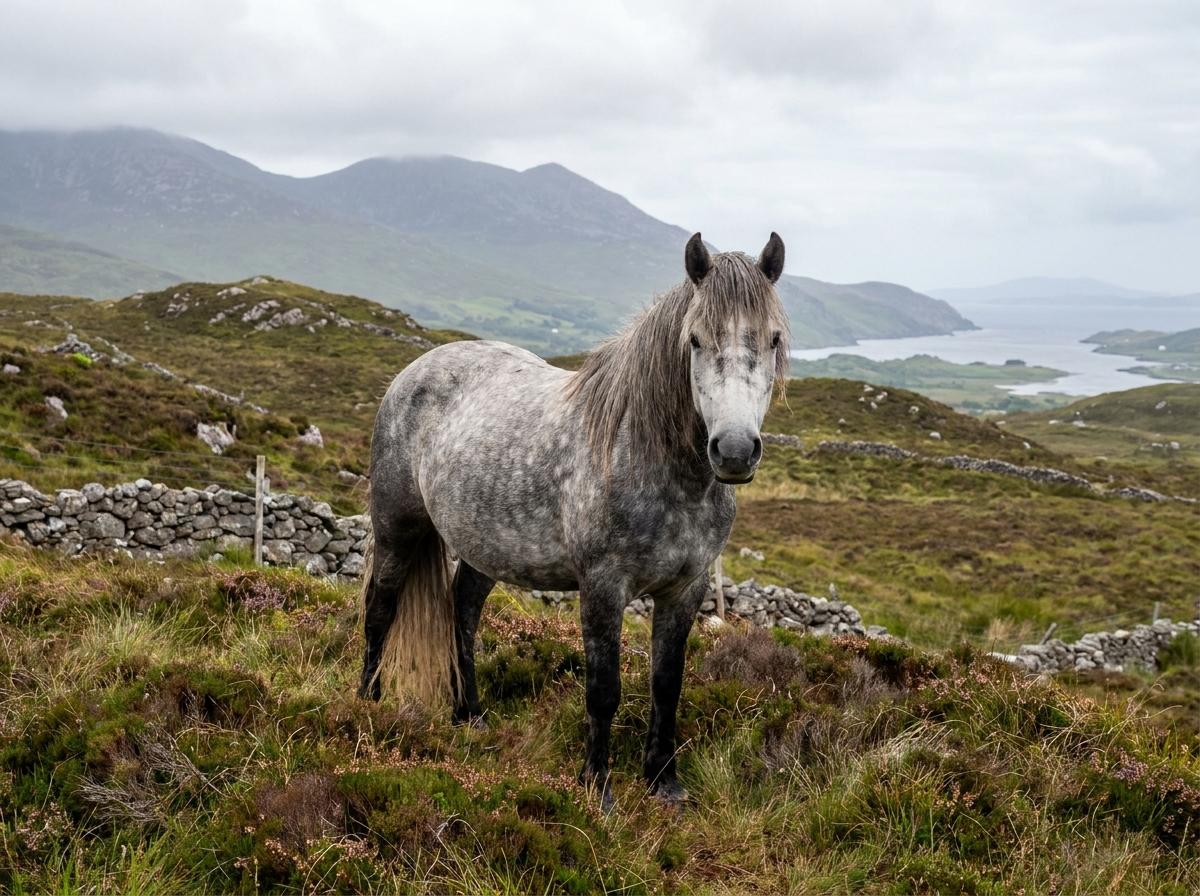
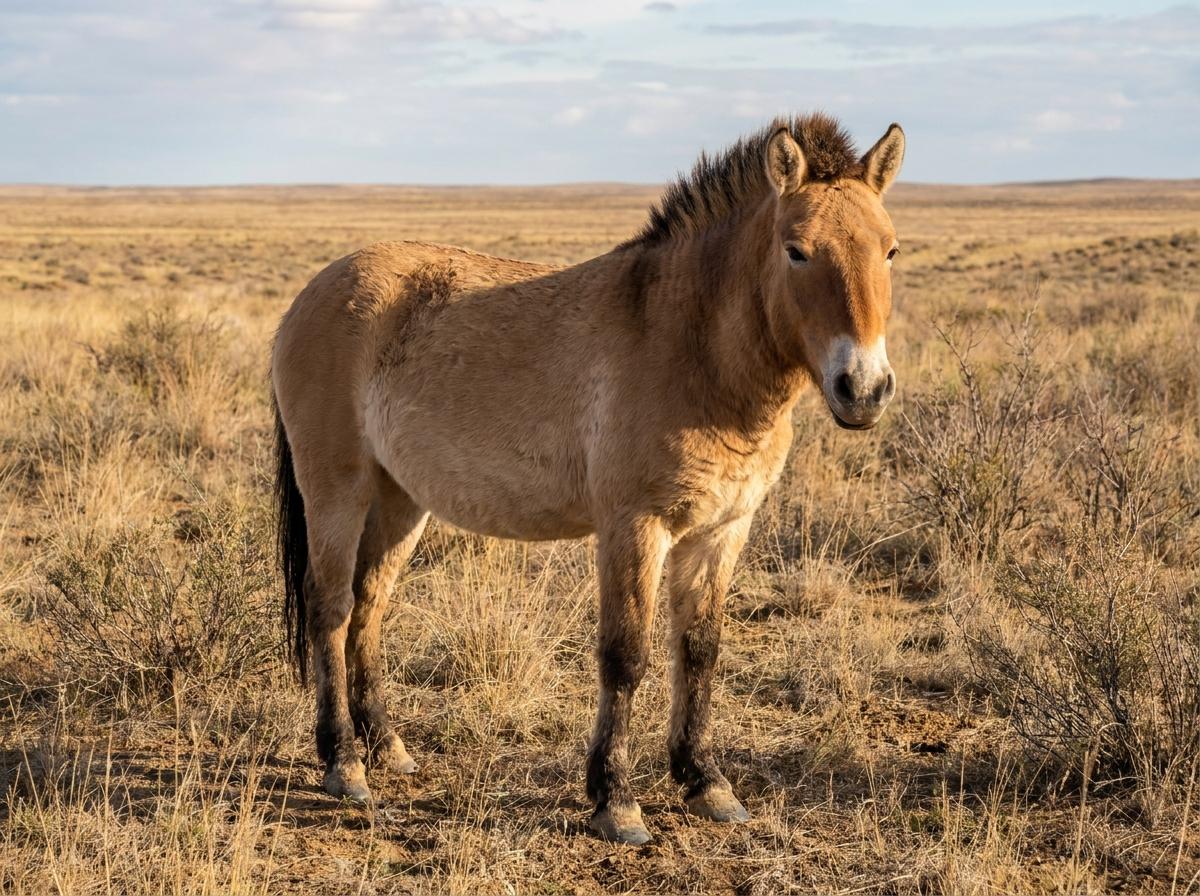
Steppe horse is a broad name for hardy horses and pony-sized landraces from the open grasslands of Eurasia rather than one single modern breed. These horses are associated with pastoral cultures across areas such as Mongolia, Kazakhstan, southern Russia, and neighboring regions, where mobility over long distances mattered more than show-ring refinement. Typical steppe horses are compact, tough-footed, and deep-coated in winter, with strong survival instincts and efficient movement on sparse pasture.
Management has traditionally been low-input, with herds grazing over large ranges and people using them for riding, herding, pack work, milk, and sometimes meat depending on local custom. When kept in more intensive settings, they still need room to move and careful introduction to rich feed, stabling, and close handling. Documentation varies by region, so anyone buying or conserving steppe horse lines should clarify whether the animal belongs to a named breed, a local strain, or a general working type.
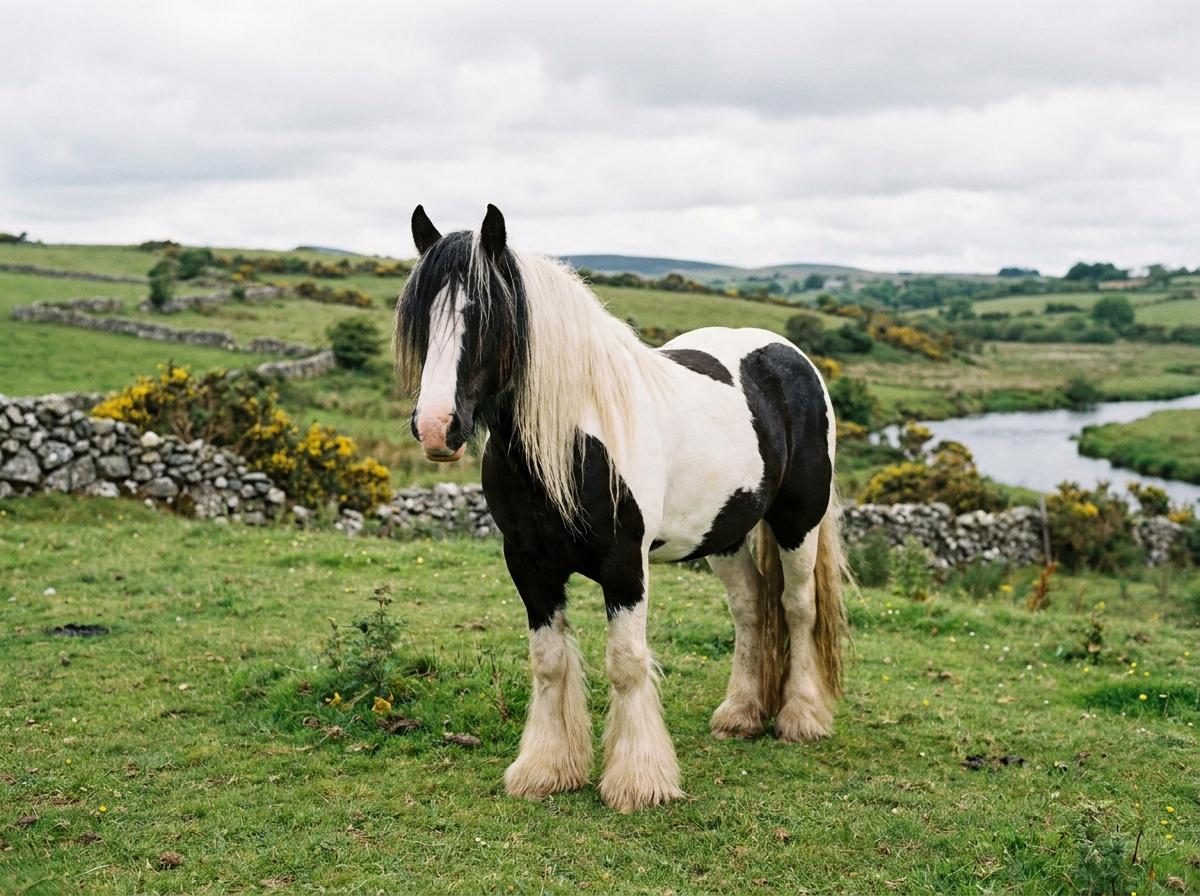
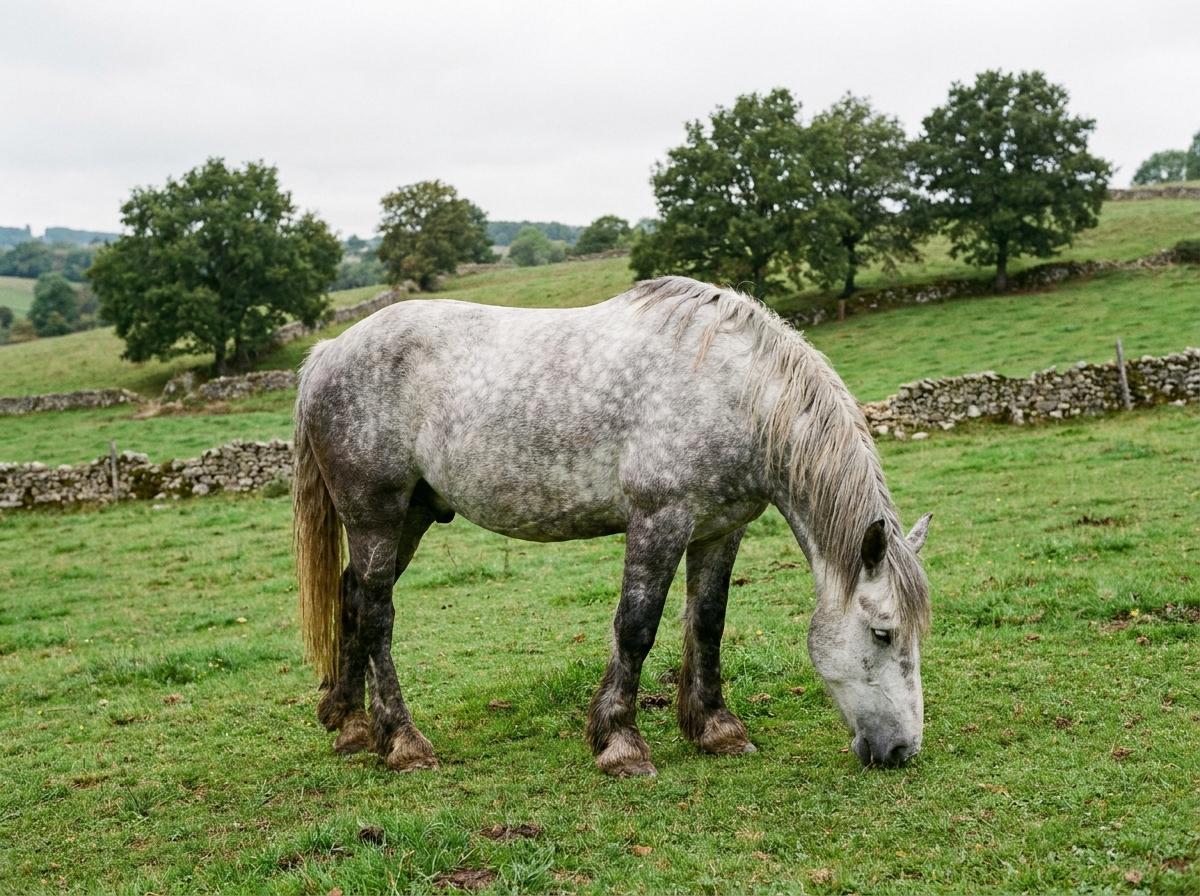
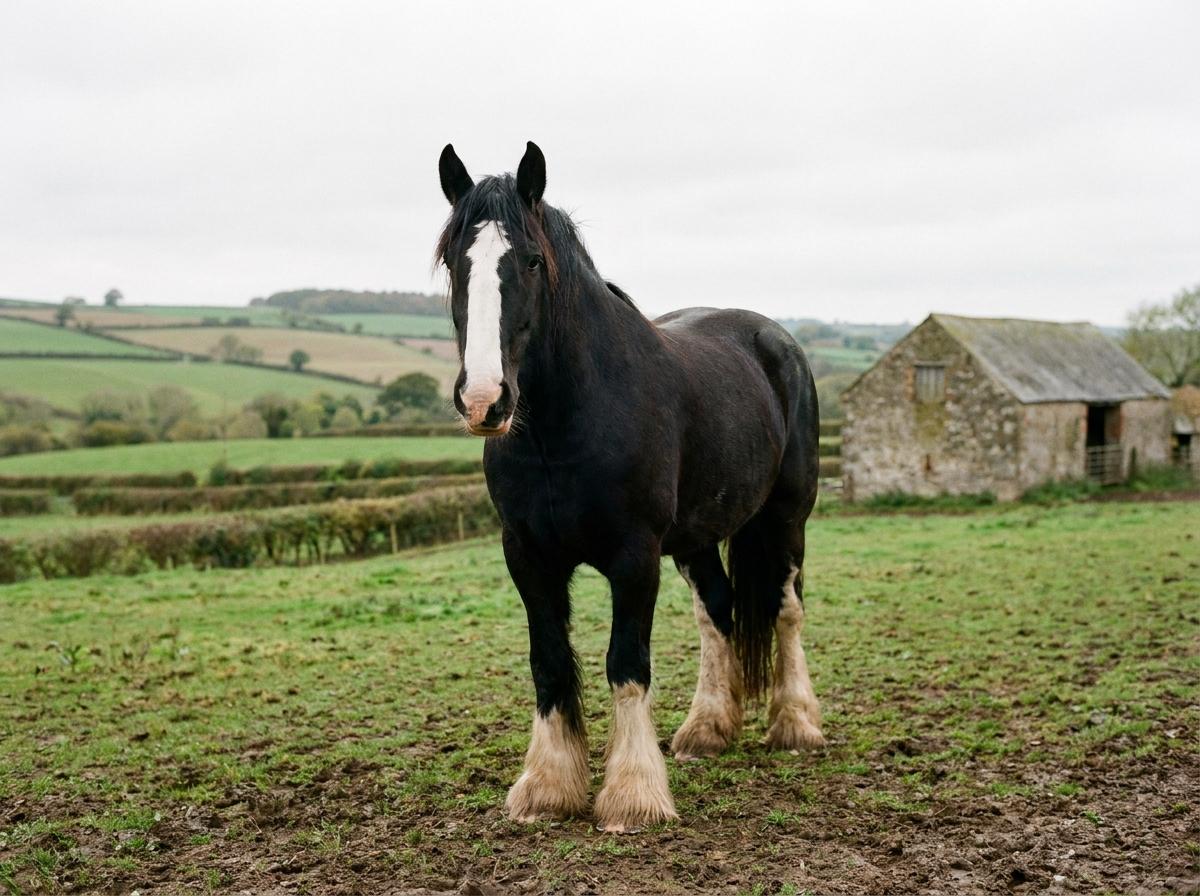
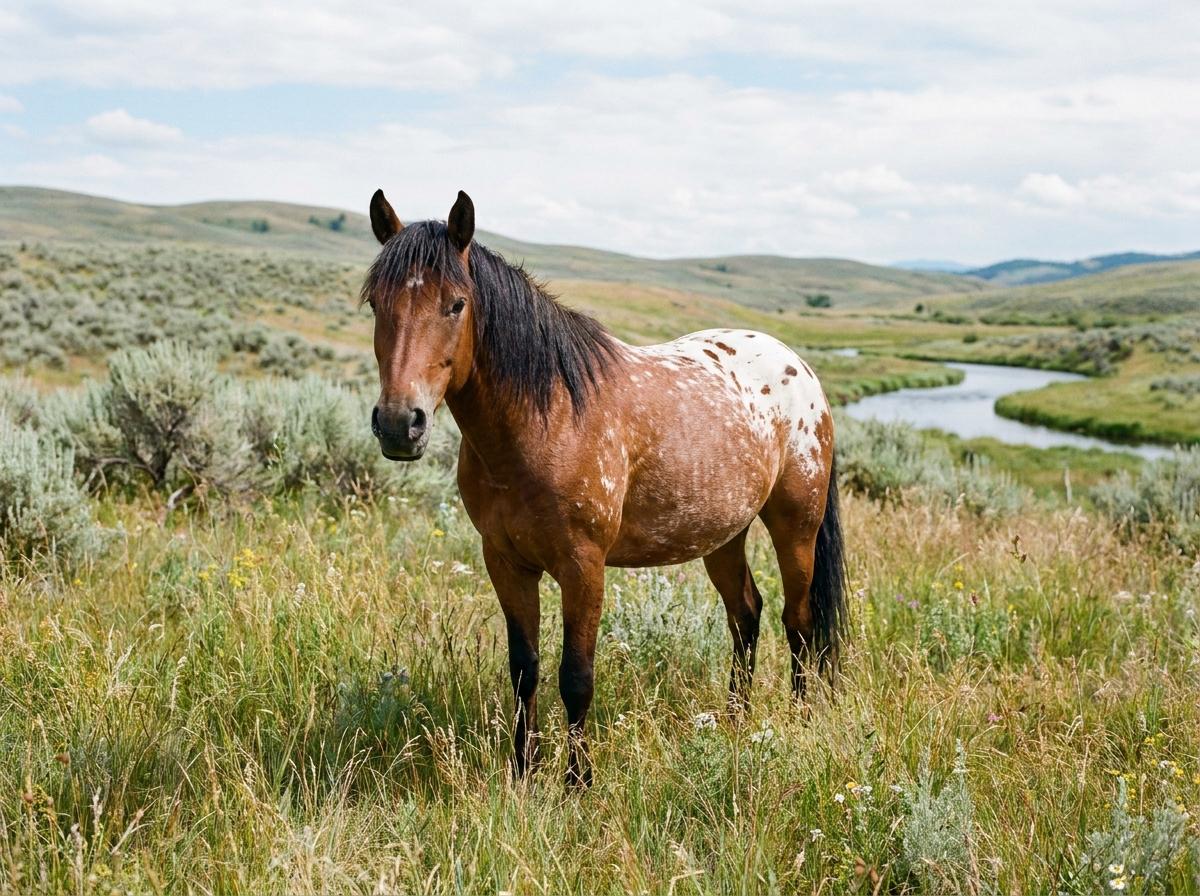
Colors: Amber Champagne, Bay, Bay Dun, Bay Roan, Black, Blanket Appaloosa, Blue Roan, Brown, Buckskin, Champagne, Chestnut, Classic Champagne, Cremello, Dun, Dun Roan, Fewspot Appaloosa, Flaxen Chestnut, Frame Overo, Gold Champagne, Gray, Grey, Grullo, Leopard Appaloosa, Liver Chestnut, Overo, Palomino, Perlino, Piebald, Pinto, Rabicano, Red Dun, Red Roan, Roan, Sabino, Seal Bay, Silver Dapple, Skewbald, Smoky Black, Smoky Cream, Snowcap Appaloosa, Sorrel, Splash White, Tobiano, Tovero, Varnish Roan, White