

Tokara Horse
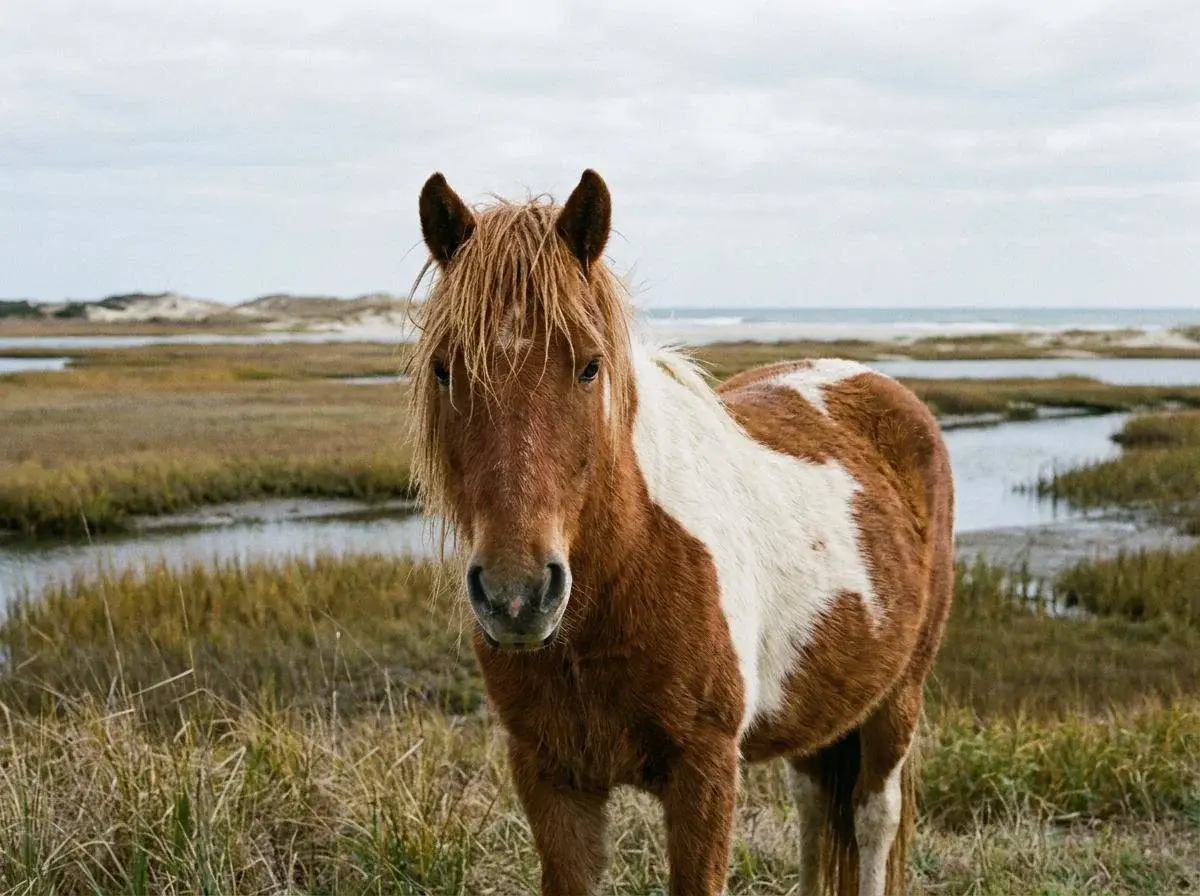
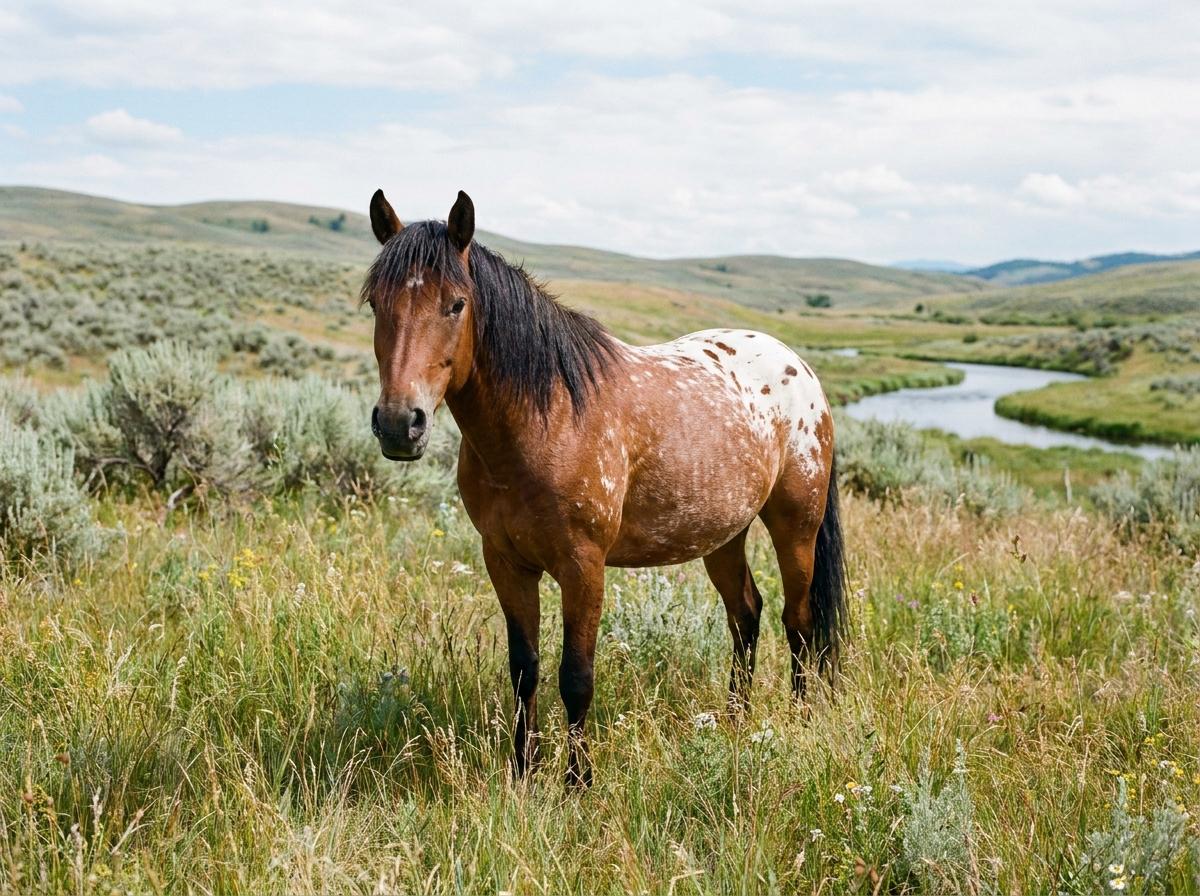
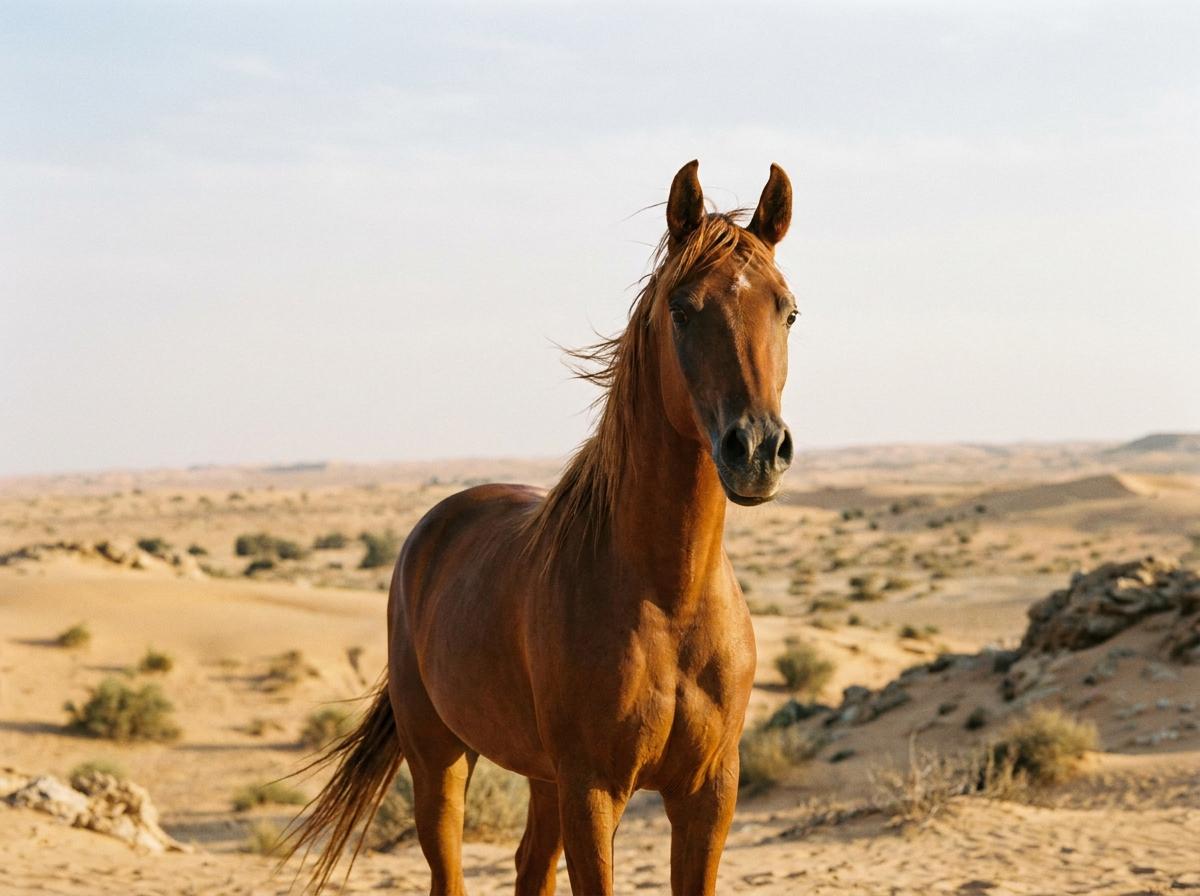
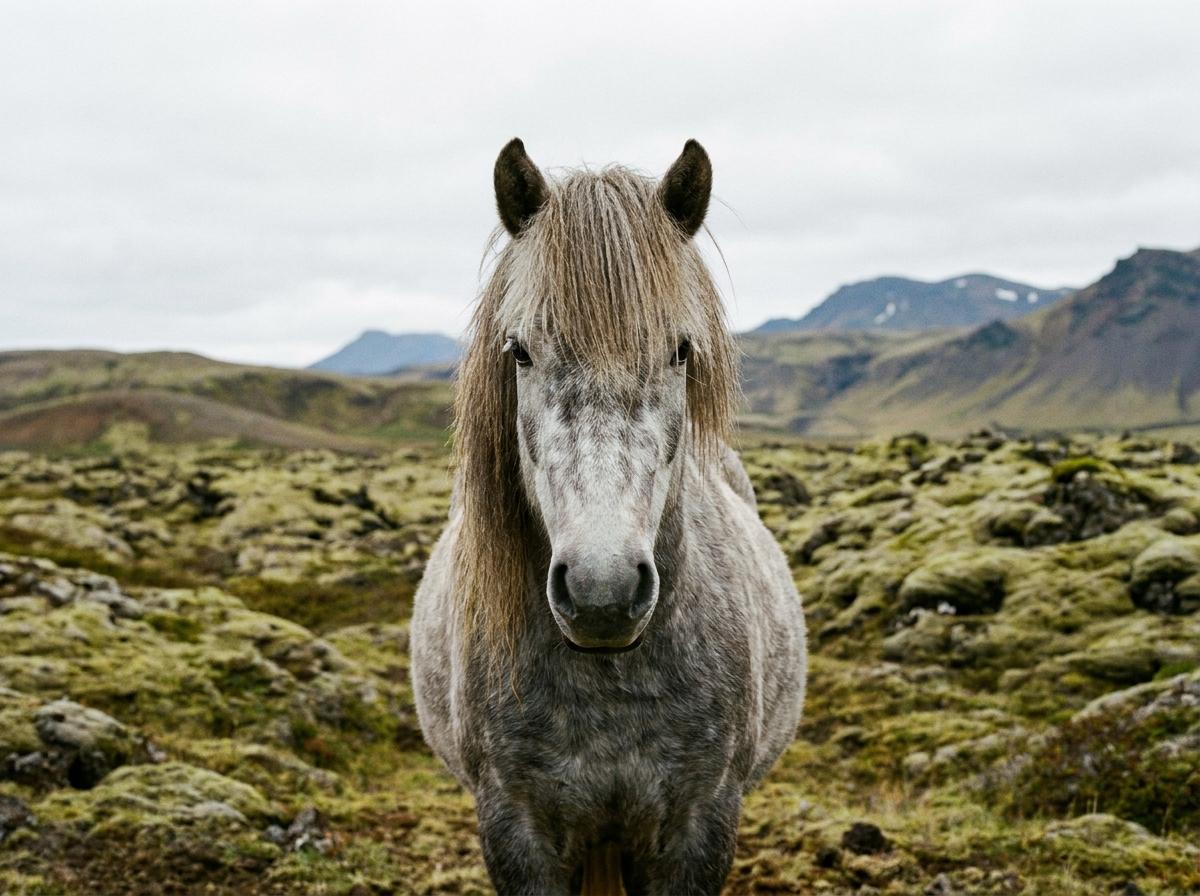
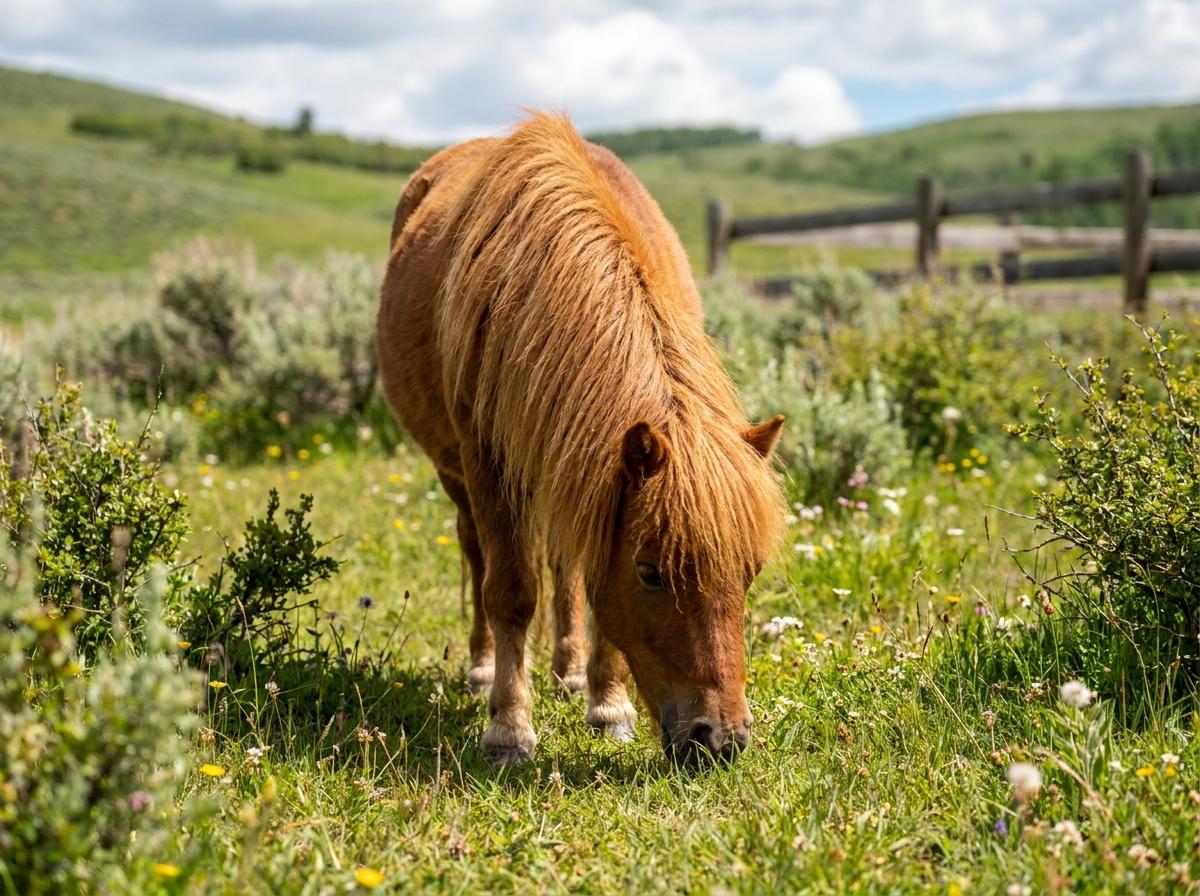
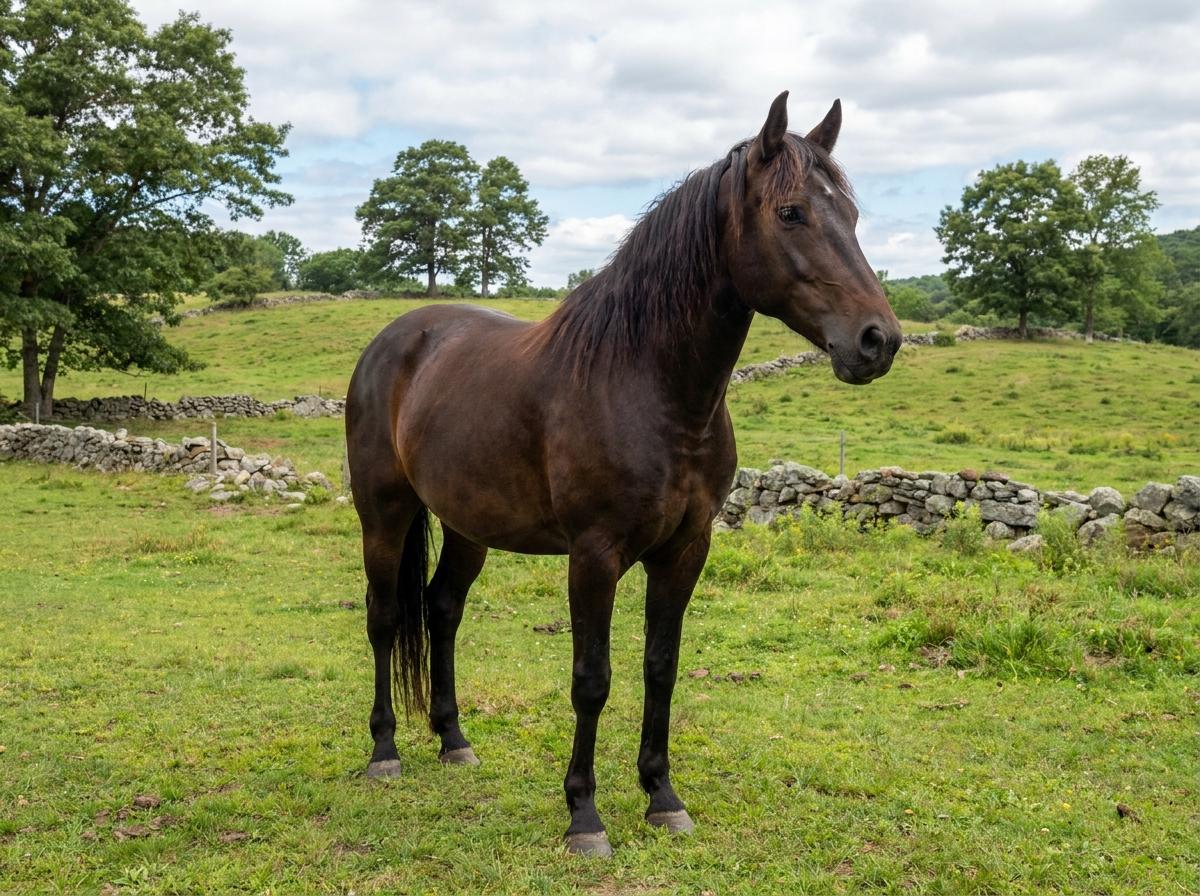
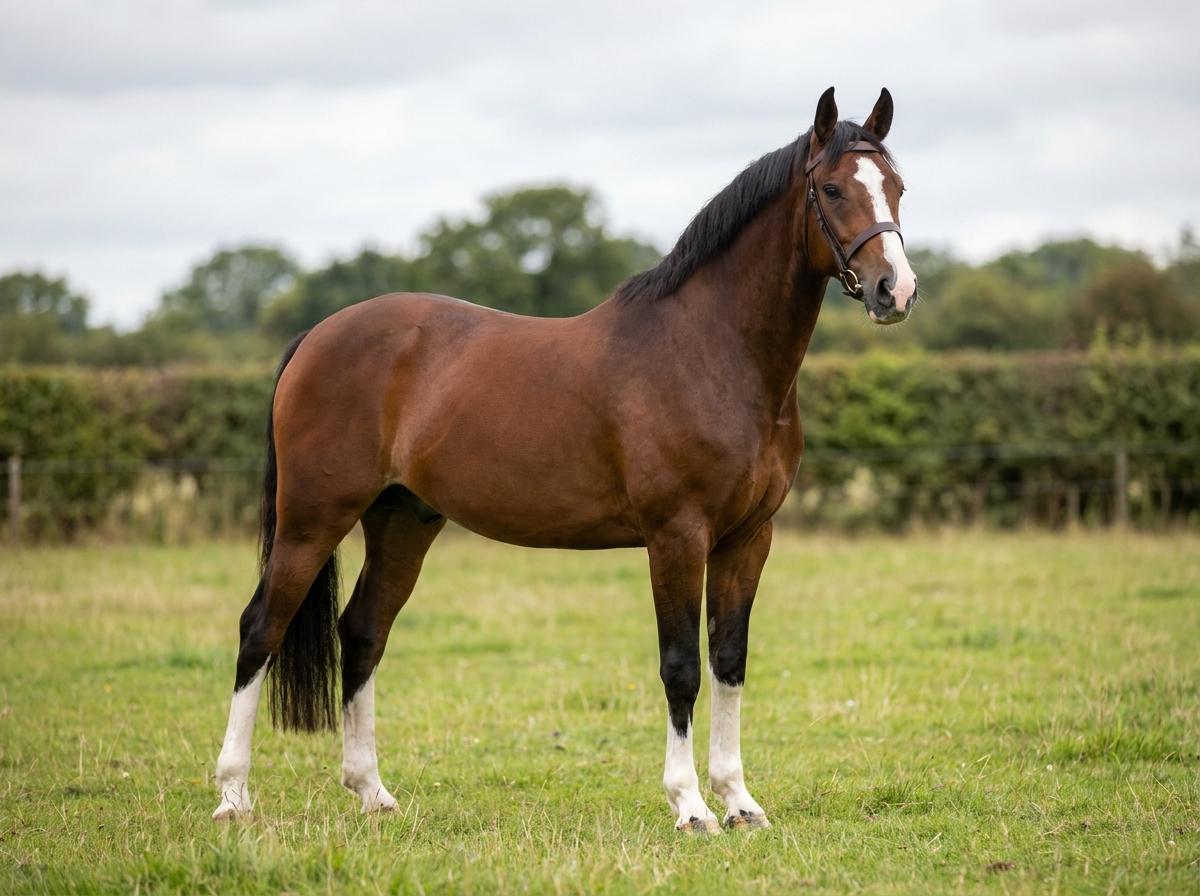
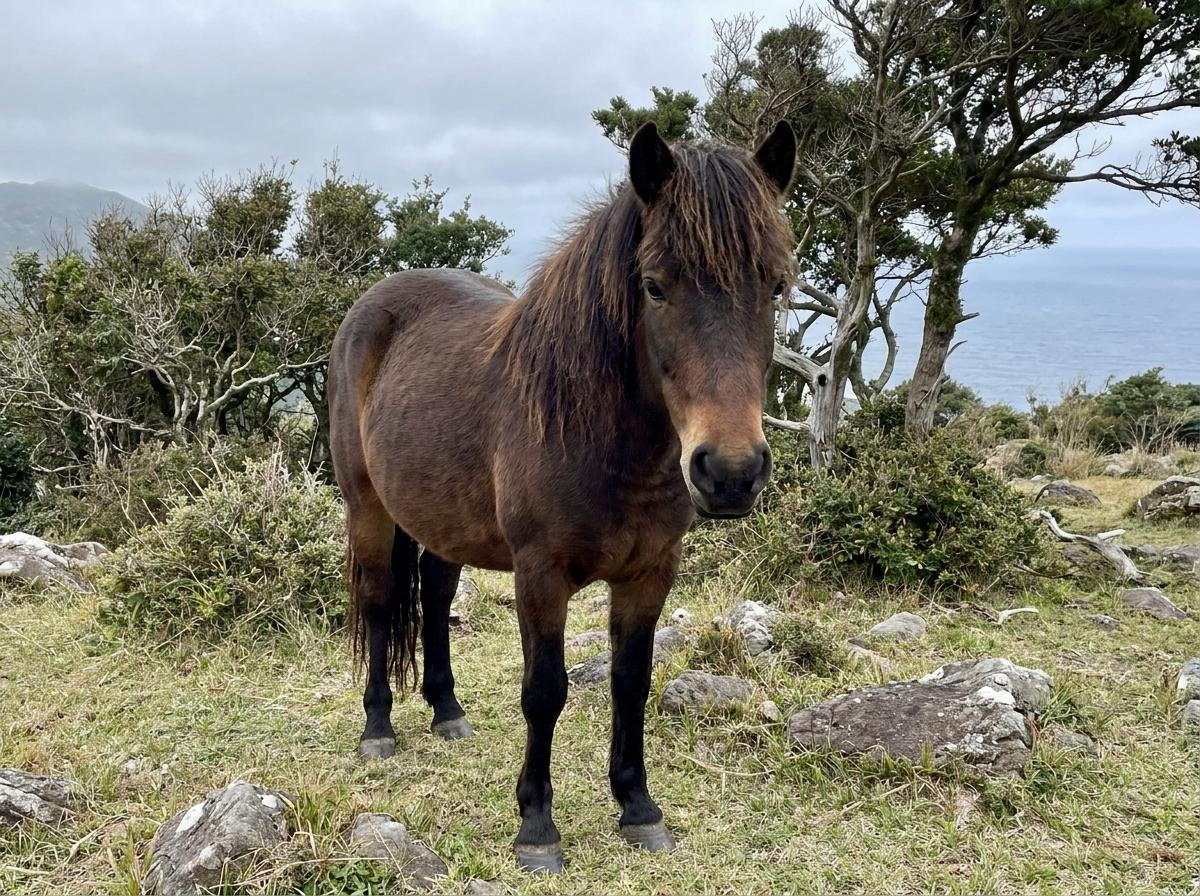
The Tokara horse is a small Japanese native horse associated with the Tokara Islands of Kagoshima Prefecture. It is one of Japan's regional horse populations, usually described as compact, plain, hardy, and adapted to island grazing. Tokara horses are commonly bay or brown, with a practical body and quiet, resilient character. The population has been small for many years, so the name carries conservation meaning as much as ordinary breed identity.
Management today often involves preservation herds, educational display, and controlled breeding rather than large-scale commercial riding use. Keepers need ordinary equine care, but also attention to maintaining genetic diversity, preventing accidental crossbreeding, and keeping animals fit without overfeeding small native horses. Visitors may encounter Tokara horses through public conservation programs, parks, or local heritage projects. For breeders, the useful record is not only color or height, but whether an animal belongs to a managed preservation line.
Colors: Amber Champagne, Bay, Bay Dun, Bay Roan, Black, Blanket Appaloosa, Blue Roan, Brown, Buckskin, Champagne, Chestnut, Classic Champagne, Cremello, Dun, Dun Roan, Fewspot Appaloosa, Flaxen Chestnut, Frame Overo, Gold Champagne, Gray, Grey, Grullo, Leopard Appaloosa, Liver Chestnut, Overo, Palomino, Perlino, Piebald, Pinto, Rabicano, Red Dun, Red Roan, Roan, Sabino, Seal Bay, Silver Dapple, Skewbald, Smoky Black, Smoky Cream, Snowcap Appaloosa, Sorrel, Splash White, Tobiano, Tovero, Varnish Roan, White