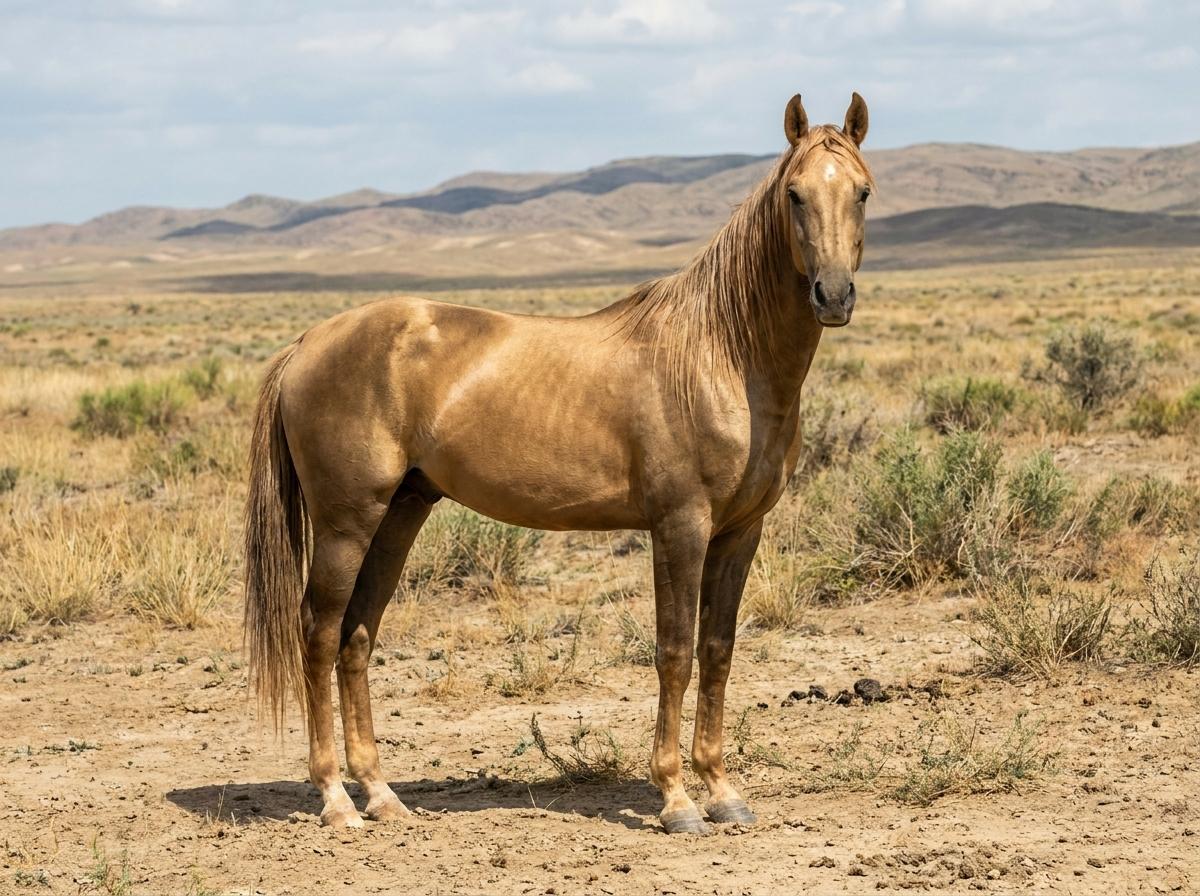
Turkoman Horse
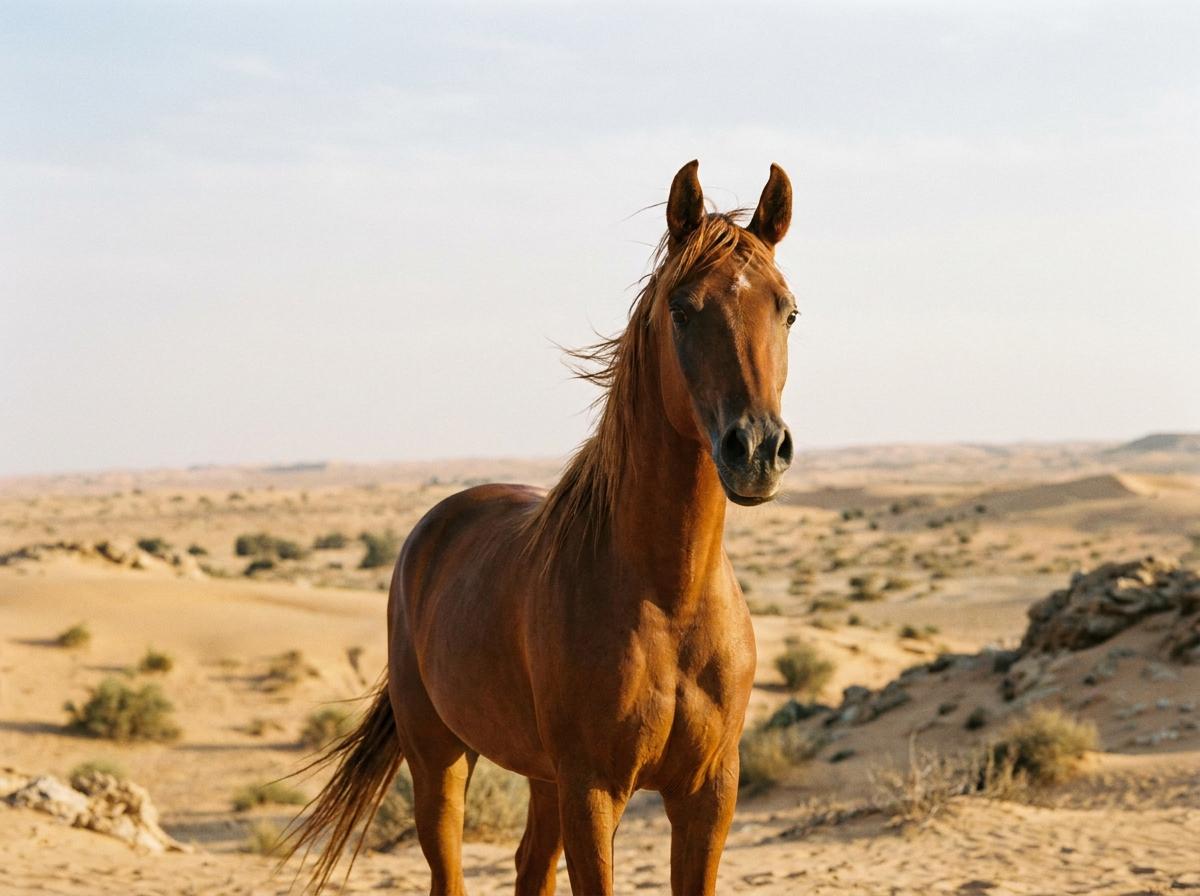
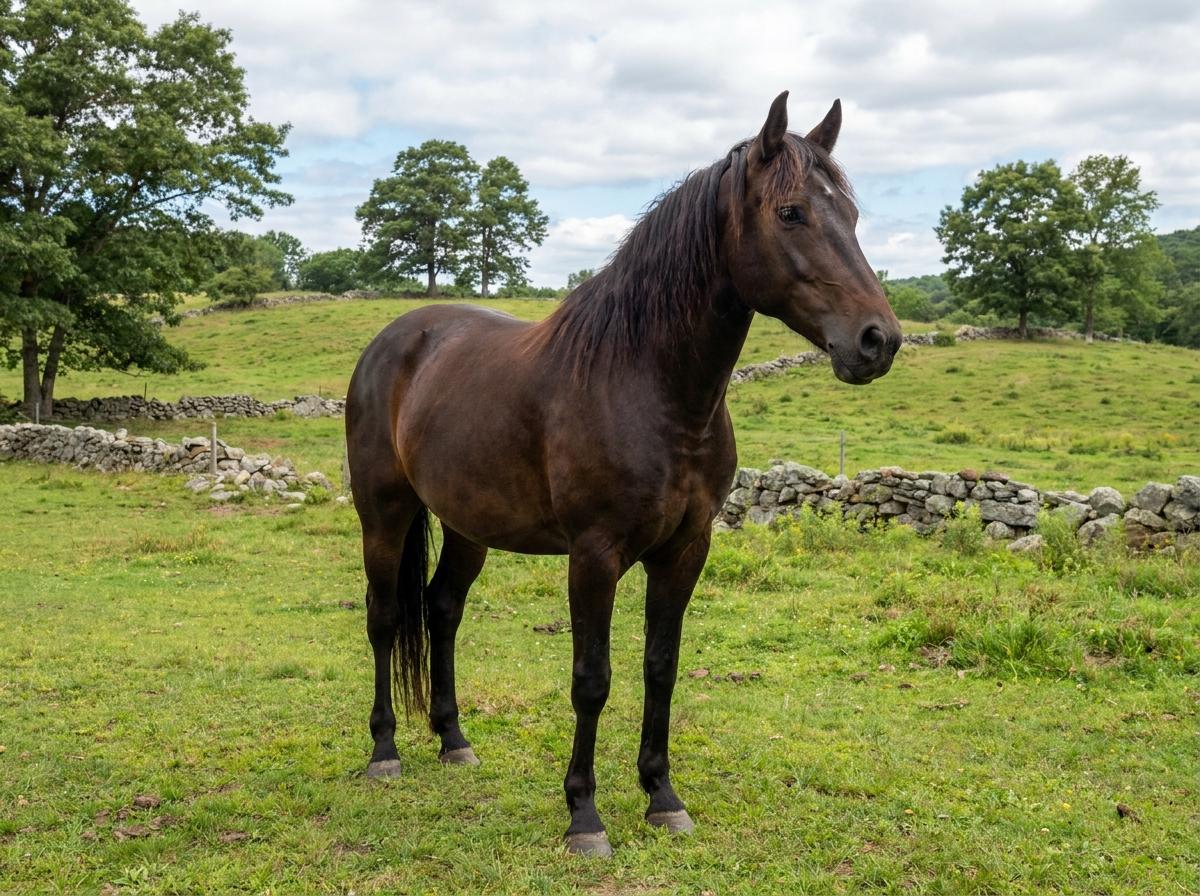
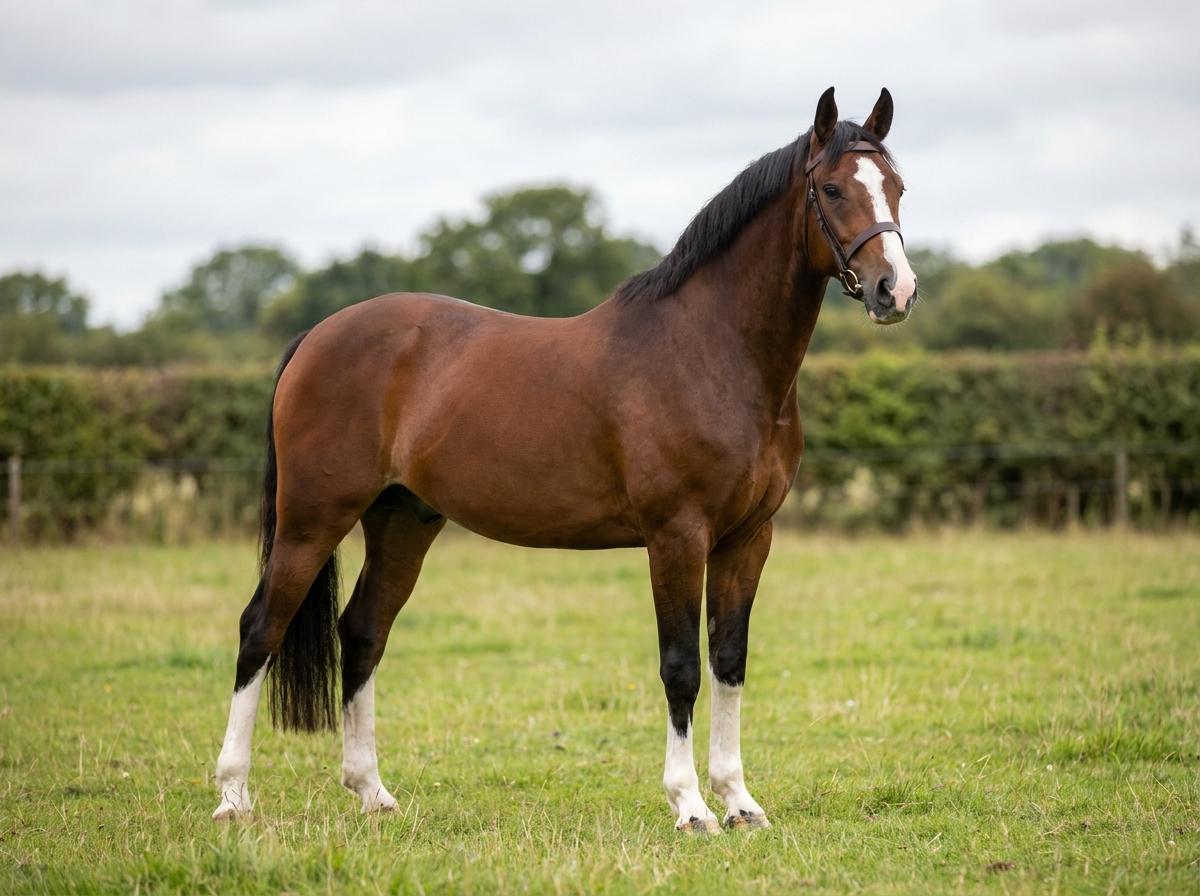
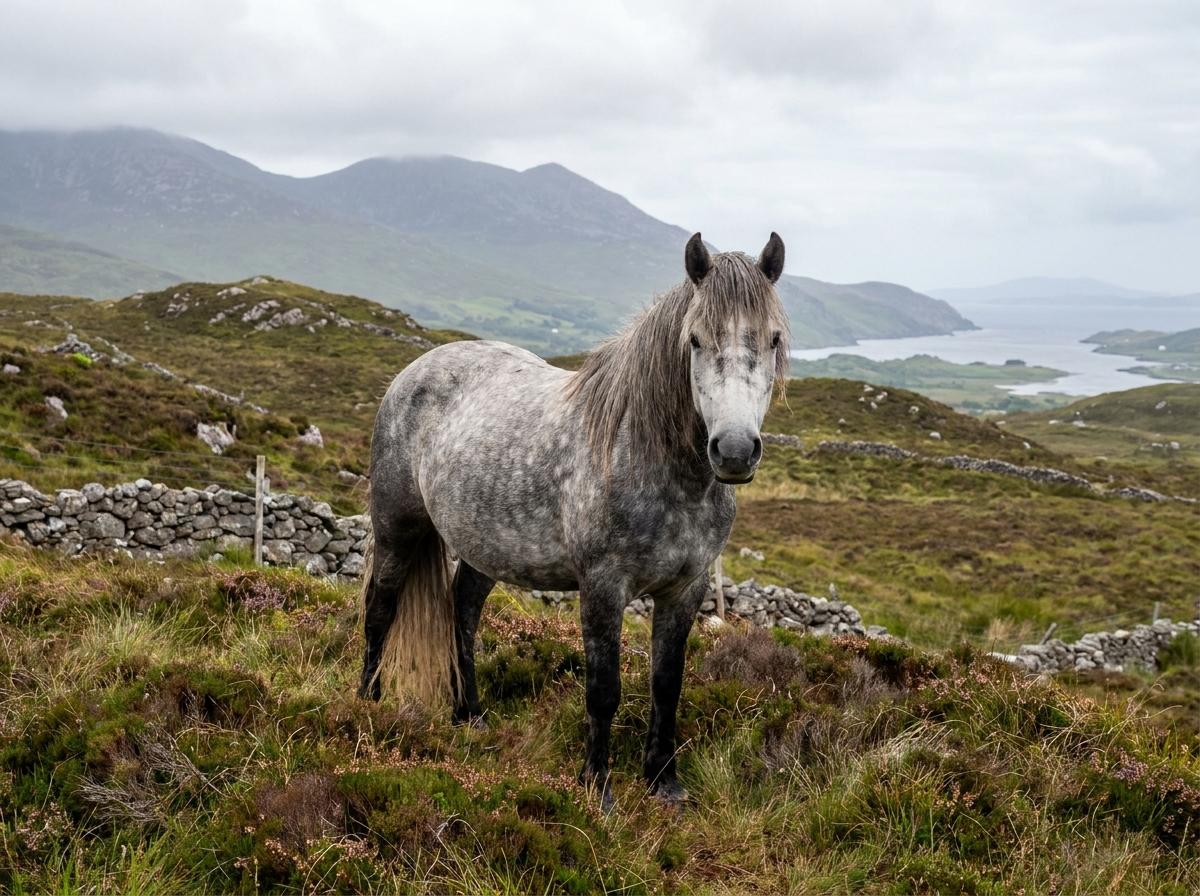
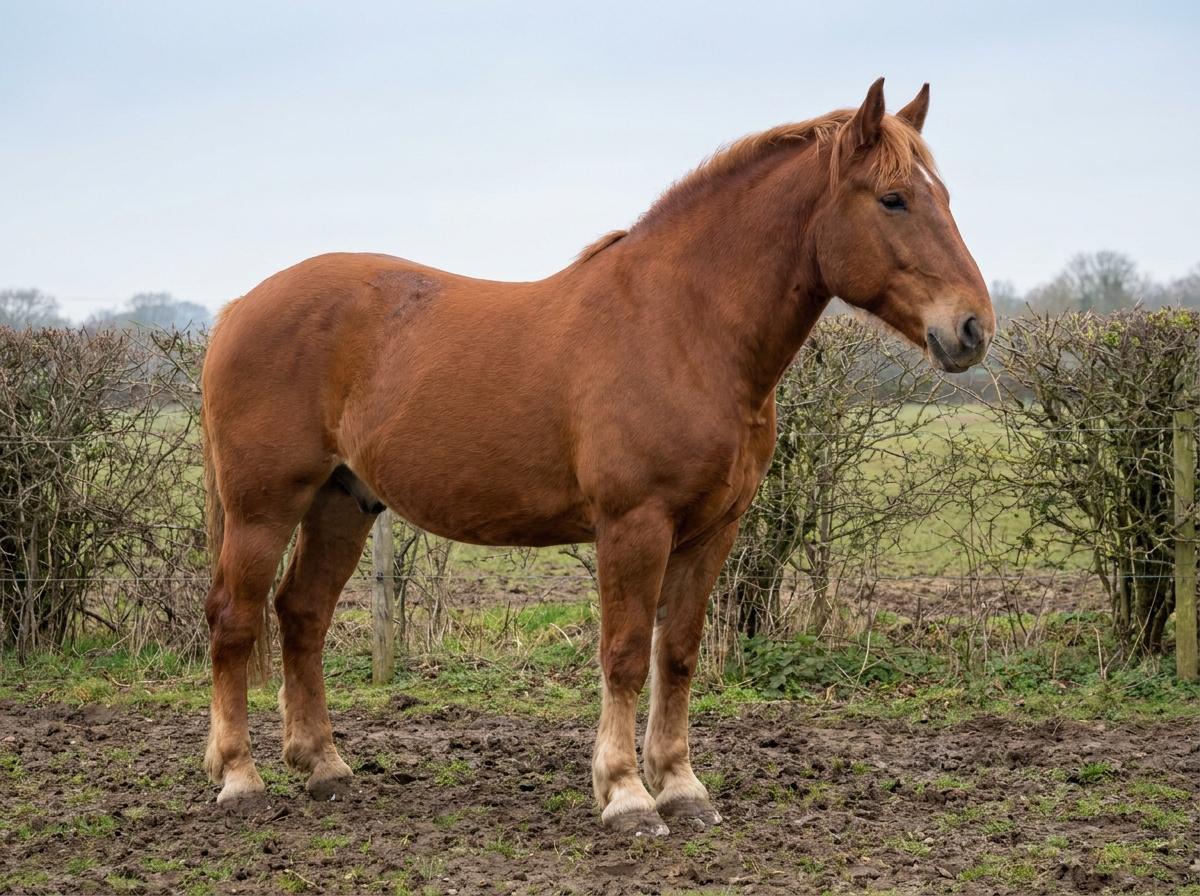
The Turkoman horse, also written Turkmen or Turkman in older sources, is best understood as a historical group of Central Asian riding horses rather than a single modern registry breed. These horses were associated with Turkmen peoples across the deserts and steppe of present-day Turkmenistan, northern Iran, and nearby regions. Accounts describe lean, fine-skinned horses with speed, endurance, and the ability to cover long distances on limited feed. The Turkoman is often discussed in relation to the Akhal-Teke, Yomud, and other Oriental horse influences, though exact ancestry claims can be hard to prove.
Because the old Turkoman population is not maintained today as a clear studbook breed, modern listings usually refer to descendant strains, regional Turkmen horses, or animals with claimed heritage. Buyers should ask for registration or lineage records rather than relying on coat sheen, body shape, or marketing language. Related desert-adapted horses often do best with steady work, social turnout, a forage-first diet, and protection from prolonged damp conditions if they were raised in arid climates. Historians, breed researchers, and genetic studies continue to use the Turkoman name when tracing the development of Central Asian and European riding horses.
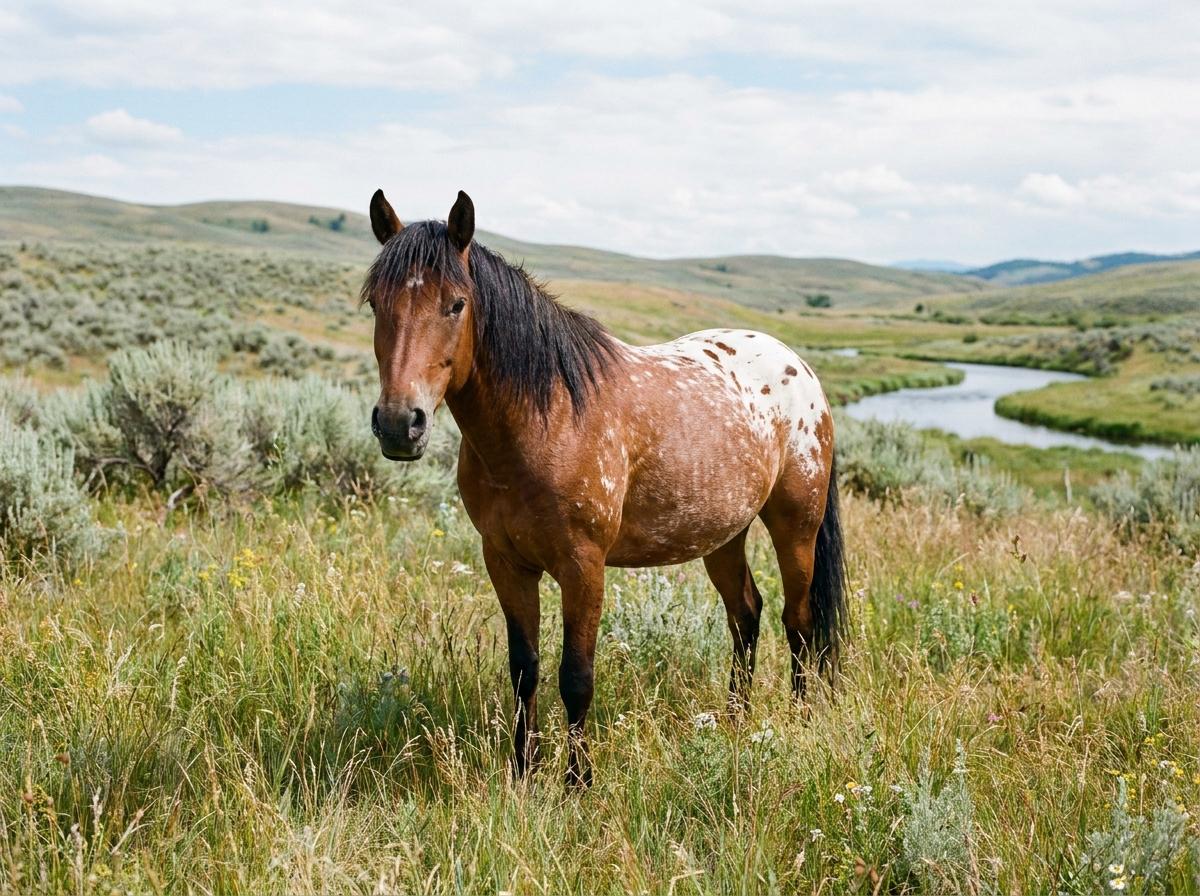
Colors: Amber Champagne, Bay, Bay Dun, Bay Roan, Black, Blanket Appaloosa, Blue Roan, Brown, Buckskin, Champagne, Chestnut, Classic Champagne, Cremello, Dun, Dun Roan, Fewspot Appaloosa, Flaxen Chestnut, Frame Overo, Gold Champagne, Gray, Grey, Grullo, Leopard Appaloosa, Liver Chestnut, Overo, Palomino, Perlino, Piebald, Pinto, Rabicano, Red Dun, Red Roan, Roan, Sabino, Seal Bay, Silver Dapple, Skewbald, Smoky Black, Smoky Cream, Snowcap Appaloosa, Sorrel, Splash White, Tobiano, Tovero, Varnish Roan, White