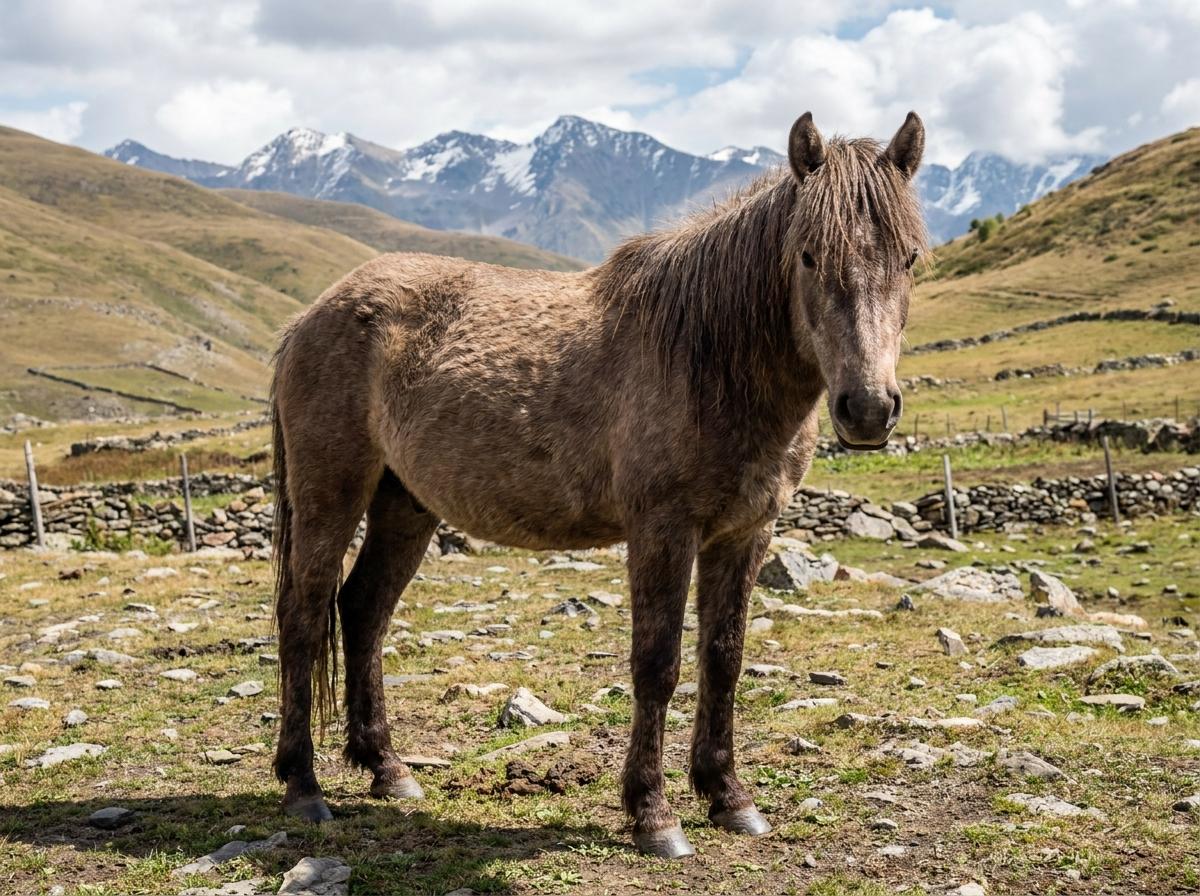
Tushetian Horse
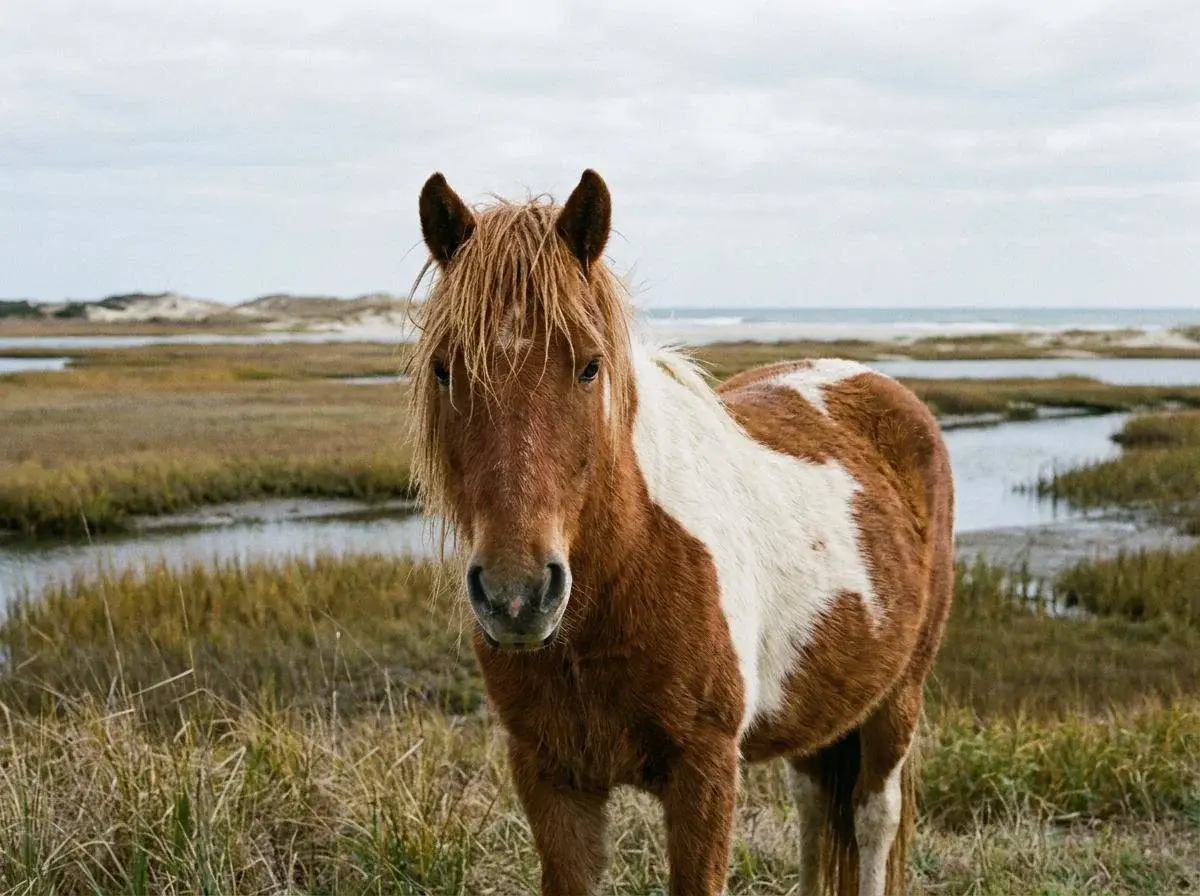
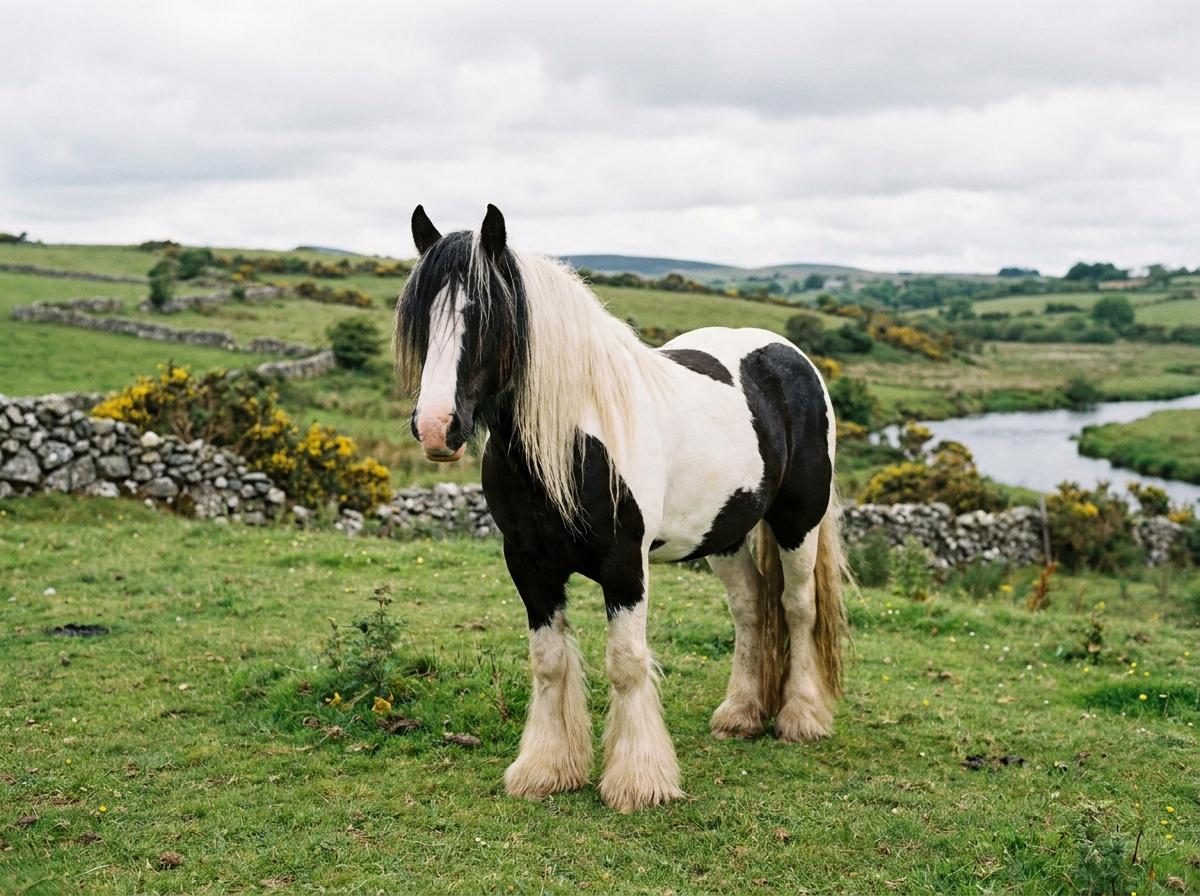
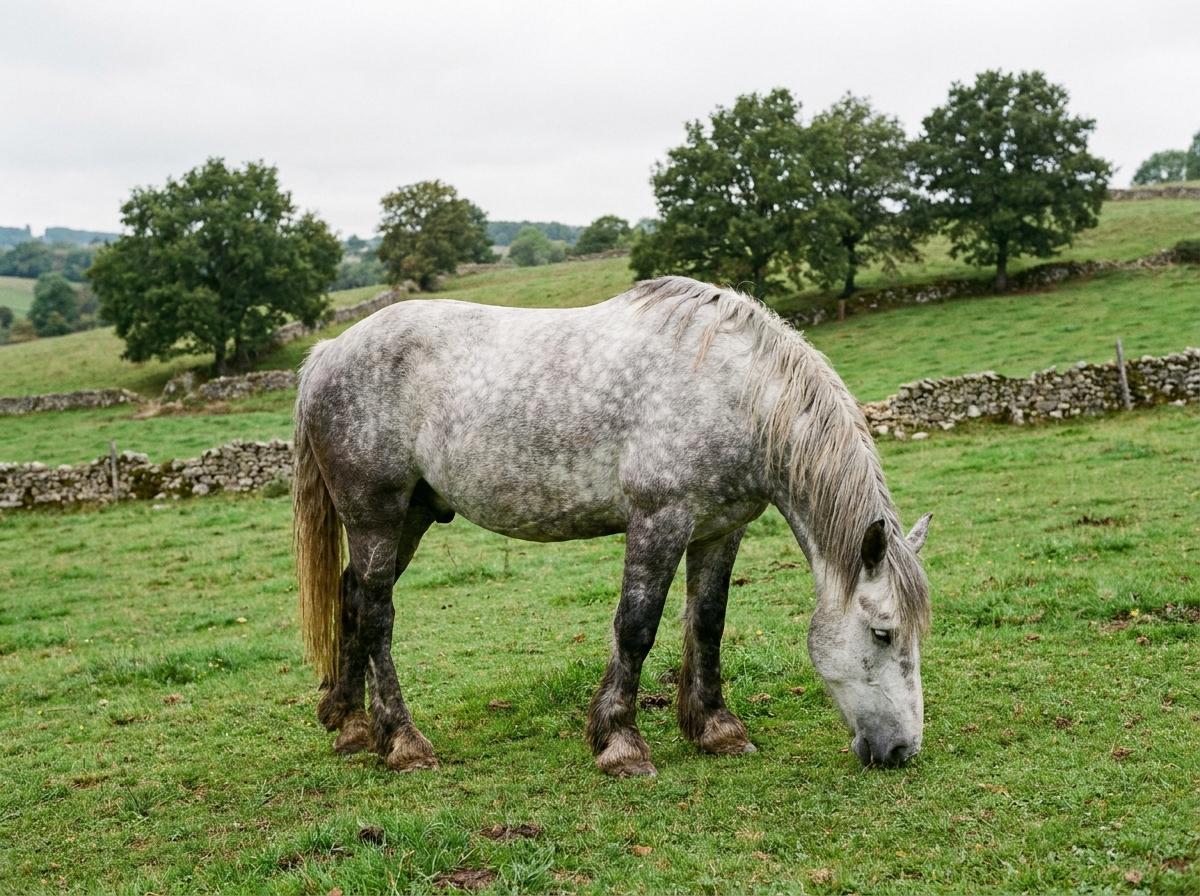
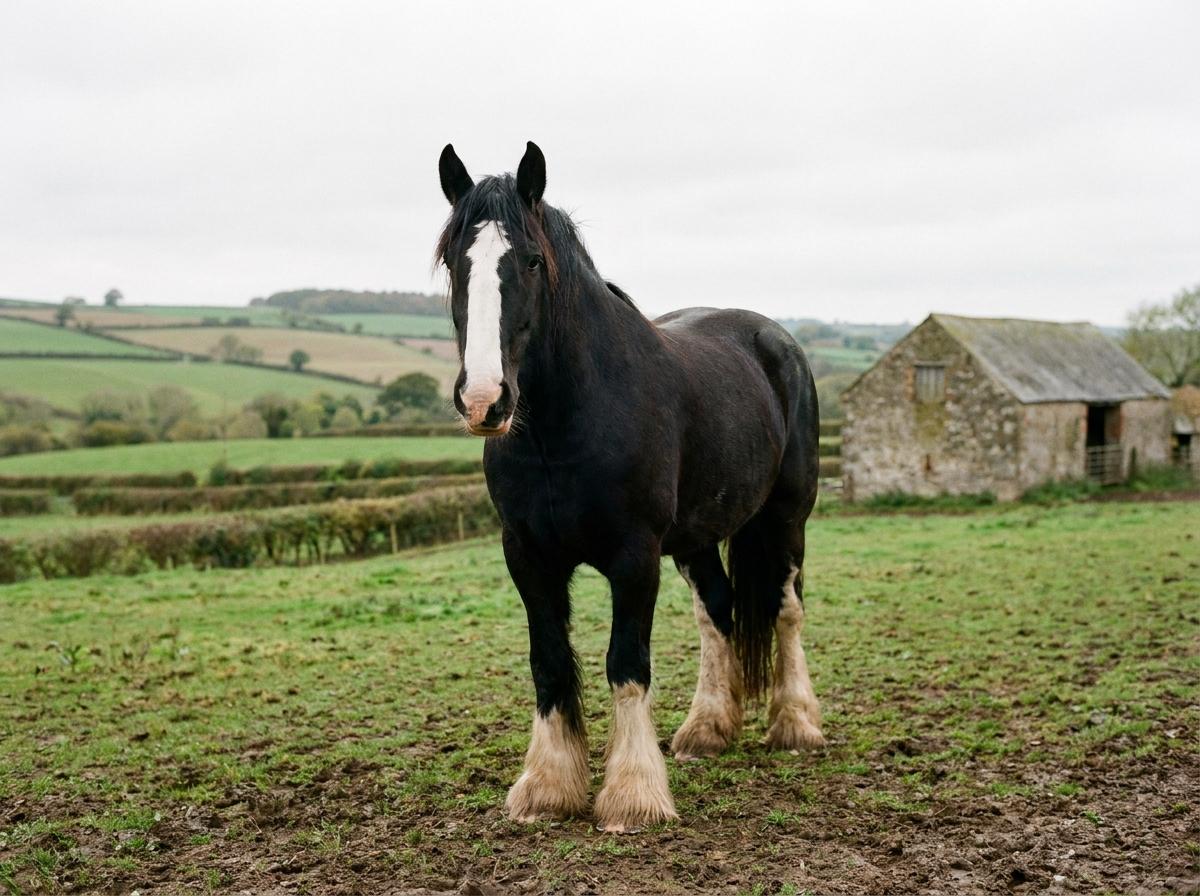
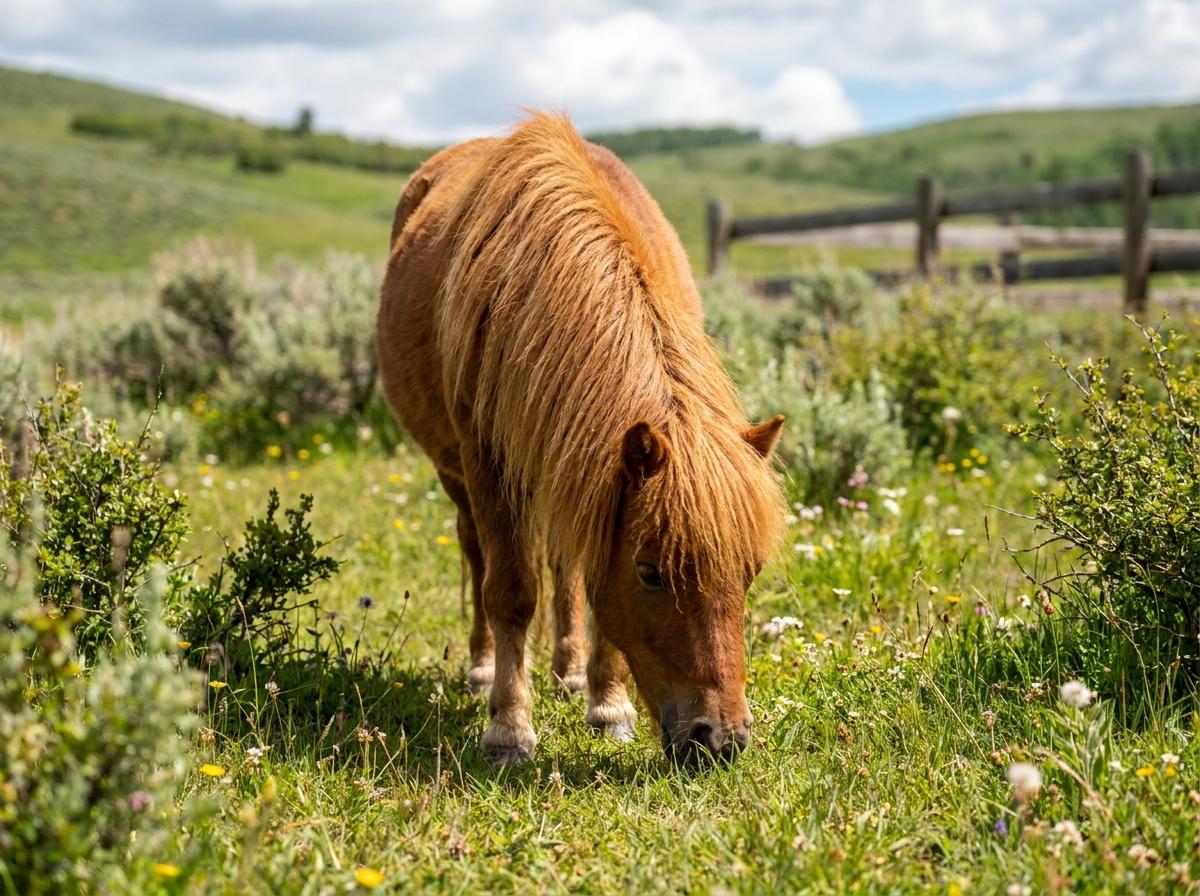
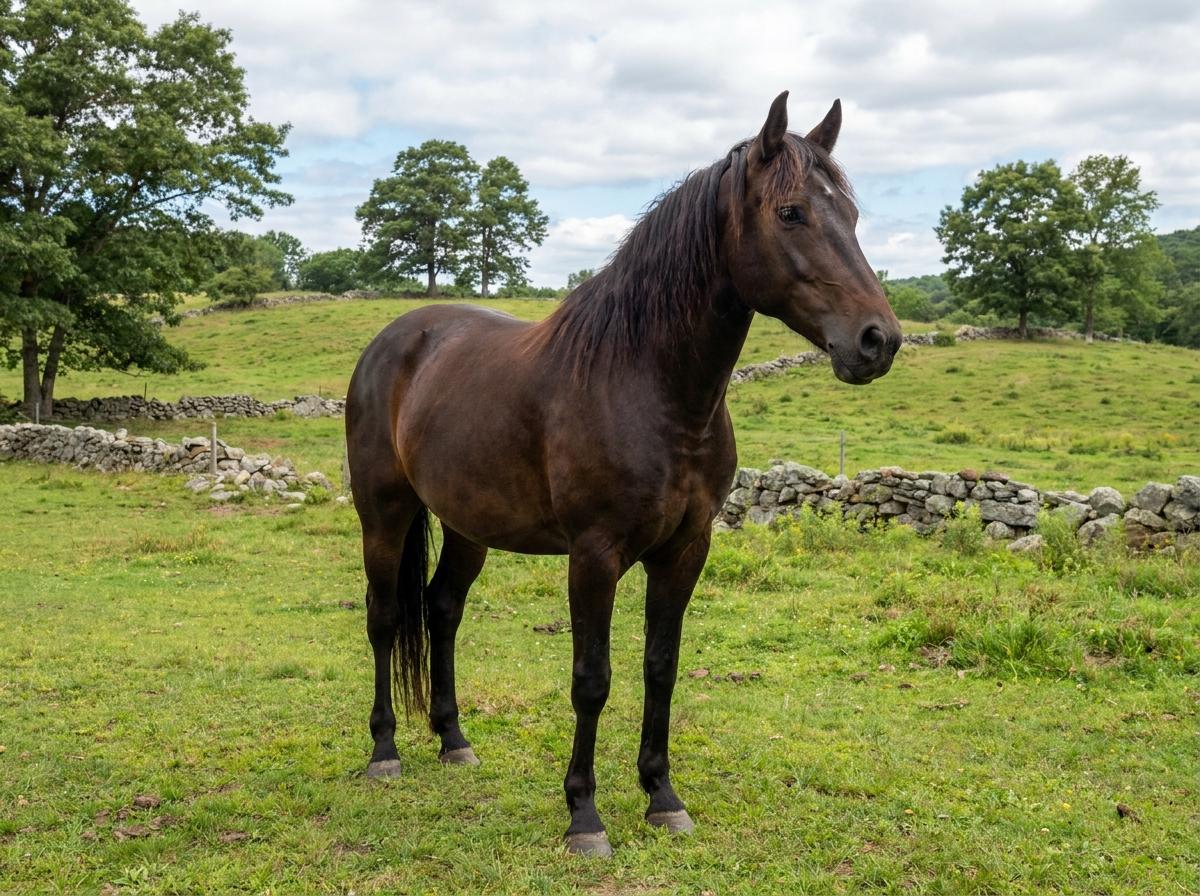
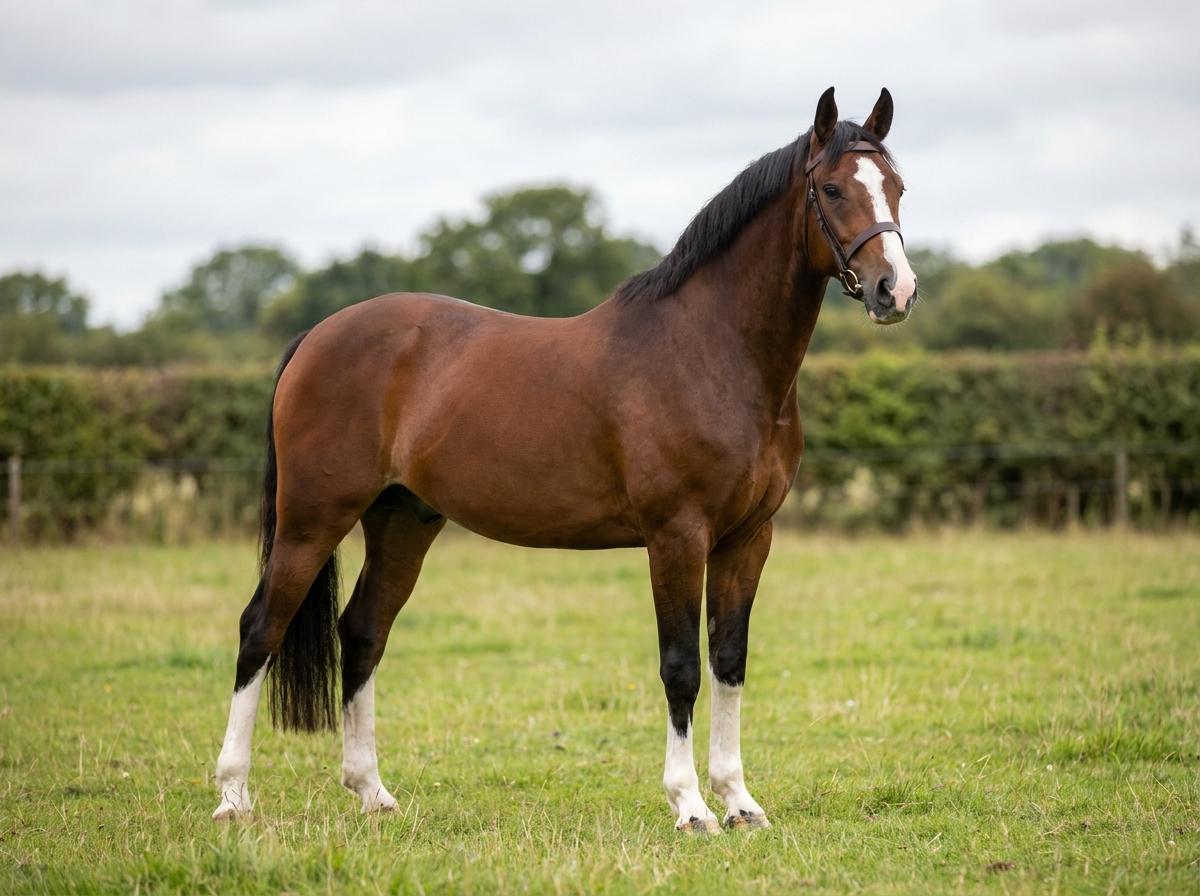
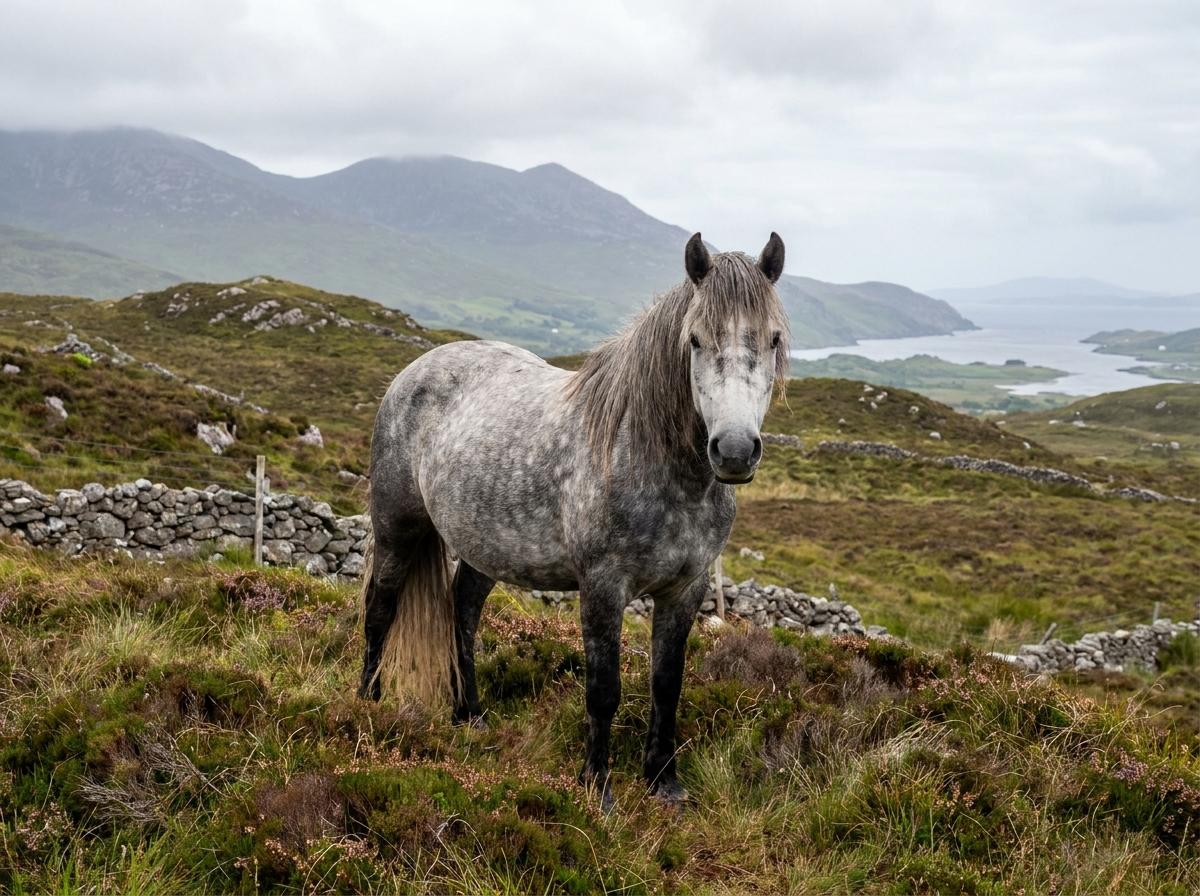
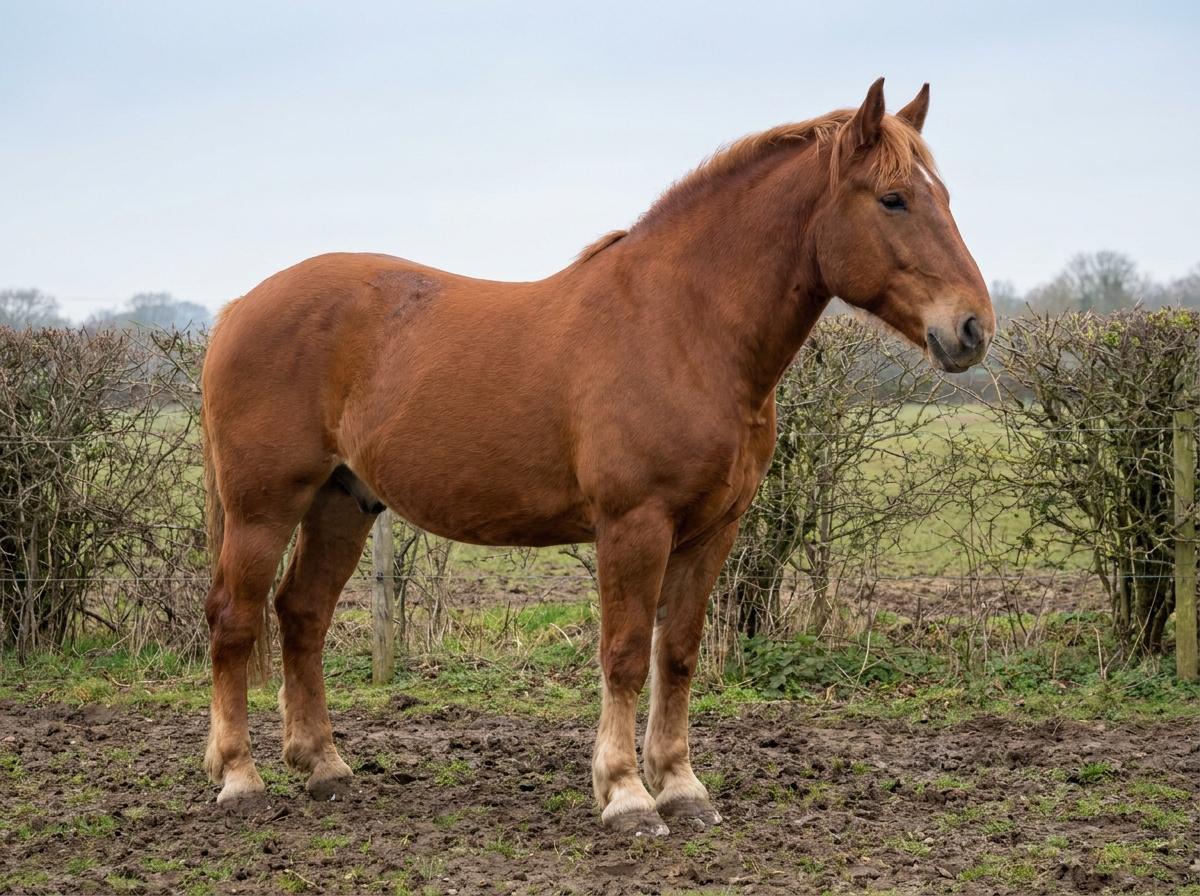
The Tushetian horse is a Georgian mountain horse associated with Tusheti, a highland region of the Greater Caucasus. It is generally small, tough, and sure-footed, shaped by narrow trails, steep passes, and the practical needs of shepherds and village travel. Tushetian horses are often discussed within the wider group of Georgian or Caucasian mountain horses, but the local name points to animals adapted to one of Georgia's most demanding pastoral landscapes. Hard feet, useful stamina, and a sensible temperament are more important to the type than show-ring refinement.
In human use the Tushetian horse has carried riders, packs, and supplies between mountain settlements and seasonal grazing areas. Modern roles may include trekking tourism, local transport, and cultural heritage breeding, especially where roads are limited or seasonal. Management usually favors pasture, rough forage, and simple shelters, but pack saddles, girths, and loads must fit carefully to avoid sores on smaller horses. Breeders interested in preservation should avoid selecting only for increased size, since the breed's value lies in mountain utility, thriftiness, and safe movement over broken ground.
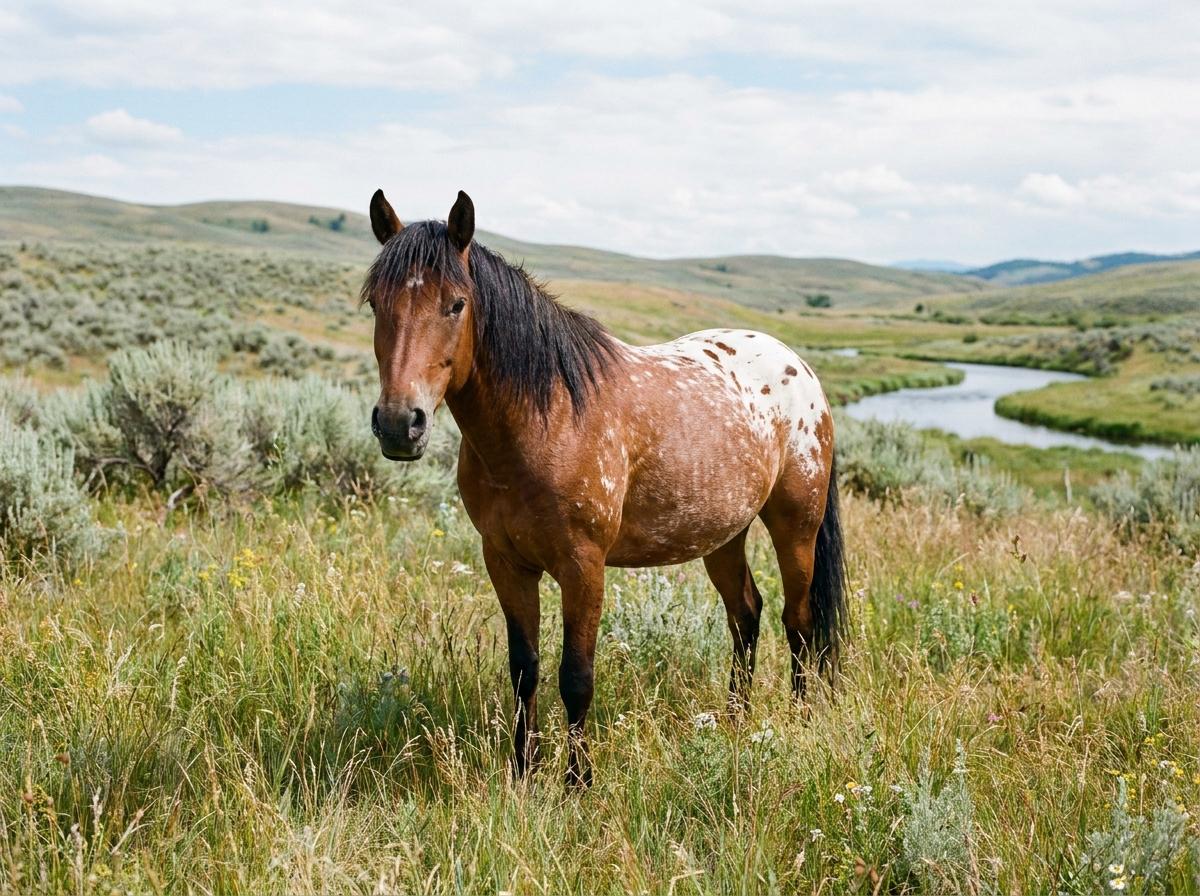
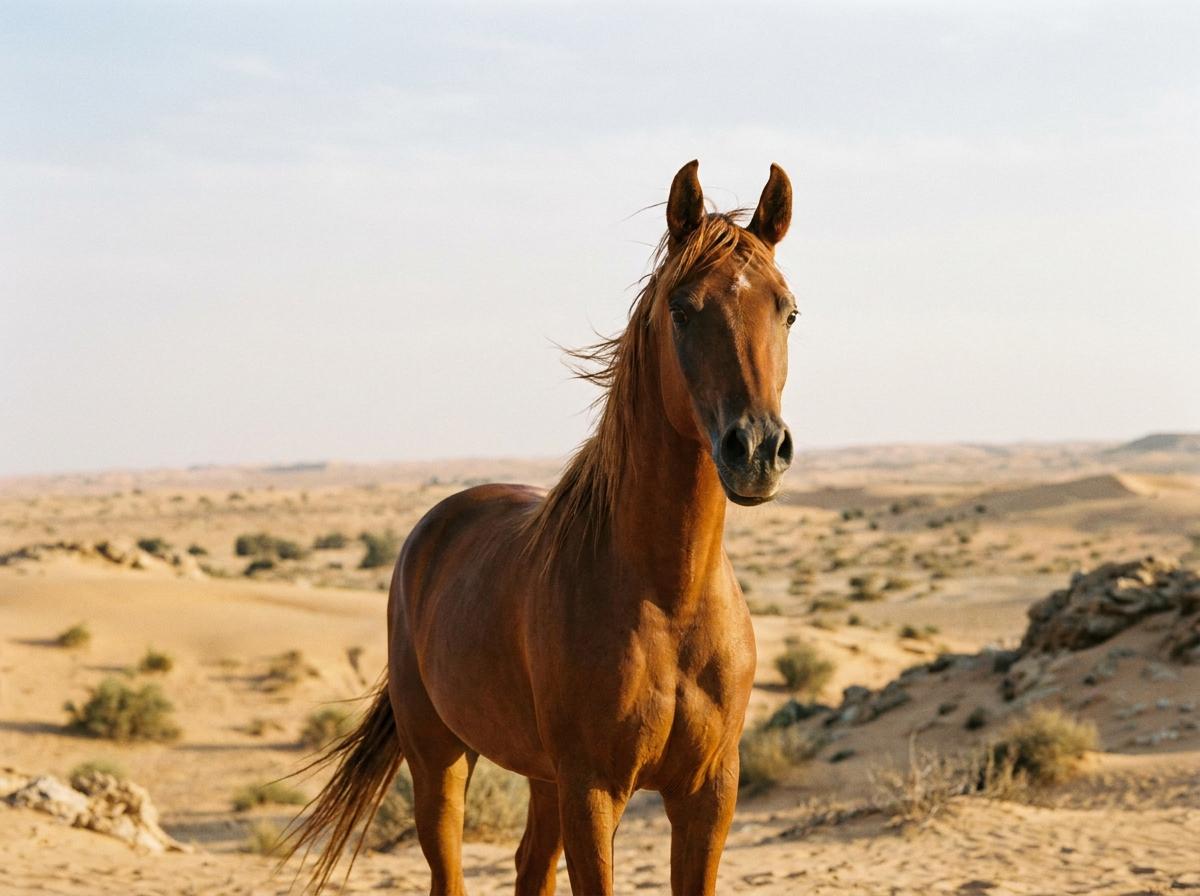
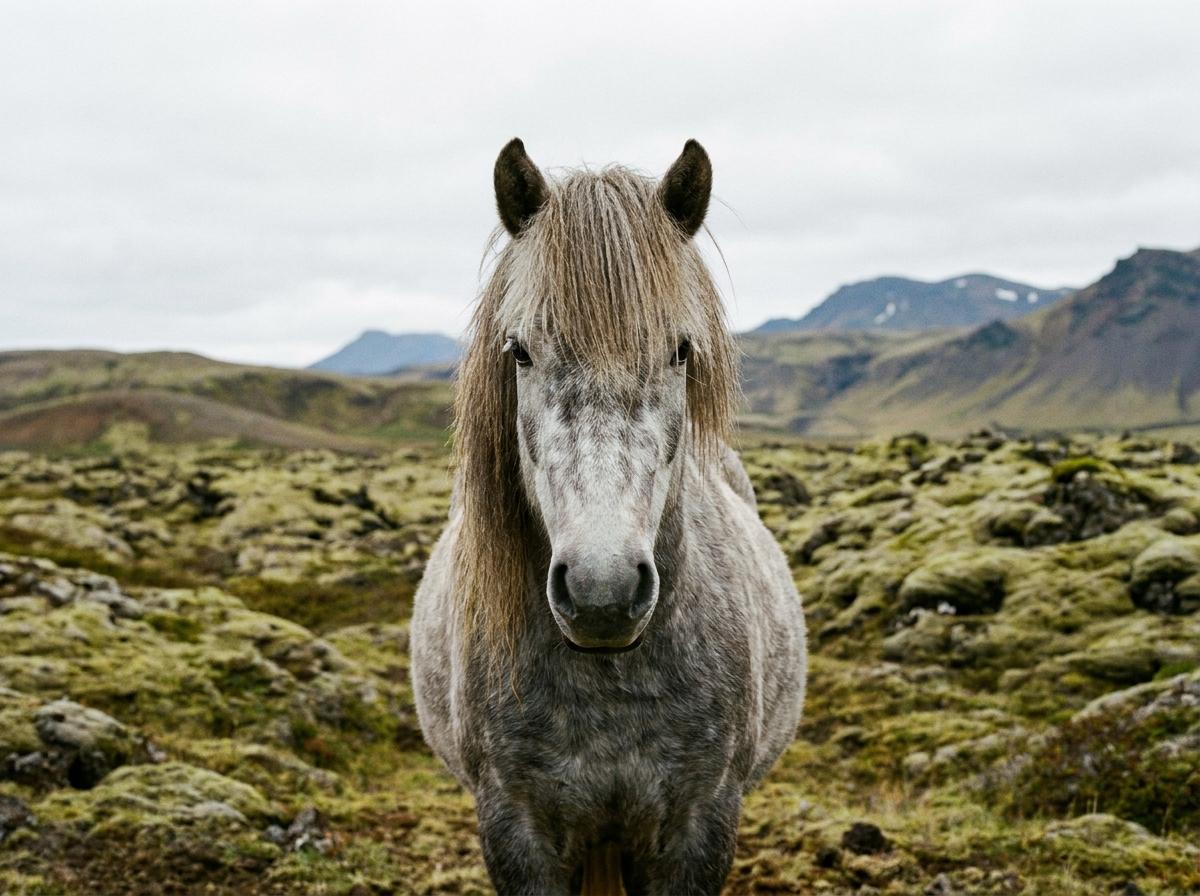
Colors: Amber Champagne, Bay, Bay Dun, Bay Roan, Black, Blanket Appaloosa, Blue Roan, Brown, Buckskin, Champagne, Chestnut, Classic Champagne, Cremello, Dun, Dun Roan, Fewspot Appaloosa, Flaxen Chestnut, Frame Overo, Gold Champagne, Gray, Grey, Grullo, Leopard Appaloosa, Liver Chestnut, Overo, Palomino, Perlino, Piebald, Pinto, Rabicano, Red Dun, Red Roan, Roan, Sabino, Seal Bay, Silver Dapple, Skewbald, Smoky Black, Smoky Cream, Snowcap Appaloosa, Sorrel, Splash White, Tobiano, Tovero, Varnish Roan, White