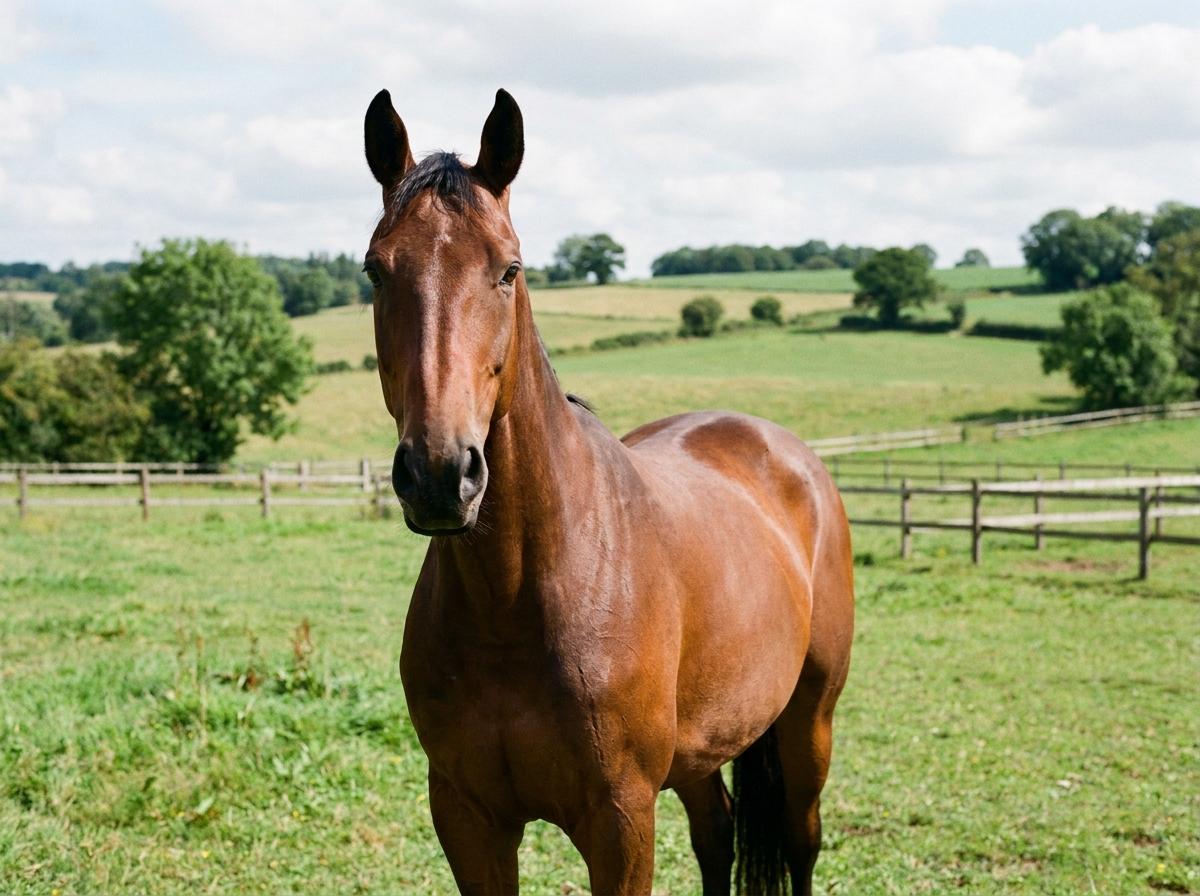
Warmblood
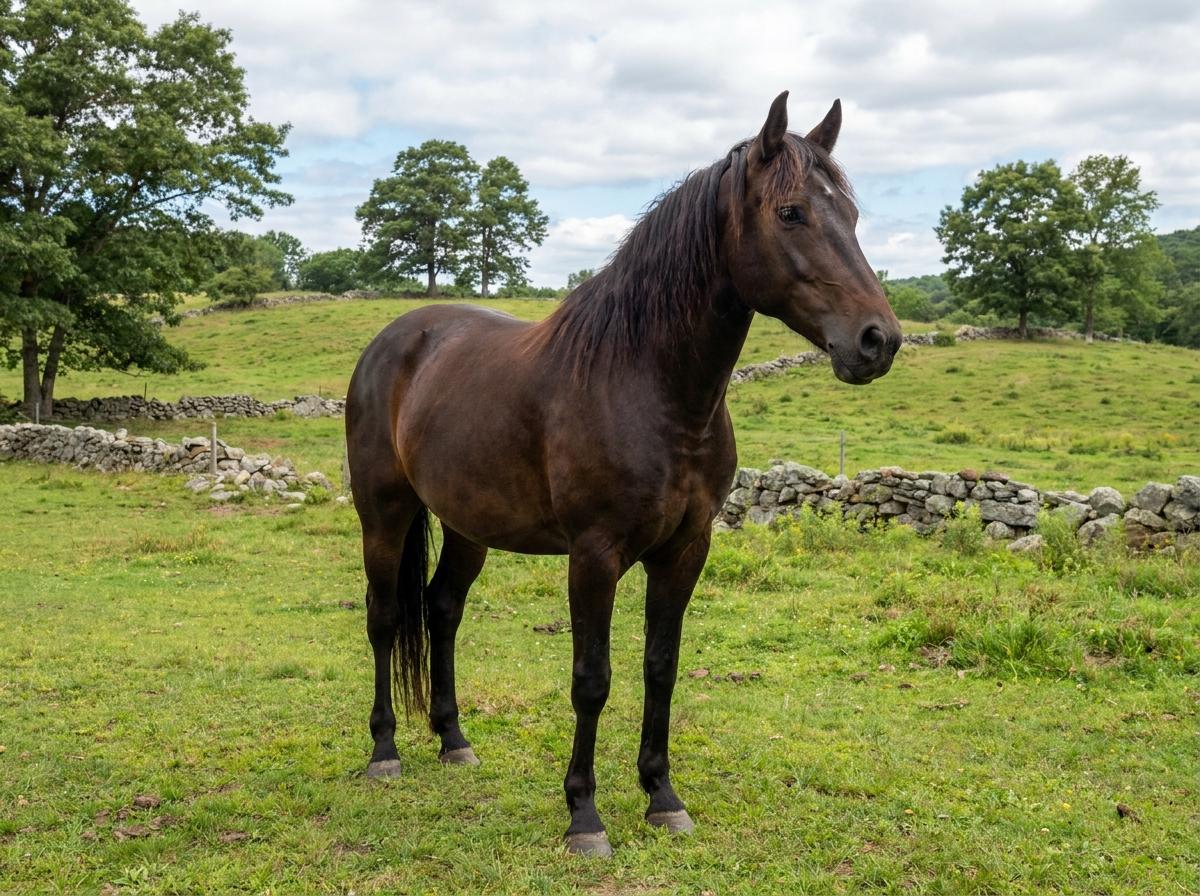
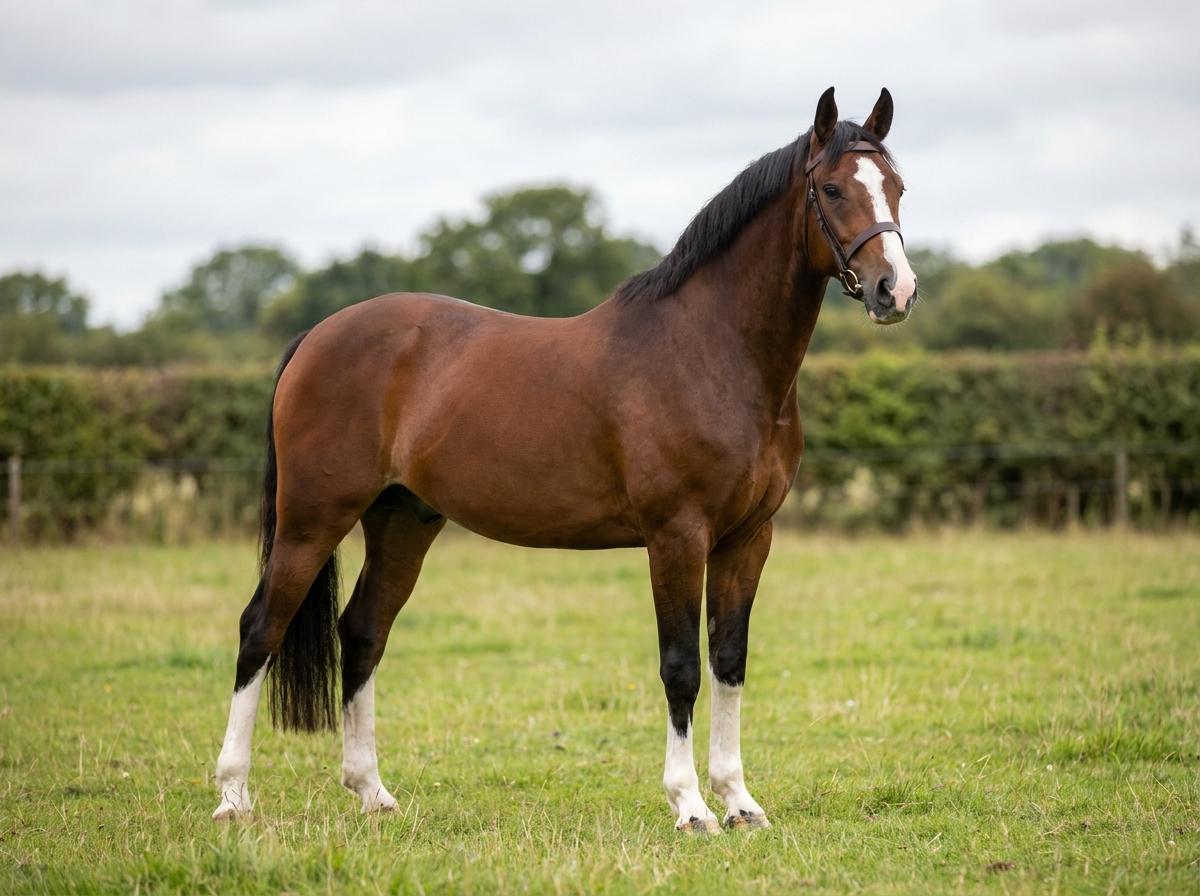
Warmblood is a broad horse-world term for modern sport horses descended from European riding, cavalry, coach, and farm stock refined with Thoroughbred, Arabian, Trakehner, and other light-horse blood. It is not one closed breed; Hanoverians, Dutch Warmbloods, Holsteiners, Oldenburgs, Westphalians, and many similar studbooks all fall under the warmblood umbrella. Most are tall, middleweight horses with a longer stride, strong hindquarters, good bone, and a temperament selected for trainability rather than the quickness of a racehorse or the mass of a draft horse. Their main arenas are dressage, show jumping, eventing, hunters, and combined driving.
Management tends to reflect athletic purpose. Young warmbloods benefit from slow, structured development because many have large frames and substantial joints that take time to mature. Breeding programs rely on inspections, approved stallions, mare families, and performance results, so papers can say a great deal about the type of horse being offered. Buyers still need to judge the individual: some lines suit ambitious amateurs, while others are powerful competition horses requiring experienced rides. Regular turnout, farrier work, dental care, saddle fit, and a conditioning plan matter more than coat color or fashion.
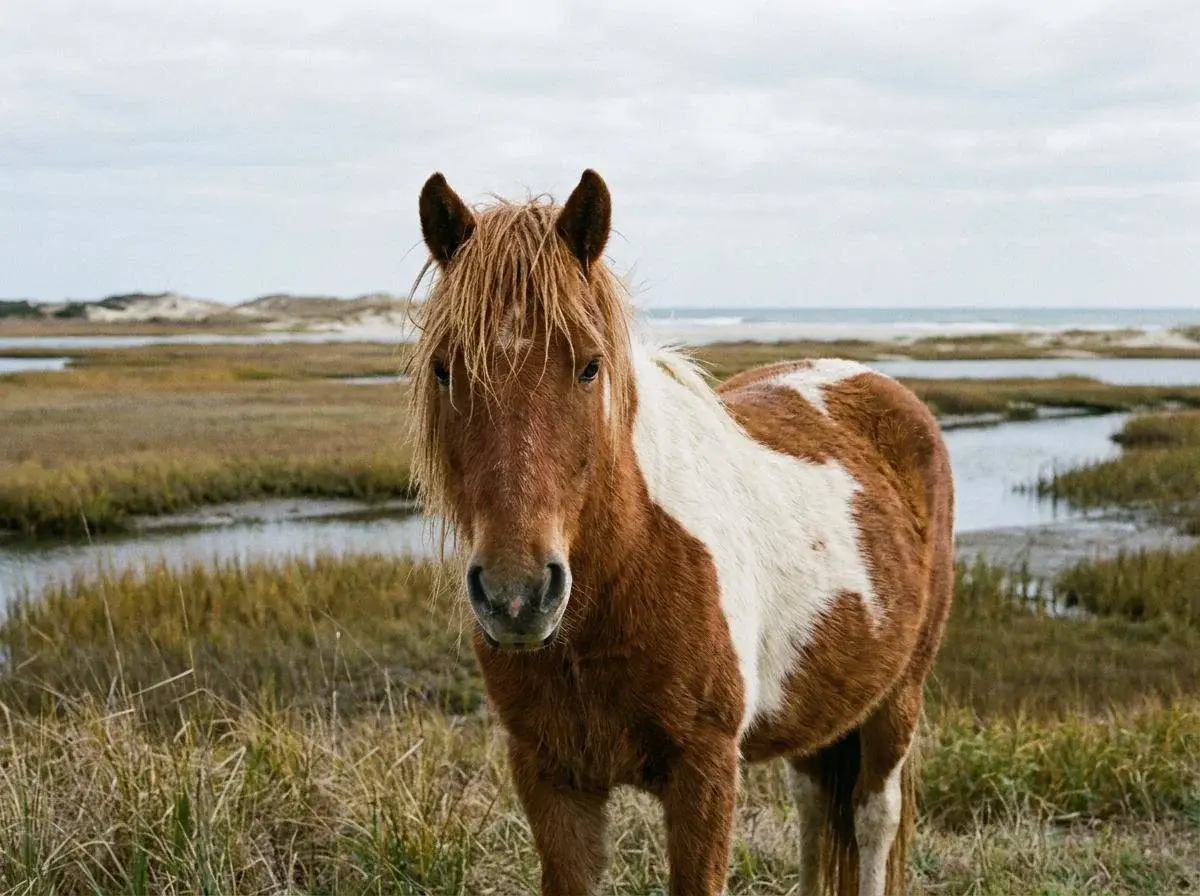
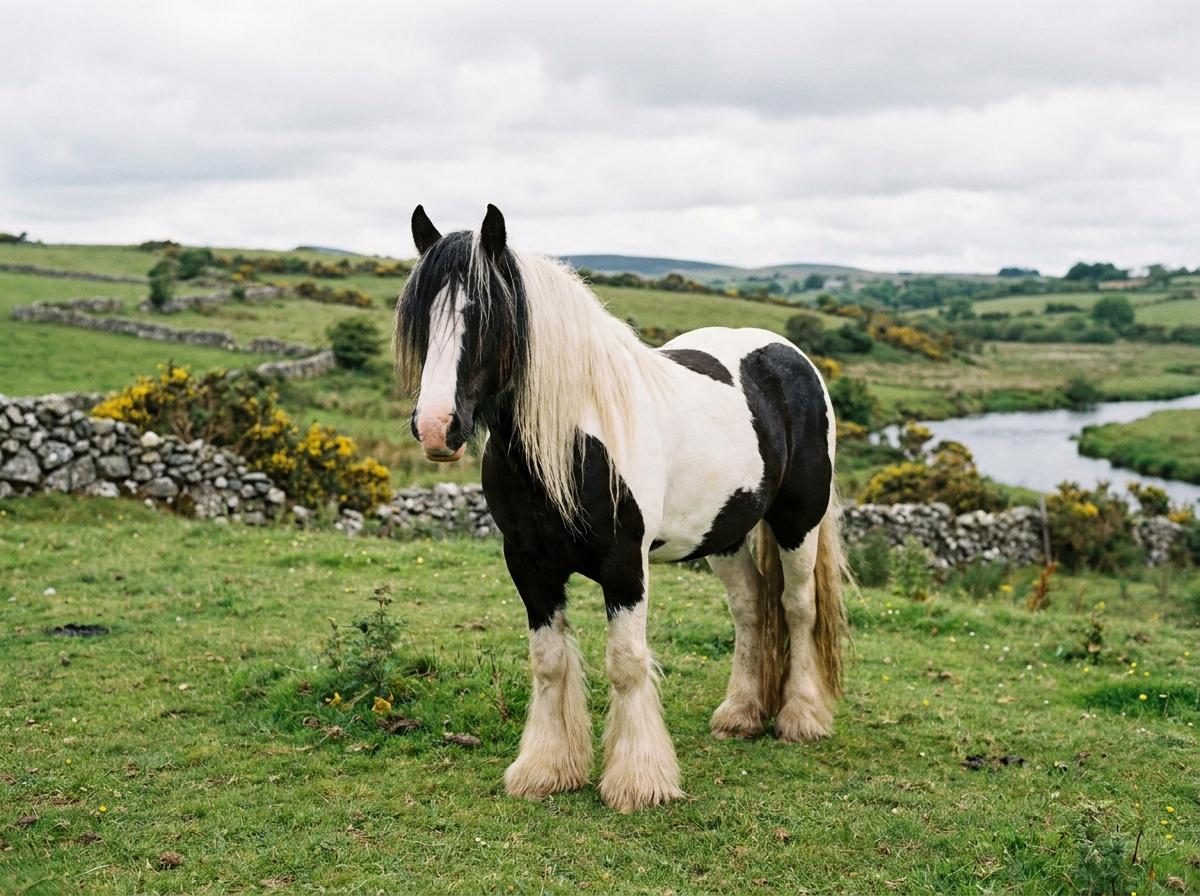
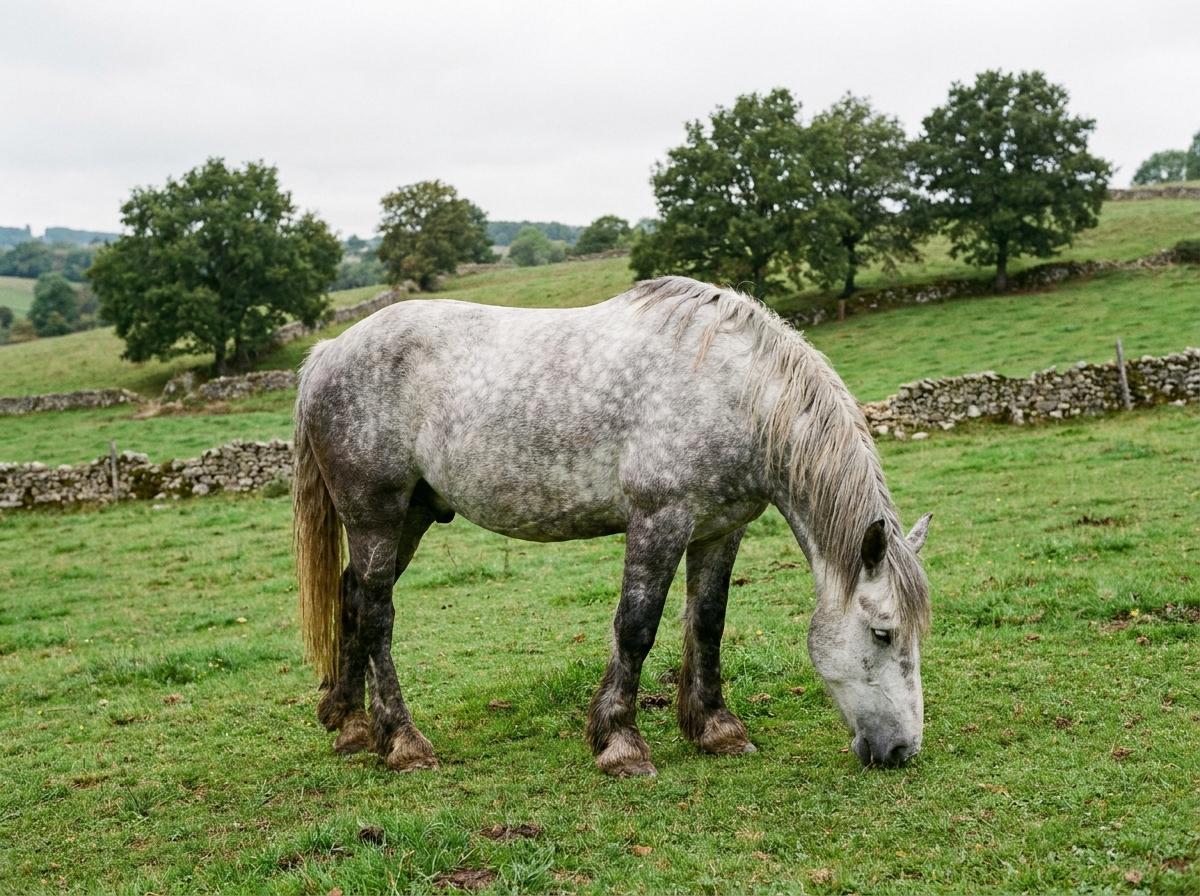
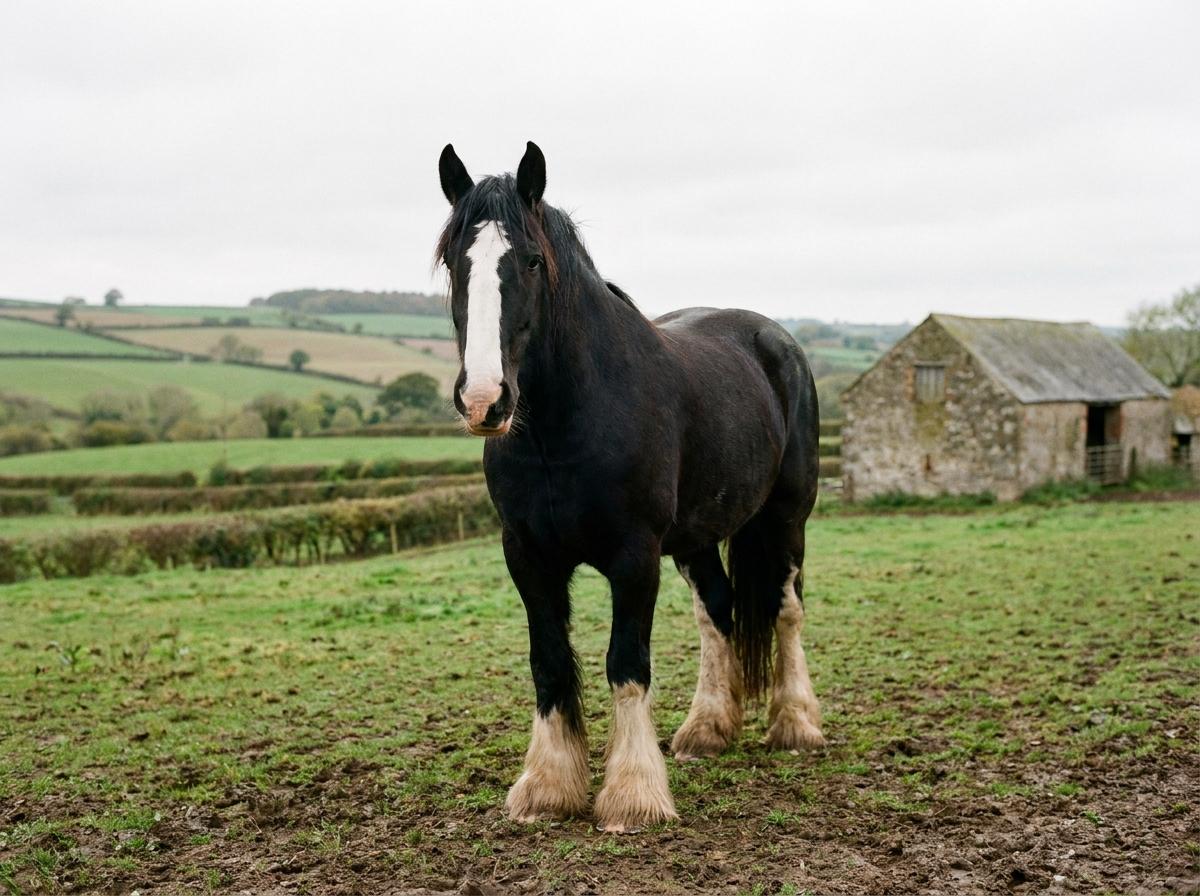
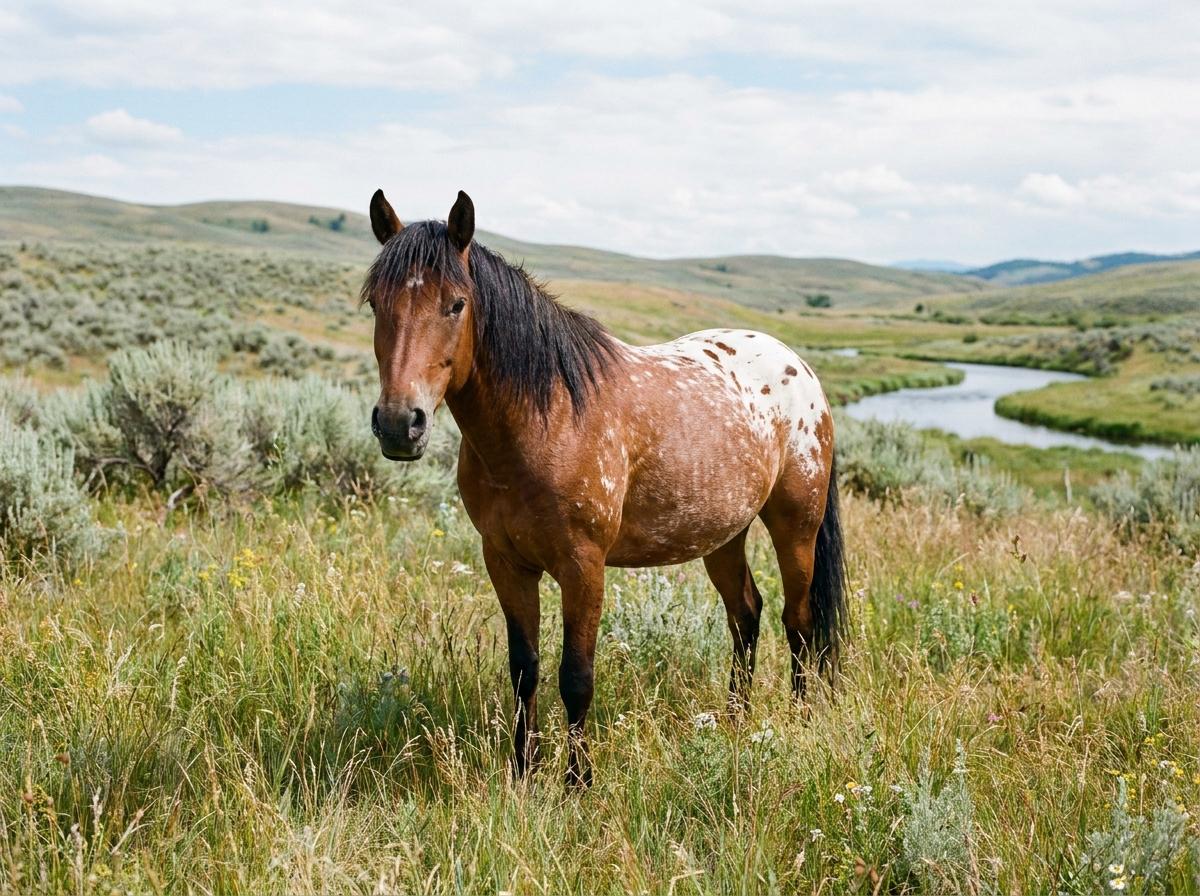
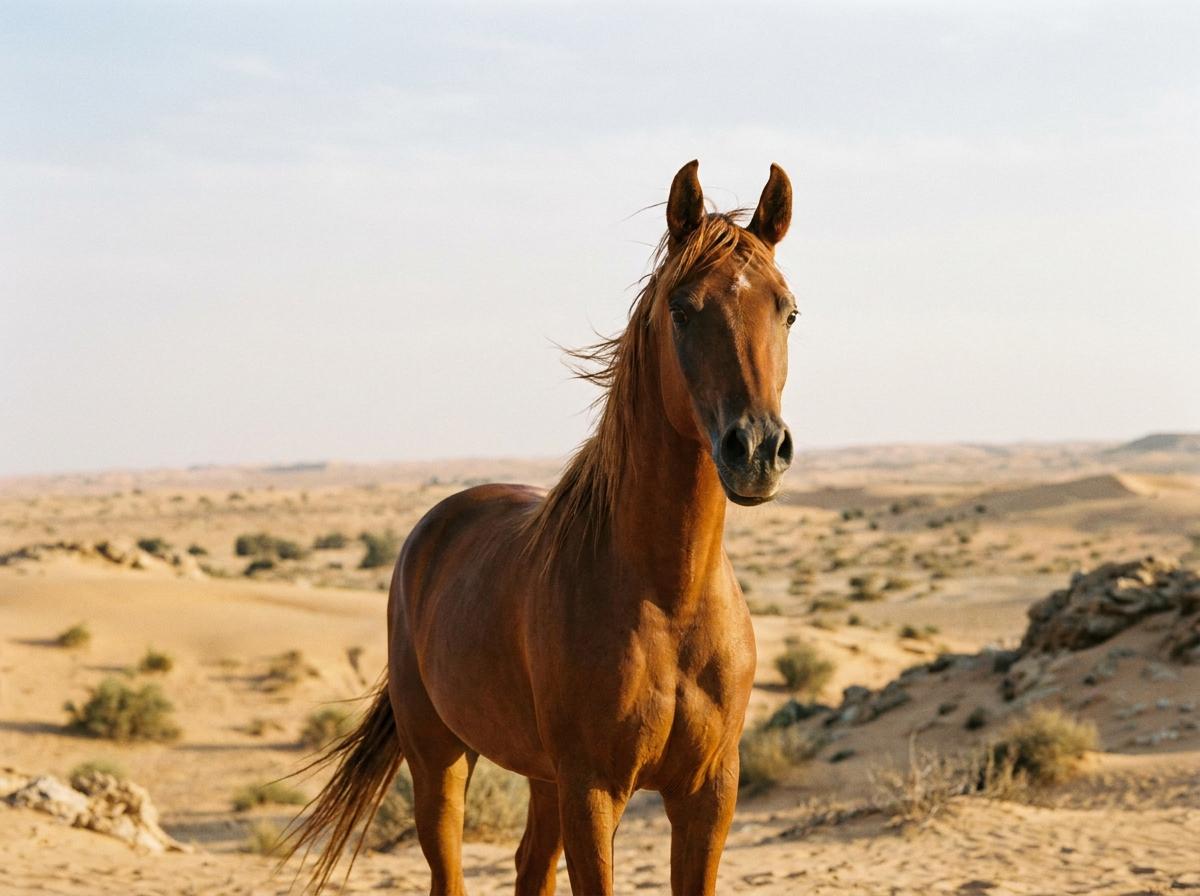
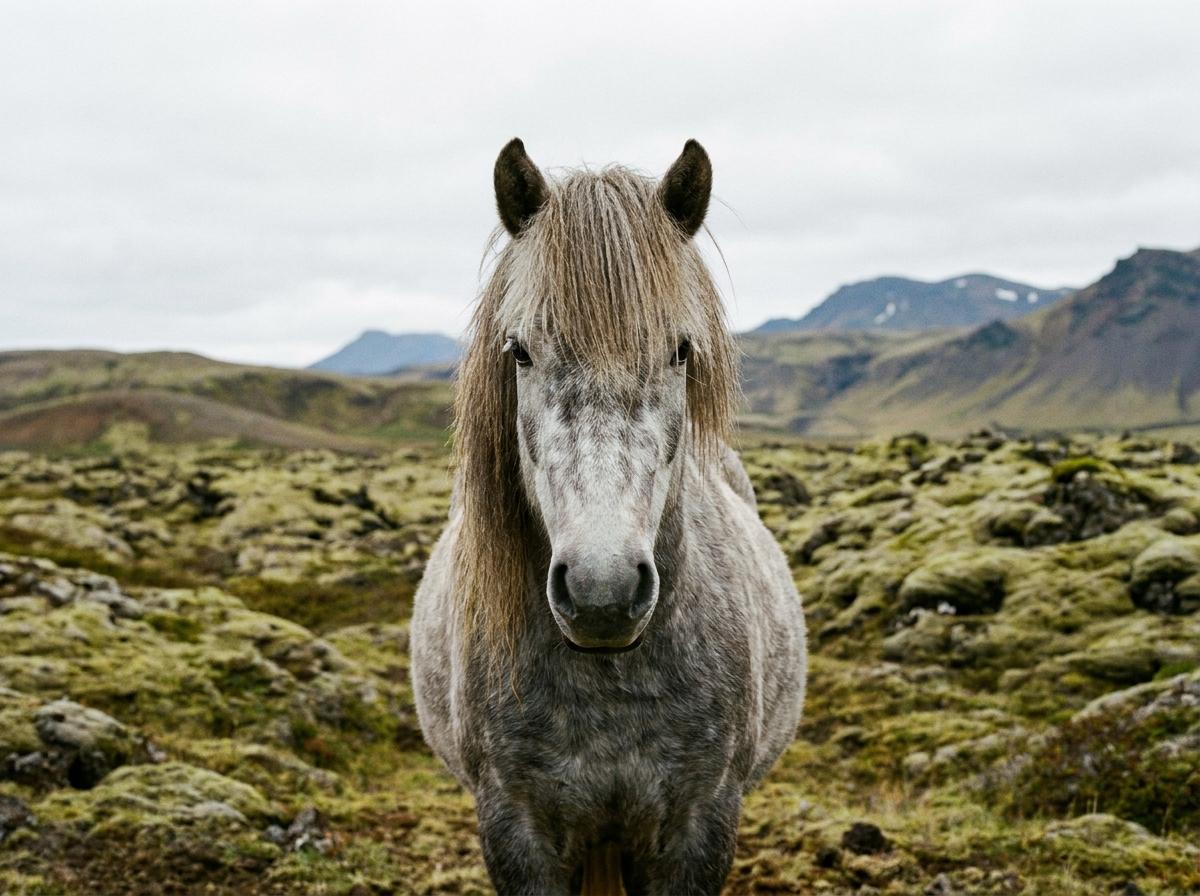
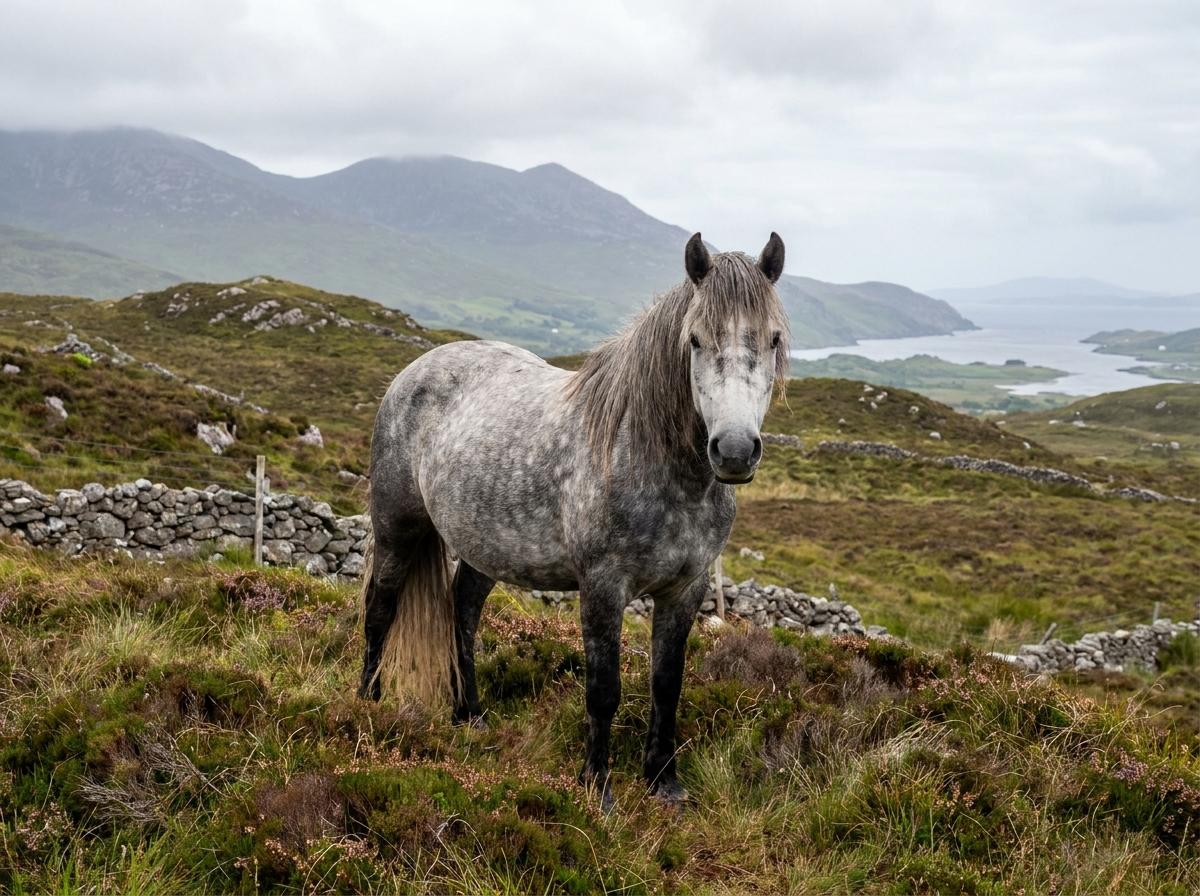
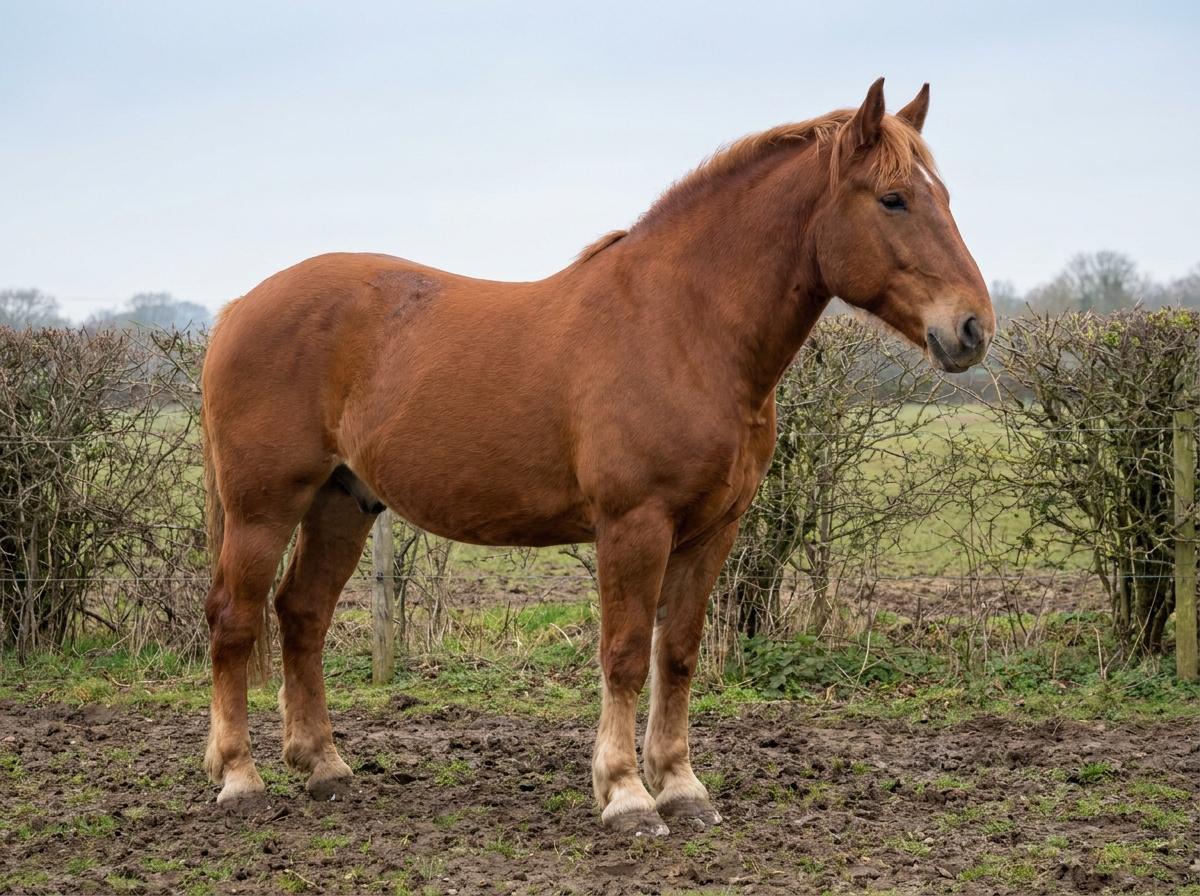
Colors: Amber Champagne, Bay, Bay Dun, Bay Roan, Black, Blanket Appaloosa, Blue Roan, Brown, Buckskin, Champagne, Chestnut, Classic Champagne, Cremello, Dun, Dun Roan, Fewspot Appaloosa, Flaxen Chestnut, Frame Overo, Gold Champagne, Gray, Grey, Grullo, Leopard Appaloosa, Liver Chestnut, Overo, Palomino, Perlino, Piebald, Pinto, Rabicano, Red Dun, Red Roan, Roan, Sabino, Seal Bay, Silver Dapple, Skewbald, Smoky Black, Smoky Cream, Snowcap Appaloosa, Sorrel, Splash White, Tobiano, Tovero, Varnish Roan, White