

Welsh Pony
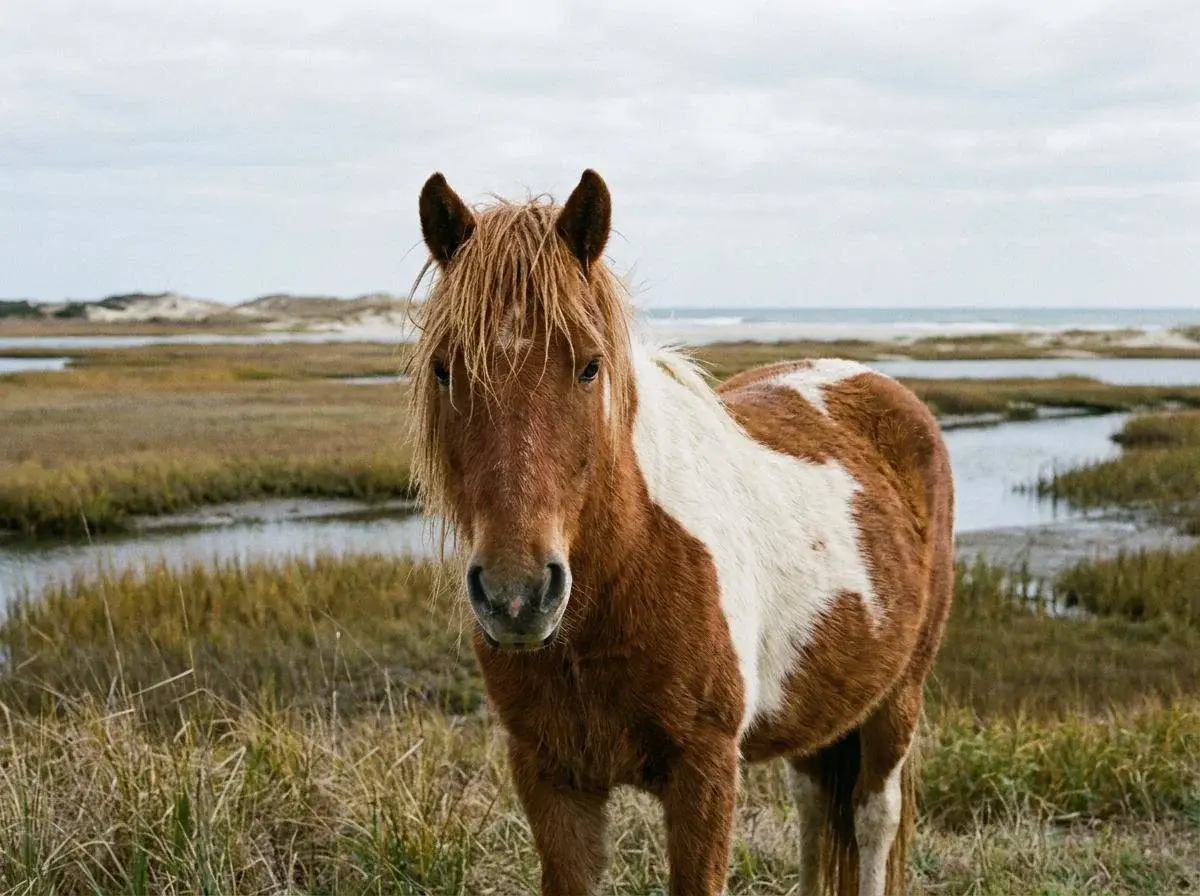
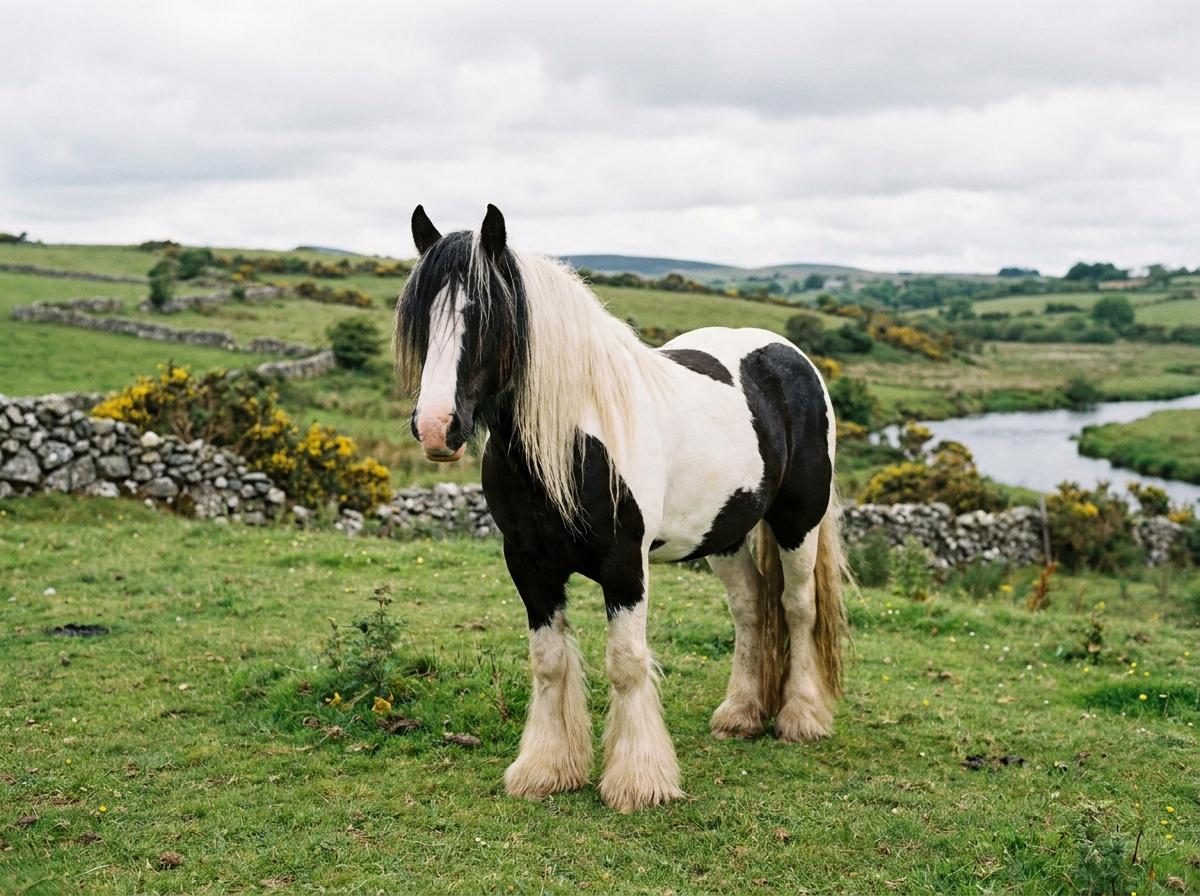
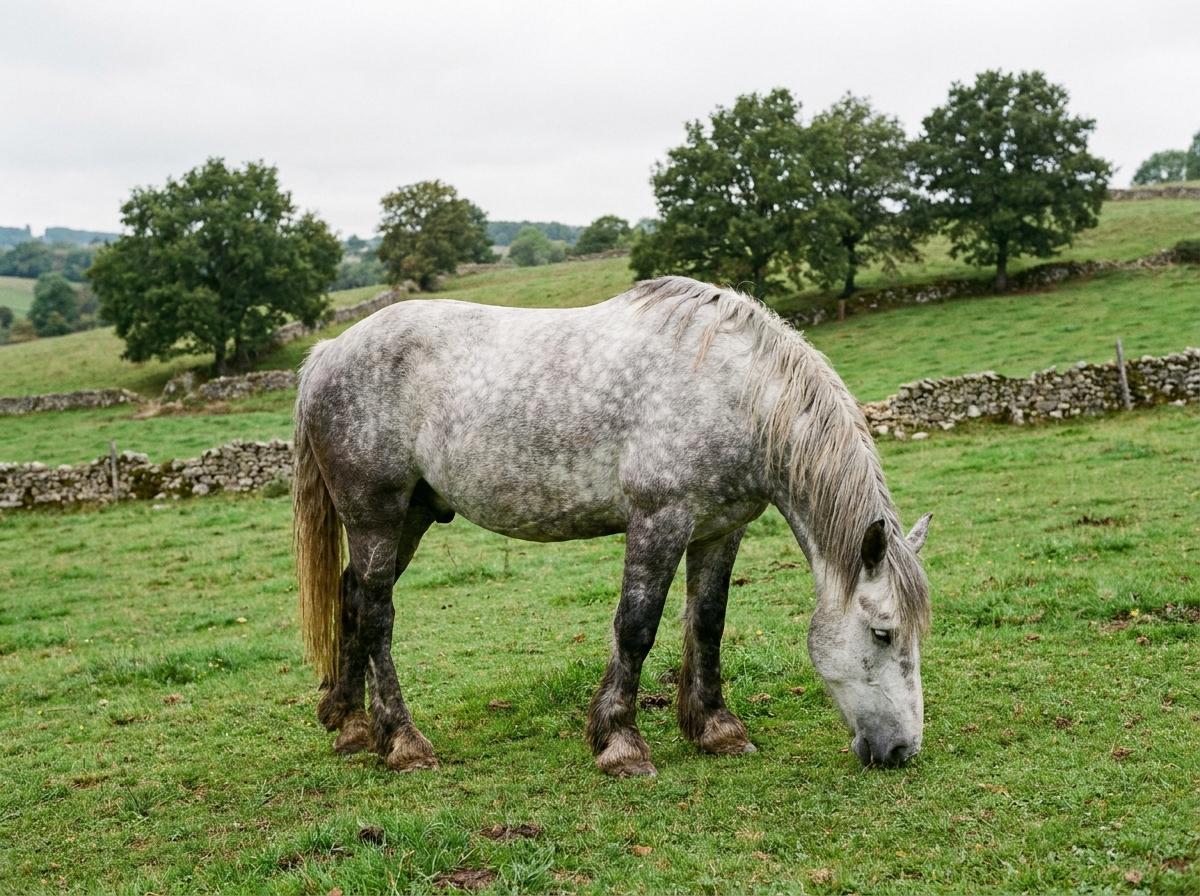
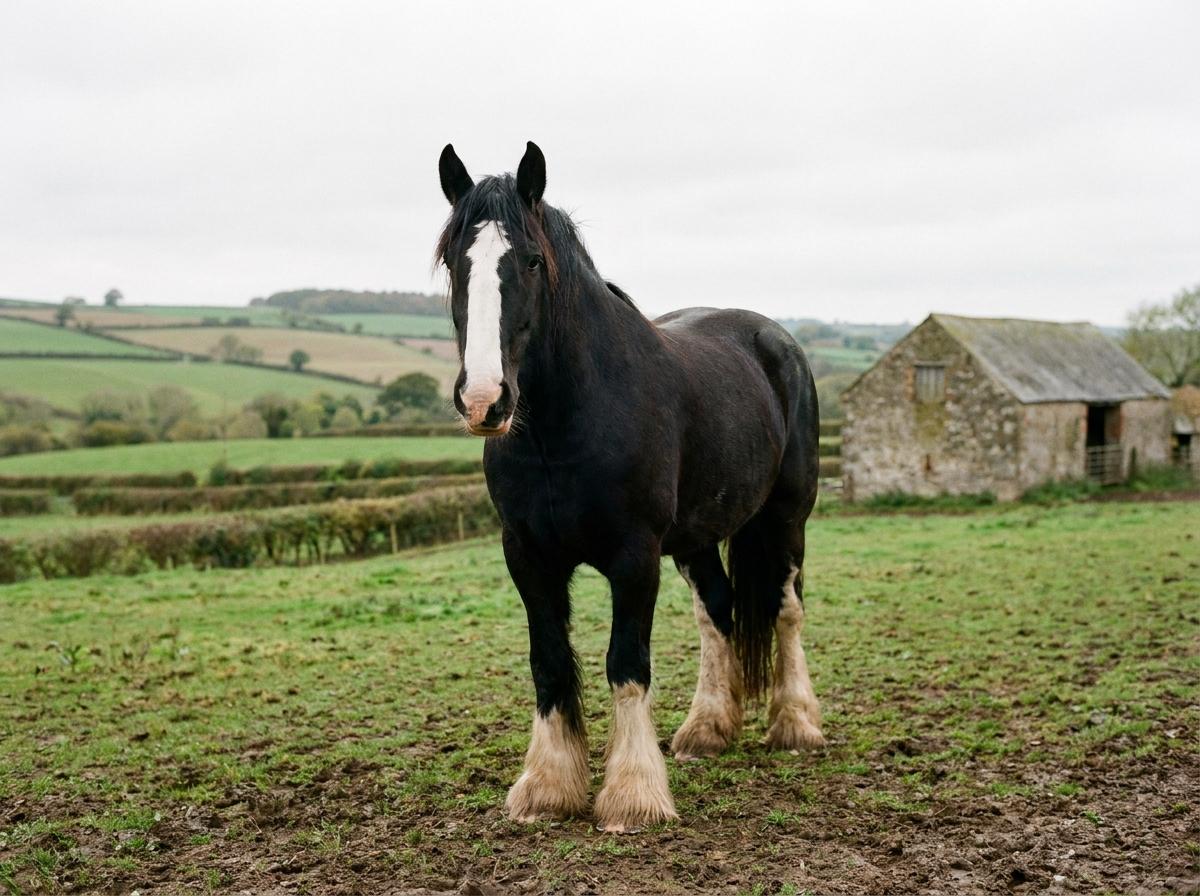
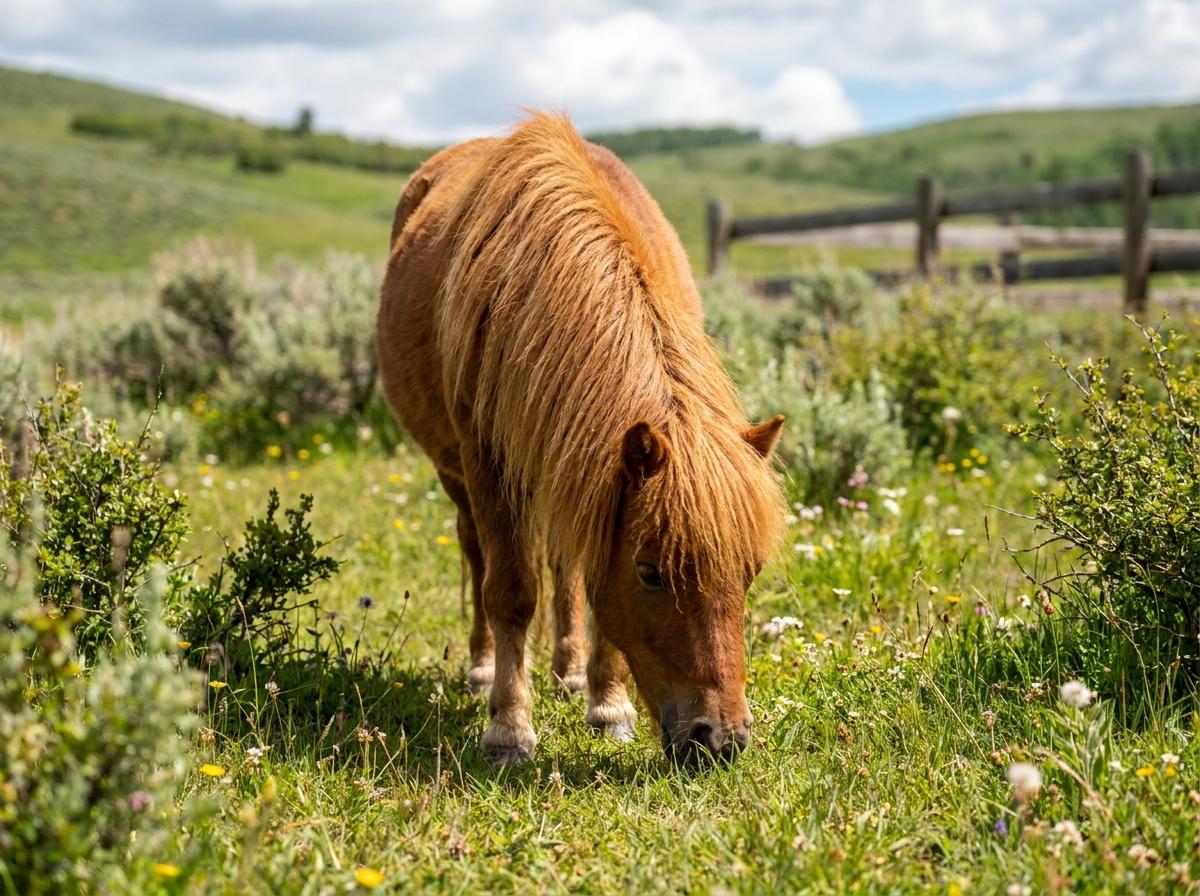
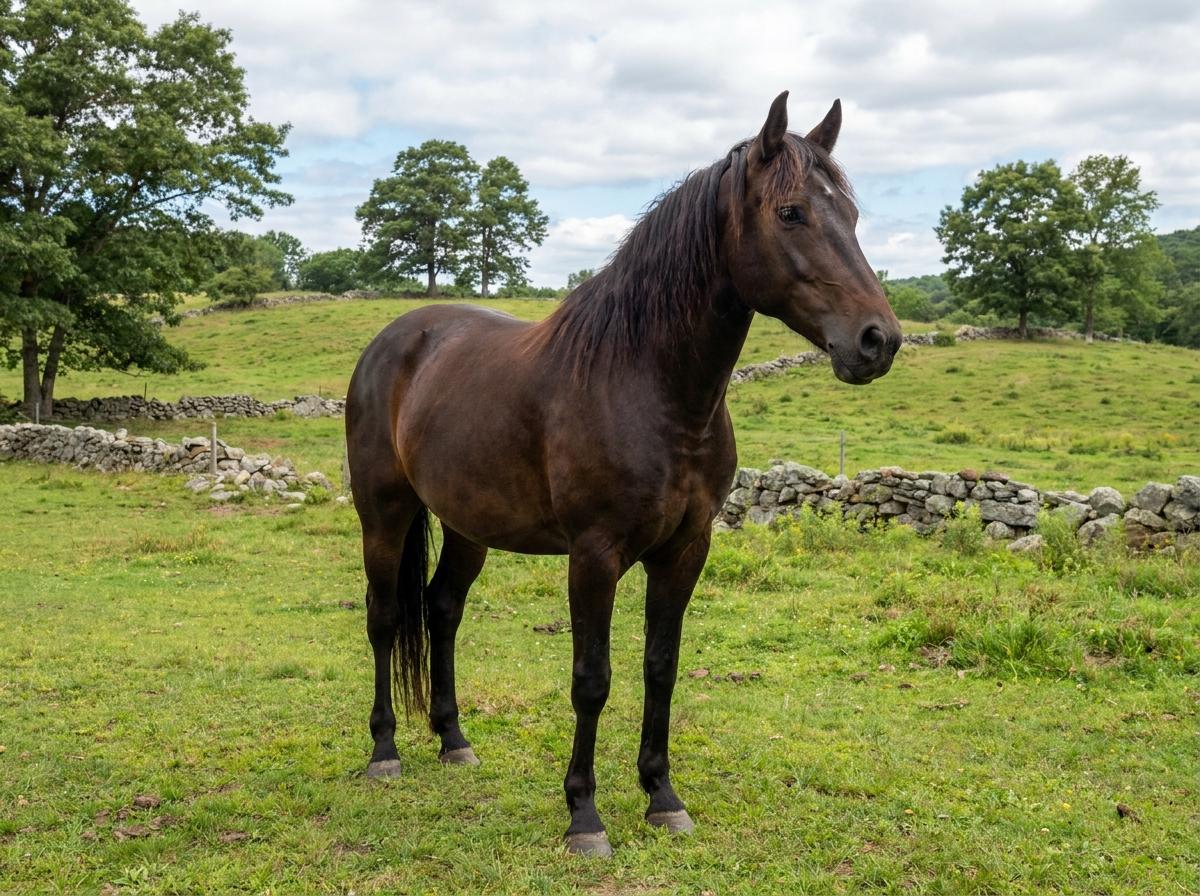
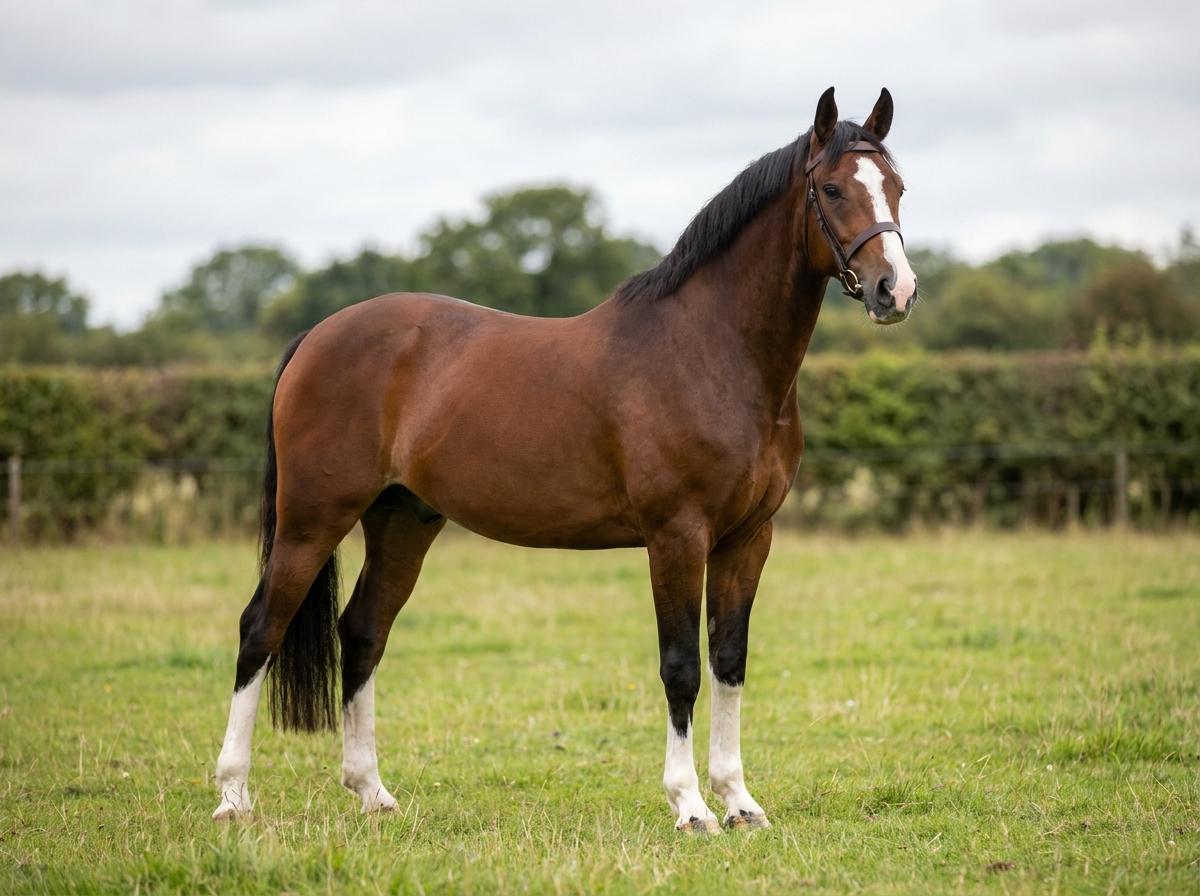
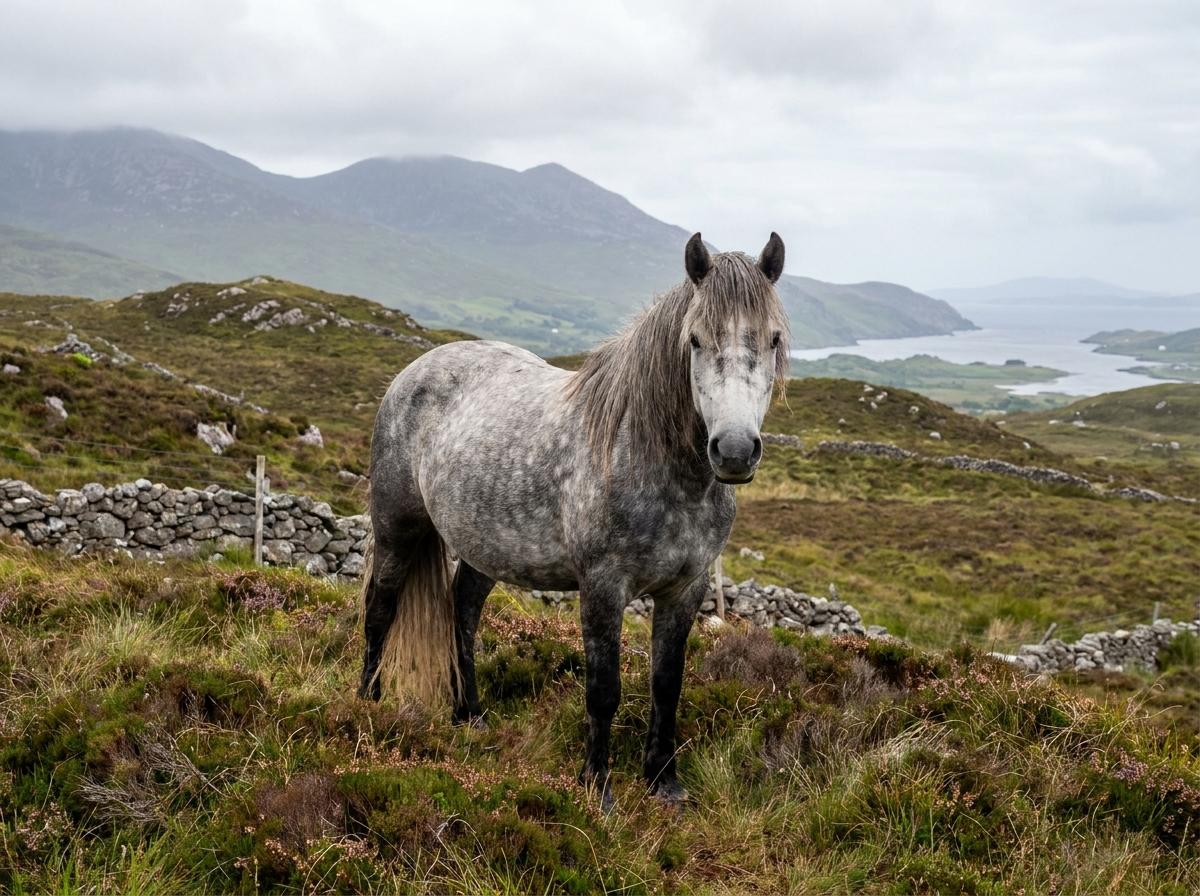
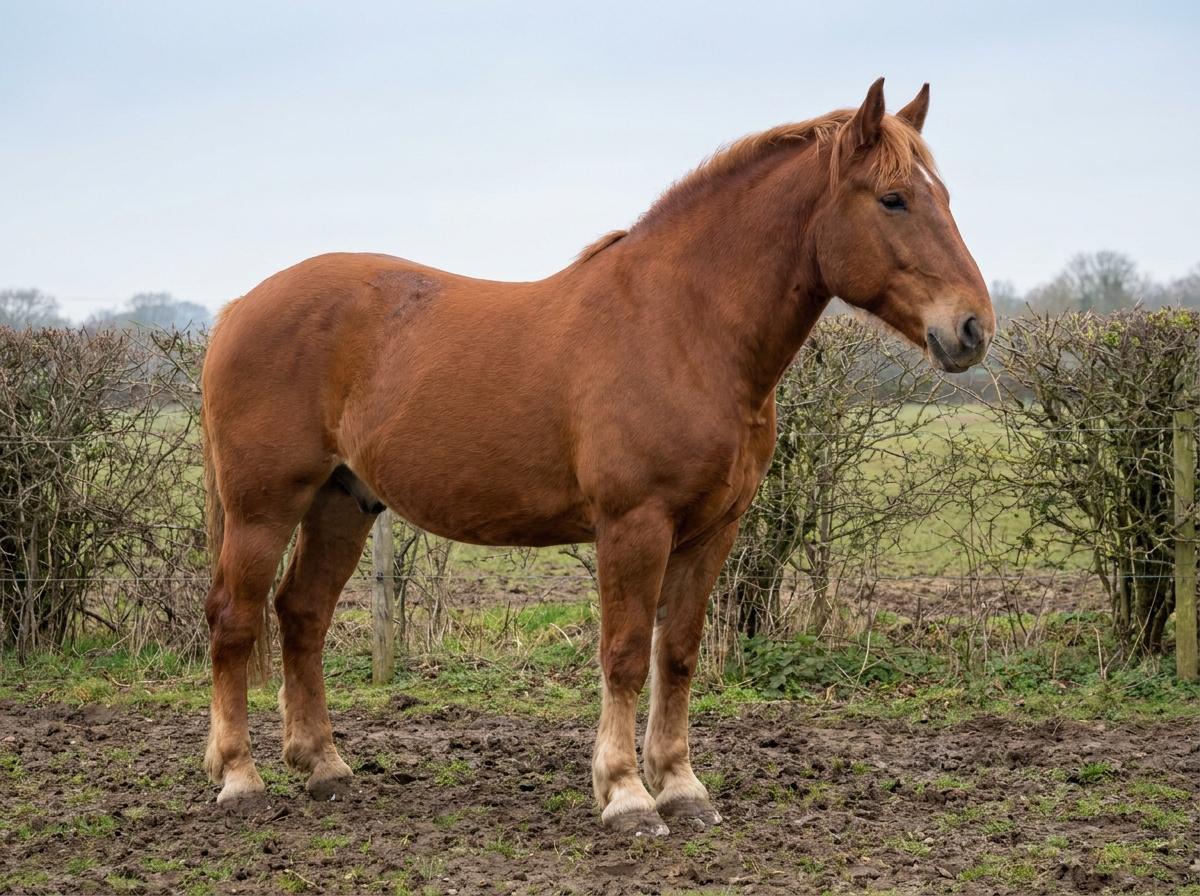
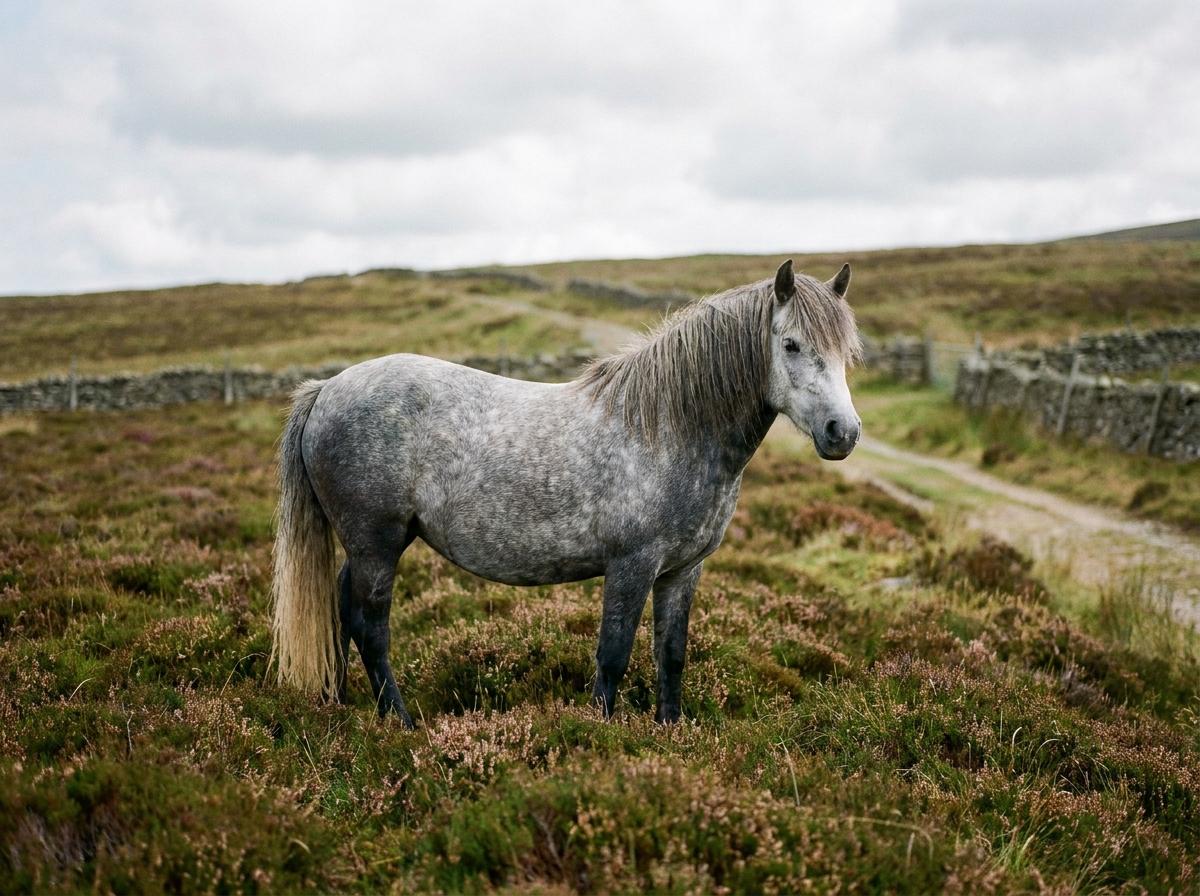
Welsh pony can mean any pony from the Welsh breed family, but in many registries the name most specifically refers to Section B. Section B was developed from the hardy Welsh Mountain Pony with added riding-pony refinement, producing a taller and more scopey saddle pony while retaining native character. It is commonly up to 13.2 hands high, with a longer frame than Section A, an open front, good length of rein, and a ground-covering trot. The type is widely used for children's hunters, pony club, driving, small dressage mounts, and all-around family sport.
Care and selection depend on whether a horse is truly a Section B Welsh Pony or is being described more loosely as a Welsh pony. Many are good doers and need controlled pasture, especially in spring and autumn when laminitis risk rises. Their intelligence is an asset when training is fair and regular, but they can become sharp or evasive if overfaced. Breeders follow section rules and look for balance, movement, breed type, and a temperament suitable for young riders. Buyers should check height, registration, workload history, and rider size, since a polished show pony and a lightly handled youngster can share the same breed name.
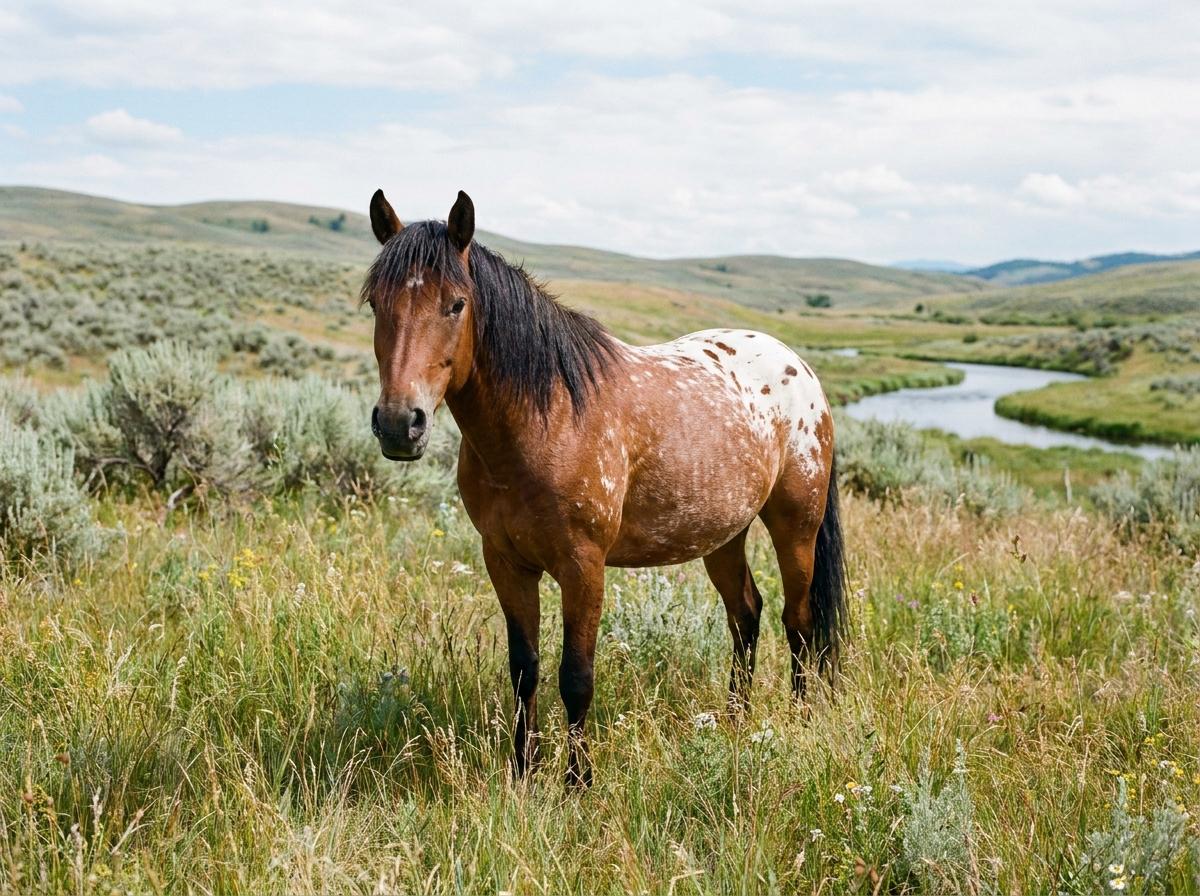
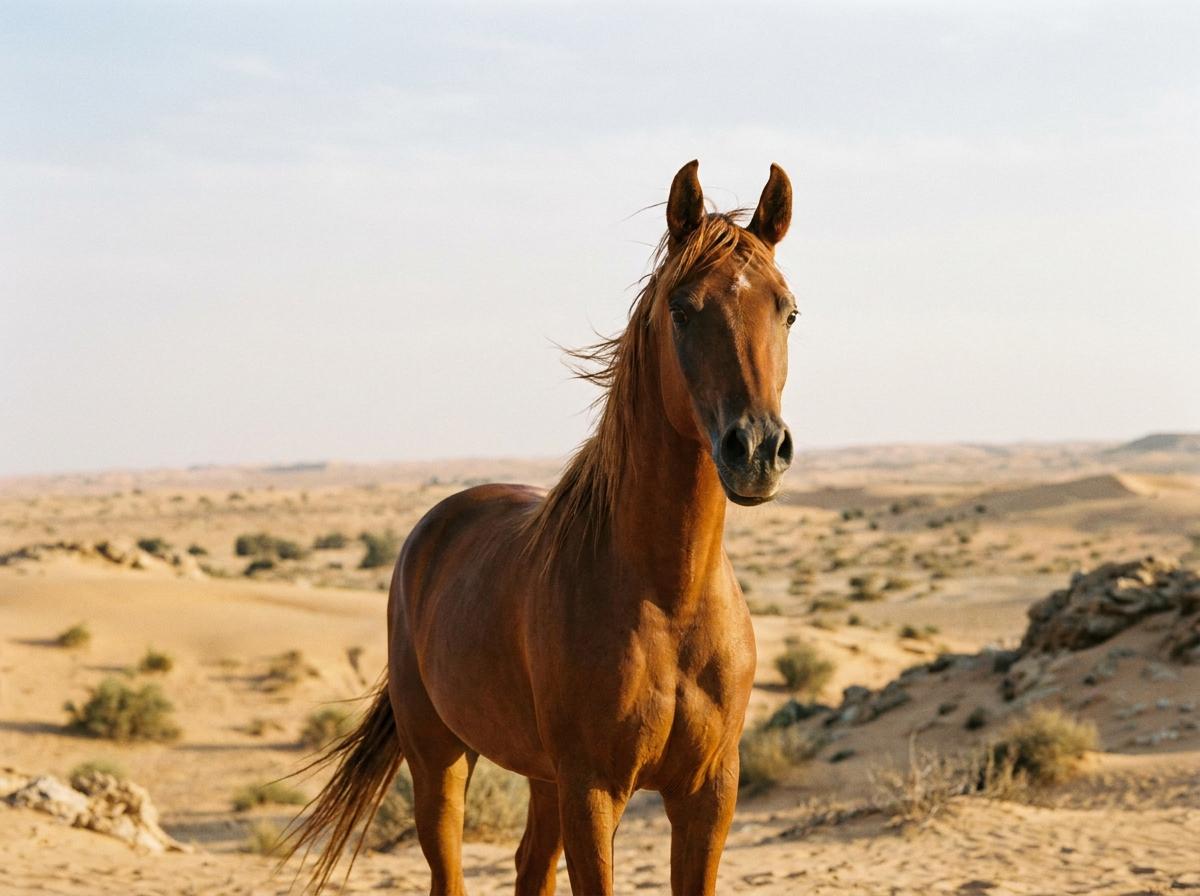
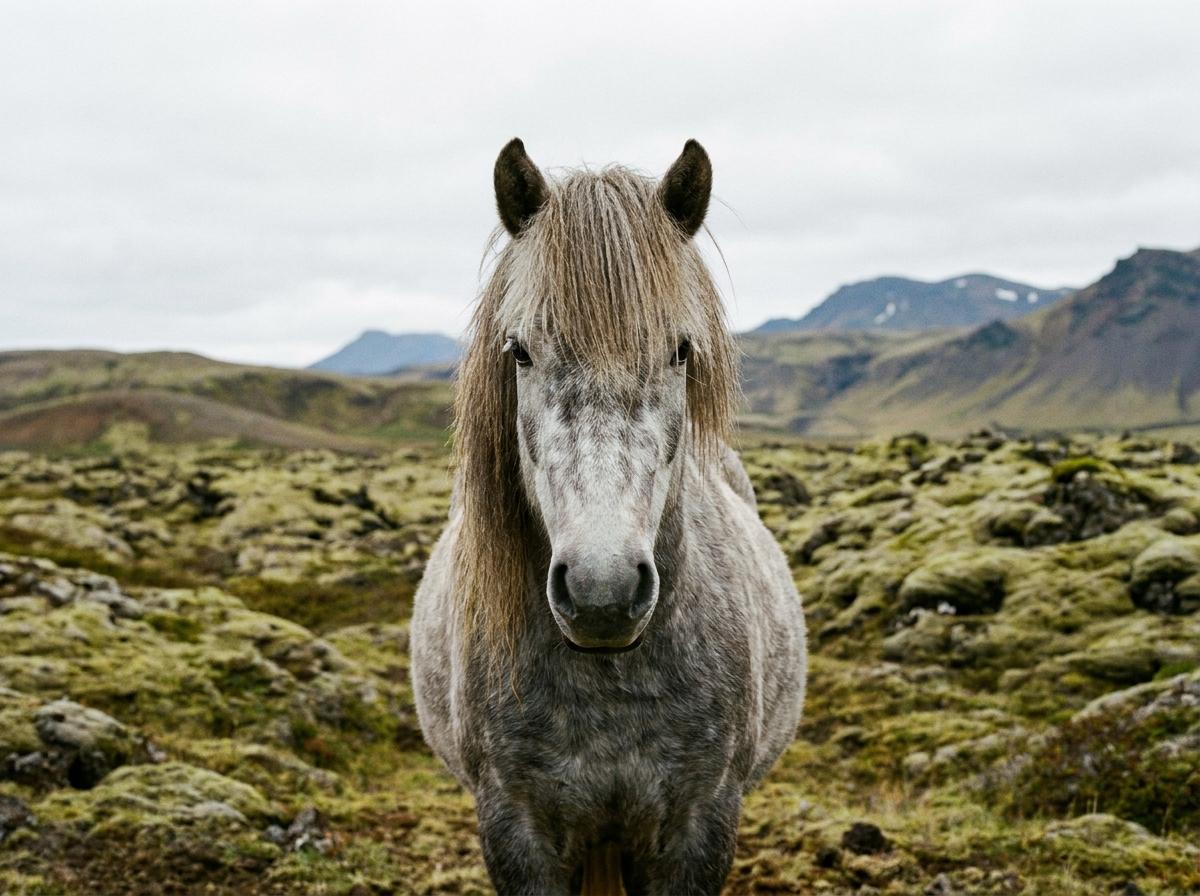
Colors: Amber Champagne, Bay, Bay Dun, Bay Roan, Black, Blanket Appaloosa, Blue Roan, Brown, Buckskin, Champagne, Chestnut, Classic Champagne, Cremello, Dun, Dun Roan, Fewspot Appaloosa, Flaxen Chestnut, Frame Overo, Gold Champagne, Gray, Grullo, Leopard Appaloosa, Liver Chestnut, Overo, Palomino, Perlino, Piebald, Pinto, Rabicano, Red Dun, Red Roan, Roan, Sabino, Seal Bay, Silver Dapple, Skewbald, Smoky Black, Smoky Cream, Snowcap Appaloosa, Sorrel, Splash White, Tobiano, Tovero, Varnish Roan, White